
Translated material
Remember everything
Five years ago, Boris Nemtsov was killed
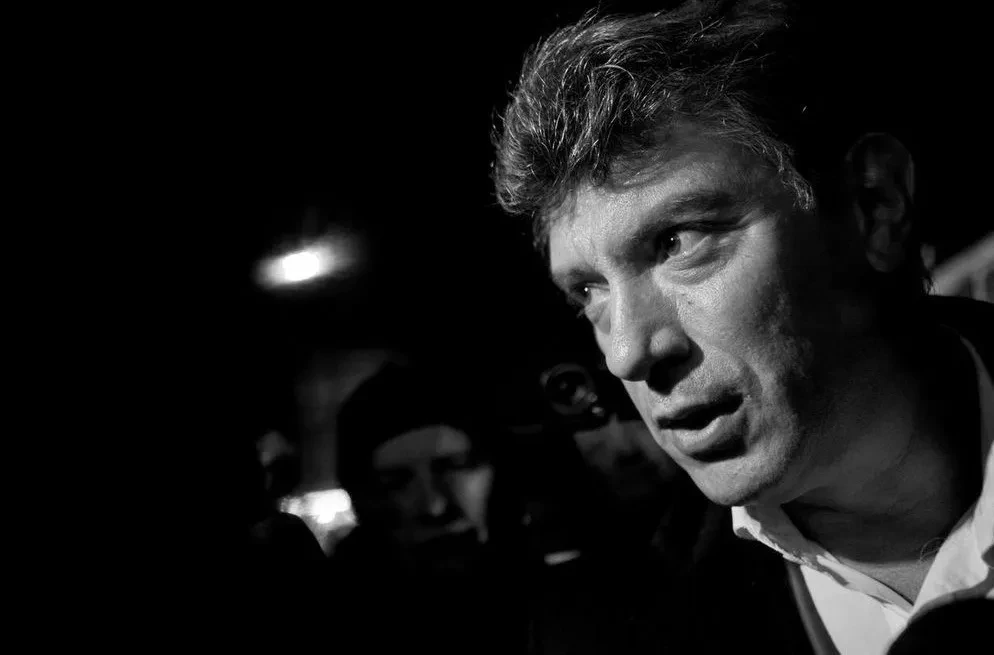
Five years ago, Russian politician Boris Nemtsov was killed on the Big Moskvoretsky Bridge in Moscow. The young Deputy Prime Minister in the government of the reformers, in the 90s he became famous throughout the country when he transplanted Russian officials to the Volga to help the car manufacturer from his hometown. In 1998, he was called the most likely successor to Boris Yeltsin at his post.
After the coming to power, Vladimir Putin, Nemtsov gradually turned into opposition. Unlike many other heroes of the 90s close to power, he did not try to integrate into new authoritarianism. In an interview that the politician gave to the zero, he talks about his fears about the strengthening of the president’s personal power and why the country will not be able to develop under these conditions. Excerpts from these interviews now go on the Internet, they are called prophetic.
When Ilya Yashin, a close friend of Nemtsov on the night of February 28, 2015, wrote “Nemtsov shot in his social networks. He was dead, ” it became clear that the country entered the new political era. A year before, “polite people” appeared in the Crimea, the “hybrid war” began in Ukraine. The Russian leadership headed for self -isolation of the country in order to maintain its own power. Nemtsov was one of those who openly and loudly opposed these actions.
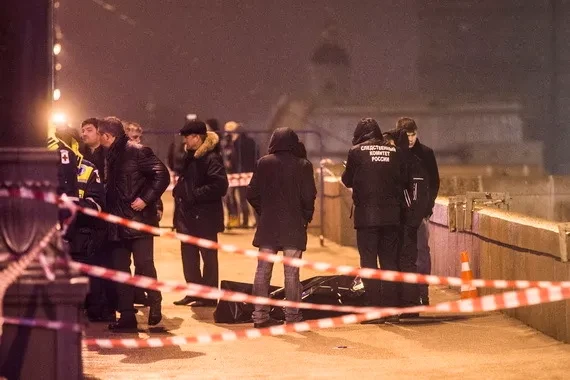
He was well acquainted with people who gained control over the country, he knew the Russian management system from the inside, which had developed by the end of the Yeltsin era. He was dangerous for power and was killed by killers opposite the Kremlin. This murder became unprecedented for the country, set the highest level of political violence. A lot then said about the import of such practices from the "hybrid zones" of Donbass. The opportunity to kill critics of power in the center of Moscow did not accidentally arise after the beginning of hostilities in the east of Ukraine.
For five years, the murder of Nemtsov was never investigated to the end. The performers were on the bench:
Zaur Dadaev, Anzor and Shadin Gubashev, Khamzat Bakhaev and Temirlan Eskerkhanov. Another suspect, Bislan Shavanov, died during the detention in Grozny.
In July 2017, the jury found five accused guilty, the court sentenced them to deprivation of liberty for terms of 11 to 20 years. Dadaev was a Chechen security officer, deputy commander of the battalion in the North shelf: officially on the day of the murder, he was "on vacation."
The threads of the investigation were drawn to Chechnya, however, despite the requirements of the lawyers of the deceased, neither the direct commander of Dadaev Ruslan Geremeyev, nor the head of the Chechen Republic, Ramzan Kadyrov, were questioned in the murder case. The jury issued their verdict against the killers in the case of the “murder without a motive”, even a formal attempt to establish the customer was not undertaken.
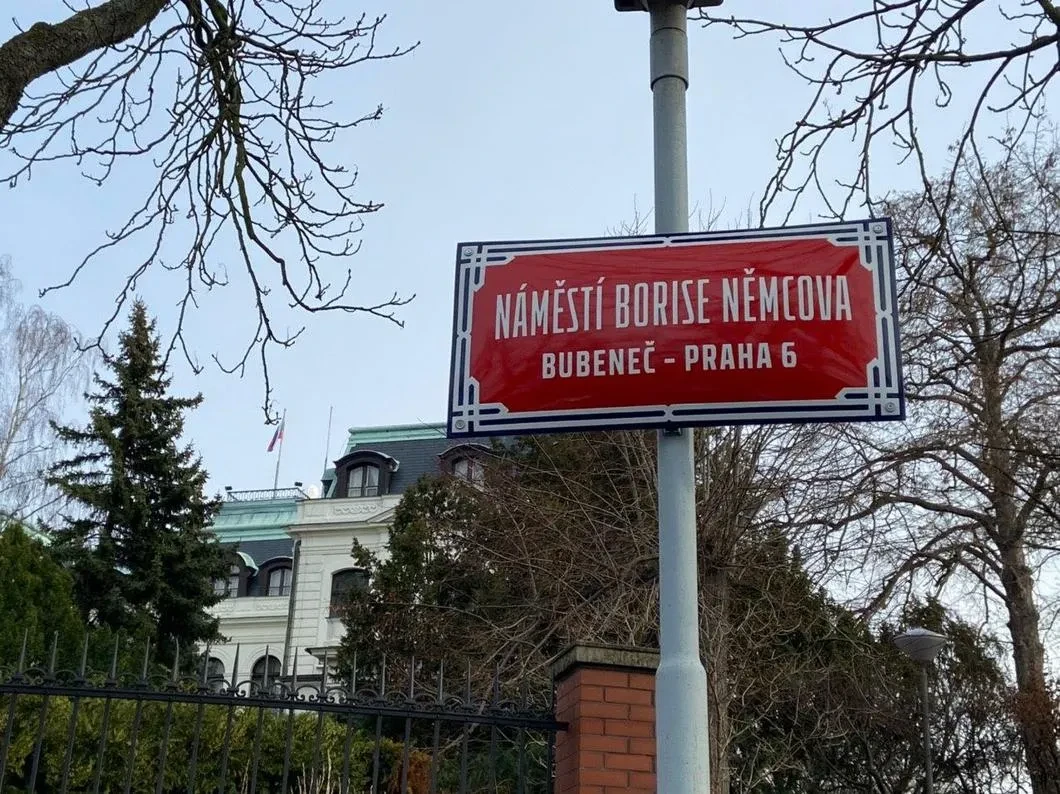
In the world they remember Boris Nemtsov - a man who saw Russia as a great country of the West. The area of the Russian embassy in Washington is named after him: now Russian diplomats have something to think about when they go to work. Recently, Nemtsov’s name appeared on the map of Prague.
In Moscow, but still officially there is no place for memory of the murdered oppositionist. For many years, activists have been fighting with the city authorities for renaming the large Moskvoretsky bridge to Nemtsov Bridge, for installing a commemorative plate and creating a full -fledged memorial. Once this will inevitably happen: such murders cannot be exhausted from the history of the country. Such things did not work out in the 30s of the last century, it will not work now.
Every year, in different cities of Russia, commemorative processions are held in honor of Boris Nemtsov: from the mourning they have long turned into shares of civil dignity. Those who advocate honest elections, against political, criminal cases and war, on this day with Nemtsov and his memory. In Moscow, the procession will begin on February 29 at 13 o’clock from passionate boulevard.
It is significant, the government of Alexander Beglov in St. Petersburg refused to coordinate the procession in the city, referring to the fact that the abbreviation “RF” was in the application, and St. Petersburg officials did not remember and cannot guess what it indicates exactly.
It's good that we still remember.
PS
The Organizing Committee of the March of Memory of Nemtsov in St. Petersburg reports that they managed to achieve the coordination of the event on February 29 in the following format:
12.00 - a fee at the metro station "Gorky" and the procession to Troitskaya Square.
Around 13.00 - a mourning action near Solovetsky stone.
Flowers, candles and portraits of Boris Nemtsov are welcome.