
Translated material
The legend of "Mannerheim Line"
How Stalin and Voroshilov created the myth of an impregnable fortress
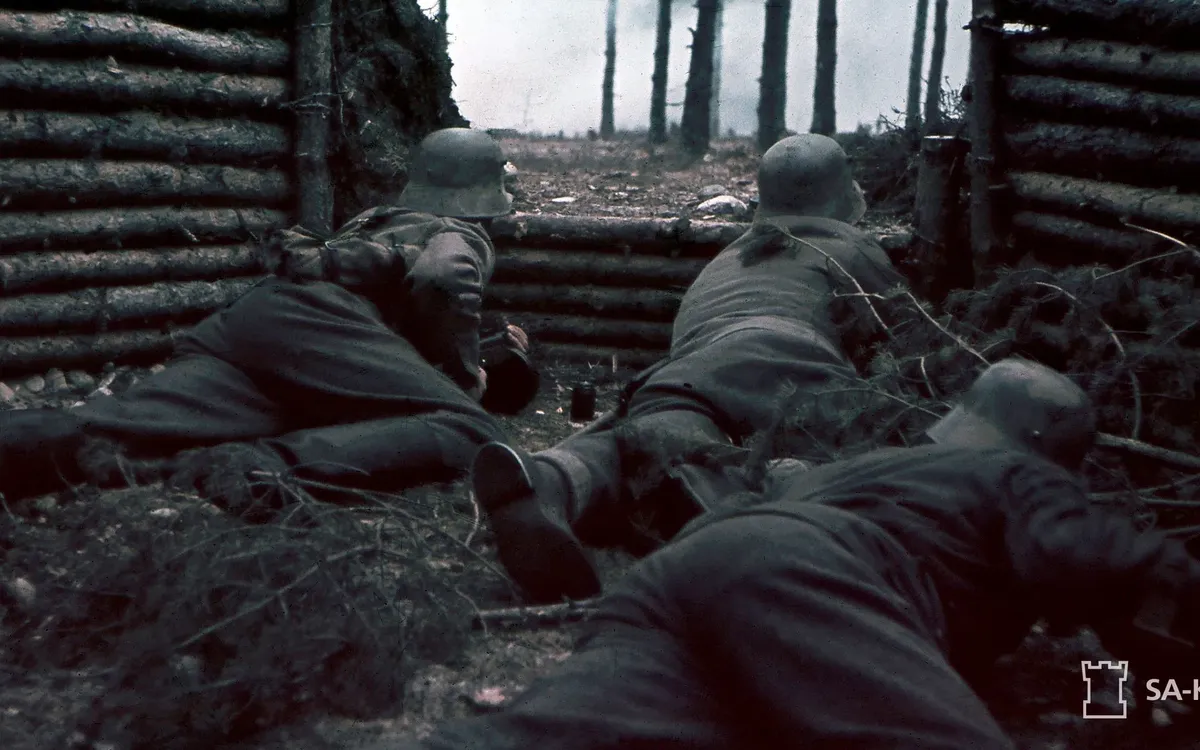
The expression "Mannerheim" gained fame in December 1939, when one of the foreign correspondents accredited in Helsinki called the line of defense at which the Finnish troops stopped the offensive of the Red Army. Then, the “Mannerheim line” was also trumpeted by Soviet propaganda, implying a continuous - a strip of fortificly fantastic and unimaginable reinforcements by the entire front: hundreds of giant multi -storey reinforced concrete monsters - bunkers and bunkers connected by underground passages, with underground multi -storey reflections ...
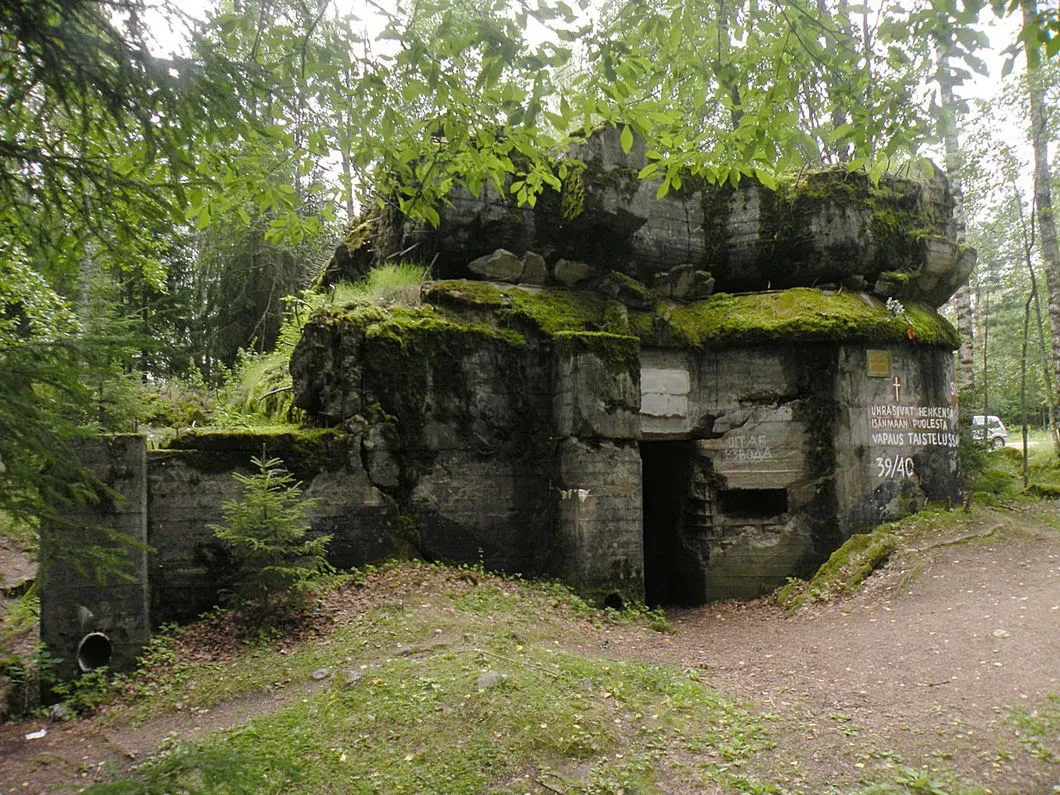
“And what,” they say, “is it not?” There, they say, to this day on the Karelian Isthmus you can see the grandiose remnants of the former structures ... ” You can even feel, for example, on excursions, which for fabulous money is made by a certain “historian”, which simultaneously organize and “field lunch” - on the very fields where the restless remains of thousands and thousands of Soviet soldiers are still lying. In the menu: "Finnish soldier's porridge, sandwiches with galets, tea, coffee, marshal charm." For a fee, probably, a barbecue with mushrooms collected there? But if the soldiers' bones are real, then all these pillboxes, bunkers, casemates (except, perhaps, the ruins of a single “millionaire” near Vyborg), accepted by amateurs, non-trees and lovers of mushroom campaigns for the remains of the legendary Mannerheim Line, nor to it, nor at all to the winter war.
After the end of the war (even in the spring and summer of 1940), almost the entire Finnish line of fortifications on the orders of the Soviet command was destroyed by the sapper troops. The Finnish ports exploded (without touching trenches and funnels where the bodies of thousands of nameless Red Army soldiers dumped) so that in the summer of 1940 there was no trace of them. When the Finns returned this territory during the war-continuations, there was nothing to restore. So they have already built a new line - “W”, the remains of which are taken as a “Mannerheim line”.
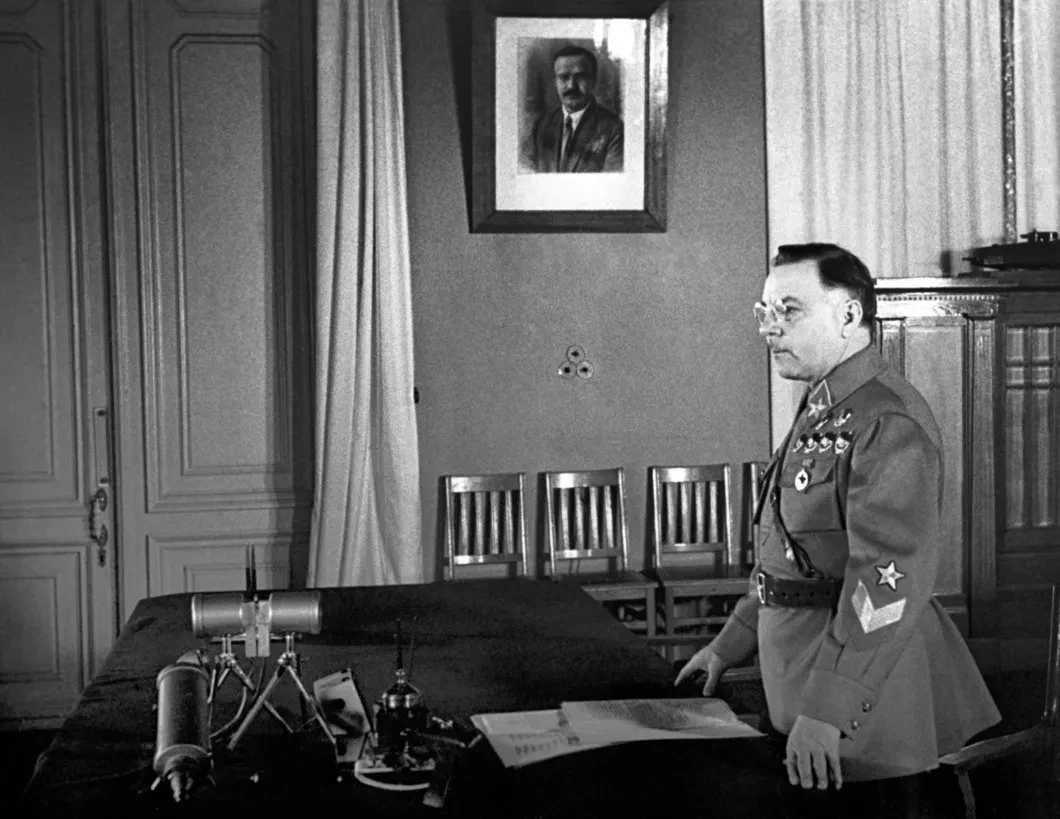
They began to create a myth of the grandiose “Mannerheim Line” during the war, but he found his main features after its completion, when Voroshilov told the People's Commissar of Defense, deliberately amazed how “suddenly” and “came to now” this powerful line of fortifications appeared. “Neither I am the People's Commissar of Defense, nor the General Staff, nor the command of the Leningrad Military District at first completely imagined all the features and difficulties related to this war,” Voroshilov broadcast on March 28, 1940 at the Plenum of the Central Committee of the All -Union Communist Party of Bolsheviks (b). “This is explained primarily by the fact that the military did not have well -organized intelligence, and therefore the necessary data about the enemy.” Of course, there was some information, but, Voroshilov lamented, “meager”, and those “were not quite studied and processed and could not be used for business.” Having slightly sprinkled his head with ash, he reported to the People's Commissar: Soviet troops rushed to fight, "not knowing how the enemy and theater of military operations should be properly." But it’s not at all to know - this is too much, and the People's Commissar added that “the military department knew about the construction of the Finns of fortifications, but this is what this fortified area is represented, unfortunately, we learned only after our heroic troops broke through and occupied Vyborg.”
That is, he knew and did not know at the same time?! Interesting logic.
Further, Voroshilov draws a completely epic picture of the assault “Mannerheim’s Line”: “The strongest, modern fortress”, an almost impregnable, continuous reinforced concrete strip, ditch, ranges, rows of barbed wire, mines, everything was shooting through by artillery and machine -gun fire - the most famous “Siegfried line” and “Magino line” simply rest. Even the Prelye, the speaker sincerely was sincerely surprised, this is “a field, completely lugged with trenches and anti -tank ditches with escarpes, with many dugouts and other field structures, accumulated by granite and reinforced concrete durabs, in large spaces along the front and in the depths, interwoven along and across by wire fences, with a lot of specially equipped machine -gun and artillery nests and sites. ” Fastulously, of course, but was the “beloved People's Commissar” was waiting for a carpet path strewn with flowers?
However, as Comrade says. Stalin, “there are no such fortresses that the Bolsheviks could not take,” they say, “for the first time in military history [...], a first -class, built in the last word of engineering equipment, long -term and defensive systems, was defeated and destroyed.”
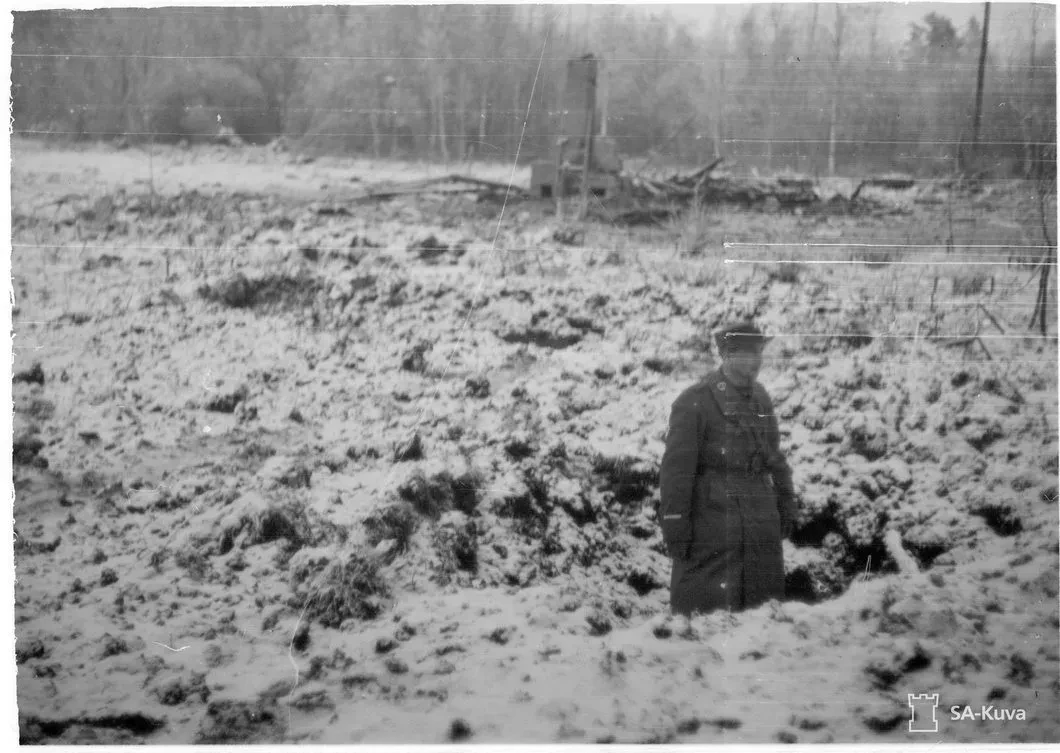
Then the saga was rolled already at a meeting of the command staff in the Kremlin on April 14-17, 1940. The military leaders, of course, played the drugs. “We did not have a complete idea of what we later met on the defense of the enemy,” said Kirill Meretskov, commander of the troops of the Leningrad Military District (LVO), Kirill Meretskov. In all seriousness, convincing that "we imagined in advance prepared a defensive strip as a set of several (two or three) fortified lines with a pronounced front edge."
And all?! According to the logic of the commander, the Finns should have only as spelled out in the school primer, so it should not be divided under a nut of labor: “We are approaching closely after overcoming barriers and reconnaissance, after the artillery preparation, we attack.”
Purely like Leo Tolstoy in the War and the World: Die Erste Kolonne Marschiert ... Die Zweite Kolonne Marschiert ... Die Dritte Kolonne Marschiert ... ( The first column marching ... The second column marches ... the third column marching ... ).
Only now the enemy, almost sobbing Meretskov, did not want to act according to the expected template: everything turned out to be covered by “strong anti -tank obstacles in the form of concrete and granite duct, squadron of different types and ditches [...], various wire fences, large sections of the sections, blockages and minefields.”
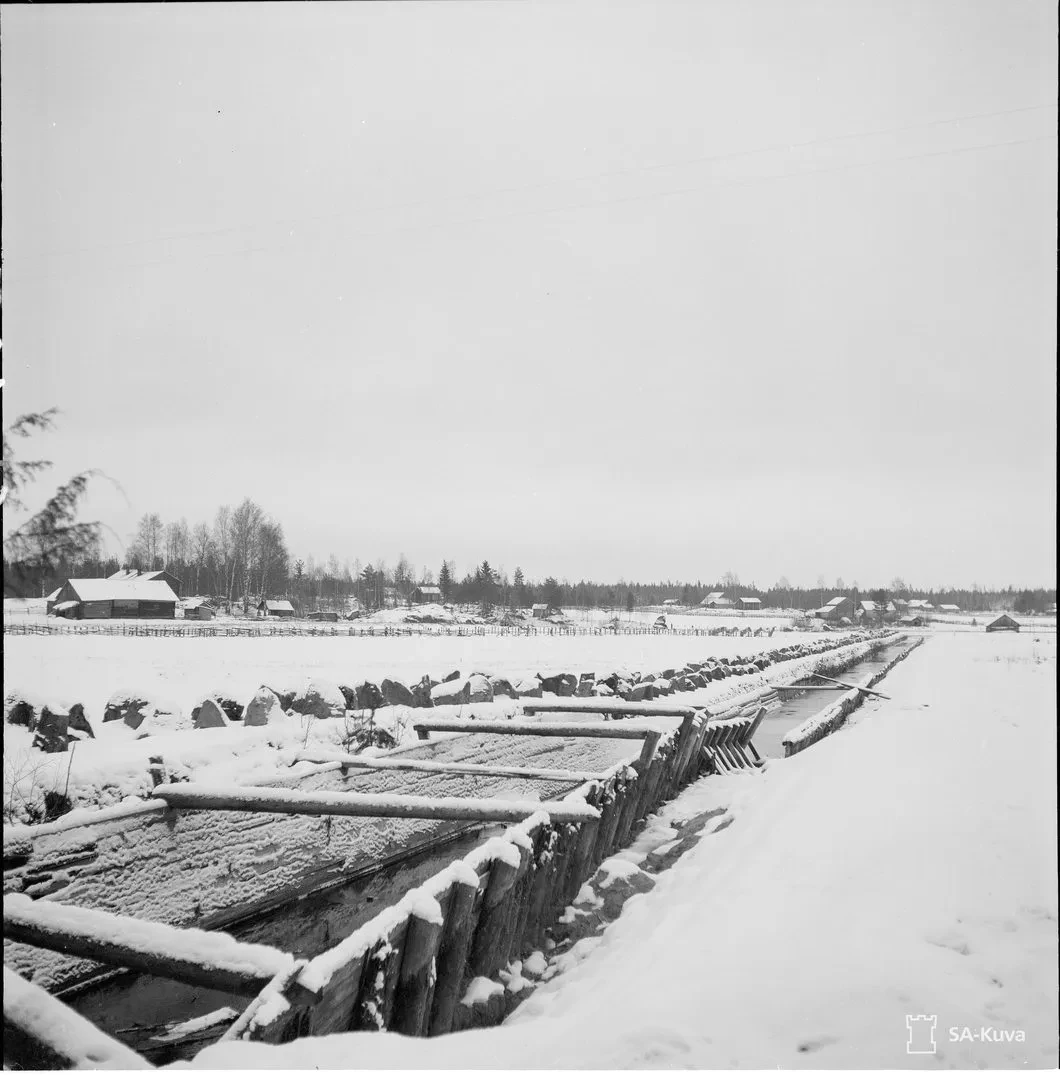
We didn’t think that “it would be deep defensive strips with the presence of concrete and other technical means of modern defense” that the defenders “remained in concrete and cut off the infantry that advancing behind the tanks.” Moreover, I told Meretskov, "the entire 90-kilometer depth of defense from the border and to Vyborg inclusive was covered with minefields of a large stretch, covering the main directions throughout the depth of defense." Of course, "we were not prepared for the fight against minefields of such a large scale." Although, of course, “we were preparing to destroy roads and bridges, we believed that only a certain percentage would be destroyed, and in fact all the bridges were completely destroyed”, the bad adversary also destroyed this “by undermining in order to complicate the restoration”. In general, “if we compare the“ Magino line ”with the“ Mannerheim line ”, then we, we asserted Meretskov, will meet a small difference.
"Mannerheim line" is no worse, and maybe better! "
Regarding continuous mining in the designated scale, of course, he was bent (however, in his memoirs he will write about “almost four hundred kilometers of minefields”): this would require such a fantastic amount of explosives, which not only the Finns, but all the warring powers combined then would not have found. But who was the real facts in the Kremlin? So the head of the General Staff, Shaposhnikov assured that “world war did not know such fortified lines even at its end,” therefore “we must say with all its clarity that this was the first experience of the attack of strong concrete defense.”
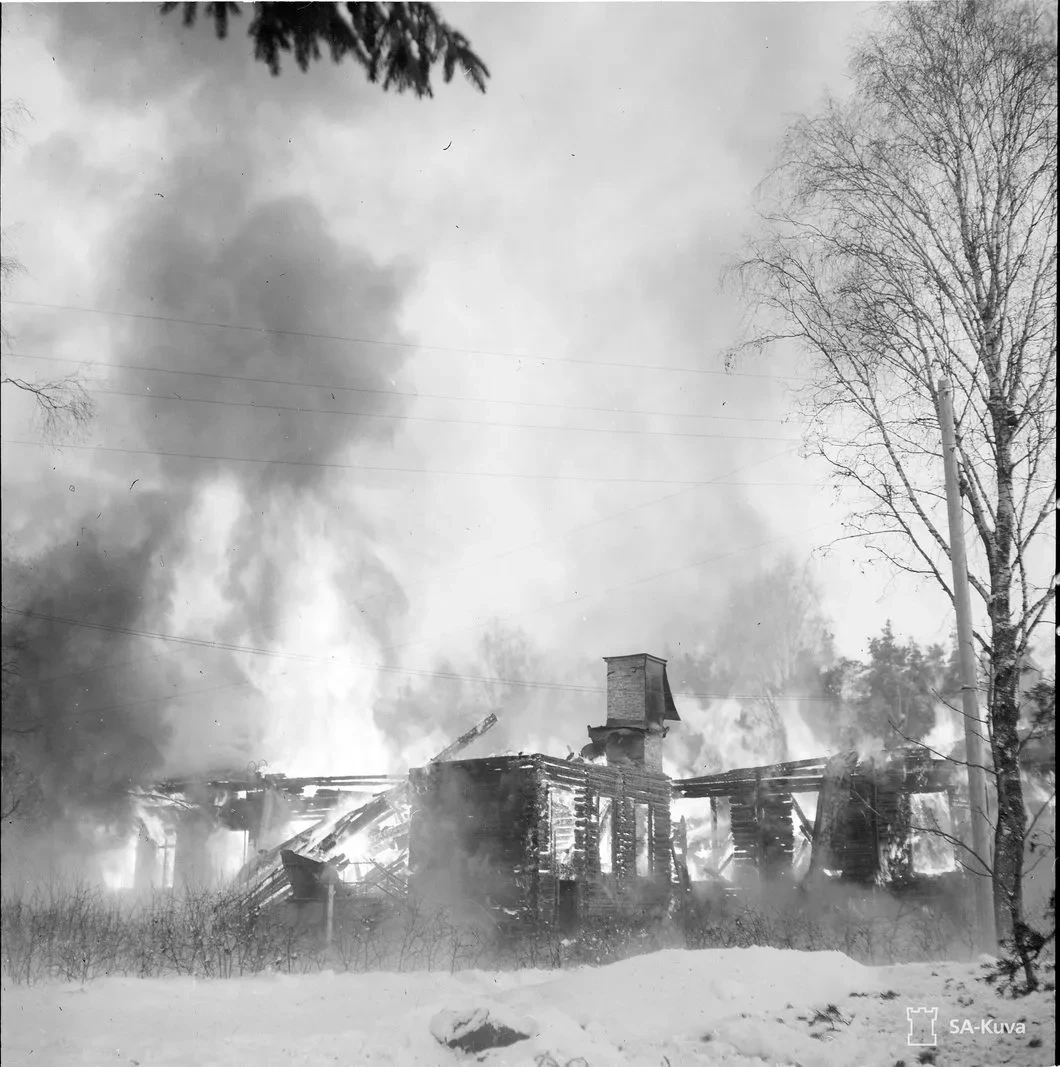
The numbers that characterized the power of the Finnish fortifications began to grow amazingly. At the Plenum of the Central Committee of the All -Union Communist Party of Bolsheviks, Voroshilov said that during the breakthrough of the Mannerheim line, more than a thousand defensive structures were captured and destroyed, including 280 reinforced concrete. ” The streamlined wording of “over a thousand” meant that the score was barely exceeded for this very thousand. And no matter how hard they tried, even for the People's Commissar of reinforced concrete objects, they counted not over 280, the remaining 720-wood-earth and wood-stone, that is, dugouts, shelters, or even completely trenches.
At the Kremlin meeting, the “bets” decided to raise. And the chief of engineering troops of the LVO commander Arkady Khrenov said: “In total, 285 reinforced concrete fortifications and 2026 wood-stone and wood-land structures were captured and destroyed in the Karelian Isthmus. This does not include a huge number of trenches and individual machine -gun and gun nests. In these structures, there were 1443 machine guns and 186 artillery guns. ” There are no obvious discrepancies with the data of the People’s Commissar in terms of thorough structures, but the number of bunkers has grown - as much as three times. Did the snow come down and saw?
The information of the head of the 5th (intelligence) department of the People’s Commissariat of the Command Ivan Proskurov was sharply contrasted with this. According to military intelligence, by October 1, 1939, "the presence of up to 210 reinforced concrete and artillery points was established in fortified areas." Then, not without hidden irony, Proskurov noticed:
“These points are applied to the schemes, there was an album, which, as Tov said. Meretskov, all the time lay on his table. ”
At the meeting, this figure did not dare to defend this figure, but the book “Fights in Finland” published in 1941 already said that the Red Army captured 356 reinforced concrete bunkers and 2425 bunkers. That is, the number of bunkers suddenly grew by almost 70%, and the “destroyed” bunkers became even more than 240%?! It was just miracles, but there was no one to object: Proskurov was removed from the post of head of military intelligence in July 1940, on June 27, 1941 he was arrested, and on October 28 of the same year they shot.
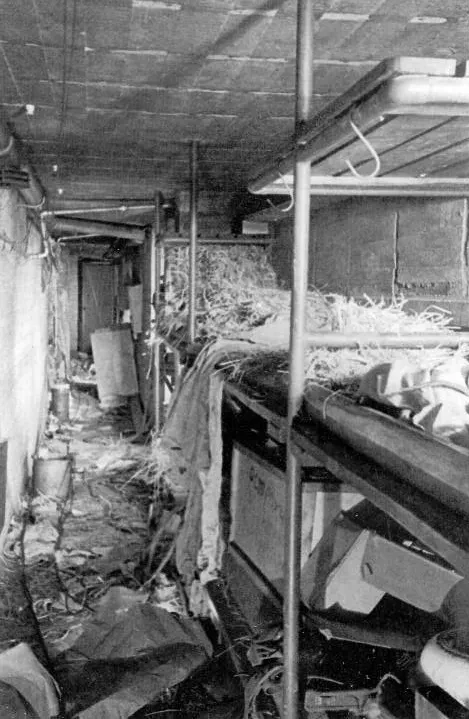
Meretskov, already by a marshal, in his memoirs of the 1968 model, repeated these numbers: 350 iron defensive structures and another 2400 wood-land. Moreover, I supplemented with everything the statement that “the wire fences had an average of 30 rows each” (although the documents are talking about three to five rows!), And anti -tank ranges - as much as “up to 12 rows”. Well, since the whole marshal said! And now the khrenov, already a colonel of the engineering troops-creatively finalized his performance of the April 1940 model, told (in the 1982 book “Bridges to Victory”) that “during the period of hostilities on the Karelian Isthmus, our troops destroyed and captured 356 reinforced concrete structures and 2245 wood-firing points armed with 273 guns and weapons and weapons and 273 guns 2204 machine guns. " As by the time of the compositions of memoirs, everything has grown up, even tools and machine guns-and there are already one and a half times more than 42 years before!
But this is not the limit: “Disarmed mines should be added here, the score of which was kept by hundreds of thousands” (already so!), Ah, yes - also “thousands of undermined long -term”. Such an interesting arithmetic: first they reveal 210 reinforced concrete fortifications, then they turn out to be 285, and after decades - 356 already. Not to mention such “little things” as bunkers, the number of which also grew in terms of time after that war ...
Only now, according to modern researchers, there were only 217 combat -year long -term structures on the Karelian Isthmus, a third of them are refuge (sometimes slightly other numbers are given, but within the statistical error). The wood-land structures count either 805 or 1410, but two-thirds of them are not firing points, but dugouts and shelters.
It turns out that Proskurov is right - “intelligence reported for sure”?
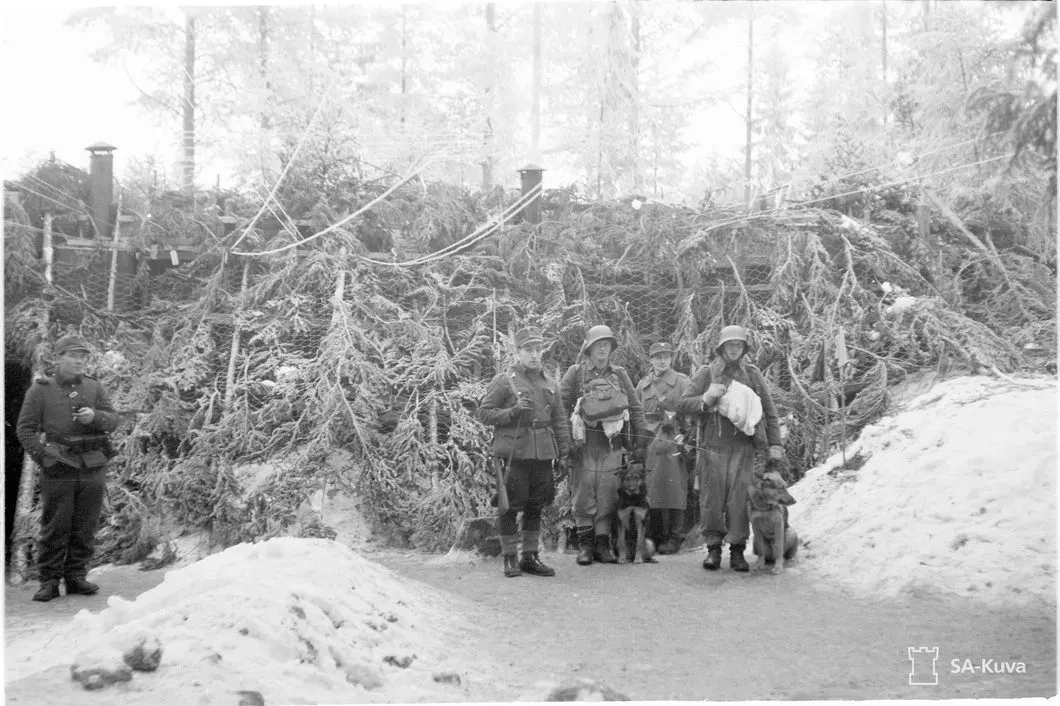
There is a documentary description of one of the most important areas of Finnish defense, the fortified area Taipale, made by researcher Kirill Yakimovich: several “concrete buildings, which are thin -walled machine -gun fortifications of the front fire located in the most critical nodes”. No ramps are only a small chain of stones and log blocks that did not represent any obstacle to tanks and those times. Dug up the ditches of the moat and about 70 bunkers on the site from kivinia to Taipal. There were also supporting points, the basis of which was completely “composed of machine -gun nests dug in the supple sand”! “The captured bunks quoted,” the document quotes, “they do not have technical equipment, there are no FVO ( filtering equipment . - V.V. ), there are no bulletproof vests in the embrases, fixed machine -gun machines, lighting (underground communication has not yet been detected).
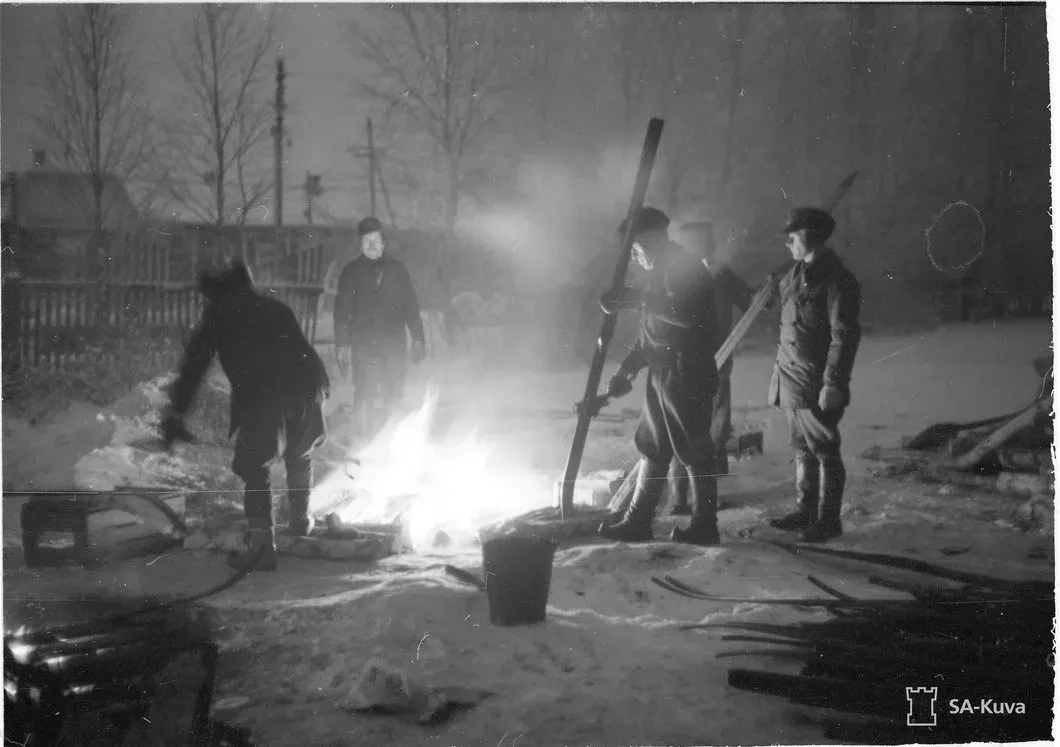
Entrance doors with a thickness of the armor 10-12 mm. The thickness of the floor is 1.2–1.5 m, the floor wall with a thickness of 1.0–1.2 m, reinforcing iron 10–12 mm ”. So "there was no question of any comparisons with the" Magino line "here." Moreover, the researcher Yevgeny Balashov writes, in their combat power, the Finnish fortifications were inferior even to similar structures of the "Soviet Karelian fortified region (KARAR) in 1939."
But after all, as the commander of the Parsegov claimed at that meeting in the Kremlin, "we did not know our enemy, we knew him at all." Clarifying: "I, as the chief of artillery of the LVO (I have been sitting there for three years), read data on the intelligence of the UR, where it is shown that there were so many fire points, but in essence we did not know anything." And the conclusion: "We must set the task so that our scouts work properly." That's how, he sits for three years, he knows nothing, but they are to blame - scouts?!
“How could it happen that this turned out to be unexpected for us,” Meretskov’s meeting did a reason, “that we had neither a practical nor a theoretical idea of the possibility of building such stripes?” Immediately and poked a finger: the intelligence is to blame! But the head of the reconnaissance of Proskurov reasonably remarked that “for the general calculations of the enemy suppression forces, intelligence had the necessary starting data”, which the General Staff reported. Including sufficient accurate information about Finnish ports: no unreasonable fortress such as “Magino Line”, but ordinary field -type structures are rifle, machine -gun, artillery trenches.
Long-term firing points in the Prelye-reinforced concrete, stone and wood-land-counted about 50, and in total, on the main line of defense, as already mentioned, intelligence revealed up to 210 firing points, only part of which are reinforced concrete. All “these points,” said Proskurov, “applied to the schemes, there was an album, which, as Tov said. Meretskov, all the time lay on his table. ”
Such a slag commander, who never formed a combat commander (even the department did not command!), Could not let go. “But not one was consistent,” Meretskov broke into the cry. “Nothing of the kind,” Proskurov retorted. “The reports of the commanders of units and intelligence showed that most of these points are located where they are indicated in the diagram.” “This is a lie,” Meretskov raised again. “Nothing of the kind,” Proskurov answered again ... This is a constructive discussion, but Proskurov was really right. So Anastas Mikoyan in his memoirs noted that “this line was completely described abroad, it was even in our General Staff, delivered in a timely intelligence. But the one who knew all this was eliminated. ”
Colonel Vasily Recruiting recalled how, while preparing the invasion of Finland, the staff of the LVO headquarters used the so -called “black album”. In which “there were all exhaustive data on Finnish fortifications on the Karelian Isthmus (Mannerheim Line). [...] There were photographs of each dot and its characteristics: wall thickness, rolling, weapons, etc. [...] This Black Album was in the headquarters of the current troops on the Karelian Isthmus. ”
But why the Black Album, Stalin, Voroshilov, if, as the brigade commissar Semenov rattled at the same meeting, "at the games we got very simple, they reached Vyborg in two accounts, with a lunch break." And how the album could help if “up to 47% of the Red Army composition did not know the material part of the weapon,” the commander of the 142nd Rifle Division of Countys reported at the meeting. - This mainly applied to machine gunners and hand machine gunners. Up to 60% of the personnel called up from the reserve did not shoot for the last three years. The command staff did not know each other and the fighters, and vice versa. ” Moreover, "only 17% of those who know the compass, a card and who were able to walk around Azimuth turned out to be from the commanding staff of the division." Here only to Vyborg - "with a break for lunch" ...
So, after all, the knowledgeable “compass and map” back in 1936–1939. Ten thousand were sent to those landfills where it was no longer necessary to walk along the azimuth - shot.
Well, or, to whom it took place - to the camps, not pioneer. And so that people do not ask unnecessary questions, Stalin writes, “Mikoyan writes,“ in justification of failures during the war with Finland, he invented the reason that we “suddenly” discovered a well -equipped “Mannerheim line”.