
Translated material
The rules of the city gerilla from Ira fighters
For thirty years in a row, fighters of the Irish Republican Army (Ira) exploded London, seeking the withdrawal of British troops from Northern Ireland. The capital of Great Britain survived hundreds of explosions and attempts on government members, while the rebels came up with new ways to break through the wall of the equanimity of the establishment. Egor Sennikov, author of the Blue velvet podcast, tells how the endless Gerilla transformed the city, became part of his life and filled the pockets of tourists with candy wrappers.
The smell of Gary. A gray building with knocked out windows, broken shop windows. Two cars are damaged by the explosion so much that they clung to each other. Shards are lying everywhere, something burns slowly at the entrance to the building. The hum of police sirens. People in business suits randomly walk along the street - many on shirts have bloody spots, soot and dirt. Teachers and reporters come from everywhere.
An ordinary street next to the Central Criminal Court of London in Old-Bailey seemed to return 30 years ago, in the early 1940s, when the city was bombed by the German Luftwaffe. About two hundred wounded (about a couple of dozen are hard), one died due to a heart attack.
The police search the street for other explosive devices, but the movement is not blocked, and dozens of passers -by look at the mutilated street. The journalist is interested in an eyewitness :
- Where were you during the bomb explosion?
- I just left the office, here opposite ... and went down the road, my car was parked there. And I just approached her and heard a loud “boom”.
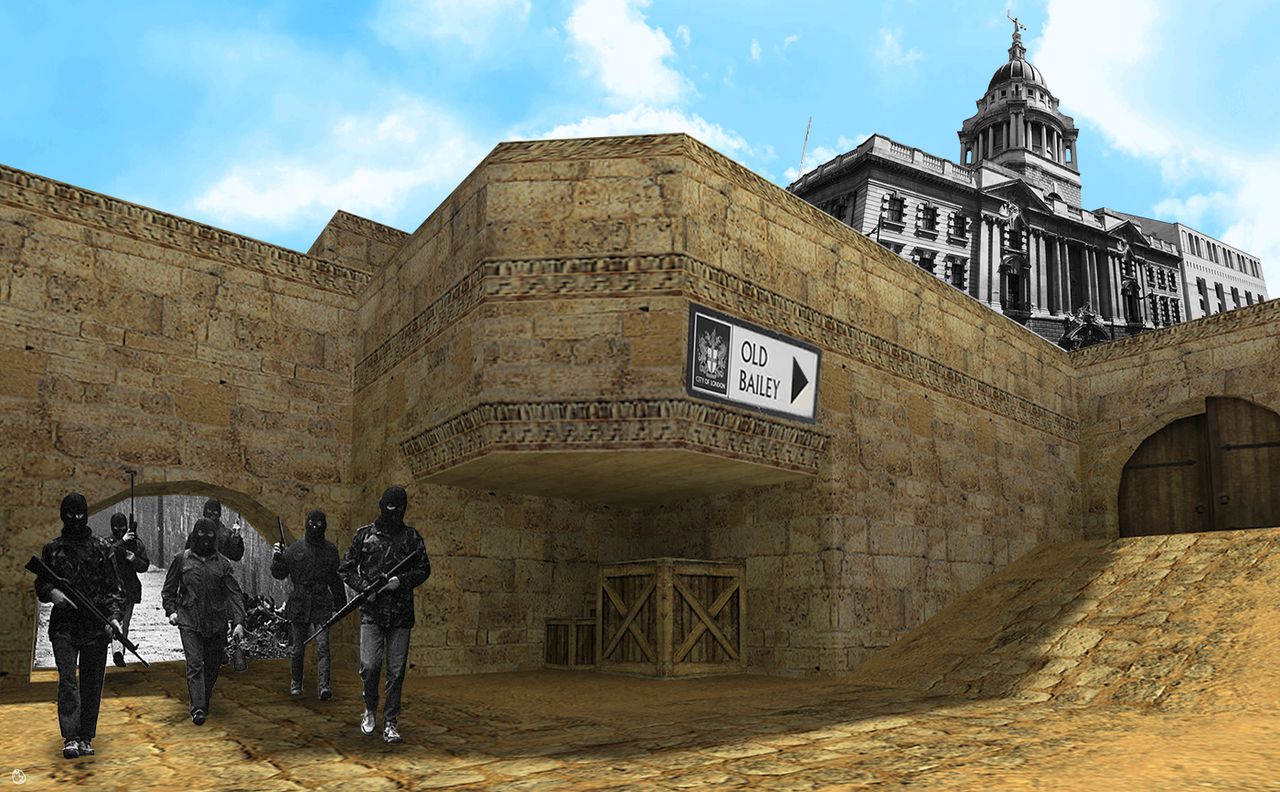
So March 8, 1973 at 14:49 local time in the capital of Great Britain, war began. The roar from the explosion was heard throughout the central London-even Prime Minister Edward Hit, who at that moment was in his residence on Dauning Street two kilometers from the place of the attack at that moment.
The first bombs of the partisan war, which Irish nationalists declared Great Britain, were laid in cars. One was parked at Old-Baley. Another device worked next to the entrance to the Ministry of Agriculture. The other two (at the military unit and at Scotland Yard) were found and neutralized by the police in time. There would be much more victims if the police did not warn the anonymous accent. The police were looking next to the court, the abandoned Ford Cortina and began evacuation from the buildings located in the neighborhood, but the bomb exploded before the process was completed.
It was just the beginning. Over the next thirty years, the UK will survive about 500 terrorist attacks that will teach Londoners to fear the most harmless objects: mailboxes, fire hydrants, random boxes on the street. The tactics of urban Gerilla will turn urban infrastructure into a minefield, in which hundreds of civilian civilians will die and remain crippled. And he will make tourists walk with candy wrappers in pockets for half a day.
Garbage is worse
The urns as an object of the urban environment rarely rarely arouse a keen interest in someone until they disappear. In the center of London, and above all in City, there were not so many of them recently that there were constant complaints and problems: tourists were indignant that there was too much garbage in City, which smells and spoils the impression of the city, and office workers said that they were tired of adapting to the work of garbage trucks.
But in London, the URN deficit was the result of the bloody city gerilla, during which the gazebos in the parks exploded, shot from the mortar on Dauning Street and undermined the floor of the hotel, in which the Prime Minister stopped.
And although the ingenuity of the terrorists knew no bounds, the war at which moment became so familiar that almost no one paid attention to it, except that the urn became smaller. And life-continued, almost without freezing due to terrorist attacks and explosions.
Where in Spain the terrorists Roman Ponomarev , Alena Belyakova collected all the information about recent terrorist attacks in Barcelona and explain why the Islamists consider Spain theirStart
The explosions on Old-Bely, although they shocked many, did not become a big surprise. Potential perpetrators were obvious to everyone - the police, the press and society pointed out the “temporary” Irish Republican army: “They elected their targets by the army, police and courts. We are sure that Ira is behind this, ”the police said .
The police were not mistaken. Explosions in London occurred on the day when a referendum was held in Northern Ireland, at which residents were supposed to answer one question: whether Northern Ireland should remain part of the UK or join Ireland. Irish nationalists boycotted a vote - and they had reasons for this.
The history of the British conflict with the Irish has more than one century, but since the late 1960s, a degree of violence in this confrontation has increased almost every month. Northern Ireland was blazing, and Belfast (the capital of the region) and Derry turned into cities, where blood was increasingly spilled, and bombs exploded almost every week. The confrontation reached its peak at the end of January 1972, when the British soldiers shot 13 unarmed demonstrators demanding the cessation of violence. At this moment, Irish resistance decided that dying in silence is a bad strategy.
The war had to be transferred to British soil - in order to make the British establishment the atmosphere in which the Irish lived for many years. If reports about explosions and murders in Northern Ireland received 10-15 lines in British newspapers from the force, then reports on the terrorist attack in London fell into all the first lanes - and far from only in Britain.
When it turns out that the war is near Alina Fuchs , Nikita Soudenikin our Israeli connected reports from the streets of Jerusalem, where a wave of terrorist attacks rolled for a third week - fear and horror came to these lands The war at what moment became so familiar that almost no one paid attention to her, except that the urn became smallerThe aim of the attack was not ordinary people - that is why the police warned of the embedded bomb. Ira considered it necessary to hit the very center of British justice-the gray building of the Central Criminal Court in Old-Bale, erected at the beginning of the century on the site of the former Newgate prison. And they succeeded.
The bombs exploding in London were made in Ireland and delivered to England in a ferry. The organization of the attack was attended by 11 people from the Belfast brigade Ira. But already on the day of the explosion, almost all terrorists were detained at Khitrovo Airport - removed from flights that went to Dublin and Belfast. All of them were very young people - from 19 to 29 years old. Only one managed to escape.
After a not very long preliminary investigation over the suspects, a rapid trial began - it lasted only 10 weeks. This time, however, was enough for a real drama to play at the trial: one of the accused, the 18-year-old student and engineer Rawzin McNerni, went to cooperate with the investigation and split. When during the sentence it turned out that the court set off his cooperation and justified Rawzin, her former accomplices began to gloomily hummed the funeral march from the Handelian Saul oratorio, and one of them completely threw a coin into it and said: “Take your bloody money!” In tears, Rowzin left the court building - ahead of her personality, appearance and a breakdown of relations with all relatives and relatives in Belfast were waiting for her.
However, the rest of the demolitioners had even harder: the eight were sentenced to life imprisonment, another - to 15 years in prison. Leaving the court of the court, the terrorists threw up their fists in a combat greeting. Ahead of them were waiting for years of imprisonment, hunger strikes and a constant struggle for freedom and survival, which took the most unexpected forms.
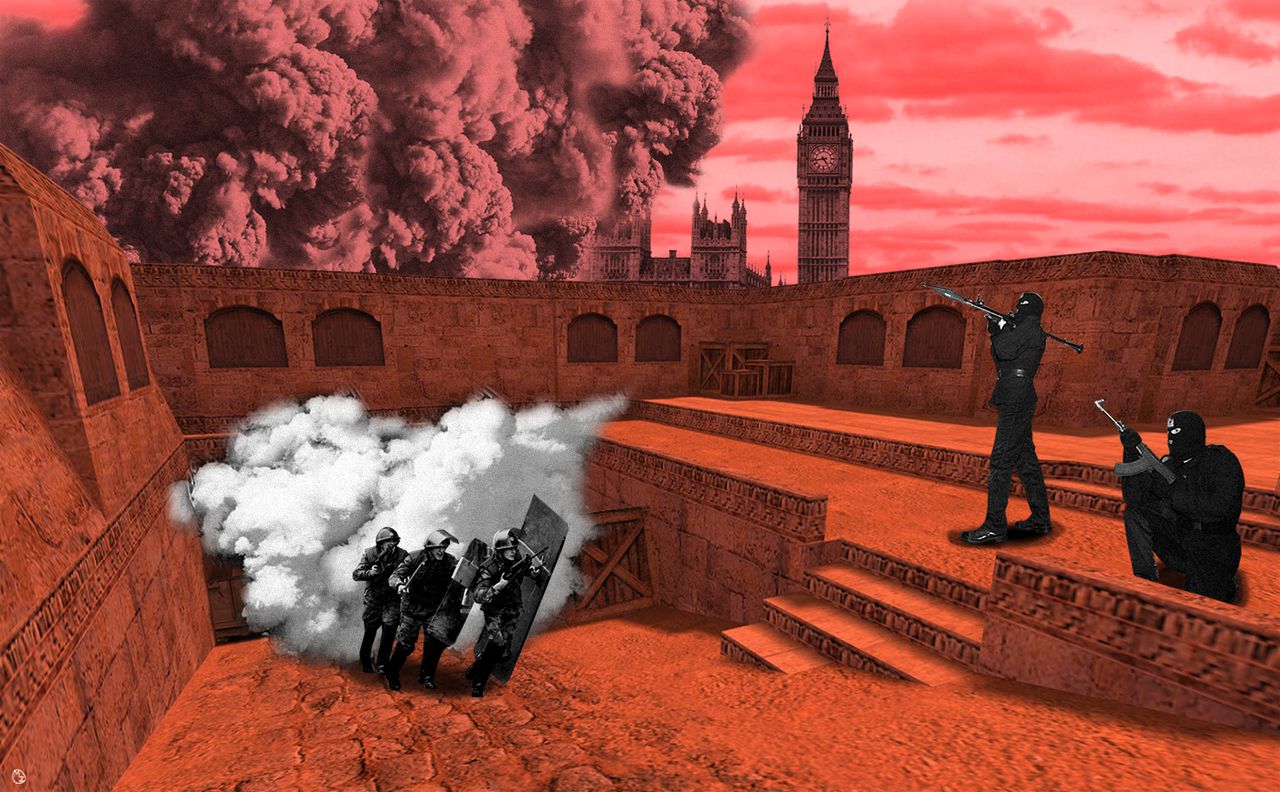
Herry Kelly, one of the terrorists, who, at the time of the two life sentences were issued, was barely 20 years old, tried to escape from prison many times. One of the shoots was successful: in 1983, 38 Ira fighters fled from the most fortified and protected prison. Kelly even managed to get to the Netherlands, from where he was extracted after a few years-and he still spent the rest of the 1980s in prison.
But all this was later. And then, in 1973, the explosion did not try not to notice, but the news about him was drowning in the information stream. While the explosions rattled in London, the rest of the country had something to do: it was shaken by trade union strikes - each time more and more numerous and fierce. In the UK, oversaturated with internal conflicts, there were not so many reasons for the joy and feeling of unity. Only the royal family tried to find them: a little more than a week after the explosion at Old-Bely, Queen Elizabeth opened the new London bridge and raised the patriotic spirit of the British :
“The London bridge is perhaps not the longest, tall or wide bridge in the world. But I, like you, believe that he is the most famous. ”
It was cute. But the jokes turned out to be a weak help in the struggle against bombs: the next terrorist attack occurred in London in less than six months later, and 1974 entered the history of the country as one of the most bloody in peacetime. A particularly tragic page was the undermining of two pubs in Birmingham and the death of 20 people.
Perfect urn in an ideal house
“When I was 10 years old, my mother took me, my sister and our two friends at the“ perfect house ”exhibition in Olympia. It was very pleasant to be among 20,000 visitors, see a luxurious decor and study demonstrations of innovative gadgets. At some point, my friend Tanya and I stood by the garbage urn and waited for my mother and her friends to return from the toilet.
When they returned, we began to climb the escalator to the floor above. We went upstairs - and at that moment a deafening explosion occurred. People scattered in all directions, everywhere there was smoke, screams, crying, broken glass and something similar to blood streams. It turned out that in the urn, next to which we stood, Ira laid a bomb. "
People crawling in the blood, torn limbs, screams for help, smoke - such memories remained with Louise Nevin about March 27, 1976. On that day, they went to the famous London Exhibition Center Olympia - there since 1908, with the support of the Daily Mail newspaper, the ideal house exhibition was held annually.
It is interesting to read in the three years of the war Ira who committed 287 successful terrorist attacks in the UKIn the BBC news report about that terrorist attack, there are only questions, but without answers. How did the attackers penetrated the exhibition? How did they manage to carry an explosive device with them? The police retroactively introduces a preliminary inspection at the entrance to the exhibition, but the matter has already been done: the terrorist carried the bomb under the coat, threw it into the urn. As a result, 85 people were injured (eight children of them), and four people lost limbs. Dorothy Yarbi, who passed by the ill -fated urn a few minutes before the explosion, recalled that "people shouted, hoping that this would help them get out." She herself had to cross the bodies, trying not to look at her feet: the floor was in blood and flesh.
The place for the blow was chosen “perfectly” - and the point is not only in the urn itself, which no one paid attention to in the lobby, but also in the fact that the explosion occurred in the “ideal house”. The mid-1970s are a difficult, gloomy and rather poor time not only for the UK, but also for Western countries as a whole. Stagning economy, constantly inflated prices, a growing crime rate and a drop in the quality of life.
Local features were superimposed on all these difficulties in Britain: the war with Ira, constant strikes of miners and smoldering ethnic conflicts overdue in several years. And in a few years, London himself turned into a city in which it was difficult to hope for safety: the explosions rattled at the metro stations and in pubs, at the Hilton Hotel and on ordinary streets near the military units.
In such decorations, the “Perfect House” exhibition seemed to many to give hope for a better future and a cozy, calm life. Here every year new devices and devices that facilitate home life were presented.
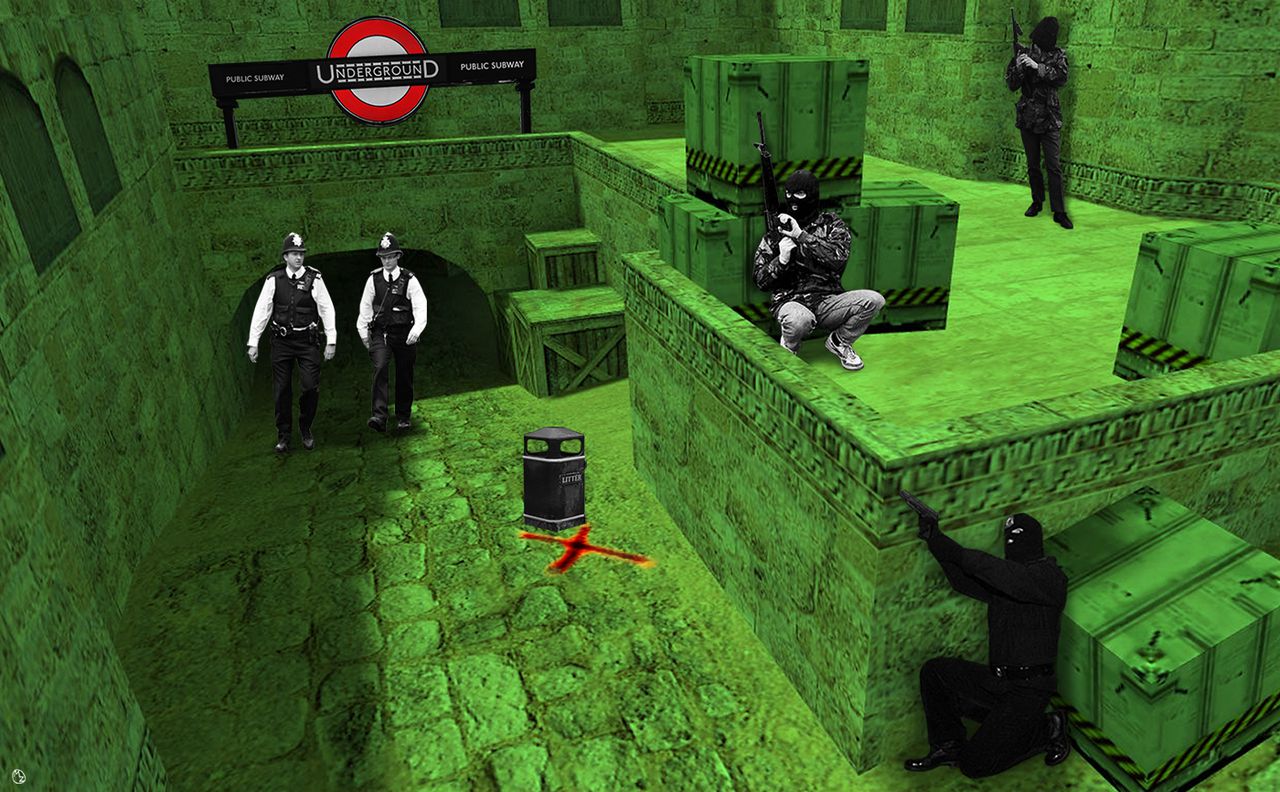
On the opening day of the exhibition in The Guardian, they wrote about the fascinating competition of manufacturers of the windows for washing windows; About the German super -tower that can do anything with vegetables; About Swiss mixers and blends. The exhibition was supposed to last more than a month, and tens of thousands of people planned to visit it, hoping to make a short trip from the gloomy Britain of the 1970s to the world of ideal fantasies for the middle class.
The explosion in Olympia was organized by another brigade abandoned in London from Ireland - and it acted hard. The police did not receive a warning call from terrorists, which by that time was considered already established practice in this city war. Only after the explosion, the anonymous with a strong Irish accent called the Sunday Mirror newspaper and stated that what happened was the work of Ira's hands . “This is a requirement for the British government: bring troops from Northern Ireland. If this requirement is not fulfilled, then even more explosions will follow. ”
Over the three years of the war, Ira committed 287 successful terrorist attacks in the UK. But there were few dead: Ira almost always warned of the impending explosion, and the police managed to react. The explosion in Olympia turned out to be the most bloody and cruel since the first impact of Old-Bale. In newspapers around the world they wrote about a terrible attack on London, the society was furious, and police officers with loudspeakers went through the British capital, through which they broadcast the recorded appeal:
“Lady and gentlemen! This is a mild warning of the city police. Please do not touch the letters and sides left unattended. Please do not get close to them. In case of any doubt or suspicion, contact the police. ”
The seventies were bloody and noisy, but the eighties were truly harshThe police generally tried to show with all his might that the situation is under control and that the organizer would be found at all costs. After a couple of weeks, the press called the suspect in the preparation and development of the attack: according to the police, behind this was Brendan Swurds, a 34-year-old officer of the Irish Republican Army. The police followed his trail: at first she discovered his last place of residence, then an underground factory was opened, in which, apparently, a bomb was made. But then the investigation came to a dead end - it became clear that Swurds escaped to Ireland and hid in Dublin. The Irish police replied to official requests for extradition that it could not establish the location of the suspect. Judging by the memoirs of people who collaborated with Ira , the Brendan was quite active and a decade after the attack, giving instructions and preparing new explosions.
Either Ira became too difficult to work in London, or undergrounds did not calculate the information effect that caused an explosion in Olympia, but the terrorist campaign stopped for almost a year. And life, despite all the hardships, did not freeze. The very next day after the attack in Olympia, a report is released at the BBC ONE, which is entirely dedicated to the approaching Eurovision Contest. Brotherhood of Man is traveling from Britain with the song “Save your Kisses for Me”, looking as if she decided to collect stereotypes about the seventies : wide maples, passionate lapels of shirts, stupid mustache and hairstyles, ridiculous dances. Two weeks later, she won the competition, and the song headed the British chart at the end of the year.
“It's time to move on
And I really have to leave.
But I linger, wanting to see one of your smiles.
I love you, but for now ...
While the dear will be far away, you promise to save ...
... your kisses are for me? Save all your kisses for me! "
Palestine on Thames
“I don't want to live in hell
Considering the walls of the prison cell,
I don't want to be a number
In official statistics. "
Invisible Sun, The Police, 1981
Years will pass, and Sting, the author of the song, will tell that he wrote it, reacting to the prison hunger strike of a member of Ira Bobby Sands: he required improving the conditions of conclusion. The British government did not respond to the requirements of the Sands and other prisoners who joined his protest. As a result, ten Irish activists died in prison from exhaustion, and riots began in Northern Ireland soon after that.
The tactics of the British government in relation to the terrorist war changed. In the 1970s, the police barely kept up with terrorists who masterfully conspirated, preparing one bomb after another. In the eighties, the authorities decided to go on the offensive: no sentiments in the fight against enemies, no mercy. In an interview with SPIN, in 1994, IRA members complained to the journalist that new security measures are binding them on their hands and feet: gas analyzers can determine the presence of explosives almost anywhere, and the installed chambers interfere with the organization of terrorist attacks and conspiracy meetings.
Семидесятые были кровавыми и шумными, но по-настоящему жёсткими оказались восьмидесятые. ИРА сменила тактику — теперь ирландцы решили брать не количеством взрывов, а информационным резонансом от атак. В 1979 году на яхте был взорван член королевской семьи и последний вице-король Индии Луис Маунтбеттен. В лондонских Гайд-парке и Риджентс-парке в результате подрыва декоративных беседок погибли 11 военнослужащих и семь лошадей (ещё одна лошадь была тяжело ранена, но выжила и стала на время самой известной лошадью в стране).
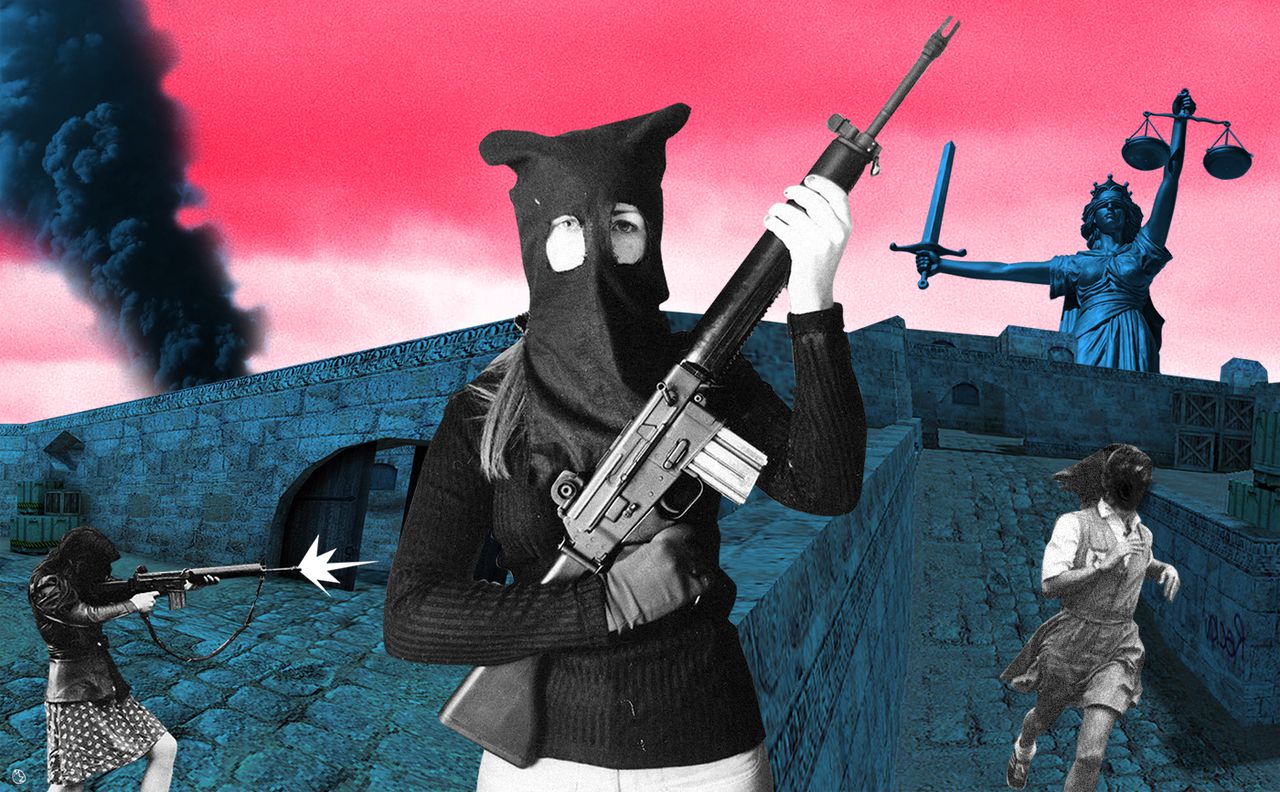
В 1984 году ИРА нацелилась на убийство премьер-министра Маргарет Тэтчер и членов её правительства, у которых в брайтонском отеле проходила партийная конференция. Тэтчер выжила и даже не отменила назначенную на утро пресс-конференцию, чем снискала симпатии избирателей, но не ирландцев; Моррисси, фронтмен группы The Smiths, заявил, что самая большая трагедия в брайтонском взрыве — это то, что Тэтчер осталась в живых.
Но в целом 1980-е оказались временем, когда две воюющие стороны решили попробовать договориться о мире: партия «Шинн Фейн», политическое крыло ирландских активистов, начала длительные переговоры с правительством Британии. Казалось, что постепенно дело идёт к миру. По всей видимости, в ИРА в какой-то момент решили, что переговорный процесс развивается уж слишком медленно. Или захотели показать, что политики могут переговариваться сколько угодно, но с врагом разговор должен быть коротким. Словом, они решили снова вступить в игру.
В начале 1990-х Лондон снова оказался главной целью террористических атак. За 1990 год в городе произошло 11 терактов, в результате которых погиб один человек, пятьдесят были ранены. Но это были цветочки: ирландцы ещё в 1970-е обещали, что столица Британии почувствует на себе то, что переживали жители Белфаста, — и в начале 1990-х они своё обещание решили наконец выполнить.
Война разгорелась так сильно, как никогда прежде. В феврале 1991 года бригада ИРА провела миномётный обстрел резиденции британского премьер-министра на Даунинг-стрит, 10. Обошлось без жертв, но это было уже серьёзное предупреждение. Меньше чем через две недели новый удар: прогремели взрывы на вокзалах Паддингтон и Виктория.
Бомбы вновь были заложены в мусорные урны. На вокзале Паддингтон была заложена менее мощная, чтобы обратить внимание полиции и показать, что телефонный звонок с предупреждением о взрыве — не шутка. Лондон был парализован: общественный транспорт не работал, и десятки тысяч человек, каждый день приезжавших в офис из пригородов, не смогли добраться до работы.
Представители ИРА дали неожиданно подробный комментарий о своей тактике, подтверждая своё намерение взрывать Лондон: «Любая акция в Британии приводит к эффекту во много раз большему, чем любая наша акция в шести графствах (так ИРА называли Северную Ирландию, отрицая её принадлежность Британии). Британский истеблишмент не хочет, чтобы последствия оккупации сказывались на самой стране».
Интенсивность кампании нарастала с каждым месяцем, а террористы использовали городскую инфраструктуру для своей деятельности так изобретательно, как никогда прежде. В 1992 году теракты происходили практически каждую неделю. Далеко не всегда дело доходило до взрыва, так как ИРА стала активно применять зажигательные бомбы, эффект от которых был совсем не таким, как от самодельных взрывных устройств. Они закидывали бомбы в мусорки у пабов, минировали телефонные будки и почтовые ящики, пытались подрывать кэбы и вагоны метро, мусорки в мужских туалетах и гардеробы в театрах. Лондон горел и взрывался, полиция регулярно применяла новую тактику, убирая мусорки и телефонные будки то из одного квартала, то из другого, пытаясь опередить ирландцев. Те же шли дальше, придумывая всё новые и новые точки для нанесения удара.
«Любая акция в Британии приводит к эффекту во много раз большему, чем любая наша акция в шести графствах»Самые масштабные теракты 1992–1993 годов — взрыв здания Балтийской биржи в апреле 1992 года, который забрал жизни троих человек и нанёс материальный ущерб на сумму в 800 миллионов фунтов (что было на 200 миллионов больше, чем потери от всех предыдущих терактов вместе взятых); теракт у магазина Harrods (приуроченный к десятой годовщине подрыва этого же магазина) — две бомбы в двух мусорках, четверо раненых в результате.
Но решающее значение оказали два теракта. Первый произошёл не в Лондоне, а в небольшом городке Уоррингтон, недалеко от Ливерпуля. Бойцы ИРА заложили бомбу в мусорки на одной из главных торговых пешеходных улиц города. Она взорвалась вскоре — 20 марта 1993 года: 56 раненых и двое убитых. Ярость и опустошение вызвал не сам взрыв — к ним уже, кажется, все немного привыкли, а личности погибших. Ими оказались двое детей, которые пришли в магазин, чтобы купить открытку маме на День матери.
Взрыв в Уоррингтоне заставил людей по всей стране с яростью обсуждать действия ирландских террористов. Именно ему была посвящена и самая известная песня группы The Cranberries «Zombie»:
«Ещё одна голова поникла:
Ребёнка медленно уносят прочь.
Насилие всегда приводит к такой тишине.
Who are we? Мы ошибаемся?»
Но песни и слёзы не могли остановить ИРА. Они шли к своей политической цели, стремясь ударить как можно больнее — и прогнуть британское правительство.
Новые опасные вещи
Когда в районе Бишопсгейт ИРА подорвали огромный грузовик, на его месте образовался кратер, а все здания вокруг остались без единого целого стекла в окнах. С точки зрения соотношения затрат и эффекта этот теракт оказался одним из самых успешных, организованных ИРА: на подготовку было потрачено всего 3 тысячи фунтов, а результат заключался не только в миллионах фунтов потерь, но и в грандиозном политическом сдвиге. Британское правительство решило всерьёз заняться переговорным процессом и заключить перемирие.
Бешеная террористическая война начала 1990-х оказалась для ИРА успешной со всех сторон: подпольная армия не только нанесла серьёзный урон экономике Британии, но и вынудила правительство начать переговоры. Сначала — о перемирии, а затем — о полноценном мирном соглашении.
Процесс затянулся на несколько лет — лишь в апреле 1998 года было подписано Белфастское соглашение. Были подробно обсуждены вопросы пересечения границы (её свободное пересечение было одним из ключевых требований ирландцев), создания парламента в Северной Ирландии, внесение поправок в конституцию, реформы… ИРА слагала оружие и выходила из конфликта, прекращая террористические атаки на Лондон. Тони Блэр, одна из ключевых фигур в том соглашении, ликовал: именно ему выпала удача закончить конфликт, раздиравший Британию десятилетиями.
Не все, впрочем, были с этим согласны: как всегда и бывает, появилась группа ирландцев-диссидентов, заявивших, что соглашение с англичанами не стоит и той бумаги, на которой оно подписано, а значит, надо продолжать. В самом начале нулевых этим раскольникам удалось успешно организовать несколько взрывов — последним стал теракт, произошедший 3 августа 2001 года, за день до дня рождения королевы-матери. Тогда 45 килограммов взрывчатки были заложены в серый сааб, припаркованный на западе Лондона. Семеро пострадавших, 200 тысяч фунтов ущерба и двадцатилетние тюремные сроки для организаторов взрыва.
Как я росла в ДНР Почтовая служба , Константин Валякин , Татьяна Иванкова Читательница самиздата из Горловки рассказывает, как жить, когда тебе пятнадцать, а в твоё окно каждую минуту может залететь снаряд
Таким был последний отзвук той войны, на которой урны и машины были основным оружием. Казалось, что в будущее можно смотреть с надеждой. Но прошло немногим больше месяца после последнего взрыва в Лондоне — и грянуло 11 сентября, а вместе с ним пришла и новая угроза: исламский терроризм. Довольно скоро и Лондону довелось столкнуться с ним: 7 июля 2005 года произошло четыре взрыва в столичном общественном транспорте. Было убито 56 человек. За взрывом последовали новые меры безопасности, новые репрессии для урн (на всякий случай), создание планов по обороне столицы и ужесточение контроля над границей.
В 2013 году лондонская газета Evening Standard рассказывала о радостном событии : на улицы Сити спустя два десятилетия вернулись урны, убранные после взрыва в Бишопсгейте. Член местного совета, годами добивавшийся их возвращения, ликовал: многолетние разбирательства дали результат, и теперь улицы будут чистыми. Город установил 2000 урн, специально сконструированных так, чтобы обезопасить горожан от возможного взрыва.
Но новые времена показали, что взрыв в урне — это устаревшая технология, а мусорки могут спокойно занять своё место в музее обыденных вещей, которые нас убивают. Во времена борьбы ИРА против Британии массовые акции играли большую роль, особенно на последней стадии. Массовые разрушения, дым над городом, выбитые стекла — ирландцы стремились создать атмосферу страха и неуверенности, а для этого нужен был размах, достойный попадания на первые полосы.
Но теперь передовицы ничего не значат, а усиленные меры безопасности и прогресс в работе спецслужб, по всей видимости, усложняют организацию массовых терактов. Зато благодаря соцсетями и интернету панику стало сеять легче.
Новые вещи, которые убивают лондонцев, — по-прежнему обычные. Ножи, автомобили, грузовики — в арсенале современных террористов нет ничего, чего бы не нашлось на обычной кухне или в любом дворе. За пару месяцев до возвращения урн на улицы Сити в Лондоне был зарезан ножом, тесаком и мачете барабанщик 2-го батальона Королевского стрелкового полка Ли Ригби. Спустя четыре года грузовик на том самом Лондонскому мосту въехал в толпу — затем из него вышли трое человек и начали резать людей ножами. 2 февраля 2020 года 20-летний террорист Судеш Амман похитил в магазине нож — и тут же начал нападать на людей, после чего был застрелен полицией.
Терроризм, как и всегда, нашёл новую форму и содержание.
А урны, уже не такие опасные как раньше, спокойно стоят на улицах Сити.
Как я прятался от слежки Почтовая служба , Константин Валякин , Марина Алеф Заклеенный объектив, жучки прослушки и тайные агенты вокруг. Читатель самиздата страдал от бреда преследования и привык жить в постоянном страхе