
Translated material
A legend that is difficult to believe in
Galina Yuzefovich - memory of Eduard Limonova

At the age of 77, the writer and politician Eduard Limonov died. The Literary critic of Medusa Galina Yuzefovich recalls the path of one of the most contradictory modern Russian authors-from his participation in the Kharkov strikes of the 1960s to turn into a legend, which is still difficult to believe today.
It is easy to talk about Eduard Limonov, because throughout his life - both personal, and political, and literary - he remained an amazing, almost grotesque integrity. The left agenda, the Mashcht bravada, idealistic internationalism and anti -capitalism (at times militant) paradoxical, but impeccably consistently got along with his enlightened Russian nationalism, smoothly flowing into an almost esoteric imperial.
In principle, such a mixture of different, sometimes mutually exclusive political doctrines today is not uncommon: as for the synthesis of socialist ideas with nationalist, Limonov is inherited by many modern public figures and writers in the range from Sergey Shargunov to Zakhar Prilepin. It is surprising rather that Limonov was the bearer of this eclectic system of beliefs at least from the beginning of the 1970s to his death.
One of the relatively rare in the dissident environment of representatives of the working class, Eduard Savenko (Limonov came up with a writer’s friend, emigrant Vagrich Bakhchanyan in the early 1980s) already in 1963, even young, took part in the Kharkov strike against reducing labor flows. Having moved to Moscow in 1974 and starting to actively rotate in liberal bohemian circles (a legend lovingly praised and distributed by Lemonov himself was that he learned to masterly sew jeans and sutured all Soviet superstars, from Bulat Okudzhava to actor Oleg Dal), he still remained a convinced leftist, much more radical In their views, than the then Soviet leadership.
Having left the USSR in 1974 (according to his own not quite reliable stories, he was forced to leave the KGB, who put a young poet in front of the dilemma: either emigration or a serial), lemons manage and in the changed conditions to maintain his views unchanged. Unlike most Soviet emigrants who have flown in the West into romantic spellbrow by the ideals of capitalism, Limonov writes fiery notes in American Russian -speaking publications that scourge the vices of the consumption society, and establishes risky friendship with the American communists. In France, where he moves in the wake of the popularity of his debut novel “This is me, Edge” (he was published in Paris in 1979 and once turned a young emigrant into a rising literary star), Limonov first set up ties with the French Communist Party and begins to write for the left press.
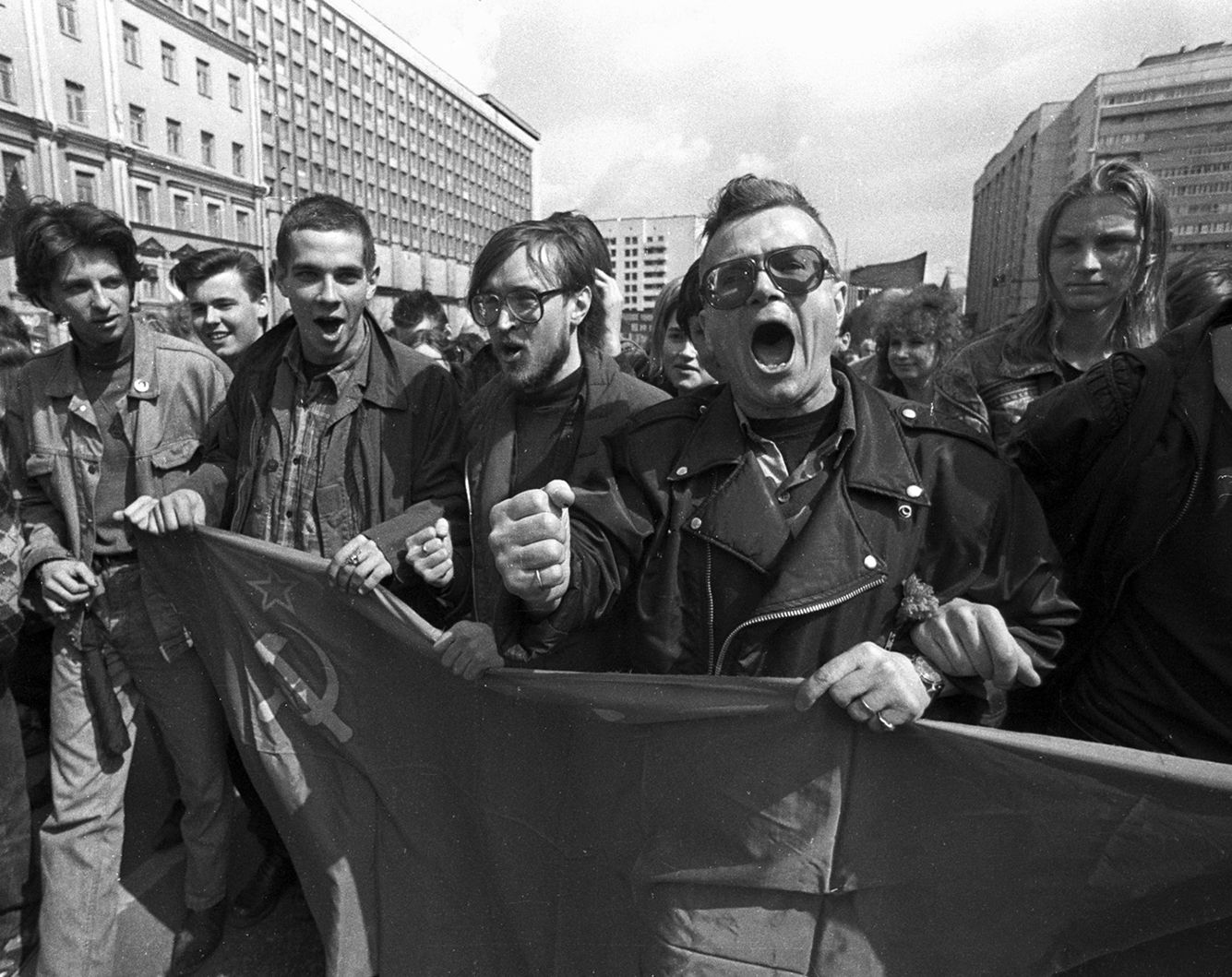
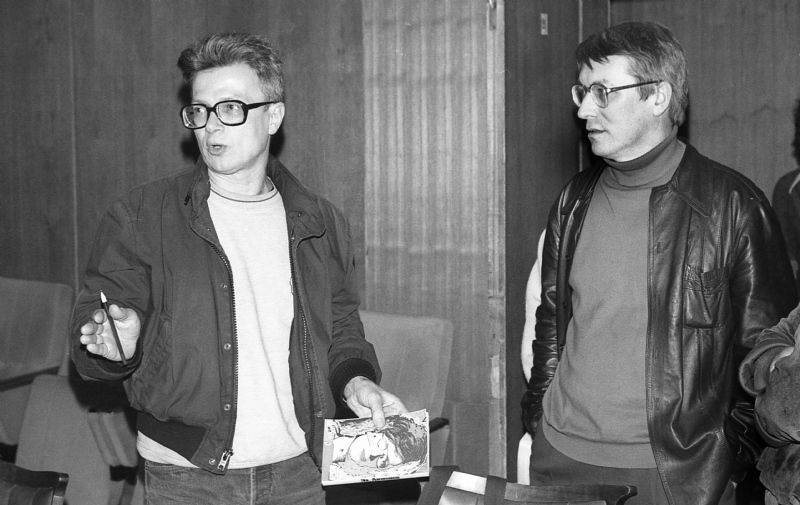
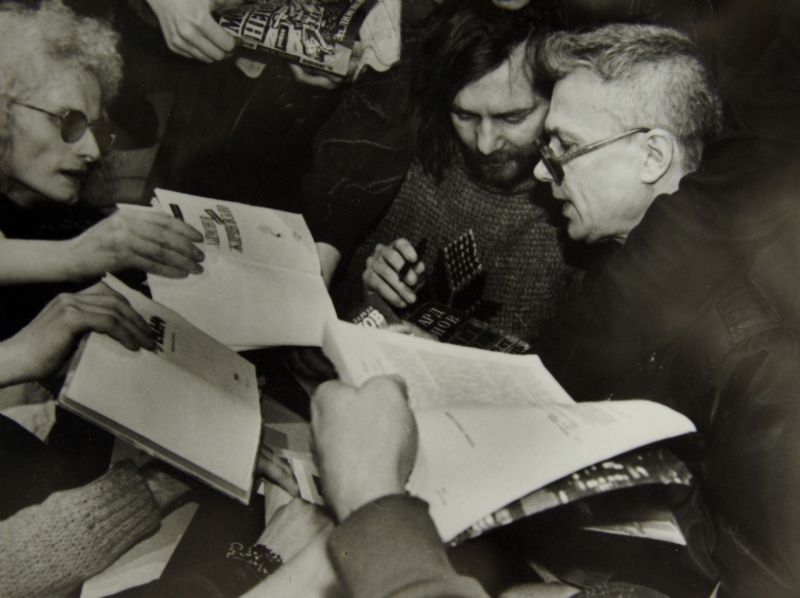
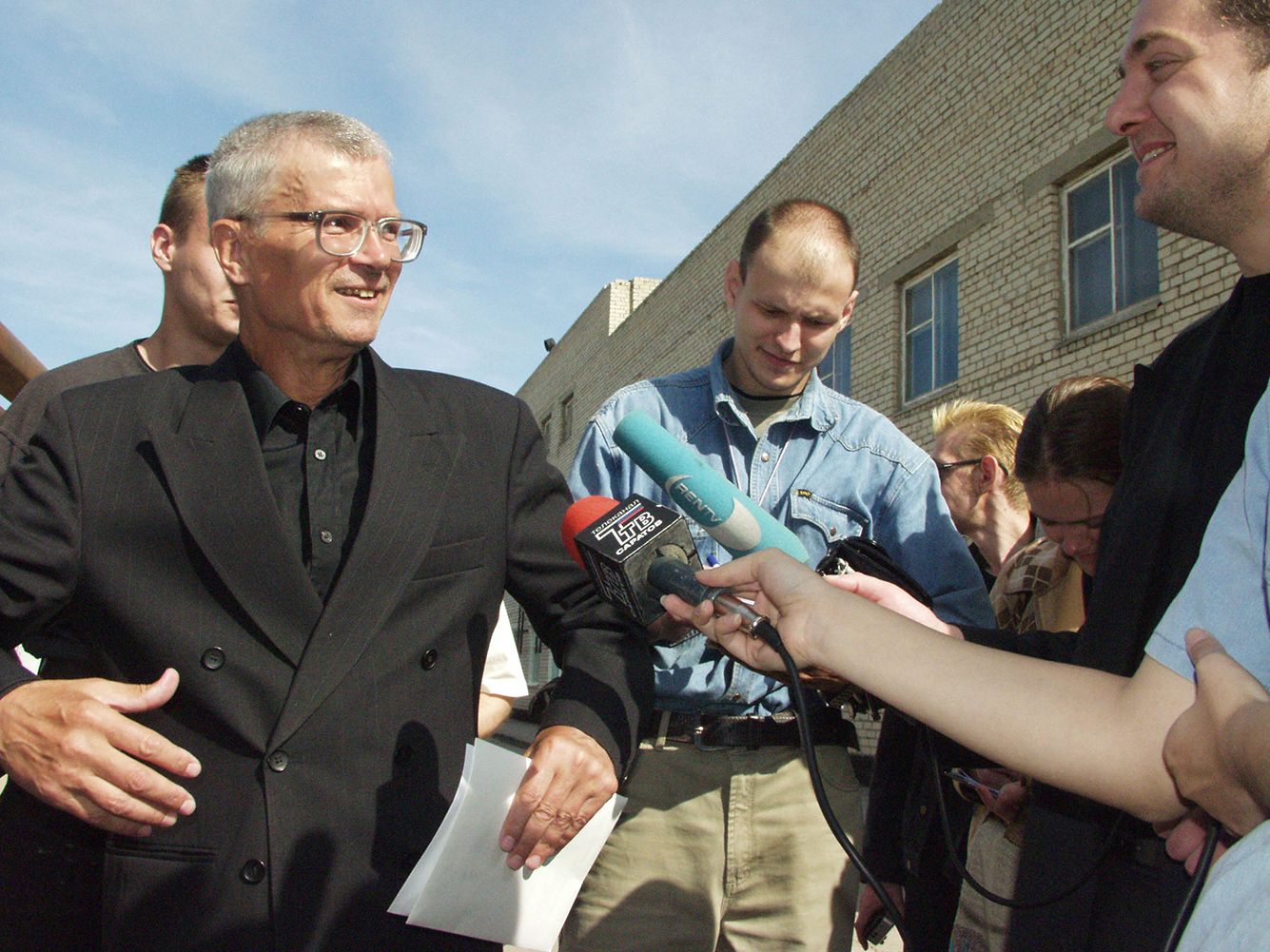
The sudden metamorphosis that occurs with it at the turn of the 1980-1990s may seem more amazing: Limonov returns to the USSR, where he occupies an ultra-conservative and, in fact, revenge position. In 1993, the writer defended the White House besieged by the Yeltsin troops, creates a party of the National Bolsheviks, establishes the Limonka newspaper, and a couple of years later participates in a whole series of regional wars-in the Balkans, in Abkhazia, in Transnistria, each time supporting the part of the parties, which could be determined with the greatest grounds as a pro-Russian one. However, in fact, there is no metamorphosis in this sudden fracture of the lemon biography at first glance: the left principles for him were always valuable in themselves, but first of all, as a natural container of Russian imperial ideology, which he continued to serve with all the fervor even after the collapse of the “Red Empire”.
I happened to see Eduard Limonov several times in those years: he walked in a black leather coat to the floor with a highly raised sharp collar, accompanied by several young associates that he clearly fascinated by him and preferred to respond to the “leader” appeal. And in this striking even for that strange time, name, in this dumbfounding and outright literature, which suddenly breaks through into real life, the second one was clearly read - along with integrity and sequence - the line of Edward Limonov as a person: his constant, intense and conscious work on his own biography, turning it into a self -valuable artistic statement.
The mythologization, the romanticization of his life and his image Limonov took up very early - in essence, simultaneously with the start of a literary career. All his books - starting with the uncompromisingly brilliant “Oedica” and ending with heavy and pathos late things like “in cheeses” or “grandfather”, are approximately equally autobiographical and phantasmagoric. Lastness, Limonov took care of conveying his truthful and recognizable image to his contemporaries and descendants - instead he wrote a spectacular portrait of a person who was partly, and partly wanted to be, against the background of a great era.


The exceptional lightness of Limonov in handling facts is associated with this constant process of self -presentation. So, when Limonov’s young and brutal followers expressed dissatisfaction with the homosexual scene in Oedka, the writer immediately stated that there was nothing like this in reality, and demanded to exclude an obscene fragment of all the reprints of the novel. Similar motifs were also painted with Zakhar Prilepin, one of Limonov’s most devoted followers, both in art and, if I may say so, of life creation: Limonov accused Prilepin of allegedly never entered the ranks of the National Bolshes and only parasitized on the heroic halo associated with them. It seems that to cross out of the life of a person who has disappointed him, add a couple of colorful episodes (so, apparently, described in the story “History of his servant” the work of Limonov on an underground millionaire is a fiction from the first to the last word) or, on the contrary, rejected from some part of his own past was no more difficult for Eduard Limonov than to pull out a couple of pages from the book.
Perhaps not all parts of the incredible novel into which Eduard Limonov turned his life was equally good to the author. Probably, many chapters would have benefited from reduction or thoughtful editing. However, in reckless readiness to completely drain the biography with literature, to transform all its existence into one endless and exciting act of creativity, there is an unconditional greatness that is clearly familiar to us by historical patterns and practically not imagined in our rational and pragmatic time.
Galina Yuzefovich