
Translated material
Chord during the plague
Builders of the scandalous highway in the southeast of Moscow activated against the background of quarantine
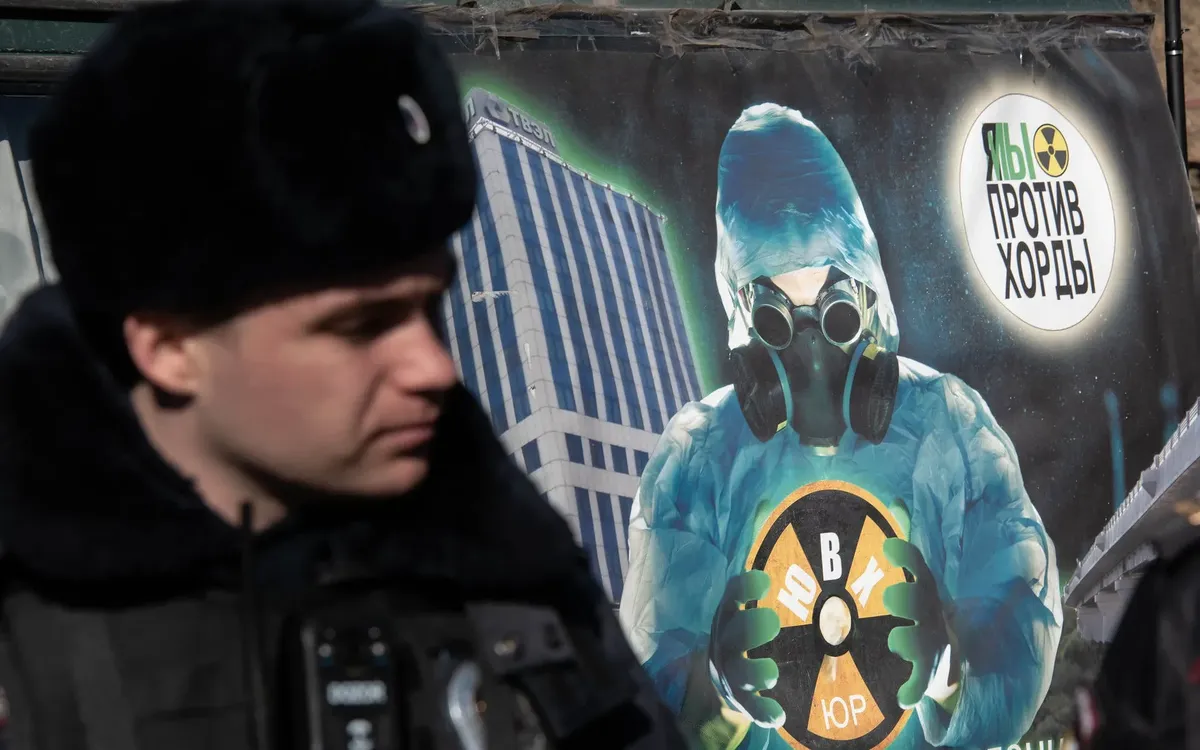
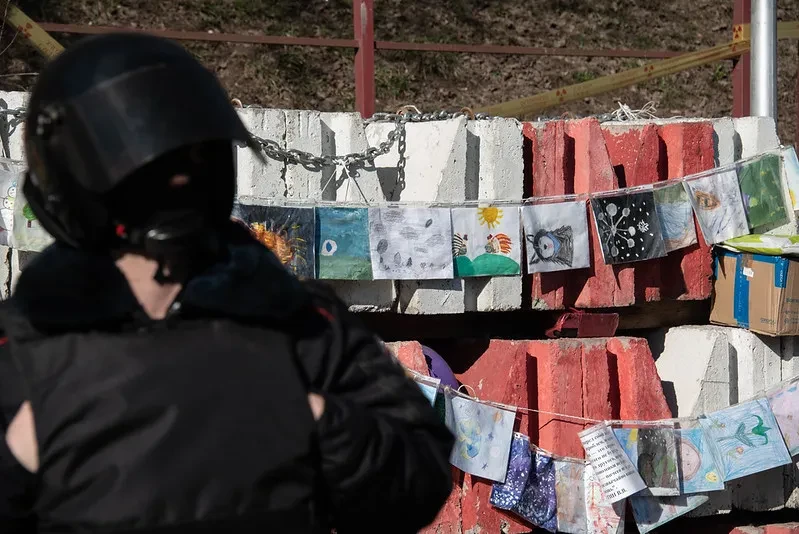
For several days now, the Moskvorechye railway platform in the southeast of Moscow meets passengers with a chain of police officers. The security forces appear immediately when leaving the train: one of them is watching the trains leaving, someone is looking for fences unknown what, and some simply imposingly walks along the platform. It is impossible not to notice a cordoned hill from the station. At the very top, it is surrounded by a high fence, on which the background measurement sensor is fixed. The yellow spray can be written on the green paint of the fence. At the foot-a battered artificial Christmas tree, decorated with black and yellow icons of radiation hazard and patterns of children. On March 18, excavators began to work in this territory to prepare a construction site of the southeastern chord, according to Greenpeace experts, a dump of radioactive waste will be dashed in this place
"Inconsistent action" against radiation
“ I suspect that while people will sit at home on self -isolation, you can just figure it out with radiation with radiation,” says Daria, a resident of the Kashirsky district of Moscow, like many here here. - But people correctly say that if the virus is like that today, but tomorrow it is not, then radiation spreads for a long time and everywhere.
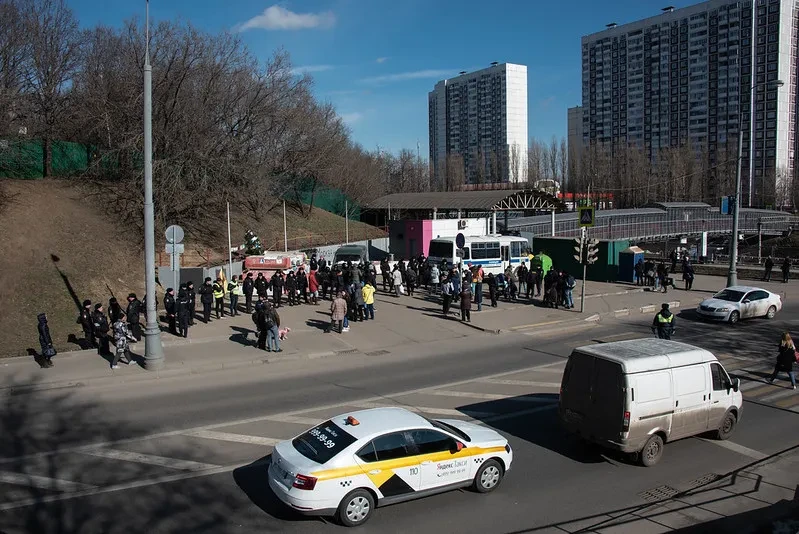
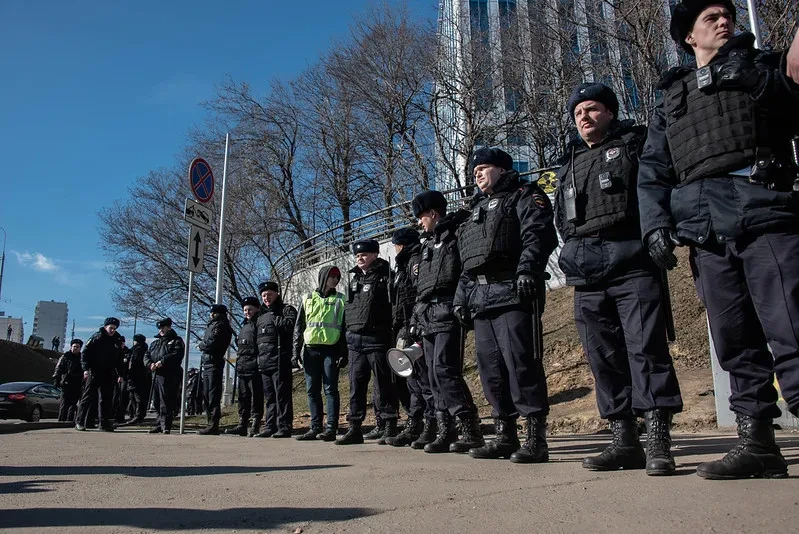
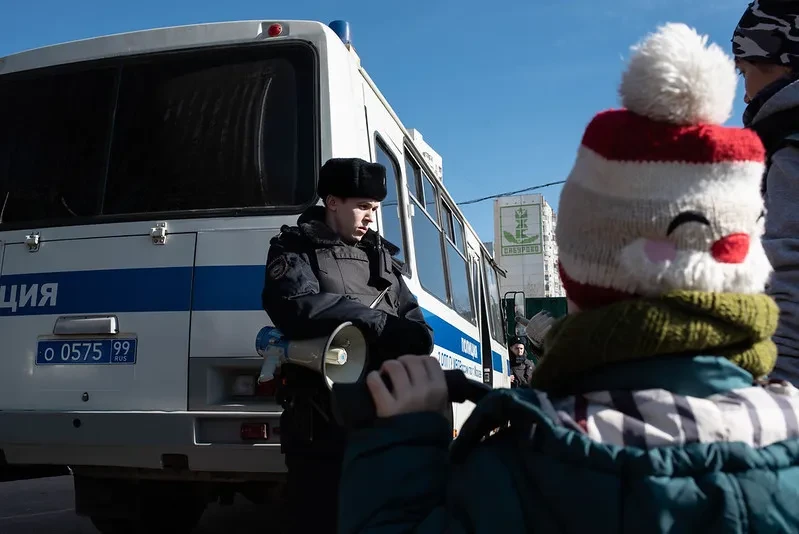
At least six police buses and one auto -zak at the exit from the Moskvorechye station. How many police officers themselves are not easy to calculate, because many are sitting inside the buses, but on the outside, according to the estimates of the Novosti correspondents, there are about 60 of them. The loudspeaker is heard: “Dear citizens! Your action is not agreed. Do not interfere with the passage of citizens. "
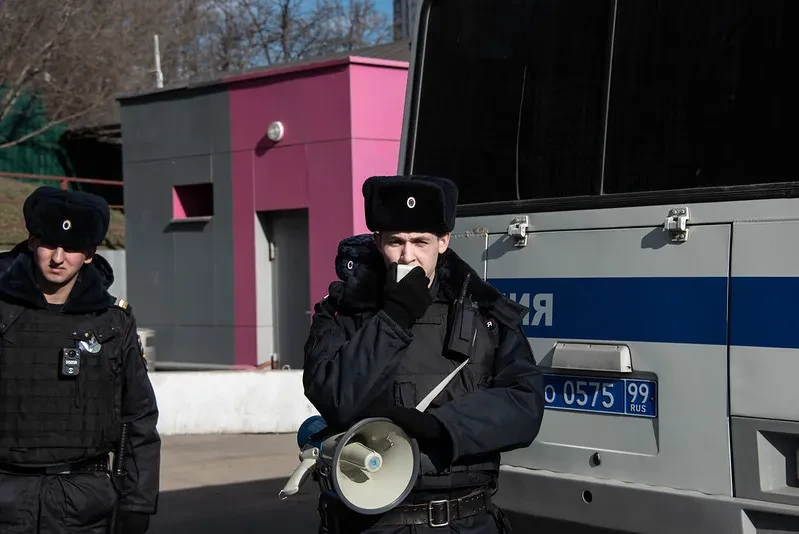
Although, in fact, the hill has no promotions, there are noticeably fewer inhabitants than the police, and they only watch the security forces with curiosity. They say that such a number of police is unusual, even though the protest of local residents has been going on since the beginning of 2019. And in July, more than 600 people came out for a coordinated rally against the construction of a chord at the Moskvorechye platform.
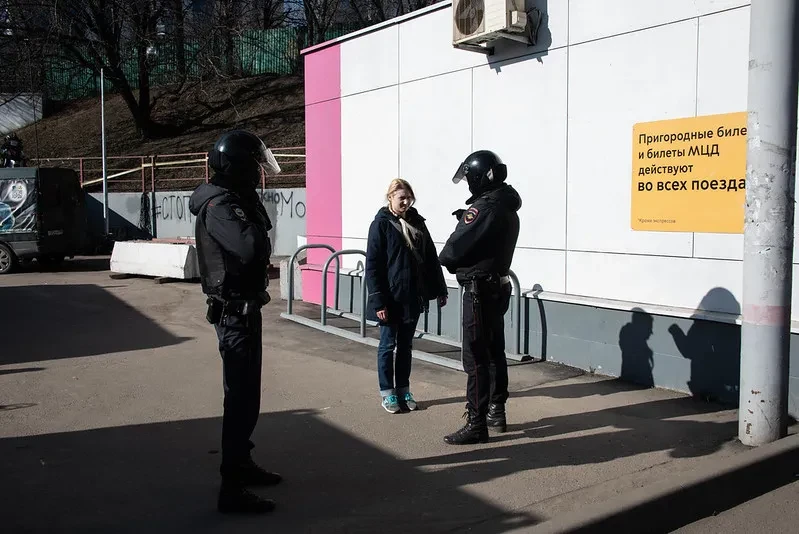
“So, well, you are like a smart woman, why don't you understand?” - Reports a local resident police officer in a warm hat.
“I don't understand why there are so many police here.” Why do you announce that the action is illegal?
-Because, you yourself know that Sergei Sobyanin signed a decree, you yourself know, because of which, more than 50 people do not gather.
Behind the cordon is a dusty dark green Gazelle, in which three local residents are sitting. You can’t get to them, even presenting a press card. The police only cut off: "An inconsistent action passes here, and you can’t go there."
The “inconsistent action” in this case meant the presence of people in the car. This is a round -the -clock duty: activists have been replacing each other for several months now. On March 17, Gazelle was surrounded by security forces in masks and helmets, a tow truck arrived. People gave a cry in social networks, and in a request for help, according to eyewitnesses, literally half an hour gathered from 200 to 500 local residents.
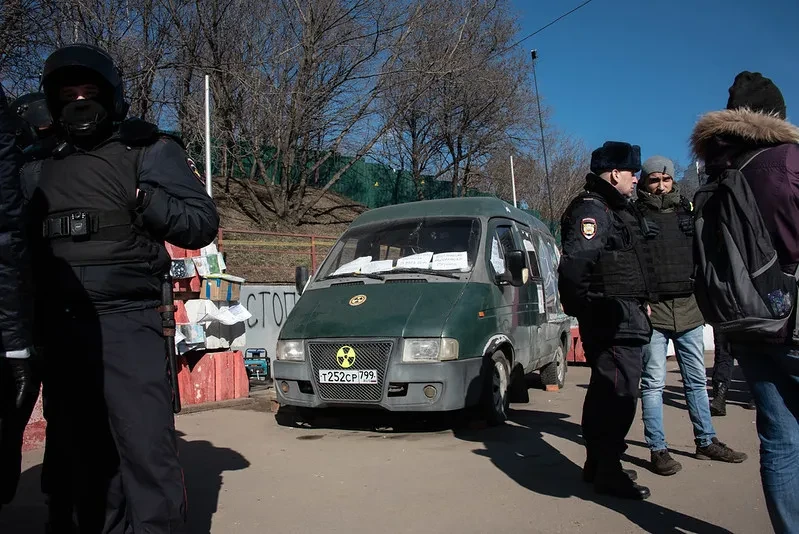
By the same time, they were able to protect the Gazelle with activists from evacuation - people themselves went to the tow truck and refused to get down from there, even despite the fact that the riot police tried to let down, and sometimes pushing down.
The next morning, local residents Elena Ageeva and Tamara Kopnichev received unexpected summons: about the appearance of interrogation as witnesses in the criminal case of damage to the Radon sensor.
Liquidation of the burial ground
“I know what it was here for many years, and my family has been living in this area in the fifth generation, but these offices,” Natalya’s pensioner shows the factory’s glass building, “they don’t know what was here in the 60s.”

About what was in this place is described even on the website of Moscow Mayor Sergei Sobyanin.
“In the case of the Southern South-Eastern Horde, we were faced with a unique, from the ordinary problem-radioactive waste, which in the 50-60s the Moscow Polymetal Plant stored in the backyard. Later, this polluted territory was returned to the city [...] on the slope of the Moscow River, behind the territory of the polymetall factory there are really spots of radioactive infection that were inherited from the plant’s activities in Soviet times. ”
The mayor said that the city government concluded a contract with FSUE Radon on the implementation of the full -scale program for the reclamation of the slope and the export of infected soil outside Moscow.
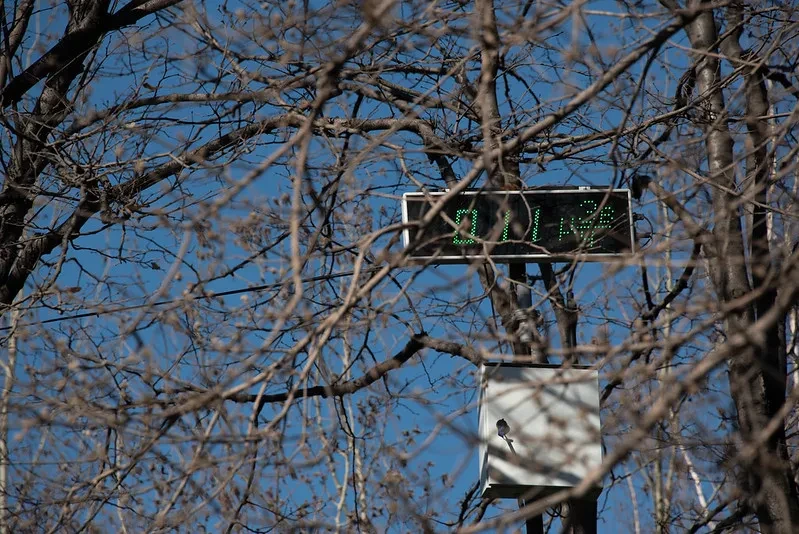
Later it became known that, according to Radon himself, the platform has about 60 thousand tons of radioactive soil.
Greenpeace Russia experts responded to this statement by the mayor: “During construction work, polluted soil may be on the surface, and radioactive dust can be spaced over significant distances (the distance from the place where the samples were taken, to the nearest residential buildings - only 200 meters, to the Moskvorechye platform - 50 meters).”
The organization said that people who will inhale radioactive dust may have serious health problems, including the risk of cancer.
Earlier, the New Gazeta wrote in detail about the situation on the site of the radiation burial ground - then the correspondent of the Novaya ", having visited the place of future work, was convinced that" radioactive radiation in some areas is 50 times higher than the norm (10 μSv/h with a rate of 0.2 μSv/h). "
On March 18, Sergei Vlasov, a municipal deputy of the Pechatniki district, went to the place of work with the builders and made measurements with a dosimeter. According to Vlasov, the radiation level began to grow rapidly, after the construction equipment began to feed trees. The workers at that time, according to the deputy, were without any protective equipment.
The southeastern chord, according to the information text on the website of the Moscow City Hall, is designed to "close the new chord ring in the middle part of Moscow, removing thousands of cars from the Moscow Ring Road and TTK." According to Sobyanin, to quit Horda now means “leaving a radioactive trash in the inheritance of children and grandchildren”:
“I believe that responsible parents do not do that. Since we are faced with this problem, we solve it, ”Sobyanin concluded.
Moscow ShiES
“We have a Moscow Shies in the most literal sense,” says a local resident Tatyana. - These drawings [the girl shows the postcards and drawings hanging on the Christmas tree: the children painted the ground, animals, trees, flowers] - to pay attention and think how construction will affect pregnant women and children.
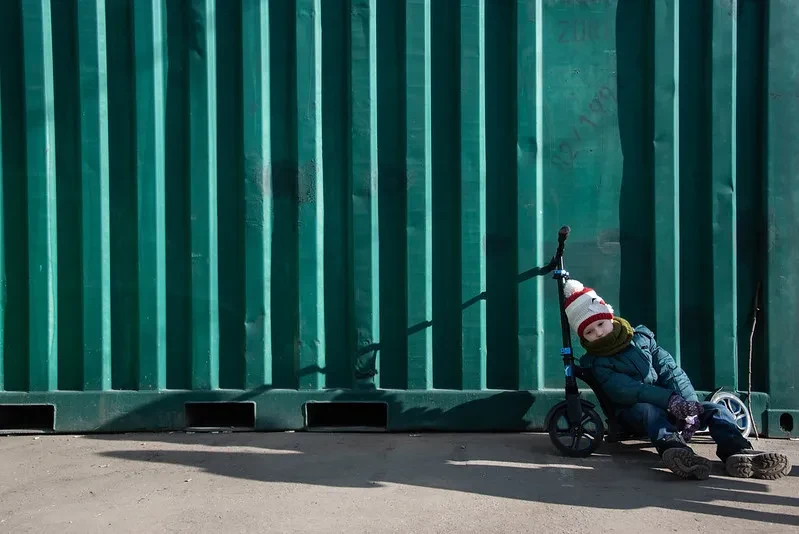
The sun is already baking by dinner, the police often even begin to interviews with the inhabitants, no one shouts into the loudspeaker, because people do nothing and do not chant anything, they simply calmly communicate with riot police and among themselves. Around us on scooters, children dissect. Evgenia came here with her son: “I am from the Mozhaisk district, the Molodezhnaya metro. But my dad lives here. And I don’t want radioactive dust to rise into the air near his house. ”
Natalia, an elderly woman with glasses and a medical mask who told us the history of the plant, at the end of the conversation adds: “Of course, all this hurts me. The issue is not resolved. For two years, rallies and negotiations with the authorities have already been underway, and nothing at all. Here they need to be built. They say, they say, there is nothing here, and if there is, we will take it all out. But how to take it out so that it does not rise into the air? Everyone is already coming to the fact that the best thing is to preserve and not touch. And even if they [the authorities] think differently, you need to come to some decision with the inhabitants. And they are a rod ahead, and that’s it. ”