Translated material
Why are bus pockets harmful?
Making pockets at public transport stops is an activity aimed not at the interests of passengers, but at the interests of motorists. If city leaders want to make it convenient for everyone, then they should forget about bus pockets.
In this article, we will briefly explain how exactly pockets harm public transport and what is better to do instead.
Pockets harm passengers with limited mobility
In order for passengers, especially those with limited mobility, to board public transport comfortably, buses must drive as close as possible to the stopping platform - this creates a flat plane between the stop and the floor of the vehicle, on which you can move even in a wheelchair.
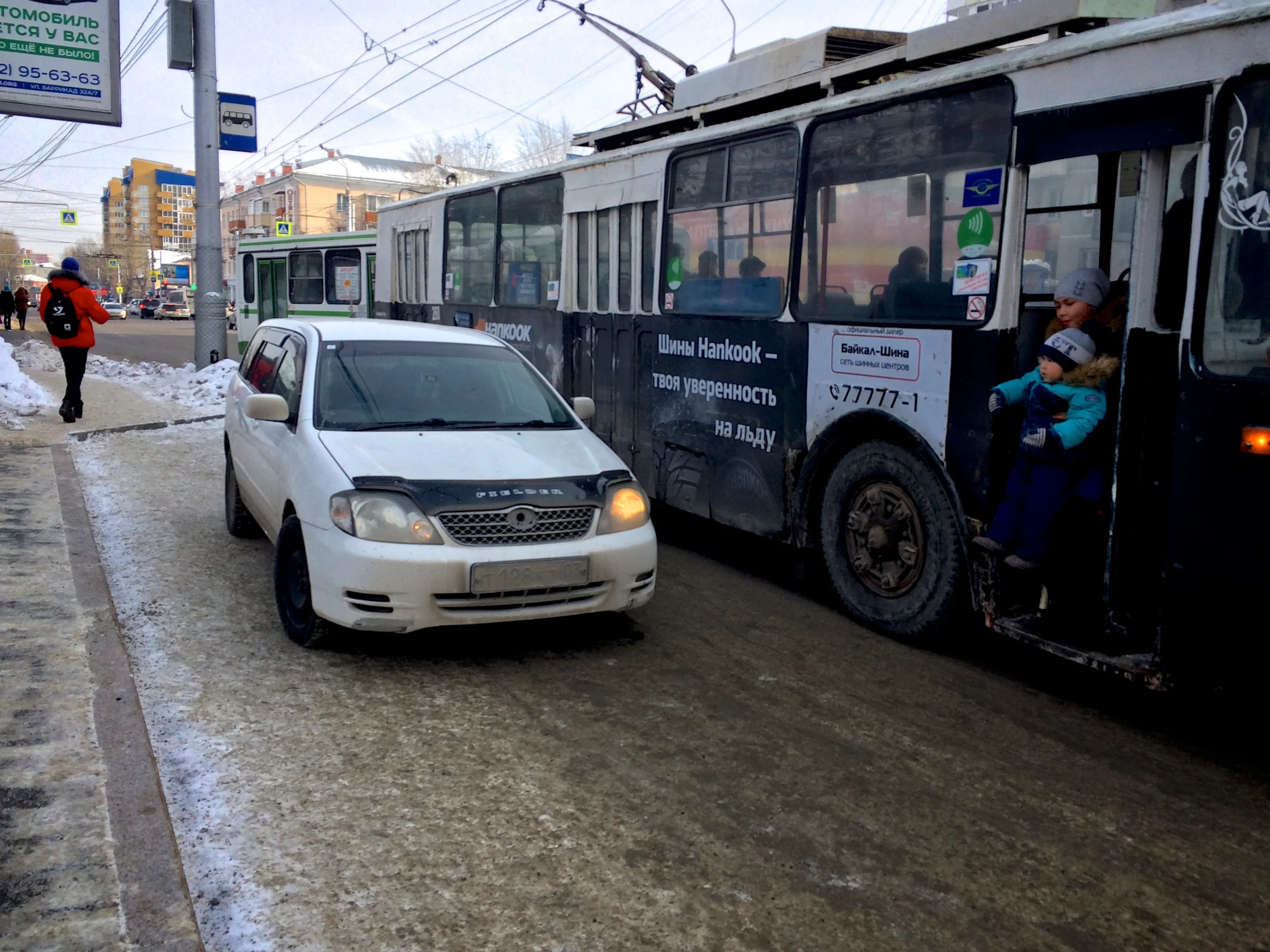
The photo below is a typical example of what is happening in reality: due to poorly organized access to the pocket and a parked curb, the bus was unable to drive up to the platform - passengers will have to suffer, and it is easier for wheelchair users to forget about the trip than to try to get into the transport:
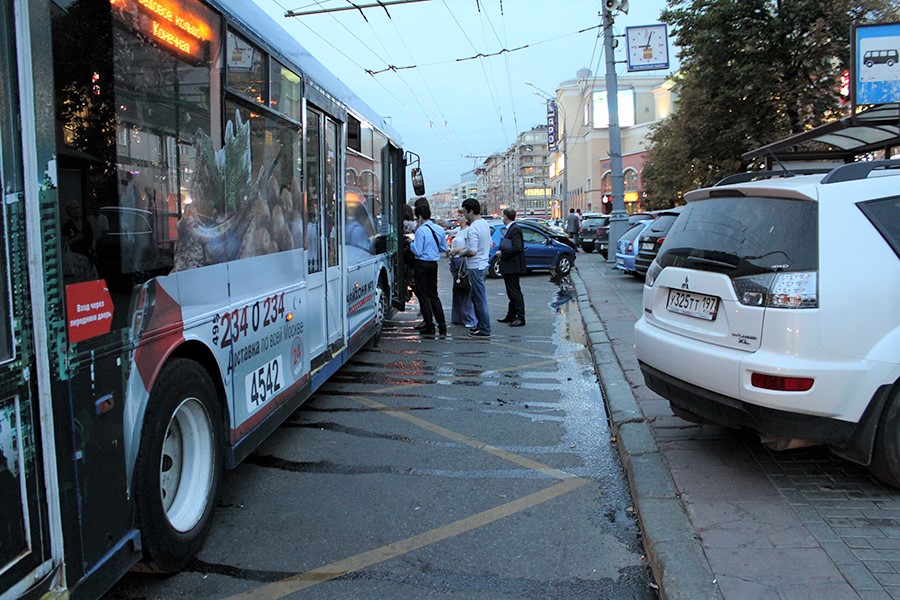
The problem with most bus bays in Russia is that they are made with too sharp entrances and exits - space on the streets is limited and it’s impossible to fit everything in when designing, no matter how much you would like. Now priorities are set in such a way that pockets are made without smooth entry - all in order not to take away several parking spaces. This is a striking example of pro-automotive politics.
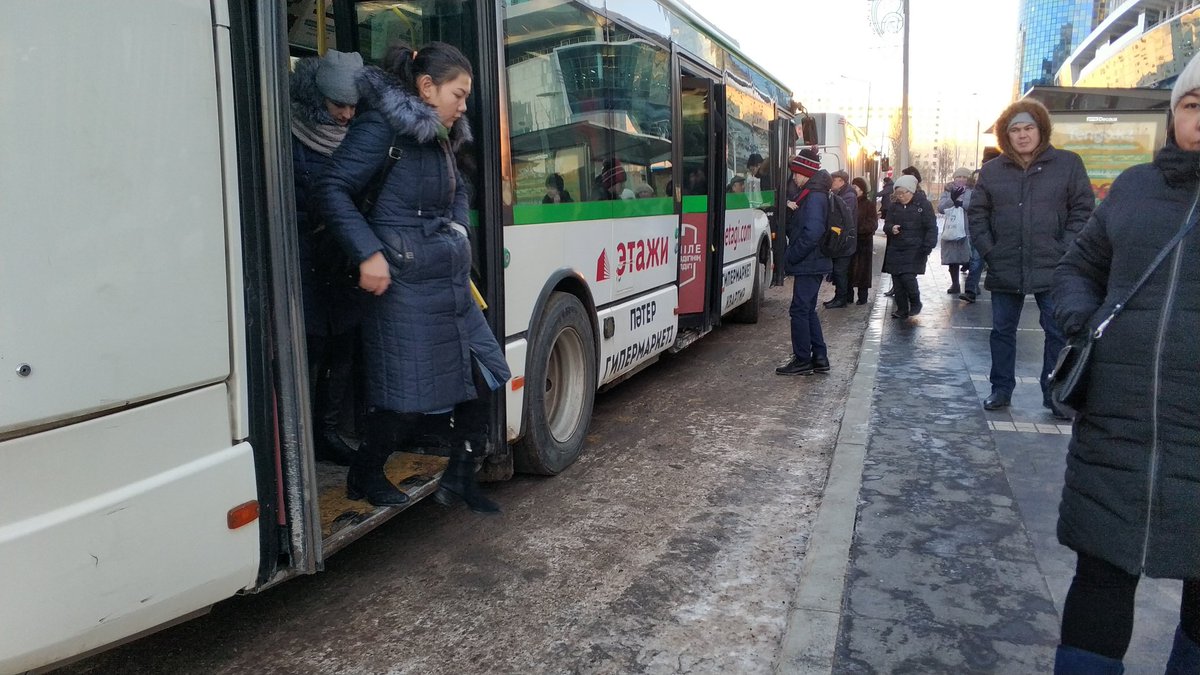
As a result, public transport simply physically cannot drive close to the stop. Buses and trolleybuses stop a few meters from the curb and passengers are forced to walk along the road. In this case, you can forget about the accessibility of the environment - curbs and entrances to public transport become too high. Plus, pockets eat up useful sidewalk space.
Pockets slow down public transport
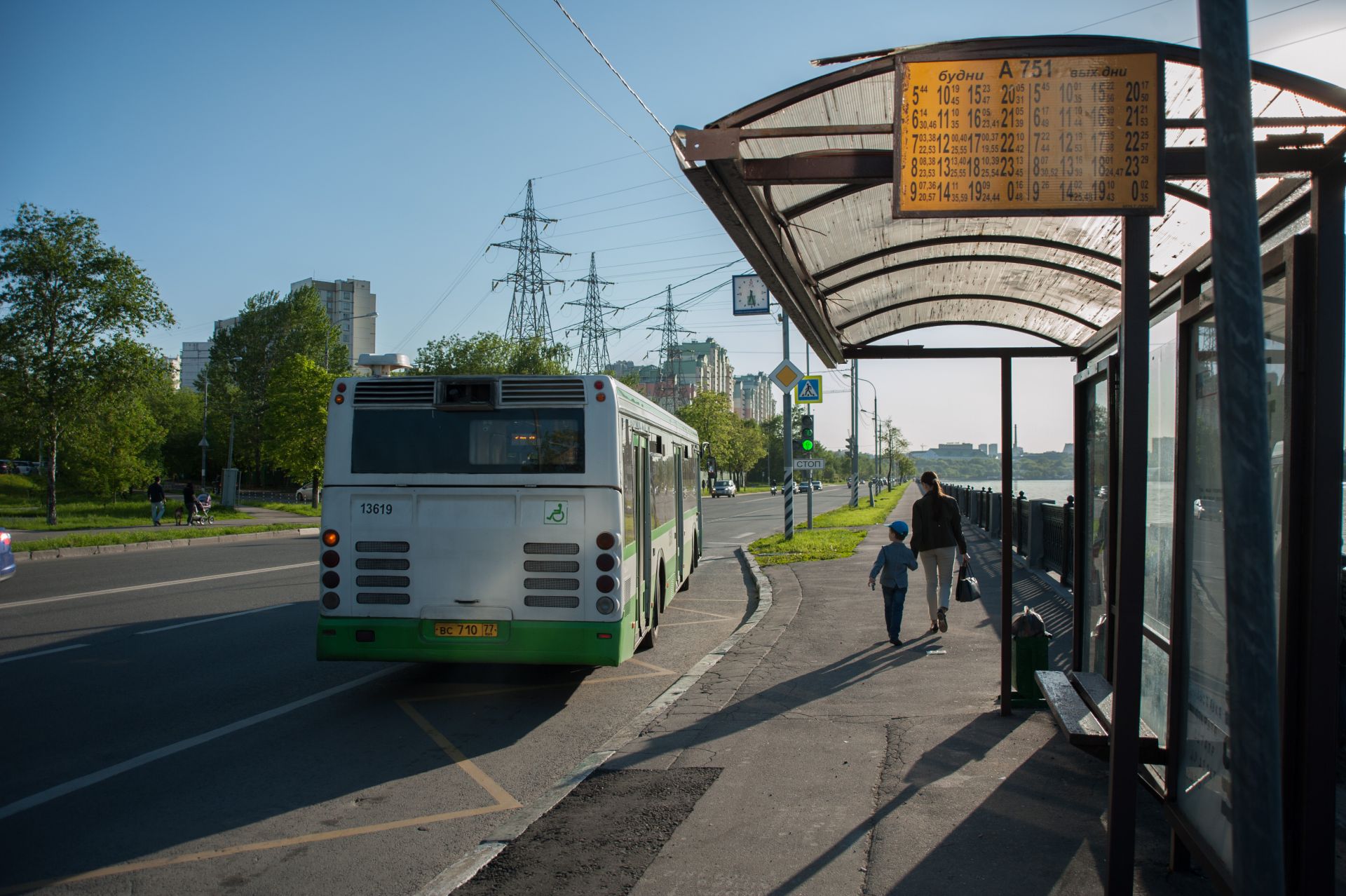
Public transport is forced to waste time getting in and out of pockets. Despite the requirement of traffic rules to let public transport leave a pocket, motorists do not always do this - it is difficult for public transport to merge back into the flow, which can even lead to an accident. As a result, passengers' time is wasted and traffic intervals increase.
In cities with minibuses, this situation also harms the transport economy: a minibus that drops off passengers in the middle of the road leaves faster and picks up all the passengers at the next stop, while full-fledged and responsible public transport misses out on profits.
Those who benefit from pockets saving travel time are motorists. They do not have to wait for passengers to board public transport, because none of the road lanes are blocked. To please motorists, who are a minority in the city (about a third of the number of citizens), the majority suffer, forced to waste their time on a bus trying to get out of their pocket.
Cars are parked in pockets
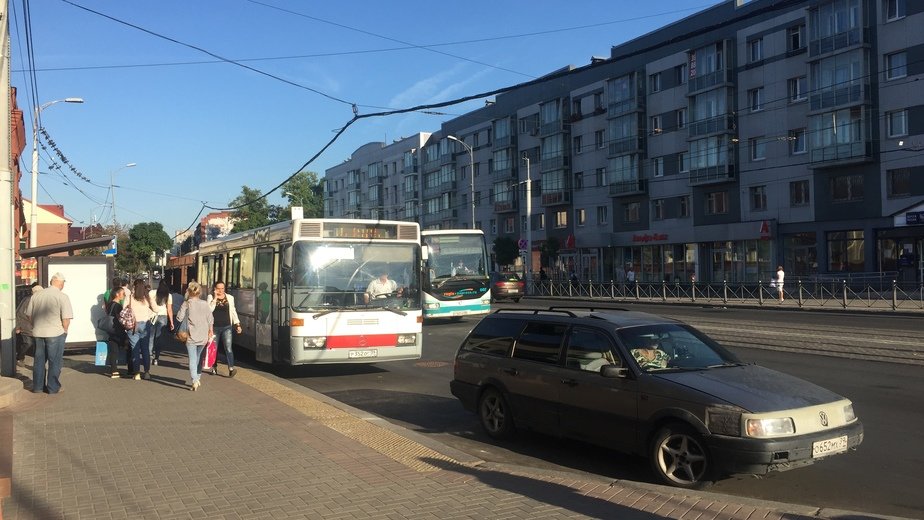
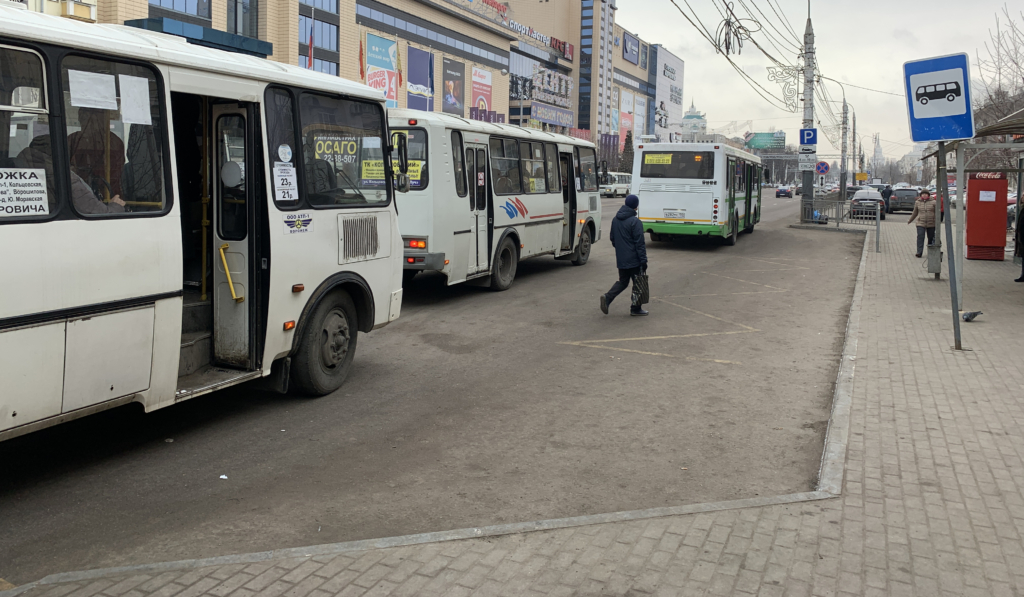
For motorists, stop pockets look like parking spaces where you can leave your car “for five minutes.” This is being abused, and the prohibitions in the traffic rules do not help. As a result, the stops are occupied by taxi drivers and cars left in emergency situations. During rush hour the situation gets worse.
Due to parked cars, public transport cannot use the pockets properly and, as a result, passengers suffer. Public transport is losing its advantages, becoming slower and more inconvenient.
With other stop configurations, the problem of unauthorized parking can usually be alleviated.
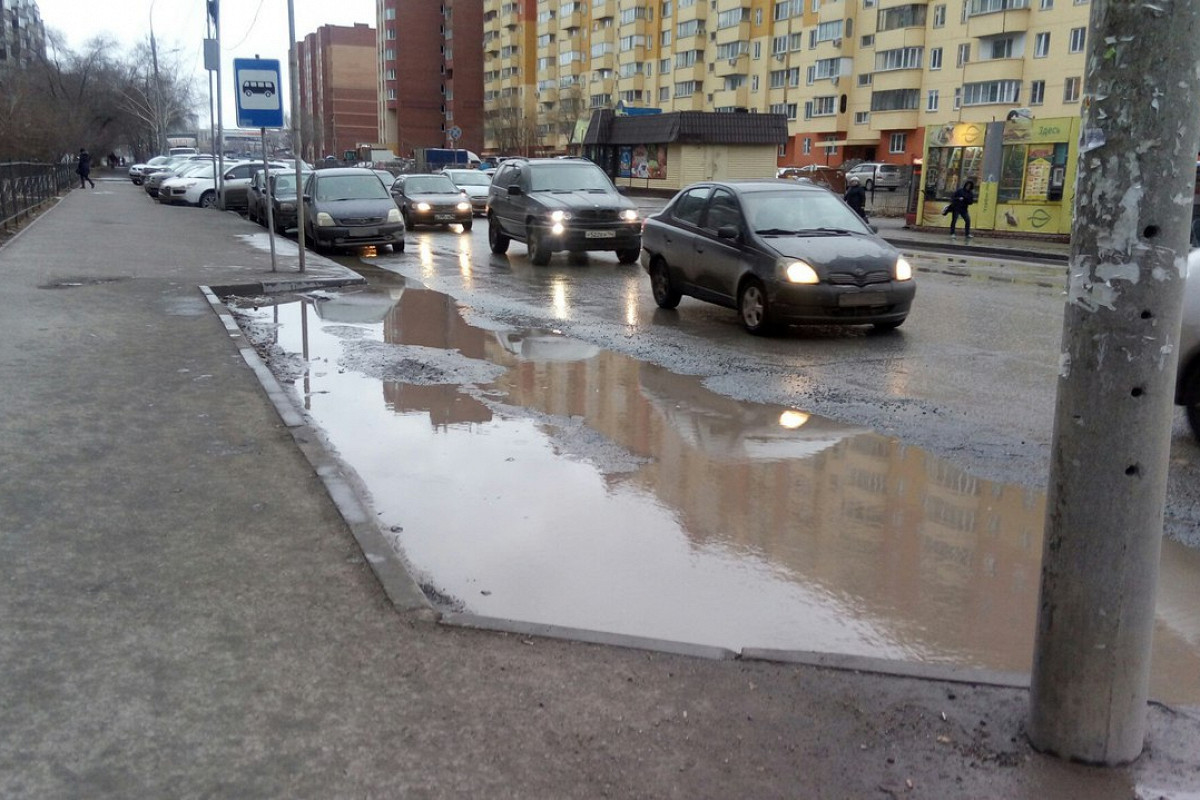
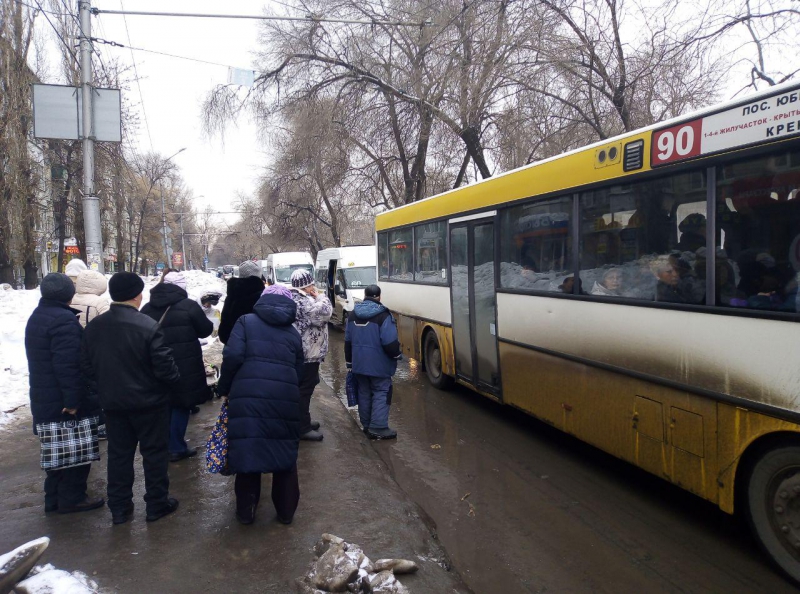
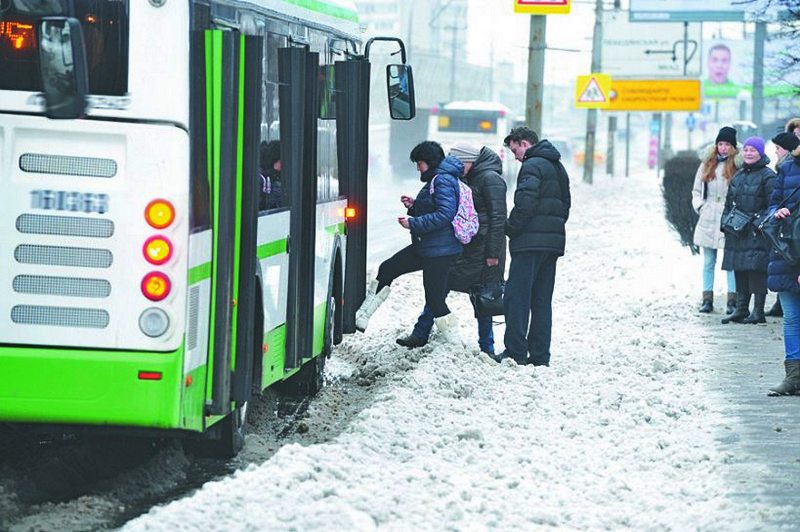
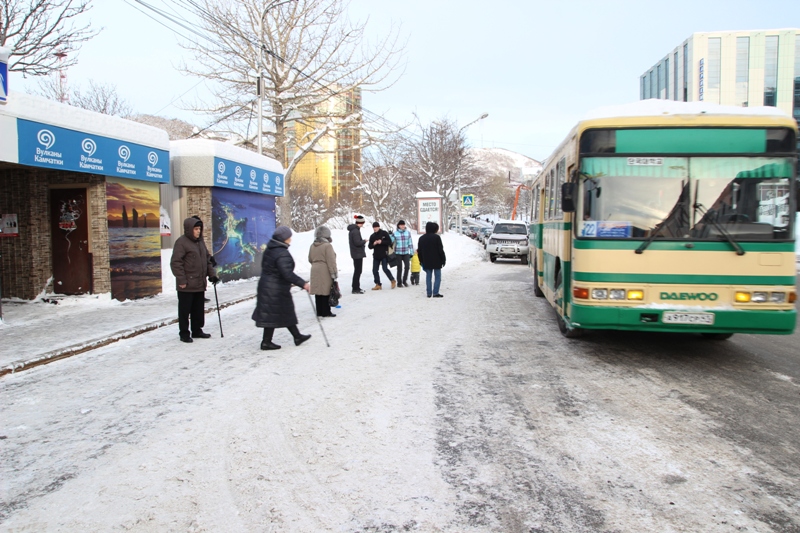
Pockets are a source of dirt on the street
Road dust and snow accumulate in your pockets. Harvesting equipment cannot effectively clean such places - they are too cramped for large road equipment, and cities do not have enough resources for small tractors with brushes and an army of street cleaners.
As a result, passengers:
- breathe dust:
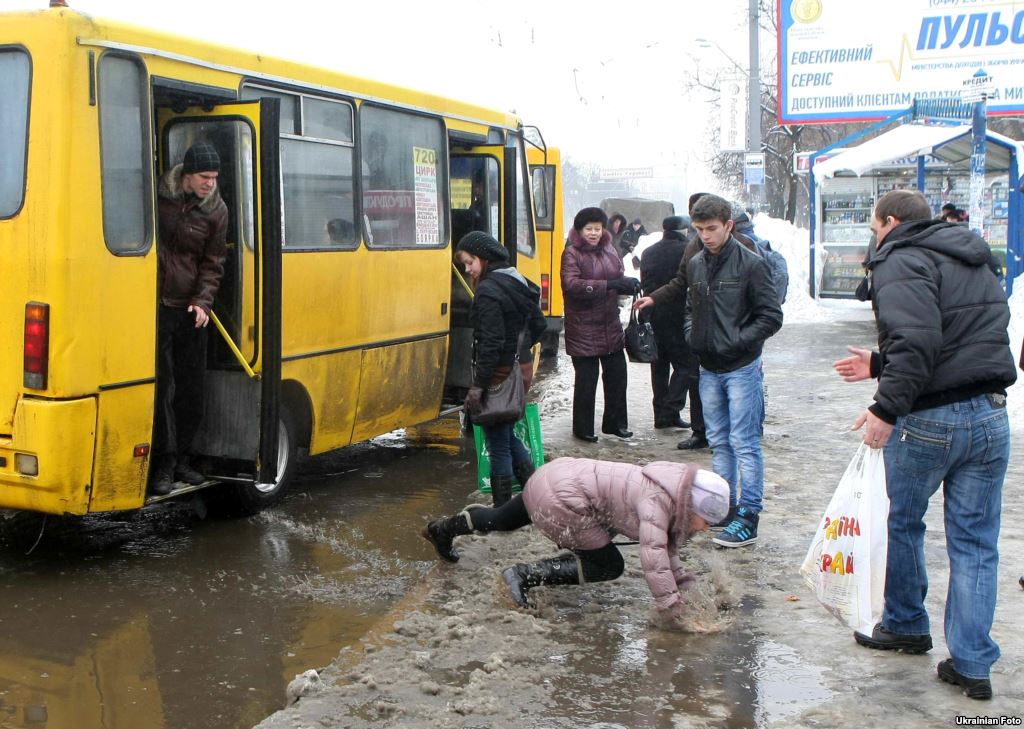
— jumping through puddles:
- making their way through the snow porridge:
When can you make bus pockets?
Pockets should be made where it is objectively impossible to do without them in terms of safety - on suburban and high-speed routes:
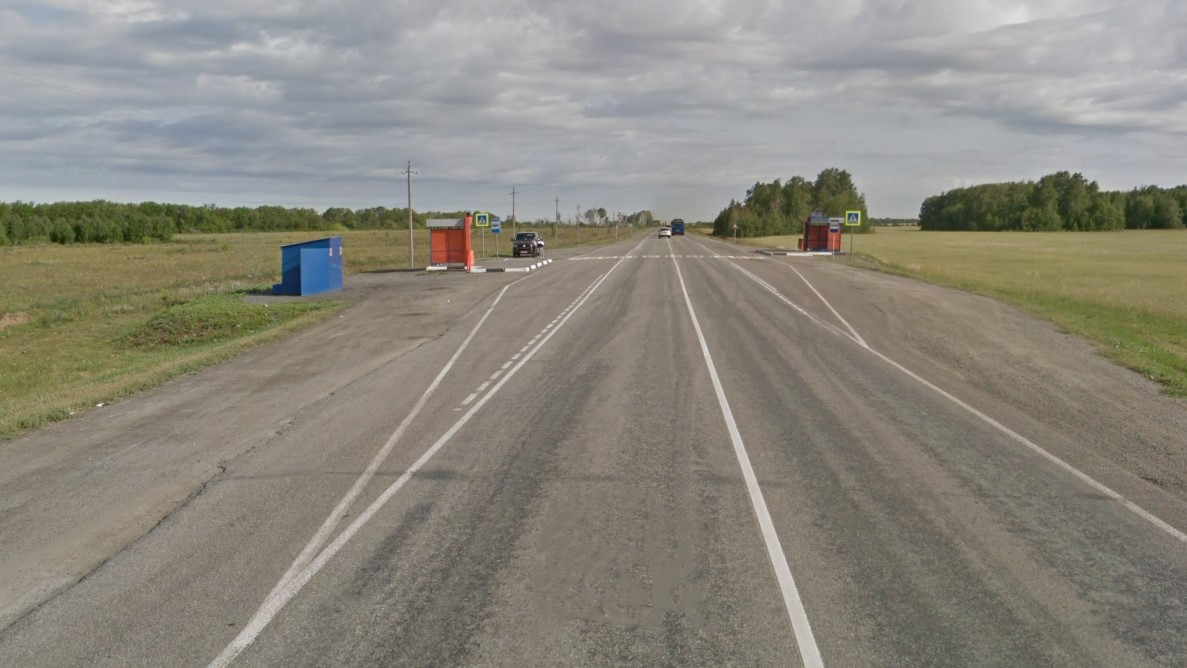
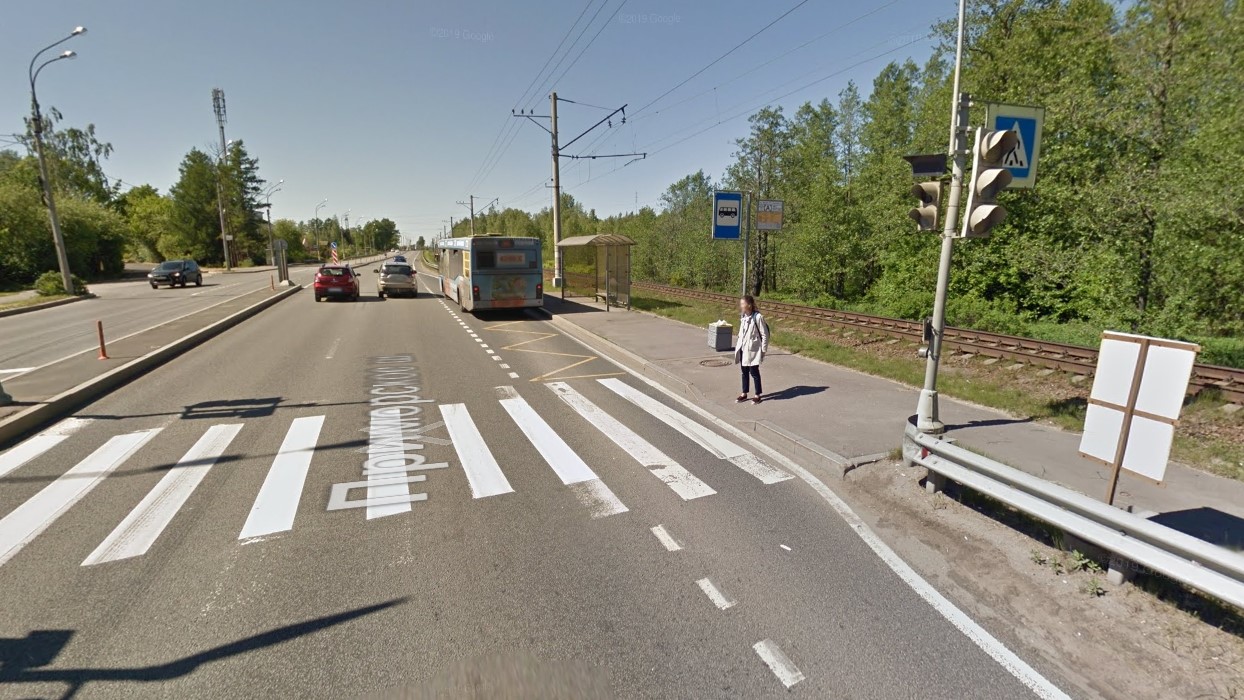
In order for public transport to be able to drop off passengers without the risk of someone driving into the bus from behind at high speed, you need to make a stop on the side of the road where no one is driving - in your pocket.
At the same time, it is important to ensure that there are ramps and exits into it of sufficient length near the pocket - this way buses will be able to drive close to the platform for the convenience of passengers and not have to wait in line on the roadway.
Instead of pockets - dedicated stripes and anti-pockets
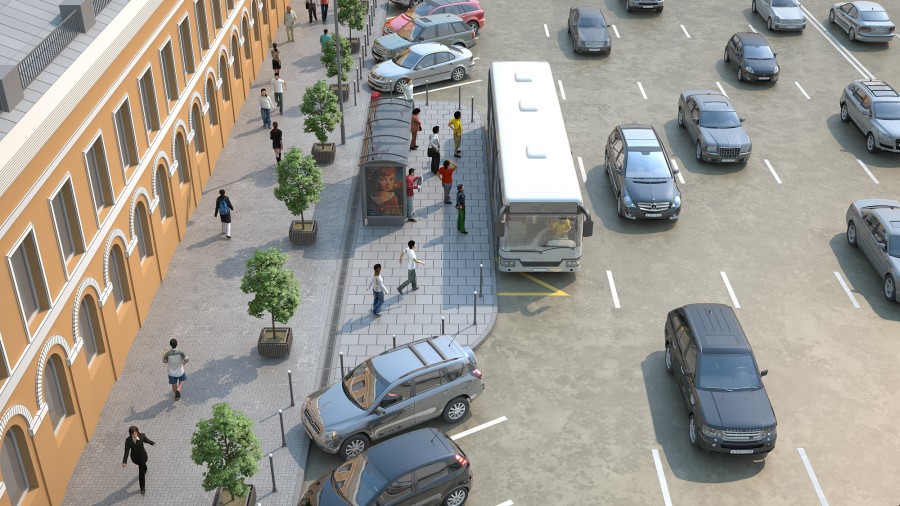
To make public transport more convenient for passengers, rather than motorists, it is worth making dedicated lanes , using anti-pockets or stops within the right lane.
Anti-pockets are the opposite of pockets; they look like a permanent or temporary projection from a stop onto the roadway:
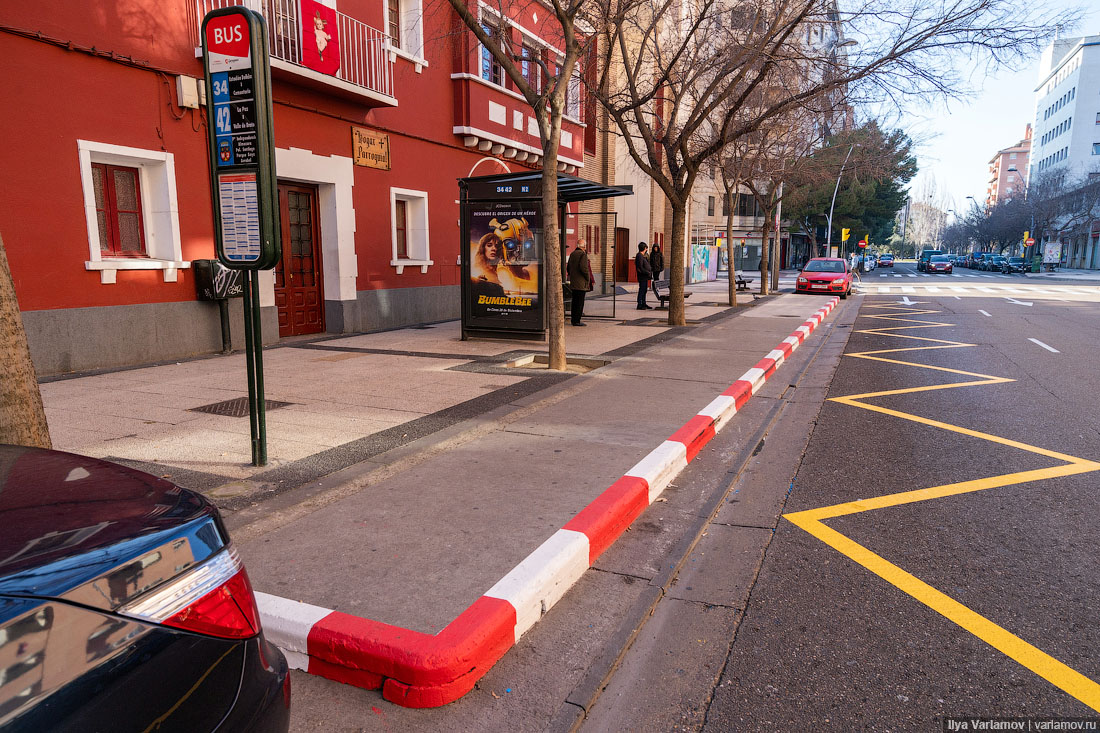
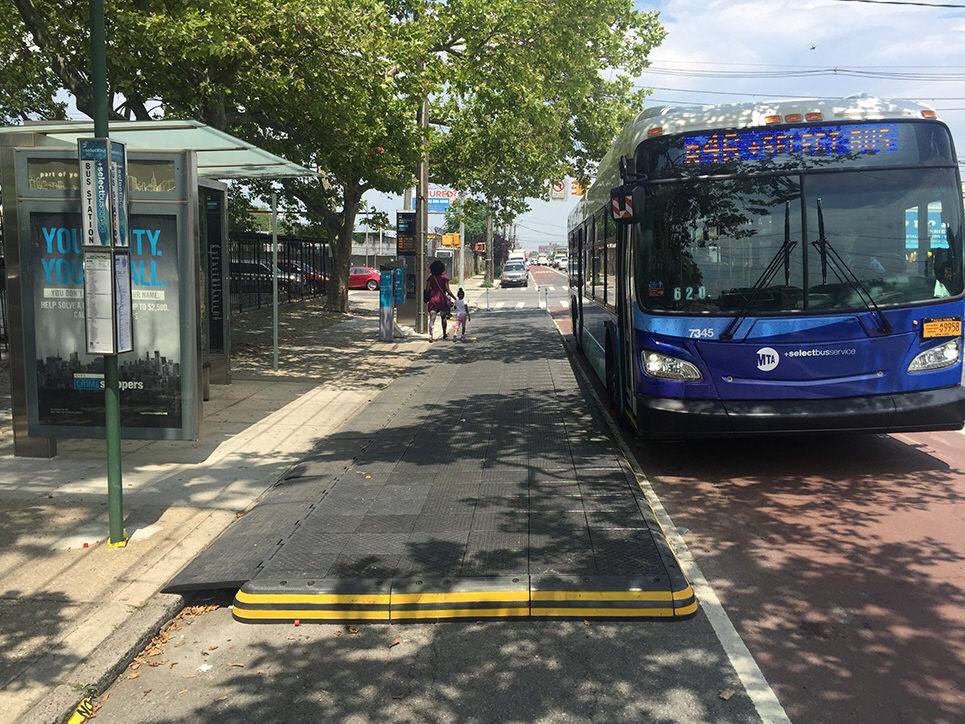
Moreover, pockets can be reconstructed into anti-pockets or stops within the right lane, even with the help of tactical urbanism - quickly and efficiently:
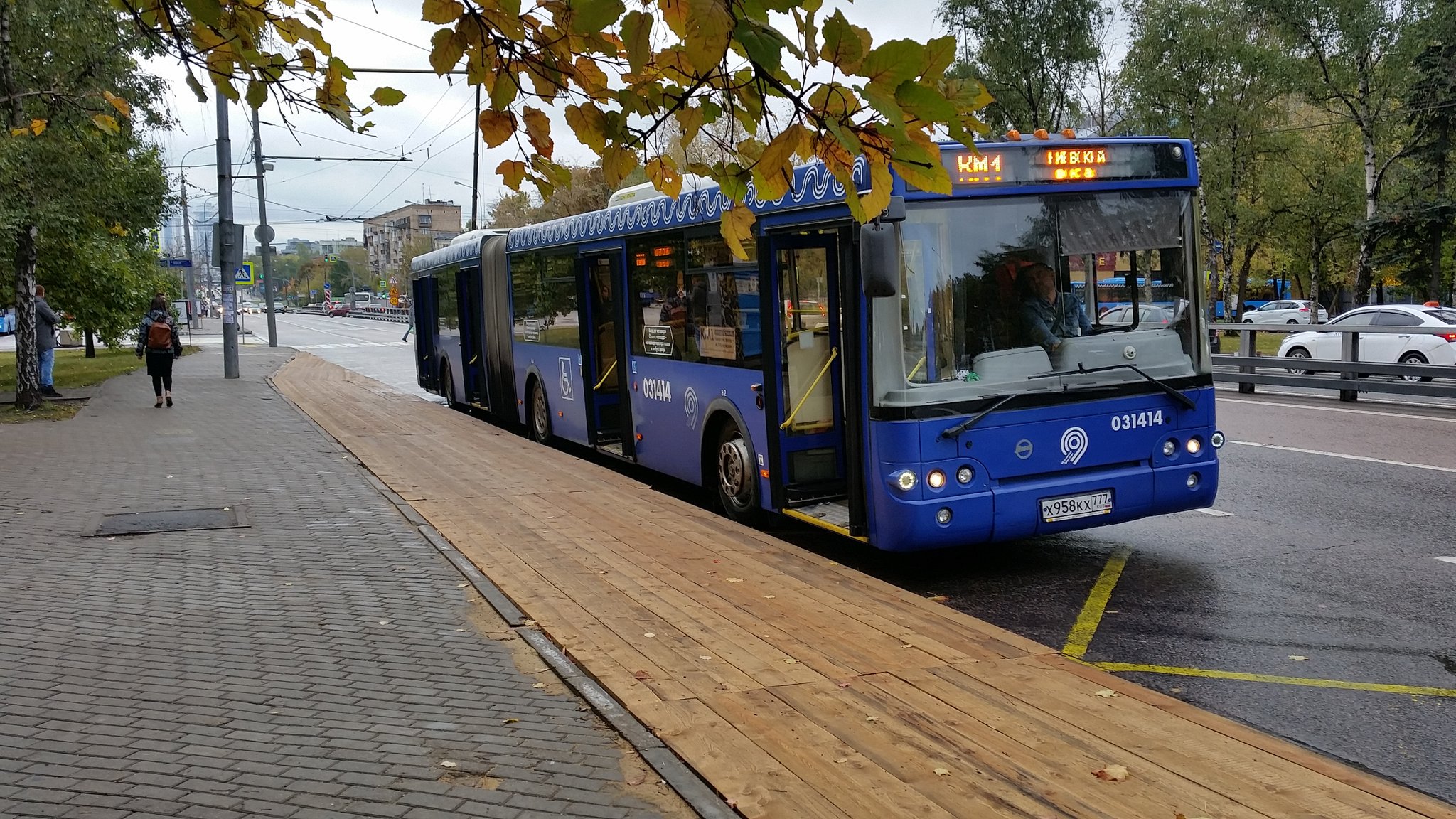
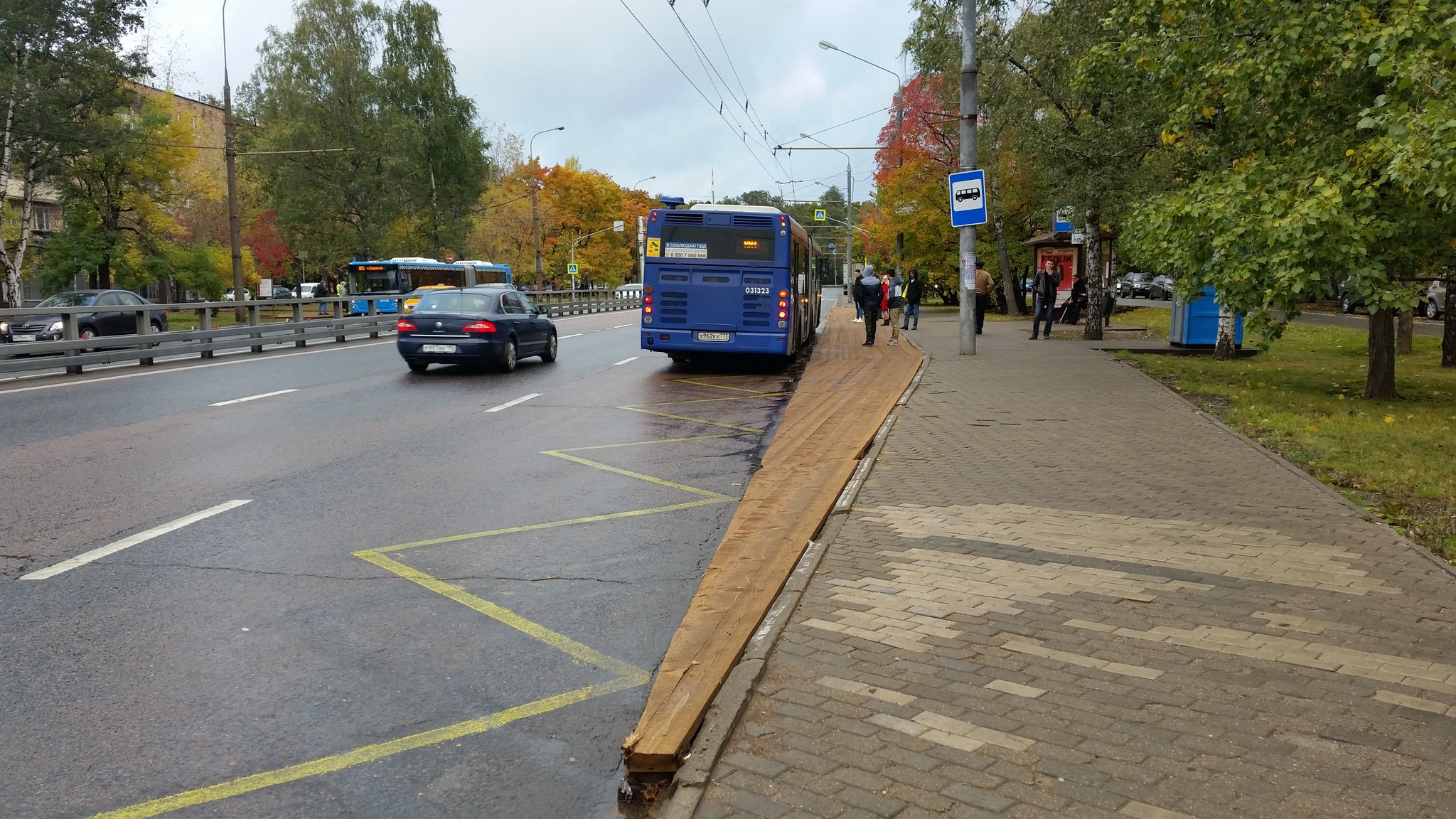
There are studies proving that anti-pockets not only do not reduce, but also increase the speed of public transport and cars. Anti-pockets speed up cars mainly by eliminating the effect that occurs when using pockets, when buses do not enter them and block lanes on the road.
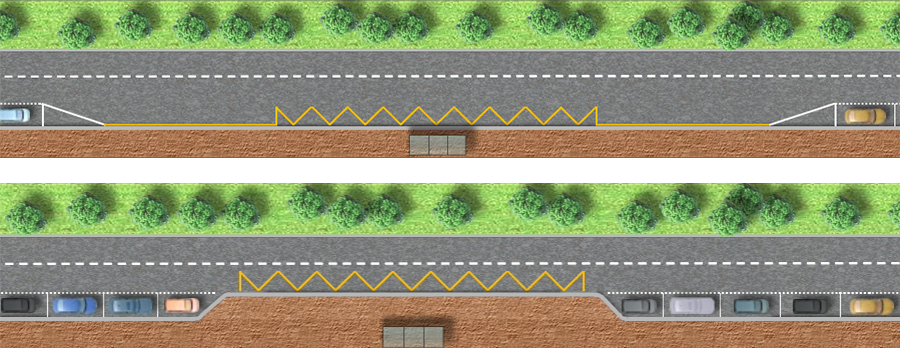
Among other things, anti-pockets increase the number of parking spaces compared to pockets - they are beneficial for both passengers and motorists:
Well, the most important thing is that anti-pockets, as well as stops within the right lane, effectively solve the disadvantages of pockets described in the article. They make public transport faster, more comfortable for passengers, and increase the accessibility of the environment for people with limited mobility.
Getting rid of unnecessary pockets is an important step towards speeding up public transport and increasing mobility.
Author: Denis Chertov