
Translated material
Nine frequent questions about coronavirus
1. Symptoms of infection with the Covid-19 virus
The most commonly recorded clinical symptoms in laboratory -confirmed cases are fever (88%), dry cough (68%), fatigue (38%), sputum excretion (33%), difficulty breathing (19%), dryness in the throat (14%), headache (14%) and muscle pain (15%). Less common symptoms are diarrhea (4%) and vomiting (5%).
Current estimates suggest the average incubation period from 5 to 6 days for the COVID-19 with a range from one to 14 days. Recent studies confirm that it is advisable to establish an incubation period lasting at least 14 days.
2. Are there people who are more at risk?
Basically, older people with poor health (for example, patients with hypertension, diabetes, cardiovascular diseases, cancer) are more at risk of developing severe symptoms.
3. Is there a risk of infection in children?
Children rarely get sick and tolerate the disease quite easily. A large study in China showed that a little more than 2% of cases of the disease were diagnosed in people under 18 years of age. Of which in less than 3%, this has grown into a difficult or critical state.
4. What to do if I had contact with the infected Covid-19?
Notify local health authorities that will provide recommendations on further actions. If you have any symptoms, you should immediately call your doctor for consultation, indicating that you have contacted the infected Covid-19.
5. Is there a vaccine against the virus? How long will the vaccine develop?
To date, there are no vaccines against human coronaviruses, including the virus that calls the Covid-19. Therefore, it is very important to prevent infection and further spread of the virus.
Vaccines development takes time. Several pharmaceutical companies are working on vaccines. However, it will take months or years so that the vaccines are in the public domain, since first they must undergo detailed testing to determine their safety and efficiency.
6. Am I protected from Covid-19, if this year I was vaccinated against influenza?
The flu and the virus that provokes the Covid-19 are two different viruses; The flu vaccination will not protect you from Covid-19.
7. What is the risk of infection Covid-19 in contact with pets and other animals?
Animals can infect other animals and people with some types of coronavirus. There is no evidence that pets (for example, dogs or cats) represent the risk of infection for people. As a general precaution, the basic rules of hygiene when contacting animals must be observed.
8. How long will this flash of Covid-19 last?
Unfortunately, it is impossible to predict how long the flash will continue and how the epidemic will develop. We are dealing with a new virus, so there is a lot of uncertainty. For example, it is not known whether the natural transmission of the virus will decrease during the summer in the northern hemisphere, as is usually the case in the case of seasonal flu.
Wed VKontakte Wed in classmates Wed on Twitter9. How can I avoid infection?
The virus penetrates the body through the eyes, nose and/or mouth, so it is important to avoid touching the face with unwashed hands.
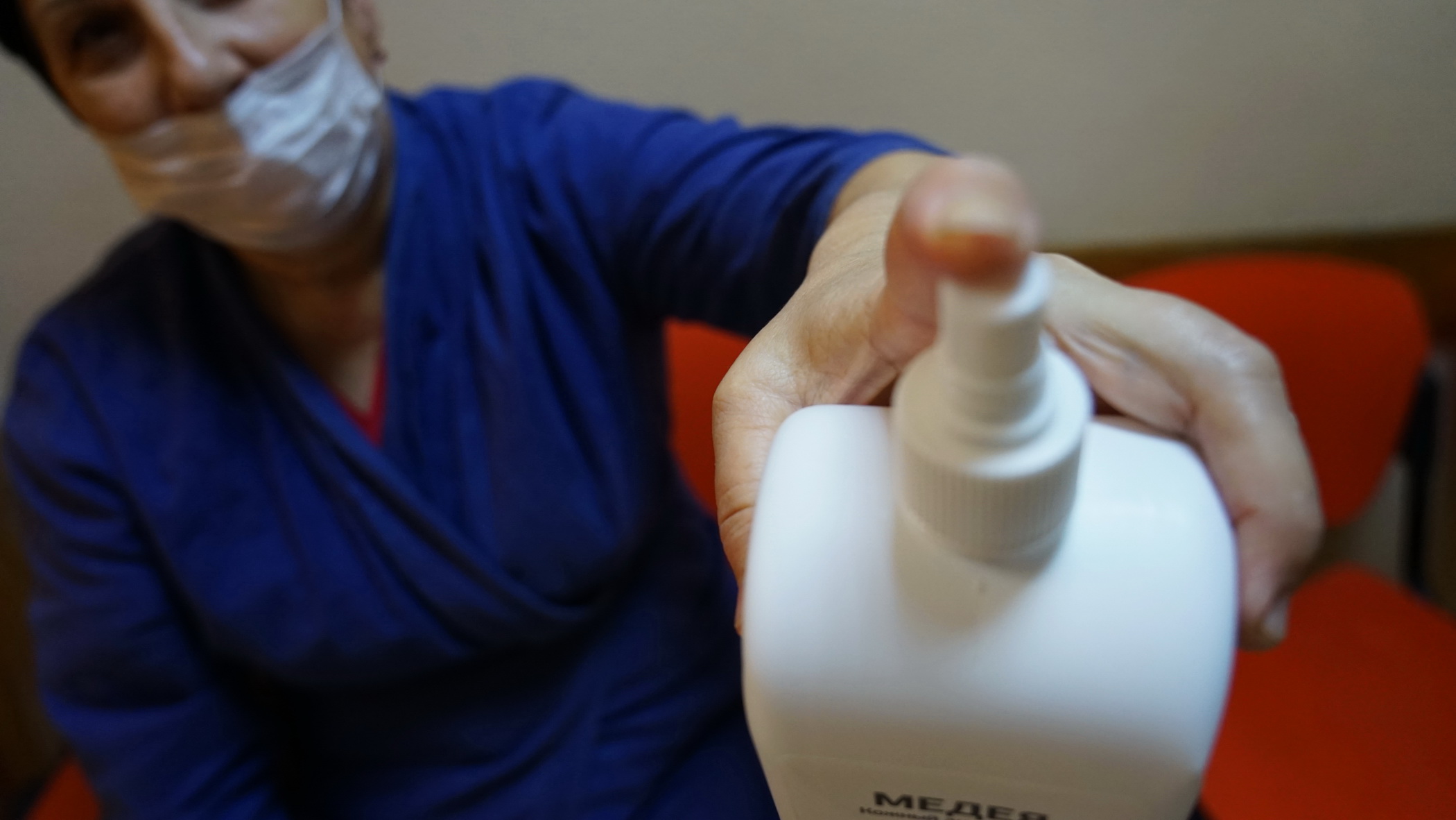
It is recommended to wash your hands with water and soap at least 20 seconds or clean your hands with solutions, gels, alcohol -based napkins.
It is also recommended to be at least 1 meter from people infected with COVID-19, which show symptoms to reduce the risk of infection through respiratory secretions.