
Translated material
Underground people
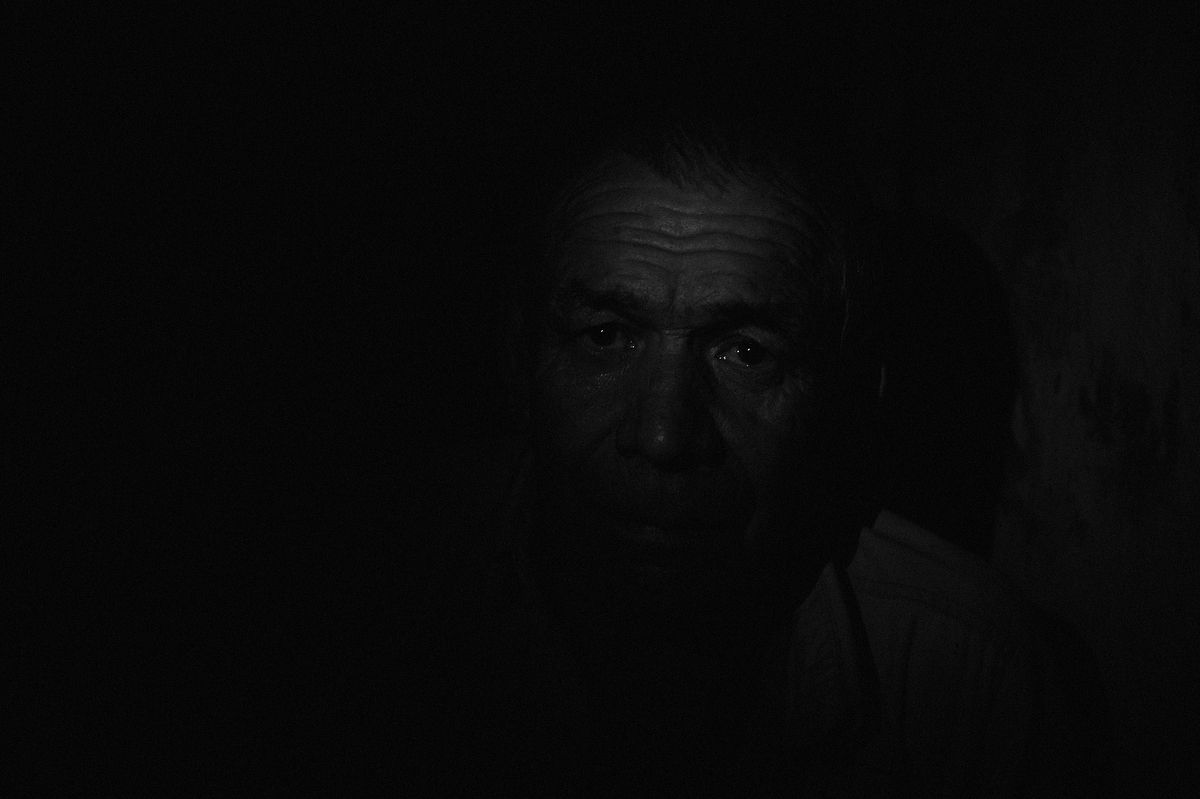
As the inhabitants of the village in the Donbass were saved from the war in the basement of the school. Photo station Valery Melnikova

The documentary photographer Valery Melnikov has been shooting in the Donbass since the summer of 2014, illuminating the consequences of an armed conflict in eastern Ukraine for civilians. Now Melnikov is preparing for the publication the book “Black Days” (its release can be supported here ). With the permission of the Medusa photographer, he publishes part of the book about the inhabitants of the village in the Donbass, who were saved from the war in the basement of a local school.
Four years have passed since the beginning of the conflict. I again came to the Donbass again. The active phase of hostilities ended, but the world never returned. Together with the war, people came to life uncertainty and lack of prospects.
Along the front line, the so -called “Grey Zone” was formed (“gray zone”) - an army term, conditionally denoting territories without a certain status and official authorities. A zone without schools and hospitals, without electricity and gas supply, without prospects and a clear future. A zone without clear boundaries in space and time.


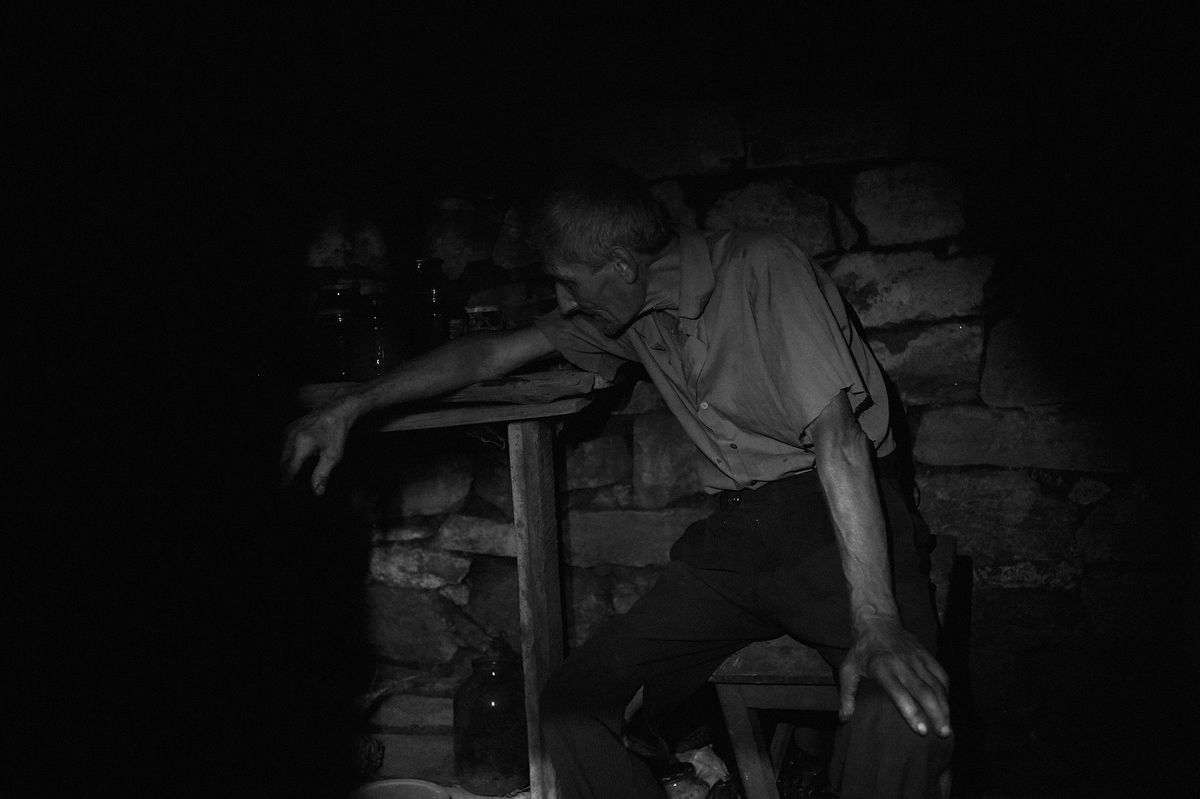

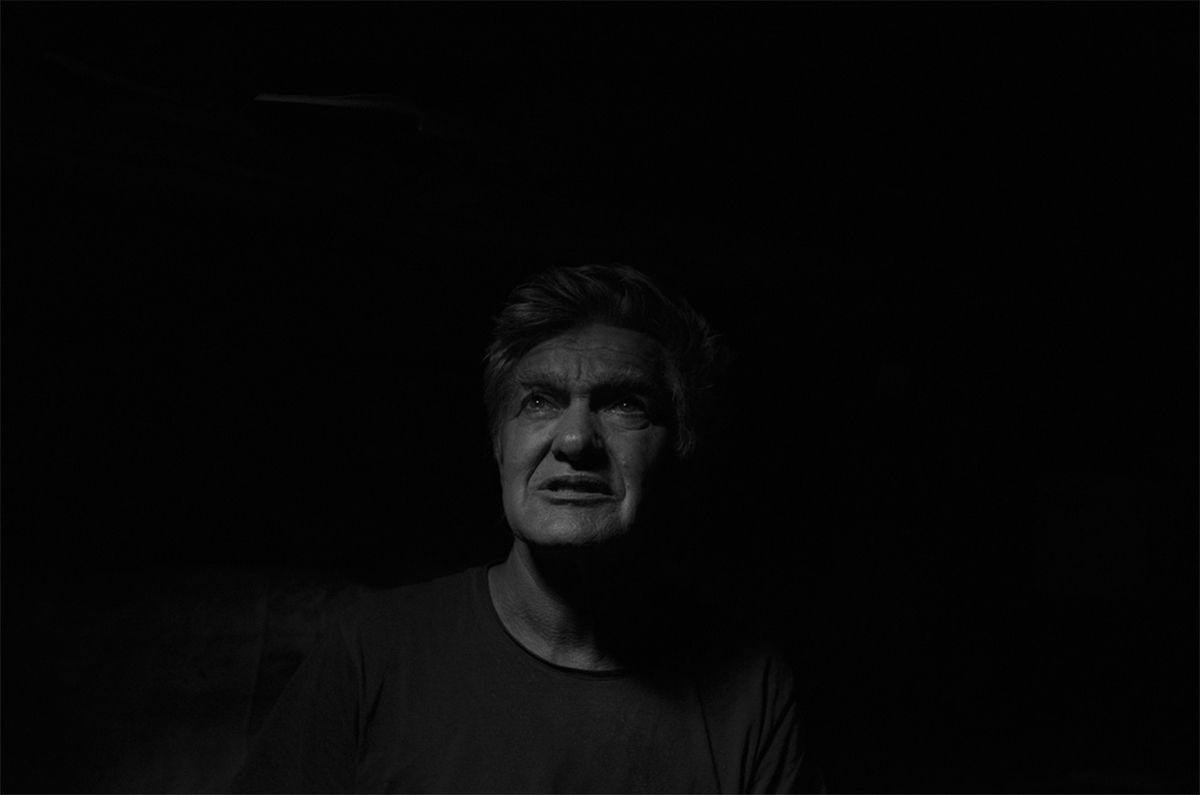
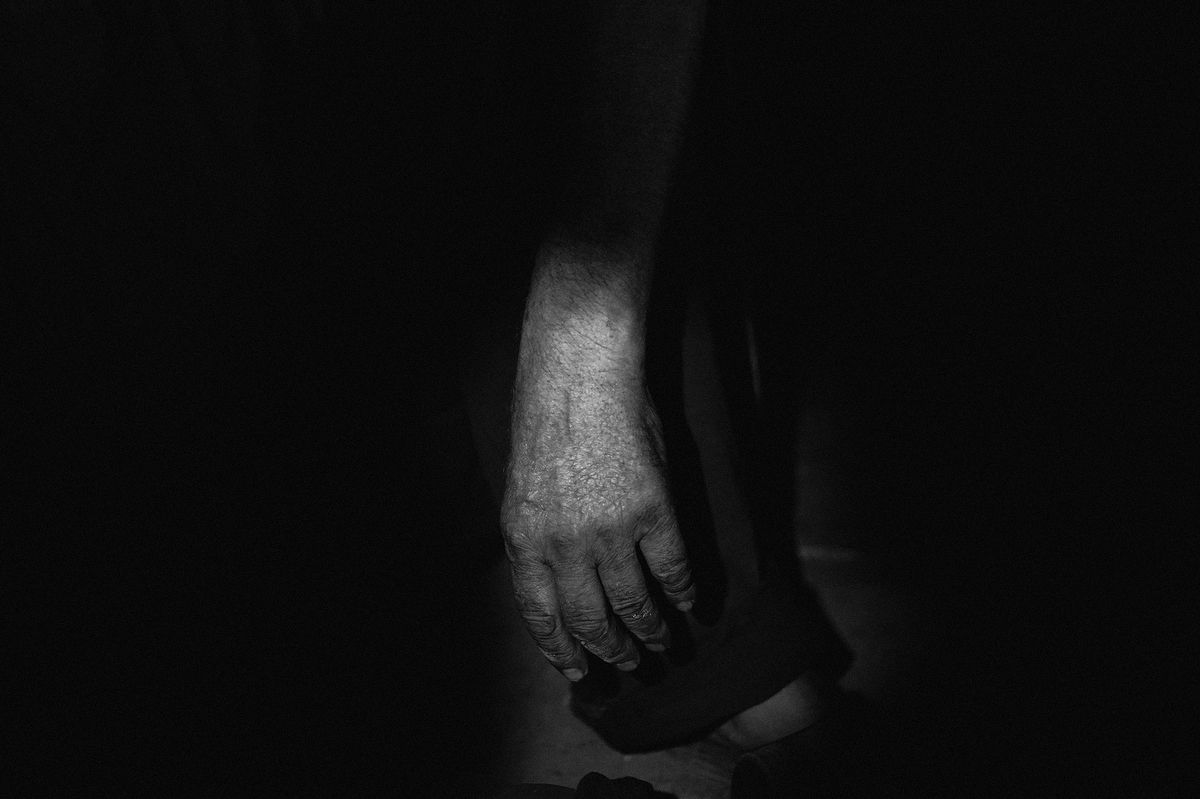
In the fall of 2015, I traveled a lot in the Donetsk region, talked with people. Their stories sounded very similar. The visibility of peaceful life and relative calm remained only during the day-until 5-6 pm. With the onset of darkness, the OSCE mission, which conducted the monitoring of the situation. When her employees returned to the base, shelling began. And people went down to the basements: they could only survive there. Neither the authorities nor the journalists almost knew about the “underground people” - for them this part of the conflict seemed to be too “narrow”.
The closer I got acquainted with the basement residents of the “gray zone”, the stronger I wanted to tell about them the language of documentary photography: to try to convey the atmosphere of fear and hopelessness, to draw attention to the problem. People went to contact easily - I felt their need to speak out.
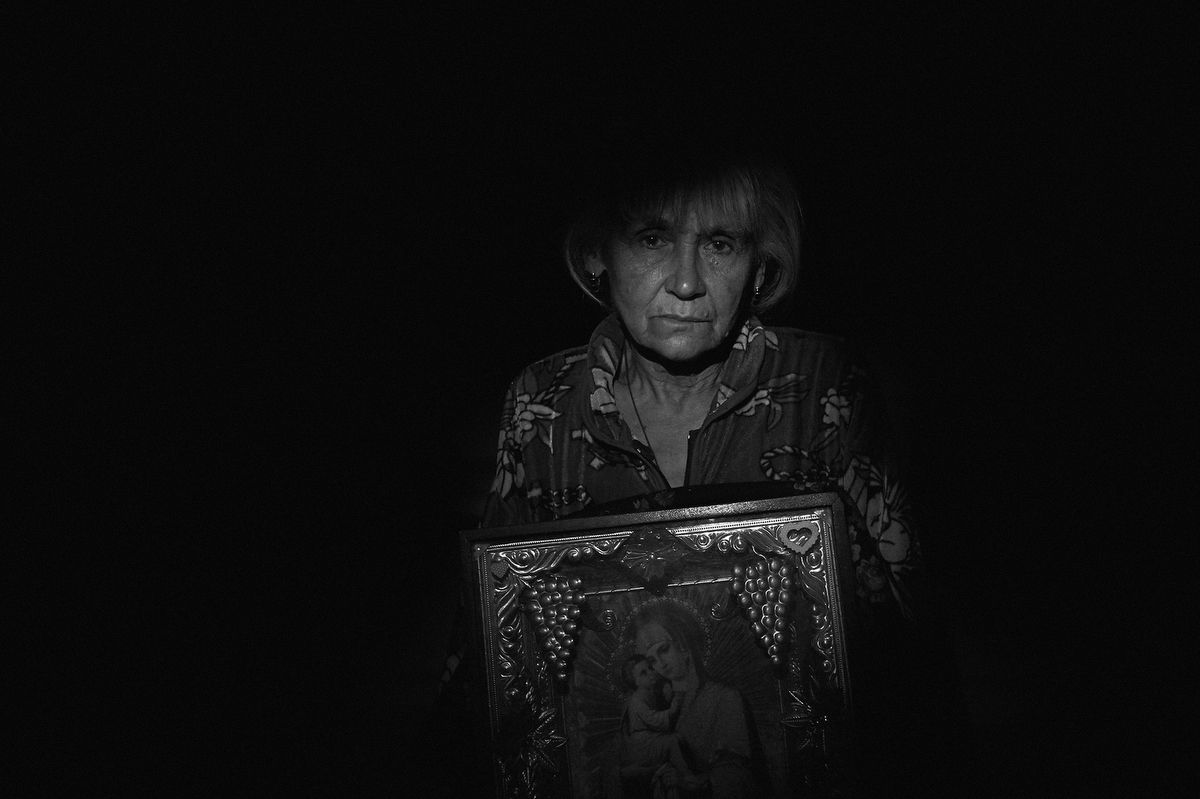
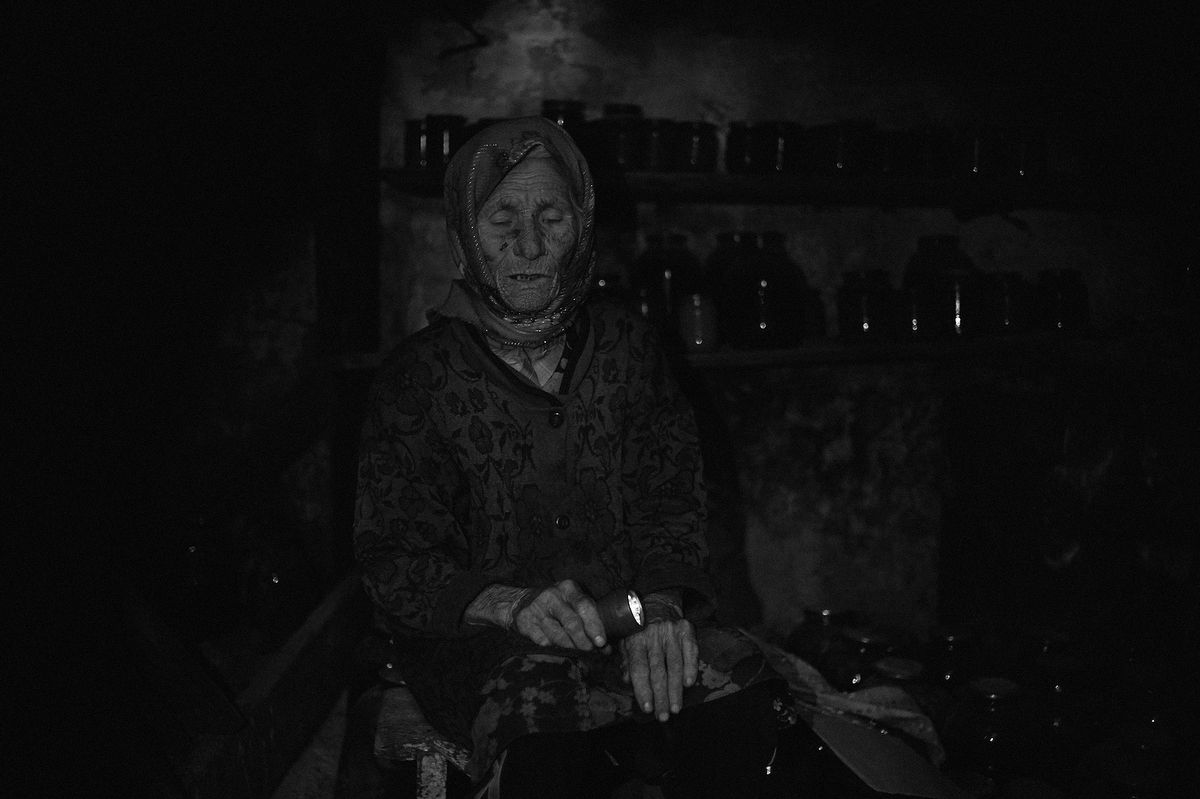
In some villages, only 2-3 people lived along the front line. Once, local journalists spoke about the village with the strange name of the 6/7 mine somewhere in the Gorlovka area. It is also in the "gray zone", but already under the control of the DPR. After the start of hostilities, the village was on the line of fire and almost completely disappeared. Before the war, there were about a hundred houses in it, and now the number of inhabitants barely reached 15. Most left, only those who have nowhere to run, mostly elderly people remained. All of them hid in the basement of the school - both in winter and in the summer. I immediately went to mines 6/7.
We traveled for a long time along the outskirts of Gorlovka, constantly checking with cards. I remember endless roads against the backdrop of the cannonade of heavy artillery in the distance. On the street - nobody. The first thing that struck in the village was the atmosphere of timelessness. I hardly believed that I was still in the civilized 21st century. Around the destruction and black burnt earth.
Finally, I found the school - it turned out to be the highest building in the village, also very affected by shelling. He went down to the basement. Having passed through several dark and raw rooms, I did not see anyone. Already going to return, behind one of the walls he suddenly heard voices. He opened the door and saw people sitting in a close circle.
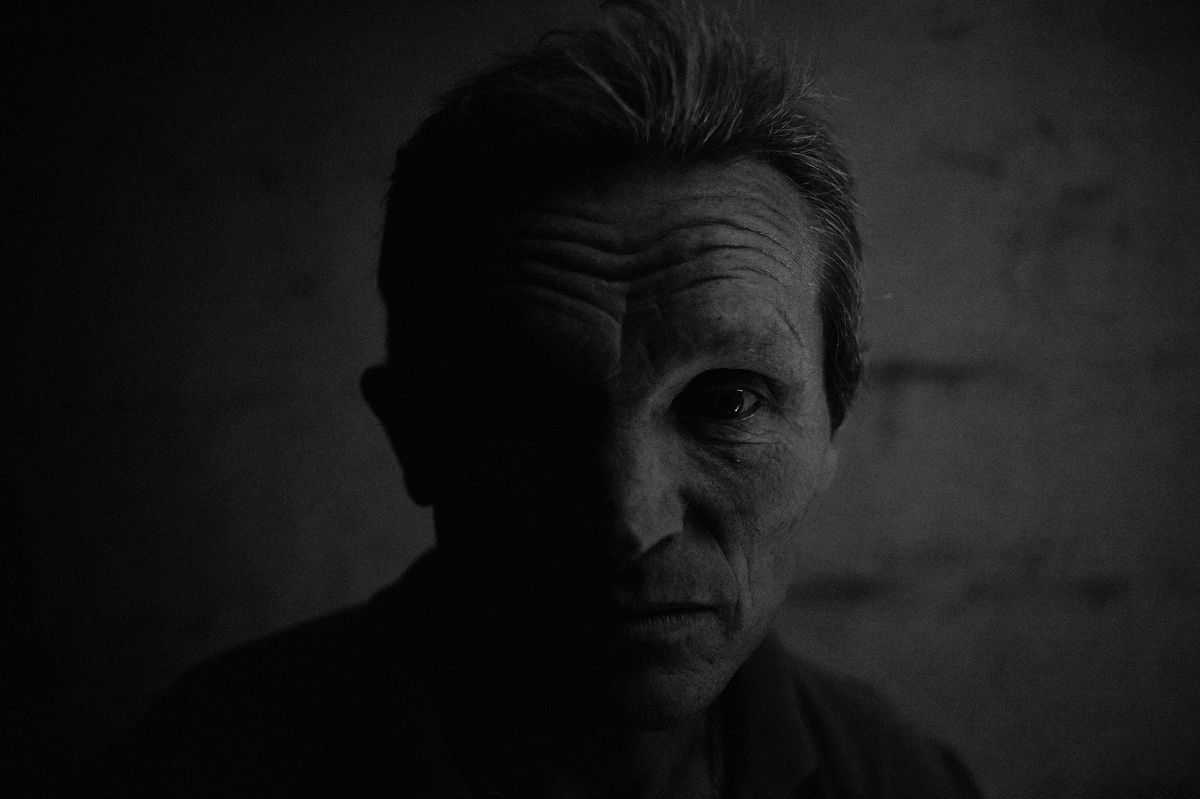
I told why I arrived at 6/7 mines. And they are about how they survived. The hardest, according to the remaining, was the first winter. In the basement, neither heating nor electricity, the village was de -energized for ten months. On the coldest days, people pressed their backs to each other, so as not to stain. They shared meager reserves of potatoes and bread. So the month after the month passed three years.
Gradually, the basement “settled down”, if I may say so about terrible conditions. There were stoves, electricity. In the summer, people gathered firewood, and those who had a housekeeping survived, ran under shelling to water the garden and harvest hay for animals. But the atmosphere of constant fear and tension did not disappear for a minute. Everyone understood - except for themselves, there is no one to hope for.
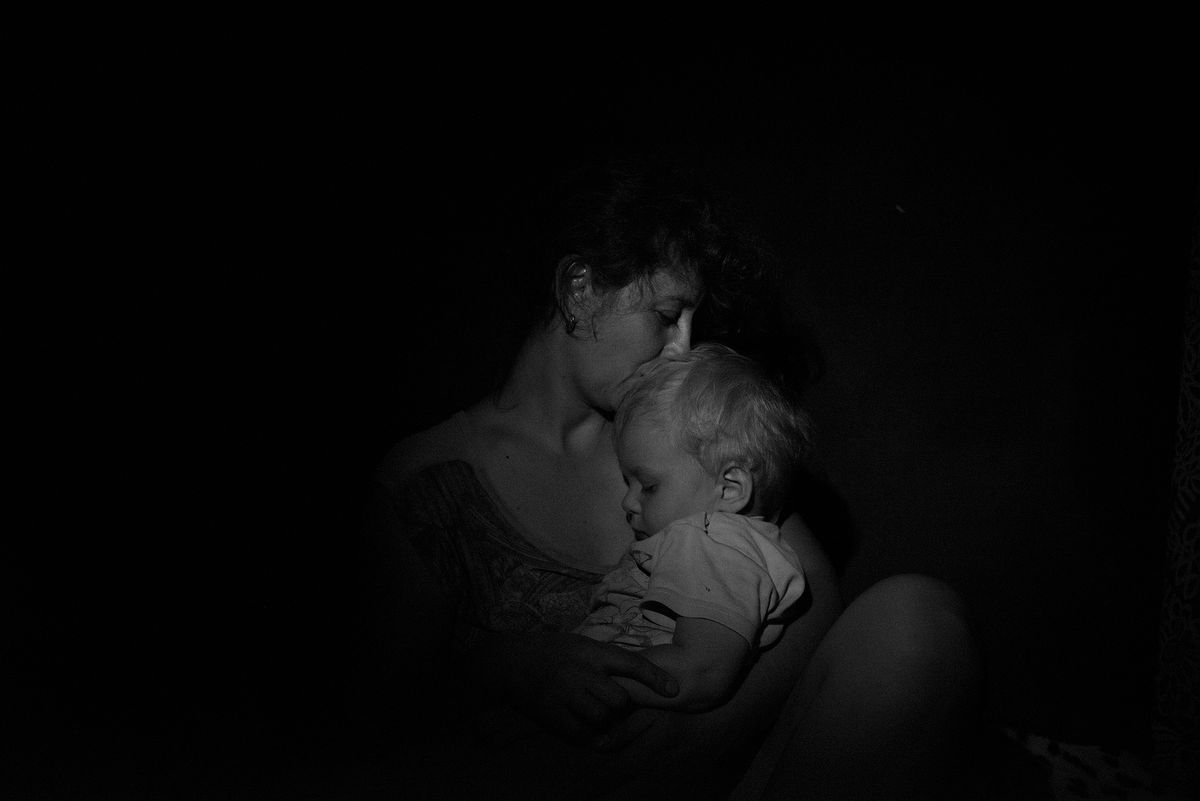
The stories of the inhabitants of the "gray zone" clearly showed: the war immediately returns any person to the Stone Age. In a conditional basement, where everything has to be started from scratch.
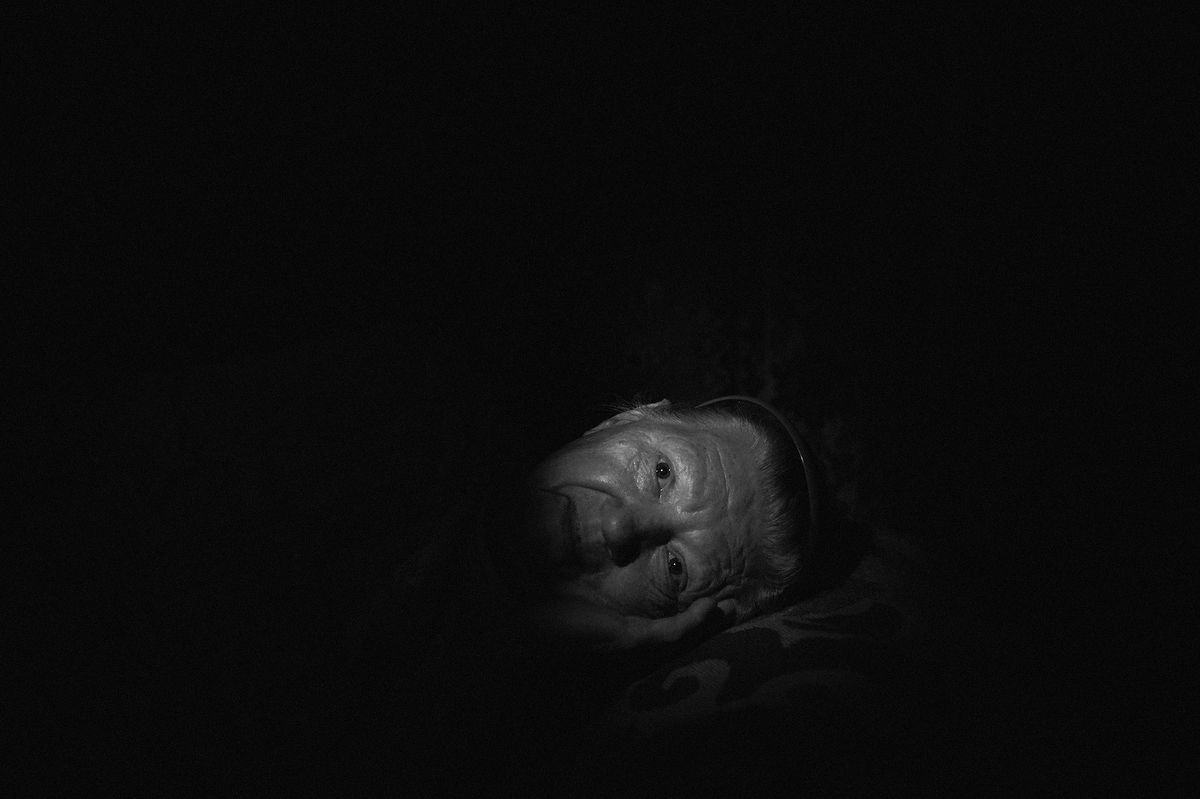
Surprisingly, in conversations with residents of mines 6/7, I did not hear despair. The power of the human spirit saved them. Despite everything that the Donbass people had to endure, they managed to not lose themselves. They continued to fight for life every day, although every day could really be the last. And they appreciated him much more than us, who was lucky not to experience on themselves what war is.

You can pretend to be ordered by Black Days or help its publication here .