
Translated material
Burning the bones
How to rewrite losses to the state, and the state-owned company-on himself: a master class from Igor Sechin
In Russia, there are not many people who can single -handedly overshadow the pandemic of coronavirus in the information field. And those who can do it twice in less than a month, a few units. One of them is the head of Rosneft Igor Sechin, who first took a direct part in the collapse of oil prices up to $ 25 per barrel, and then made a sharp turn over Karakas.
On the evening of March 28, it became known that Rosneft breaks commercial relations with Venezuelan companies and dumps all assets related to this country to the balance of the Russian government.
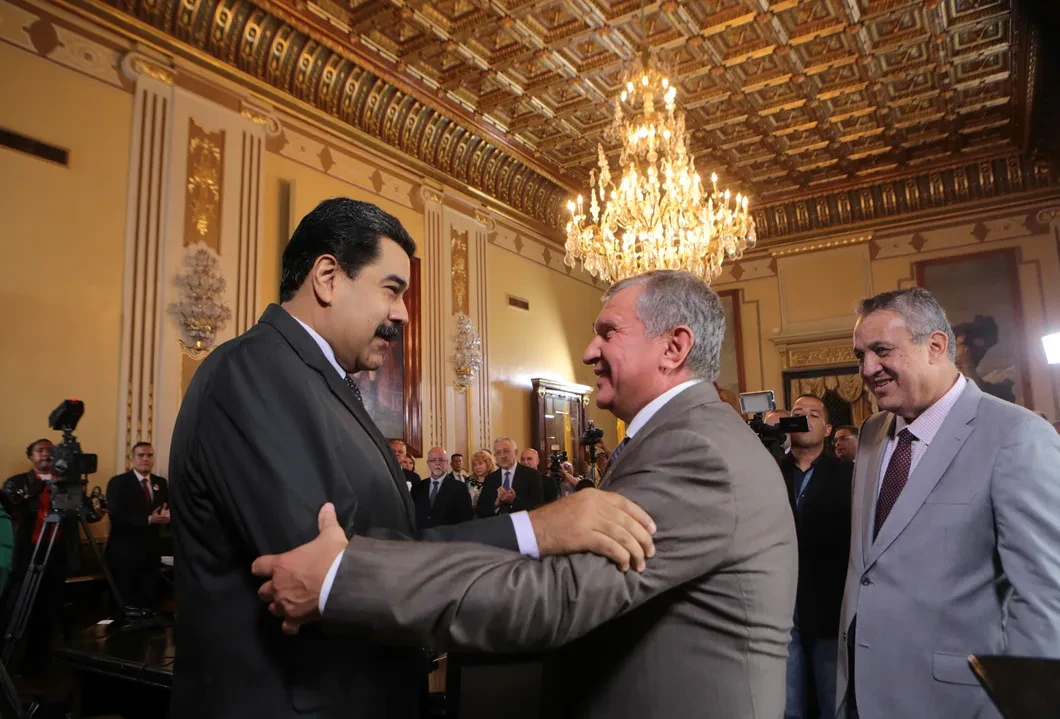
Over the years of working with Maduro, Rosneft, along with China, actually absorbed the Venezuela oil sector. The state -owned company had shares in Productive enterprises Petromonagas, Petroperija, Boqueron, Petromiranda and Petrovictoria, not counting the oilfesters, trade operations and other “concomitant” transactions that are better not to talk about aloud.
All this incredible wealth, officially recognized as toxic, will switch to the government’s balance in exchange for 9.6% of Rosneft shares, equivalent to 300 billion rubles for current quotes. The probable acquirer of the Venezeneral Package will be the structure of Rosneftegaz (or one of the daughters of Rosneftegaz, which does not change the matter), 100% belonging to the government and led by Igor Sechin.
The details of the transaction are classified, so it is impossible to conduct an audit and document the value of the transferred assets. But everything that is known about the activities of Rosneft in Venezuela leaves no doubt about their negative value. In the open market of buyers, such a portfolio would definitely not have been found, so Rosneft simply compensated for part of the money thrown to the wind.
According to Sberbank Cib, for several years the state -owned company “buried” $ 8.5 billion in the Venezueul direction.
For the Rosneft itself, you can only be happy. The state -owned company got rid of burdensome assets in one fell swoop and reduced its sanctions risks, which over the past couple of months have acquired a threatening character.
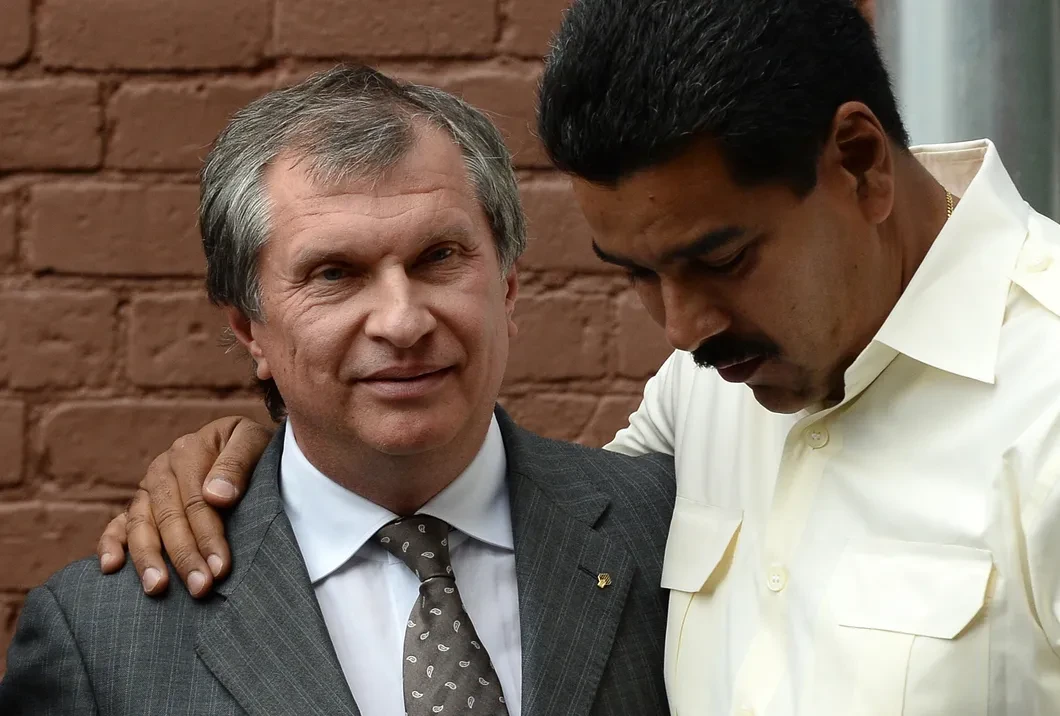
Since the beginning of this year, two trading daughters of Rosneft, registered in Switzerland, have fallen for American sanctions for Venezuelan oil trade. The risk of expanding these sanctions on the maternal company began to materialize after the collapse of the OPEC+transaction.
There were rumors about negotiations between the United States and Saudi Arabia on an alternative agreement. The parties discussed the possibility of a new freezing of prices on their own conditions, and in order not to allow Russia to occupy the niche of the Saudis, the United States could introduce a full embargo for the supply of Russian oil.
In the conditions of the coronavirus epidemic, such a blow to the Russian economy would lead to a real disaster. It was in the Kremlin that they reasoned that continuing to issue multi -billion dollar loans to Maduro as if it had happened. The presidential wording of “sanctions is only good for us” turned out to be not quite sincere, and Rosneft in an abarans began to notice ties with his old partner.
In addition, signals about Russia's readiness to start new negotiations with OPEC began to sound from the Ministry of Energy - apparently, already on the conditions more favorable for Saudi Arabia. Private Jet Sechin recently visited Vienna, where the headquarters of the cartel is located. So it is possible that the delivery of Maduro is part of the wider agreements to mitigate the crisis in the oil market.
Be that as it may, Rosneft shareholders on Monday will have a real holiday - the quotes of the state -owned company will go up the news about the elimination of toxic investments. The long -awaited exit from the geopolitical adventure will allow Rosneft to pay more solid dividends.
But the main beneficiary of the deal will be Igor Sechin, who may have approached the main goal of his career.
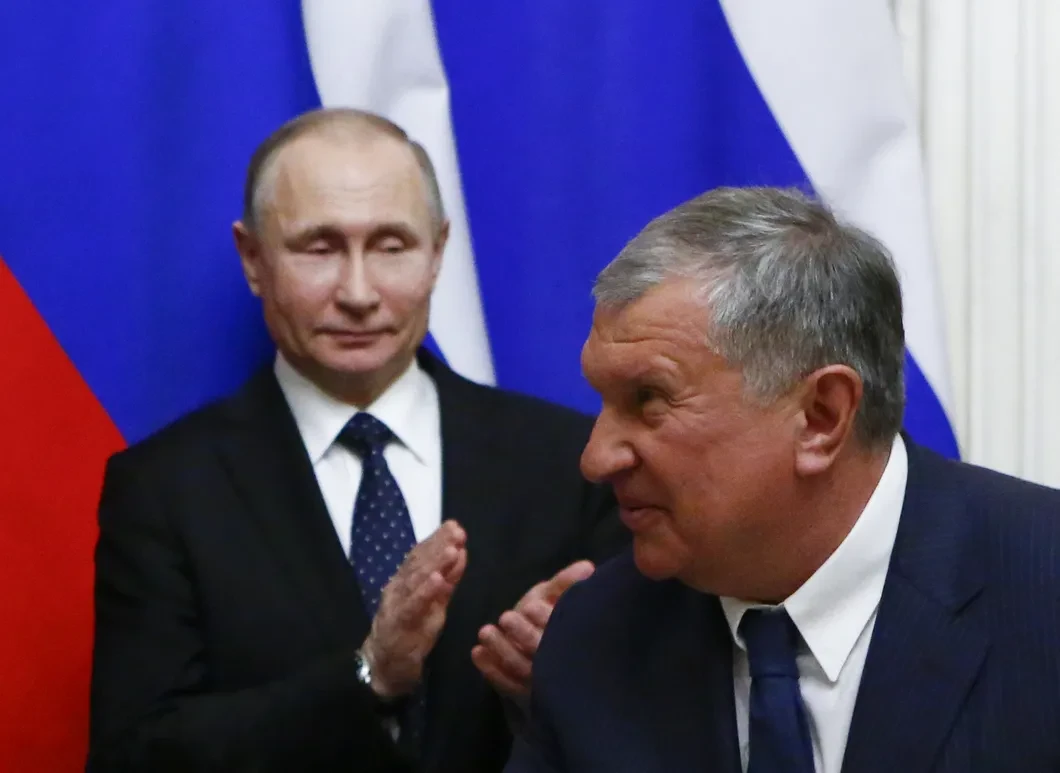
The fact is that the seizure of 9.6% of Rosneft shares from Rosneftegaz means a decrease in the state of the state below the control package of 50% + 1 share. It turns out that after the completion of the Rosneft transaction, it will formally get out of the government’s control. Even if the board of directors still decides to “repay” these 9.6% of the shares, the state of the state will still barely exceed 44%.
After the pseudo -entrying in 2016, a chain from the nominal holders of Rosneft shares - Qatari funds, secret Chinese investors, Russian state banks, and so on - has become so complicated that it will be impossible to figure out who belongs to the largest oil company in Russia. And this is the main consequence of the “Venezuelan” transaction with Rosneftegaz.
In the end, Russian taxpayers are not in a novelty to pay for unprofitable investments of state -owned companies and save state managers from sanctions. If you do not have a secret account in one of the dealers of the Federal Property Management Agency where you can carefully add assets deduced from state property, it remains only to pay your share in the nationalization of losses and admire the brilliance of the next “zero”.