
Translated material
Little man locked in a cage
Like people with mental disorders
carry the period of epidemics and quarantine
The pandemic of coronavirus in the world and the need to be in self -isolation provoked the aggravation of existing mental disorders in self -isolation. Psychological difficulties began to experience those who did not have them before. The special correspondent of the Cold Julia Dudkin tells how people who are faced with similar problems live.
In order not to miss the main materials of the "cold", subscribe to our Instagram and telegram .
"It seems that two were dragged me"
On March 16, 23-year-old Kristina Andreeva ( the name changed at the request of the heroine ) woke up at seven in the morning without an alarm clock. She was in her own apartment, there was nowhere to hurry, but again it was not possible to fall asleep. The girl went to Telegram and began to view news channels. “I came across a long post, which said that the global economic crisis begins around the world,” says Christina. She had seen news about the pandemia of Coronavirus before, read about how they closed the city’s quarantine in Europe. But here, as she says, she “covered” her. Suddenly there was a clear feeling that all life is leaning downhill, and the world is crumbling around.
“Now I cry every day,” says Christina. - It can last for hours. Like waves - bouts of crying roll one by one. During this time, I got fought five times. Really with fists. " Christina talks about one of the cases: she went to the concert and in the smoking room heard a stranger joking about coronavirus and says that the end of the world was coming. “I asked him to shut up, said that I was uncomfortable from his jokes,” says Christina. “But it only made him laugh even more.” Further in the eyes darkened. It seems that two were dragged me. "
Christina has a borderline personality disorder. “I have had difficulties for a long time,” she says. - Since student times, I turned to a psychiatrist several times. I cried in pairs, and once left the lesson, slamming the door, and tried to rush under the car. My parents were called from the dean’s office, and I was convinced to contact a specialist. ” In 2015, the psychiatrist suspected a bipolar disorder from Christina and prescribed medications. But she did not accept them - "scared, threw the recipe and said nothing to anyone."
Three years ago, she came to the psychiatrist herself. “I had several attempts by suicide, attacks of aggression and self -confusion,” she says. - sharp mood jumps, constant disorders of food behavior. Emotional reactions that do not correspond to situations. ” Then the psychiatrist made her a new diagnosis. A borderline disorder - or an emotionally unstable personality disorder - is characterized by impulsiveness, high anxiety and very strong emotional reactions to events that may seem insignificant to others. People with such a disorder can have difficulties with socialization, but at the same time they can be afraid of loneliness and sensations of their own uselessness.
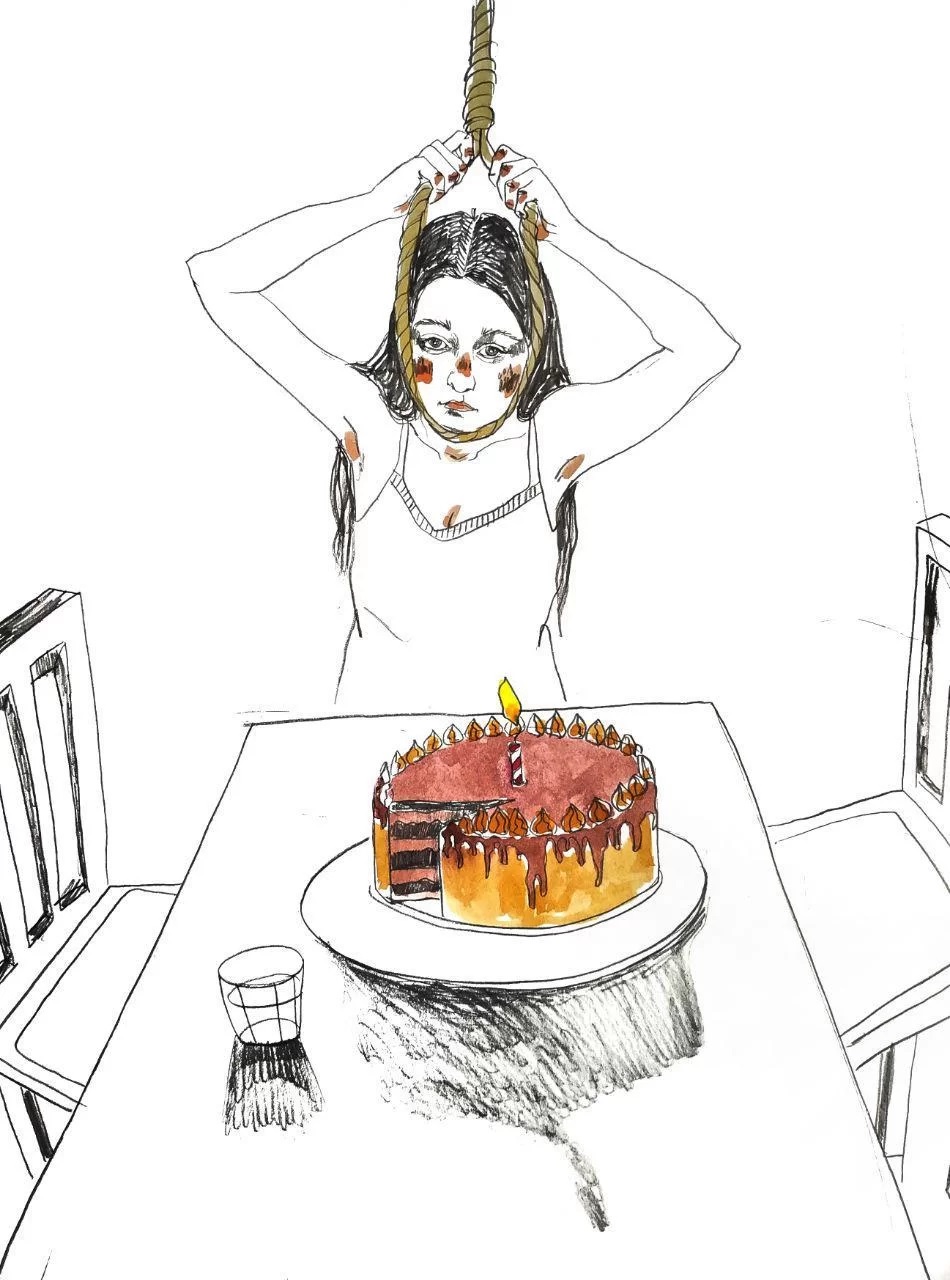
“Having received a diagnosis, I began to feel a little better,” says Christina. - The "border guards" have difficulties with determining their own identity. It is difficult for you to understand who you are, what you are at all. Now I at least understood something to myself. " For three years, Christina drank two courses of medication. She says that "she stopped cutting herself every day." At the beginning of 2020, it finally began to seem that her life was getting better. “I used to feel very lonely,” she says. - There were only two people with whom I talked. If they refused to go for a walk, I could lie for hours and sob from loneliness and helplessness. At the end of 2019, I thought that I simply won’t endure another lonely year. ” But in February she had a new circle of communication, a relationship with the person in whom she was in love began. Christina was engaged in music for a long time, but earlier, as she herself says, "she did not do much success." In the winter of 2020, she was offered to play a DJ-network at a party-everything went well, and she decided to develop further in this direction. “I had inspiration, I even began to look for a new job,” she says. “As if I had a future, I wanted to move somewhere, to change something.”
This went on until March 16. That morning, when she saw a post about a global crisis, in her mind "something turned off." “Now I seemed to roll back,” says Christina. She began to smoke more packs of cigarettes a day and drink a lot-to somehow muffle anxiety and despair. “Today, it seems, I had a panic attack,” she says. -Suddenly it became difficult for me to breathe, and in my chest it seemed as if something squeezed, I could not even say anything, thoughts were confused. This went on for about half an hour. ” One thought that the city can introduce a general quarantine regime in the city, causes a panic in Christina. “I need to go somewhere, see people,” she says. “Even when I just think about loneliness, it seems to me that I am disappearing, turning into dust.” She says: she would help her at least one good news, at least one forecast about when the pandemic ends. “I constantly sob and read the news, read the news and sob again,” she says. - I can’t work normally, it seems to me that they will fire me. It seems that it will always be bad now. ” According to Christina, she gave herself time until mid -April. If nothing changes by that time, she is going to commit suicide - and has already chosen a way.
Christina has a terrible picture in her head - summer comes, the whole world is sitting on quarantine, and she has to celebrate her birthday alone, in four walls. “Anything, not that,” says Christina. - online communication does not help me. I believe that I exist only when I see living people. I will not endure isolation and uncertainty. ”
On Tuesday, March 31, Christina wrote that in a small Siberian city where she lives, they introduced quarantine.
A state unusual for a person
The periods of epidemics and quarantines are a time when the level of stress and anxiety in people increases sharply. At risk are people who already have certain psychological difficulties or disorders. “However, this applies not only to psychological problems,” says the psychiatrist and psychotherapist, candidate of medical sciences Vitalina Burova. - Any person with a chronic disease in stress risks getting an exacerbation, whether it is anxious disorder or gastritis. Where it is thin, it is torn there. ”
Now, according to Burova, it is early to give any statistics, but the level of anxiety and tension in society has clearly increased. “The person is most afraid of what does not know or does not understand,” she explains. “The less we understand what exactly we have to survive, the higher the level of fear and anxiety.” Moreover, in situations that can threaten life, one of the basic survival reactions can “turn on” in a person. It doesn’t matter whether a real threat or imaginary - stress can launch the reaction “beat or run” or, conversely, make a person “pretend to be dead”. In other words, in moments of stress, anxiety, anger or sadness can be activated. “Someone begins to fuss,“ run away ”from danger, others break into others or scold the government,” says Burova. “Thirds may experience apathy and depression.” If a person is already prone to anxiety, aggression or depression, the problem may aggravate.
In addition to anxiety news about pandemia and uncertainty, for many, self -isolation for the time of quarantine becomes a problem. In March 2020, a group of scientists published a review of research on quarantine and self -isolation in the Lancet scientific journal. Having analyzed more than three thousand studies, scientists summed up: those who survived the quarantine may observe the symptoms of PTSR (post -traumatic stressful disorder), confusion and anger. Moreover, quarantine itself (prolonged isolation, fear of infection, lack of first necessity and information about what is happening), and the expected consequences (financial problems, stigmatization of the isolation) become sources. The authors of the study urge each of these factors in advance when organizing quarantine and paying special attention to doctors who had to be in isolation, since there is reason to believe that their disorders are more often manifested.
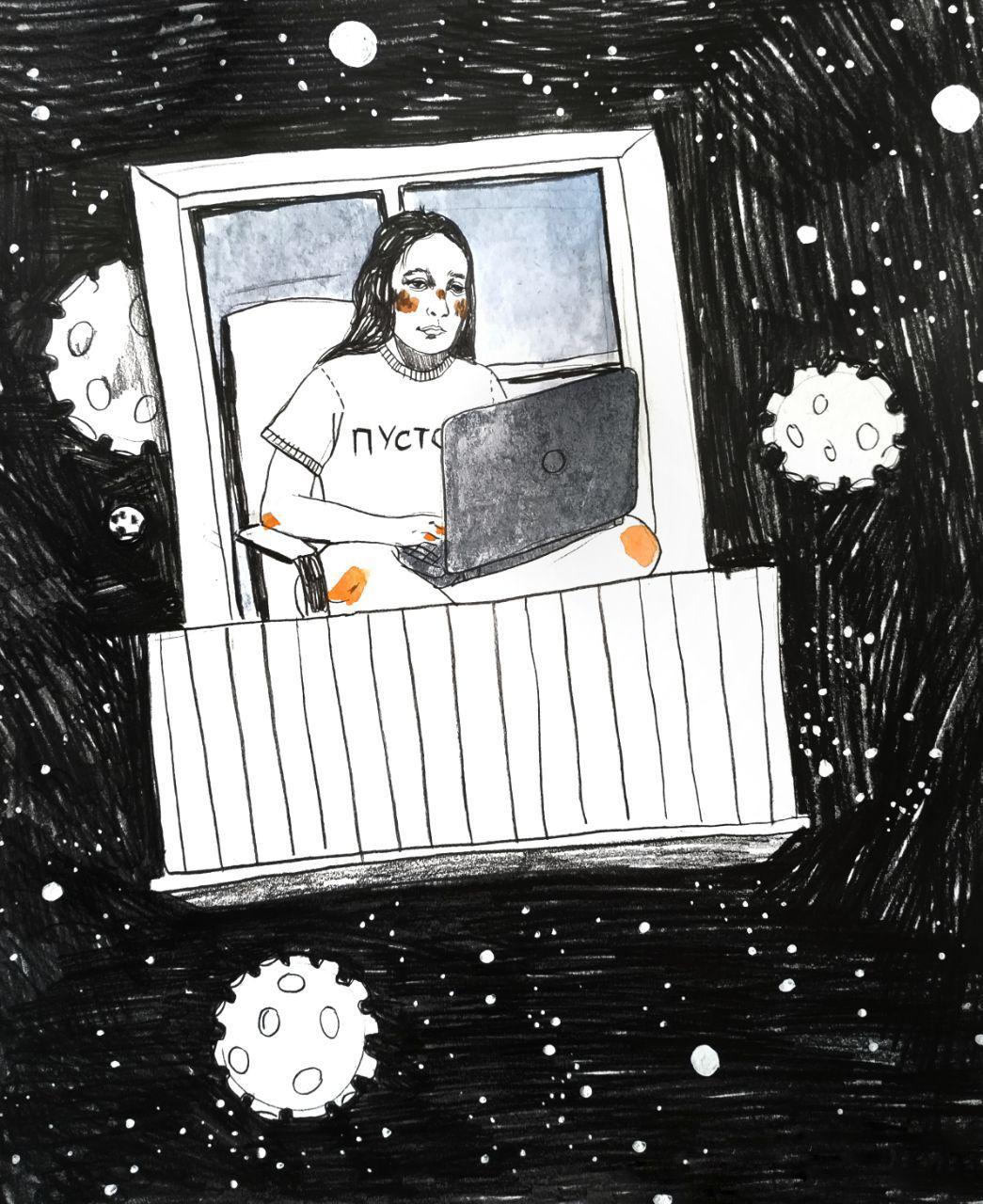
“Isolation is, in principle, a state unusual for a person,” says psychiatrist Viktor Lebedev. - In some disorders, loneliness can be transferred especially difficult. For example, with a borderline disorder, a person often has a blurry sensation of his own boundaries, identity. He needs people as a stabilizer, an external observer who valides him, determines who he is. ” People with Alexitimia have similar difficulties - that is, those who are difficult to define and describe their own emotions and emotions of other people. “For those whose inner life is not decorated, active social ties are very important,” says the psychiatrist. - They help regulate their own inner world. Having lost such a regulator, a person can start resorting to others, more destructive. For example, it can be alcohol or self -reproductive behavior. ”
But, according to Lebedev, the fear of loneliness is not only because of psychological difficulties-many people also have a very low skill of self-organization. “We grew up in the post -Soviet and Russian society,” says the psychiatrist. - Our daily routine has been determined by different institutions, they regulated our behavior, explained what we should be, what to do, how to dispose of our time. And now, despite a huge number of online broadcasts and free content, many people simply will not know where to put themselves. I will not be surprised if in the coming weeks we will see the growth of domestic injuries, violence and the number of cases of disease associated with alcohol abuse. ”
As if you are not quite alive
Student Valeria Kopirovskaya is 25 years old, and for several years she has been living with depression and syndrome of depersonalization - derealization. “I don’t remember when it began,” she says. - For me, the world is always unreal, the picture is flat. As if you are not quite alive, you feel bad your body. ” Because of this disorder, Valeria often seemed that it was isolated from the outside world-everything seemed to happen far from it. “If something really bright, interesting happened in life, it became easier,” says Kopirovskaya. “Concerts, festivals, communication with friends seemed to bring me closer to reality.”
Two weeks ago, Valeria and her husband decided to self -invite themselves to reduce the risk of infection with coronavirus. “From this moment, everything has become worse,” says Kopirovskaya. - I no longer go to study and do not go to psychotherapy. Everything around has become even less real. Some endless Surka day began. I wake up in the morning, and I am already not in my body. I listen to music - but instead of it, it seems like a set of sounds. ” Often Valeria sits and mechanically scrolls through the news feeds on social networks - this calms her a little, although she cannot focus on what she sees on the screen. She tries to do exercises, read books, but this "does not bring sensations."
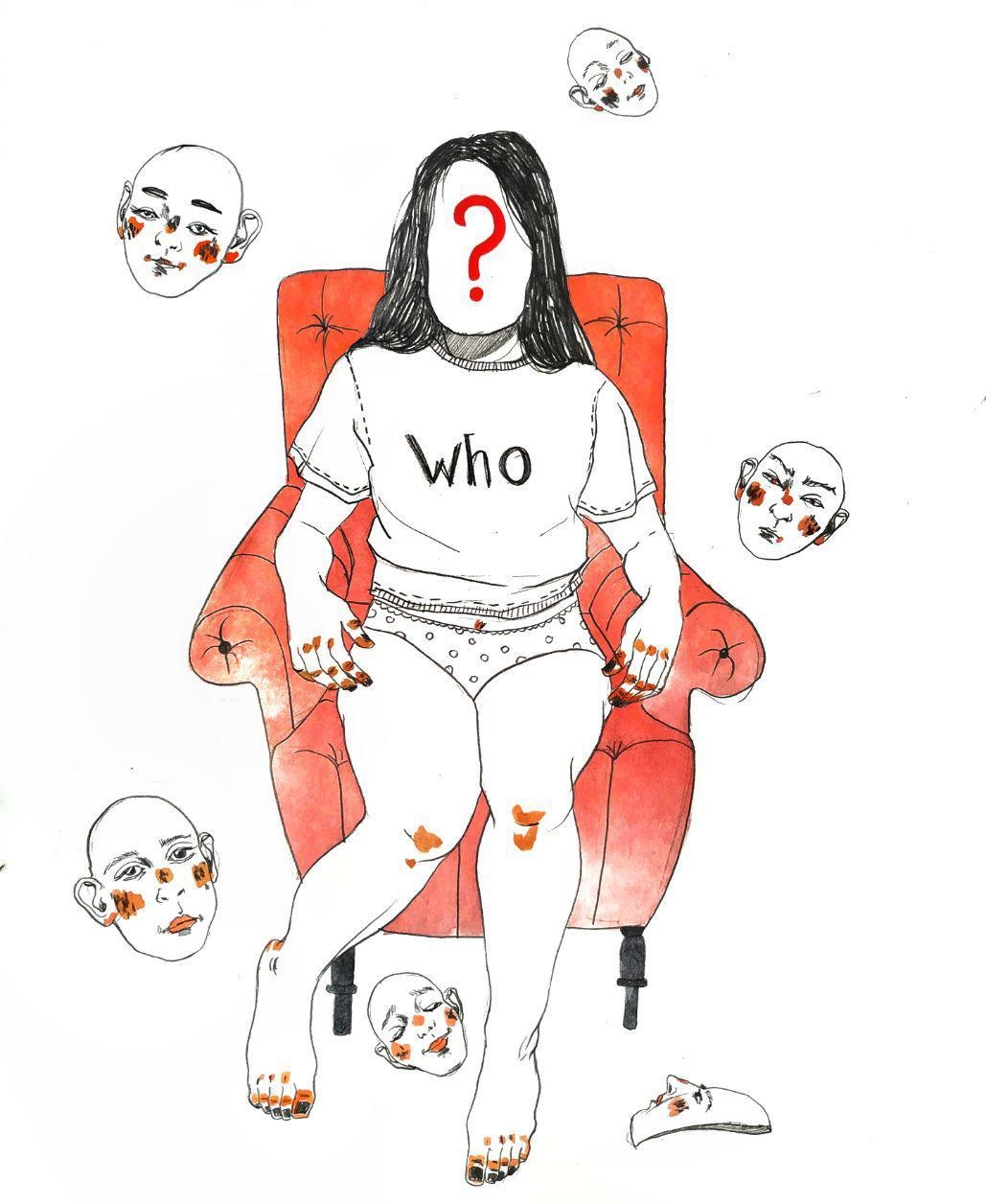
As the psychiatrist Viktor Lebedev explains, derealization is an effect that can occur due to an outrageous anxiety, which a person sometimes does not realize. “There is a disintegration of mental processes, and this causes confusion, a feeling of unreality,” says Lebedev. In this state, the perception of the surrounding reality changes, the world can be seen as a muddy glass, and emotions and sensations in the body - dull and move away. Derealization can occur on its own, or maybe as a symptom of a mental disorder. “It is not surprising that many can now face this condition,” says Lebedev. - The usual structure of being began to change, we found ourselves in an unfamiliar world with new rules. Naturally, it is disturbing. "
Journalist Olga Karchevskaya from Vladivostok also collided with derealization. “The husband comes up to hug me, but I don’t quite understand - who is this person, what is he who has to do with me? Where am I? She says. - That is, I am aware of everything with my mind, I am aware that I am in my own apartment, and my husband is next to me. But this is as if everything is not happening to me. ”
Karchevskaya is 39 years old, and 19 of them she lives with a recurrent anxious-depressive disorder. In total, she survived seven anxious-depressive episodes-each on average six months. Derealization is one of the possible symptoms of disorder, and Karchevskaya has already encountered this sensation many times, "as if reality consists of broken pixels, and phenomena and events are not interconnected." But in the last few months she has become better - the psychiatrist helped to choose a successful treatment regimen, the next depressive episode has fallen to decline, and the feeling of derealization passed.
On the 20th of March, Karchevskaya and her husband decided to self-invite themselves-today they spent a little more than a week at home. “In this apartment, I experienced a difficult depressive episode for many months,” says Karchevskaya. - And now it turned out as if locked in it. Here is the window that I had recently thought to be thrown away, here are the white walls that cause my associations with the hospital. All this began to press on me. ” When kindergartens closed, the four -year -old son of Karchevskaya remained at home. “He is emotional, something is constantly happening for him,” says the journalist. - And with all questions and requests, he addresses me. From this, the alarm only intensified. ”
The most difficult thing was in the first few days of self -isolation. Once Karchevskaya had an attack of derealization, which lasted several hours. “I think everything was aggravated by the fear of isolation,” she says. - We do not live in our hometown, our old friends are in Moscow. And from Vladivostok, someone is constantly moving to the capital-you only have time to make friends with a person, and he is already packing suitcases. ”
Now Karchevskaya says that he feels better. When it became warmer on the street, she equipped herself a workplace on the balcony - so as not to feel that she was locked in four walls. In addition, her eldest son, along with a girl for a quarantine period, remained in another city. The apartment was freed in the apartment, and there was more free space.
“I noticed an interesting effect,” says Karchevskaya. - The worst of all was when the mass panic had not yet begun. But when the news became truly anxious and in cities they began to declare mandatory self-isolation, as if it became calmer. Like an alarm inside me and anxiety around the principle of communicating vessels act. ”
This effect is really found, says Vitalina Burova. If a person experiences a sense of anxiety that has no obvious reasons, this makes him worry even more. But if a rational explanation appears, an obvious reason for anxiety - this can be calmed. “It is as if official permissibility to feel anxiety,” says Burova. “And it gets better from this.”
But not all people with increased anxiety experience such an effect. To someone, on the contrary, it only gets worse. “I was in Moscow when they announced a pandemic and flights began to be canceled,” says Ksenia Antonova ( the name was changed at the request of the heroine ). - I live in Europe, and I began to worry that I could not get home. She flew on the last flight, arrived in her apartment and cried for two days. I was worried about my parents, in my head I constantly had the idea that I would never see my mother again. And for two days I was afraid to approach my own suitcases. They were in the luggage and on the ribbon [at the airport], I was worried that something could get on them. I wiped them with a disinfectant, but it seemed to me that this was not enough. It was necessary to properly disinfect them, to cross the things that were inside. But the alarm took me so much strength that I could not take on it in any way. ”

Ksenia has a generalized alarm. A person with such a disorder experiences general nervousness, anxiety, often not caused by any specific events. “I can worry about work alternately because others look at me, and because of my own health,” says Ksenia. “Or because of everything at once.”
The girl spent more than two weeks on quarantine. She says that her condition is constantly changing - sometimes she feels normally, but then suddenly thoughts again that she will no longer see her relatives, and gets worse. “I cannot break away from social networks,” she says. - There is constantly conflicting information. Some say that you need to wear a mask, others - that is not necessary. Those who are self -isolated swear with those who walk along the street. It becomes worse for me because I read all this, but I continue. ”
Ksenia notes that she was much calmer until panic moods became noticeable in society. Previously, she could say to herself: “You see, everyone is calm around. You just have focused on a frightening thought, it has nothing to do with reality. ” Теперь, когда вокруг столько людей в состоянии стресса, ей стало труднее. «Как будто я пытаюсь бороться с собственной тревогой, а меня насильно толкают обратно в это состояние, — говорит она. — Но я держусь, не теряю связь с реальностью. Стараюсь отделять реалистичные сценарии от нереалистичных, наблюдаю за собой».
Как объясняет клинический психолог Татьяна Павлова, тревога — это в целом адаптивная эмоция — то есть та, которая помогает выживанию. Она помогает людям распознавать опасные ситуации и предпринимать необходимые меры. Сегодня, когда мир переживает пандемию, испытывать тревогу вполне естественно. Дезадаптивной тревога становится, если она начинает причинять сильный дискомфорт и не приводит к необходимым действиям. В таком случае стоит позаботиться о том, чтобы перевести ее в конструктивное русло.
«Когда мы тревожимся из-за новостей, проблема не только в самих новостях, но и в том, как мы оцениваем информацию, — говорит Павлова. — Если вы заметили, что какая-то информация выводит вас из равновесия, стоит спросить себя: "Что эта информация означает для меня? Чего конкретно я боюсь?". Если ваши опасения реалистичны, стоит составить план действий. Например, если человек больше всего боится заболеть, можно составить список — какие действия он может предпринять. Например, оставаться дома, дезинфицировать поверхности, мыть руки. «Отделите процессы, которые вы можете контролировать, от тех, которые не можете, — объясняет Павлова. — Сфокусируйтесь на том, что находится в вашей зоне контроля». Она также советует ограничить время чтения новостей, если это выводит из равновесия.
Кроме тревоги, в периоды самоизоляции люди могут столкнуться с паническими атаками — острыми приступами тревоги и страха. «Я очень переживаю из-за всего происходящего, — рассказывает 35-летняя Анна Петренко ( имя изменено по просьбе героини ). — Волнуюсь за родителей, за свою работу. Я занимаюсь рекламой, и у меня подвисли все проекты». Она находится в самоизоляции уже неделю. Первые несколько дней она занималась рабочими делами, которые до этого откладывала. По ее словам, тогда ей было «некогда беспокоиться». Но потом, когда работы стало меньше, она заметила, что стала плохо спать. «Я стала просыпаться по несколько раз за ночь,— говорит Анна. — Лежу в кровати, а в голове крутятся мысли о том, что у меня не останется клиентов, и я разорюсь. Не могу уснуть по несколько часов».
Несколько дней назад Анна сидела за столом и проверяла электронную почту. Ей пришло письмо с плохими новостями с работы. «В этот момент у меня случился приступ паники, — говорит она. — Я сижу и не могу сосредоточиться, частота дыхания нарушилась, меня всю трясет». После первого случая панические атаки стали повторяться. Когда они случаются, Анна старается переключиться на ручную монотонную работу. Например, начинает раскатывать тесто. «Когда-то я уже обращалась к психотерапевту, работала с тревожностью, — говорит она. — Но за последние три года помощь специалиста мне ни разу не понадобилась. Сейчас я думаю, что если так пойдет и дальше, мне все-таки могут потребоваться консультации онлайн».
Сама по себе паническая атака может случиться у любого человека — не обязательно у того, кто испытывает психологические проблемы регулярно. В такие моменты может участиться пульс, появляется ощущение нехватки воздуха. У некоторых людей путаются мысли, появляется звон в ушах, кружится голова.
Если панические атаки повторяются, у человека может развиться паническое расстройство — при нем появляется страх панических атак, и из-за этого они происходят все чаще. «Самое главное — помнить, что, несмотря на ощущения в теле, при панической атаке вы не можете потерять сознание, и у вас не может случиться никакого сердечно-сосудистого коллапса, — говорит Татьяна Павлова. — При паническом расстройстве человеку может казаться, что во время очередной атаки с ним что-то произойдет, и никто не сможет ему помочь. Кто-то из-за этого боится ездить в транспорте или находиться в открытом пространстве, кто-то — оставаться один дома». Важно осознавать, что в момент паники с организмом не происходит ничего по-настоящему опасного, подчеркивает психолог.
Кричал и не мог вырваться
Анастасии Левченко ( имя изменено по просьбе героини ) 21 год, она живет в Киеве. Около года назад у нее диагностировали депрессию. «Я могла лежать часами, обняв коленки, и рыдать, — говорит она. — Или пойти гулять с друзьями и вдруг посреди приятного, веселого разговора внезапно заплакать». It lasted three years. Иногда ей становилось лучше, но затем — снова хуже. «Пару лет назад все усугубилось из-за панических атак, — говорит Анастасия. — Как будто внутри моего сознания сидел маленький человечек, запертый в клетке. Он кричал и не мог вырваться». Депрессия усиливалась — Анастасия часами не могла встать с кровати, даже чтобы сходить в туалет. «Почистить зубы, поесть — все эти задачи казались чудовищно, невыносимо сложными, — говорит она. — Мне поставили диагноз, я начала психотерапию. Сначала она не помогала — я всерьез думала покончить с собой. Но психотерапевт предложил поработать еще три месяца, прежде чем я приму решение. I agreed. И к осени мне стало легче».
Однажды утром Анастасия проснулась и поняла: у нее впервые за несколько лет хорошее настроение. Дальше становилось только лучше. После окончания университета она нашла работу, которая ей нравилась. У нее появился молодой человек. Последние несколько месяцев девушке казалось, что ее состояние совершенно стабильно и депрессия больше не вернется.
«И тут началась пандемия, — говорит она. — Не знаю, что случилось, но я вдруг опять стала плакать без причины. Например, на днях мы вместе [с бойфрендом] делали зарядку. Молодой человек сказал мне, что я неправильно отжимаюсь. Он сказал это нейтрально, без насмешек или упреков. Но я вдруг свернулась калачиком прямо на спортивном коврике и заплакала. А потом ушла в свою комнату и еще долго не выходила оттуда. Почему-то я почувствовала, что я какая-то "неправильная", я не гожусь для этого человека, со мной все не так».
Анастасия и ее молодой человек провели взаперти уже больше двух недель. По словам Анастасии, ей сейчас трудно сосредоточиться на чем-то. Она постоянно думает о своих бабушке и дедушке и о том, что они в зоне риска. «Еще мне страшно, что экономика рушится. Вдруг государство не справится? She says. — Любая мелочь стала выбивать меня из колеи. Я чувствую себя так, как будто депрессия вот-вот может снова вернуться».
Чтобы стабилизировать свое состояние, Анастасия отписалась от всех новостных рассылок и постаралась построить четкий режим дня. Это немного помогает, но «поплакать все равно хочется».
Как объясняет Татьяна Павлова, для всех людей, — особенно тех, у кого есть симптомы депрессии, — очень важны «ресурсные активности». Это что-то, что приносит удовольствие и помогает восстановить силы. Самые универсальные способы восстановить ресурс — физическая активность и общение. Но как раз с этими занятиями во время самоизоляции могут возникнуть проблемы. «Я советую людям в такой ситуации сесть и составить список, — говорит Павлова. — Внести в него все занятия, которые доставляют вам удовольствие. Даже такие мелочи, как выпить чашку чая или нанести маску на лицо. Дальше можно попробовать следить за тем, чтобы включать в свой день хотя бы одно дело из списка. Парадоксально, но часто мы забываем делать такие вещи или откладываем их на потом, потому что есть "более важные дела". Но поддержание собственной эмоциональной стабильности — одно из самых важных дел, которые могут быть у человека».
И все-таки список приятных дел, соблюдение режима и отказ от чтения новостей — это не лечение. Это лишь основные рекомендации, которые могут помочь самостоятельно себя поддержать. «Если у человека диагностировано психическое расстройство, очень важно начать лечение или не прерывать его, иметь запас медикаментов, — говорит Павлова. — Если человек уже работает с психотерапевтом, можно перейти в режим онлайн. Почти все психологические центры перешли на удаленный прием. Медицинские клиники сейчас тоже разрабатывают способы проводить консультации и выписывать рецепты дистанционно».
Считается, что из-за карантина больше всего страдают люди, которые живут одни. Но тем, кто оказался взаперти с семьей или близкими, может быть не менее тяжело, говорит психиатр Виктор Лебедев. «В каждой семье много конфликтов и триггеров, — объясняет он. — В замкнутом пространстве становятся очевидными вещи, на которые раньше люди закрывали глаза. Неслучайно пары часто распадаются, когда оба супруга выходят на пенсию».
И тем не менее, по мнению Лебедева, карантин — это не только стрессовая ситуация, но и время, за которое можно многое осознать и решить. «Если человек заперт с кем-то в одной квартире, за эти несколько недель он наверняка поймет, нужны ли ему по-настоящему эти люди, — говорит Лебедев. — Может, отношения разрушатся. А может, укрепятся после испытаний. А кто-то, оставшись один, сможет осознать, кого ему по-настоящему не хватает и с кем ему было бы комфортно. Отношения между людьми меняются и перекраиваются прямо сейчас, и этот процесс будет продолжаться во время карантина. Мы видим, как люди по всему миру солидаризируются — поют на балконах, аплодируют врачам из окон. Каждому человеку важно понимать, что он не один переживает эту ситуацию. Меняются способы социального взаимодействия. Интересно, насколько другим будет мир и общение между людьми, когда все это закончится».
От редакции Если вы оказались в сложной ситуации, замечаете у себя симптомы депрессии или повышенную тревожность, обратитесь за психологической помощью. Вот несколько ресурсов, где вам могут помочь бесплатно: