
Translated material
The seedling of new citizens
Despite the regime of self -isolation, in the Rostov region, the mass issuance of passports continues to residents of the DPR and LPR
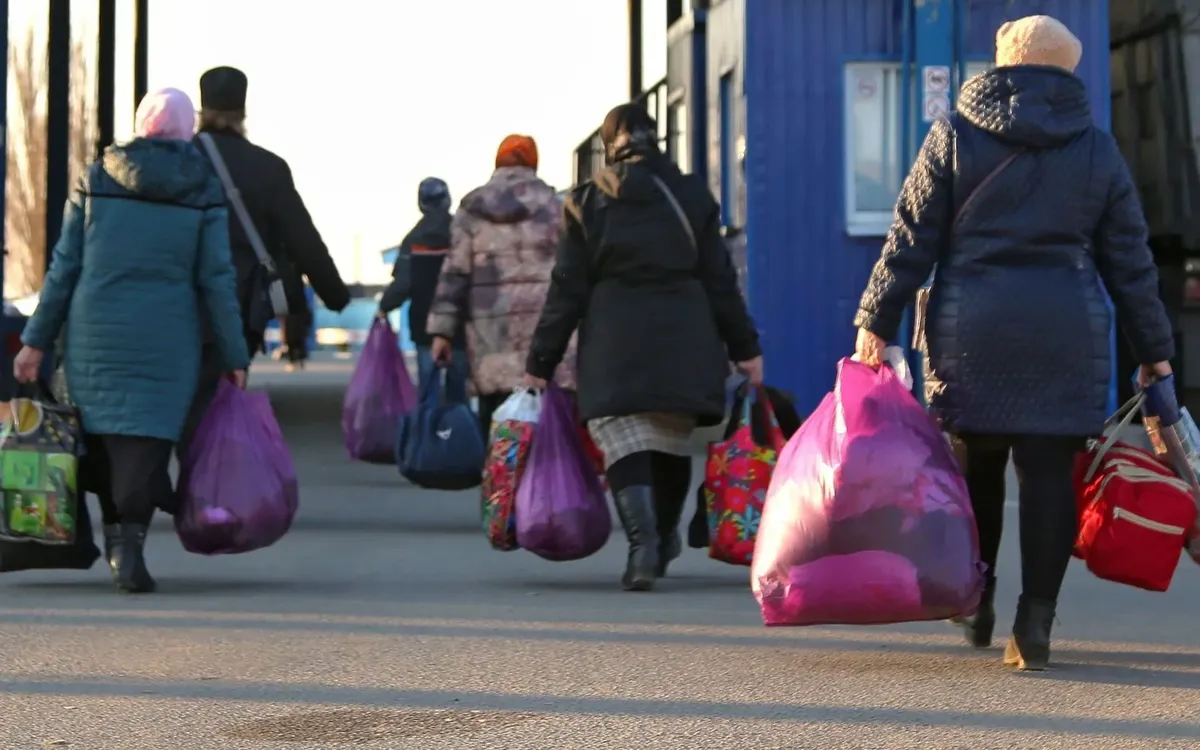
Buses with those who want to get a Russian passport are recorded in Krasnoy Sulin (80 km from Rostov-on-Don). This is surprising among local residents, whom the region’s authorities, in conditions of “increased readiness for emergencies”, are asked to once again not leave the house and threaten fines for living not at the place of registration.
The issuance of Russian passports “citizens” of unrecognized Lugansk and Donetsk people's republics in the Rostov region has been conducted since the summer of 2019. According to the Ministry of Internal Affairs on March 6, 225 thousand inhabitants of the southeast of Ukraine have already received Russian citizenship.
Only from the beginning of the year, according to TASS, 60 thousand people have issued passports.
Especially for working with residents of unrecognized “LPR” and “DPR” in the border settlements of the Rostov Region, documents are opened. Citizens of Ukraine come there to receive ready -made passports. The collection of documents necessary for this is carried out on the territory of unrecognized republics by local authorities.
In Krasnoy Sulin, the issuance of passports to residents of unrecognized republics began to work on December 20. Prior to this, two of the same units of the FMS were opened in Novoshakhtinsk and the village of Pokrovskoye, Neklinovsky district. But they could not cope with the influx of people. At the end of last year, Russia allocated 144 million rubles to organize the work of four such points, another works in Gukov.
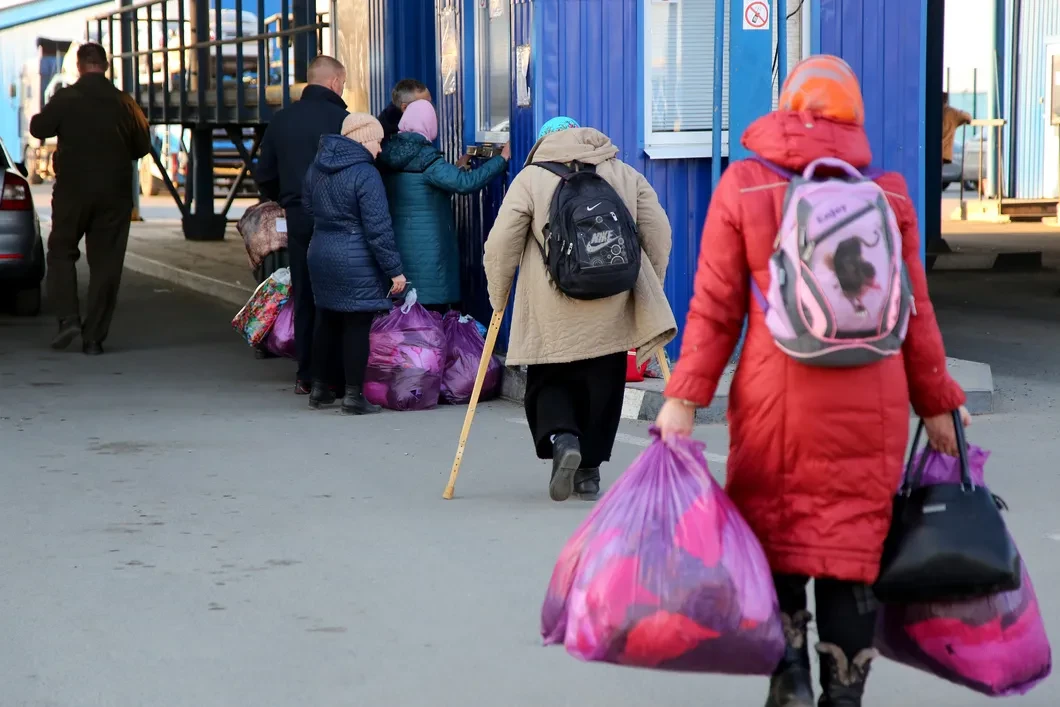
In connection with the Pandemia of Koronavirus, since March 18, Russia has banned the entry of foreign citizens into its territory, with the exception of a small number of specialists, including consular services. However, an exception was made for the inhabitants of the unrecognized republics: they allowed those who have a Russian passport to enter the territory of Russia, and who in the Ukrainian passport or LNR -DNR passport has a note on permanent residence in the territories that are not controlled by Kyiv. With the introduction of a “high readiness regime for emergency,” the issuance of passports to Ukrainians did not stop.
So, residents of Krasnoye Sulin regularly record the arrival of buses from unrecognized republics, in which the inhabitants of the LPR and the DPR are massively brought to receive Russian documents.
- They are brought to Furmanov Street in Krasnoy Sulin centrally, by bus from the checkpoint in Novoshakhinsk. They bring not 10-20 people, but for many, ”the local resident Andrei told the“ new ”local resident.
In confirmation of what was said, he sent a video (is in the editorial office). It shows how more than one and a half dozen people stand on the street near the passport issuing point; Two tourist buses are also parked there; The buses also have people.
“The regime of self -isolation has been introduced in the region, the boundaries are closed, and they are still being taken,” the local resident is indignant. - I only saw two parked buses today, and another went there - to meet me.
How many people were in the building itself - it is not clear, but it is clear that we are talking about at least.
Locals, of course, are unhappy. We can’t work, they don’t give out of the houses, the police stops, and threatens with fines. A member of my family has already received a protocol from the traffic police for leaving the house for business. And then they carry people back and forth. What kind of rush in pandemic conditions?
In total, until the end of 2020, about 800 thousand residents of unrecognized republics will be able to obtain Russian citizenship. This was announced in early March by the Deputy Chairman of the State Duma Committee on CIS Affairs, Eurasian Integration and Relations with Compatriots Viktor Vodolatsky.
“If the leadership of the Lugansk and Donetsk republics resolves material support issues, I think that by the end of the year 600-800 thousand residents of the republics will become full -fledged citizens of the Russian Federation,” TASS quoted Vodolask.
Meanwhile, the government of the Rostov region issued explanations about punishments for violating the regime of self -isolation in the region.
In particular, officials reminded the residents of the region about the need to live at the place of registration and said that violators of the law would be obliged to prove their innocence.
- Article 19.15.1. The Code of Administrative Offenses of the Russian Federation provides for the possibility of bringing to administrative responsibility for the residence of a citizen of the Russian Federation at the place of stay or at the place of residence in the living space without registration.
The note to this article really enshrines cases of exemption from such responsibility: for example, if he “lives without registration at the place of stay in a living room located in the corresponding settlement of a constituent entity of the Russian Federation, if it is registered at the place of residence in another residential building located in the same or another settlement of the same subject of the Russian Federation,” the lawyers of the Government of the Rostov Region are convinced.
- But the indicated fact is subject to proof by a citizen in respect of whom the proceedings on an administrative offense are underway. And to implement the mechanism of exemption from liability, it is necessary to submit convincing evidence confirming living at one address, and registration - in another. And only the authorized person to consider the case of an administrative offense (and in relation to Article 19.15.1 of the Administrative Code of the Russian Federation they are the senior district police officers, district police officers) evaluates the materials submitted and concludes that there are grounds for exemption from administrative responsibility.