
Translated material
Hyperisolation mode
"Coronavirus" riots will be among the most terrible events in prison history
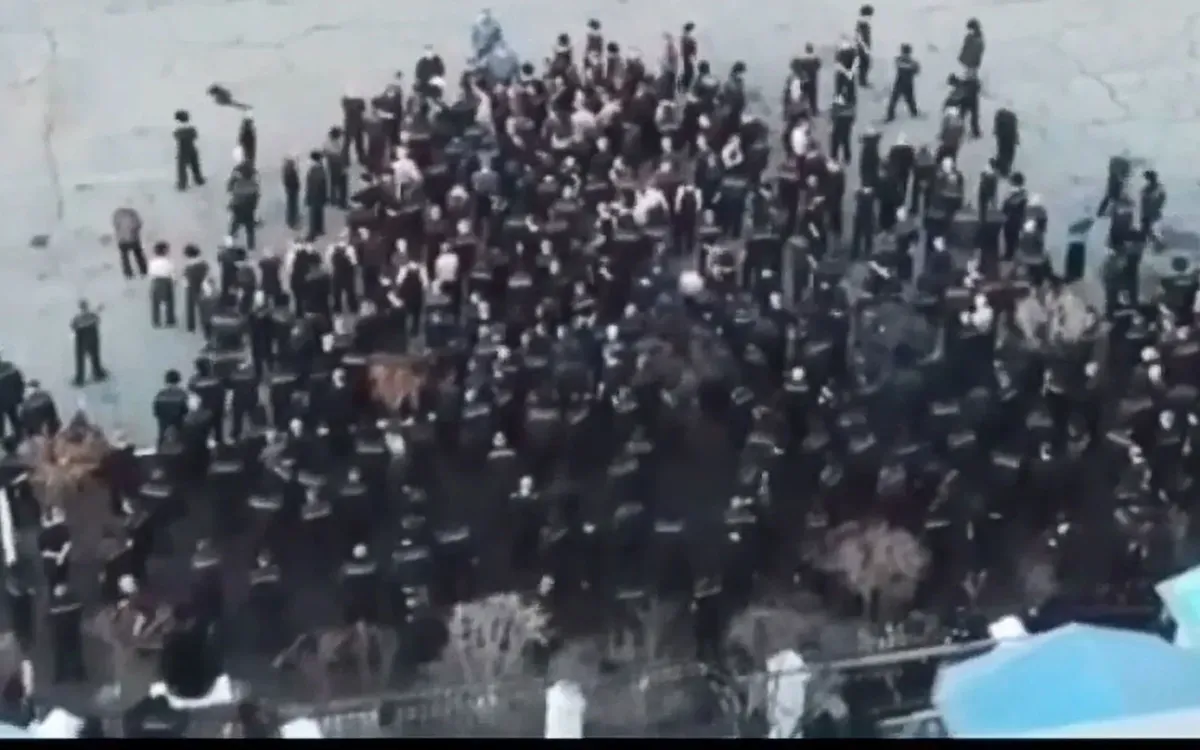
The prisoners rebelly around the world. Since mid -March, prison riots have passed in 36 countries, and 15 of them have victims. More than a hundred people died, and this is only the beginning.
In March, in almost all prison systems of the world, new rules were introduced aimed at preventing the penetration of the virus into places of imprisonment. In Russia, as in most other countries, restrictive measures prevail: dates are suspended, communication with lawyers is limited and the transfer of parcels is difficult.
The prison systems in unison advanced towards hyperisolation from the outside world, and this entailed serious consequences for the daily life of all prisoners.
The first prison riots were caused by the rules introduced directly in connection with pandemia: the Colombian prisoners demanded an improvement in sanitary conditions, Turkey asked for the expansion of amnesty to reduce the chances of infection in places of imprisonment, in many countries they were indignant at the innovative restrictions on dates with relatives.
Hyperisolation became the impetus and the cause of protests and shoots.
The current wave of global bloody riots began in Italy in mid -March, when 13 prisoners died during riots in 50 prisons. International media and human rights activists are horrified to call these events a "Italian script."
In Brazil, according to some reports, about 1000 out of four prisons fled over March. Brazilian riots were caused by the abolition of Easter holidays, which in a normal situation, some prisoners are allowed to spend at home.
But the riots were not limited to Brazil and Italy. The riots spread both in Europe (in Switzerland, Luxembourg, Belgium, France, Spain), and beyond. According to the “Italian scenario”, Afghanistan, Argentina, Chad, Colombia, India, Indonesia, Irania, Jordan, Mauritius, Nigeria, Romania, Sri Lanka, Venezuela are now Russia.
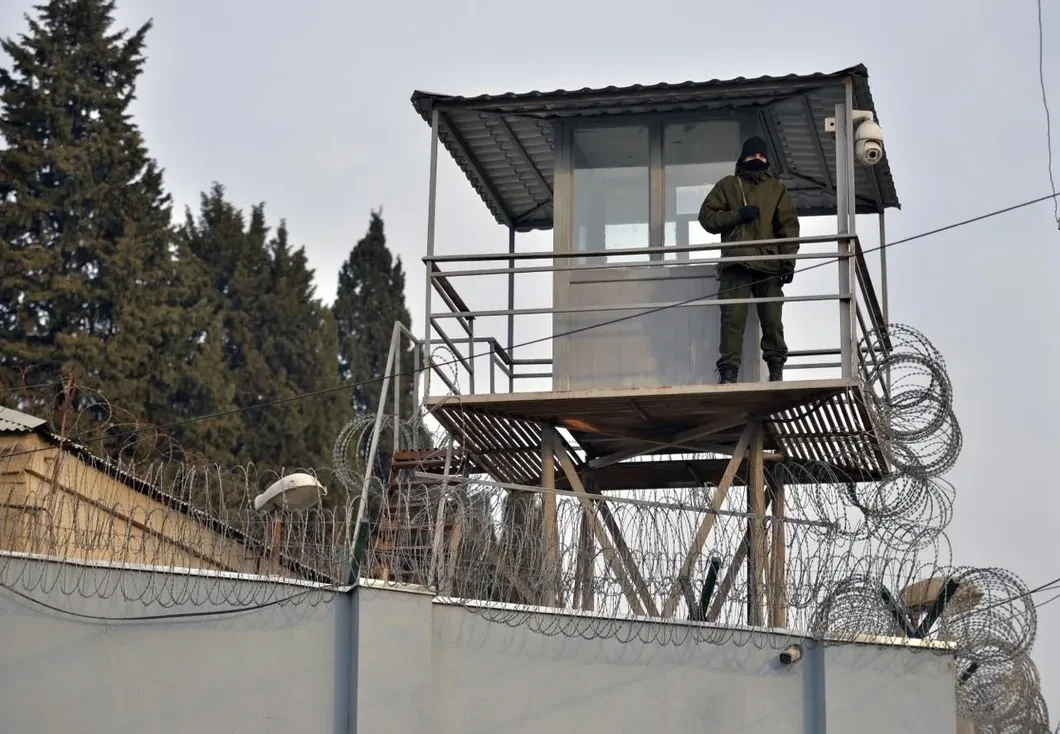
The most bloody coronavirus riots occurred in Iran, where, according to Amnesty International, 36 prisoners were killed, and in Colombia, where 23 people died. These events will be among the worst riots of prison history.
For comparison, in the two most famous riots of America 33 people died (in New Mexico in 1980) and 43 people (in the state of New York in 1971).
Riots
Prison riots in the world (10.03-15.04.2020)
In April, riots were not directly connected with coronavirus. The rebellion in Angarsk belongs to their number. Nevertheless, the course and consequences of riots are already due to new hyperisolation, which was formed due to pandemia. Hyperisolation structures the context and affects the fate of protests.
Many prisoners in Russia are accustomed to rely on constant connection with the outside world, their health and quality of life often depend on the transfer of food and drugs by relatives. Lawyers, NPO workers and representatives of the PMC monitor human rights violations and help prisoners and their relatives write complaints to improve the conditions of detention. Now this fragile, but necessary for the survival of prisoners, a system of connections is broken.
As Alexei Fedyarov from “Rus Sitting” wrote, the rebellion in Angarsk was probably caused by the attempt by the colony administration to consolidate his power over the convicts, minimizing the influence of “thieves” (that is, by repainting a conditionally “black” colony in conditionally “red”).
But the consequences of the rebellion are aggravated in a situation of hyperisolation. Human rights activists from Moscow cannot quickly reach the Angarsk colony and gain access to inspect the territory, and in such conditions it becomes even more difficult to understand the already difficult and opaque history.
Many families of convicts do not know where their relatives are, and human rights activists are not able to track the safety of prisoners, the location of which they cannot check and confirm due to quarantines.
Over the past days, human rights activists and lawyers did not have access to 300 prisoners from the Angarsk colony, while a result is already being conducted.
All scientific theories explaining the conditions under which a prison riot is possible list the factors that are sharply exacerbated in a situation of hyperisolation during the current pandemic.
- The theory of “deprivation” is based on the idea that imprisonment by definition creates conditions for protest.
Supporters of this approach emphasize that the prisoners have nothing to lose. In the conditions of hyperisolation, while the conditions of detention of prisoners became even worse than what they encountered when they first arrived in the colony. The new level of deprivation enhances the chances of protests.
- The theory of “the breakdown of consensus” shows that the riot is likely when the old agreements between the prisoners and the administration cease to work, and the administration begins to resort to violent control methods more often.
During the prison Lockdown, quarantines and reinforced sanitary measures, new rules of interaction in the colonies are established. While the new rules have not settled down, a window of opportunities for a surge of protests by prisoners opens.
- The theory of "administrative decay" describes prison riots as micro -revolutions, which are possible only in conditions of internal conflict or chaos in the ranks of the administration.
When the administrations of the colonies try to transfer the institutions to new rules, following the instructions from the outside, disputes may arise or the instability of informal agreements among the colony employees may increase, creating the conditions for the rebellion by the prisoners.
- The theory of “rituals and fatalism” emphasizes the fact that in each colony there are unsteady forms of social control, which are supported not only by the administration, “activists” (proteges of the administration) and those who are at the top of the prison hierarchy, but also by prison rituals (for example, rituals of humiliation or any local repeating practitioners).
The prisoners are fatalistic and take their place in the hierarchy, even when they do not consider the system legitimate. This approach explains why even difficult situations may not cause riots. They also explain the repeated practices of prisoners during riots: mass opening of veins, burning mattresses and so on.
In most cases, organized protests of prisoners become possible thanks to the internal dynamics of specific prisons and camps. This is where all the existing theories of prison riots are built.
But the situation has changed: the current Pandemia of Coronavirus has become a global factor that has entered many local worlds in the global context of hyperizolation, protest and violence in places of imprisonment. Old theories and expectations no longer work.
What can I do?
To sign a petition of Novaya Gazeta for the release of citizens who have not committed serious crimes from pre -trial detention centers, you can here.