
Translated material
The right of faith
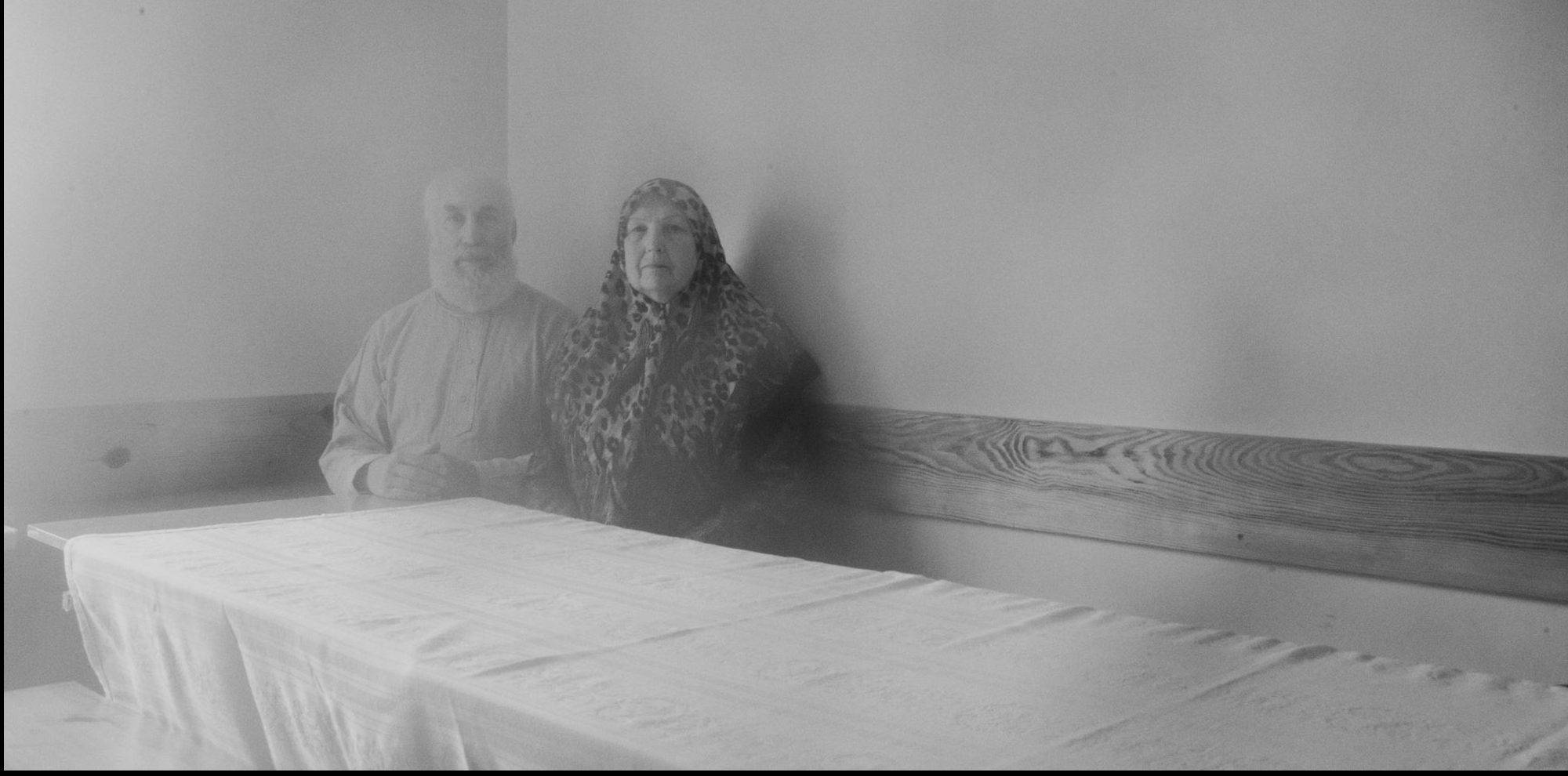
"I asked the same questions as the Russian Old Believers, and received completely different answers"
Church split is one of the largest tragedies of Russian history, after 350 years these events are still vividly perceived by the Old Believers.
The project "Right of faith" by the photographer Fedor Telkov - about the Old Believers. The author collects memories of Soviet times, when the Old Believers were persecuted, and observes how globalization destroys the closeness and tradition of this community today.
This is primarily a visual study of various consent and closed communities of modern Old Believers.
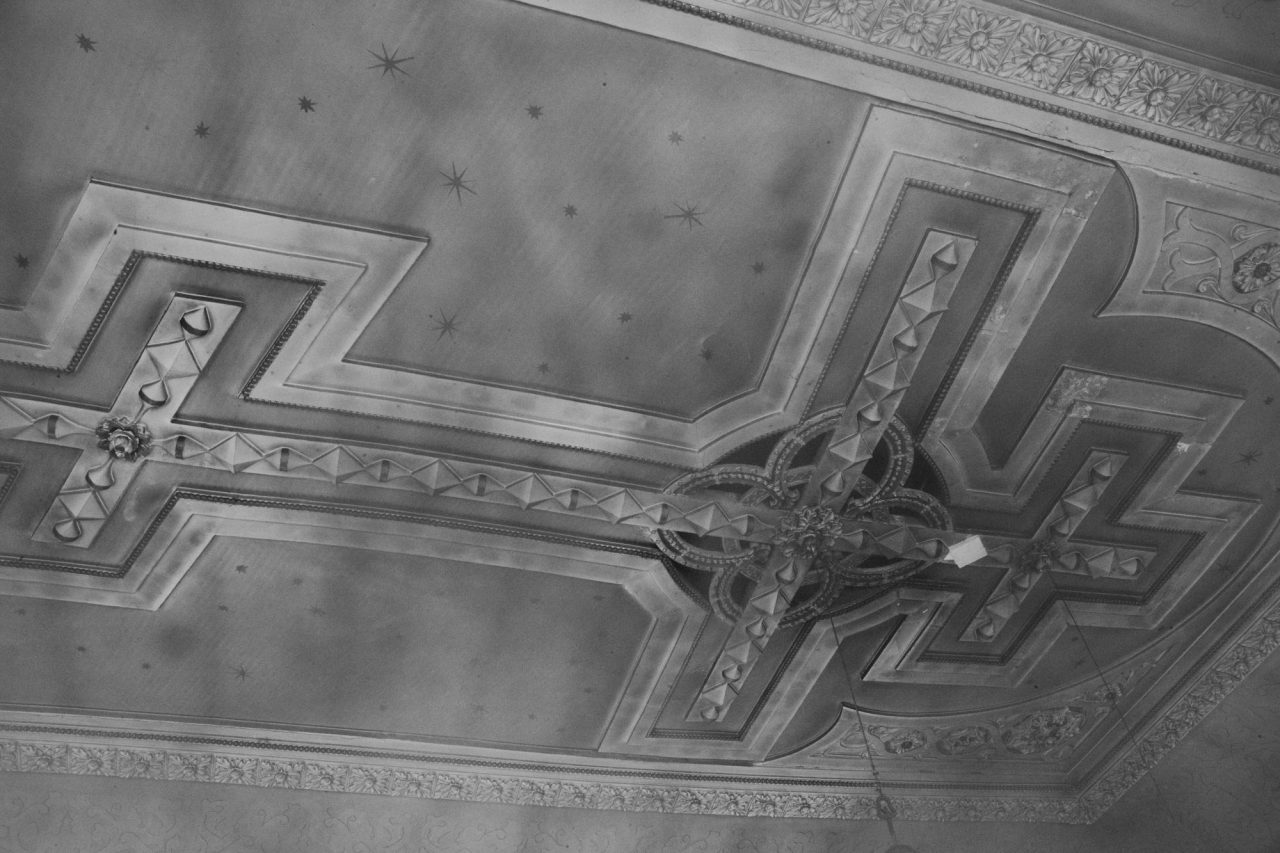 Ceiling of the Holy Pokrovsky Temple, Vilnius photo: Fedor Tekkov
Pursued by the centuries as heretics, the Old Believers were forced to hide. Now they live not only in Russia, but also far beyond its borders, for example in Latin America. There are very large communities in the Baltic states, only in Lithuania there are more than 20 thousand Old Believers of Pomeranian consent today. The first Old Believers appeared in the territories of modern Lithuania at the end of the 17th century, moving away from the persecution of the Russian authorities.
Once in Lithuania, one of the former Soviet republics, Tykkov was amazed at how differently the life of the Old Believers was built there: "I asked the same questions as the Russian Old Believers and received completely different answers." We tell how the Old Believers live today outside their historical homeland.
Everywhere is Russian
Sergiy Krasnoperov, Mentor, born in 1983, Kaunas, Lithuania
I was born in Vilnius, my parents too. We have relatives from the Saratov region, we moved from there. One of my grandfather, on his father, the veteran of the war, was at the front, shell -shocked, he has awards, they are at home.
He was an ordinary parishioner, but on his mother’s side, great -grandfather was a deputy mentor , and his grandfather was very believer. Vera was always stronger in their side, and I probably came from them. Where on the holidays where? Grandfather and mother's side were left, so he instilled in this.
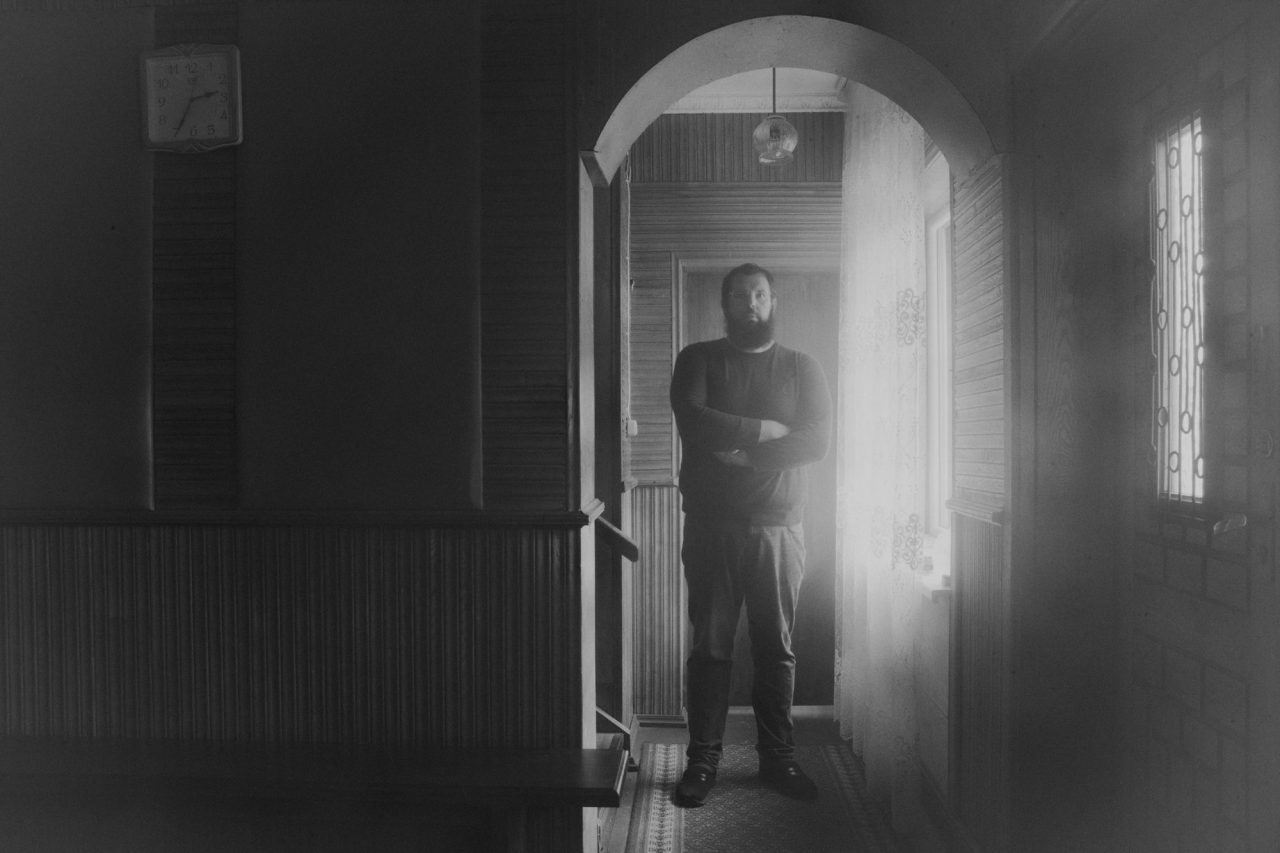 Sergiy Krasnoperov, Mentor, Kaunas Photo: Fedor Telekov
My grandfather did not really go to church. He was strict rules. Someone, say, without a beard, or a woman will come to the service ... He did not like this, he prayed more at home. But with mentors regularly maintained relations. Could come to the temple for a big holiday or funeral. Everything was strict at home: morning, evening prayer, at night he began to pray. He had his own dishes, and his grandmother had his own.
Grandfather was normally treated. And the grandmother always says: "We prayed with any government." And grandfather said: Russians will come. "For whom?" “And we pray to God.” - “Well, pray. Pray for us. ” Those will come. "For whom are you?" “And we pray to God.” “Well, pray for us.” There was no persecution. At home, the icons stood, and always prayed as I remember, since childhood it was, we wore crosses, and the parents were married in the church in 1982.
We are the city community and live in the same way as other large communities, we will organize something, there is a Sunday school, we make camps in the summer, and young people gather from all over Lithuania. We make pilgrimage trips, Christmas evenings, try to somehow introduce people to communicate.
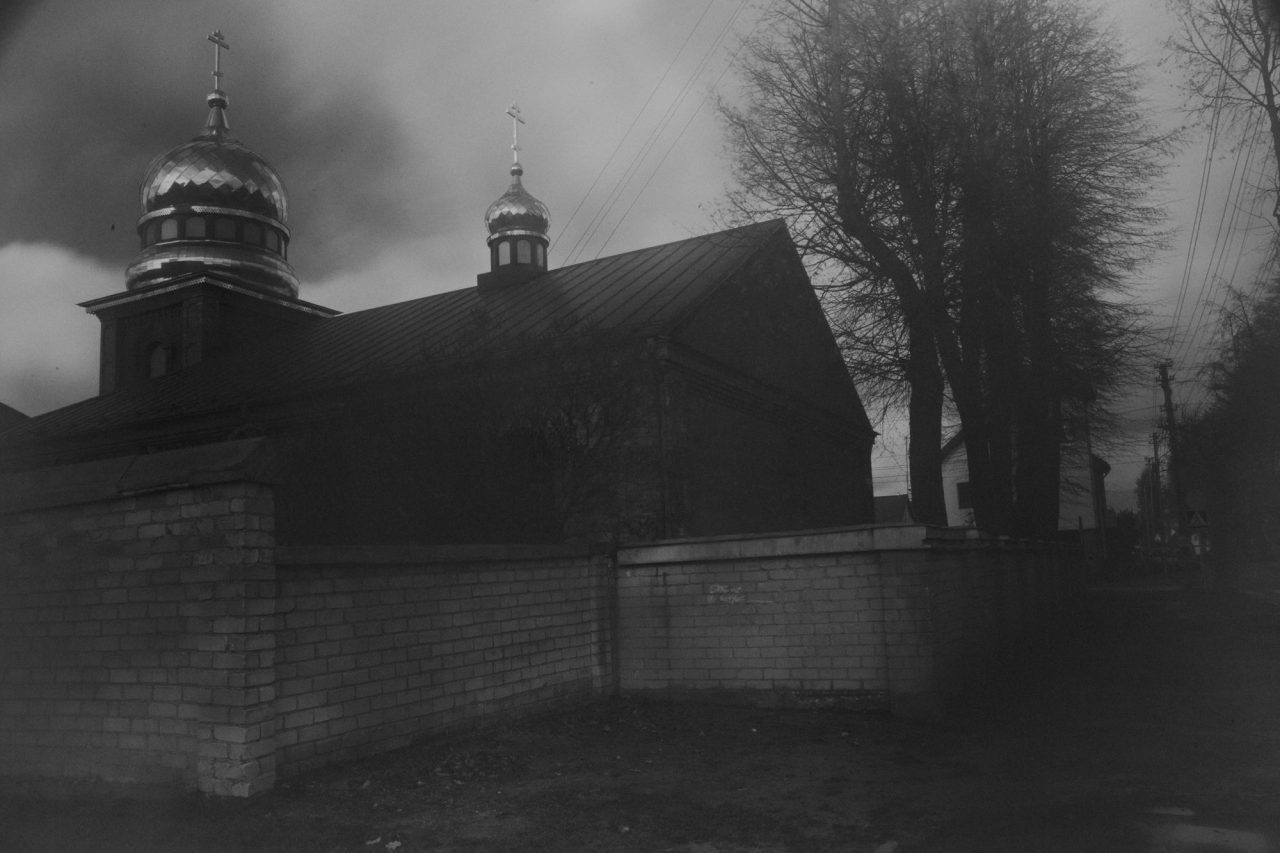 Saint-Nikolsky Temple, Kaunas Photo: Fedor Telekov
It is easier for us in Lithuania that we are here one consent, Pomors, one or two of the family only separately. If you are Old Believers, everything is ours, you are ours. And in Russia there are many consent, everything closed, it is not immediately clear who you are.
I am a young mentor, this is some difficulty. The previous mentor fell ill and asked me to come here to serve. I myself am from the Vilnius community, here, in Kaunas, people are different. There, people knew what I was, and in Kaunas I had to start it all again, with a clean sheet. Again to prove that I, who I am, what I can. It was not clear to them. A kid came, and old grandmothers should listen to him. There were different, as they say, friction. But now, thank God, that's all. I've been here for seven years.
There will be no more severity here. You need to understand how to do: it is not completely possible to let it down, but you also need to attract people somehow. If you take it strictly, then I can not let a single one into the temple and prove that I am right.
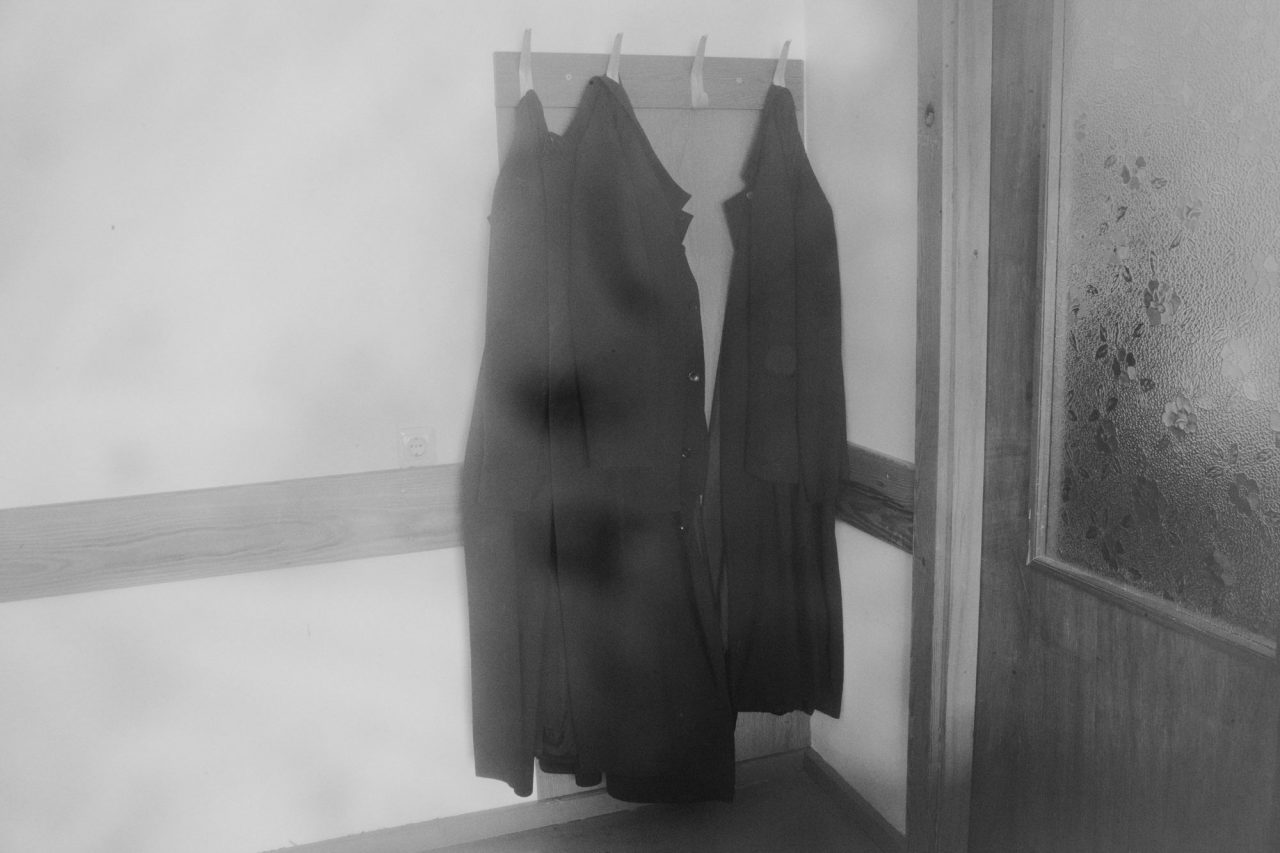 Prayer caftans, kaunas photo: Fedor Tekkov
I am Russian. I'm Russian everywhere. This is written in my passport, and in the children when they were born, I asked: write that Russian. They ask me: "Why do they need this?" And I say, write, we are Russians because. If you wrote religion, then yes, you could write that the Old Believers. Vera ... This is my grandfather said, faith and nationality are two different things. We are purely Russian, I do not hide before anyone.
I had one conversation with Lithuanian. I say: “Let's see who gives Lithuania more to development? What are you, besides the fact that you walk and shout, what are you, Lithuanian, do for him? What is your social beginning? I'm holding the community here. We elementarily remove here, take events. Excursions come. Yes, we are a minority here, but we bring benefits to the city. Are you paying other than taxes that I also cry? "
"Under all the authorities there was a church ..."
Fedor Matveevich Kruglyakov, mentor, born in 1948, Kaunas, Lithuania
Our ancestors ran into Lithuania when Peter the Great was pursuing. Someone ran for the Urals, and we are here. We were under the Russians, under the Germans, the war passed. The bourgeois system passed, the Soviet government passed. No one ruined any temples. Under all the authorities there was a church. I lived for seventy -one years here, and the Lithuanians always respected us, because we were all peasants, we always worked without turning hands.
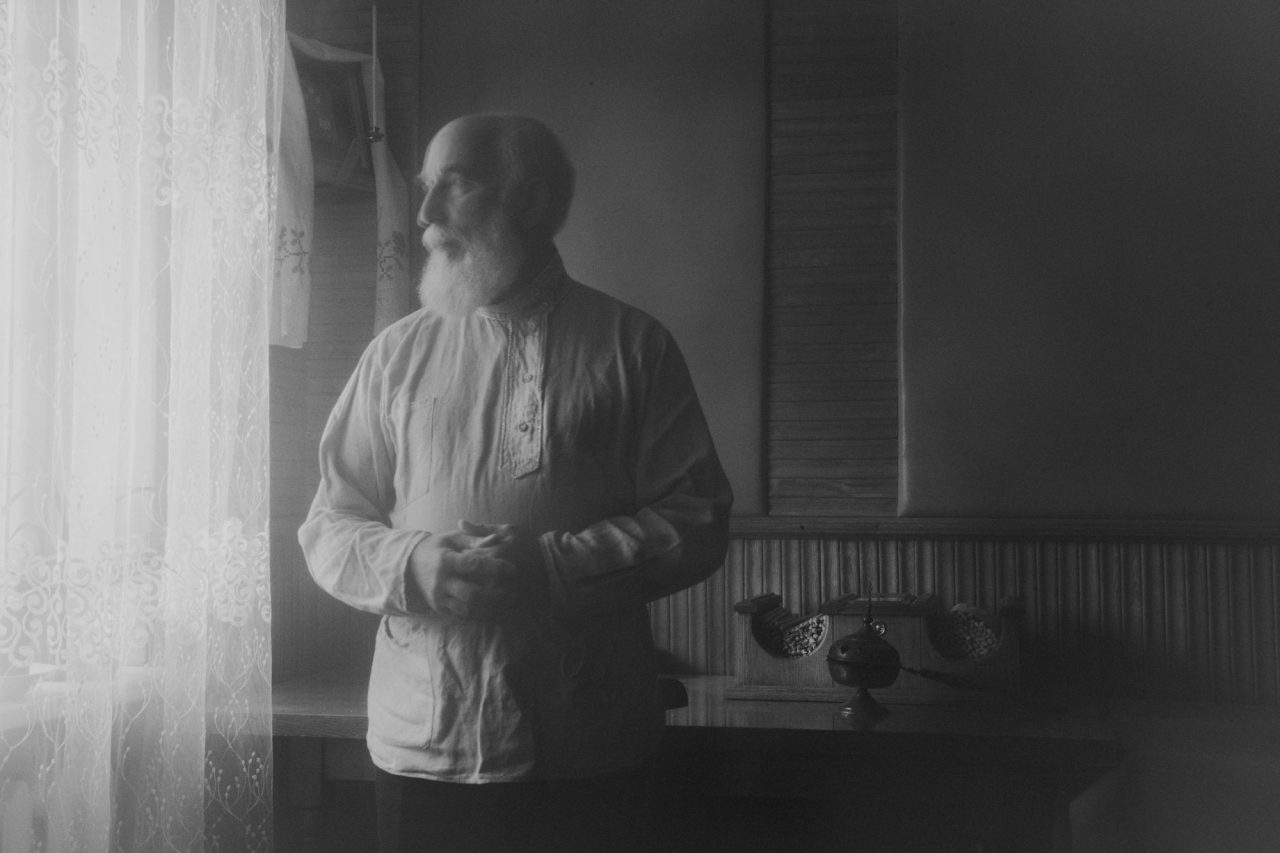 Fedor Matveevich Kruglyakov, Mentor, Kaunas Photo: Fedor Telekov
The baptism of the Soviet regime was mandatory, but if the parents are communists or the military, grandmothers baptized. At school, everyone knew that we went to church. I went there all my life, although they were both pioneers and Komsomol members.
Lithuania is small, everyone in it lived compactly, communities. And they married each other, and talked with each other, our parents of our generation. There were no marriages of the mixed.
My grandfather hated Soviet power because he was dispossessed. He shouted all his life: "Communists damned!" And so everyone went to the city, entered the Komsomol and the party: it was necessary if you want to do some career. In the soul, you still remain a believer.
I was born in Kaunas and I have been living in Kaunas all my life. And on vacation on childhood they drove me to my grandfather, and I really liked it: my grandfather went to church, I went to church with him. So gradually got used to it, although he regularly began to go to church at about fifty years, he completely turned. And he became a mentor.
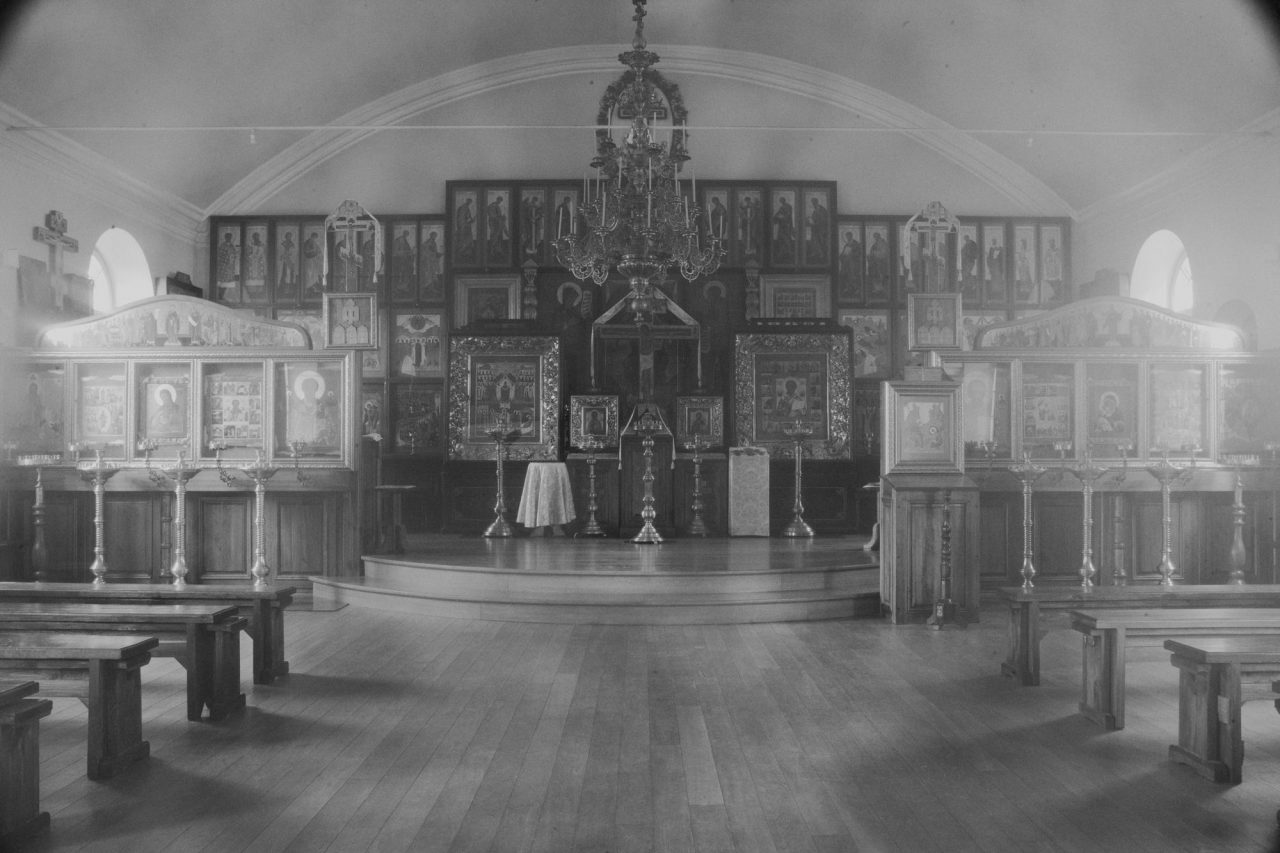 Interior of the St. Nicholas Church, Kaunas Photo: Fedor Telekov
Now many are moving away from faith, because the severity has been lost. A lot of temptations. Previously, the child is growing, you say to him: “Go to church” - he goes. Parents kept it strictly, he could not disobey. And now this progress is ... Previously, you say to the girl: "Do not go for the whitewater!" And now no one is watching: the young people fell in love, what will you tell them?!
"You can’t raise yourself"
Pavel Epifanovich Zuev, b. 1938, Kaunas, Lithuania
My ancestors came to Lithuania from Pskov, because there was a very great persecution in Russia. And in Lithuania there was some kind of prince, forgot his name, who knew that the Old Believers were working people, not drunkards. And therefore, for Lithuania it was a great benefit. As for religion, so he said to them: “Please! Walk, celebrate your holidays, build the church. ”
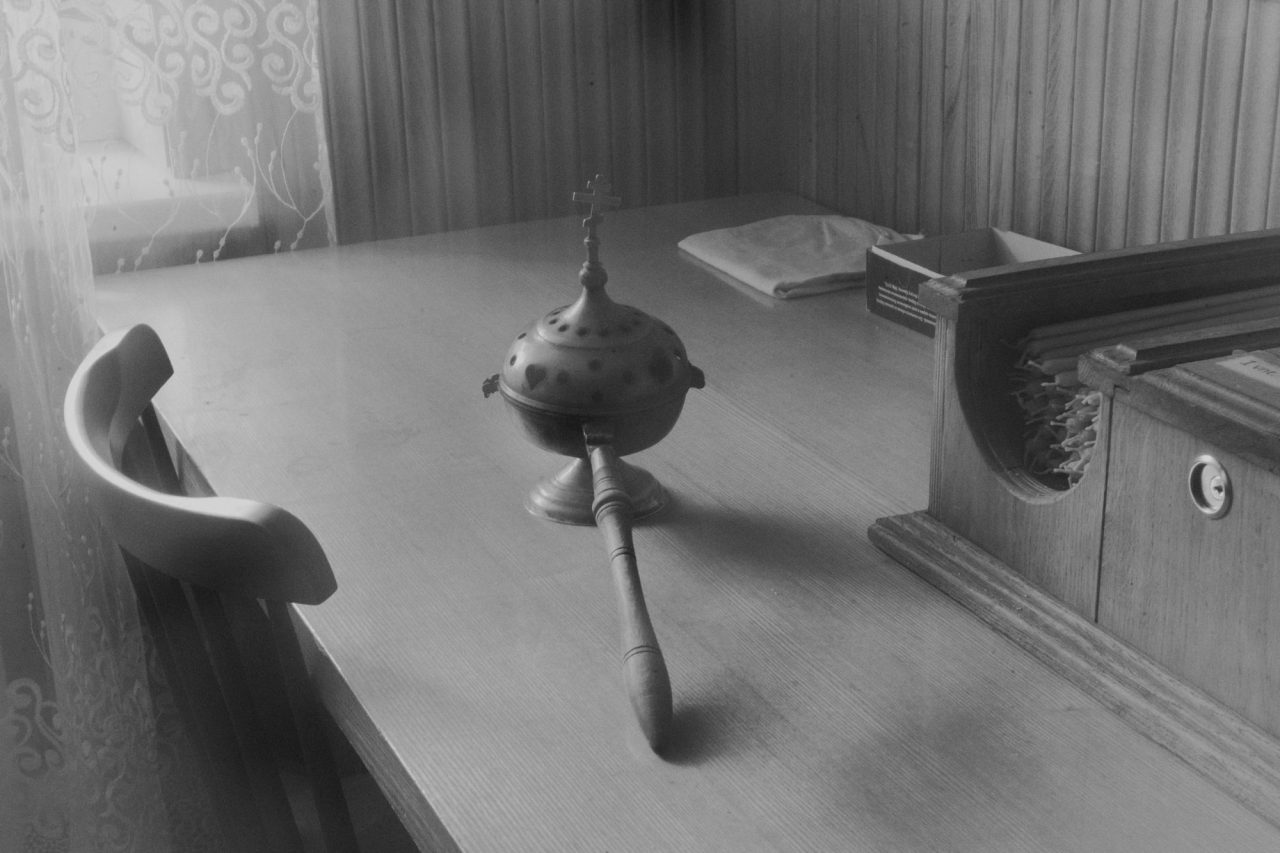 Katsuya - Old Believer Kadilo, Kaunas Photo: Fedor Tekkov
In the war there were a church, but they were afraid to walk in them. Because everywhere and everywhere the Germans demanded documents. What document can it be? Who will give you the right that you are a believer, that you are going to church? No one will give you the right.
Immediately after the war there were partisans, but the Lithuanian, “Shaulis”, they hated the Communists, attacked Russian officers, tormented very much if they were captured, shot. It happened that the Communists hinder you during the day, and partisans come at night if you thought that you did bad things against Lithuania. They came and could shoot you the whole family. Immediately after the war there was dual power. If you are an older, you are immediately considered Russians, you could be punished for any nonsense.
In the Soviet regime, there was nothing more to rejoice. The Communists - they even were Russians, they conducted propaganda against religion. It happened that the Old Believers were put in prison, for religion, so they prayed on the houses. But this is not all that, because the scripture says, the temple is when the saint is present in prayer.
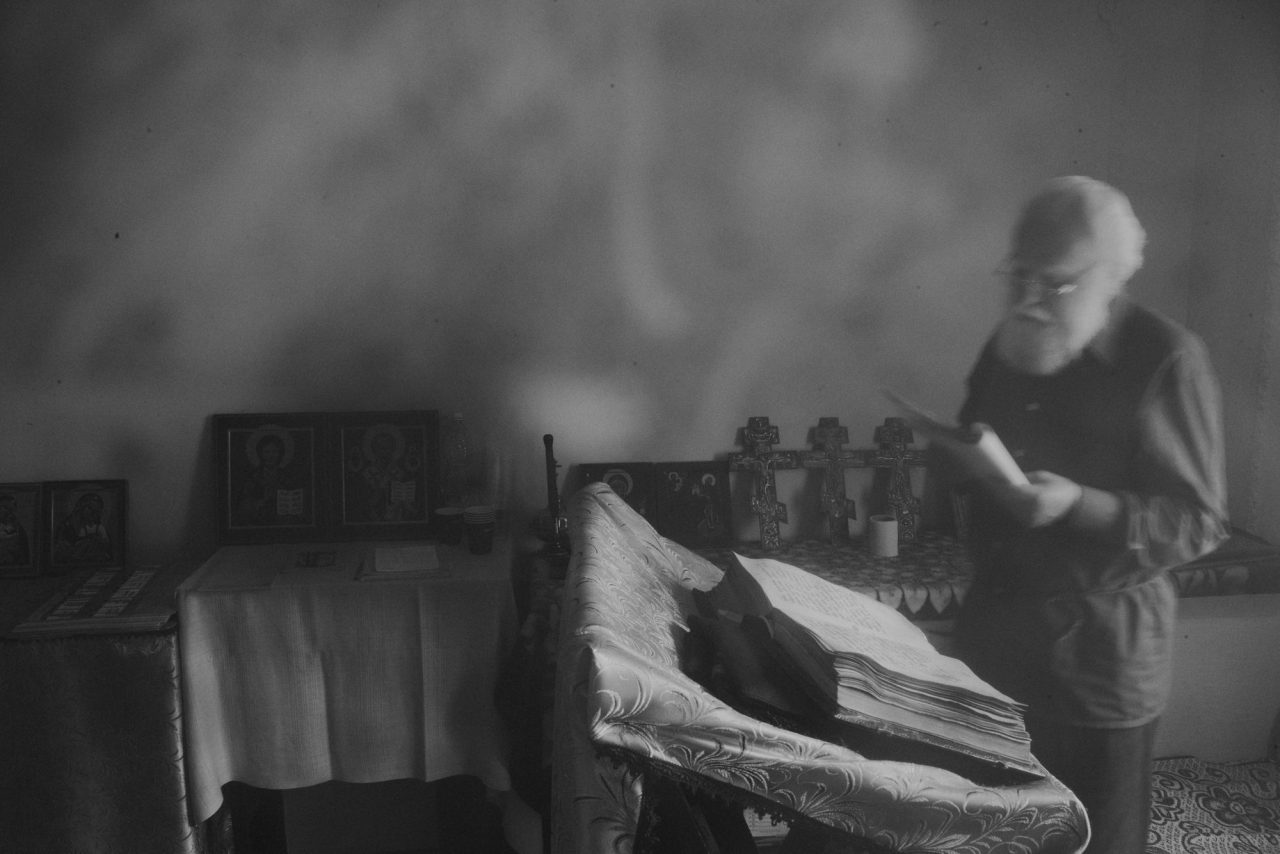 Pavel Epifanovich Zuev, Kaunas Photo: Fedor Telekov
Nobody went to church. How to go when everything is banned? In my childhood, teachers came to the temple and recorded who came to the service. And then they called to the director. I did not wear a cross of cross: I was not allowed. The pioneer was. You were put on a ruler, tied a tie - that's it. And your consent is already in the Komsomol, so I did not enter.
Of course, the fact that I am not in the Komsomol created problems when hiring for example. Party was given the best work. I was even called to the special departments. Why am I such a decent person, not party. And I reached them for a long time from them. Once he said: "It is better to be a good non -partisan than a bad party." All. We got rid of me.
My mother was very pious. But since his father was riding, he didn’t tell me anything that I was going to church. But he loved to drink, was at the front, shell -shocked. So with their mother they did not get very mistaken. Mother was a simple woman, rustic. And he ascended a little. Say, I was at the front, I fought. I defended you!
Now I have only a home phone, simple. There is no mobile, because I see how they come to the temple with the phone. The gospel is above all. And then the phone calls. The woman wants to talk, this is an urgent matter. And it turns out, does not listen to the gospel, goes to listen to the phone. This is generally absurd!
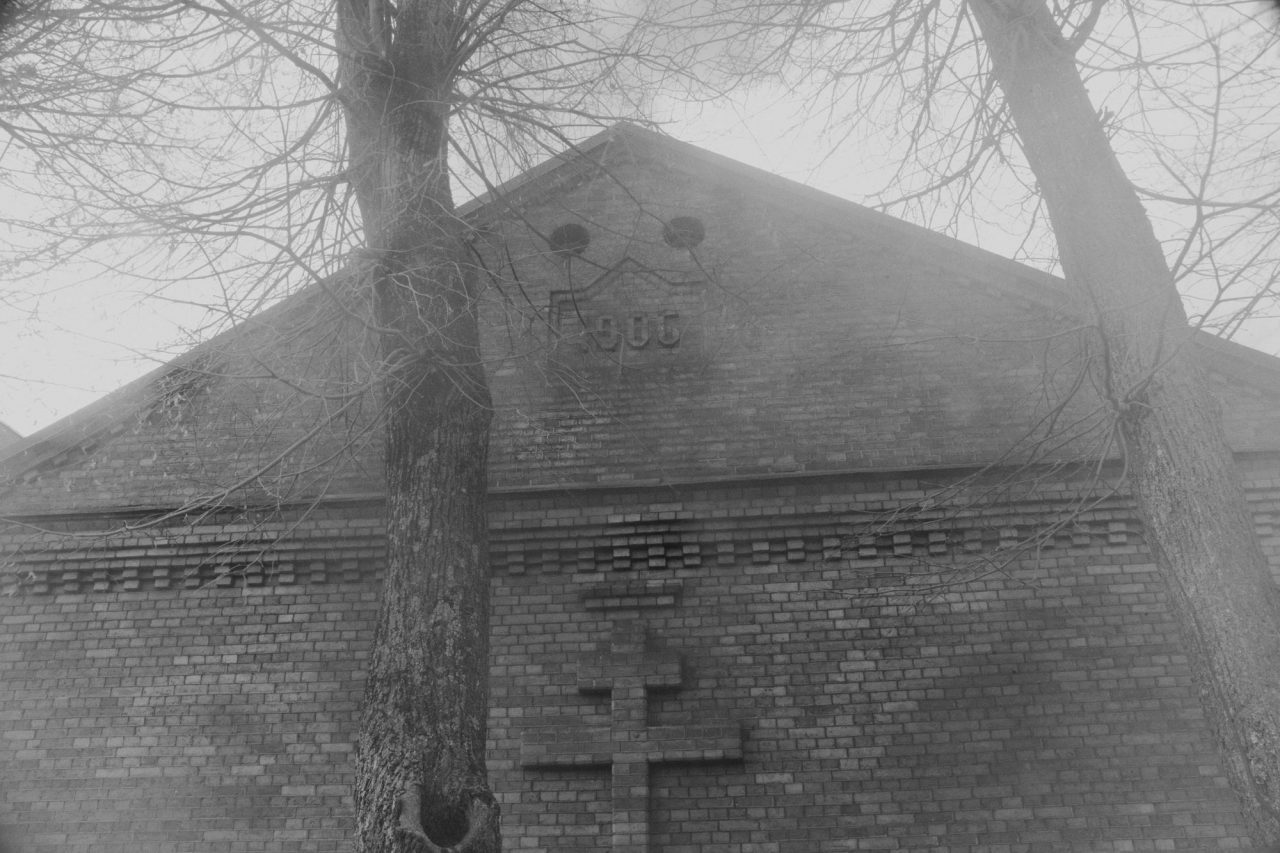 Saint-Nikolsky Temple, Kaunas Photo: Fedor Telekov
I make candles myself. We are not supposed to be done by some car. This is not pleasing. We should not make any impurity in wax. And some add paraffin. And what is paraffin? This is waste. On you, God, it’s worthless to me. Catholics burn only paraffin candles.
I communicate with everyone. And with Catholics, and with the new uniforms. You can’t raise yourself. I have a friend, he is an Old Believers by blood, but he says: "There is no God!" This should not be. And I can’t lead him to faith in any way. His TV is everything.
Have your own in your soul
Parishwoman, b. 1961 I did not want to take pictures and be called. Vilnius, Lithuania
I am from a family of pure Old Believers. We had ten children in our family, and parents gave one grandson to their parents to help them to raise.
During the war, no one from the family was sent to the camp, or to the camp, because my grandfather always treated the Germans all the time. They tried so that no one would be taken to work. When after the war the Lithuanian partisan movement began, they hid in straw from them, and those spears in the hay ... Father told with tears about those times, one God saved.
In Soviet times, my parents obeyed the authorities, said: "What power we live in, so she needs to obey." Father wore a beard all his life. Even when I was already lying, I didn’t want to cut it all, until the last day I retained. He worked as a storekeeper, and he had no problems with this at work.
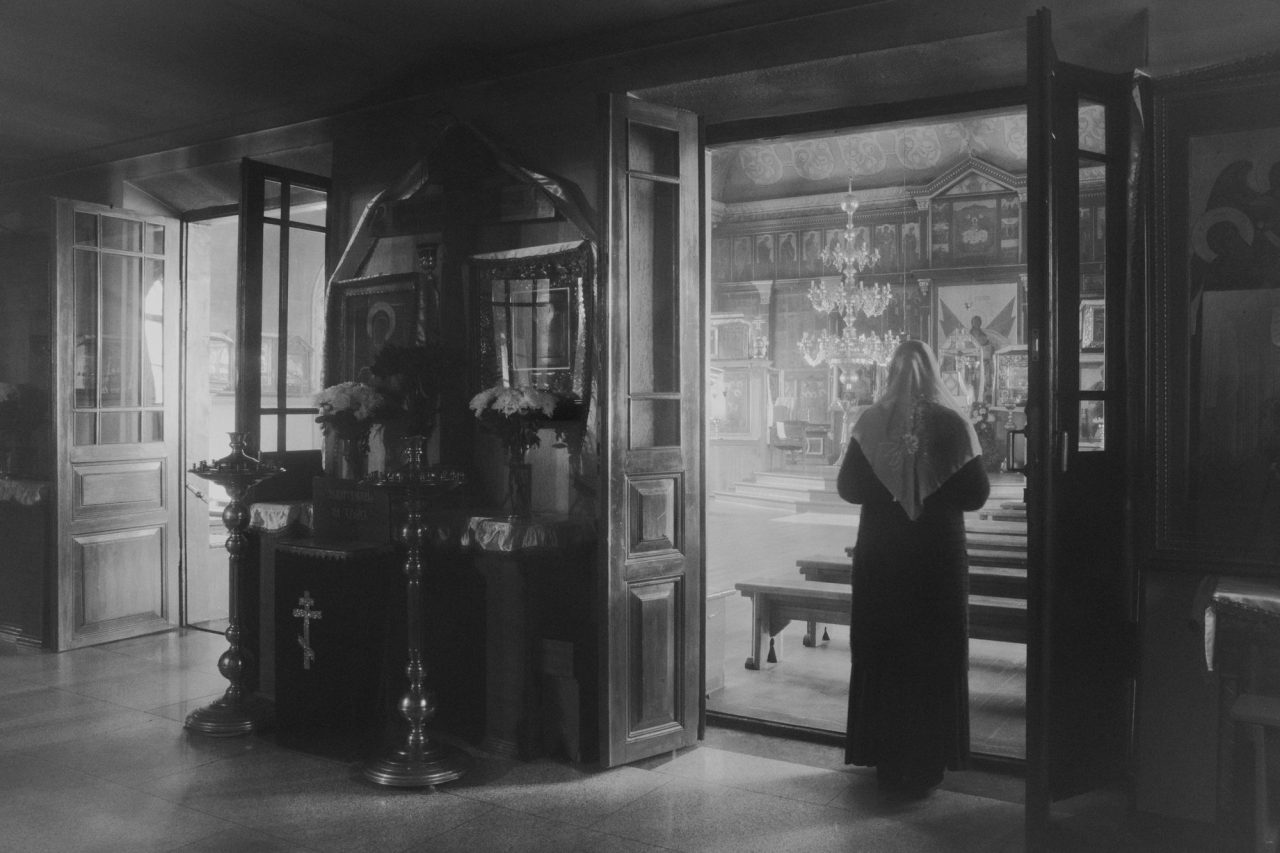 Parishioner in the temple, Vilnius photo: Fedor TEKHKOV
I was an October. And Komsomol. Parents said: "Here the authorities forces, do it, but have your own in your soul!" My brother at school took off his cross from his neck. And now that teacher works in the same village. Only the brother says: “How could he be a mentor if he took off my cross?!” I think that a person realized, it means that such a time was.
The village in which I grew up was the entire Old Believers, so we had our own cohesion. Now there are few Old Believers, other people bought at home. Our house is empty, we just go to visit it.
Since childhood, we were told that we are the most ancient faith people. That our faith is the strongest, the most powerful. There can be nothing else.
The cross always wore
Grigory Alekseevich Boyarov, b. 1976, mentor, Vilnius, Lithuania
Grandfathers survived my second world war peacefully. Someone fought, someone prayed. They prayed openly. It was always easier in Lithuania, even if you take Soviet time. In Lithuania, there were almost no different consent. You look at Russia - there are priests, nonsense. Each blanket pulls on himself.
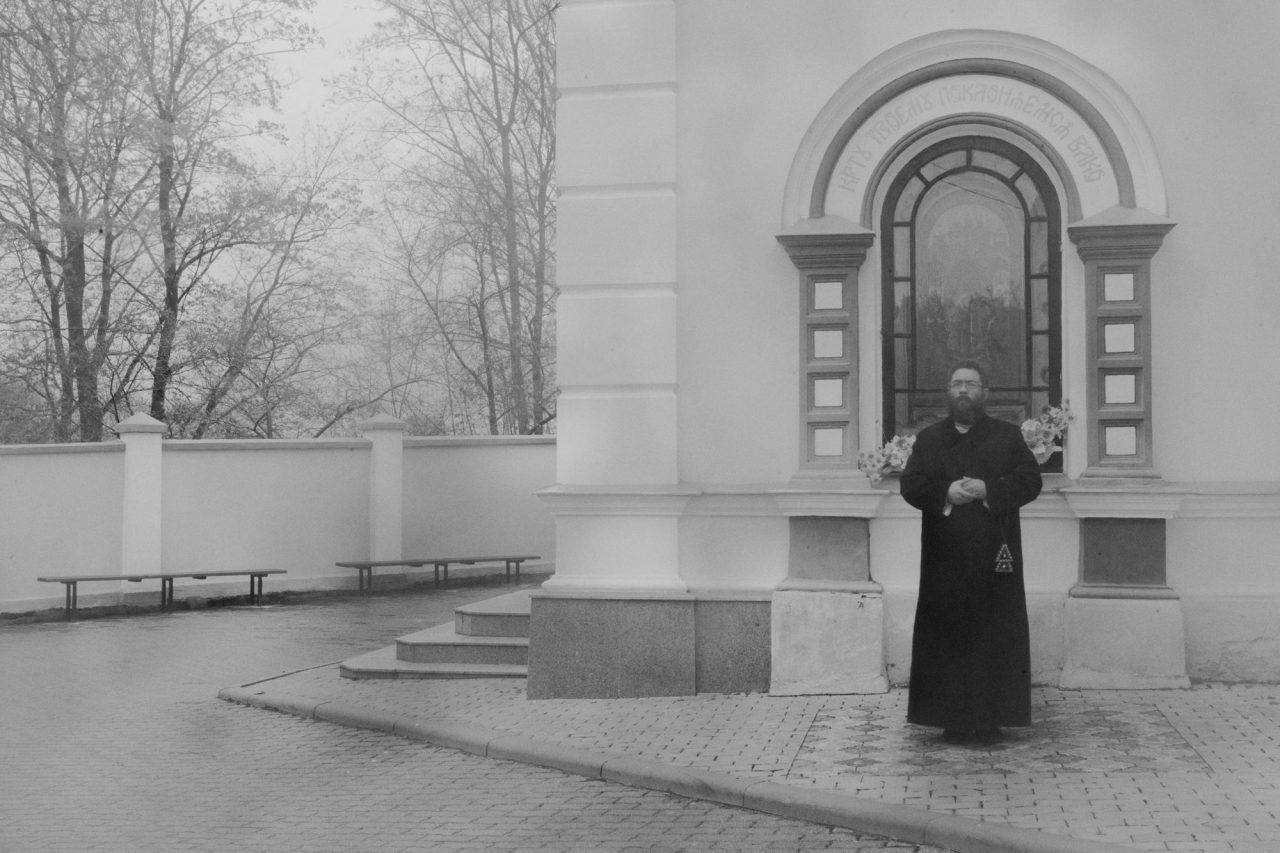 Grigory Alekseevich Boyarov, Mentor, Vilnius Photo: Fedor Telekov
In Soviet times, it was somehow more or less here, tolerant. They didn’t help particularly, but they didn’t insert sticks into the wheels. Well, of course, here, probably, if we take Soviet time, the great merit of Egorov . Maybe he was the same-KGB ... To preserve the faith, it was necessary, somehow, apparently, agreed.
The Soviet Union influenced us minimally. Children of October, then pioneers. And all. And no one was a communist. Old Believers away from these all things. There were no special problems with work, although the highest posts did not go out.
I was an October. There was no choice. The cross always wore, everyone knew that I was the grandson of the priest. Our basic rules are preserved, as in grandfather, although it is clear that we do not live in a closed society, now the century of technology. Young people communicate with people and from the outside of the church - by the same studies.
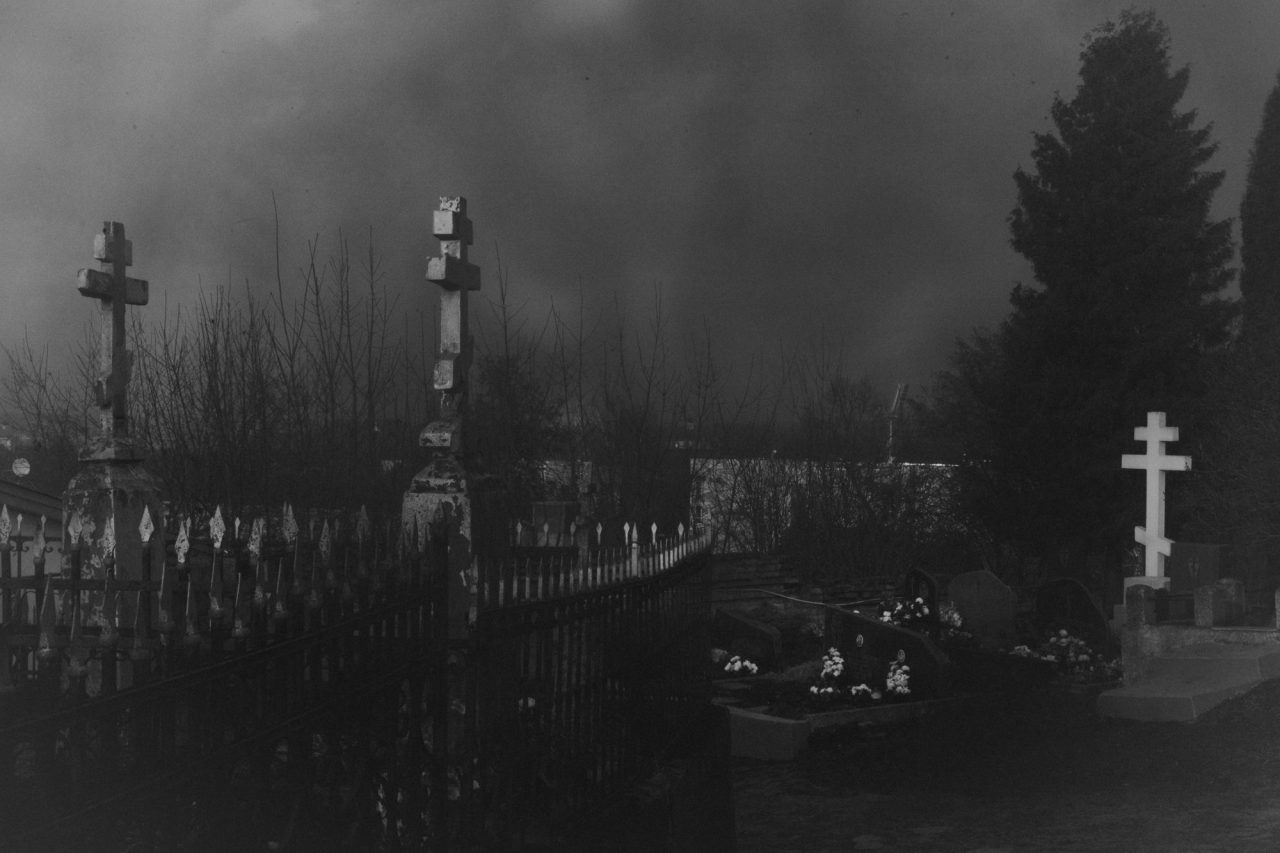 Old Believer cemetery, Vilnius Photo: Fedor Tekkov
When I come to Russia, the difference is felt: there is more conservatism. I once found a temple in Moscow, they saw a stranger and did not let them out immediately, although I was with a beard. I don’t know how to look at it. It is always easy to drive away a person.
With other faiths, we have no relationship. Nothing in common. Of course, it is historically disappointing that the Nikonians burned the Old Believers. Therefore, apparently, we do not communicate, but there is no strong contention.
We have a confession before Easter, to a great post. It should be held in the general order. About four thousand parishioners pass in a month. This is given that a person does not come every year. I think that about eight thousand parishioners we have.
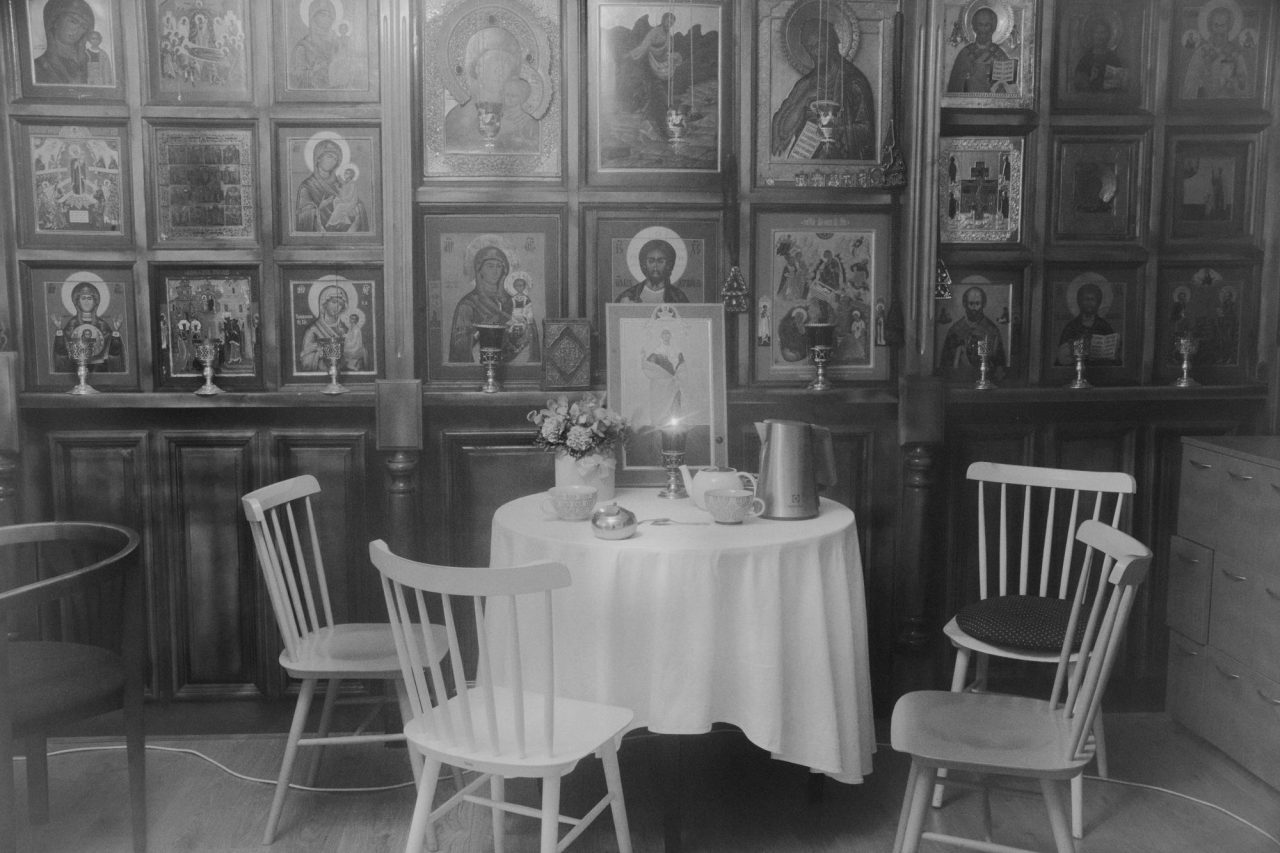 Premises of the Vilnius Old Believers Community Photo: Fedor TELKOV
I still did not have to baptize the dark -skinned ones, but they were already baptized in Kaunas. Who are the parents there? The girl is an Old Believer, and a young man is dark -skinned.
Marriages are being done little now, to be honest. Somewhere in a year, maybe six or seven. Epiphany about a hundred per year happens - babies.
Craneed
Agafya Semenovna Kruglyakova, b. 1951, Kaunas, Lithuania
We are already the third generation in Lithuania, if not more. When the Second World War began, my mother lived in Moletai. The war was terrible, according to her stories, and the Germans killed, and those who wanted Soviet power. But everyone prayed somehow, they still did not forbid how to believe.
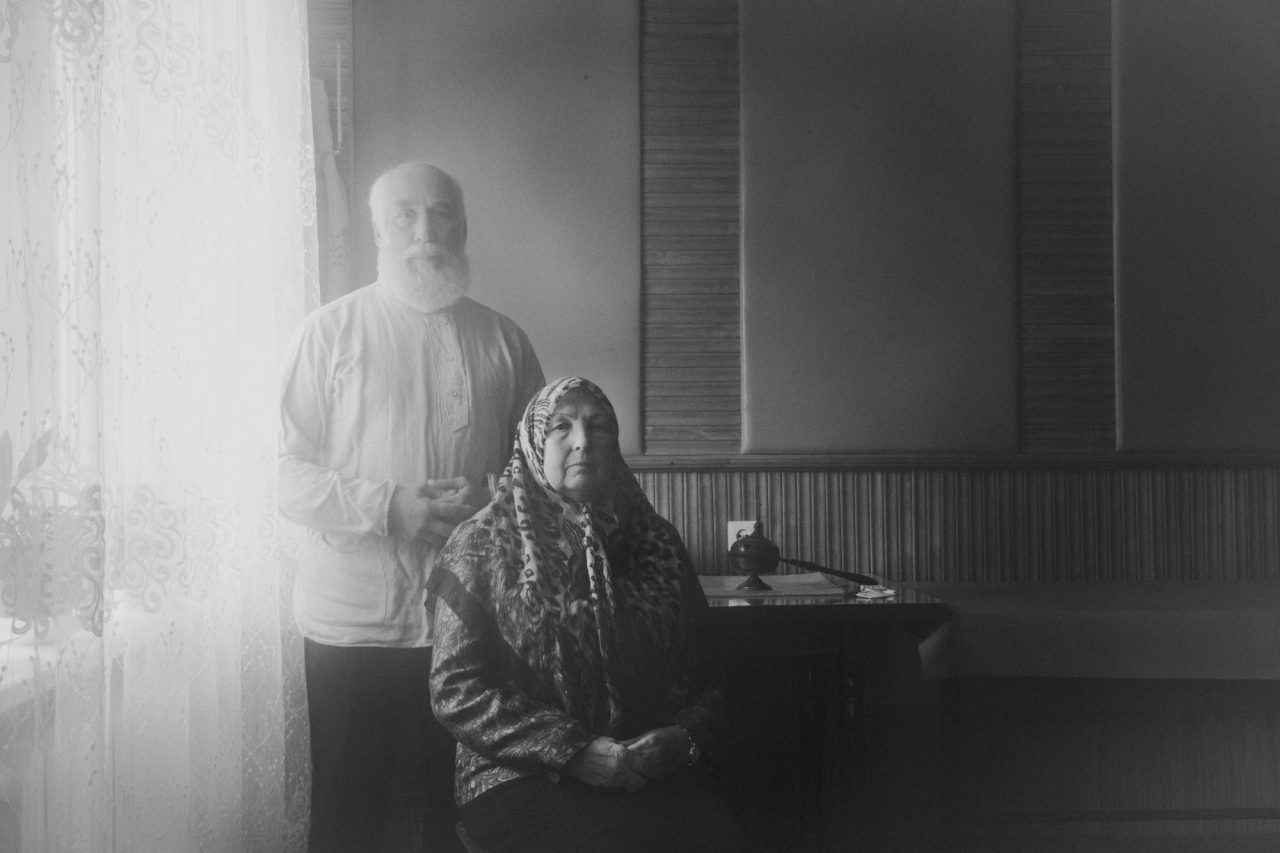 Fedor Matveevich and Agafya Semenovna Kruglyakov, Kaunas Photo: Fedor Telekov
Grandpa and grandfather always went to pray to the church side by side. All posts were observed. Mom went to church, but already so ...
I was a pioneer. This did not bother parents. But they themselves did not enter the party, it was fundamentally. But no one has ever oppressed the Old Believers here. In Soviet times, no one asked and did not even pay attention.
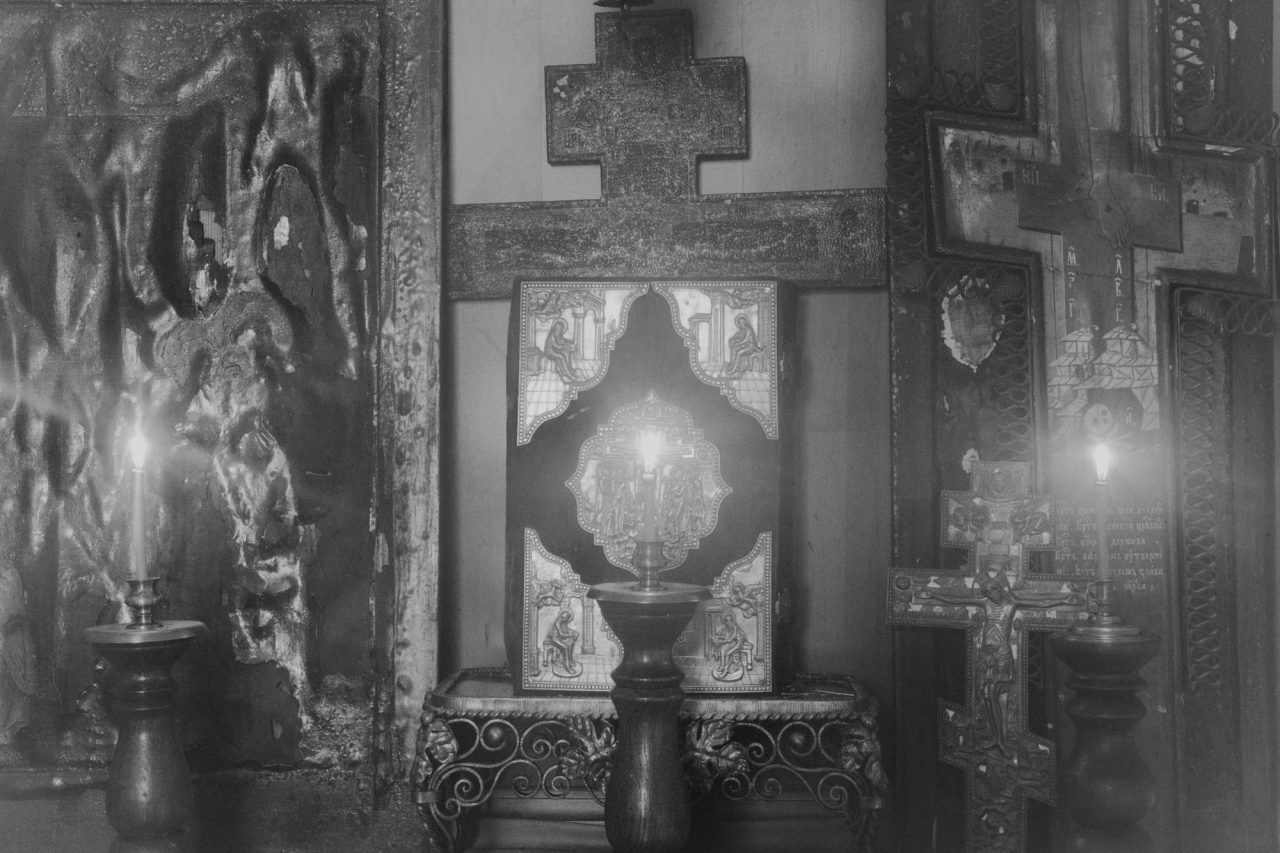 Prayed Kaunas Old Believers Community Photo: Fedor Telekov
My main language. Now we are gradually starting to wean, forget some words. Because everything is in Lithuanian now. Our grandchildren may forget the tongue, although they are also Old Believers with us.
But mostly the Old Believers are already overwhelmed. We are still somehow holding on. You look at the surnames, and they are Lithuanian, Lithuanian, Lithuanian ... They often live in a civil marriage. Others even go to the Lithuanian faith cross.
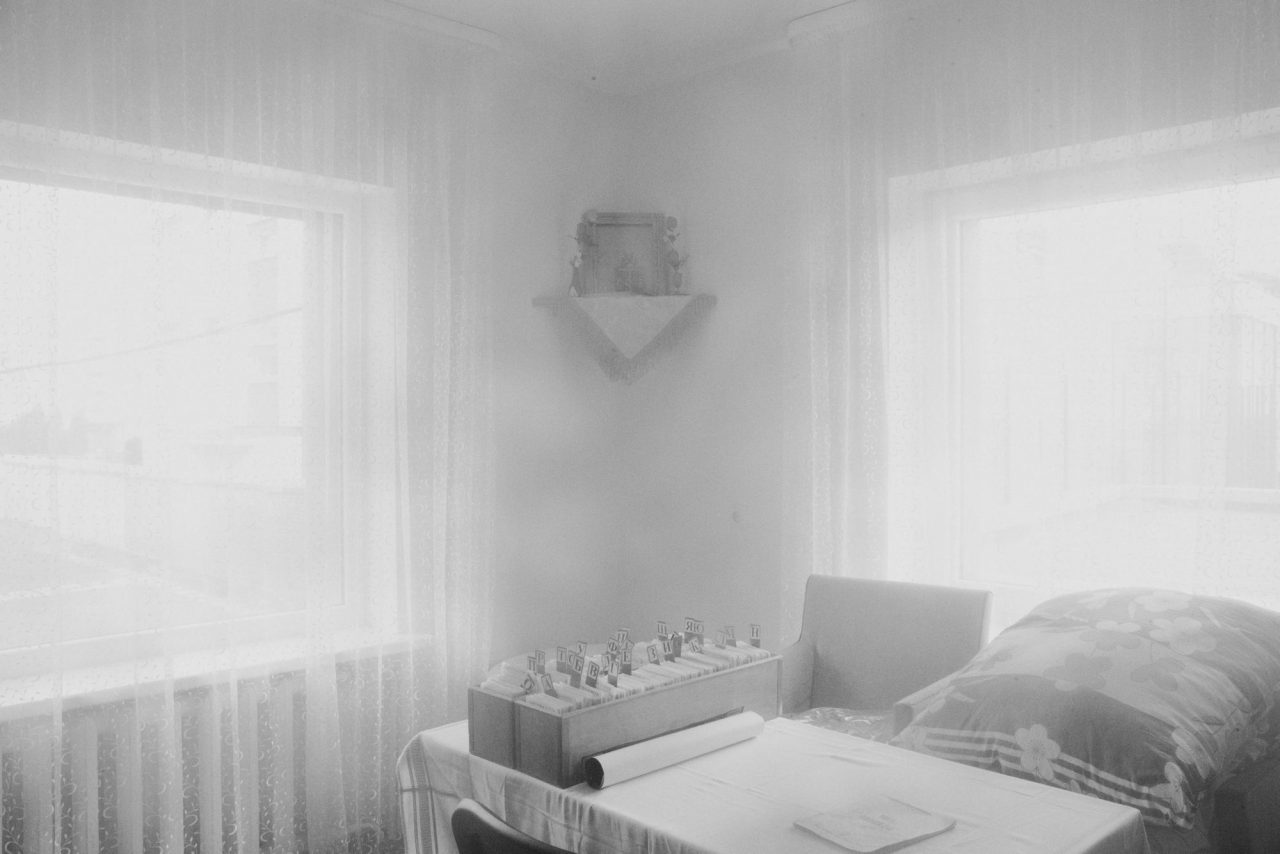 Premises of the Kaunas Old Believers Community Photo: Fedor Telekov
I have a sister in Russia, lives in Siberia, in Baikal. So she already has grandchildren, children, there are all Orthodox. They got married and crossed themselves. The sister says that there is no Old Believer church at all. He says, and I go to the Orthodox. And she herself is the same as us, Pomeranian consent.
The parishioners with us when. There are a lot of things for big holidays. And in ordinary Sundays there are few people: fifty, twenty and ten. Everything happens.
They worked and prayed
Ulyana Kharlampyevna Gulko, b. 1953, Kaunas, Lithuania
Our family in Lithuania was in 1940, not at will, but moved from Poland, after the Pact Ribbentrop - Molotov. Mom said they allocated a house in which the Germans used to live. But they did not live very long there, because in the 41st war began and they were already evicted from there Lithuanians, banditry was terrible. They had to change many places while they found themselves suitable. It was very difficult for them.
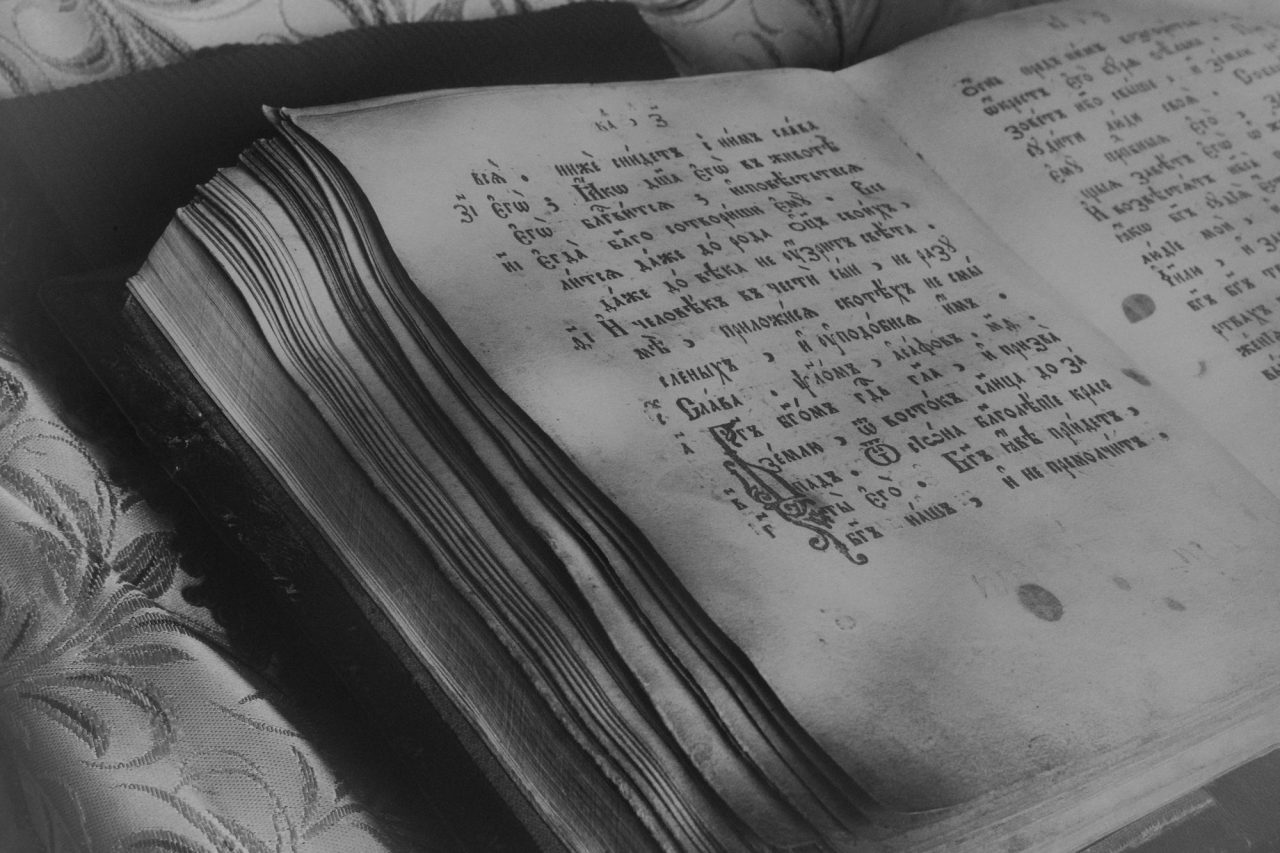 Prayed Kaunas Old Believers Community Photo: Fedor Telekov
In the afternoon, the “hawks” come (the so -called employees of units fighting organized gangs. - Approx. TD) - feed, bandits come at night - also feed. And to whom you will not give, they will shoot you right there. People were all sorts. Those who issued, and there were people who came and warned: they will cut you today. Everyone is loaded into the carts and go.
Even my mother was captured with my youngest half -year -old sister, in the camps. Someone brought as if they were communists. She worked on peat bogs, and Duna was given a glass of milk a day. Then the local father wrote that these were not the Communists, but the Old Believers, asked for them. And five months later they were released from the camp.
The first mother’s husband died of typhoid in wartime, she was left alone with the child. The second time I got married - we were born, five more.
Our family was very God -fearing. My grandfather still taught the Word of God in Poland. And therefore, all his children were very taught, sang, knew the Old Slavonic language. А мы очень тяжко к вере относились, потому что в школе учили одному, ты пионер, комсомолец — и все тут. А мама учила нас своему и говорила, что мы отпадшие от Бога.
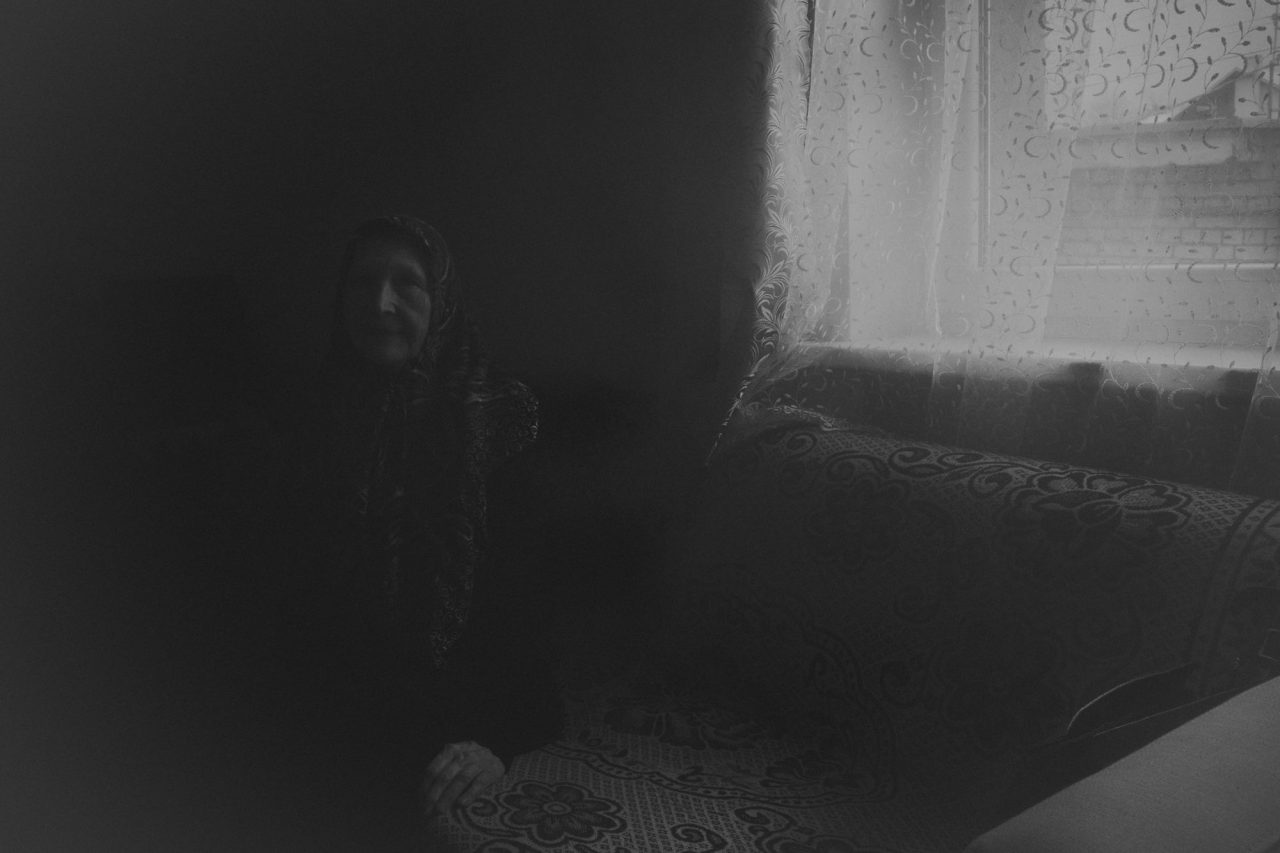 Ульяна Харлампиевна Гулько, Каунас Фото: Федор Телков
Мои родители все время трудились и молились. И после войны, и в советское время. Они не ходили в храм, они все дома делали. Вставали с молитвой, ложились с молитвой. И перед едой, не перекрестившись, не помолившись, не кушали. Никогда не выходили из дому, не перекрестившись.
Я пошла в школу в 60-м году. В Литве уже было много русских школ. Я училась в начальной школе в деревне. Наша церковь и школа — соседние здания. И кто-нибудь из учителей мог увидеть, что ты идешь на всенощную, тогда о тебе узнают в школе, богомолкой обзывали. Поэтому в храм идти и не хотелось.
Крестик… Я его сняла и маме ничего не говорила, она могла нас заставить носить, а я боялась, что будут смеяться. Но это не власть заставляла, никто из роно не приходил, у нас в Литве вообще этого было как-то меньше.
Я была и пионеркой, и комсомолкой. Мама не знала, что я была пионеркой. В то время я очень даже верила и в партию, и в Советский Союз, и во все что хочешь. И в справедливость, и что коммунизм будет. А папа мой говорил, все хорошо в советской власти, только одно плохо, что Бога не признают. А заповеди такие же… Они взяли десять заповедей: не убей, не укради, нельзя было с женами ближнего жить и так далее. Наш папа всегда гордился, что у детей высшее образование. Это советская власть все-таки дала нам выучиться.
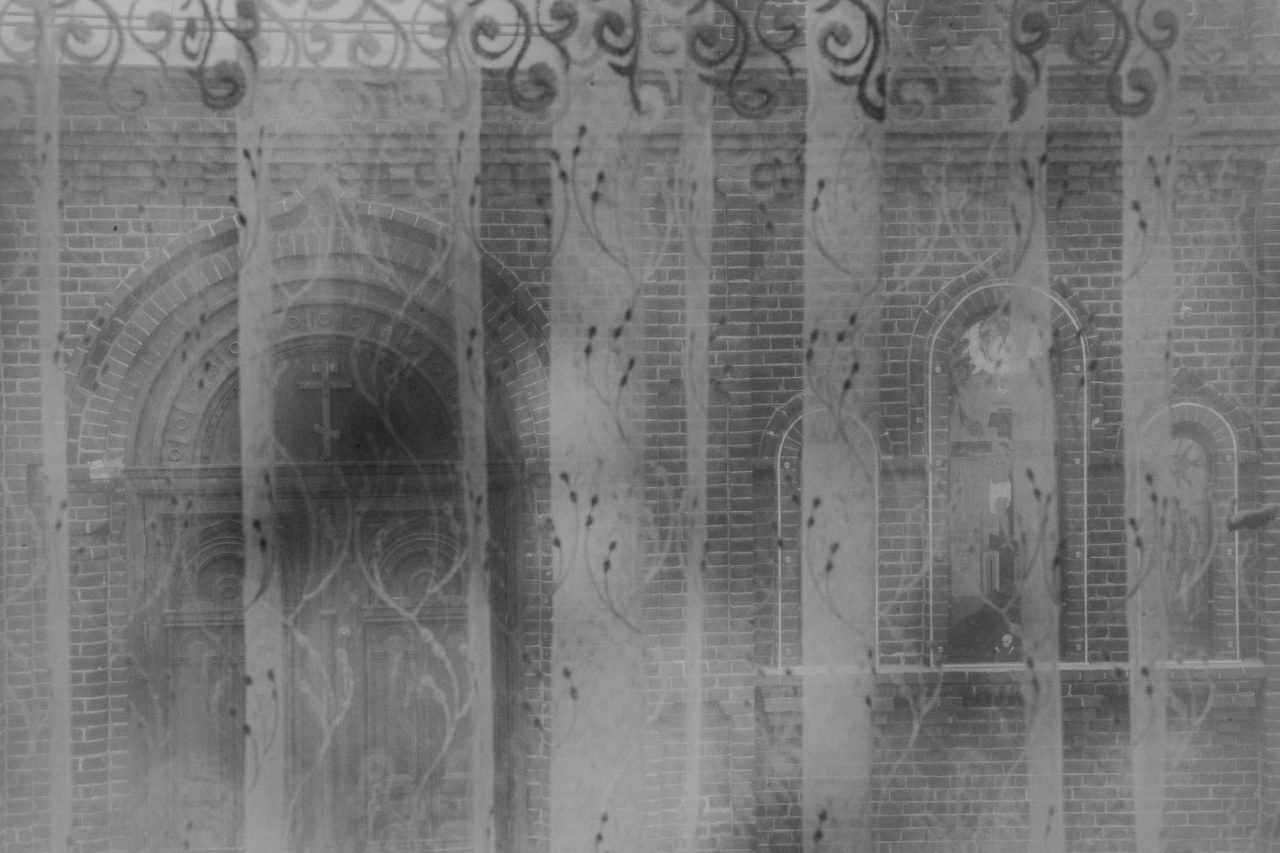 Свято-Никольский храм, Каунас Фото: Федор Телков
Я вышла замуж за «белохвостика» — за православного. Родители к этому, конечно, не очень хорошо отнеслись. Я была первая, кто не за старовера выходил. Папа посадил моего будущего мужа, Александра, и был ему, конечно, допрос большой. Папа говорит: «Мы верующие. А будут дети, говорит, надо крестить». Саша отвечает: «Покрестим». Папа говорит: «А ей еще учиться надо». Он: «Помогу!» Он и сегодня ничего не имеет против, что я в церковь хожу. Дети все у меня крещеные, а внуки опять уже по-разному. Теперь я очень понимаю свою маму.
Мой папа воевал в польской армии, трижды бежал — и в последний раз попал в Брестскую крепость. Папа думал, что свои люди там, он же к русским бежал! А его опять в плен посадили, как врага народа.
Папа рассказывал такие случаи в жизни! Когда только Бог помогал. Он дважды стоял под расстрелом, как коммунист и русский. А потом немец пришел и сказал: «Какой же коммунист он? Смотри: молится».
историческая память религия староверы христианство