Date
Author
Катя Бонч-Осмоловская, Артем Щенников, Екатерина Мартынова
Source

Preserved copy
Translated material
The height of the season
Russia is suffocating from a record number of forest fires. Is it to wait for the repetition of the 2010? Research "New"
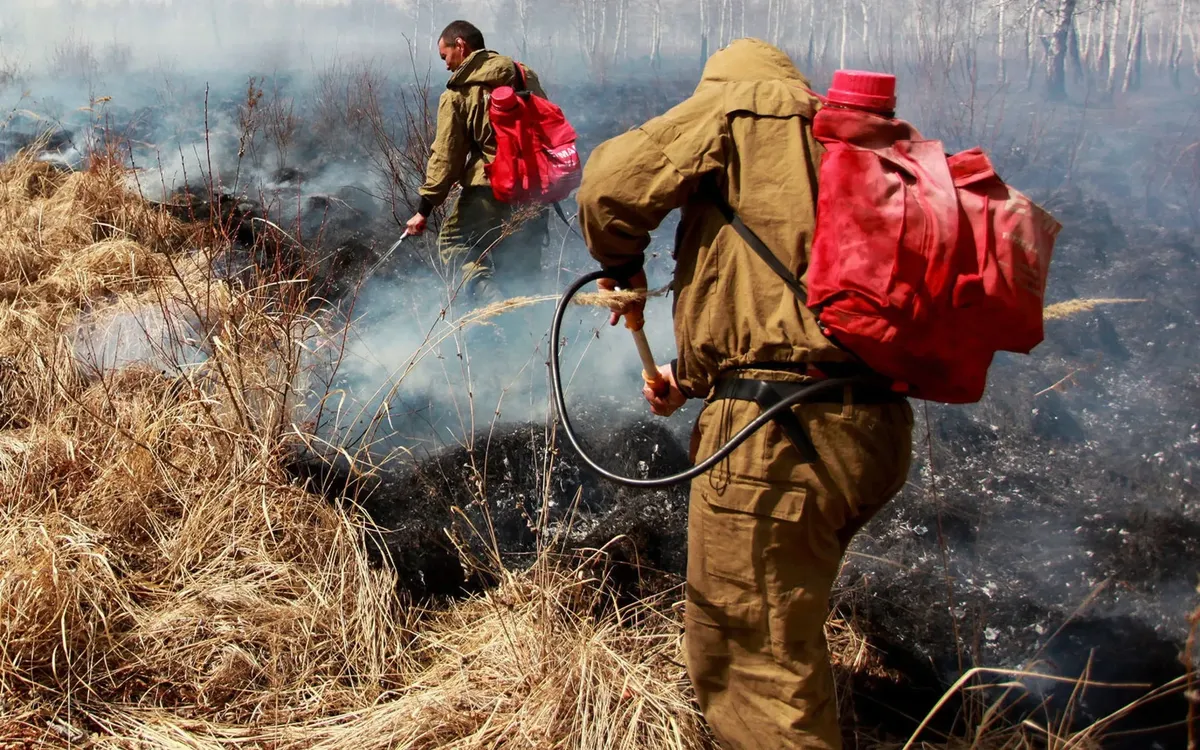
By mid -April 2019, more than 800 thousand hectares of forest burned in Russia. Now the fire area has already exceeded last year’s values by almost half a million hectares. Experts believe that the situation of 2010 may be repeated: then, due to strong forest fires and smog, mortality in Moscow increased sharply. At the same time, stewing fires becomes more difficult due to the self-isolation regime, and there may not be enough additional means to prevent fire-they all go to fight coronavirus and its consequences.
We’ll burn earlier and more
According to remote monitoring on April 20, more than 1.3 million hectares of forest burned in Russia - this is about five times more than the area of Moscow. Forests flare up faster than usual: the area of existing fires exceeds the median values over the previous nine years by several hundred thousand hectares. Most of the fires are recorded in traditionally “hot” regions - the Trans -Baikal Territory, the Novosibirsk and Amur Regions.
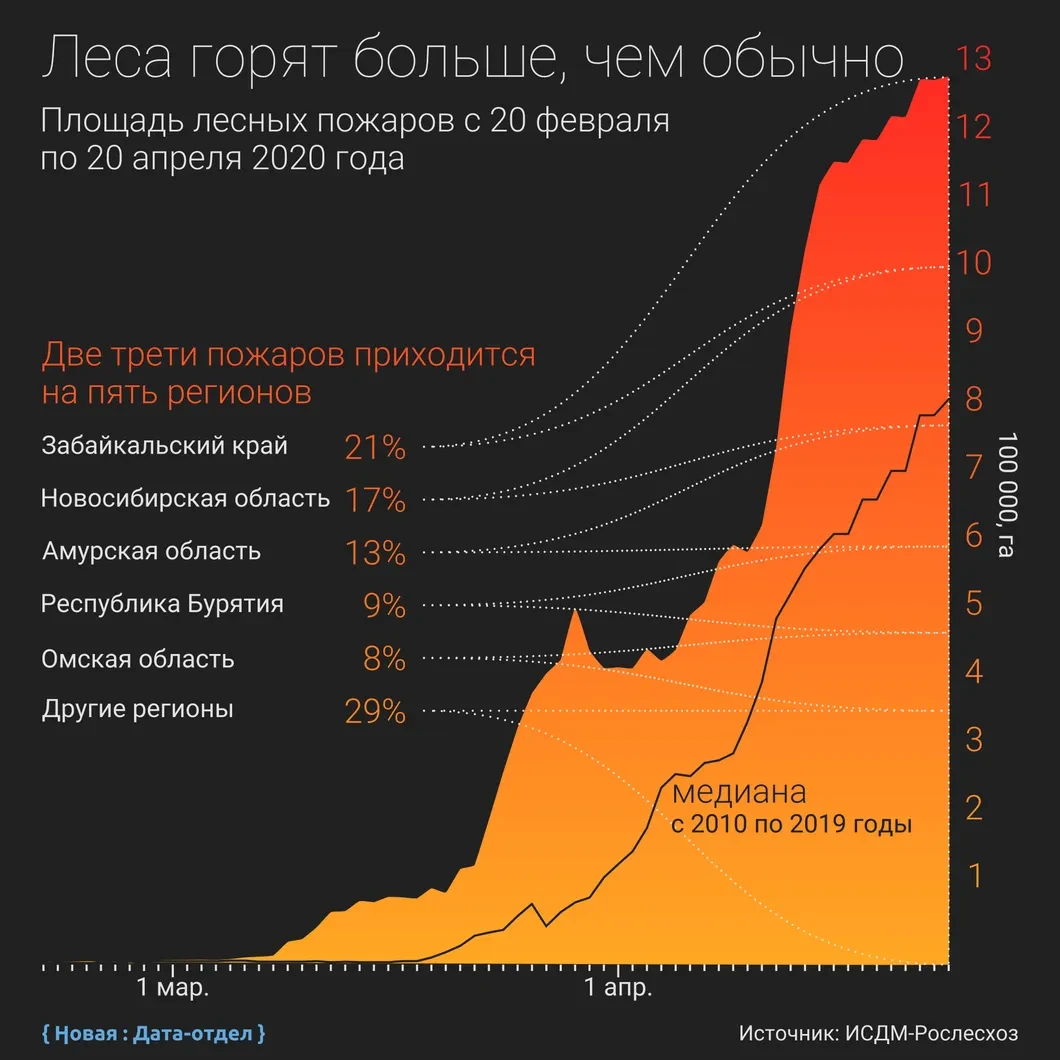
Grigory Kuksin, head of the Greenpeace of Russia, says that now the situation is about a third worse than in past years. He notes that this year it is especially important to avoid strong fires: smoke can come to the cities and aggravate the consequences of coronavirus infection, which affects the respiratory system. Under these conditions, you have to resort even to the help of animals.
“We began to lure the beavers to our side from helplessness so that they were building the dam to us in the right place.
I am very serious: we specially contacted a leading specialist in these animals. We are trying to provoke them to build dams and hold the water where it is not enough, ”says Kuksin.
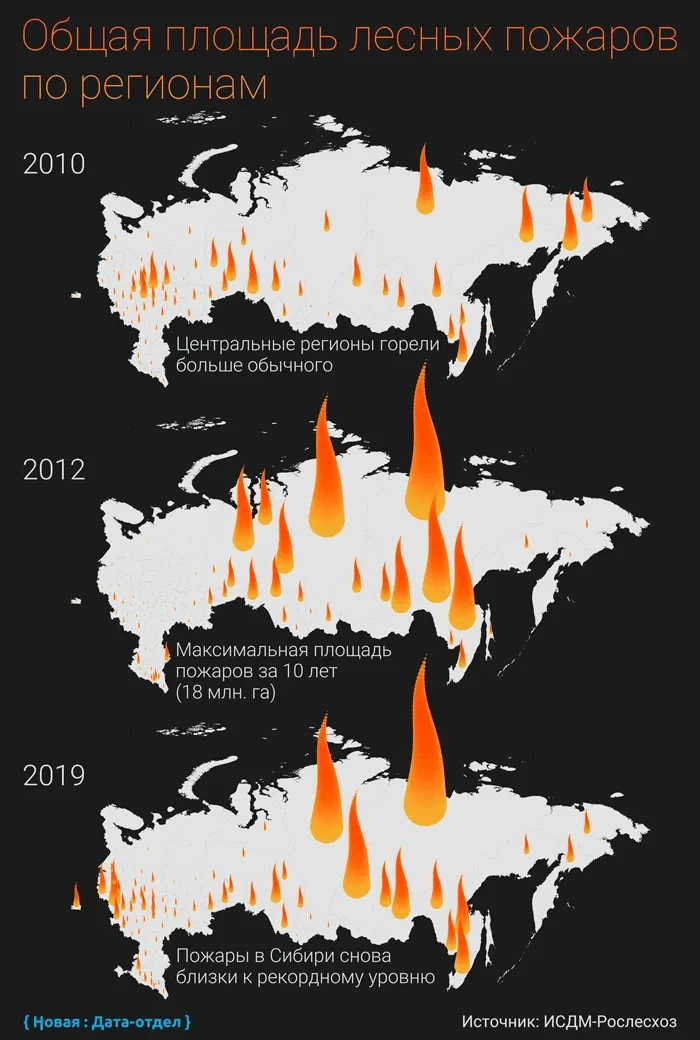
The head of the forest department of the Russian Greenpeace, Alexei Yaroshenko, believes that this year the situation of 2010 may be repeated in Russia, when strong fires covered the central regions of Russia, and was established in the cities: was able to:
“[We] was a completely unusual, unprecedented winter, when there was practically no constant snow cover. As a result, both forests and peat bogs came to the spring dry. What this can lead to, we see on the example of the Chernobyl zone - there are now really catastrophic fires, in terms of intensity they are already comparable to what we had in 2010. From the Leningrad region and further south and east - Smolensk, Pskov, Kaluga, Novgorod, Tver regions - these and some other regions fall into a very high risk zone, where the situation is developing [as well] as in 2010. ”
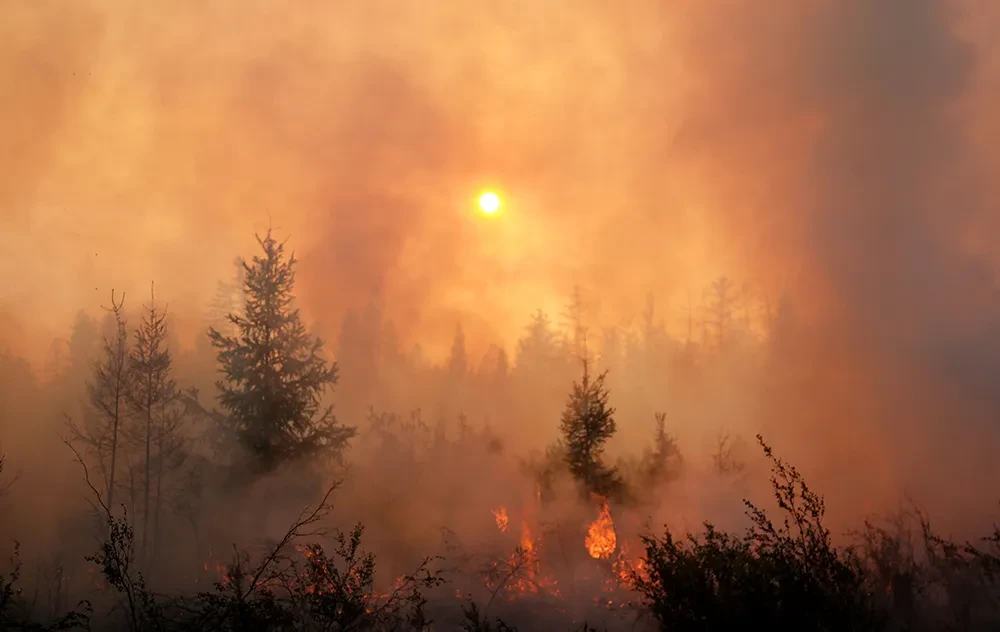
The Avialeshokhran also talk about the early beginning of the fire hazardous season. According to the department’s forecasts, this year the risk of forest fires exceeds the average values over many years, including in the central regions - the Moscow, Ryazan, Smolensk, Kaluga, Tula and other areas. At the same time, the department was informed “New” that now the area of forest fires is similar to 2019 and is about 350 thousand hectares. Such information was received from regional dispatch services, however, these remote monitoring systems exceed these values by a million hectares.
Greenpeace and Avialeshokan notes that most fires this year are man -made. Members of volunteer detachments from Transbaikalia and Buryatia also mention the human factor: due to the regime of non-working days, the Russians began to go to cottages earlier, put the plots after winter and set fire to dry grass.
“We have dangerous weather conditions and there are people who, due to coronavirus restrictions, were massively locked in dachas or in the villages and arranged premature May holidays. Usually, such a peak of fires falls at the beginning of May, now - at the end of March - the beginning of April and does not yet stop, ”explains Grigory Kuksin.
In addition, preventive burning continues in many regions, when forestry purposefully set fire to dry grass and brushwood in the forests to reduce fire hazard. Professoring should be carried out under control and according to certain rules, but there are not enough forces for this, so they often become the causes of large fires-in 2020, one of the fires that occurred due to professional lifellation has already spread to more than 240 thousand hectares.
Transbaikalia suffers most of the professional lifts. This year, after several large fires, the head of the region, Alexander Osipov, forbade professional disposal. In addition, in Transbaikalia they introduced a reward for help in the capture of the arsonists: those who report them to the police or help to detain them can get from 20 to 30 thousand rubles.
Large fires do not fall into statistics
Greenpeace notes that in 2010 the first large fires from which the spread of fire in the central regions began were hidden from operational statistics - the services did not want to spoil the similar indicators of the previous year. Some of the fires still do not fall into the final reports: this can affect budgets that are allocated to fight fires.
REFERENCE
Daily data on forest fires enter the information system of remote monitoring of Rosleskhoz ( ISDM-ROSHOZ ). There are stored reports on the number and areas of fires since 2000, as well as detailed maps of their distribution by regions and data on extinguishing foci per day.Not only natural, but also technogenic fires-for example, burning the remains of a cut down forest or torches from the disposal of associated oil gas in deposits, fall into the ISDM-ROSHOZHOZE. We did not take into account such foci. Also, we did not consider the fires with the mark “not found” - it was marked with fires that the employees of the forestry did not reveal when leaving to the place of fire.
Final statistics on forest fires are published once a quarter in a single interagency information and statistical system ( EMISS ). Information about the fires that occurred on the lands of the forest fund gets there, and fires in other categories of land are not taken into account. Because of this, fire area indicated in Emiss, several times smaller than in fact.
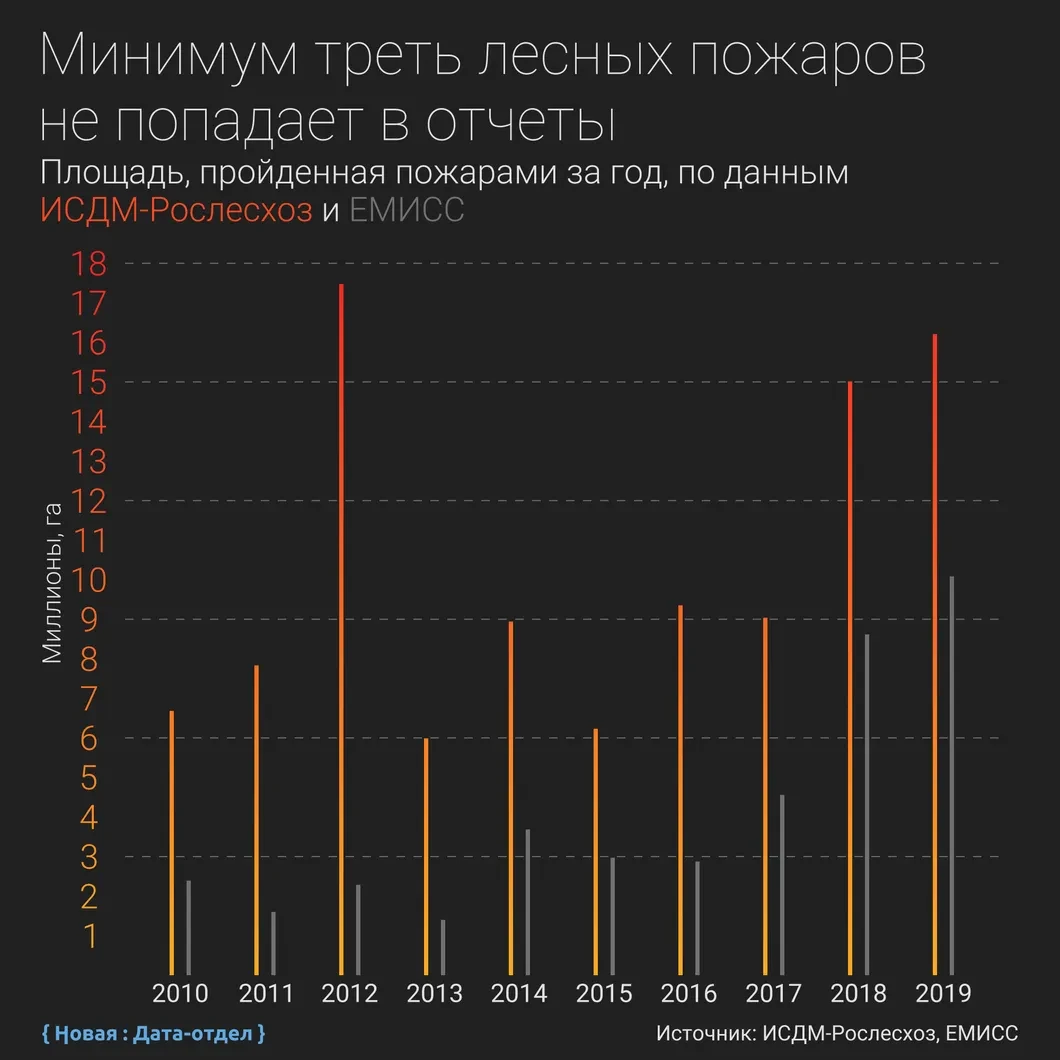
According to the ISDM-Roskhoz, in 2019, the total area passed by fires amounted to more than 16 million hectares, while Emiss got six million less. According to Greenpeace, about five million of them are fires on agricultural land.
Alexei Yaroshenko explains that often agricultural lands are former territories of state farms and collective farms, which border on settlements, so fires on this category of land are most dangerous for people and residential buildings. The main reason for fires on agricultural land is arson: for growing forests on such lands, a citizen faces a fine of up to 50 thousand rubles, organizations - up to 700 thousand rubles. If the forest is not destroyed in three years, the earth can be removed. To avoid this, the owners intentionally set fire to the trees.
“The lion's share of fires that arise on the lands of agricultural recognition is deliberately arranged fires to destroy the forest, because it requires legislation. This happens secretly, because if they catch, then there will also be a fine - not 50 thousand, but 5.
For preserving the forest, a fine is ten times more than for its destruction, "
- says Yaroshenko.
Unaccounted fires can affect budgets that regions are allocated to the fight against fires: when calculating them, the forest area and their fire hazard are taken into account. Yaroshenko notes that in the last two or three years, the real scale of fires began to fall into operational statistics, so financing the Far Eastern and Siberian regions is growing, but it is still not enough for an effective struggle with fires.
Grigory Kuksin from Greenpeace notes that this year the work of foresters and firefighters is beyond praise, but their efforts may not be enough to prevent strong fires due to a lack of funding.
“Much rests on money. Compared to the Moscow region, the budgets for extinguishing in other regions are poor. This applies to equipment, equipment, and salaries. Now sometimes it looks strange when the public structure asks us to come to the fire, because we have more modern equipment, ”says Kuksin. - For example, we have drones and thermal imagers that foresters do not have, because they do not allocate money for this. And here we are united: two volunteers with a drone and foresters with shovels, somehow we can handle it together. ”
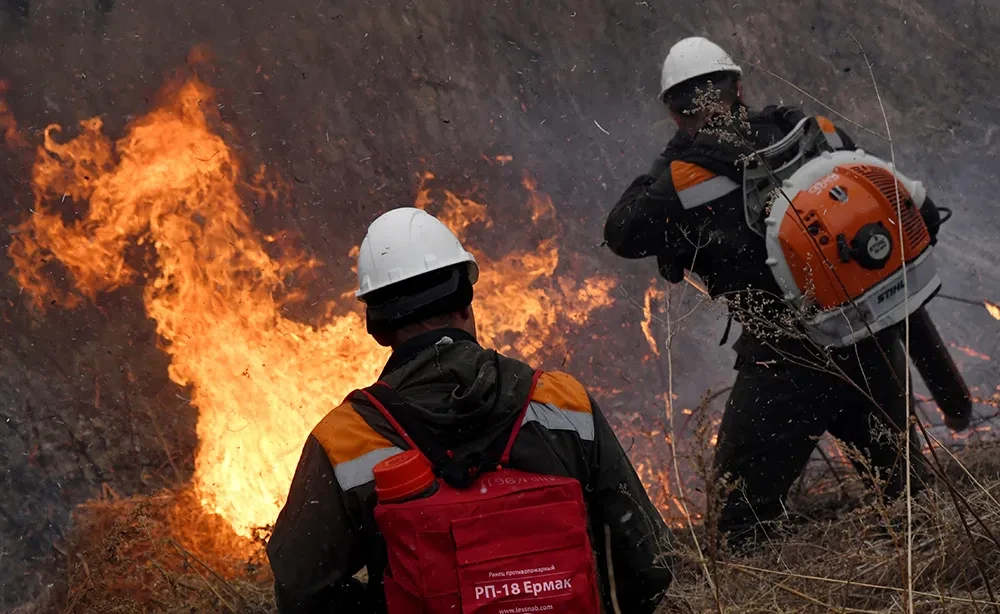
The Avialesokhran told Novye that in 2020, 650 million rubles were allocated to update the fleet of timber equipment in the 81st region of the country. Tractors, cars, saddle tractors, fire trucks, sawmill complexes and other equipment are purchased for these funds. The Ministry of Natural Resources reported that the regions received money to prepare for the fire season in December 2019 - they allocated almost 33 billion rubles, six of which will go to ensure fire safety.
It seems that additional money to prevent fires and their consequences will not be allocated this year. The governor of Transbaikalia Alexander Osipov, one of the most fire hazardous regions, said that the victims of fires would not receive compensation due to a difficult financial situation due to coronavirus. “This year, due to coronavirus and shock at oil prices, budget revenues of both Russia and the Trans-Baikal Territory have radically decreased. Therefore, for everyone who burns, taking into account the fact that no one is almost insured, there will be no money! ” - said the official.
The Ministry of Emergencies and the Ministry of Natural Resources did not answer the question of “new” about whether this year will be allocated additional funding to combat fires.
Special time in the forest
Due to coronavirus, difficulties arose not only with budgets, but also with extinguishing fires in the field. After the 2010 disaster, volunteer detachments began to appear throughout the country, which help civilians cope with the foci, but due to self-isolation, they are forced to extinguish in small groups of two or three people, and some cannot at all enter the forest due to a special fire regime.
The head of the Community “Voluntary Fire Fire Fire Fire Fire Fire Firefighters” Anastasia Ivashkevich says that the Ministry of Emergencies refused to draw up passes for the passage to forest territories. It suggests that this is due to the active activity of volunteers in social networks: “I have already been called from the press service of the Ministry of Emergencies twice and asked to edit posts because they did not like news about fresh cuts that we notice at the place of fires.” The Ministry of Emergency Situations did not answer the question “new” about why volunteers are not given a pass for traveling to the forest for extinguishing.
Anna Barne, the head of the Fire.ru public initiative, who is engaged in the help of people during fires and other natural disasters, explains that the unified mechanism for the admission of volunteers to the places of fires in the conditions of the epidemic has not yet been developed, but it is critically important to attract them to extinguish.
“No matter how many professionals, volunteers are absolutely necessary here. We cannot hold a fire department or a car near each settlement - we have a very large country. My friends, who go for extinguishing, are apprehension that they do not yet know how to do their job further. I still hope that some exception will be made for volunteer groups, and in the near future a mechanism will be developed in which volunteers will be able to travel for extinguishing in the event of a fire. Because if this is not done, then we can face another serious problem:
Not only are people choke from coronavirus, they will suffocate from smoke, ",
- says Barna.
The work of state extinguishing services has also become more complicated because of coronavirus. According to Grigory Kuksin, this year firefighters have to go on extinguishing more often, because people massively set fire to the grass. In addition, they are forced to disinfect technology due to coronavirus. “Therefore, it turns out that the load on firefighters is more, and people burn like insane,” he explains.
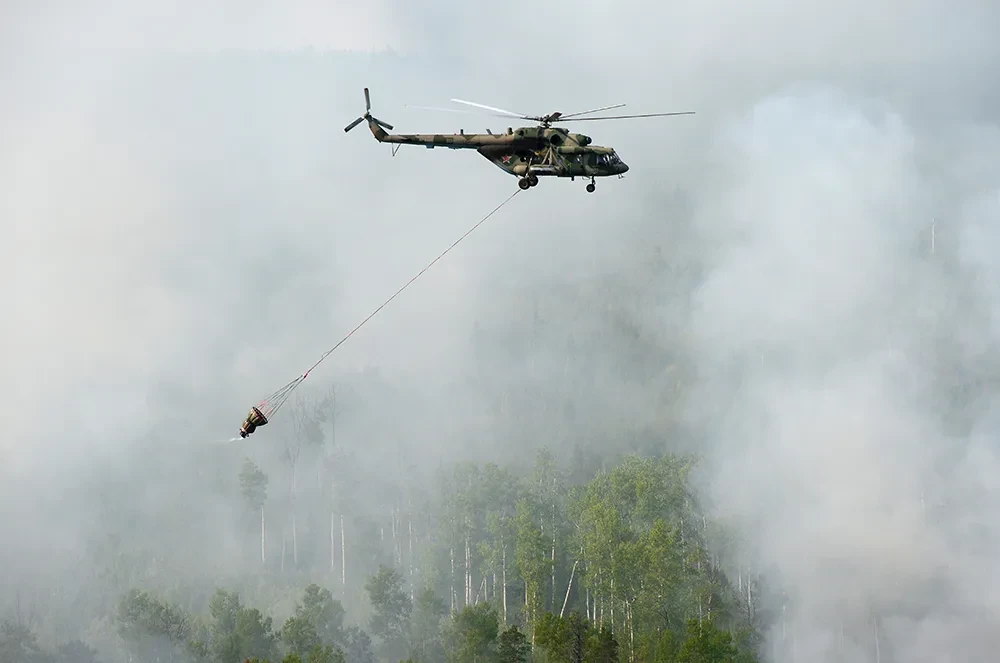
The Avialeshokhran notes that, despite the pandemic, all the departments were transferred to the high -readiness mode, and some of the employees had already gone to extinguish fires to the Trans -Baikal Territory and the Amur Region. The department reported that quarantine did not affect the work of the airlines: they were given masks, antiseptics and other protective equipment.
What to do?
Both the Aviation -Guard, and Greenpeace, and volunteers emphasize that strong fires this year can still be avoided. To do this, it is important to explain in the media and social networks that you can not set fire to dry grass. “So far, everything is in our hands, except for the weather. This is an occasion to think and stop burning grass - the most important thing that needs to be done now. Then we can return to the normal course of events and approach the May holidays, I hope, with green grass. Not yet hopeless, ”says Grigory Kuksin.
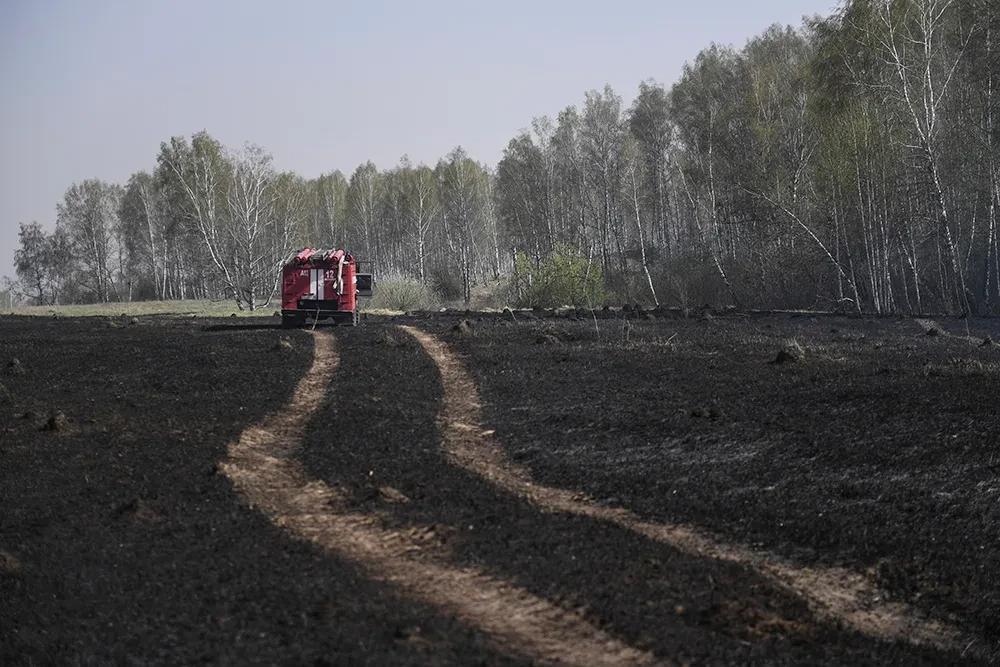
In addition, it is necessary to change the legislative norms that provoke the owners to burn the forest on the lands of agricultural recognition. In relevant departments, they did not answer the question “new” about whether it is planned to do this.
Finally, it is important now to put additional money to the budget to fight fires. Alexey Yaroshenko from Greenpeace explains that this usually happens at the height of the fire hazard season - in July or August, and the regions receive this money closer to the fall when the fires are already ending:
“When it starts to burn intensively, regular money is quickly exhausted. It is already necessary to allocate rather large additional funds to protect the forests from fires, realizing that the year is extreme, and the money will be required quickly and a lot. Well, it all depends on people, of course: if people are more responsible for the fire in the natural territories, the level of fire hazard will be much lower. ”