
Translated material
How not to go down to rats
That Zabolotsky wrote to Tsiolkovsky and what Zoshchenko asked for his first love about
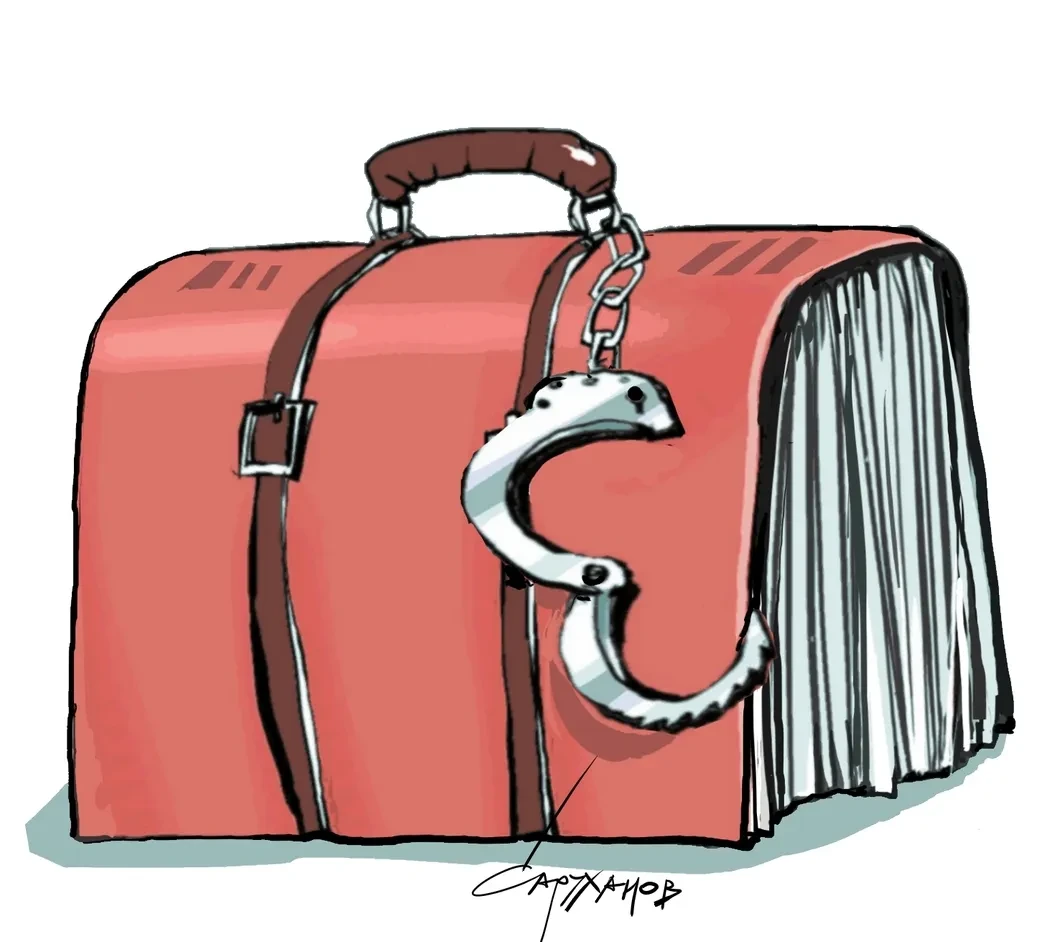
The literature received a chance to get out from under the crushing social sky. "The death of Titanic, who delighted me yesterday incredibly (there is another ocean)." Surely, recording these words, Blok did not recall “Feast during the plague”:
There is a rapture in battle
And the abyss of gloomy on the edge,
And in the angry ocean
Among the formidable waves and violent darkness,
And in the Arabian hurricane,
And in the blow of the plague.
Really poets (and genuine prose is also poetry) so attract death?
No, they are attracted by grandeur, a breakthrough from under the low social sky. A breakthrough to something unearthly, at least by an overhuelic or, if you like, superhuman. For we all involuntarily digest the scale of our opponent: struggling with rats, we go down to the level of rats, and challenging the universe, we are at least in illusions ...
But what is more important than illusions? They should create fiction.
Meanwhile, the literature has been driven into utilitarianism for years, or even hid for the political cart at the same time with the agitprop and other “organs”. Lenin repeated with special cynicism that the literature should become part of the “general providing work”, that is, the struggle for a party dictatorship, and the noble Belinsky taught: literature should give satisfactory answers to the painful requests of the present.
As if the response to such painful challenges as old age, death, illness ... is possible ...
The work of literature is not to teach us, but to protect from the humiliating horror of being, transforming the orderly into high, and human, too human, into something rising above the social world.
“The world after the coronavirus will be different!” ...
The world will never be different, as long as serious people rule them, for whom there is nothing higher than the benefits of the current minute (that is, just never).
Humanity has received so many severe lessons that even an octopus would learn something, but serious people are above this. However, literature today has a chance to get out of the crushing social firmament.
After all, the writers of people are attracted by an unclear craving for unwell, but in the Soviet season there was only a choice between Soviet and anti -Soviet writers. That is, I had to harness in the same cart, only pull it in the opposite direction - instead of flying.
Grounding, absorption of sociality-this is the main reason why Russian literature has lost its greatness-talents are always born in equally redundant quantities.
Now I am just considering a novel about writers who brightly began in the twenties and went into complete insignificance due to the fact that the triumph of the winners seemed to them the highest sky (especially since the vanquished ones also did not strive for something higher, since the policy is generally the most earthly from earthly classes).
To dive into a historical context, I began to carefully re -read Zabolotsky and found an amazing thing: that which seemed to me purely poetic fantasy - the dreams of animals and plants about a reasonable life, etc., for the poet was the subject of serious hopes and thoughts.
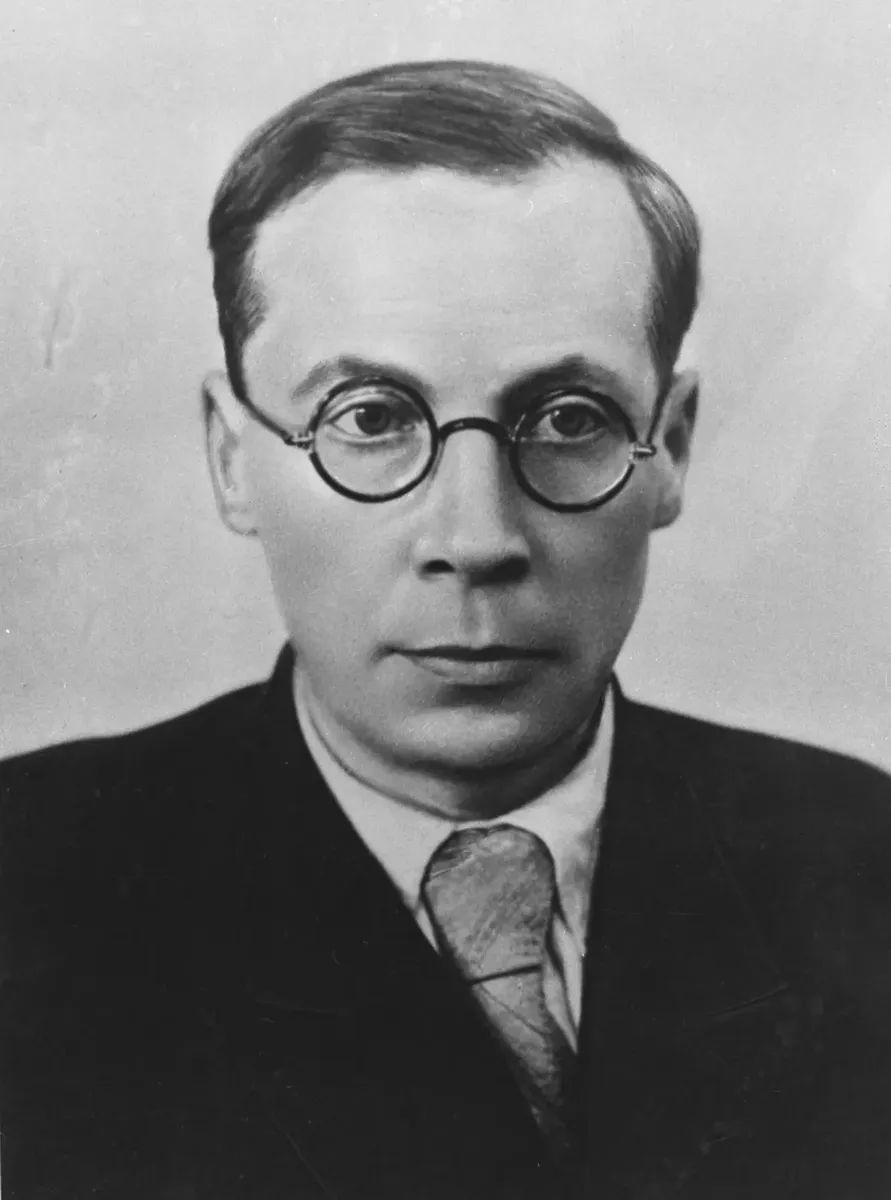
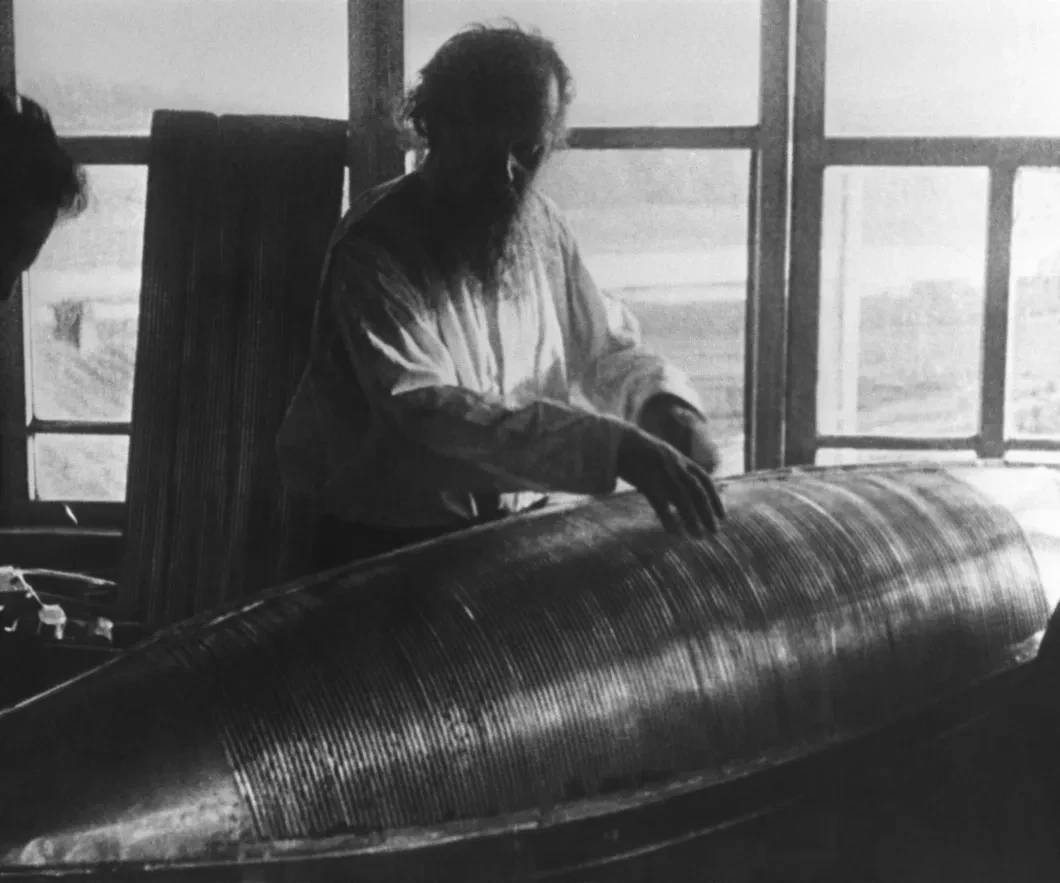
In a letter to Tsiolkovsky (which Soviet pragmatism reduced from the visionary to the founder of practical cosmonautics) Zabolotsky in complete seriousness is interested in the details of his grandiose cosmic dream.
Tsiolkovsky, if anyone does not know, was a pangsykhist - he believed that all objects in the world to one degree or another are animated and differ only in the degree of ability to feel pleasant and unpleasant.
Even every atom, falling into a living organism, lives either the life of the brain or the life of bones, hair, nail, epithelium, and, turning into inorganic matter, as if falling asleep, as long as he will not come to life, turning into a composition of something or someone living.
Thus, there is no death, there is only an alternation of sleep and wakefulness.
Well, since the cosmos is unlimited in time and space, he had all the possibilities of settling with highly developed creatures living in truth and joy, and our unfortunate world is no more than a black dust on a white sheet of paper.
Can you take it seriously? But Zabolotsky could.
“Something new and huge imposed on me that I am not yet able to think over it to the end: my head is too inflamed”; “You obviously very clearly and firmly feel like the state of atoms. We, your correspondents, cannot abandon our eyes on ourselves as a single and indivisible. After all, one thing is to know, and another - to feel. ... And the feeling of oneself is, obviously, a new conquest of human genius. ”
In other words, the natural philosophical poetry of Zabolotsky was not just a brilliant game, but an expression of fiery faith or at least a fiery search for faith. If not this flame, he would compose something completely different. As this happened in the fifties.
And smart critics lamented so much, why all our great writers were utopians, did not want to reckon with the natural laws of social existence, being nonsense like people: it was utopianism, the impulse to something impossible, overhuman and was a hidden engine of their greatness. (Chekhov’s suponsociation was his total nihilism in relation to all social groups and institutions, but this is a separate topic).
I would venture to express the assumption that those who at least at least at the start of the Soviet era survived the impulse to overcome the unsettled social laws.
The first (and last) poetic collection of Andrei Platonov “The Blue Depth” (1920) splashes with chopping enthusiasm:
We will rush to the peaks
Cooking!
Brand a break in the layers of the universe,
We throw the earth into the mountains!
Our mind, like madness, is terrible,
We put the regulator on full move,
This world is only decorated with us,
Above it is our rattling flight.
We will put out the tired sun,
Light light in the universe, we will light
We will give people iron souls,
We’ll sweep out the planets from the path with fire.
And in December 1917, Mikhail Zoshchenko wrote to his mother from Arkhangelsk about the proposal to marry to get out of poverty: “But this wisdom is suitable for meek! I see women here: many of them are monkeys with ridiculous grinders and monkey caresses ”; “And while I boldly laugh at everyone in the face. Everyone ... and with a secret fear I ask myself: “Are you strong? Is it not better right away? After all, remember: the stronger the struggle, the more torment.”
Then, the future wife of V.V. Kerbits-Kerbitskaya in January 1918: “It was a month when I thought that there was another moment-and I would ascend to the height, maybe to the Calvary, where the wisdom of the celestials and the truth of the gods, where the same V.V. Kerbiti-Kerbitskaya in August 1924: and we must love the lie. And we believe her, for how we can believe the truth, if the truth is always boring and often ugly, and the lie is gentle, beautiful and mysterious. ”
This is a frank manifesto of romanticism - to hold on to a beautiful, mysterious fiction contrary to the boring and ugly truth of everyday life.
N. Rusanov-Zamyslovskaya (“First Love”) In April 1916, Zoshchenko just begs not to allow him to destroy a beautiful fairy tale:
“Be like a fairy tale: always welcome, be a nymph in this forest, a whirlpool has a whirlpool, on the shore of a mermaid ... Do not give up to me. Now, when I am not yet intoxicated by your proximity, I ask you like that: do not give up to me. Then I will ask, to beg affectionately and demanding, maybe I agree to all conditions - do not believe. Be elusive. "
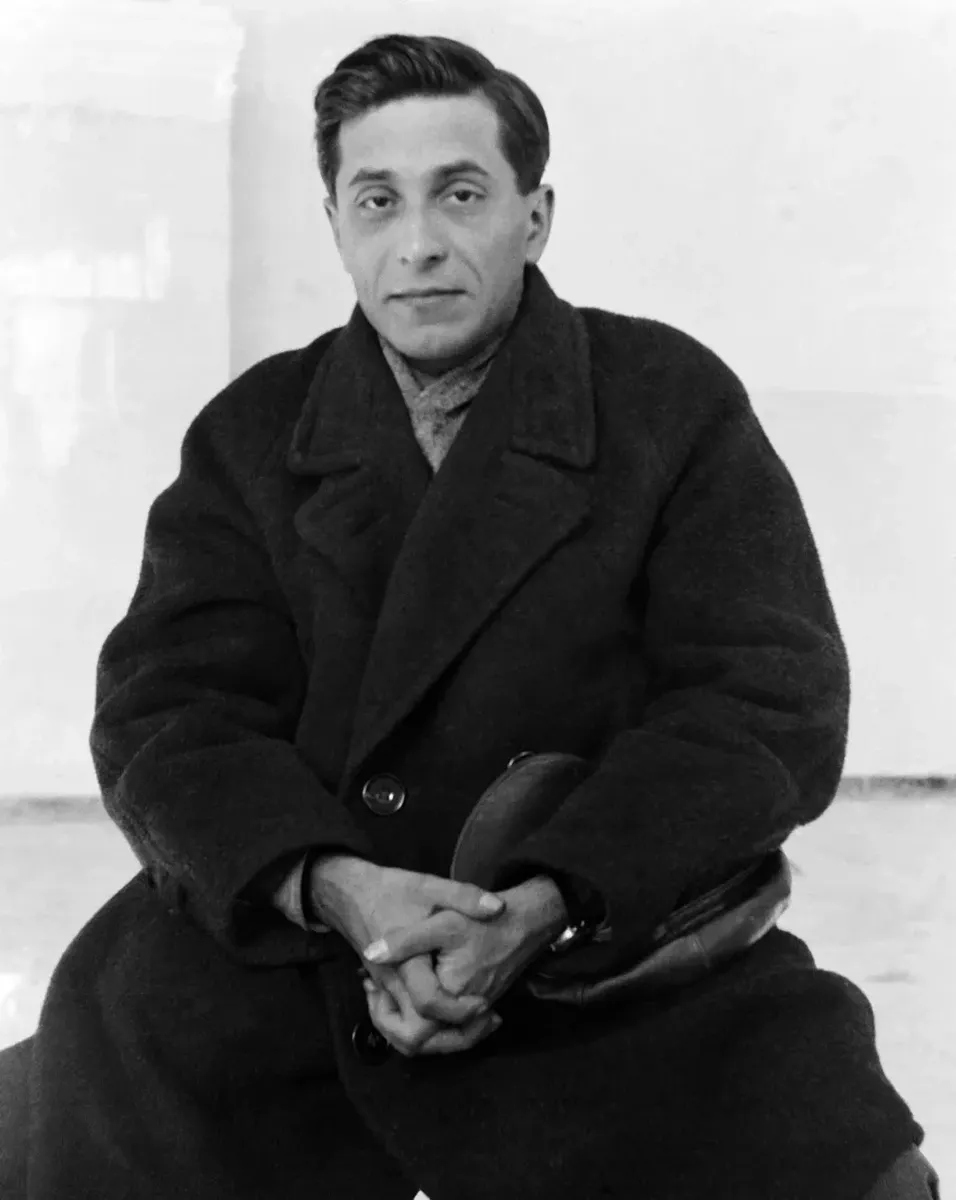
Even V.V. Kerbits-Kerbitskaya, March 1920: “So far I am sending you two favorite books-of course, Blok and, of course, Nietzsche.”
The “unhealthy” block (“it was so clear on his face: my kingdom is not of this world”) and the hyperromancy Nietzsche (“What is a monkey compared to a person? Lotting or a painful shame. And the same person should be a laughinghouse or a painful shame”).
These were the idols of the young Zoshchenko, about whom for so many decades they argued, he is a representative of philistinism or a convict of it. And his kingdom, meanwhile, like the kingdom of Platonov, who even thought about the resurrection of “sniffed people”, was not from this world.
It was the impulse to the unwell world that gave rise to such a powerful disappointment in the local one.
And Mayakovsky began with an explanation not with the world, but with the universe and even God himself, who was supposed to lift him, throwing the gallows no less than the Milky Way, or to tie the rebels to the tails of the comets and sink, ripening about the starry teeth. When the God -Bromborer went down from the universe to the world, the genius ended, one skill remained.
And it is not the trouble that it was the Soviet world - artistic greatness is impossible under any social sky, the artist’s business is not to live in the world, but in the universe.
For the first time in a few decades, not the world, but the universe for the first time in a few decades. It will be a shame if we cannot raise our artistic gaze to him.