
Translated material
MP from the car
The experiment with electronic voting decided to continue in the elections to the State Duma
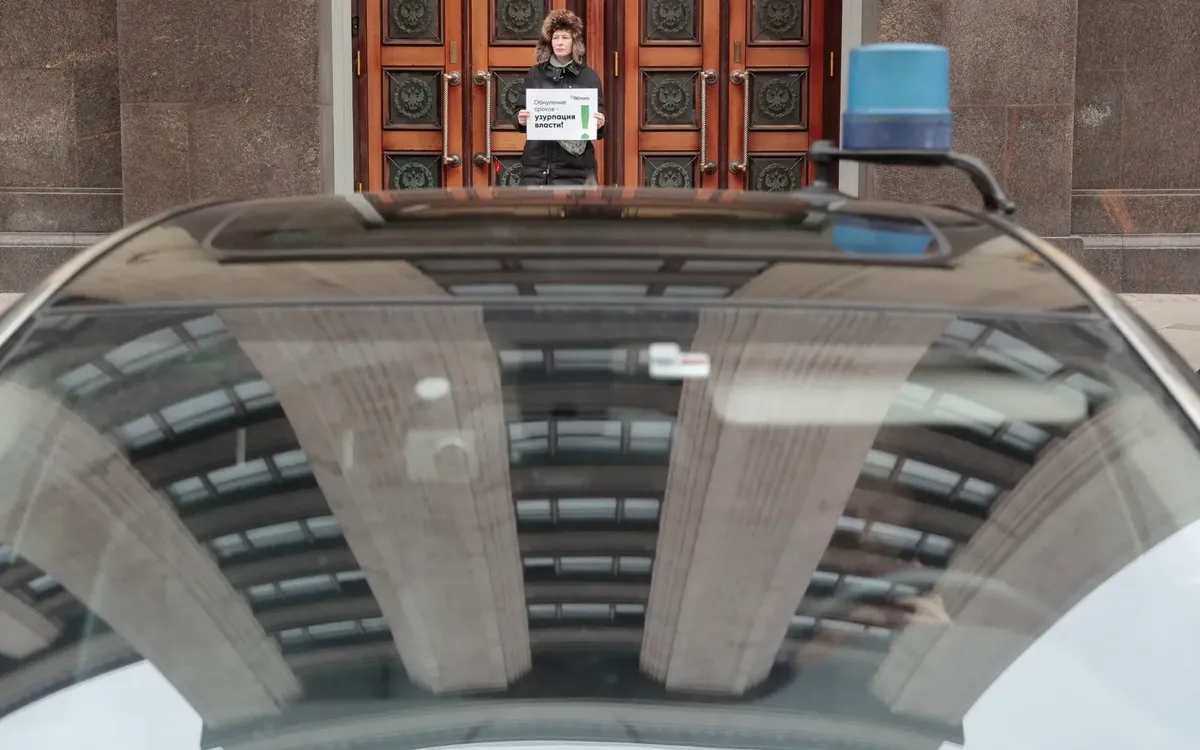
The State Duma continues to work hard during the coronavirus epidemic. Last week, a bill was adopted in the first reading, extending the Moscow experiment with electronic voting. In 2021, it will be possible to choose State Duma deputies from Moscow through Mos.ru. According to experts, the current remote voting system does not give any protection against falsifications and administrative resources, and the number of electronic voters can grow sharply-a lot of people will now get used to the website of the capital's city hall due to passes to exit the house.
The bill was accepted with a creak on April 14 in the first reading by the efforts of the deputies of United Russia (and among them 99 people did not vote). Nobody voted from the parliamentary opposition. For example, 20 members of the Fair Russia faction ignored the vote, and two, including Oleg Nilov, spoke out against the bill.
“Not to vote - this is also against it, in any case, definitely not for,” Nilov defends his colleagues and explains to the Novaya Gazeta his more decisive position. -Firstly, the experiment was definitely unsuccessful, and secondly, now the bills on such important topics are untimely. Without proper discussion, such issues cannot be resolved, and [under conditions of self -isolation] you yourself see what happens in our Duma, what severe conditions for discussion. Why then rush? What are the elections in general? We need to think about people and about the economy, and the elections, and even more so such innovations, can wait. ”
The author of the bill Irina Belykh (“United Russia”) assures the “new” that “there is absolutely no haste”, the document was developed “before the start of problems with the coronavirus”, entered into the State Duma in early March and “is considered strictly in accordance with the regulations” of the parliament.
Haste, however, is characteristic of all stages of the rapid introduction of electronic voting in Moscow.
Almost for the first time, the head of the Moscow City Duma, Alexei Shaposhnikov, mentioned him casually about him at a CEC meeting in September 2018. After a pause (in public space) in February 2019, remote voting began to be discussed at different sites (especially actively at Echo of Moscow, whose chief editor Aleksey Venediktov headed the headquarters on the election in Moscow), and on February 26, the bill on the experiment with electronic voting in the Mosgorduma was introduced in the State Duma. In May, the first meeting of the working group of the Public Chamber of the city of Moscow by electronic vote was held (Venediktov is the deputy head of the OP of Moscow), in the same month the law was adopted by the State Duma.
Loud precedent
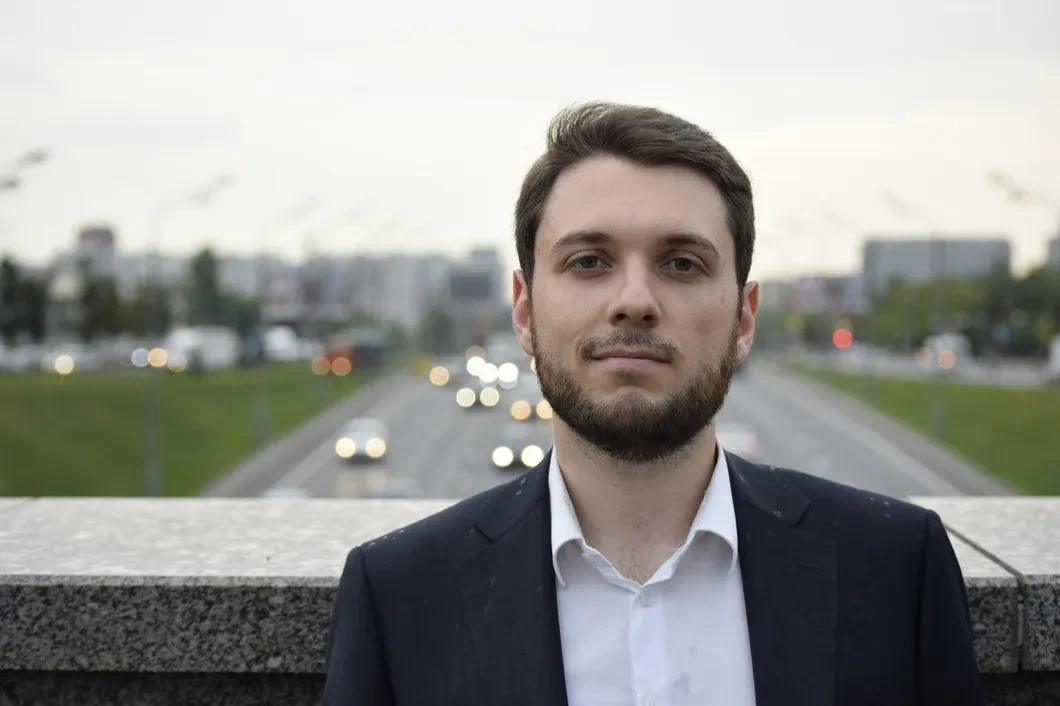
Already in the fall, the system of electronic voting was tested in the "combat conditions" in the already scandalous elections to the Moscow City Duma. It turned out not too well. The most egregious story occurred in the 30th district, where the young independent politician Roman Uneman lost only 84 votes supported by the rector of the Russian Language Institute of the Russian Language. The victory of Rusetskaya was provided precisely by the election novelty: if Juneman went around it with an advantage of 581 votes in ordinary areas, then only 455 votes were scored in electronic vote against 1120.
The young politician tried to achieve the abolition of voting results, including in court, but nothing came of it. “We were convinced at the court of [Uneman] that there are no real tools for challenging the results of electronic voting, - the candidate has nothing left for the candidate. Moreover, the court is not able to generally understand how this vote is arranged. If you can open the packs of ballots in a regular area and count them, then the court even destroyed nothing, ”says Grigory Melkonyans, co -chairman of movement in defense of voter rights. He does not risk saying that Yuneman actually won the election, because observers on electronic voting do not have sufficient control tools for such a judgment.
“From the voters [in the 30th district] there were at least 53% of state employees, because we found them ( he wrote about electronic voting of his study - approx.“ New ” ), and most likely, there were 80–85% of them,” says the politician about the threat of the use of the so-called administrative resource on electronic voting. It is not surprising that in all three districts where the experiment was held, they won a confident victory, as the “Russian newspaper”, “candidates who are ready for constructive work with the mayor's office.” The mayor, which now fully organizes and controls electronic voting.
The editor -in -chief of "Echo of Moscow" Alexei Venediktov does not see anything indicative in the history of Juneman and offers not to trust the research of the losers of the elections of candidates. “I don’t think that it is absolutely objective, and its study has no scientific connotation. There, for example, there is no total number of voters-budgets in the district. And he did not submit evidence of the use of the administrative resource in court - he did not bring a single person to court, ”Venediktov explains his position.
- That is, you do not think that the mayor's office used the admin resource on electronic voting?
- I do not think that the use of the admin resource was proven by Uneman. Perhaps it was used, as it is used in the usual “paper” elections, but we did not receive complaints from voters of the 30th district,-protects the novelty of the Echo of Moscow.
No changes
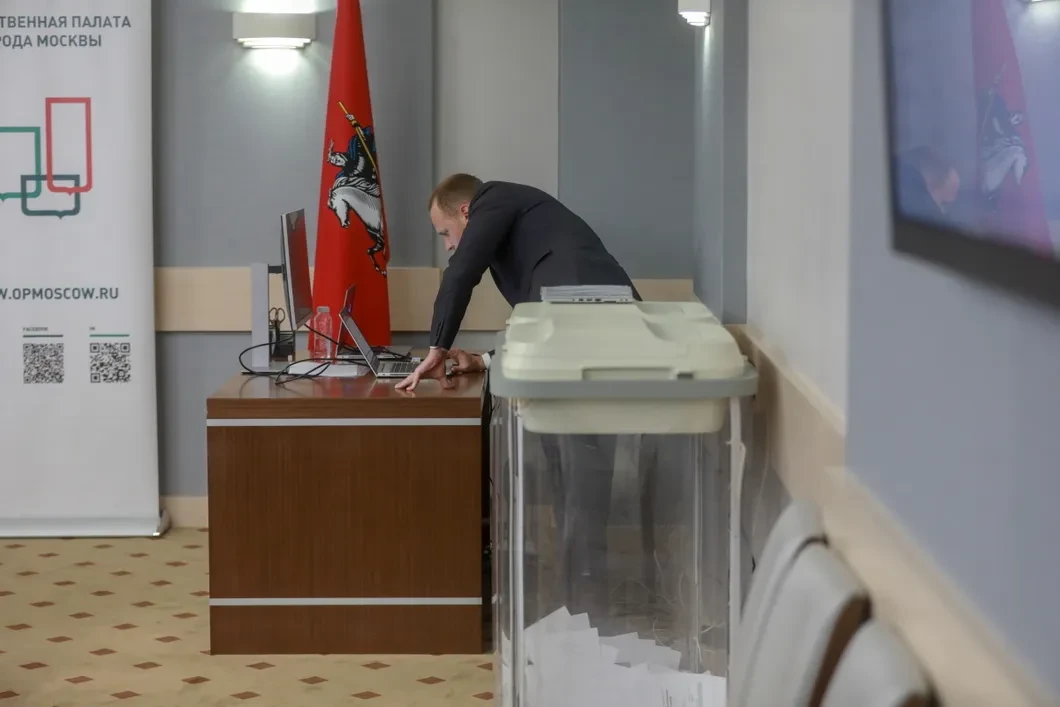
The new bill has passed the first reading, according to Juneman, is actually a copy of the past. He simply prolongs the experiment for 2020 and 2021 and expands its application to the elections to the State Duma or to the authorities of Moscow. “There was, for example, the wording that the election commission does not organize the elections, although this would be logical, but ensure their holding. This is in order to then explain why the Moscow City Hall is engaged in everyone. This framework law, in fact, regulates nothing. How exactly the vote will be held, they will write in by -laws. The only thing that is fixed there is that the regulation is produced by MGIK and that voting takes place on mos.ru, ”Yuneman explained.
Melkonants from the Voice admits that everything is again given to the Moscow City Hall, but believes that Sobyanin is not needed in the elections: “I think that they themselves are not happy that this system does not allow reaching a consensus in society, but on the contrary, it gives rise to doubts that everything was honest. Then everyone turns to observers, and we don’t even know how to measure honesty. ”
According to the representative of the Voice, "observers need to give more rights of technical observation of what is happening inside the system, and now it is extremely primitive." “You need to understand that applications for remote voting were submitted precisely to voters; To make sure that on the voting day all the ballots that are sent to the electronic urn are correctly taken into account; that voting from the voter occurs personally, and not by someone for him; that no one can find out for whom someone sent a voice; That there is no way to replace the arriving voices at all stages, ”Melkogonets explains.
Hell and City Hall
Last year, before the elections to the Moscow City Duma, a special technical group was assembled with the involvement of IT specialists within the working group under the OP of Moscow. One of them, the programmer and representative of the Organization of Internet Protection, Alexander Isavnin tells “New” that representatives of the Department of Information Technologies of the Moscow City Hall (DIT) at a group of the group put its members before the fact that they would conduct him “something like this” and “pretending to be consulted”.
“DIT has an“ active citizen ”, popularly called a“ fictitious citizen ”, in which the blockchain was drunk to pretend that he is safe and not notable. As a result, they took elections with the independence and collegiality of election commissions, the publicity of the entire process and pulled this owl on the globe of an “active citizen” in Moscow with all the ensuing negative moments. Hell hell was going on, ”says Isavnin. He explained at the meetings of the technical group that there was no technical readiness to conduct such a vote, and the experiment should be postponed, but the then deputy chairman of the Moscow City Warrismom (and now his chairman), Yuri Ermolov refused to listen.
Isavnin believes that electronic vote in Moscow violates the basic principles of suffrage.
“All elections take place on the site of the Moscow Mayor and are controlled by it, observers do not have the opportunity to understand what is happening.”
“In the elections in the Moscow City Duma, WICs were appointed to three electronic sections, in which people sat and watched how the ballots printed by her fall in the urn. As this big black box tied to the portal, no one knows, and we are simply offered to believe the mayor of Moscow, ”says Isavnin. In his opinion, if you entrust Moscow officials to record yourself for the delivery of a fecal analysis, then Mos.ru is not suitable for something more serious portal.
The expert recalls that after the elections there was a leak of the voting lists, and right during the vote there was a powerful failure, and the system hid for several hours. The failure showed that, contrary to the assurances of the organizers, the anonymity of the vote may not be ensured.
“At a certain moment, there should be a gap between the personal data of the voter and the voice that he sends. In the elections in the MGD there were voters who, by the time of freezing, managed to press the “vote” button. Their voice went into the urn, but due to the failure he did not go through the anonymizer and somewhere there was an impending there. And there were voters whose voice did not go anywhere, but the system operators then somehow could understand which voters voted and which were not. How it was defined and why the system hung at all, we have not yet been explained ( they ficently reported on the overload of encryption equipment - approx. New ” ,” says Melkonian. He does not believe that this is done intentionally, but he thinks that somewhere information about the choice of a specific voter is still saved.
Venediktov does not deny the failure, but focuses on the successful system of the system that has passed after the elections to the Moscow City Duma. The inhabitants of Troitsk decided with the help of electronic voting, to extend the communal line of the Moscow metro in the center of their city or not. “There were no failures there, and the vote took two days. Even those people who were dissatisfied with the result had no complaints about the purity of the procedure and its technical conduct. Yes, and in the Moscow elections there was neither a stuffing nor a hack, therefore, of course, the experience is successful, and, of course, it is necessary to continue it, ”Venediktov is sure.
The co -chair of the Voice also tells that
At one of the tests of the system, the hacker created a simple plugin for a browser, which allowed to change the choice of a voted without his knowledge.
“The voter puts a tick opposite one candidate, votes, and inside the browser his choice changes to another candidate, and the electronic voting system does not see this. Developers cannot do anything against this, because the voice encryption occurs on the voter’s computer. That is, they tell us that the whole world against Russia is trying to intervene in our elections, but it turns out that insidious hackers can in a primitive way to infect the computers of Russian voters, and on the voting day all the voices for United Russia will leave, for example, “Apple”, ”Melkonian thinks. Apparently, they are not going to create a separate application to solve this problem.
So far, the certification of the voting system has not been carried out, although any state systems should take place. The reason is the same: haste. “Dit said that this is an exception, because an experiment. Certification at the FSB takes half a year, but here Sobyanin had to solve his issues so much that the need to attract the FSB was ignored, and the FSB ate it. Maybe even if the State Duma will be angry, ”Isavnin hopes.
The authorities do not see problems
In United Russia, the experience of using electronic voting is considered extremely positive, and its application is necessary. It is written on the Mos.ru website that "hackers pose the only threat to electronic vote, but the likelihood of such an attack is extremely small." The well -known case of hacking the system by the French programmer Gondry of the same Venediktov does not bother:
“He pointed to a specific hole, and it was dumbfounded before the election. We are grateful to him, and, moreover, he received a million rubles from us. ”
The authors of the bill emphasize that since then, a transition from 256-bit encryption keys to 1024-bit have been made. “The encoding was replaced with 1024-bit, the security level is high, and the election failure was not software, but equipment. To date, everything will be duplicated, and the stability of the work is guaranteed, ”said Dmitry Lambin from United Russia, a member of the relevant committee of the State Duma (control and regulations).
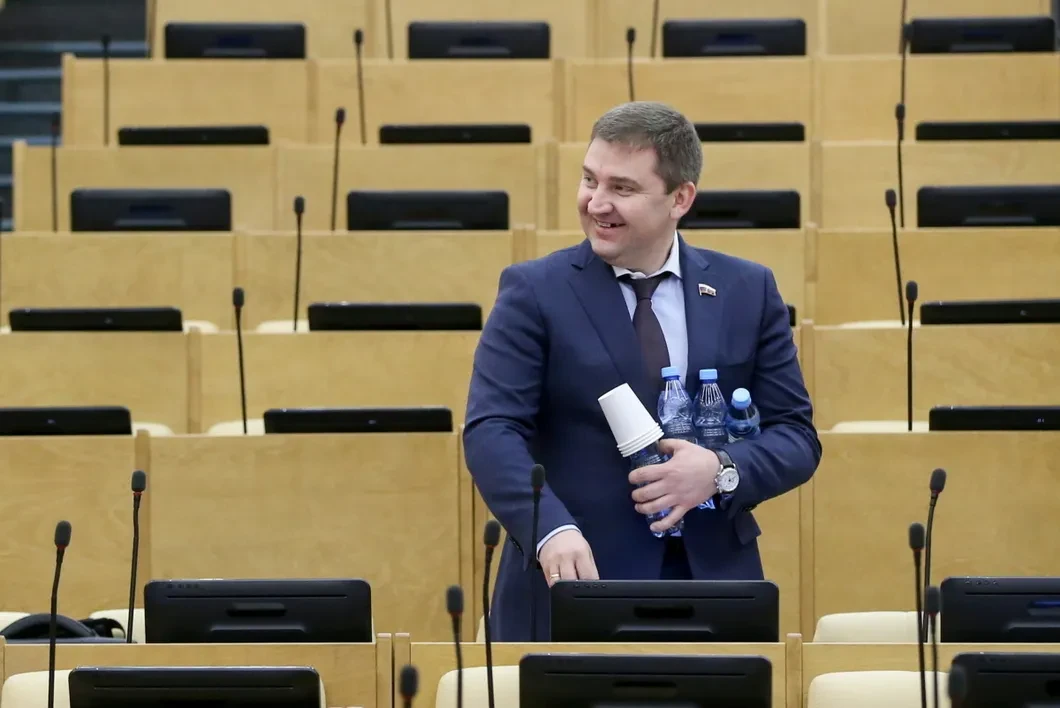
“I regard experience in elections in the MGD as a successful - according to Uneman, a manual recount of voting results, which did not reveal discrepancies. Technological equipment was running in, the legal model of remote voting was worked out. The risks of failures in the operation of the equipment are now minimized, all the comments of the expert community, observers, professionals-programmers are taken into account, ”says the author of the Boles bill.
Deputies do not see from the party in power and problems with observation. “The bill introduces additional control tools. Firstly, observers are physically on the site, and they have the opportunity to see a list of people who have expressed a desire to vote remotely. Moreover, they can call these citizens and clarify whether they submitted a request, and whether it was free will, ”says the“ new ”United Russia Lambin.
- And that is enough?
- In our opinion, those tools that are laid down, provide in full the requirements of the legislation that are. This concept of the law earned support, but the deputies still have the opportunity to amend the second reading.
Deputy Nilov from Fair Russia has an amendment, and he is going to introduce it, although he doubts the success of the enterprise. “Give people a one hundred percent guarantee that their will will not be falsified. It is necessary that [remote voting] be open, with publication on the website of the election commission. Then I will be for, super, such a bill. They tell me that this is a violation of our foundations there, but this is not written in the Constitution, and why [the secret of voting] is then some kind of immune? ” - says the deputy.
Tool for falsification
According to Isavnin from the Society for the Protection of the Internet, the scope for the perversion of the results of the elections is colossal. “If you have a friend at the MFC, then you can register the entire boarding house of war and labor veterans and vote for them. If you check your passport in Wick, and we believe that they don’t give out a passport to anyone, then the login and password on mos.ru do not understand who uses, ”the expert says. He recalls that in March, the deputy of the Moscow City Duma Ekaterina Englychev said that the logins and passwords or SNILS number for registration are collected from state employees.
“On a regular area, observers can make sure that the voter went into the secret vote and lowered the ballot into the urn, and with electronic vote there is no certainty that the voter himself introduced a login-paralle or that he did not do this under the supervision of the boss,” says Melkonants.
Electronic voting can now become an early replacement, because it is planned to be carried out for 5 days. “If earlier the state employees were driven to the“ preose ”, now they will be for electronic voting,” Yuneman says. “Another danger is that state employees are less and less happy with what is happening, they understand that they can put any voice in the booth, so they began to vote as they want,” the politician says. - Electronic voting is their return in the depth, because the people whom we called, admit that they believe that the authorities know how they voted, so voted as they should. This self -censorship already gives results, and the results for a pro -government candidate are 2–2.5 times higher than in the usual elections. ”
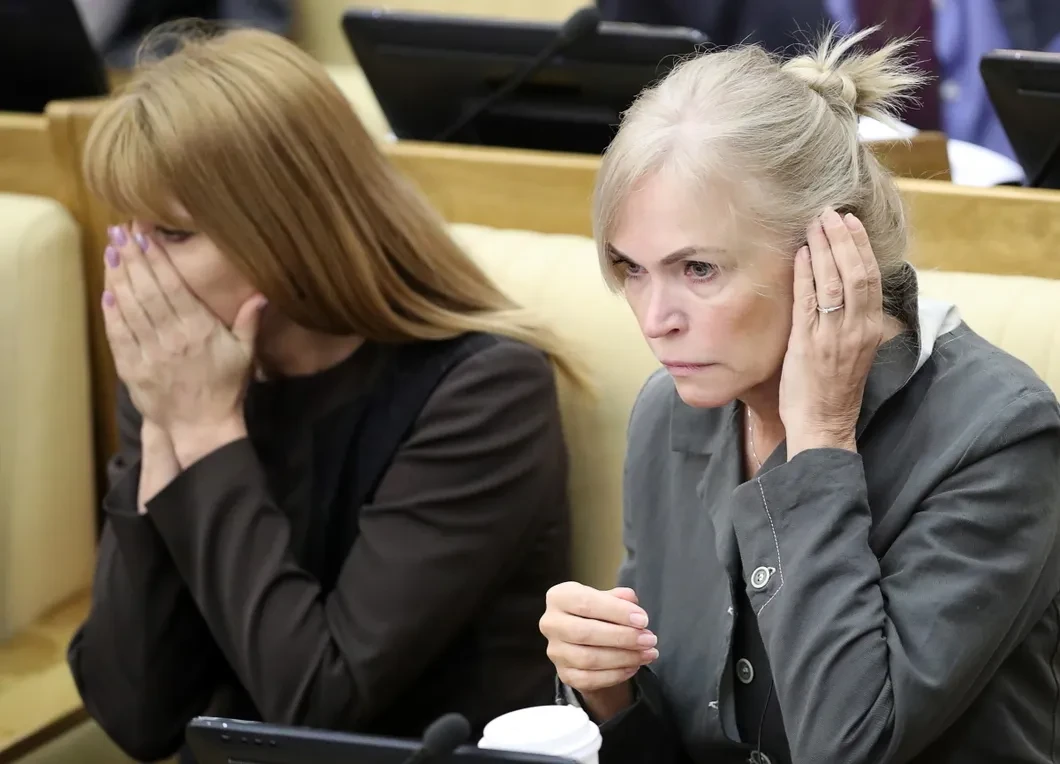
Isavnin from the Internet Society for the Protection of the Internet is sure that the extension of the experiment is beneficial to the authorities precisely because "you can do anything without control, and at the same time it will have a form of legality." The author of the bill Irina Belykh, of course, does not agree with him: “I am convinced that electronic voting remains a voluntary and alternative mechanism and, of course, expands the possibilities of the implementation of suffrage.”
«Голос» предлагал выдавать избирателю уникальный зашифрованный код его голоса, который можно было бы после окончания голосования расшифровать и проверить, как посчитала система. «Но есть и минус в том, что такую систему могут и во зло использовать, например, работодатели будут собирать эти коды, чтобы проверить, кто как проголосовал. Мы искали с разработчиками решения, но пока универсальных, к сожалению, не существует. Только половинчатые меры — если повышается прозрачность, то растет опасность нарушения тайны голосования», — рассказывает Мельконьянц.
По мнению Венедиктова, в этом и заключается главная дилемма электронного голосования. «Система может показать человеку, как учтен его личный голос, и на тестовых голосованиях перед выборами в Мосгордуму мы это демонстрировали. И все кандидаты — и от КПРФ, и от «Единой России», и от «Умного голосования» — кричали, что мы это делаем, для того чтобы человек отчитался перед своим начальником. А когда была скрыта эта возможность, оппоненты стали кричать, что мы специально это сделали, чтобы нельзя было проконтролировать».
«Техническая возможность в систему заложена, и пусть партии принимают политическое решение, давать человеку возможность [проверить голос] или не давать», — объясняет он.
Странно, но Венедиктов не видит в самом существовании этой дихотомии никакой проблемы: «Любое голосование должно подчиняться контролю, тут я абсолютно согласен. Но пусть люди, которые добровольно, еще раз повторю — добровольно — выбирают электронное голосование, делятся своим выбором с наблюдателями. А остальные пусть голосуют «бумажным способом», никто же не заменяет одно на другое. Свобода выбора всегда лучше отсутствия свободы выбора».
— Зачем вообще нужна система с таким очевидным недостатком?
— Все системы имеют недостатки, например, у классической системы слабыми местами было надомное и досрочное голосование, а электронное голосование позволяют его избегать, — уходит от ответа главред «Эха Москвы».
— Не кажется вам, что это дополнительный инструмент для тонкой настройки результатов выборов?
— Вопрос, в чьих руках инструмент, но то, что топором можно зарубить старушку-процентщицу, не значит, что топоры надо ликвидировать. То, что падают самолеты, — не значит, что нужно отменить авиацию, а значит, что нужно брать на контроль и участвовать в разработке системы, — говорит Венедиктов и не считает сравнение объективно необходимой авиации с опциональным электронным голосованием неуместным.
World experience
По словам Мельконьянца, есть идеи сделать доступ по отпечатку пальца или по голосу избирателя, но пока это нигде не реализовано. Российские власти же часто приводят в пример Эстонию, где электронное голосование применяется широко (хотя, например, в Германии Конституционный суд использование электронного голосования запретил из-за невозможности контроля).
«Там избирателю дают возможность переголосовать, чтобы если он под давлением проголосовал, то мог бы позже сделать это еще раз в одиночестве», — рассказывает сопредседатель «Голоса».
По словам Исавнина, в Эстонии всем жителям выдана электронно-цифровая подпись, и «только это при электронном голосовании может что-то гарантировать».
Эксперты утверждают, что позитивного мирового опыта в электронном голосовании на блокчейне просто нет, и в этом смысле очень странно, что именно Россия стала флагманом технического прогресса на этом направлении. «Где они проходили на блокчейне, эти эксперименты полностью признаны неудачными, так как были взломаны, а у нас же еще нет открытости. Венедиктов тогда устраивал истерику, что те, кто задают вопросы, против прогресса, но на самом деле научный прогресс должен быть научно обоснованным», — говорит Исавнин.
Представители «Единой России», мэрии и других ведомств настаивают, что электронное голосование — это прогресс. «В мире происходит в последние годы развитие технологий и удаленных форм. Мы понимаем, что живем в огромной по территории стране, что мы столкнулись со страшной эпидемией коронавируса, и что сегодня [востребован] формат удаленной работы, дистанционного образования, телемедицины. Россия сегодня, к счастью, во многом готова к этим форматам. Поэтому нам необходимо развивать и тестировать [электронное голосование] и идти дальше», — говорит единоросс Ламейкин, но эксперты уверены, что реальной необходимости в электронном голосовании нет.
«Я не верю, что эта система создается разработчиками для фальсификаций, но такие системы нужно тестировать на менее существенных голосованиях, не связанных с выборами в органы власти. Новыми формами власти пытаются повысить доверие к выборам, считая, что это вроде бы современно, да и исключается человеческий фактор, что теперь нельзя обвинить кого-то в том, что он пачку бюллетеней вбросил или несколько раз проголосовал. Но на практике это приводит к обратному», — говорит сопредседатель «Голоса» Мельконьянц. По его словам, нельзя повысить доверие к выборам новыми техническими средствами, если нет доверия к организаторам выборов.
Юнеман раньше выступал за введение электронного голосования, но свое мнение изменил. «Я думал, что это [у мэрии] неправильное голосование электронное, а если провести открытое и прозрачное, то это круто и правильно, потому что цифровизация и новые технологии. Not really. Теперь я стал противником электронного голосования как концепции, потому что привыкать к электронному голосованию будут поколениями, и не факт, что это вообще нужно даже в прекрасной России будущего, так как из-за отсутствия эффективных инструментов контроля оснований для признания выборов нелегитимными больше», — говорит он.
Навстречу Госдуме
«Электронное голосование уже вошло в нашу жизнь — оно будет», — уверяет меня Венедиктов и предлагает «садиться и обсуждать слабые места», что, по его словам, всегда и происходило при нем в рабочей группе.
«Скорее всего, это тот поезд, который уже не остановить, и Москва, боюсь, продолжит эти эксперименты на всех выборах, а к 2024 году ЦИК рассчитывает ввести электронное голосовании по всей России. Слишком много вложено денег и ресурсов. Настрой у них серьезный. Другой вопрос: пойдут ли они навстречу наблюдателям и экспертам, которые разбираются в подобных системах, чтобы решить выявленные в ходе экспериментов проблемы», — говорит Мелконьянц и хвалит мэрию, что экспертов, в том числе критически настроенных, регулярно собирали.
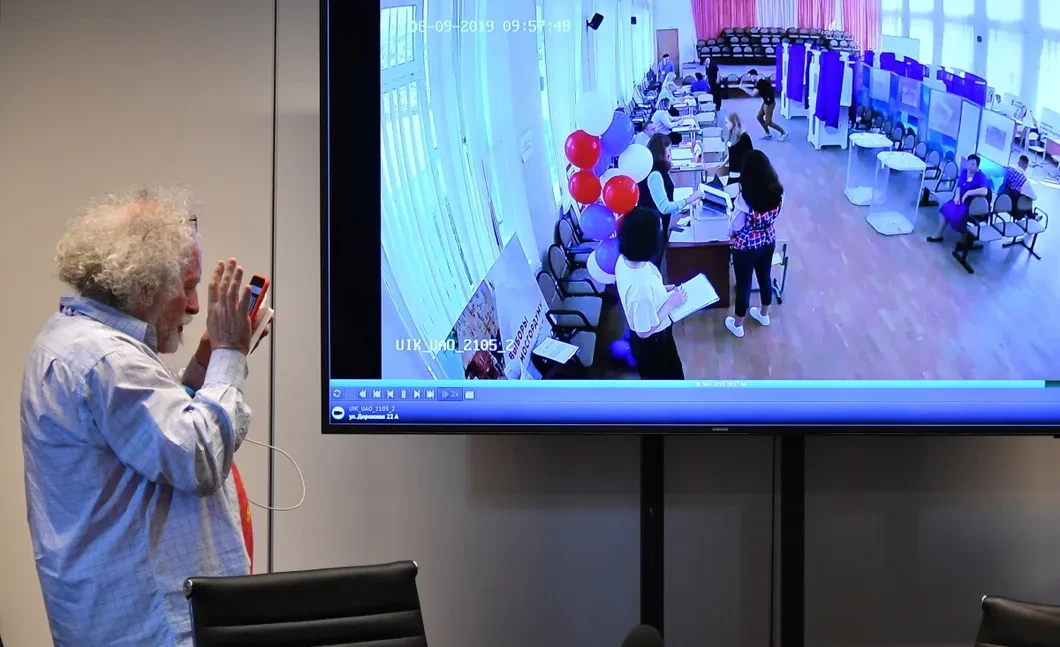
Один из таких экспертов — Исавнин — рассказывает, что недавно техническая рабочая группа заседала по поводу предстоящего всенародного голосования по поправкам в Конституцию. «Айтишники подготовили техническое задание с более жесткими требованиями, понимая, как нас обманывали тогда, но потом эта тема сдулась, да и сама она, по сути, при чем-то, что при чем-то, что еще при чем-то, то есть вообще ни о чем. Вы же видели, что устроил ДИТ Москвы с выдачей пропусков. Вот и на выборах в Госдуму будет технический ад», — уверен эксперт.
Кстати, Венедиктова в Штабе по наблюдению за выборами в Москве уже нет.
Он взял самоотвод: «ЦИК приняла такие параметры наблюдения за голосованием по поправкам в Конституцию, что, на мой взгляд, никакое эффективное наблюдение невозможно. Неправильно, что отстранены от наблюдения политические партии и общественные организации, неправильно, что все замкнуто на ОП. Мне, конечно, это лестно, но мы всегда были агрегатором разных политических сил, отчего и было к нам доверие, а теперь мы как будто назначены».
Оппозиционные политики в Москве оценивают опыт электронного голосования крайне негативно. Большинство из них в 2019 году до выборов не допустили, но продолжение (а значит, очевидно, и расширение) эксперимента они считают еще одним вариантом для фальсификаций. Юрист ФБК Любовь Соболь , которую на выборах в Мосгордуму осенью 2019 года не зарегистрировали, уже объявила, что пойдет в 2021 году в Госдуму в центральном округе Москвы.
«Этот эксперимент полностью провалился, и, конечно, распространять его в таком же виде на выборы в Госдуму — это просто беззаконное и несправедливое решение. Я выступаю активно против этой процедуры, потому что система голосования работает со сбоями, во-вторых, ей нет доверия, потому что никто не понимает, действительно ли человек голосует сам или по принуждению, а в-третьих, невозможно эти результаты потом оспорить в суде», — сказала Соболь «Новой».
По ее мнению, это часть подготовки власти к борьбе с «умным голосованием», которое помогло избрать в Мосгордуму оппозиционных депутатов. «Они готовятся к тому, чтобы провести на выборах в Госдуму угодных им кандидатов. При этом они, конечно, не хотят повторения протестов, которые были летом в Москве, и хотят красивыми словами вроде электронного голосования прикрыть тот беспредел, который они собираются учинить. Хотя «Единая Россия» не представляет большинство населения, им нужно большинство в Госдуме, чего они собираются добиваться созданием мелких партий, которые будут оттягивать голоса, отказом в регистрации неугодным кандидатам вроде меня, Дмитрия Гудкова или Ивана Жданова. А если часть оппозиционных кандидатов зарегистрируют, то будут фальсифицировать итоги через электронное голосование», — говорит Соболь. Она, впрочем, все равно собирается принять участие в выборах, потому что «100% голосов все равно не смогут сфальсифицировать».
Эпидемия и массовость
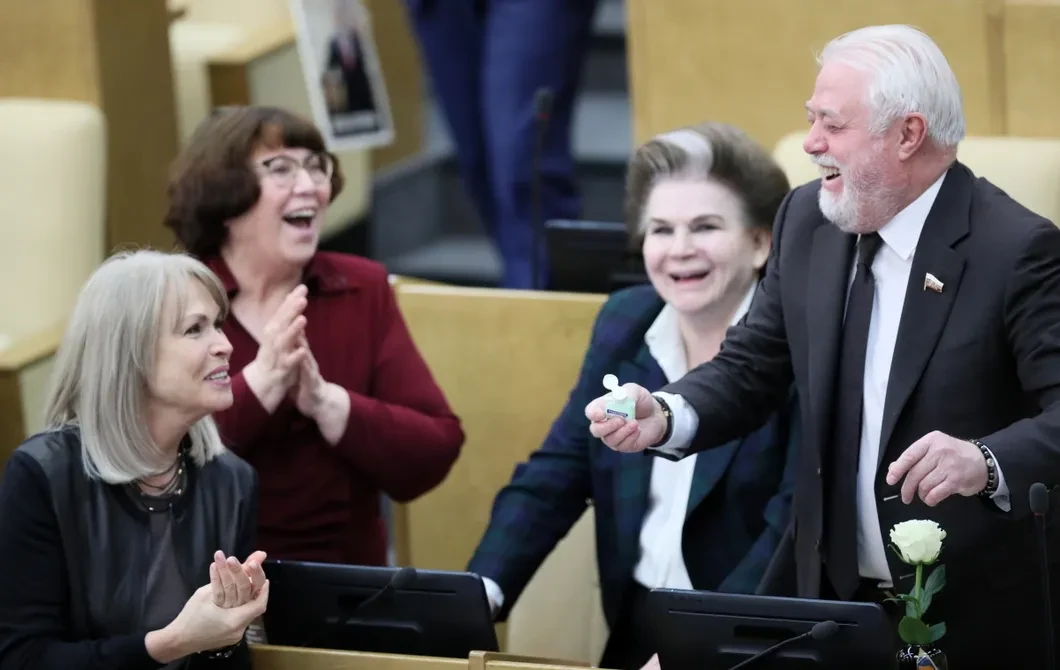
На московских выборах в 2019 году в электронном голосовании приняли участие чуть больше 10 тысяч человек. Немного, но эксперимент проводился только в трех округах, да и эпидемия коронавируса, уверены эксперты, внесет свои коррективы. «В Польше выборы президента в мае хотят провести полностью по почте, хотя это очень сомнительная процедура. После эпидемии инструменты дистанционного голосования будут более востребованы, так как люди привыкнут коммуницировать с государственными органами, другими сервисами и службами, работодателем и между собой. Все это капает на мельницу электронного голосования», — говорит Мельконьянц.
Эксперт Исавнин обращает внимание, что сейчас всех москвичей «заставили зарегистрироваться на портале Mos.ru для получения пропуска». «Есть надежда, что новые депутаты Мосгордумы могут как-то помешать использовать систему так же цинично, как это было на выборах в Мосгордуму, но число голосующих и, соответственно, число фальсифицированных голосов точно вырастет», — считает он.
Венедиктов и тут никакой проблемы не видит, сомневается, что число голосующих дистанционно сильно вырастет, но тут же сам приводит противоречащую своему мнению статистику: «Мы провели в Троицке исследование, и 72% голосовавших — это те, кто уже постоянно пользуется электронными сервисами, кто уже привык не шарахаться от автомобиля как от дьявольского изобретения».
— Значит, провластный электорат будет почти на 100% приведен на выборы в Госдуму.
— Ну, пусть кандидаты [от оппозиции] приводят непровластный электорат, если, как многие считают, такой много где в большинстве. Мобилизация зависит не от электронного голосования, а от кандидата, а инструмент — это удобство. Господин Юнеман бы выиграл выборы, если бы не отпугивал людей от электронного голосования, не говорил им ни в коем случае не ходить туда голосовать. В результате, естественно, его избиратели не пошли туда, и он проиграл.