
Translated material
Digital danger
On the need to create a public commission that controls the use of digital technologies by the state
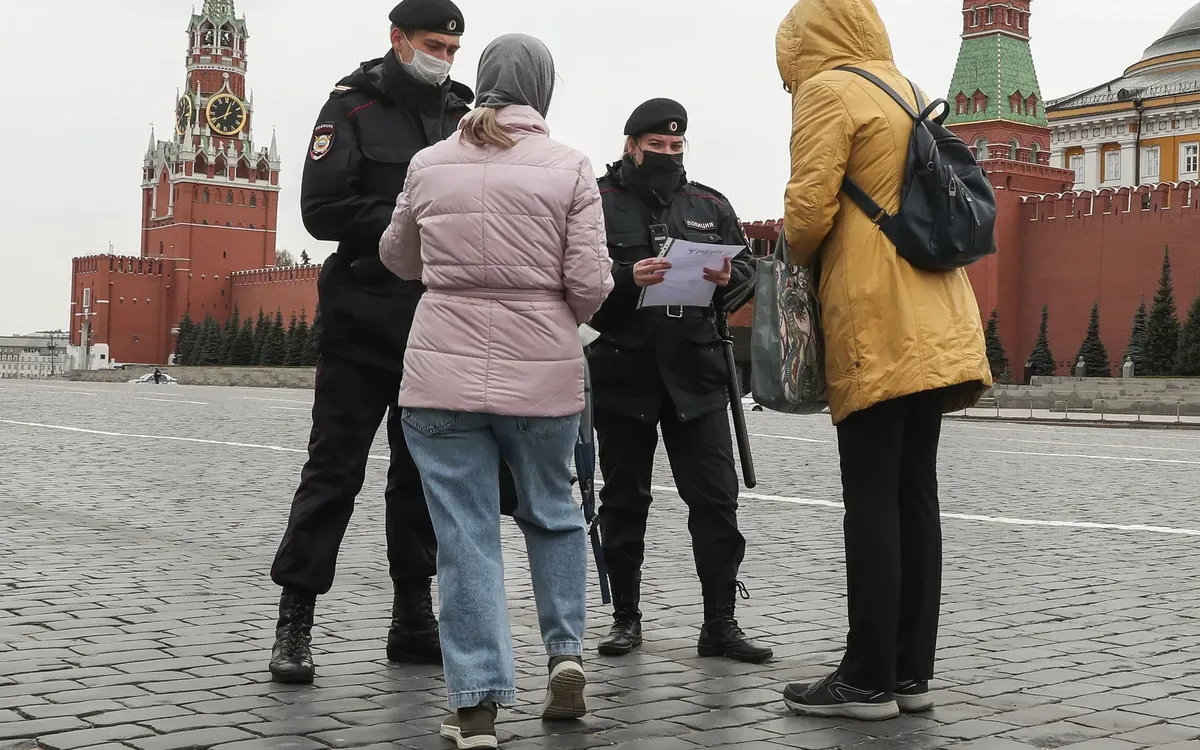
In the fall of 2013, as a deputy of the Legislative Assembly of St. Petersburg, I submitted a bill to the city parliament, which provided for amendments to the Federal Law “On Police”.
According to this initiative, in all premises of the police, as well as in all police vehicles where not only law enforcement officers can be located, permanent video recording systems must be used.
It was assumed that video surveillance will become an important source of information during preventive or investigative measures, as well as in resolving controversial issues arising during the communication of police officers with citizens. In other words, any contact of the police with the population would be under external control. In order to maintain the secrets of the investigation and operational measures, access to these records was supposed to be regulated by a special solution.
However, their very existence, official status, and the possibility of presentation in courts would control the actions of the police against citizens, would make these actions to accountable society. In the St. Petersburg Sachs, one voice was not enough to adopt the bill. In May 2016, this legislative initiative was officially entered into the State Duma. However, they did not consider the bill there.
Four years have passed. In April 2020, against the backdrop of an epidemic and an impending socio-economic crisis, the Russian authorities, realizing that he was ripening serious dissatisfaction with the state of affairs in the country, went in the exact opposite direction.
The government prepared amendments to the law “On the Police”, which will allow the police to open cars at their own discretion, block and cordon the territories, residential buildings, buildings.
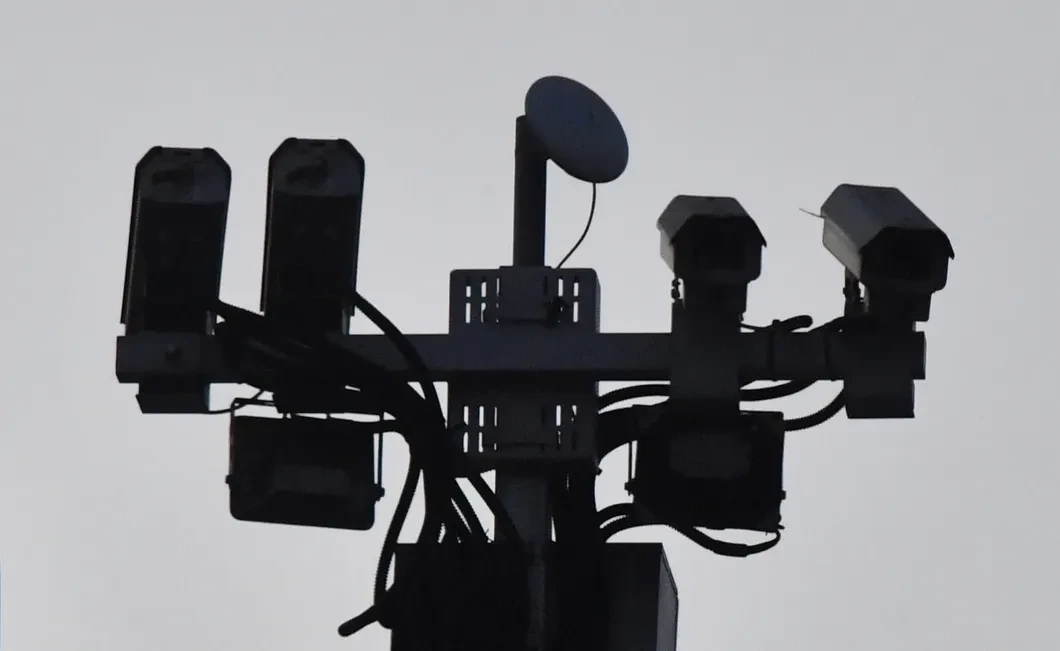
According to amendments within the cordon borders, police will receive the right to conduct a “personal inspection of citizens and things located with them”, as well as inspect vehicles. Moreover, the bill grants the police the right to use weapons if the citizen committing “actions that give reason to regard them as a threat to the attack on a police officer” (recall the events of last summer in Moscow).
Finally, the amendments of the government forbid to punish the police for actions committed "in the performance of duties."
Thus, after the adoption of amendments, police will be able to do almost everything: to cordon, block, search, open cars in the absence of the owner and even shoot to defeat,
If one of them seems to be attacked by him, completely uncontrollably and legally impunity.
The allocation of the police with increasingly uncontrolled powers only part of the danger impending on society. Already, it is not a society that controls the actions of the authorities, police and special services, but rather, the authorities, the police and special services vigilantly monitor society: electronic passes and video are introduced.
Before our eyes, the Russian authoritarian regime, which almost monopolized the media with the actual absence of an independent judicial system and the separation of powers, is trying to finally cancel the very principle of the rule of law and the constitution.
Now, facing the bankruptcy of the raw material economic model, the regime of the noise of anti -epidemic measures is preparing for the future tools for repression and punitive actions regarding citizens.
Obviously, in modern Russian conditions, the massive use of digital technologies and electronic methods of surveillance and control will lead not only to the growth of banal crime associated with theft of data and various types of fraud (including large -scale and even direct state participation).
A new serious threat in another: through the expansion of the rights of the police to the rights of citizens and the transfer of the latest control technologies to the hands of the latest control technologies, the prerequisites and tools are created, based on and with the help of which at any time you can quite quickly transform the existing regime - into finally closed, antisocial and proto -fascist, with corrupt and ready for absolutely all executors, with adventurous foreign politics and military. militaristic and authoritarian-chivinistic ideology.
This transformation can be carried out both by the current ruling corporation in order to maintain its power position and protect capital, and those (which is even more likely) who will replace them in one way or another (for example, using the so -called transit of power). (About how to withstand such a development of events, see “Louder than the Voice”, “activism and politics”, “Putin amendments and“ zeroing ” - outlawed”, “design of a corporate state”).
Thus, it should be based on the fact that in modern Russian conditions, taking into account the features of the Putin system, digital tracking technologies, including Big Data and artificial intelligence systems, will certainly be used for political purposes to suppress dissenters, oppositions, as well as for commercial raiding.
The fundamental decision that prevents this and other threats is the formation of honest, responsible and transparent power, which can be trusted, including the use of modern digital technologies in the management of the country.
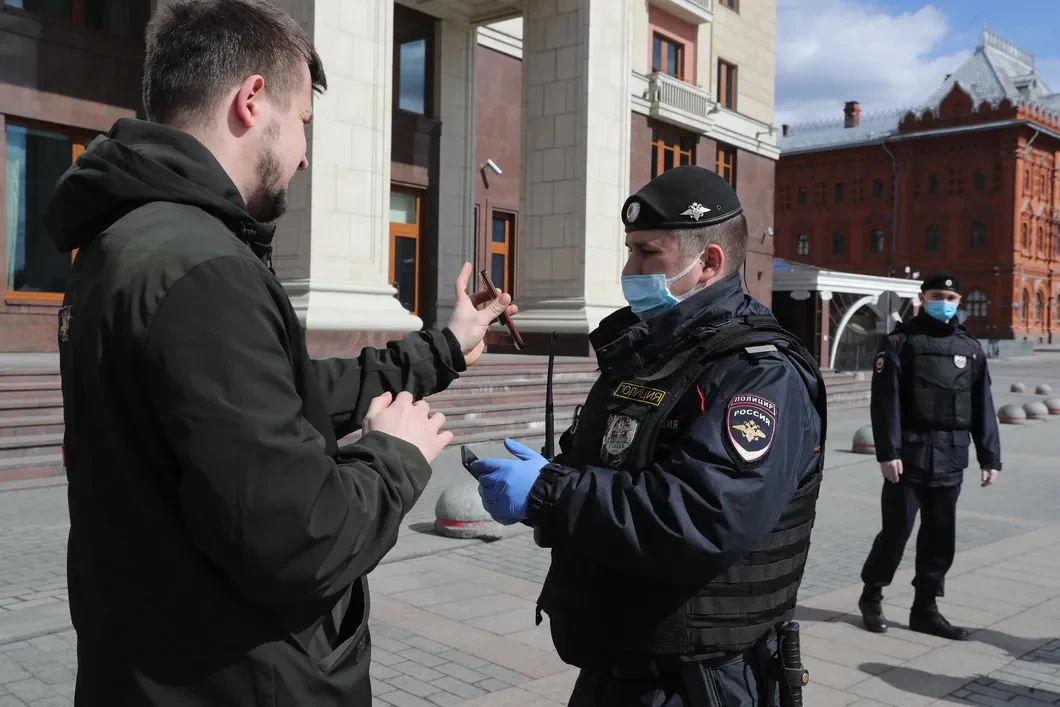
However, even when honest popular power appears in Russia, both parliamentary control and the mechanism of independent public supervision and effective protection against abuse when using these technologies will still be absolutely necessary.
Given how rapidly, the authorities adopt new technologies, rewriting, and in essence, abolishing legislation and the constitution itself, response measures from society should be urgent.
Along with the requirement to strengthen public control over the police and the Russian Guard, including the use of video surveillance, it is necessary to immediately start work on the creation of the Institute of Supervision - the Public Commission for Monitoring the use of digital technologies by the state.
Such a commission should be formed from IT specialists, lawyers, public figures, human rights activists. The purpose of the public commission is to exercise control and demand from the state verified guarantees that digital technologies for tracking individuals and groups of the population are used strictly in the interests of people, in full accordance with human rights obligations.
The commission must achieve the transparency of the measures taken by the state - with the possibility of their detailed study, and, if necessary, change, restrictions or generally cancellation.
In particular, today the public commission should require guarantees that:
collection, storage and reducing the increased volume of personal data, including about the state of health, are carried out exclusively in order to respond to pandemia;
The data collected, saved and aggregated to prepare a pandemic response should be limited in volume;
Work with data should be limited by the Pandemia period;
Data is not used for commercial and any other purposes.
In the future, the public commission should require state bodies to ensure sufficient security for any set of personal data collected and received from any devices, applications using any networks or services involved in the collection, transmission, processing and storage of information.
Declarations of the authorities about the anonymity of the data should be based on evidence and confirmed sufficient information on how this anonymity is achieved.
Complete clarity is necessary regarding what information the authorities collect and what is transmitted to third parties.
In particular, the tracking mechanisms introduced in response to the pandemic should not be included in the scope of responsibility of intelligence services or security services.
In addition, with the help of a public commission, citizens should be able to find out and challenge any measures to collect, aggregate, storage and use their personal data. People falling under surveillance must provide access to effective legal protection means that are to be created.
In other words, today, as never before, it is important that the whole process of collecting and using the state of personal data, tracking the movements of citizens, further storage of this information, and at the same time all the activities of law enforcement agencies are under complete and effective supervision of society.
Obviously, this problem is relevant not only for Russia. And the matter is not at all in the pandemic. The expansion of the use of digital technologies is an objective process, and it cannot be stopped. The authorities of many countries are already using digital technologies for a variety of purposes, including political ones.
Perhaps the time has come to initiate the development and adoption of the World Convention on the Digital Security.
For Russia, this is a matter of not even the near future, it is a question of today.
Because in the conditions of an opaque, unlawful, corporate-authoritarian state, in which the authorities arbitrarily endowed themselves with practically unlimited powers in the absence of any accountability, the use of invasive electronic tracking systems, including obtaining access to the location of mobile communications, critically threatens not only the right to private life, the freedom of expression of opinions and freedom of unification, and the freedom of unification But the personal security of citizens in the most literal sense of the word.
That is why today in Russia it is necessary to immediately create a public commission for monitoring the use of digital technologies by the state.