
Translated material
Defenders of the "blind zone"
The nursing houses during the epidemic became the most vulnerable places of life
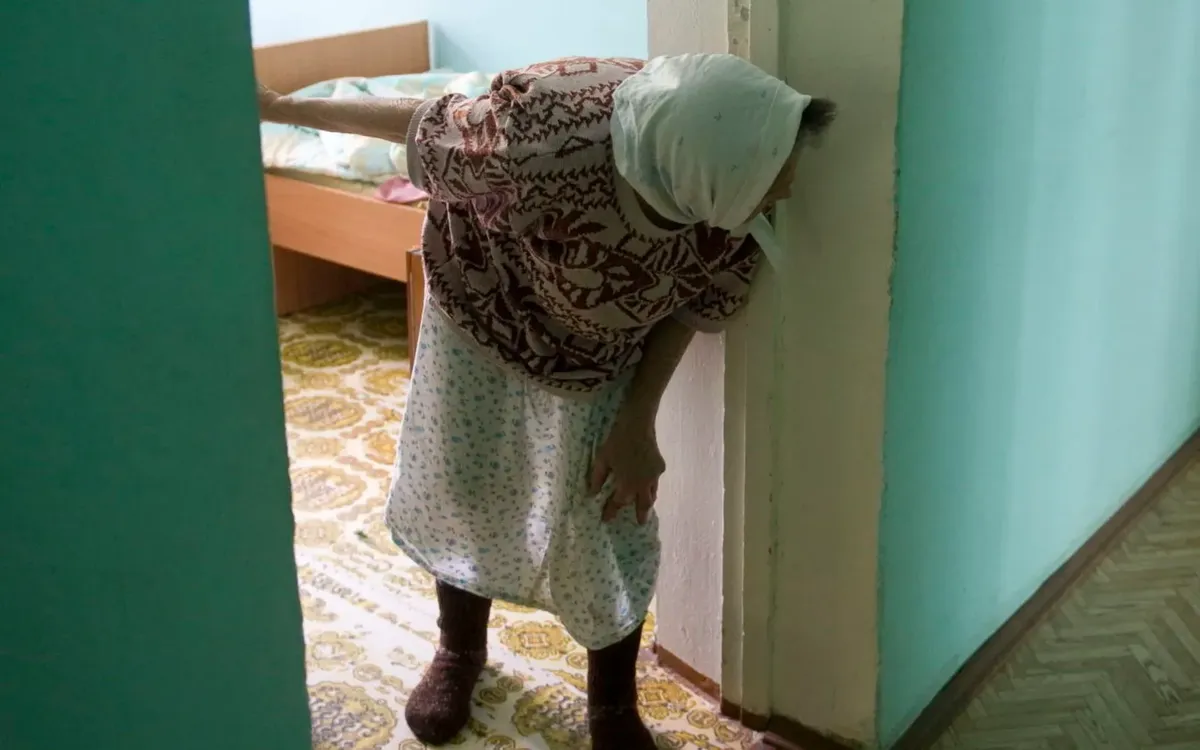
Almost half of all the deaths from the coronovirus registered in Europe falls on the nursing home. In Russia, the first revealed focus was the Vyazemsky House of the elderly in the Smolensk region: in mid -April, coronavirus among residents and medical staff was massively diagnosed there. In a few days, the old people lost their usual departure, and the first to help were volunteers of the Old Age Fund. Elizaveta Oleskin, director of the Old Age in Joy charity foundation, told why the nursing home and the care service in Russia is the most difficult “blind zone”.
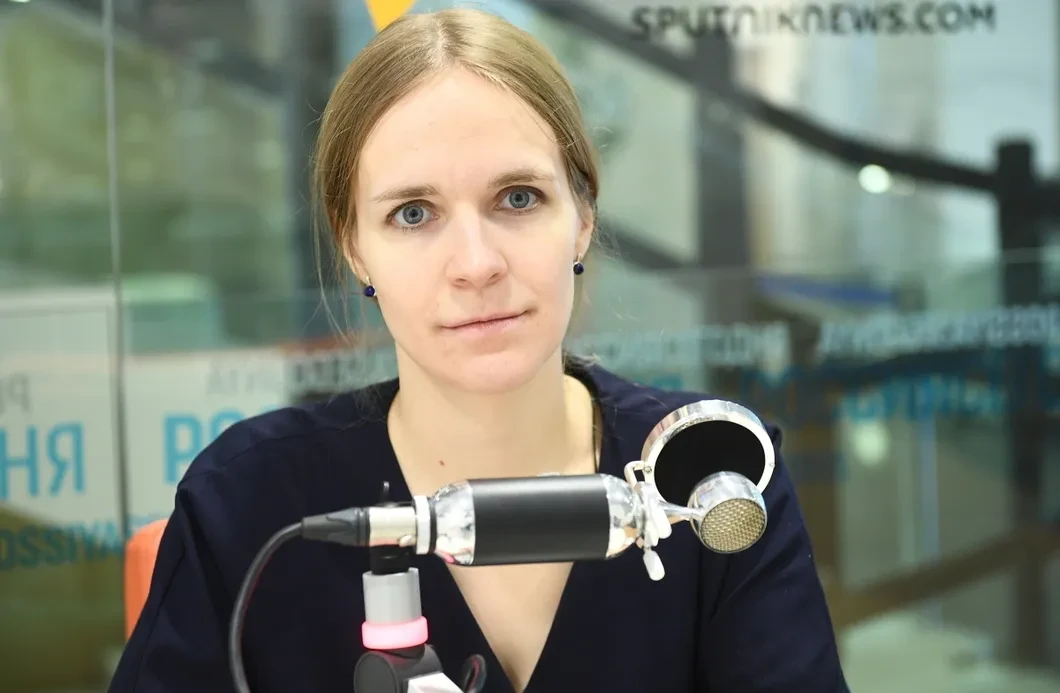
- How many elderly sick people are in Russian houses now? How does this statistics change? Is quarantine introduced everywhere?
- If we talk about the confirmed outbreaks of Covid, then the deputy minister of labor Olga Batalina recently voiced the figure: the sick people are in 16 nursing houses and PNI in 7 regions. We also know about all these cases. But since the situation is changing daily, I think that there are already more these cases. Worst of all, when we are faced not with the difficulties of accounting, but with the unwillingness of the administration of houses to tell the truth. In my opinion, the concealment of cases of the disease, when according to the leadership, people are massively ill “just SARS” or “we had one case, but we quickly isolated, now everything is fine”, and the like, deprives people living and working in these institutions, the opportunity to get timely help.
The experience of countries passing the epidemic before us showed: with
Talmar institutions for the elderly and people with disabilities everywhere become the foci of the epidemic. Everywhere!
WHO published statistics. Almost half of those who died in the world from coronavirus - tenants of nursing houses. I don’t know what other evidence we need to understand the whole severity of the threat?
Quarantine in the homes of the elderly, and this must be understood, two types: preventive isolation and isolation during the covid outbreak. Most of the stationary institutions of social protection for the elderly and disabled people (in the country there are more than 1300 plus similar institutions subordinate to the Ministry of Health) has already re -isolated. And this is good, although not a panacea, alas. Well, in those that became the foci of the epidemic, other measures of insulation, quarantine are introduced. Significantly more complex and laborious.
- The biggest problem now in healthcare is an acute shortage of health workers. And in the houses of the elderly what is happening?
- For understanding. We have social workers who provide social services at home, and employees of stationary institutions of social protection. Now, if we talk about everyone together, then in the “peaceful” time we had a serious shortage. The social sphere, like healthcare, survived optimization. The vulnerability of the “Socialist” is also that it is funded from regional budgets, and therefore, in the subsidized regions with staff, it is very bad. When three years ago we started a pilot project on a long -term care of older people and disabled people, there were one nanny for 25-30 bedridden, low -mobility in the country's home and PNI houses. Sometimes the ratio was 1 to 50. For three years, we achieved a joint efforts that the recommended ratio in the hospitals is now 1 to 8. But this is only the recommendations of the Ministry of Labor, and so far it was possible to achieve mainly in the institutions of pilot regions.
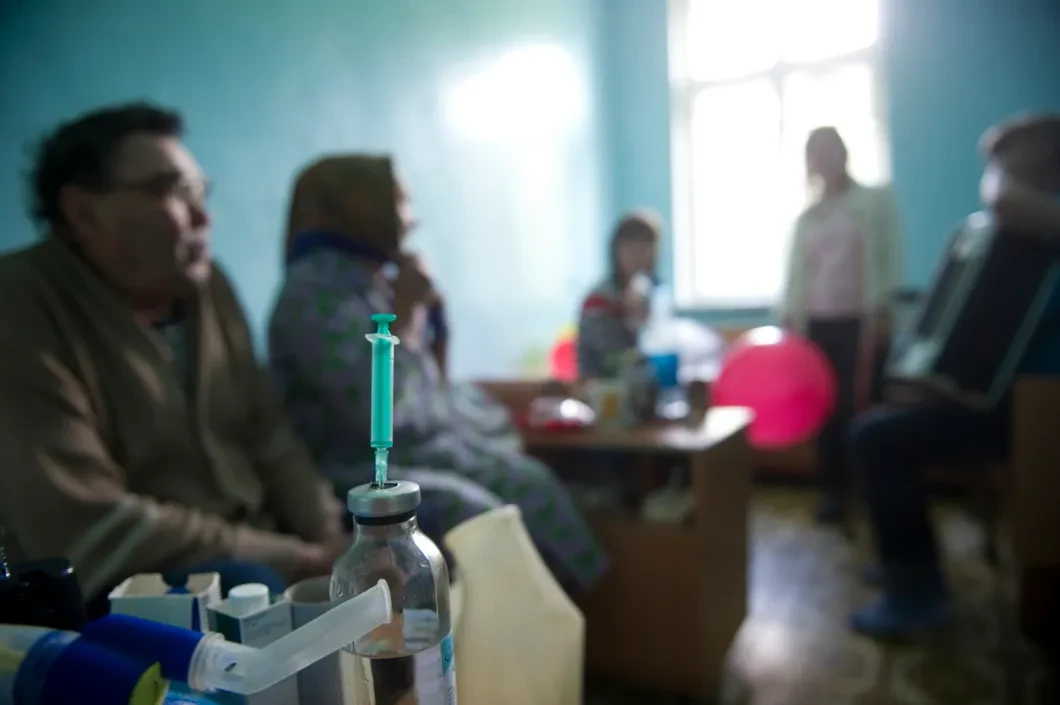
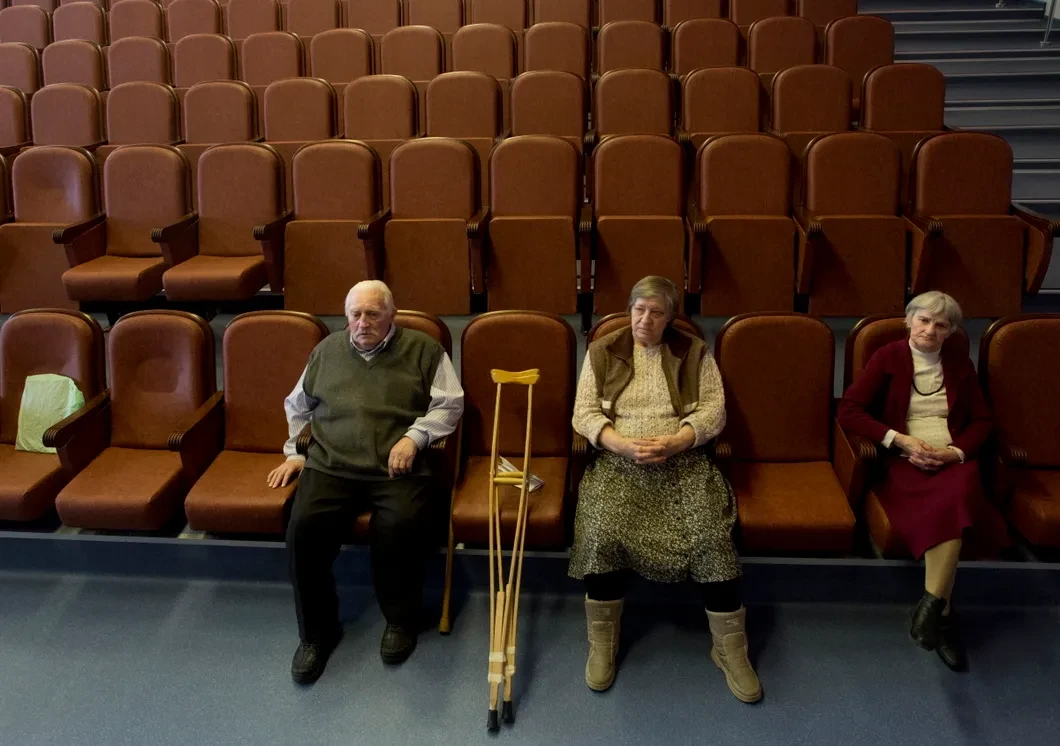
The current situation has aggravated the problem. Now, on the one hand, many social workers have dropped out of the workflow: someone has gone to sick leave, someone for self-isolation (more than 65 years old). On the other hand, the number of people in need of help critically increased. There was a massive identification at home of those who simply did not contact the social protection authorities before, coped with their own forces or with the help of relatives. The total number of people in need and accompanying people, according to our assessment, may exceed two million people. And among them are more than 250 thousand older people and people with disabilities living in the homes of the elderly and PNI.
It should be borne in mind that in order to ensure quarantine in hospitals, it is necessary to close institutions with employees.
For this, a shift is made for 14 days, and somewhere for a month. That is, if you did not have enough staff, now you have divided it by two and took half to the same amount of work. If we imagine the real life of the employees of these institutions, we will understand that some of them are single mothers, the unit has elderly parents, part lives mainly to their economy - accordingly, they cannot isolate it in any way. The inevitable should also be added: some of these people are already carriers of the virus, and if the tests are held on time, then they are not allowed to the watch. Well, there is a part of people who are simply not ready to risk health and life.
So if you evaluate everything, it turns out that we are now a very large shortage.
Well, in those institutions in which there are and, alas, there will be a hearth, almost all employees will get sick. And not only because now there are no sufficient amounts of SIZs ( personal protective equipment. - N. Ch. ), But also because such an institution will actually be a field hospitals. We already know how difficult it is to protect doctors. There will be the same thing.
- What resources could help urgently solve this problem?
-Extra, we usually happen to something bad. Rather, we should think about the sufficiency of measures so that they help the maximum number of people.
Now in the regions of everyone they can, in the houses of the elderly, PNI and the homeless services, are put "under the gun". They connected volunteers, neighboring communities that help with the delivery of products, drugs. A certain number of children and young children is able to pick up temporary residence apartments from institutions and apartments from institutions during the epidemic. But this will not solve, alas, problems.
What else can you do? A few days ago we sent requests to the Ministry of Defense, the Ministry of Labor and the Ministry of Health with proposals to attract army units and the Ministry of Emergencies. We were based on those measures that were already undertaken in the world to support boarding schools. Their forces can be disinfected by those boarding schools where infections are confirmed. For example, in the Vyazemsky House of the elderly, the military put a tent-sales-saving tent. You can send experts to help correctly dilute clean and dirty areas in institutions. You can make mobile hospitals next to large hospitals. In general, of course, I would like the army and the Ministry of Emergencies to be attracted at the stage when they can help alive. And I would not have to go through the terrible experience of Spain. Let's see what decisions will be made.
Well, the main thing that we are talking about all the time is necessary for emergency financial support for social services by the state. Now there are quite correct recommendations of the Ministry of Labor to support employees of social protection that work in the conditions of the epidemic. But it is obvious that the subsidized regions will not cope with this task themselves.
Although I am the director of the charity fund, and we started with volunteer work and continue it, I will not say that
You can save the situation exclusively in volunteer enthusiasm.
Institutions need people who have professional experience in leaving the elderly, behind people with mental disorders. And it requires skills. And at the time of infection, nurses are also needed in a larger number, than usual, and doctors. These people will have to go to the institution for at least 14 days. This is work, not help in their free time.
The same is at home. If you need to care for a person lying after a stroke, for a demented elderly woman, this must do an experienced social worker, care assistant. Especially in conditions when all precautions must be observed.
Of the interim measures that are not related to personnel, it is urgent to resolve the issue with SIZs for social protection. Recognize that this is the same priority as doctors.
Already now, according to the experience of the Vyazemsky House of the elderly, we can say that you will need to turn boarding schools into field hospitals. This will not take weakened people to hospitals without real reasons. And hospitals will not stand if 50-100 people will immediately take them from some major institution. Even 20-30 people for regional hospitals are a problem. But it is even more important that the transportation itself already weak, sick, elderly people already worsens their condition. And the fact that hospitals are not adapted to care for such patients, makes the risk of a bad outcome for them many times more. It would be better to be able to make everything necessary for them as much as possible in the boarding school itself.
- What is most often contacted by the fund?
- “Now” is the concept of extensible. From the beginning of the epidemic, we received an annual norm of requests for help with diapers and means of care, precisely because on the supply of the necessary quarantine it was immediately and not in the best way. Then many institutions ask for chlorine -containing disinfection, personal protective equipment not only because they have no money, but also because no one went to tenders, there was not even the only supplier. In the last couple of weeks, we have become a wholesale supplier of caskets, dummies and microwaves. It turned out that there was nothing to sleep on and there was nothing to sleep on the staff in full insulation.
At the same time, we do not cease to help with the payment of additional personnel in wards of the elderly houses with whom we worked before the epidemic.
And now we begin to urgently pay for additional personnel in those regions where the situation has worsened.
Still, since we have a large project on video forces in the nursing homes and PNI “We are nearby”, we purchase tablets, laptops, pay for the Internet. Otherwise, it is simply not everywhere to organize this video forces. And people now really need a constant connection with the outside world so that the insulation of institutions does not cut them off from life.
Even institutions need legal, methodological, psychological assistance.
We have a hot line for the elderly who live at home. But here, like all hot lines, everything is being addressed and about everything. The situation is very difficult for many, many people.
- Where is the most difficult now?
- I don't know how to evaluate. Those who are suffocating in intensive care and especially out of resuscitation. Doctors, all hospitals. Those who lost their jobs and do not know how to feed children. Migrants. People living on the street.
I can say about the pain that gnaws me and my colleagues. This virus has visible victims. And those whom he kills stealthily.
We all now see the "red zone." We are rightly afraid to get seriously and die from Covid. And we see the heroic efforts of doctors who save the sick. But we have a "blind zone."
We do not see at all that there are millions of people who, due to advanced age, chronic diseases, disability, need outside help. They need care, they cannot live unaccompanied.
Among them, many cannot eat themselves, cannot move. There are a large number of people with mental disorders, dementia. All these people need care and escort, many need this daily. The fight against the epidemic does not take into account their needs. And in this “blind zone”, social protection is just holding defense. The worst thing is for us if we now begin to lose our wards, and this is already happening. Not because their doctors could not save from the virus, but because they did not have enough departure and help.
How to help?
All ways to help the “old age in joy” fund are indicated here.