
Translated material
Why empty cities will not help climate
The coronavirus crisis closed entire countries and industries, significantly reduced aviation and automobile communication, locked the majority of the planet in houses and dropped the demand for oil by a third. The emissions of the main greenhouse gas - carbon dioxide CO2 - will decrease by 8%by the results of the year, the International Energy Agency predicts . Is it a lot or little?
We made the main business media in the country, now we are doing better-subscribe to the email newsletter of The Bell!
A lot or a little?
For the global economy, this is a lot: the reduction in CO2 emissions by 8% is the largest drop of the minimum since the great depression, it is many times more than that observed during the financial crisis of 2008 (3%).
In absolute terms, the figure of reduction is even more impressive - about 3.2 billion tons. This is comparable to the mass of oil, which this year will be obtained all over the world.
But for the planet’s ecosystem, this is very little: 90% of the emissions will not go anywhere, the rebound will follow the rebound, and even a massive transition to remote work will not affect emissions as much as people would like to think, the famous energy analyst ZIC Hausfater says .
People exaggerate their contribution to pollution
Locked in the houses of the victims of the “remote” tend to assume that the whole economy has stopped with them, but this is simply not so, writes the GRIST climate resource.
“I see the main problem that people attach excessive importance to personal consumption, without understanding the structural features of the economy, because of which emissions are actually growing,” says the leading climatologist, director of the Space Research Institute for them. Goddard Gavin Schmidt.
Even if you put the whole world of the world on the joke, this will reduce CO2 emissions by only 20%. In the United States, over the first three weeks of April, gasoline consumption decreased by 43%, airline - by 60%, and diesel fuel by 17%. At the end of the year, this will reduce the total CO2 emissions in the country by only 5%.
Energy and utilities are more than 40% of the world's emissions CO2, however, people working from the house load the nets not much less than the offices. Industry and agriculture give even more than 20%, but it is in these sectors that the share of continuous processes is great, and the most energy -intensity industries like ferrous and non -ferrous metallurgy almost did not reduce emissions, says Schmidt.
Most likely, the maximum in the world and unattainable for other countries will remain a decrease in carbon dioxide emissions by China by 25% at the end of February, Wired notes . “When workers are dissolved in industrial China, the factories stop. In service economies, the staff continues to work from home, simply shifting energy consumption, ”the newspaper writes.
Emissions are not equal to pollution
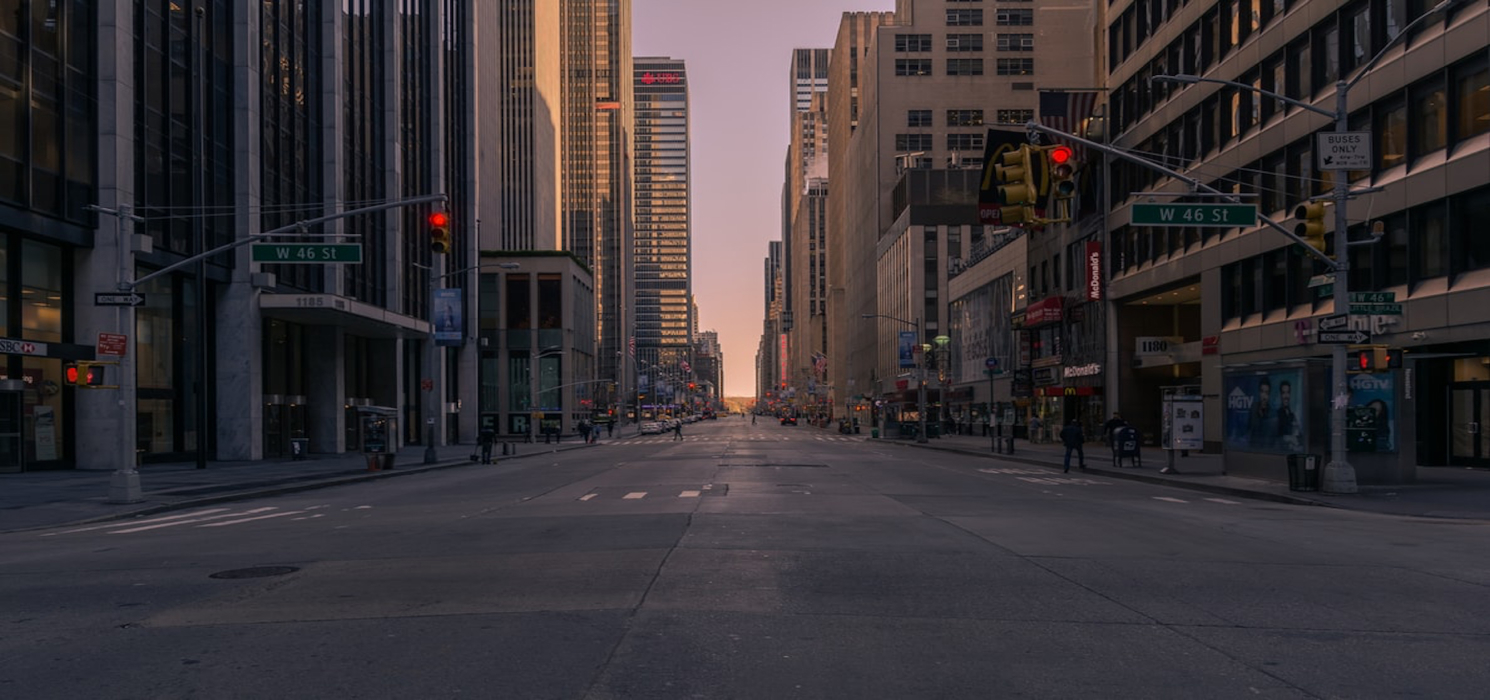
A photo with a dense smog “before” and a clear sky “after” from cities like New Delhi and San Francisco are actually misleading in networks. It is easy to see the streets free from cars, but carbon dioxide is invisible, and the enterprises emitting it continue to work.
Worse, the obvious relationship between the lack of transport and clean air masks other connections: a decrease in economic activity and visible environmentalization can easily enhance global warming. The fact that the components could not only harm health and aerosols, but also cool the planet, is known for a long time. And a recent study showed that a decrease in the formation of “cloud traces” of sea vessels with their transition to low -hearted fuel is quite capable of increasing the heating of the already too warm oceans.
“I am entirely for people to change the car to a bicycle and a train plane. It’s just very little in comparison with the structural components that remain the same, ”says Schmidt.
What's next
The eight percent reduction in emissions in 2020, achieved due to an unprecedented blow to the world economy - is not bad, but not enough from the point of view of the fight against climate change. The problem is that the retention of global warming within 1.5 degrees to the pre -industrial era requires the same decrease every year until 2030.
The concentration of carbon dioxide in the atmosphere at the end of the year will still not decrease, climatologists say , and 2020 itself promises to become the warmest in history. It will be possible to talk about some real victory only after (very doubtful) achievement of the balance of emissions and absorption of CO2 on a planet’s scale.
However, there are more optimistic forecasts. Goldman Sachs analysts believe that this crisis will nevertheless turn the emissions grill of growth at least in the energy sector.
What am I to me?
In self -isolation, it is difficult to enjoy free streets and purified air. In addition, it will end soon. But after universal quarantine, it will be possible to evaluate his contribution and think about what efforts and victims actually require a real struggle with climate change.