
Translated material
Put "sticks"
Why are fines for violation of self -isolation dangerous for the Ministry of Internal Affairs
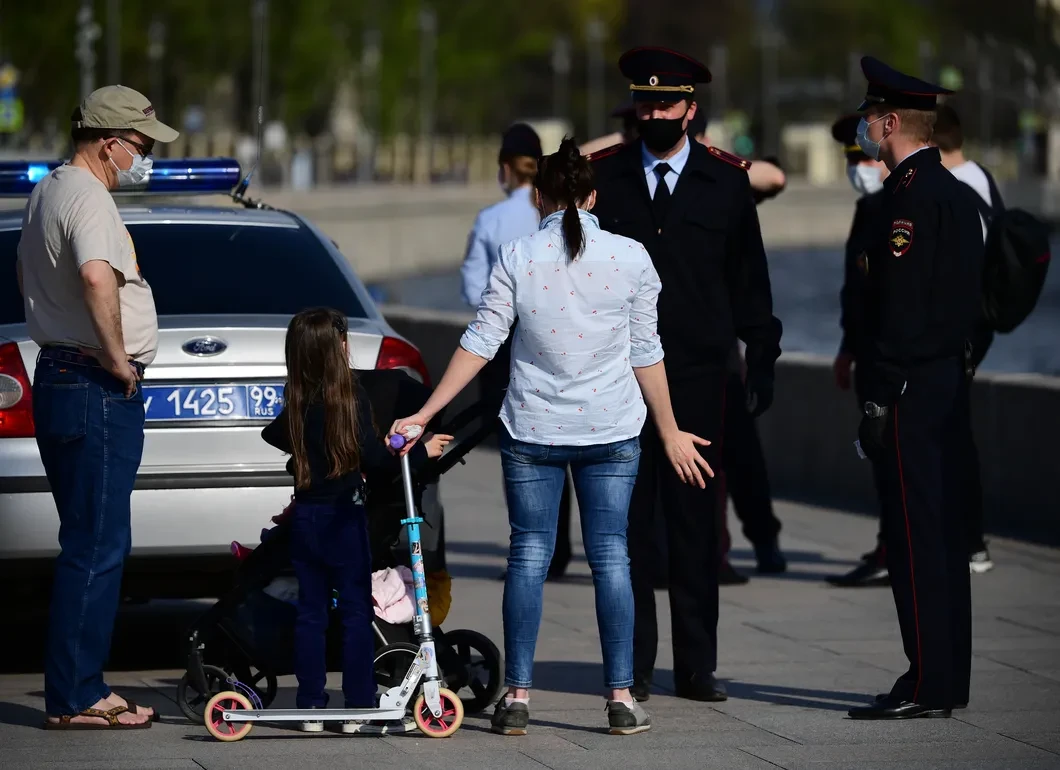
The press service of the Main Directorate of the Ministry of Internal Affairs of Russia in Moscow distributed a message: Moscow police officers have no plans for protocols for violating the self-insulation regime-"Information about the required number of protocols does not correspond to reality."
This message appeared after the scandal with the dismissal of the head of the Novosibirsk district police officer, Lieutenant Colonel Elena Ustinova.
The story turned out to be loud. An entry was on the Internet on which the police officer ordered subordinates for the registration of protocols of violators of the self -isolation regime. The minimum number of protocols that the police are obliged to draw up is also called. The lieutenant colonel allows the manifestation of humanity exclusively to women with strollers and older people.
The scandal in Novosibirsk caused a violent reaction on social networks, where the discussion unfolded that Novosibirsk was no exception that all police patrols have plans for protocols. Including in Moscow. Baza and the “Ombudsman of the Police” even called specific numbers.
According to BAZA, each district police officer is obliged to hand over from two to five protocols daily, each outfit of the second armfill, consisting of seven employees, is allegedly obliged to pass at least 15 protocols after duty.
These numbers do not look believable. In any case, they are somewhat contradicting the words of the head of the Main Control Department of the capital Yevgeny Danchikov, who in an interview with Russia-24 television channel summed up the first results of the effectiveness of the introduction of electronic gaps in Moscow and said that only in the first three days after that the capital was drawn up in the capital for a total of about 50 million rubles.
He named Danchikov and the number of patrolling streets of Moscow. This is about 13 thousand police officers, 3 thousand Rosgvardists and about a thousand combatants.
Obviously, if the patrolling had the numbers of “protocols”, published by telegram channels, the number of “violators” would be several times more.
But it is naive to believe that the “stick system” existing in the Ministry of Internal Affairs is eradicated or somehow did not affect the coronavirus administrative article. Alas, she was, there is and, most likely, will last a long time. And that's why.
Several of my interlocutors, both current and retired officers of the Ministry of Internal Affairs, were not at all surprised by the audio recording of the speech of Lieutenant Colonel Ustinova in front of his subordinates.
- She did not say anything new. But it was surprised that Ustinov was forced to quit. If you fire for "sticks", there will be no people in the police and people. Because “sticks” is almost the only clear and understandable criterion for assessing the work of the same patrolmen, ”the retired police officer shared his thoughts. - If the patrol goes to the route without a plan, it can do anything, but not providing public order. And when passing on duty, he reports that there were no incidents.
- Formally, the plans, of course, were canceled, but informally they remain. And how can they not stay if the figures of plans are approved by deputies of regional parliaments, ”another interlocutor, an officer of the Ministry of Internal Affairs, who is still in the ranks, noted the problem of the regional budgets.
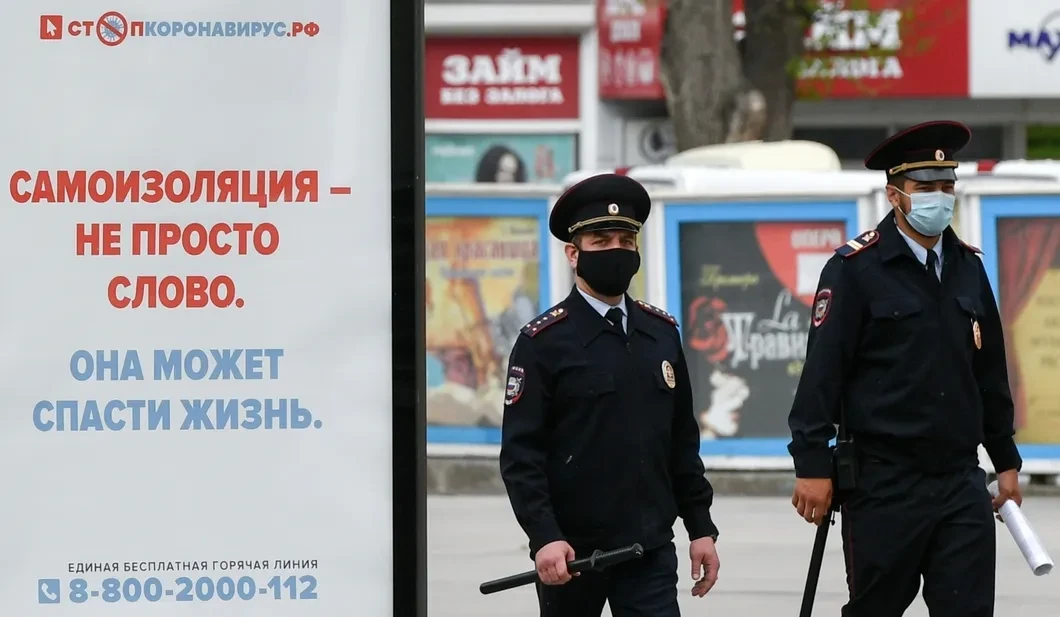
And this is true. The Budget Code has article 64. This article describes where the collected fines are ongoing. And in the budget of any region there is a line that establishes how much money should enter the budget, including from fines in the Code of Administrative Offenses.
For example, the following was laid down in the Moscow budget for 2020: fines should replenish the city treasury for 30.7 billion rubles. Fines for violation of self -isolation, of course, were not provided, but the plan for fines, for example, was already for violation of the rules of the road in the 2020 budget.
“If there is a plan in the budget, it is logical that this is a guide to action for the police,” continued my interlocutor. - There are no crazy people, no one goes to the bank voluntarily paying for a fine if there is no protocol. And note that the police do not write out fines, it only makes the protocols. According to the same protocols for violation of self-isolation, fines are issued in the association of administrative-technical inspections (ATI).
And this is also true.
All protocols drawn up in the capital by police patrols under the article on violation of the self -isolation regime are accumulated in the aty of Moscow.
And already from there they are sent to the building of the Prefecture of the Trinity and Novomoskovsky administrative districts - Moscow, Sosensky Stan, house 4.
It is there, on the ground floor, that the only point of consideration of administrative cases was opened for violating the self -isolation regime.
And I do not have enough imagination to imagine what will happen on the outskirts of the building in the Sosensky camp, if thousands of people on whom administrative protocols are drawn up will decide to personally take part in the consideration of their affairs.
I must say that in the ATI and the police, these “self -insulating” protocols are attribute to euphemisms.
All these cases are recorded as cases of administrative offenses "for violation of requirements aimed at ensuring an increased readiness regime in Moscow." And it turns out that the press service of the Main Directorate of the Ministry of Internal Affairs of Russia in Moscow, having spread the message that Moscow police officers have no plans for protocols for violating the self-isolation regime, did not formally cunning.
What can be planned indicators of what officially not at all? And about the fines for violating the “increased readiness mode”, no one is noisy.
True, the other day, Moscow mayor Sergei Sobyanin made a reservation, saying on the air of the Russia TV channel that all fines for violating the self -isolycycia regime will be aimed at medicine - and, in particular, for the purchase of drugs.