
Translated material
What to do?
Future applicants and their parents were in a difficult situation before passing the exam and future entrance exams
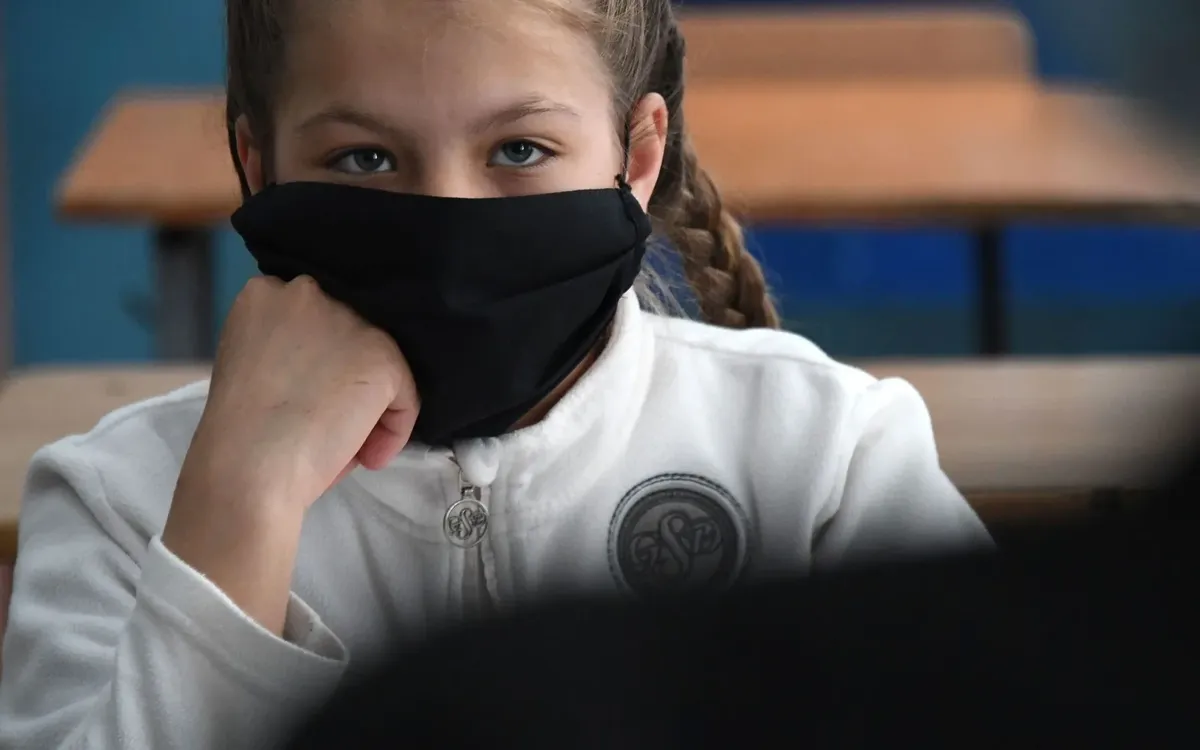
It is nearing the end of the academic year, questions arise about exams, receipt and receipt of diplomas in conditions of restrictive measures related to coronavirus. The answers are gradually appearing, but there are still more questions. The future applicants and their parents were in an extremely difficult situation, which is not nervous due to the unprofitable remote method of passing the exam. And not all universities are trying to enter their position: to find information about the order of receipts is a whole quest.
Schools
The Ministry of Education announced that schoolchildren of 1–8 grades should finish their studies until May 15-16, but "until May 25, additional support should be provided for the implementation of extracurricular activities, general developmental and educational programs." In grades 10, the academic year will end on May 29-30, in grades 9 and 11-June 5.
The final notes will exhibit Moscow schoolchildren on May 15, and from the 18th visit to the online lessons for them free.
From June 8, the exam will begin if no new decisions are made. The abolition of the OGE for nine -graders is still being discussed, but the final decision has not yet been made, and the exams for them should begin on June 1 under a reduced program (two main subjects - Russian and mathematics, within the deadlines determined by the regions).
The Minister of Education Sergei Kravtsov on April 30 on the air of OTR said that he did not exclude the possibility of the abolition of the OGE, but "there is no final decision, I think that in the near future we will formulate this decision, we will once again discuss with teachers and regions and make a decision."
The abolition of OGE is quite logical: almost nothing depends on the exam-neither admission to the 10th grade, nor admission to colleges (the average score of the certificate is important for them).
Schoolchildren lose only the rehearsals of the exam, and the Ministry of Traffic and Rosobrnadzor-one of the instrumental instruments, which it already have a lot.
The only ones who lose in such a situation are schools that select new students in the 10th grades: since they cannot organize internal exams, some of them expected to rely on the results of the OGE and when they cancel it would be forced to think through new solutions.
In general, the wording “the Ministry of Education does not exclude” can be considered as an euphemism of expressions “discusses” or even “plans”, because by the beginning of May almost everything that the ministry “did not exclude” in March and April came true - from the transfer of the exam to the end of the year in remote mode. Well, besides the opportunity to study in the summer. But the abolition of all -Russian verification work, for example, it was excluded - and VPR was not canceled, but moved to the fall, although schoolchildren, teachers and parents would welcome their cancellation.
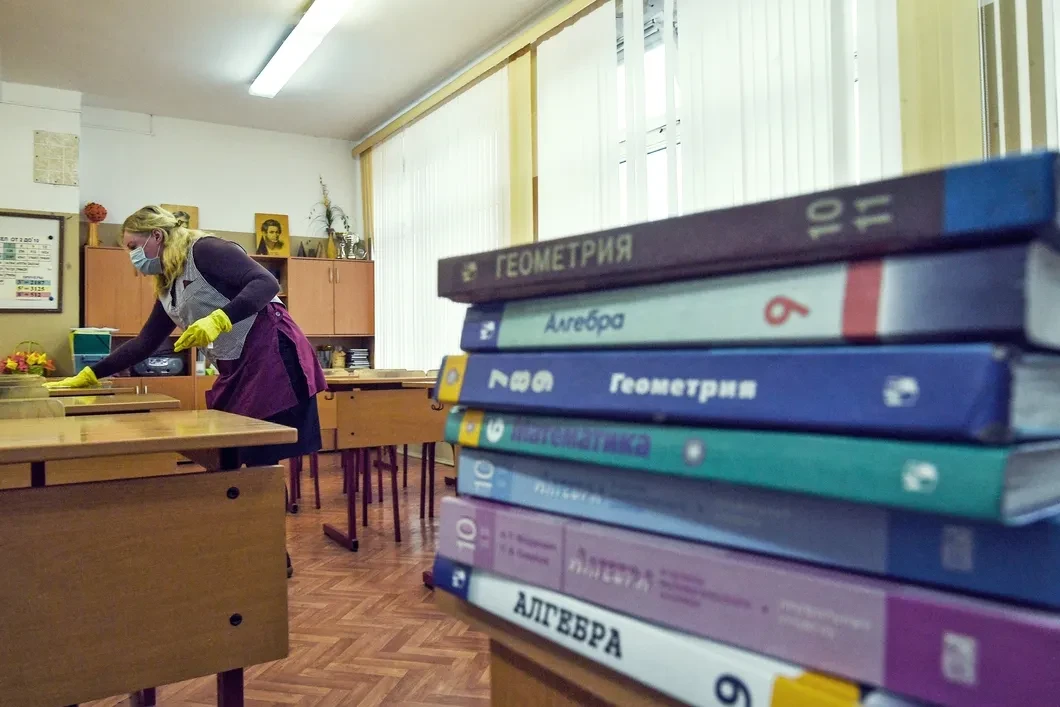
By the way, the ministry does not exclude the re -transfer of the USE. The State Duma Committee on Education and Science proposed to completely abolish it if it was required to transfer to the date after June 8, but the Ministry of Traffic would not go to this.
State universities
The Minister of Education and Science Valery Falkov signed order No. 547 on April 3, which orders the universities to conduct a reception campaign remotely.
This requirement applies to receiving documents, and additional entrance tests in those universities and in those specialties where they are usually carried out (as a rule, these are creative specialties, creative and sports universities, as well as Moscow State University and St. Petersburg State University).
It turned out to be not so simple to find out what they think in educational institutions themselves about the procedure for conducting entrance examinations: universities have gone to the remote mode of operation, and therefore, therefore, the city phone numbers of the adoptive commissions and the press services are not answered, and it is sometimes almost impossible to find the necessary information on the site.
For example, neither on the website of the Moscow State University, nor on the website of its Central Administrative Commission, it is impossible to find any information about the form of additional entrance tests (engine) this year.
Only having moved the sites of the faculty receptions commissions one after another, it is possible to find a fairly intelligible news report on the website of the Faculty of Biology, which states that the movement will be carried out remotely. And on the website of the selection committee of the Faculty of Economics, even a paid simulator of the remote movement in mathematics was found.
SPbSU announced that the move will pass "exclusively using distance technologies."
Actors and directors
Creative universities usually begin the reception campaign before: preliminary auditions usually start in April.
And while other universities are still thinking about what to do, and they hope that by July they will already be removed, in creative, the reception campaign was paralyzed.
April 13, 20 teachers of VGIK, GITIS and Theater Institute. Shchepkina, including a lot of favorite directors and artists of theater and cinema, turned to Valery Falkov and the Minister of Culture Olga Lyubimova with a letter about the impossibility of conducting creative trials for acting and directorial specialties online.
On April 14, Olga Lyubimova discussed the situation with the rectors of creative universities, and on April 16 she turned to teachers, students, applicants and parents with a letter, which nevertheless announced the introductory campaign “in most areas” online.
At the same time, she noticed that in some areas, the Ministry of Culture and the Ministry of Education and Science, together with creative universities, discuss the possibility of full -time tests: “The list of areas of training (specialties) of universities, which will be given the right to conduct such tests in the conditions of restrictions, as well as the terms of testing are currently being worked out.”
However, there is still no such list, as there are no decisions on an increase in the number of budget places, which university leaders also asked for the ministries: in an unclear procedure for receiving and reducing income from the population, it is hardly worth expecting that there will be many who want to study on an extra -budgetary basis. The press service of the Ministry of Culture, unfortunately, has not yet responded to a written request at the time of preparation of the publication.
Meanwhile, some creative universities began an introductory campaign in remote mode. The Moscow Art Theater School, the Schukin and VTU (Institute) Theater Institute named after Shchepkin, is accepted from the video recordings from applicants. VGIK, however, so far only informs of the transfer of entrance tests at all faculties and promises to inform about them additionally.
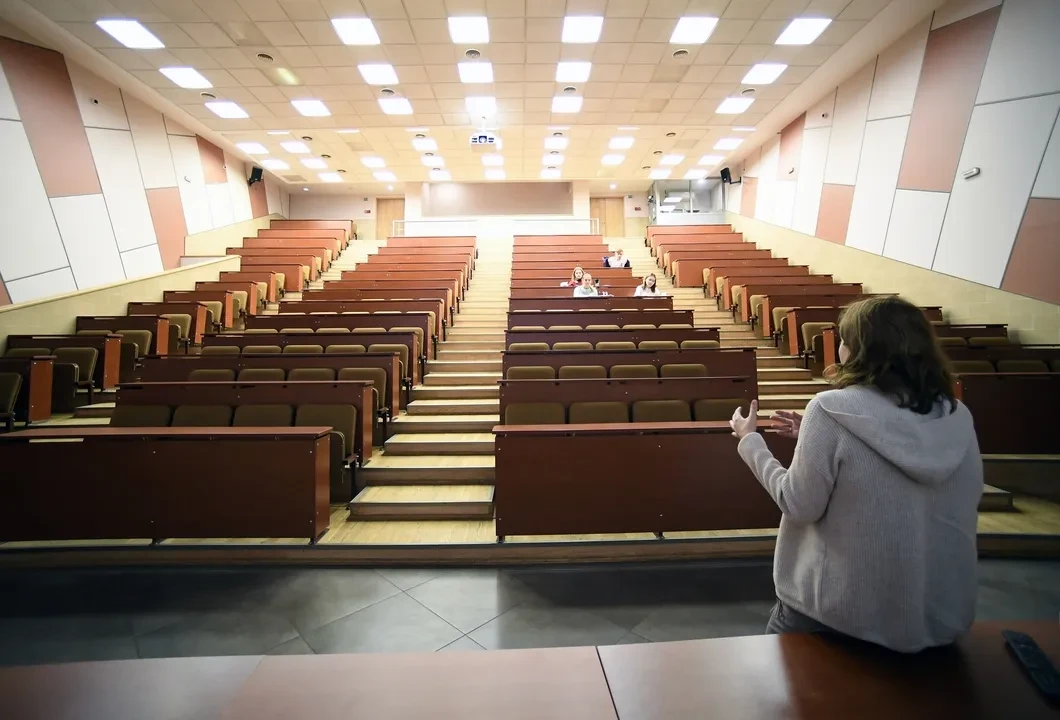
GITIS has not yet told his applicants any specifics; Only Yuri Butusov, the chief director of the Vakhtangov Theater, who is gaining a directorial course this year, found a way to establish interaction with his applicants and accepts written tasks and video messages from them.
According to the rector of GITIS Grigory Zaslavsky, based on the joint sympathy of the Ministry of Culture and the Ministry of Education, it is impossible to conduct a high -quality set of online this year. However, they do not want to completely abandon the recruitment in GITIS.
The rector of the Moscow Art Theater School Igor Zolotovitsky decided to accept video from students at the initial stage. Grigory Zaslavsky polemicizes with this decision: “We understand the circumstances: parents do not want to support the future applicant - amateur entry on the phone, parents want - makeup artist, light and operator are used
But online there is no figure, it is not clear the overall impression, it is difficult to establish speech defects: whether they are fixed or not.
For example, in Norilsk an unstable Internet - and what to do?! How to watch actors? "
Apparently, the leadership and professor of theater universities hope that at least in July, at least the second round can be conducted in person, but for now they act according to circumstances.
It’s not very clear something else: what to do with graduates of this year’s universities, who are pointlessly sitting in self -isolation and cannot work on diplomas. Olga Lyubimova in her appeal noted that universities "graduate from the school year within the time periods established by the basic educational programs of educational organizations in accordance with the approved schedule of the educational process."
But if at an ordinary university state exams and the protection of a diploma is not so difficult to transfer to a remote format, then for actors and directors the thesis is a performance. In recent months, students do not study before the release, but intensively work on the performance and regularly play it. These shows usually come to theatrical and filmmakers, representatives of acting agencies - for graduates this is a real chance to find a job.
In remote mode, universities cannot fulfill their obligations to graduates and, accordingly, cannot let them out. But they can’t keep them at home either.
Artists
There is no clarity with art universities. For example, entrance tests at the Stroganov MGHPA suggest that the applicants who surrender them should spend six days at the academy, working 6-8 hours a day on a drawing, a picturesque canvas or sculpture. It is impossible to do it online. The Academy announced that "entrance tests using distance technologies are not carried out."
St. Petersburg State Art and Industry Academy named after A.L. Stieglitsa is not so radical: she only warns applicants about a possible change in the forms and terms of the Dv.
Graduates of art universities are a little easier than actors and directors. They can work on diplomas in self -isolation mode, but cannot protect them: how to evaluate painting or sculpture online?
With designer specialties, everything is simpler: universities popular with domestic applicants accept creative work in electronic form. The British Higher School of Design in Moscow requires the applicants to provide a portfolio by loading it to Google Disk, write a text about why they want to study here, take part in a zoom-owning and pass the language test.
Those who enter the specialties “Design” and “Fashion” in the Higher School of Economics should independently implement a creative project, transfer it to electronic form and download it to the website of the design school.
Ballet artists, athletes and musicians
How to evaluate the abilities of dancers, singers and athletes remotely, universities are also not very known in universities. One of them directly in the process of preparing this material changed the wording with “tests in remote format” on the website “tests will be remotely”.
Most inform the applicants that there will be changes, but they will tell about them later. The Vaganova Academy and the Moscow State Institute of Culture announced that the move would be remote.
The website of the Moscow Conservatory reports that tests are not carried out remotely. And the St. Petersburg Conservatory repeats the formulation of Olga Lyubimova: a list of specialties for which there will be a full-time technique is “worked out”.
There are no more in sports universities: the Moscow State Academy of Physical Culture and the St. Petersburg NSU named after Leshaft also notified applicants that the forms and terms of testing could change, but this will be announced additionally.
This review is about Moscow and St. Petersburg universities mainly because the applicant flows in them are the largest, and the situation with coronavirus is the most difficult. And there are not so many specialized creative and sports universities outside the two capitals.
However, regional universities solve these problems about the same. For example, the Yaroslavl Theater Institute notifies the transfer of the deadlines for the reception campaign, the Novosibirsk State Conservatory and the Tyumen State Institute of Culture - that distance technologies will not be used to move.
Some creative universities have not at all updated their sections “applicants” since last year, and in the news they prefer to write about the upcoming 75th anniversary of victory and the achievements of their employees.
In secondary educational institutions, where there is a move, there are no anxiety: they have a campaign for admission to August, and by this time something will be decided with the coronavirus, and university experience will already appear. But no one knows how to make this experience.
Everything for the first time, it hurts, everything beats in applicants and family finances. But at a time when no one knows where to get good decisions, the willingness to take responsibility and to talk to people in a human way is very important.