
Translated material
"... because of tears, I at times could not see anything in the viewfinder"
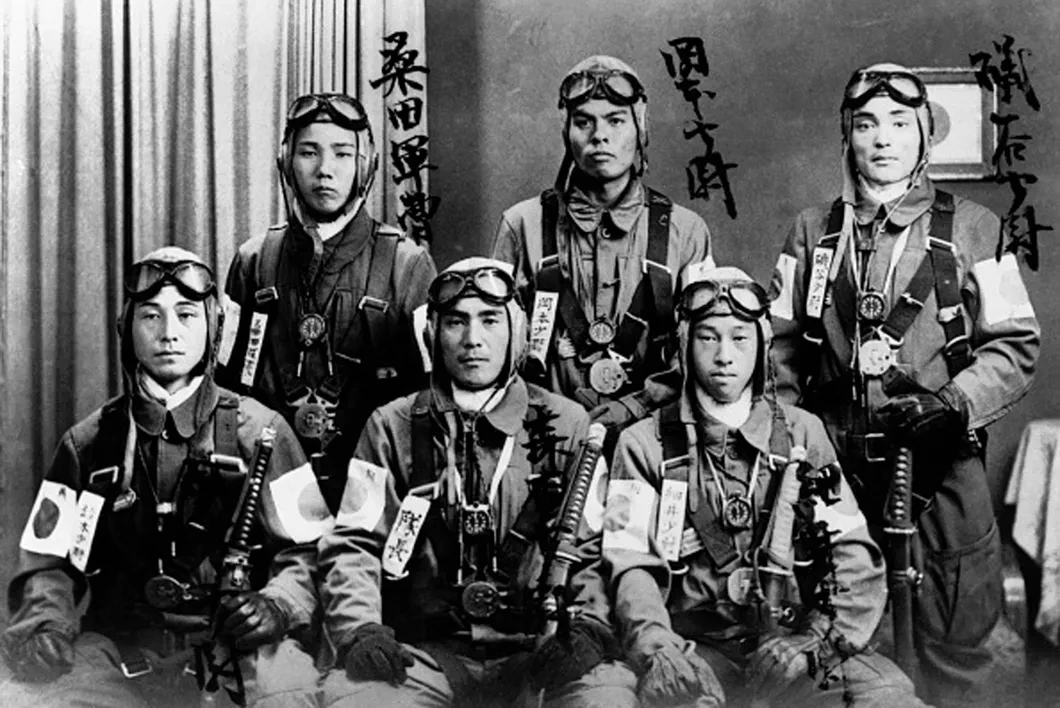
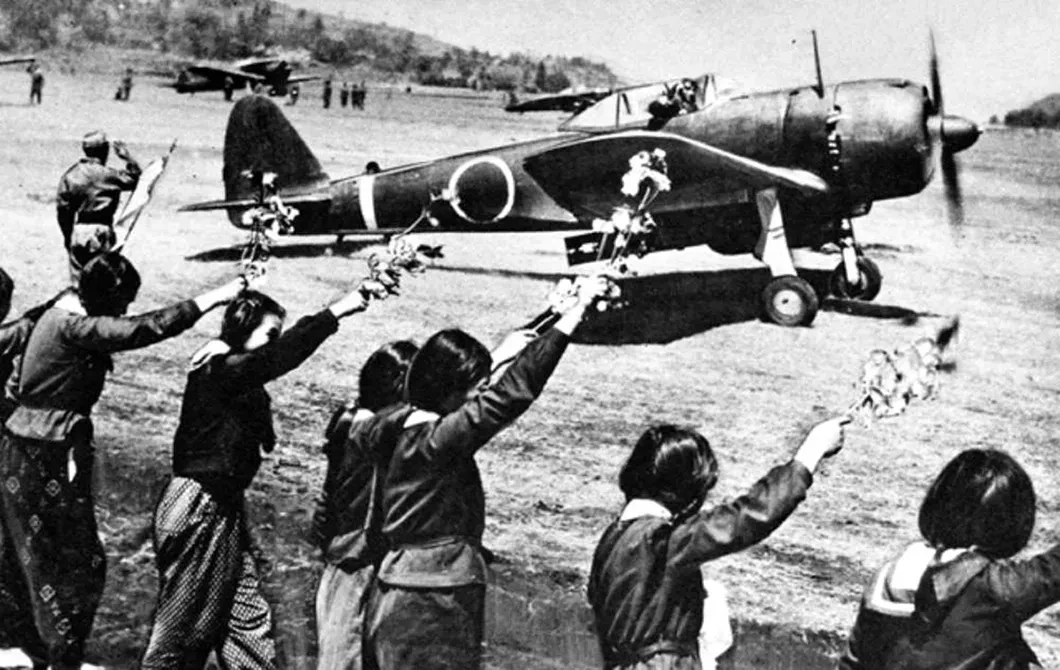
These are pilots of a special shock group. You see Kamikadze
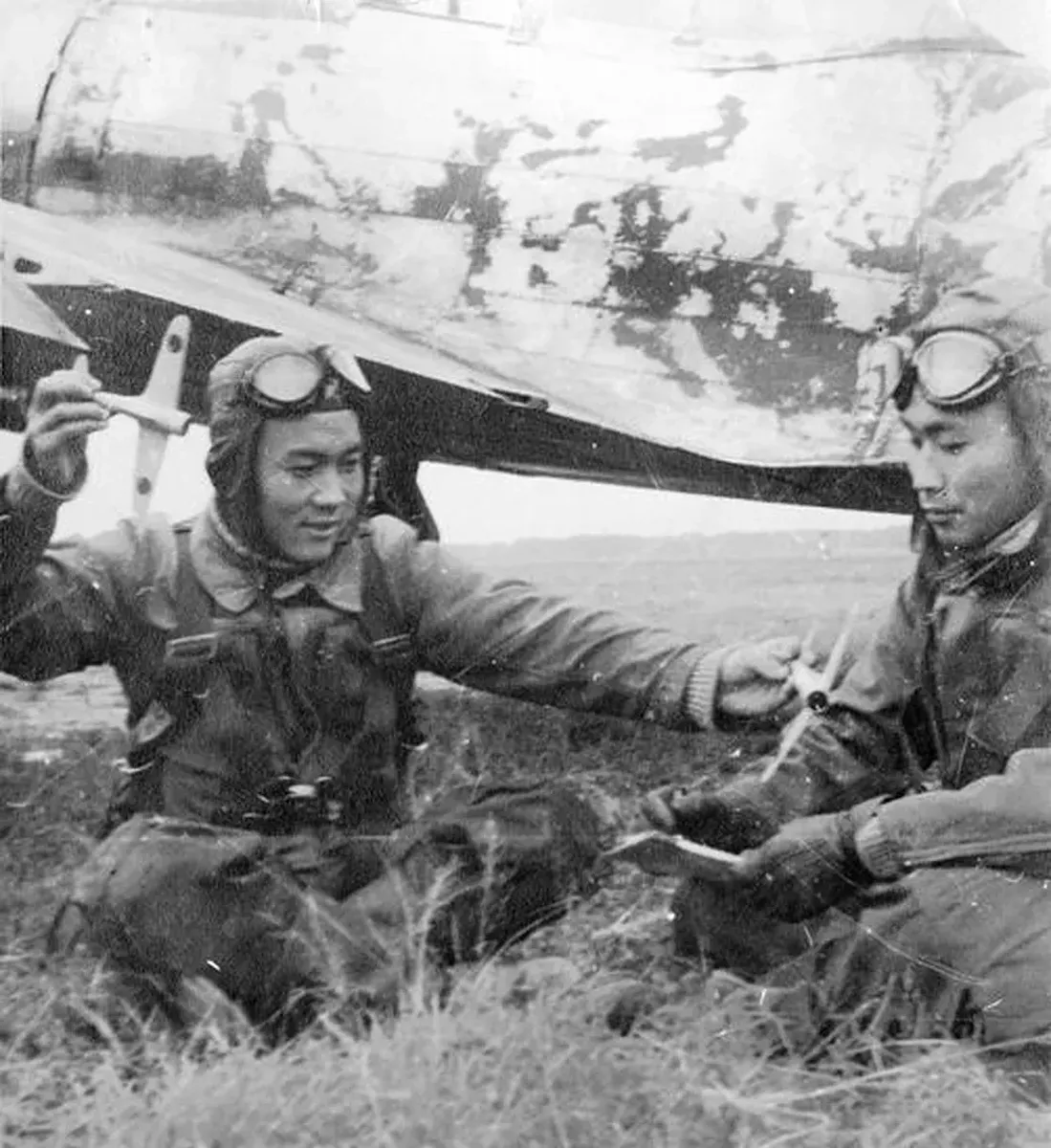
In April 1941, in a solid building built at the beginning of the last century, a strange organization called “Tokhosa”-“Company Vostok” began to work in the Tokyo Center. They began to create it back in 1939, when the General Staff of the Imperial Army invited the employees of the best photographic agencies in Japan to take part in the new visual-propaganda project.
It was about the regular issue of richly illustrated materials both for domestic consumption and for those countries and peoples that Tokyo was going to include in the Great East Asian sphere of converting - a giant conglomerate of Japanese protectors and colonies in the territory from India to Australia. To implement the project, the military authorities slightly shocked large capital - the largest Mitsubishi, Mitsui and Sumitomo corporation in the country, as it were, voluntarily threw up and allocated solid amounts for the implementation of the idea. "East companies" handed over huge stocks of paper, printing houses and equipment unique at that time. The best photographers gathered in her building with an excellent dining room and bar, attracted by solid earnings and rare technical capabilities. The situation there, at least at first, was free and almost bohemian: in the smoking rooms there were disputes about the latest photo monitoring techniques and the prospects of the then almost incredible color shooting then. Specialized magazines from the United States and European countries came to the Special Security Species.
Gallows for unresolved shooting
The photograph in Japan was extremely difficult in those years - for the elite German "watering lines" they asked for prohibitive money, and even the cameras of their own production cost a sum equal to several salaries of a novice employee with higher education. But the matter was not even in money: in the conditions of the dominance of militaristic circles and hysterical spy -farm, any person with a camera looked extremely suspicious, if he did not have an official permission to shoot from the police, and preferably from Campaytai - the horror of military gendarmerie. Since 1937, in Japan, it was legislatively forbidden to take pictures of people, equipment, buildings and other objects, which could even have an indirect attitude to the imperial army and navy, i.e. Almost everything. The violation was severely punished - up to the death penalty.
However, the employees of the Vostok Company had no problems of this kind - it was in the direct jurisdiction of the Imperial General Staff and maintained working relations with Campaytai. At first, it was assumed that this structure would simply rivele propaganda booklets, magazines and leaflets in different languages, but in December 1941 after the victorious blow of Japanese aviation on the US Navy base, Pearl Harbor and the beginning of light territorial seizures in East Asia, everything changed. Many elite photographers of the East Company were turned into military commissars and seconded to the current parts. From the draft in the army, they were liberated as especially valuable specialists.
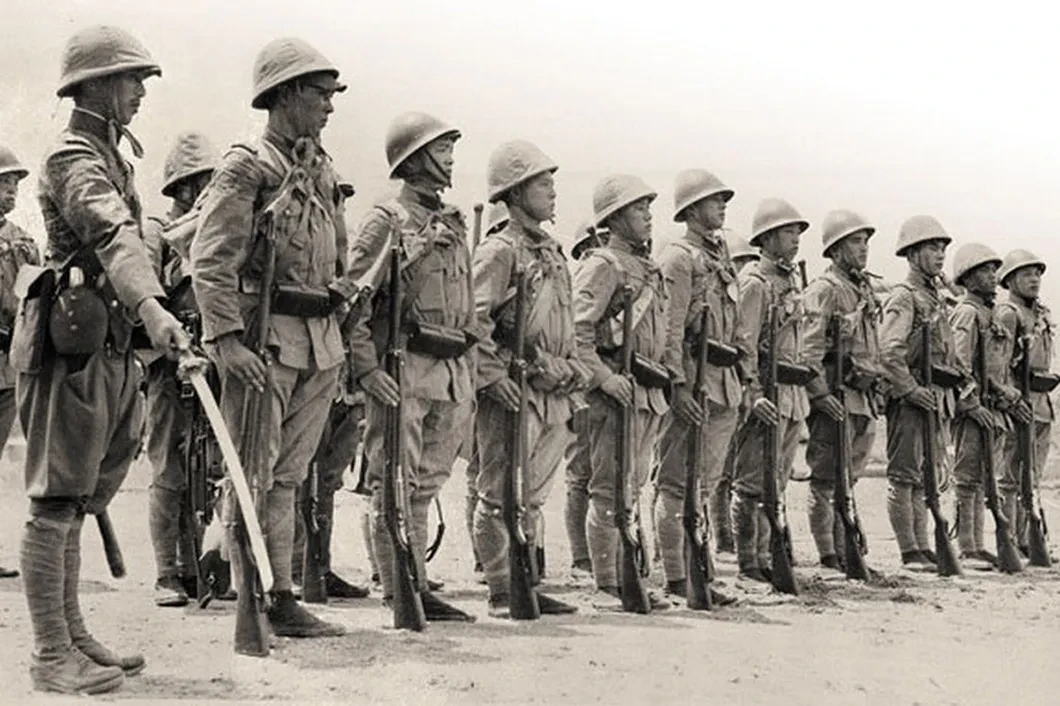
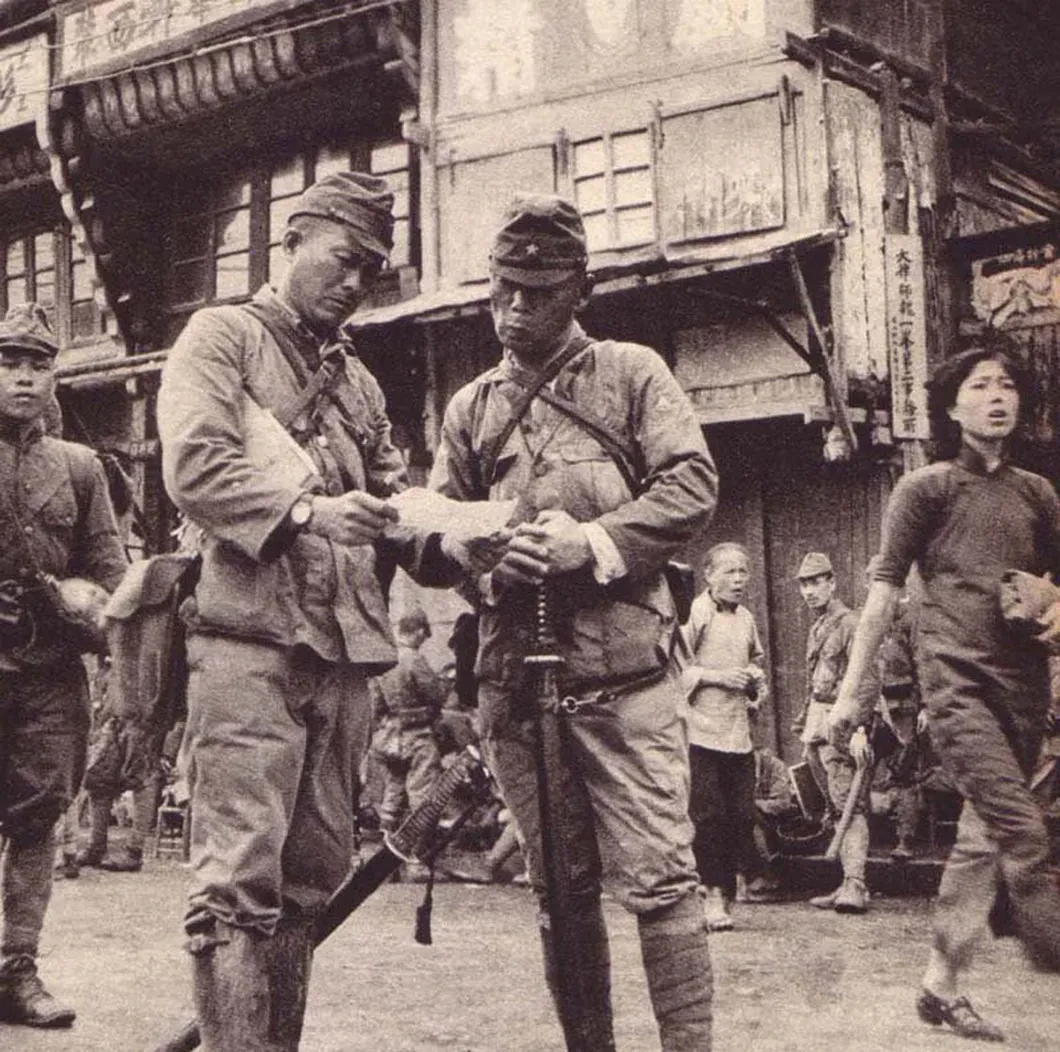
There was no question of independent search for plots - the content of the filming was carefully coordinated with the relevant departments of the headquarters, there were staged photos in the course. The pictures required a spiritual foster - the ranks of brave soldiers, officers with samurai swords on the streets of the occupied Chinese city, picture combat scenes, prisoners of English soldiers with confused faces surrounded by victorious Japanese military with rifles.
It was necessary to report on the films received strictly, but the military men still shot something for themselves-these photos surfaced after the war. Lunch in the trench, the construction with a shaky crossing in the jungle of Malaya, wounded in the head of the soldier in shelter ... Military photographers sincerely tried to fix the real front -line life: their pictures became more and more real, as the rational people became clear that the war went completely different from the Tokyo and how the imperial propaganda insisted.
Portrait of Kamikadze
The military corner of Tsuguyti Koyanagi was seconded to the field army in China. “In 1945, I was called to Tokyo,” he writes in his memoirs. - American bombing turned a significant part of the city into a scorched plain, but it was not possible to linger there - I was sent to the southern island of Kyusu to the bomber aviation regiment, which participated in incredibly heavy battles with the American landing on Okinawa Island. I learned from the radio operators that the matter was bad, and even the best ship of the Imperial Fleet was thrown there for help - the battleship “Jamato”, which was considered invincible. But he was sent into battle without a single cover aircraft, the ship was doomed, and it was then that I was sharply realized that the war was lost. ”
Instead of departures for ordinary bombing from our base, the pilots of a special shock group ( suicide suicide bombers. - V.G .) were increasingly heading to Okinawa,-writes a former photojournalist. - We had the last training and fighters of special landing detachments - they tried to transfer them to Okinawa airfields captured by the American army to apply unexpected blows. These were in the literal sense of the group of suicide bombers, I lived with them in the same barracks and took pictures of them.
It was incredibly difficult to shoot people who cheerfully settled on the plane, knowing very well that they would certainly be killed in a few hours.
Because of tears, I at times could not see anything in the viewfinder. On the Chinese front, the war went very cruelly, but death there was sudden. Here, pilots and paratroopers hit the road, knowing in advance that everyone would die. ”
One day in the beginning of the summer of 1945, Koyanagi was ordered to accompany the raid of Japanese bombers who had to raid the Sipan Island, which became the base for the American “flying fortresses” of the B-29, ironing Japan. It was a crazy adventure without the slightest chance of success - in the case of participating in it, the photojournalist, of course, would have repeated the fate of his acquaintances of Kamikadze. But the US Air Force burned all the planes at the Japanese air base with a sudden blow, and the plan was canceled by itself.
The death of "Company Vostok"
The further fate of this man is amazing: in an atmosphere of the growing chaos, his steamer was taken to the Chinese city of Nanjing, still in the hands of the Japanese. There he learned that the USSR entered the war, and Soviet troops crossed the border of Manchuria. This meant a complete collapse, and the photographer with crowds of refugees reached Korea, where in Seoul was stolen a duffel bag with the cherished "watering can" and still preserved films. The unknown thief, apparently, saved the life to the correspondent: the fact is that after returning to Japan, on the way to his family in Tokyo, he ended up in Hiroshima almost immediately after an atomic blow. “At the station, the upper floor was cut off, like a knife,” he wrote in his memoirs, “people with terrible burnt faces were shocked at his building. Even in Nanjing, they whispered to me that the Americans dropped something special on Hiroshima, but then we did not even know the words of the atomic bomb. If I had not stolen a camera in Seoul, I would definitely go through the streets of the city to record what happened. Later I learned that some photographers who then performed their work in Hiroshima died of leukemia. ”
In 1945, American bombs also destroyed the Eastern Company, which received products from military photojournalists. Its solid building in the center of Tokyo Dotla burned down as a result of the air raid on March 10, when the US Air Force dropped almost two thousand cassette incendiary bombs to the Japanese capital, specially designed taking into account the dense development of the city. They caused unprecedented fires and formed a giant fiery tornado. About 100 thousand people died, more than a million became refugees.
Together with the building of the Eastern Company, its precious military photo archive completely burned down. The remaining property was transferred to the printing house, but it was also destroyed during the subsequent American raids of April-May 1945. The main base of military propaganda photography in Japan ordered to live a long time, and the photographers themselves soon switched to other shootings, fixing the life of their losing war and a bombed country under the American occupation.
You are sitting at home, and the "new" - comes out!
Dear readers! Our editors, printing house and “Russian Post” work during quarantine. And most newspaper kiosks - no. Your support is important to us, but even more important is that you stay at home. Therefore, now is the time to issue a subscription to the "new newspaper." The postman will deliver it to your address! Sign yourself, parents, grandparents!
How to subscribe: instruction