
Translated material
Refined the Urals
20 years of the Ural Federal District: How the “Vertical power” was built in a single district
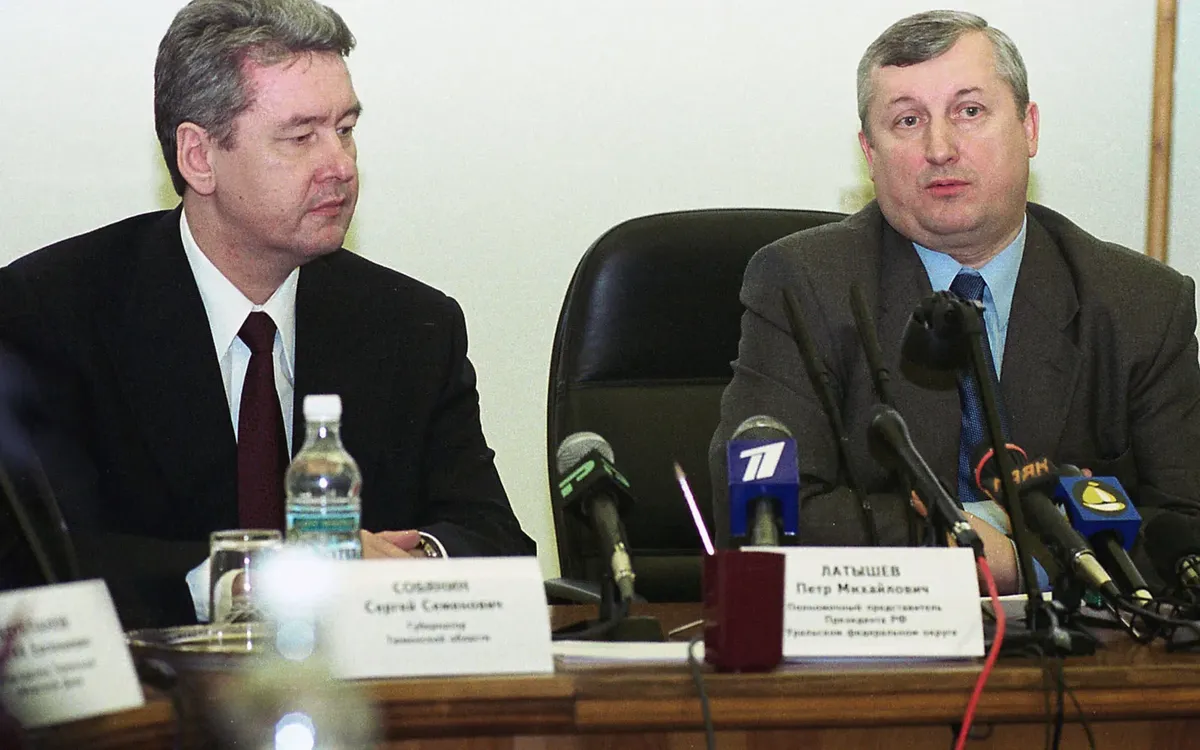
On May 13, 2000, by decree of President Vladimir Putin, the decree of the just who had just been taken over to the federal districts, in each of which the envoy was created.
Among others, the Ural Federal District with a Center in Yekaterinburg was also created. Over the 20 years, the Urals of the Urals not only “nurtured” the famous “Tagil worker” Igor Kholmansky and contributed to the career of the future mayor of Moscow Sergey Sobyanin, but also marked by wars with the regional elite and activists.
Canvas
The Institute of Envoyies was introduced in Russia back in 1991 - by decree of the President of the RSFSR Boris Yeltsin. However, with him, plenipotentiaries did not work in the districts, but in each region. Under Putin, "enlargement" began.
The Ural Federal District was formed from the Sverdlovsk, Chelyabinsk and Kurgan regions, as well as from the regions of the Tyumen Matryoshka: the Tyumen region, the Khanty-Mansiysk and Yamalo-Nenets Autonomous Districts.
Interestingly, only two regions include geographically and culturally to the Urals from the entire Ural District: the Sverdlovsk and Chelyabinsk regions.
Kurgan is already a Trans -Urals. And the "nesting doll" is Western Siberia. Why it was decided to unite precisely these regions is unknown to the end, but at the time of the formation of the Ural Federal District, its borders corresponded to the borders of the Ural Military District. In a situation of fighting terrorism, this might seem appropriate.
The envoy were called upon to control the execution of decisions of the federal authorities in the regions, to report to Moscow about the situation, to be intermediaries between the center and the regions.
True, when the governors, like the envoy themselves, began to appoint the President, the semantic significance of the embassy was somewhat weakened: today plenipotentiary representatives are perceived more like Synecure, the decoration of the central government.
"Three chicken"
The first presidential envoy to the Ural Federal District was the former Deputy Minister of the Interior Peter Latyshev. His appearance in the Sverdlovsk region was “bayonet” was perceived by Governor Eduard Rossel, who by that time led the region for five years and felt like a full master here.
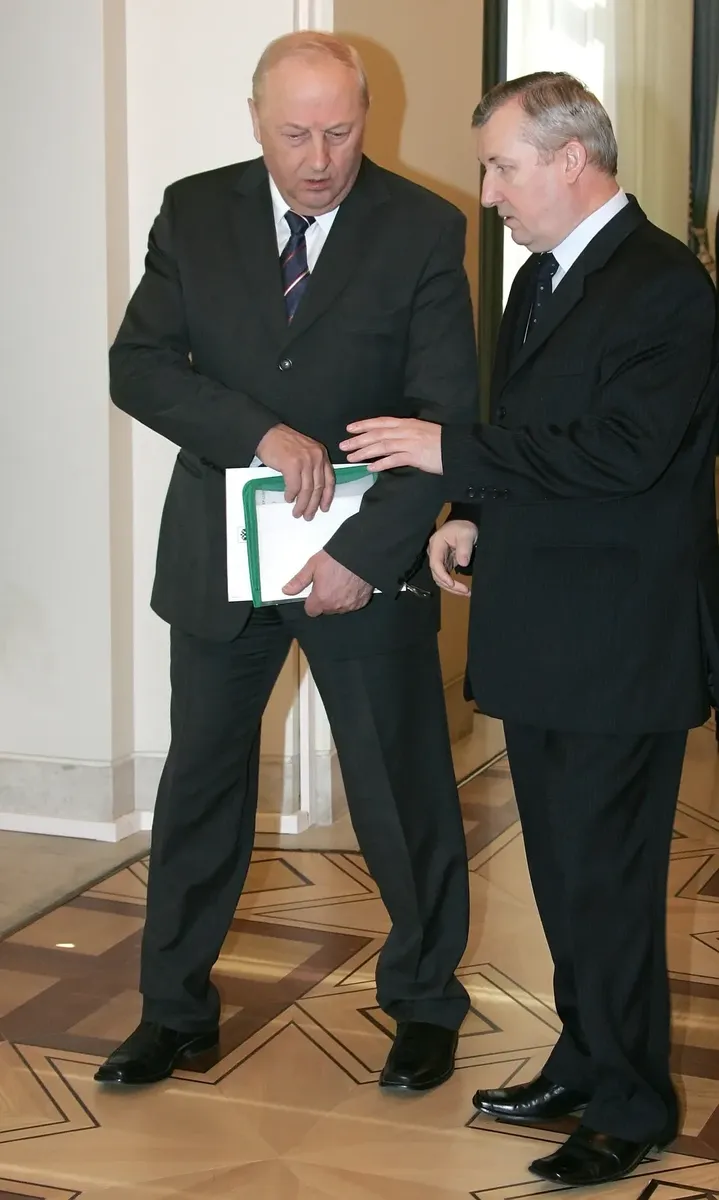
“The inexpensive demonstration of muscles is quite obvious,” Rossel said about the appointment of an envoy. “They send a person whom you see for the first time.” You look: in life he led only three chicken, and put on such an organization serious that you are simply amazed at the principle of selecting personnel ... "
From the very beginning, Rossel began to create uncomfortable situations for Latyshev. When the question arose of the residence of the embassy, the governor proposed a choice: either the house of the actor, or the house of orphanage (the pre -revolutionary estate of the Kharitonov merchants - Rastorguev). Latyshev chose the second option. Regional media immediately began to write that the envoy was going to evict children's circles to the street. Following the protest of children and their parents began.
As a result, Latyshev settled in a modest five -story non -construction near the house of the regional government.
So the elite of the Middle Urals made it clear to the envoy that he was not happy in the region.
Pyotr Latyshev and relations with the governor of the Kurgan region Oleg Bogomolov, who at that time sympathized with the “left” did not work out in the best way.
Latyshev tried to squeeze him out of his post, relying on the 2000 Governor's elections on his opponent Nikolai Bagretsov, who worked closely with the Unity party (the future United Russia). However, Bagretsov lost the elections. In 2004, the envoy attempted to make the governor of the Trans -Urals his deputy Viktor Basargin. But this attempt failed. The Kremlin did not agree on the candidacy.
Skobin for Sobyanin
Speaking about Peter Latyshev, one cannot fail to mention the figure of his first deputy in 2000-2001 - Sergey Sobyanin.
Until 2000, Sobyanin was the chairman of the Khanty -Mansi Autonomous Okrug Duma and at the same time held the post of chairman of the Committee on Legislation in the Federation Council, promoting the laws on the reform of state authority.
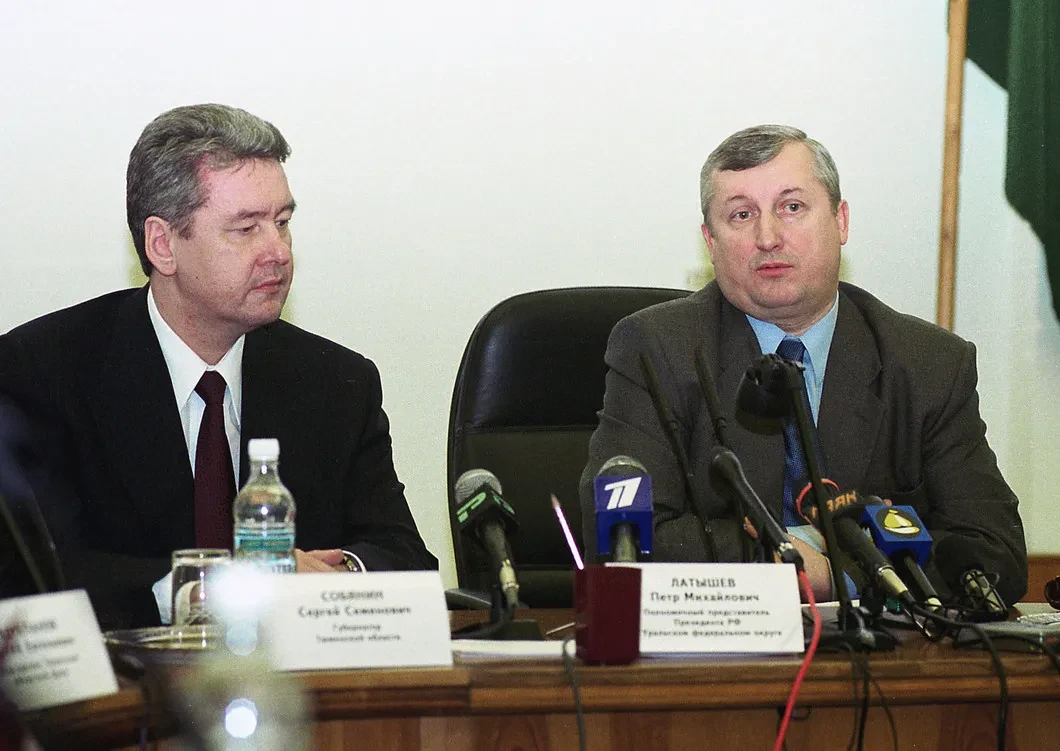
Sobyanin was one of the first to support the presidential bill on the new principles of the formation of the upper house of parliament. At that time, the governors and speakers of regional parliaments were in the position of members of the Federation Council, which means they directly influenced the adopted laws.
Putin proposed replacing governors and heads of legislative power appointed by representatives. This was in the future by the Federation Council controlled by the Kremlin: earlier senators often opposed the decisions of the central government, for example - in 1999, contrary to the Kremlin’s desire, they refused to resign the prosecutor general Yuri Skuratov three times.
Sobyanin was not remembered by his work in the Embilia. Another role was prepared for him: in 2001, with the filing of Latyshev, he became a candidate in the election of the governor of the Tyumen region.
In the new post, Sergei Sobyanin, according to the idea of the embassy, was supposed to unite the Tyumen “Matryoshka”. The elimination of the districts increased the Kremlin’s control over the country's oil and gas wealth. The plans for the unification were opened openly, but the governors of Ugra and Yamal opposed it.
As a result of long -term negotiations, a compromise was found - the Cooperation program: autonomous districts in return for administrative independence began to transfer to the regional budget the tax on mining and 29.5% of income from income.
In November 2005, Sobyanin was appointed head of the Russian Presidential Administration, after which his career began in Moscow.
"Buckingham Palace"
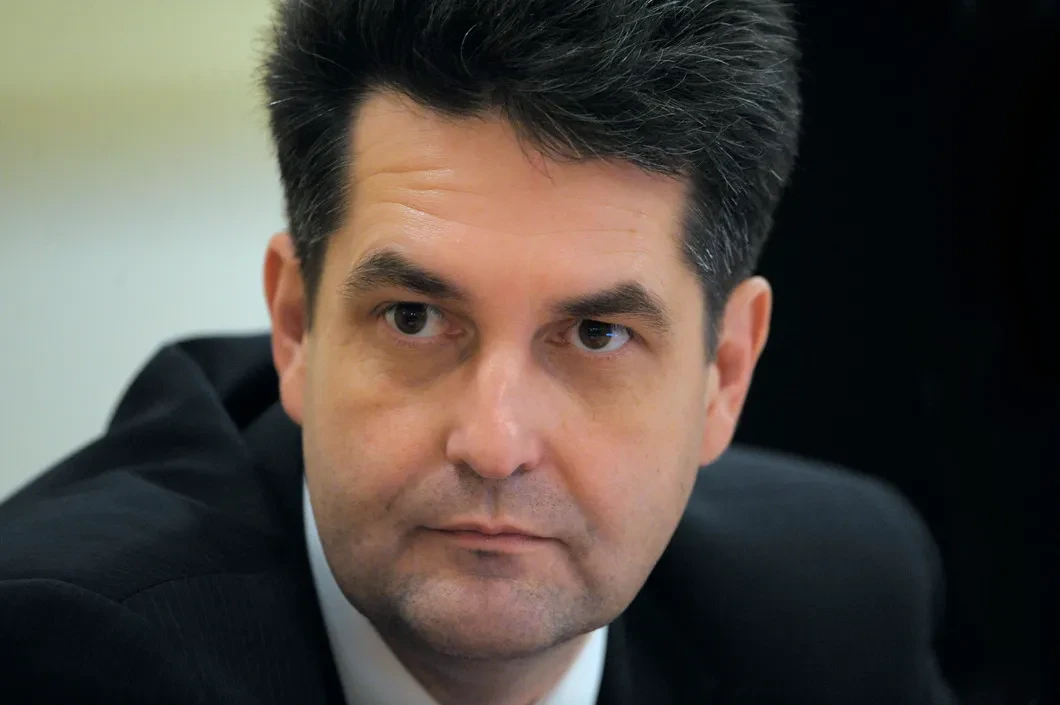
The next after Latyshev, the head of the FSSP Nikolay Vinnichenko became the envoy. He worked from 2008 to 2011 and would not be remembered by the residents of the Ural District if it had not been for him to resolve the issue of building the residence of the plenipotentiary.
In Yekaterinburg, on the shore of Iset, a real palace was erected: 12,500 square meters with fireplaces, heavy curtains, candelabrays. The construction cost the state almost two billion rubles.
The building has become a red rag for the Yekaterinburg public: why is the envoy with its unclear functions such a residence?
In April of this year, speaking about the transfer of the Yekaterinburg hospice for an infectious hospital for patients with coronavirus, the former mayor of Yekaterinburg Evgeny Roizman said: “There are other buildings that can be used for infectious hospitals in Yekaterinburg. Take the envoy: 15-20 people work there. But this is 12,000 square meters. Embiliary employees can be transferred to a remote, and in the building to equip a hospital. People will also say thank you. ”
The idea was widely picked up by the public and the media, but did not reach the implementation: the penalty was called the proposal of Roizman "populism." And for the sake of an infectious hospital, they still sacrificed the hospice.
"Man of Labor"
After Nikolai Vinnichenko, Evgeny Kuyvashev took the place of the president’s plenipotentiary. In this position, he worked only eight months: from September 2011 to May 2012. The newly elected President Vladimir Putin proposed the candidacy of Kuyvashev for the post of governor of the Sverdlovsk region. And the Phenomenon, the head of the assembly workshop No. 130 of Uralvagonzavod Igor Kholmansky, replaced him to the envoy to him.
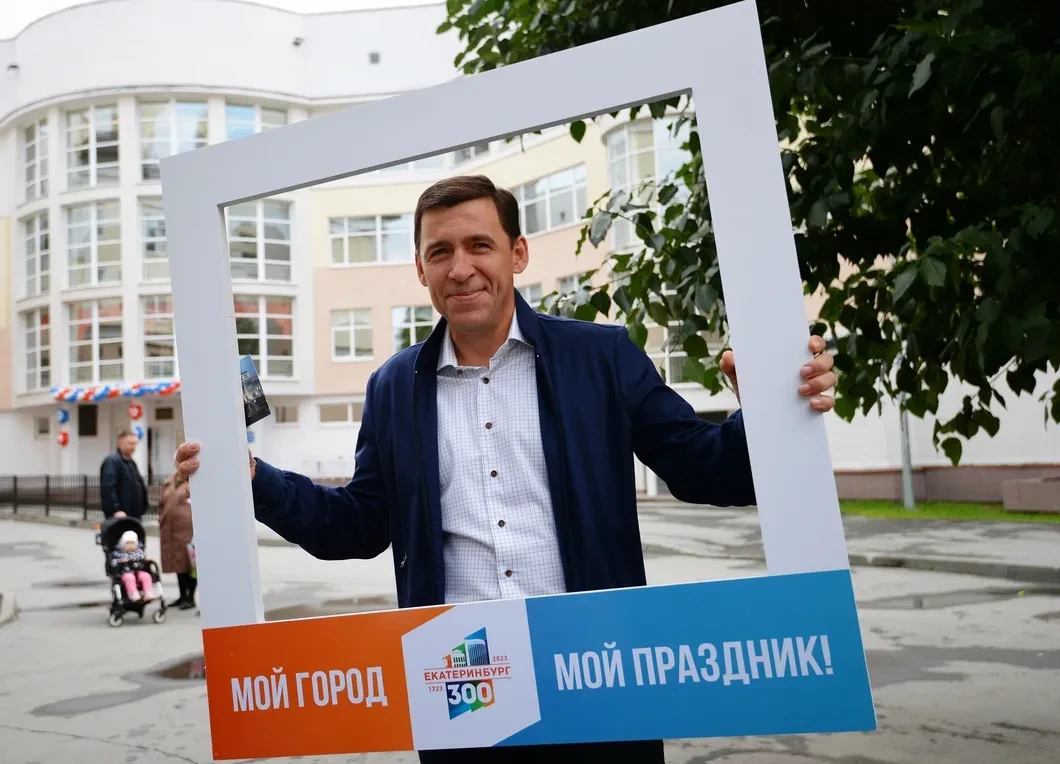
Kholmansky liked the president during the teleconference in December 2011. In Moscow, “white -open” protests raged.
“My name is Igor Kholmansky. I am the head of the assembly workshop. I wanted to ask you about American pro, but there is a question that the soul hurts about. In difficult times, Vladimir Vladimirovich, you came to our enterprise and helped us. Thank you for that. Today, our thousands of many thousands have orders, has a salary, has a perspective, and we really value this stability. We do not want to go back.
I want to say about these rallies. If our police, or, as it is called now, the police cannot work, cannot cope, then the men and I are ready to go out and defend our stability, ”he said.
These words turned out to be enough to change the fate of Igor Rurikovich.
In 2012, he became one of the organizers of the factory committee in support of Vladimir Putin and his confidant in the presidential election. Then he joined the Organizing Committee of the movements "in defense of the person of labor."
And on May 18, two weeks after the election, Putin invited the Kholmansky to become his envoy to the Ural Federal District. On the same day, a decree on the appointment was signed.
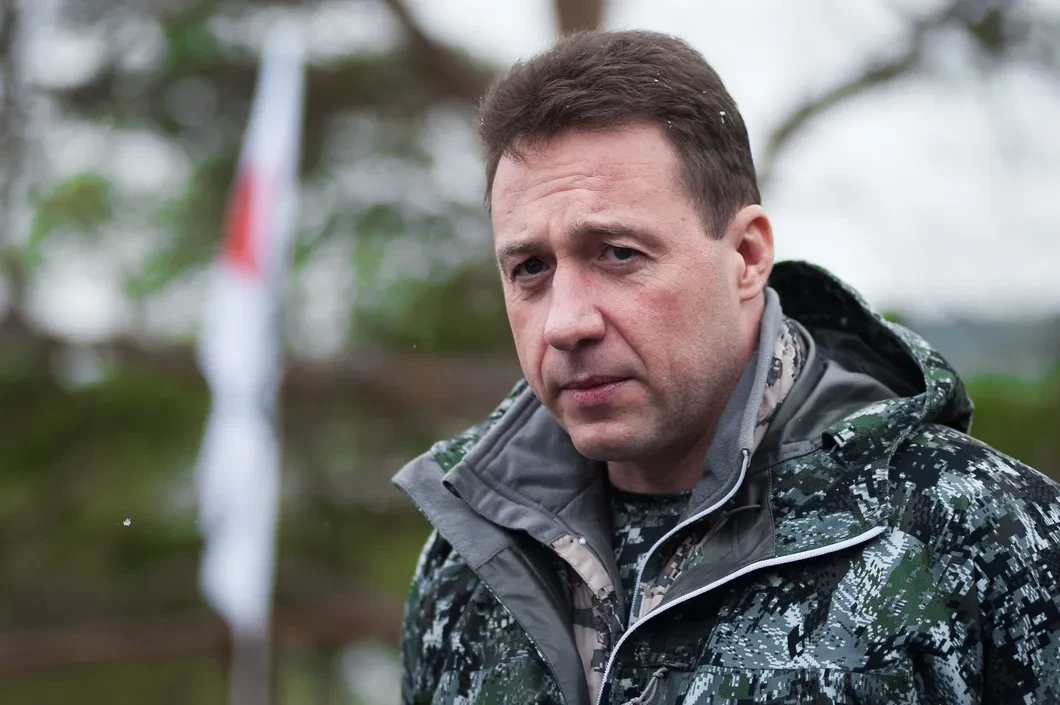
The new plenipotentiary tried not to go out to reporters. In power corridors, they whispered that he understood little in regional politics and economics. The main information farm from the embassy for the entire time of the Kholmansky work was the alloy along the Chusova River, in which regional politicians, members of trade unions, industrialists and journalists took part. The alloy was combined with the advice of the movement "in defense of the person of labor."
In 2016, musician Andrei Makarevich said that it was Kholmansky by his oral disposal that banned the concerts of “Time Machine” in the capital of the Urals. This was refuted in the embassy, but the scandalous imprint remained.
After removing from office in 2018, Kholmansky took the post of chairman of the board of directors of Uralvagonzavod. But in January 2020 he also left this position, finally going into the shadows.
"Polish spy"
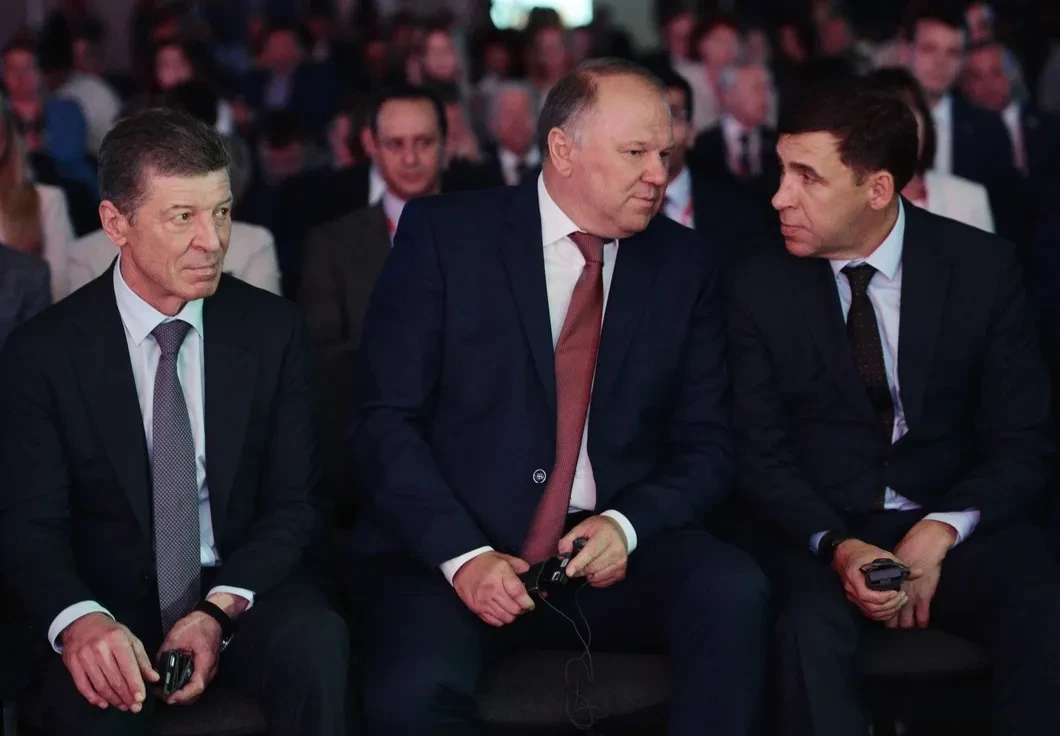
The current Ural Plenipotentiary Nikolai Tsukanov came to the post in June 2018. Prior to that, he worked for six years as the governor of the Kaliningrad region and a year and a half-a plenipotentiary in the North-Western Federal District.
By the time of the arrival of Tsukanov to the Urals “Vertical Power” in Russia, it was long built in the Urals. There was no need to get into scandals. But the trouble came from where they did not expect.
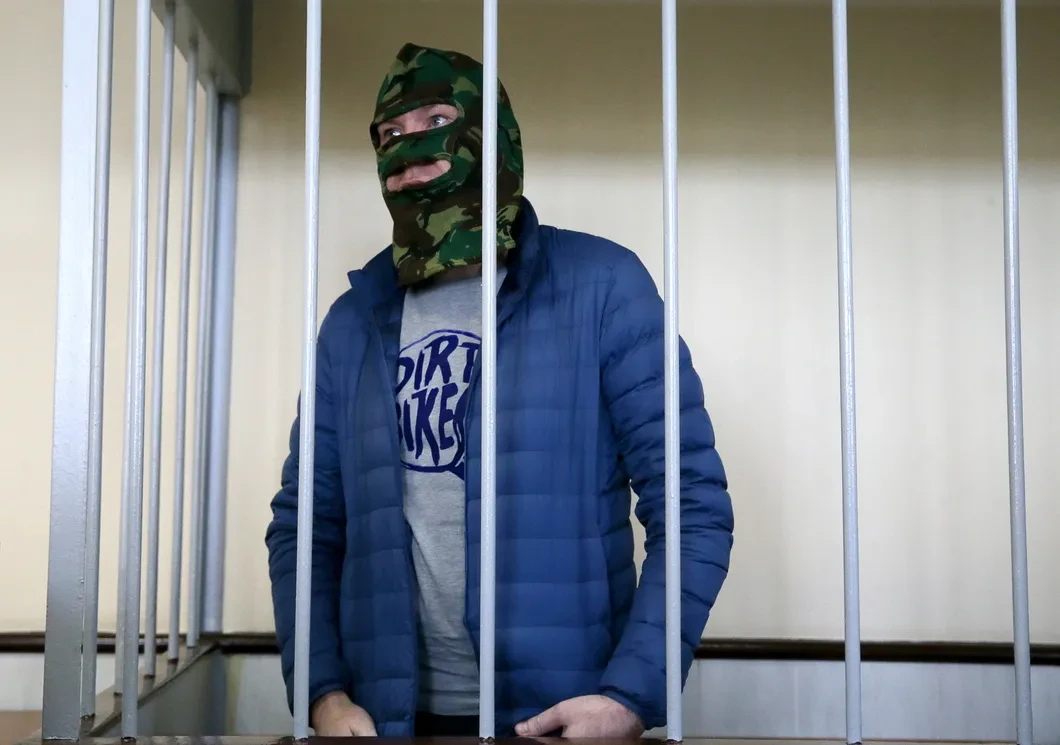
On July 4, 2019, in Moscow, FSB officers detained Assistant Nikolai Tsukanov Alexander Vorobyov. He was accused of an extremely serious crime - Gosizman. The basis for initiating the case, the media reported, was the transfer of secret information from Vorobyev from meetings of the Security Council of the Russian Federation Poland.
The detention of Vorobyov was a serious blow to the image of the envoy: together Tsukanov and Vorobyov worked both in the government of the Kaliningrad region and in the North-Western Federal District. The media even called the plenipotentiary detained by the “family lawyer” - because he worked on the renewal of ownership of the property of the Tsukanov family.
But at the detention, the story did not end. The Yekaterinburg blogger Yaroslav Shirshikov, known for his shocking actions and statements, wrote a comic post on Facebook, in which he called Tsukanov a “Polish spy”.
He did not miss the envoy: Shirshikov was summoned to the Investigative Committee and charged that he "defeated the honor, dignity and reputation of the Envoy of the Ural Federal District." Another publication of a blogger was also attached to the case - in it he called for "give" Roskomnadzor> to the Cossacks and riot police. "
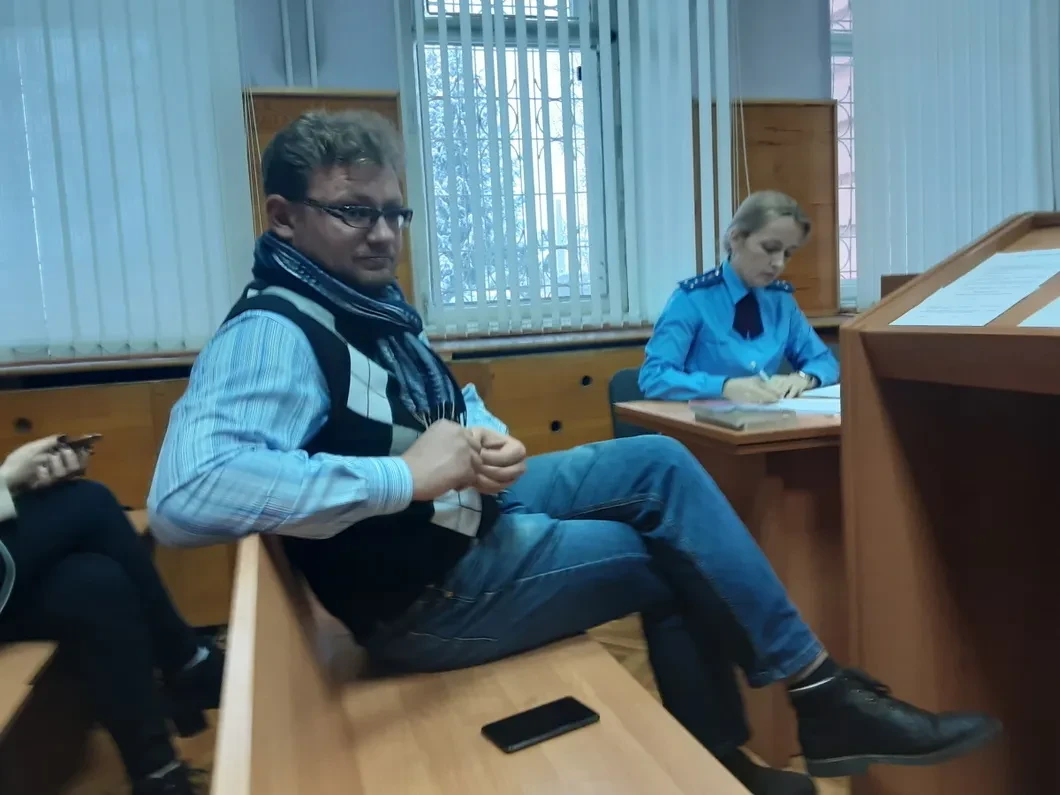
In March of this year, the court sentenced a blogger to one and a half years restriction of freedom. Now Shirshikov continues to let go of jokes from time to time about “espionage in favor of Poland”, mentioning a certain “Pan Tsukan”.
How much does it cost
How much does the content of the embassy with the accuracy of a penny cost the budget: only the authorized representatives of the president are obliged to report their income, members of their apparatus can keep salaries a secret.
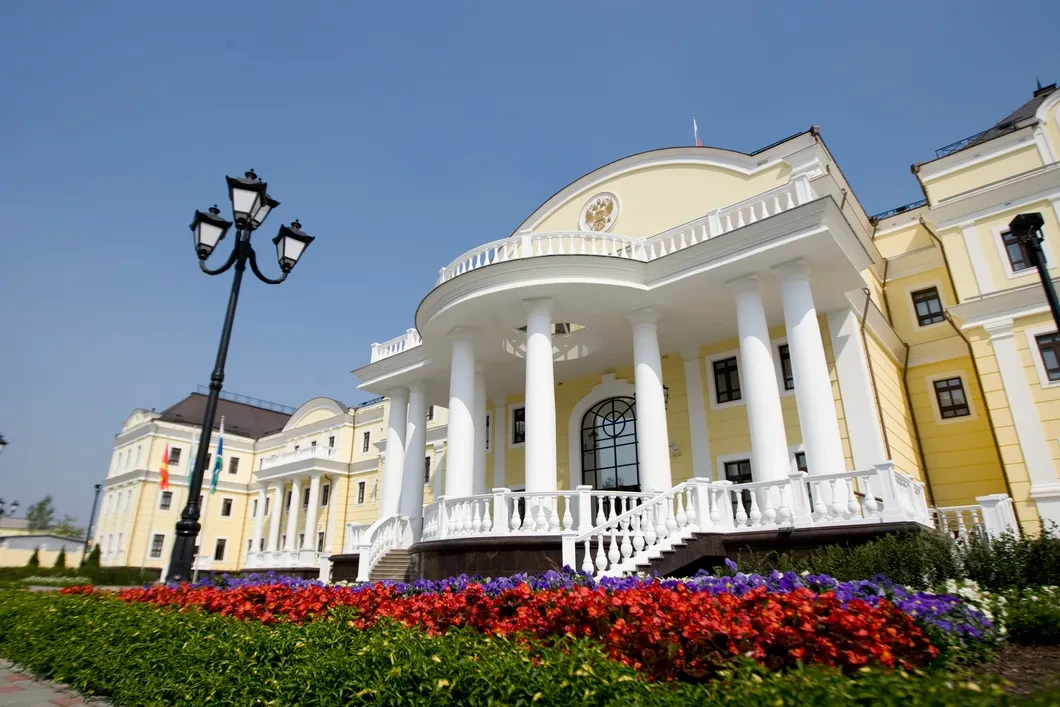
It is known that Nikolai Tsukanov in 2018 earned 10.1 million rubles. His reporting for 2019 has not yet been published. “Simple worker” Igor Kholmansky with his alloy in Chusova as a plenipotentiary earned from 4.3 to 7.6 million rubles a year.
In July 2019, Znak.com published information about how much it costs to care for the building of the embassy (the construction of the building itself, we recall, cost 2 billion rubles).
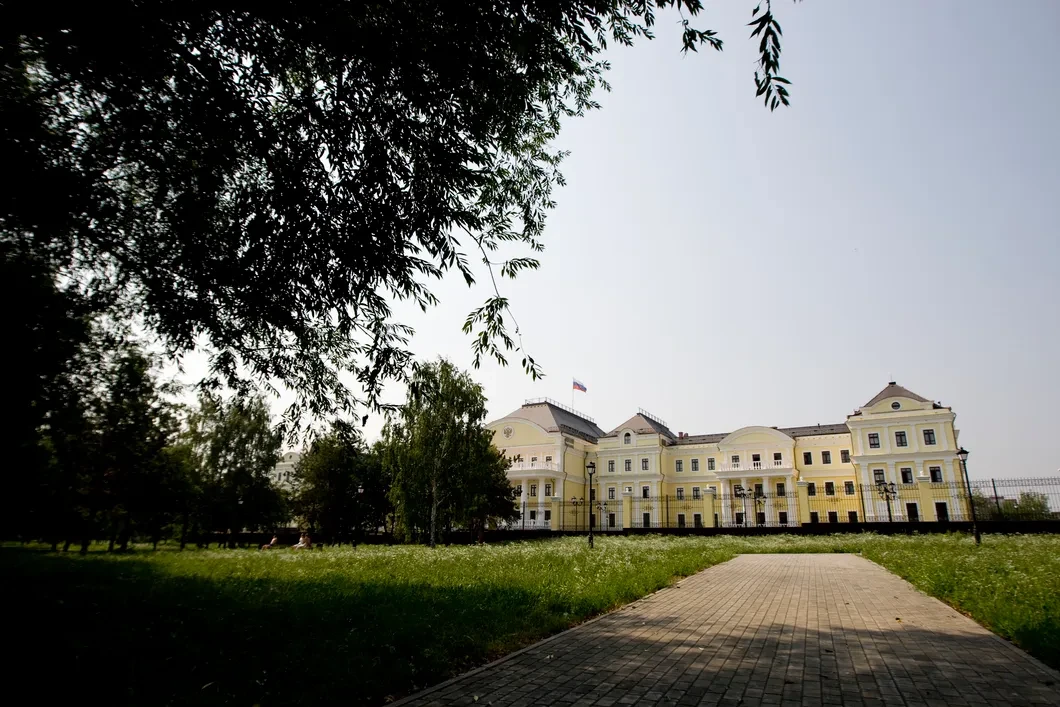
So the price of the contract for the provision of cleaning services, the maintenance of office premises and the adjacent territory for 2019 amounted to 3.7 million rubles. 4.1 million rubles lasted last year the protection of the complex of buildings.
The embassy cost 3 million rubles to supply thermal energy, 249 thousand for cold water supply and sanitation. The annual maintenance of power supply systems, water supply, drainage, air conditioning, security alarm and other communications cost more than 3.8 million rubles. It took about 240 thousand elevators and related systems.
Thus, only the maintenance of the Presidential Plenipotentiary Order building in 2019 cost the federal budget of 15 million rubles.
But there is still a repair of individual parts of the residence. For example, in June 2019, a tender for 7.7 million rubles was announced for roof repair. In 2018, the Office of the Operations of the High authorities of the Presidential Administration allocated another 2.8 million rubles for the design and repair of the building of the Embiliation.
The work of the employees of the Embiliary apparatus also “flies into a penny”: the contract for the transport services of workers in 2019 amounted to 713 thousand rubles. 400 thousand rubles were spent on consumables (pens, paper, etc.). For communication and transfer of internal telegrams - 1.2 million rubles.
It turns out that the amounts of all contracts related to the work of the embassy in 2019 amounted to 27.7 million rubles. And this is excluding salaries.
The “power vertical” in Russia has long been built, but the tools for its construction have remained, and are generously paid from the budget. To the question "Why?" Apparently, only the president can answer.
Evgeny Senishin - especially for "New", Yekaterinburg