
Translated material
American Maxwell William - about cold, problems with ecology and walks on ice channels
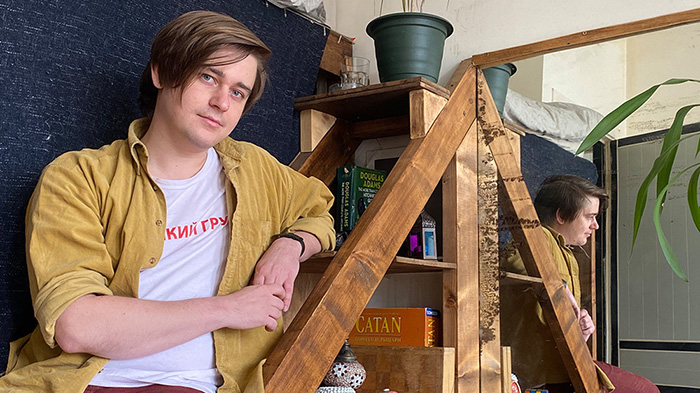
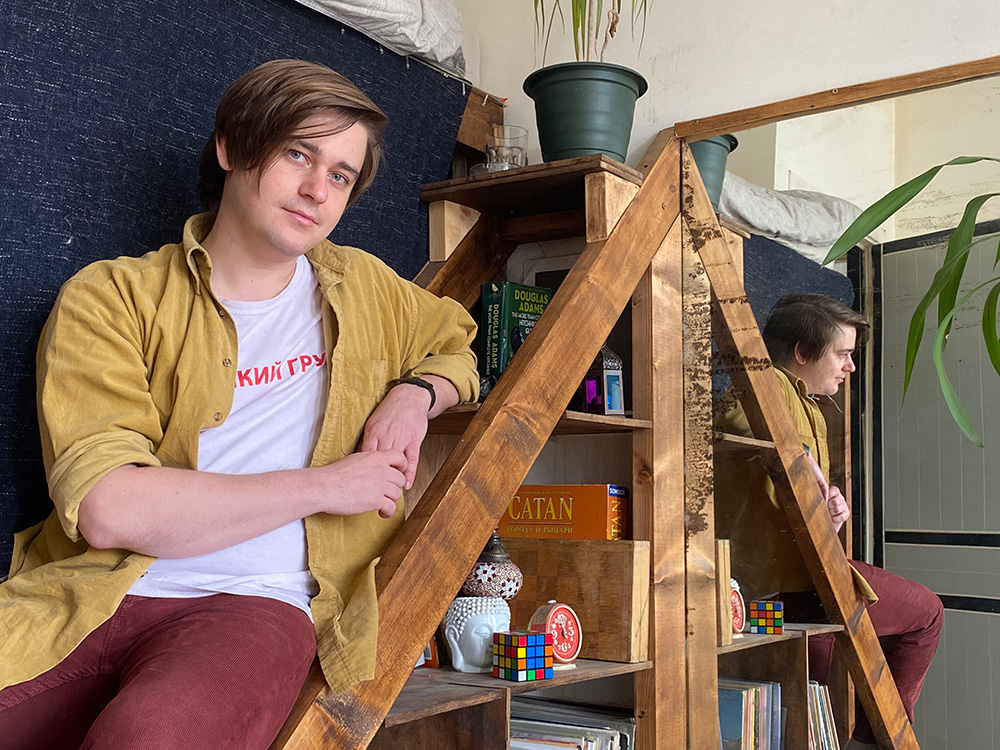
Maxwell William grew up in Michigan. After the university, he lived in South Korea for three years, and then moved to Russia. In St. Petersburg, he worked as a tutor, translated texts from English and wrote articles about cryptocurrency. Maxwell devotes free time to campaigns in Ladoga and the game in the musical group.
The American tells how he was struck by the St. Petersburg spring and white nights, what he thinks about problems with ecology in Russia and why he was disappointed in winter this year.
“Paper” supports the self -isolation mode, therefore, during the pandemic, photography for the Expat section is carried out remotely.
Age: 28 years
A genus of activities: editor
In St. Petersburg: 3.5 years
- I come from Kalamaz, Michigan. I have a large family - two older sisters and younger brother and sister - and we all received home education. There are stereotypes around this, but in my hometown many choose homework. There are many ways to socialize outside the traditional school. I had a wonderful childhood-birthdays in bowling, family barbecue in the summer, playing the guitar in the scimit group in my basement.
In addition, home schooling allowed me to study at my own pace and choose objects that interested me. I entered the university at 16. For four years I studied at the University of West Michigan. There, one of my favorite professors inspired me to explore the world. He lived outside the United States for more than ten years, and he had many crazy stories.
After the university, I decided that I wanted to move abroad and went to South Korea to teach English. I moved there in 2012 with my best friend. It was great to teach English, and I really liked to conduct grammar lessons and edit the essays of my students. But after three years in Asia, I felt that he was ready to move somewhere else. In Seoul, I met a Russian girl, and decided to visit her in Yekaterinburg. So on December 31, 2015 I first got to Russia.
The New Year holidays were a great first impression of Russia, but I stayed there for only a month. Probably, at that moment I was not ready to survive the Russian winter. I decided to return and visit St. Petersburg in the spring.
Then I was amazed at how the city warms up and becomes active after a long winter. I met amazing people here and decided that I want to live in St. Petersburg. I returned for several months in the United States to collect things and pick up the dog, and in September 2016 I officially moved.
For the first two years, I basically worked as an English tutor, but I was an animator of a children's show, translated texts, and at the end of 2017, when there was a hype about bitcoins, I began to write articles about cryptocurrency. As a result, I got a job as Cointelegraph, dedicated to the crypto industry, but recently decided that it was time to look for new opportunities for growth as an editor. Perhaps it is unreasonable to throw my work during the crisis, but I like to take risks and get out of the comfort zone.
What did Russia teach you?
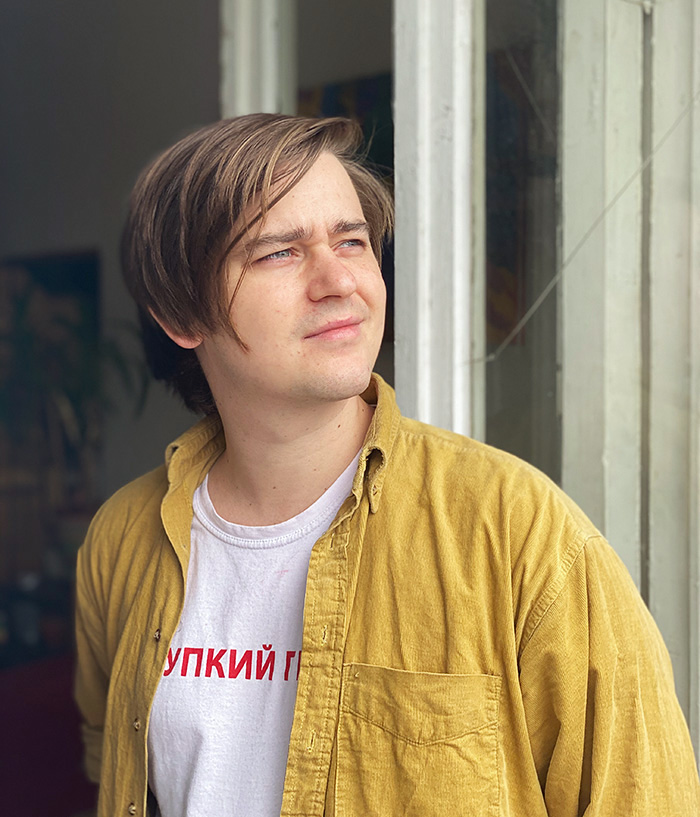
A few bad words. And I also acquired several Russian habits: to take off your shoes when you come home, to hello by the hand. Although now my friends and I welcome each other only after washing hands.
In Russia, I was impressed by the friendliness of people. The Russians invited me to their culture and helped to feel at home. Of course, there are cities in the world with the best weather, but I am more better to adapt to the cold. I think the harsh Russian winters make people stronger.
In addition to the weather, I do not like problems with traffic on the roads. I do not mind standing in traffic, but I do not like that the city center is one large parking lot. I often see cars that look as if they were not moving for months, and the crowd of streets makes them less pleasant for pedestrians. I think that applications for joint use of cars and paid parking can improve the situation.
Living here, I learned a lot about my country. Each culture is a bubble: how people think about themselves, about the world, about the values that society promotes, and so on. This becomes more clear when you consider your culture from the outside. Now I see positive things that I considered natural, living in the USA, but there are also negative ones that you do not notice if you live in a bubble.
As for my family and friends in the USA, I think they understand that I am one of those people who do not like to sit still. I remember how I told my friend that I was going to move to Russia, and she did not look very surprised. She simply said: "Yes, it sounds like something in the style of Max."
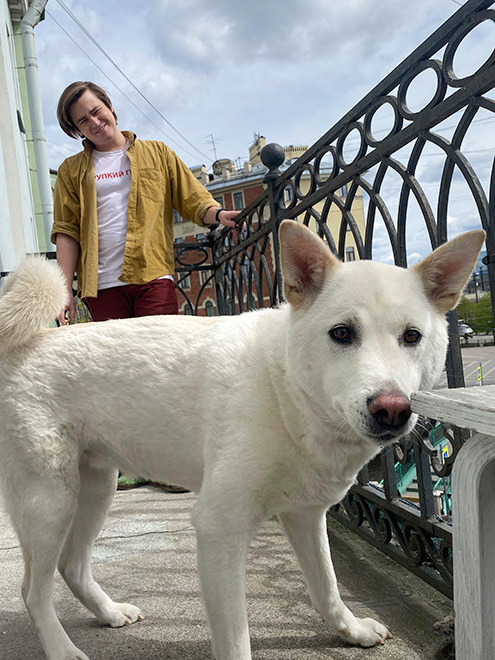
Who played an important role for you?
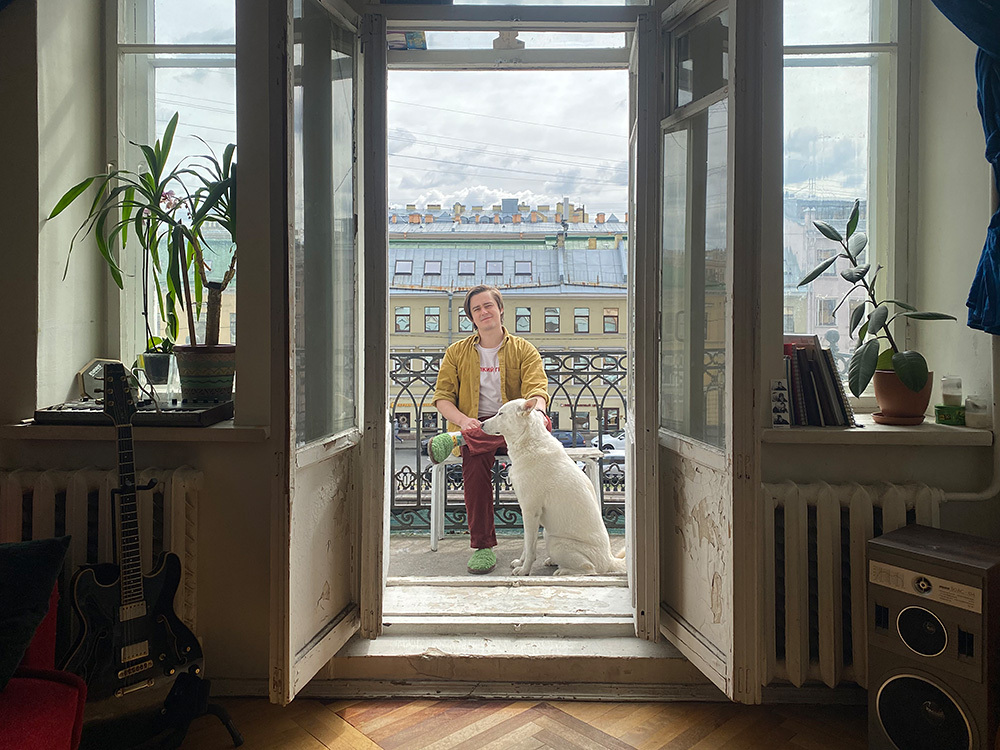
I first arrived in St. Petersburg as a quarter. It was an incredible experience, and all my owners were very hospitable. At first I lived somewhere in the suburbs, but ultimately settled at the open gay-para directly in the city center with a view of the Griboedov channel. These guys planned to move to Moscow, so they connected me with their homeowner. So for almost four years I live in this beautiful apartment.
The guys not only helped me find housing, they also indicated to me at the Anticaf “Distourg”, which gathered a community of like -minded people. I remember how I got there for the first time and met people who still remain my close friends.
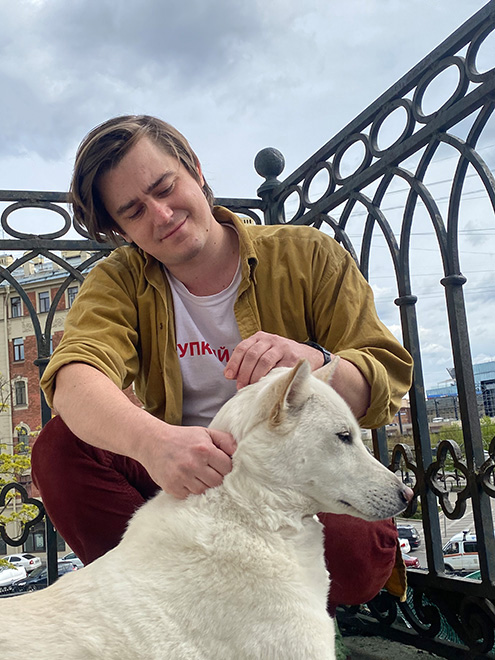
It would be quite difficult to live in Russia without good language knowledge, if not for friends. My apartment neighbor is my best friend, and he did more for me than anyone else. From small things, such as a call on the phone, when the courier cannot find our door, to huge ones - such as my dog care for several weeks while I travel.
What would you like to transfer from your country to Russia?
I miss some small amenities (for example, delivery from the Amazon within two days), but most of all I would like Russia to pay more attention to ecology.
Last summer I was with friends in the north - in the forest near Lake Ladoga. We had to go for two hours to get to the place for tents. While we were walking, I collected garbage, which I saw along the path. This is a small but simple thing that we can do. My friend, after that he said that I was surprised that I was collecting garbage, and that only I did this from our entire group.
Although in America almost half of the population does not believe in climate change, the Americans for the most part want to maintain nature. In the United States, I have many friends who have received higher education in the field of environmental research and are now working in the government or the private sector, trying to fight climate change using regulation and innovation.
I see that the situation is changing in Russia, especially among the young generation, but there is no system. For example, see how difficult it is to process garbage. But, it seems, everyone knows about the problem, they just have not yet found a solution.
Five finds in St. Petersburg
- Russian food
In Russia, I discovered tons of food that I could never imagine. For example, jelly. In addition to the jerk, I like almost all Russian dishes. - Ladoga
There are many “special places” around St. Petersburg, where I can go with friends to enjoy the beautiful nature of the North. One of these places is located on Ladoga, not far from the border with Karelia. I won’t tell you anything else about this place: I don’t want to have a lot of people there. - Petersburg musicians
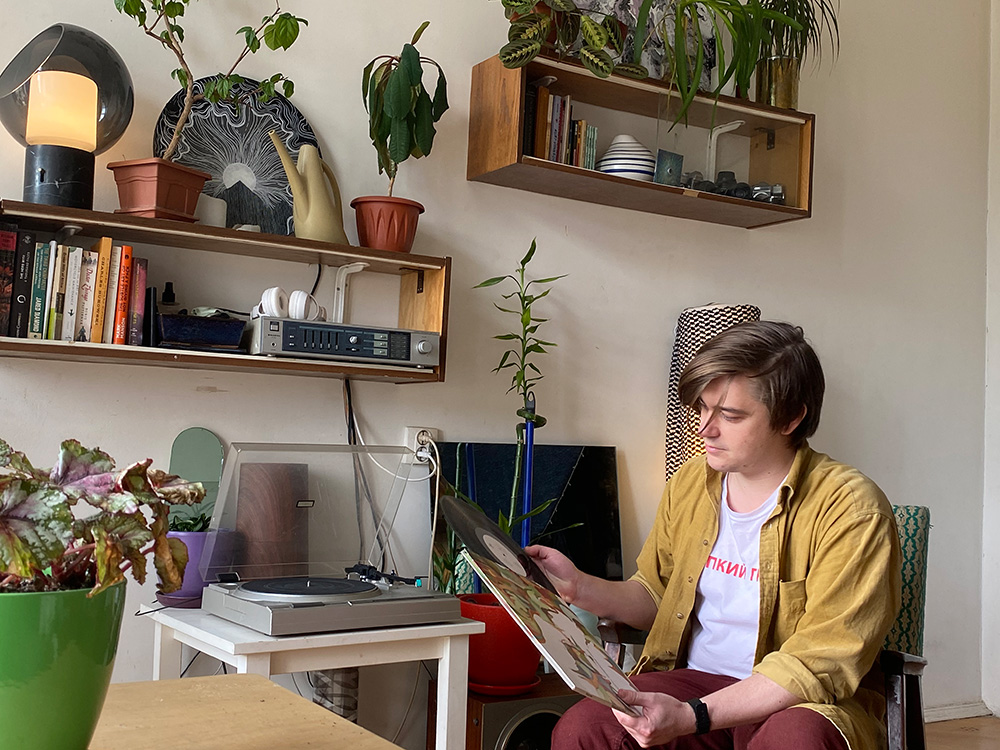
As a musician, it is important for me to listen to local music. I found several excellent institutions (which, I hope, they can open up soon), and I have several talented friends with whom I like to play. - Walks on frozen channels
I was very disappointed that the past winter was so warm. The winter lesson that I really love is walking along the ice of channels. I had a goal to walk through all the channels, but it was not cold enough and therefore unsafe. It may turn out next year! - White nights
I am still not used to white nights. It seems that they just appear out of nowhere, I am never ready for them. My friends who grew up here love to complain about white nights, but I think this time is amazing.
Why are you here?
This is a question that Americans most often hear from Russians. But I still have no good answer to him. I hope that those who read this interview will be able to see how amazing Russia (and especially St. Petersburg) from the point of view of a person from the outside.
Many people say that they want to leave Russia and move to Europe or the USA, and I completely understand this desire. That is how I felt when he grew up in Michigan, dreaming of what life would be in another place.
"Paper" regularly publishes stories about foreigners . What Petersburg attracts and repels visitors, what Russia teaches and why at all to come to an unfamiliar city - businessmen, students, scientists and restaurateurs from different countries talk about their experience and views on St. Petersburg life. Read all the texts of the heading here .
The interview was held in English, a translation was published.