
Translated material
Thinking about others, you save yourself
The fight against cancer in Russia has been declared a national priority, the second year a federal project aimed at this is being implemented, money went to the system. But the Pandemia of Coronavirus and here made its own adjustments. About whether it is possible to prevent the industry back and how to minimize the losses among oncopacients and their doctors, “such affairs” are talking with the head of the interdisciplinary oncology department of NMIC of children's hematology, oncology and immunology named after Dmitry Rogachev, a member of the board of Russian clinical oncology (RUSSCO) Professor Nikolai Zhukov
- Nikolai Vladimirovich, how did Pandemia affect and still affect the assistance of cancer patients?
- So far, thank God, it did not affect very much. In any case, in those clinics that I can judge, most patients continue key medical and diagnostic measures. But of course, you have to work in a more stringent mode, many logistics problems have appeared. In general, in the country, the most sore spot is the logistics and organization of processes. Now it has aggravated many times, and even a simple visit to the clinic is overgrown with a large number of restrictions related to the epidemic. Therefore, if in “peacetime” a person often had a choice, he would be treated at the federal center or in the clinic at the place of residence, now, most likely, if the “federals” do not have life -toed and this is only a matter of greater comfort and trust, he will go to the clinic at the place of residence.
Where it is possible, inpatient treatment is minimized. After all, if oncopacient during a visit to the clinic will pick up the infection, then in the best case, his treatment will have to be postponed, and in the worst it will be destined to go through its difficult course with all problems and risks. It is likely to get sick with doctors, and it is higher than with a large number of patients and their relatives they are forced to contact. And if this accepts a massive nature, it may happen that there will simply be no help - there will be no healthy or not quarantined oncologists. Hypothetically, such a problem is possible in small cities where there is a single oncological institution and a limited number of specialists. If a mass outbreak occurs inside it, then access to cancer will be difficult.
In addition, if the epidemic goes on an increase in and continues to grow the need for beds, it may turn out that oncological beds will begin to be re-profiled under the Covid-19.
“Didn't they start doing it anymore?” There were plans to reproduce even the Federal Center for Oncology. Petrov in St. Petersburg, however, then this decision was canceled.
- When a large oncological clinic is re -profiled, and even without a special need, this is, of course, a terrible situation. And thank God that they managed to stop it. But most likely, some not very thoughtful momentary decisions in the field will continue to be made. You know, when it flared up in Italy and Spain, I had the feeling that we were in time somewhere in June 20, 1941, when everyone understood that the war would reach us, but no one wanted to think about it. Now we are located around June 30, 1941, when the commanders who never fought in these conditions did not understand what to do while studying on the go. At the same time, not all of them were the same: someone tried to save their soldiers and stood for them to death, and someone threw people into the very baked.
 Nikolai Vladimirovich Zhukov Photo: Maria Ionova-Garbin for TD
But back in May 2020. In Moscow, in many hospitals providing oncological assistance, blocks are currently allocated for the treatment of patients with COVID-19. On the other hand, due to the fact that many types of planned neo -infological assistance are stopped, with a reasonable approach, it becomes possible to disperse oncopacients in the vacant beds and provide the very social distance, which, for obvious reasons, is needed not only in stores and banks, but also in the wards and residency. And this is already being done, but, of course, a lot depends on the head of a particular clinic.
And then the situation will develop depending on how many patients with COVID-19 will be. And it is possible that the question of minimizing losses will arise before the oncologists : how to make sure that with the resources that we have, to save the maximum number of lives. You will have to make a difficult choice: to whom to help first - a person who will inevitably die without medical care in the next 24 hours, or to those who can be postponed for at least a month.
-And how dangerous is the Covid-19 for cancer patients? When there were not so many victims, official messages emphasized that the dead suffered from severe chronic diseases.
- Here the word "dangerous" has several shades. The chance of infecting Covid-19 on the oncological diagnosis does not depend in any way. It depends on how often you will find yourself in contact with other people, generally go out into the external aggressive environment. But from the point of view of the tolerance of the already consistent disease, unfortunately, the risk increases. The average age of the cancer patient in our country is 64 years old. Accordingly, he often has concomitant cardiovascular, pulmonary and other diseases that are definitely risk factors. An additional risk factor may be an oncological diagnosis in itself, but its significance has not yet been fully proven. And here the reasonable approach of attending doctors to change traditional schemes is very important - with approximately comparable results, the least aggressive should be chosen today. Because if the patient simultaneously develop complications from treatment and from Covid-19, then they will pull each other.
 Nikolai Vladimirovich Zhukov Photo: Maria Ionova-Garbin for TD
As in healthy people, our patients have an asymptomatic course of the disease, which is accidentally detected when analyzing for the presence of a virus or computed tomography. These are happy people, they were lucky, because the chance is a great chance that they will endure the infection, without noticing it. But it is they who pose the maximum danger to others, as they spread the disease, remaining unrecognized conventional screening methods: measuring temperature, a survey over the symptoms of Covid-19.
-But maybe there are any differences depending on nosology? For example, what should patients with lung cancer or complications of treatment affecting the respiratory system?
-Problems can be with the so-called differential diagnostics when you try to understand why a person has an elevated temperature: he has Covid-19, a complication of chemotherapy or some kind of pneumonia caused by the closure of the bronchus with a tumor in the lung? Maybe a person with lung cancer is coughing because of this? Could certainly. There are a lot of nuances and, in order not to make an erroneous conclusion and not send all coughing into observation and at the same time not put in the general chamber of the patient with Covid infection, we need the wisdom and motivation of doctors.
 Nikolai Vladimirovich Zhukov Photo: Maria Ionova-Garbin for TD
There is also a certain specificity of therapy for different nosologies, and a competent doctor constantly weighs how to do with each specific patient in each specific situation. For example, with the same lung cancer, immunity inhibitors are used for treatment - drugs that hypermostile immunity. These drugs are one of the revolutions in the treatment of malignant tumors. But the trouble is that the coronavirus infection has two phases of the current. The first is due to the virus itself, which affects the cells, and the second is hyperreaction of the immune system (what is called a cytokine explosion), which leads to damage and even the death of the body itself. And how the coronavirus infection will occur in patients receiving immune therapy, no one still knows. Therefore, in some cases, a decision is made to refuse the previously planned or already ongoing immunotherapy. This is done in the interests of the patient, but when the patient receives expensive immune drugs and suddenly the doctor offers to replace them with something else, he involuntarily begins to think that they decided to save on him.
- And so many people think. Today, people often began to complain that they were canceled planned visits, procedures and operations. In what cases is it possible, and in which is dangerous?
- The fact is that medicine is an inaccurate science. Unlike physics and mathematics, in which there is no longer one correct solution, we have several approaches close to each other under the same clinical situation. It happens that the benefits of some approach are not very proven, but it is alleged and, if resources allow, we choose this approach.
 Nikolai Vladimirovich Zhukov Photo: Maria Ionova-Garbin for TD
For example, we historically use a very active monitoring of patients after radical treatment of a breast tumor (the patients regularly determine the tumor markers, conduct radiography of the lungs, ultrasound, sometimes even PET/CT), although no one showed that this is better than just examining the doctor and a survey about the presence of symptoms. For many women, such visits and examinations were a kind of psychotherapy, they felt that they were under supervision. And for a doctor who was worried: “What if I miss something,” it was also psychotherapy. But today, the question of whether to drive an unfortunate woman for examination, the expediency of which is not very proved, and at the same time at the risk of infection Covid-19 or cancel this visit is no longer worth it. After all, this is not just about examinations with dubious benefit, but about the risk of health and life.
In the West, many screening procedures are now stopped. They also stop with us, because oncoscript really gives a win to one of a thousand patients. But (especially if these are people 60+) Now the immediate risk of death from the coronavirus received during a screening visit outlines the winning winning.
If earlier we had a choice between a treatment regimen, which provides for intravenous introduction to a hospital visit, and approximately equal in efficiency, but with other side effects of tableted therapy, now there is no this choice. Because, despite all our precautions, today a hospital with a very high degree of probability will be a nursery of infection.
 Nikolai Vladimirovich Zhukov Photo: Maria Ionova-Garbin for TD
As for radiation therapy, here, for example, with the same effect, you can give the necessary dose into bone metastases, dividing it into seven fractions (that is, in seven visits), or immediately give the entire dose for one visit. Previously, given the probability of a larger percentage of hypothetical complications, we chose seven fractions. Now it is obvious that this will be one faction. This is a reasonable option for reduction, without limiting some key things. So far, he, fortunately, is still possible. But if the situation goes through a bad scenario, it is quite obvious that you will have to cut, say, surgery.
- And what is happening with medicinal support now?
- With this, everything is fine, there are quite large reserves purchased thanks to the launch of the oncological program. Thank God, cross -border delivery of drugs was not so much affected. Most likely, problems with drugs (and most of them are imported) can begin in a year, maybe even earlier, when, taking into account the economic crisis and the fall of oil revenues, it becomes clear that we will not be able to fulfill the obligations previously previously. I would very much like this to not happen, but I'm afraid that the probability of such a development of events is very great.
-And yet, many patients believe that they are refused treatment today. In the networks there are a lot of messages from people forced to pay a private clinic to continue chemotherapy. There are even stories about how the attending physician who received an instruction to cut some help, he himself asks the patient to complain up.
-Of course, a general answer to the question is when some reduction in treatment is justified, and when not, does not exist. If there are doubts and there is an opportunity, it is worthwhile to turn remotely to some expert institution in order to get a second opinion on how to affect (and will affect at all) the proposed replacement/postponement of treatment for your forecast. It is important to separate what is inappropriate or what is done in your interests, from what is associated simply with the shortage or redistribution of resources. If the doctor you trust, believes that something can be changed without prejudice to treatment and it looks logical, it is probably worth listening. But if he admits: “I would be glad to help, but this is not, that’s not, there is no third, but I didn’t tell you this,” and even advises complain - complain. The statements that the hospital now does not have the opportunity to treat you, there is not enough capacity-this is a signal in order to try to change the situation by contacting somewhere higher.
- RusSco and you personally connected to the project "School of the Life of an oncological patient during coronavirus." What is this project?
- I always connect to all the activities that seem useful to me at the moment. The creators of the school caught the correct format of communicating with people: they collected questions that excite oncological patients, and removed several clips - short interviews with answers to these questions. I like this site that implements several interesting projects - for example, to track side effects of antitumor therapy.
 Nikolai Vladimirovich Zhukov Photo: Maria Ionova-Garbin for TD
Such technologies, for all its simplicity, can be extremely effective. Today on the same platform, an online questionnaire for the symptoms of Covid-19 for cancer patients has been launched. This can increase the efficiency of medical institutions that will take a similar approach to service. Now clinics are trying to prevent the visits of infected patients, calling the patients the day before or on the day of the visit, and this is a very laborious process. It is clear that no one has enough resources for this. When the patient himself answers the questions online, registered in the Dr.'s program, a red flag comes to the patient who is on his observation or plans a visit to him, has this and that, it saves time only with those patients who have signs of dysfunction.
- One of the lessons of the school is dedicated to how to remain calm in the pandemic. Is it possible today?
- Yes, if you try to lead as close as possible to a normal lifestyle as close as possible. Of course, I am not a psychologist, but I also try to solve this issue for myself. I, like everyone else today, live in a fairly large stress from what is happening. I am scared, and not even for myself, but for my relatives - my wife is also a doctor.
 Nikolai Vladimirovich Zhukov Photo: Maria Ionova-Garbin for TD
We must try not to read the changing information every 15 seconds and not absorb it into yourself, but to limit yourself to several sources that you trust. We see from foreign publications, where they have already encountered pandemia in full growth, that even doctors who understand what is happening sometimes fall into a state of stupor and depression from an excess of negative information.
In no case should you close in yourself. It is necessary to maintain a circle of communication - to continue to communicate with the same people, and not only on the topic of coronavirus. Try to plan something in your life, look for some opportunities. Our patients, finding themselves in self -isolation, unlike us, suffer more not because they can become infected and die, but because they were deprived of a familiar way of life. This situation is best used to communicate with loved ones, for reading, maybe it is worth starting some little animal, good and affectionate.
- Another of your lessons is called "how to protect the doctor at the reception from the patient during the coronavirus, and the patient from the doctor." How real is it?
- It is clear that the personal protective equipment available today is not perfect, but this is better than nothing: when a mask and a patient in a mask is less likely to infect each other. And the second is an understanding that any surface with which other people came into contact may be potentially contagious. Therefore, after visiting the clinic, it is worth laying aside clothes and shoes for at least 72 hours (as studies show, the maximum life lifespan on such surfaces is about three days). The same applies to trips to the store-everything that you brought from behind your apartment is potentially a danger, and before using, it is better to either “quarantine”, or at least immediately wash.
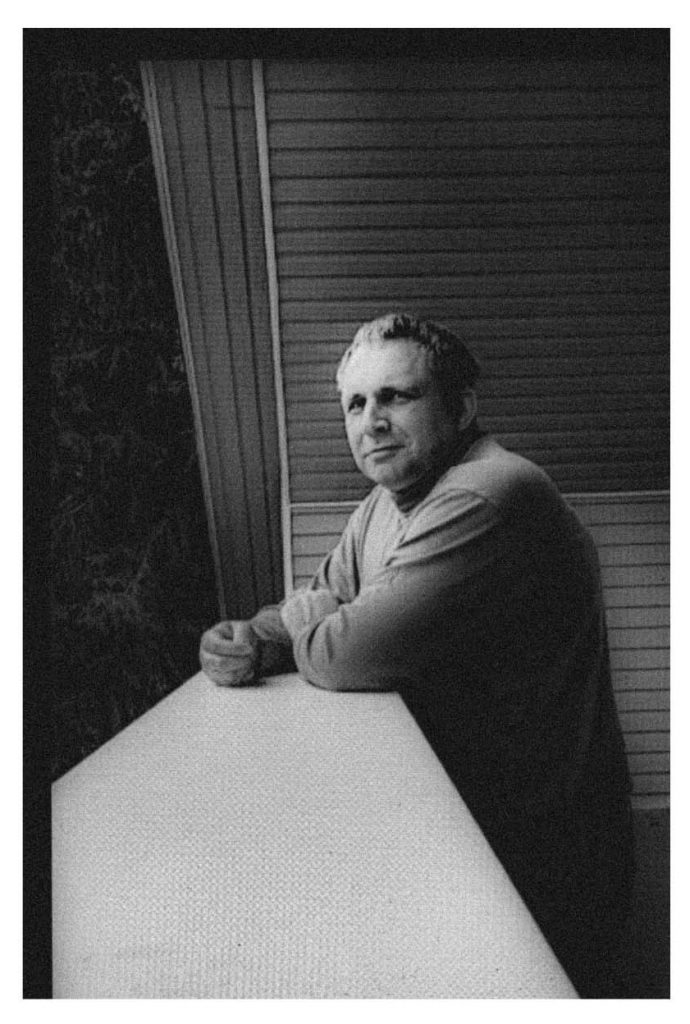 Nikolai Vladimirovich Zhukov Photo: Maria Ionova-Garbin for TD
The main path of prevention of the fact that the oncological institution will simply get up due to the raging epidemic inside is to stop the infected people on the early approaches. Именно для этого врачи и обзванивают пациентов перед визитом, для этого измеряют температуру при входе, опрашивают о наличии симптомов. К сожалению, избытком сознательности некоторые люди не страдают и всегда найдется тот, кто, боясь чего-то недополучить или просто не придавая значения предостережениям, даже несмотря на наличие симптомов или контакта с COVID-позитивным родственником, пойдет в клинику, где перезаражает и своих собратьев по несчастью, и врачей. Не понимая того, что в следующий раз ему, может быть, уже некуда будет прийти. Это один из самых важных посылов, который нужно донести до людей: сегодня та самая ситуация, когда слова «социальная ответственность» перестают быть пустым звуком — думая о других, ты можешь спасти себя . И если врач предлагает решить какие-то вопросы дистанционно, поверьте, сегодня для этого есть все основания.
— Сегодня уже можно оценить, какими будут потери от пандемии и как долго придется восстанавливаться отрасли?
— К сожалению, мне кажется, что у нас в стране очень большая проблема со статистикой по смертности от COVID-19. Это лишь предположения, но мне они представляются вполне обоснованными. Дело даже не в том, что у нас смертность по отношению к заболеваемости в разы меньше, чем в странах ЕС (в том числе и вполне благополучных по ситуации с коронавирусом), и тем более чем в США. Это потенциально можно объяснить тем, что у нас выполняется больше тестов и, соответственно, выявляется больше легких или бессимптомных случаев заболевания, которые «пропускали» в США и ЕС, что и «разбавляет» смертность.
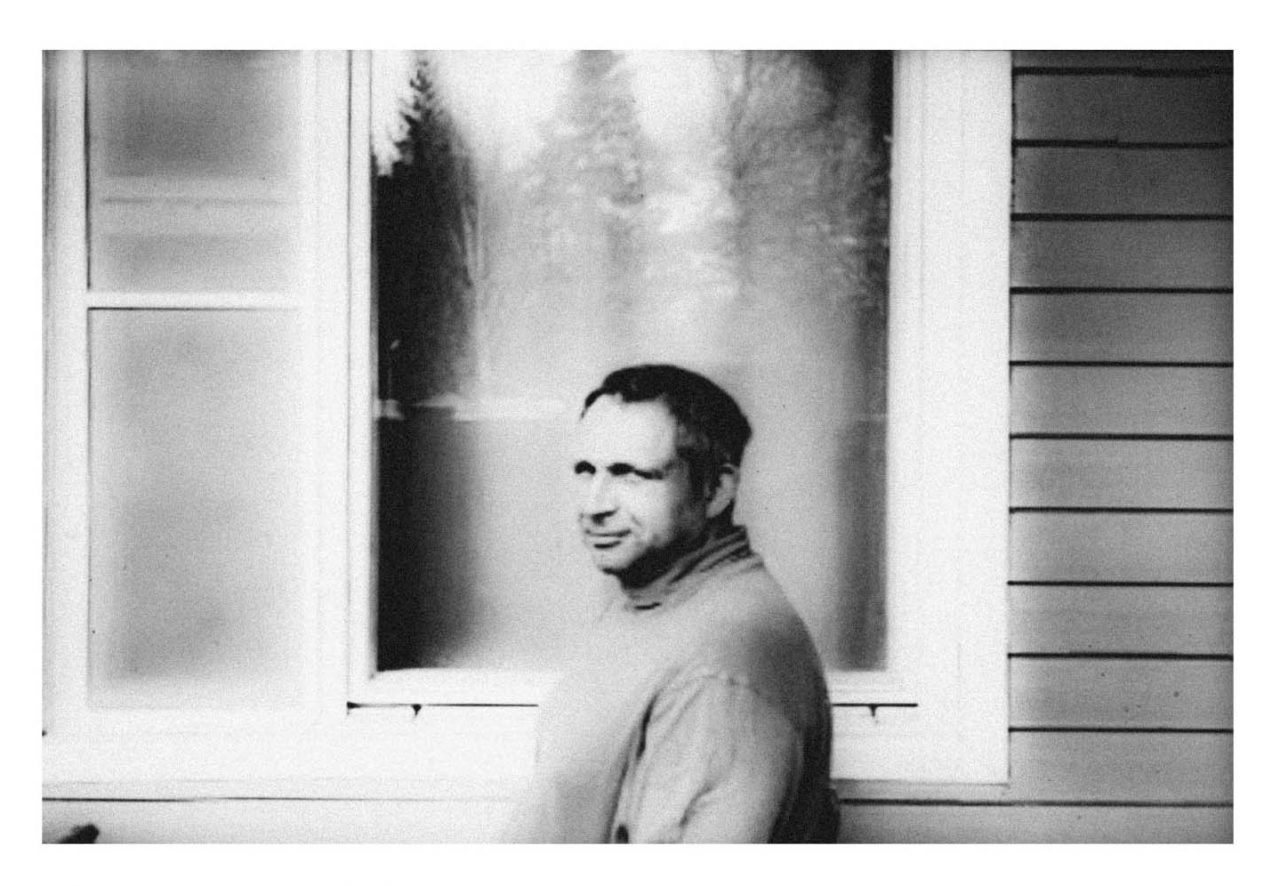 Николай Владимирович Жуков Фото: Мария Ионова-Грибина для ТД
Но сейчас появились данные об умерших от коронавируса медработниках, на конец апреля их было почти 70 человек, а всего погибших, по официальной статистике в РФ на этот же день, было около 700, то есть медработники составили почти 10 процентов от всех погибших. Но такого не должно быть, это просто не вяжется с логикой, и этого точно нет ни в одной стране. Иначе в США, где сейчас уже около 60 тысяч погибших от COVID-19, был бы уже острейший дефицит медицинского персонала в связи с «невозвратными потерями» 6 тысяч медиков. А на самом деле их даже в глобальном списке памяти, который ведет врачебный портал Medscape, пока на весь мир меньше тысячи.
Так что у меня есть большие сомнения в имеющихся цифрах — получается, что либо у нас вообще не защищают медиков, используя их как пушечное мясо, либо очень сильно занижена смертность от COVID-19 в общей популяции, либо и то и другое одновременно. Вполне возможно, конечно, что есть и какое-то другое разумное объяснение этих цифр, но я его, к моему великому сожалению, не вижу. И поэтому в силу неуверенности в общих цифрах не могу что-либо предположить в отношении частного вопроса об онкологических больных.
Да, скорее всего, у онкологического пациента риск погибнуть в условиях коронавируса будет больше, чем без него. И по причине самого коронавируса, и по причине тектонических сдвигов, происходящих в системе здравоохранения. К сожалению, это нужно принять как данность. И кстати, мой личный шанс умереть тоже гораздо выше в эпоху коронавируса, чем до него. У меня нет онкологического диагноза, но есть гипертензия и хроническая обструктивная болезнь легких, и мне далеко уже не 18 лет.
 Николай Владимирович Жуков Фото: Мария Ионова-Грибина для ТД
Что касается долгосрочных проблем онкологической службы, то они будут связаны с тем, насколько все это затянется. И придется ли нам не просто заменять схемы, а реально откладывать жизнеспасающее лечение. Многое будет зависеть от того, насколько мудрыми окажутся организаторы здравоохранения, власти в целом, чтобы свести эти потери к минимуму. Но так же многое зависит и от самих пациентов: берегите себя, берегите своих близких, берегите своих врачей — это те люди, от которых зависит ваша жизнь, и если они уйдут (из жизни или из профессии), следом за ними может долго никто не прийти. А мы в свою очередь будем беречь вас, так как именно для этого — лечить, беречь, защищать своих пациентов — мы и пришли в эту профессию.
коронавирус медицина медицинская помощь онкология пандемия