
Translated material
We will strive for everyone
Convicts in the "Moscow case" and Konstantin Kotov were banned from participating in the elections
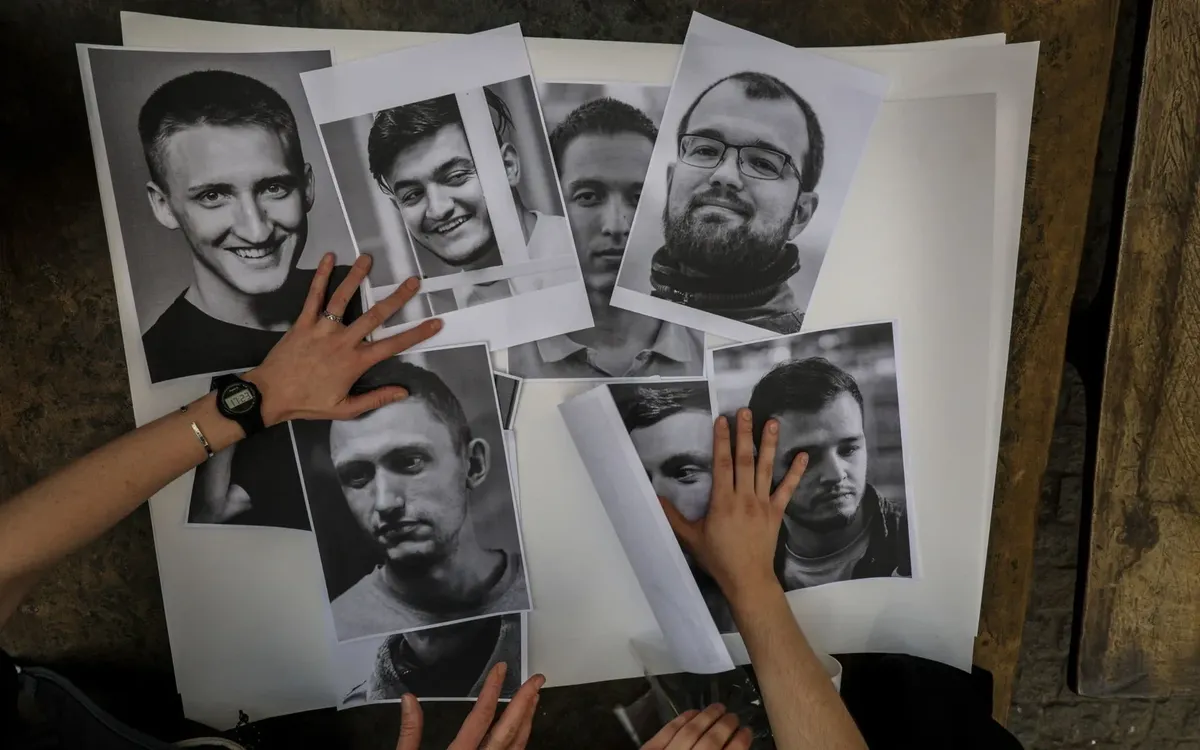
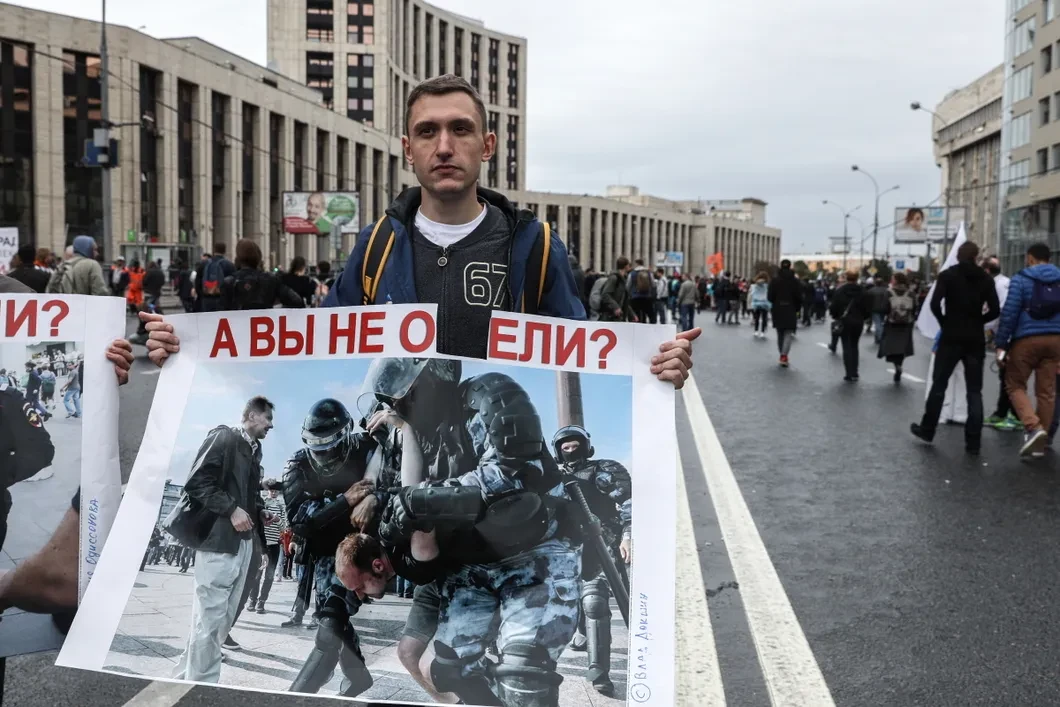
The State Duma on May 13, in the third, final reading, approved a bill aimed at “improving the electoral legislation”, the amendments to which is forbidden to run for any elected positions to candidates previously convicted of medium -sulsory crimes. Such crimes include the so -called Dadinsky article - about repeated violation of the rules for rallies, according to which, earlier Moscow courts have already been convicted with a difference of 4 years of age, Ildar Dadin and Konstantin Kotov.
In relation to the first, the Constitutional Court recognized the sentence contradicting the basic law of the country, the verdict was canceled, and the convict was released. With regard to the second KS, the verdict decided to revise, but Article 212.1 of the Criminal Code did not consider the contradictory constitution itself. As a result, the Moscow City Court only reduced the punishment of Kotov, but left him in the colony.
The next bill did not initially mean a special scandal. And in conditions of universal abstraction of the pandemic for passing the bill, no one watched especially. Its initiators were deputies from the United Russia faction Dmitry Vyatkin, Dmitry Belik and Evgeny Revenko. Even in the first reading, the bill suggested only technical, in fact, amendments, in particular the opportunity to submit an application for voting through public services. However, the second reading in the document unexpectedly appeared Vyatkin’s separate amendment, introducing a ban on participating in elections to any positions for persons who have an uninhabited or outstanding criminal record for a number of medium -sized crimes (until 5 years from the day or repayment of a criminal record). Currently, such a ban so far acts only on heavy and especially grave articles of the Criminal Code.
The author of the amendments on the ban on the “Dadinsky article” Deputy Vyatkin is today the first deputy chairman of the Committee for the Development of Civil Society, issues of public and religious associations.

If you look at the dynamics of the legislative work of Mr. Vyatkin, then you can make sure that he is a deputy of the member. Over the 12 years of being in the State Duma, the co -author of more than 130 legislative initiatives and amendments to draft federal laws.
Of course, he voted for the adoption of the "Law of Dima Yakovlev", which prohibits US citizens to adopt Russian orphans.
In 2019, he became one of the authors (together with Lyudmila Bokova and Andrei Klishas) the law on punishment for the spread of fakes and publications, “showing disrespect” to power. And now, after that, after very saturated at rallies in the summer of 2019, convicted political activists in any case could not participate in the elections.
Who will this amendment affect?
Naturally, Konstantin Kotov and other citizens who will be convicted under Article 212.1 of the Criminal Code. As well as everyone who was convicted of the spread of fakes, rehabilitation of Nazism, calls for terrorism, and threats to the judge. In addition, in a list of 50 articles, the outstanding criminal record for which will mean a ban on participating in the elections, crimes against the electoral system, various types of fraud on the part of entrepreneurs, destruction or damage to military burials. The amendment of Vyatkin also included in the list of part 2 of Article 112 of the Criminal Code, which provides for the punishment for "intentional infliction of medium severity of health committed in relation to two or more persons or in relation to a person or his relatives in connection with the implementation of a person or the fulfillment of public debt."
That is, all convicts in the “Moscow case” fell under the law, including those who received 3 years conditionally a student of the “tower” Yegor Zhukov for “calls for extremism” on his YouTube channel. The reason for the persecution, recall, was a video in which Zhukov talked about the advantage of non -violent protest methods.
We have already passed it
Participants in the movement in defense of voter rights “Voice” declare the need to appeal the new law in the Constitutional Court. The accepted restrictions are redundant, experts say: the convict has already redeemed his guilt with his punishment, but this is not enough for the legislator, and he establishes additional terms of defeat in the rights.
“The idea of this kind of restrictions is not new,” says Grigory Melkonets, the “new” co -chair of the Voice .
Expert commentary
Grigory Melkonets
Co -chairman of the Voice movement:
-After the mass rallies “For honest elections” in 2012, in 2012, amendments were adopted, lifting citizens of the right to elect in elections, sentenced to deprivation of liberty for committing serious and especially serious crimes. Then this norm was appealed in the Constitutional Court, which recognized life deprivation unacceptable. The law has changed, and now the restriction is valid within 10 and 15 years after the removal or repayment of criminal records for committing serious and especially serious crimes, respectively.
The story is repeated. After mass rallies in 2019, due to the inadequate candidates for the elections, a new reaction of the authorities arose. Formally, the authorities explain the ban on participating in the elections by the barrier from crime torn to power. But such an unreasonable expansion can only be explained by the desire to clean competitors in the elections and the growing fear of losing power.
Moreover, the legislator provided for a choice of five dozen corpus delicti, starting from the public distribution of obviously false socially significant information or repeated violation of the rally organization and ending with the article “fraud”, which “nightmares” the business. To use restrictions, it will not necessarily deprive a person of freedom, it is enough to appoint a conditional term, after which the citizen will not be able to run for another 8 years in the elections. We see how such prohibitions work effectively on the example of Navalny and Khodorkovsky.
As Melchonyants suggests, after the entry into force of this law, there is a risk of growing custom -made cases on objectionable political and public figures, who will be held on a preventive basis.
The amendments of the deputy Vyatkin were also announced about the anti -constitutionality of the amendments of the deputy from the Communist Party and the Just Russia. Oleg Shein told the deputy head of the Duma Socialist -Revolutionary faction “New” that when considering the bill in the third reading, his faction, like the Communists, voted against.
Well, in the opposition, not admitted to the State Duma, they state: the adopted “criminal filter” simply encroached on the freedom of election, artificially reducing and so extremely ridiculous low competition.