
Translated material
One -way ticket
Why is Russia better to leave the Middle East until it's too late
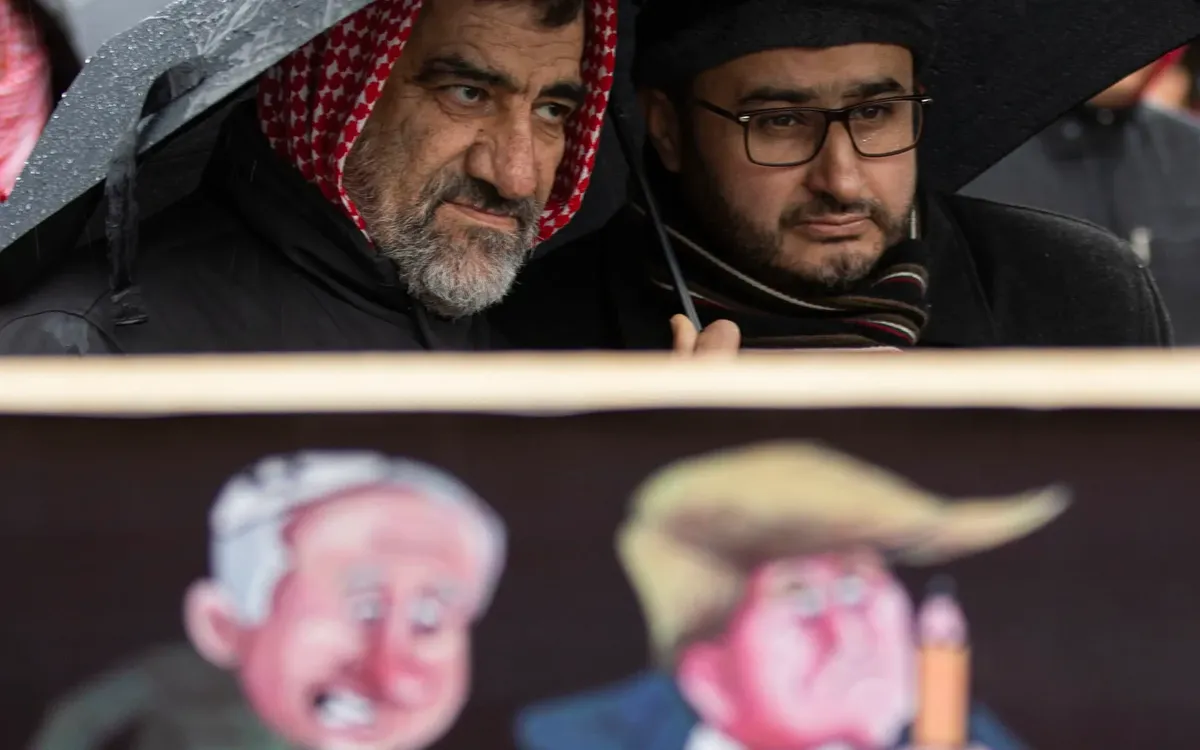
The problems of the Middle East of recent years fade against the background of what can happen in the coming decades. So far, Moscow has so far been able to maintain neutrality in relations with the conflicting parties of the Middle East, but what will happen when the position of the "impartial arbitrator" will no longer be able to maintain?
The increase in the number of conflicts, impoverishment and radicalization of the population, the strengthening of Islamists create a direct threat to any external power, striving to influence geopolitical processes within the region. The key problem today is still a misunderstanding of the long -term consequences for Russia. The country runs the risk of being at the most epicenter of complex political events without an exit strategy.
Dangerous East
For five years, the policy of Moscow brought numerous dividends. Military operations in Syria and the pragmatic position of the diplomatic corps made it possible to significantly improve relations with many countries such as Egypt and Saudi Arabia. It was possible to interrupt the strategy of isolation of the previous US administration after the events in eastern Ukraine, to strengthen positions in the international arena and, among other things, get multibillion -dollar investments from the Gulf of Persian monarchies.
Achievements are certainly impressive, but they are worth considering in a wider context.
An unstable situation in the Middle East greatly reduces the entrance threshold. Few of the world powers understand what to do with the problem region. Any geopolitical success is doomed to be short-term due to the high volatility of local processes.
At the same time, a combination of a pragmatic approach in diplomacy without attempts to build alliances and the presence of a significant strict force greatly facilitate the task. Moscow relied just on such tactics, and it turned out to be successful. The similarity of political systems with many Arab countries, the opportunity to make decisions quickly and based on personal agreements even more simplified the task. However, it is the speed with which Russia was able to gain a foothold in the region should cause wariness.
The gap of the OPEC+ transaction in early March and the trade war with Riyadh showed that bilateral relations based on personal ties and not having an institutional base can quickly break off, and friendship to develop into enmity. The Russian armed forces managed to change the course of the conflict in Syria, but it is obvious that the regime in Damascus is not ready for real reforms.
There is no longer the question of whether it will be possible to achieve reconciliation, but about how strong the repressions will be and when people tired of the wars will again want to take up weapons.
The actions of Russia in the Middle East can be compared with a sand castle: it is easy to build and it costs practically nothing to destroy.
The alternation of successes and falls can be the accompanying factor in the Russian presence. Moscow, of course, will continue to influence geopolitical dynamics, but now there is no power in the world that can solve the fundamental problems of the region, and any actions at best will be limited to “flinging the holes”.
The explosive growth of the population, dictatorship and ubiquitous corruption, the lack of working social elevators, the sunset of the oil era, the irreparable technological backwardness, the aggravated religious enmity and socio-economic consequences of climate change-these factors will directly affect the dynamics of the development of the Middle East to the very near future and bring an immediate threat to the external forces within the region, including Russia.
Demographic bomb
In the next thirty years, the Middle East will become the second region of the world in terms of birth rate. Over the past 50 years, the population has almost tripled, and about 360 million people live in Arab countries today. According to the UN forecasts, by 2050 or after some thirty years, the number will come close to 600 million and continue to grow.
The population of Egypt alone will increase by 60 million people, and in total there will be almost 170 million in the country, and Iraq will add 45 million. As a result, in 2050, the total population of Africa and the Middle East will exceed 3.4 billion people, which will make this part of the world one of the most densely populated and at the same time problematic.
The consequences of explosive growth in the population will be the main challenge for local authorities. Today, youth up to 25 years old is on average 40 percent of the total demographic composition, and in the next 30 years this indicator will increase to 50 percent.
The leadership of most countries will need not only to somehow employ the youth, but also to find growth strategies in the context of a tremendous technological gap with more developed countries and aggravated competition in global markets. The fate of many regimes and even the preservation of states in the current boundaries will depend on the solution of such problems.
If you try to predict the fate of the region, then the picture will be a lean. According to the UN data of 2018, the Middle East ranked first in the world in unemployment among young people, and on average more than a quarter had no work.
In 2018, almost half of the 118 million young people of the region under the age of 18 lived in an average poverty level and every fourth in extreme poverty.
It is expected that at best, unemployment will increase slightly by 2030, which does not bode well.
The youth of the Arab world is least participating in civilian life, and the indicators of volunteer activity here are almost half as much as in the countries of Africa south of Sakhara. Local young people are most subject to all kinds of violence in the world: from widespread domestic violence, widespread bullying in schools and universities to conflicts on religious grounds, arbitrariness of power structures and direct life inside or near military zones.
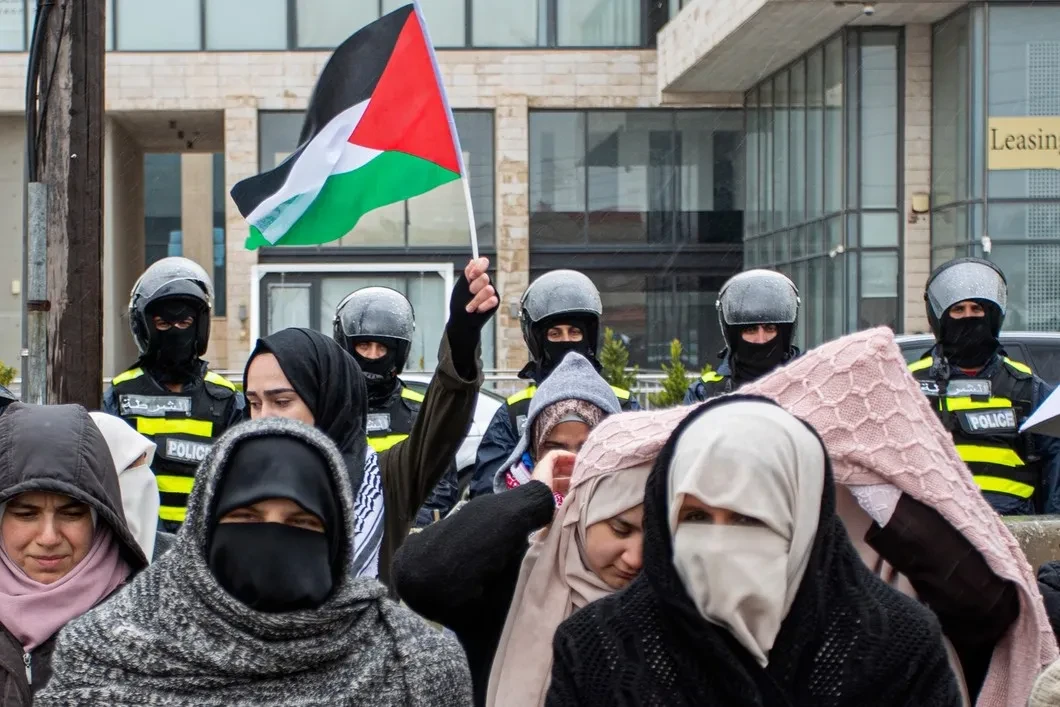
Needless to say, young people grow up with an excess of all kinds of psychological pathologies, which almost do not solve and are even more aggravated by extremely low access to quality education, as well as religious radicalism. Meanwhile, the future of the region depends on them.
Local authorities need to do a lot to turn the situation. According to the forecasts of the World Bank, over the next 30 years it is necessary to create almost 300 million jobs to avoid problems due to demographic boom. It is important to carry out deep economic reforms, reduce the role of the state in the economy, ensure the independence of the courts, the inviolability of private property, and maintain a gradual transition to democracy and security.
Most likely, in most countries of the region, nothing of the kind will be carried out, and the increase in the population will become a slow -off bomb. The growth of dissatisfaction with the arbitrariness of the authorities and the lack of changes will stimulate local authoritarian regimes to resort to the help of repressive devices, which will increase public radicalization, thereby creating a vicious circle.
Milk without a cow
The countries of the Middle East "missed" the fourth industrial revolution. Already today, local states are ten times lagging behind the average Imail pace of implementation of labor and machine learning automation decisions, and the situation will only aggravate. The chances are extremely high that in the next decade the region will finally lag behind the technological development from other transitional economies of Africa south of Sahara and South Asia.
The Middle East will be one of the fastest growing markets for the consumption of Internet services, but this is unlikely to contribute to the emergence of innovations, their introduction and increase the competitiveness of local economies. Smart and talented people will massively move to more developed parts of the world, and those who still remain can hardly fully prove themselves in authoritarian regimes that limit civil and economic freedoms.
In the near future, we will hear a lot about the creation of the so -called special industrial zones or cities of a future worth hundreds of billions of dollars.
However, as in the case of other authoritarian countries, Arab leaders will step on the same rake, trying to get “milk without a cow”. As a result, subsidized and mostly uncompetitive companies and those who will try to move west in all ways will be hidden behind the beautiful facades.
A possible exception can be the UAE, where the skillful actions of the Emirate Dubai really helped to diversify the economy. However, it is not yet clear how much such a model is viable in conditions of low oil prices in the long run, and in any case, its influence on the fate of the whole region will be very limited.
The export of energy resources was one of the main drivers of the growth of the region and subsidies - the most important factor in maintaining public stability, but the situation begins to radically change. Despite the fact that oil and gas will remain an important resource of the global economy for the next few decades, their prices will no longer be equally high, and the “green” energy will gradually come to change.
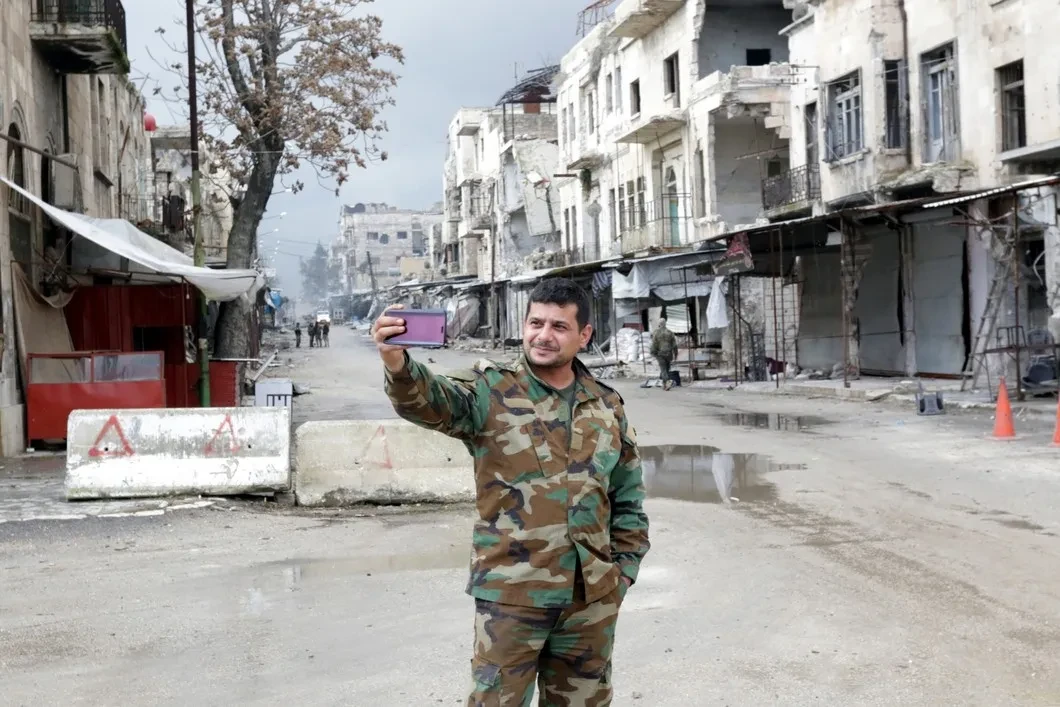
Today, even rich Arabian monarchies with colossal financial resources and a small population are faced with budget deficit, forced to reduce expenses and resort to conservative fiscal measures.
Such changes will certainly strike at other economies of the region, which depended on trade with the Persian Gulf or export of energy resources. The absence of obvious growth drivers will only aggravate economic backwardness and will maintain a high percentage of poverty among the population.
Even more fundamentalism
According to climate change forecasts, by 2070 the almost third of the Middle East will become unsuitable for life due to heat and drought. In the next few decades, the average temperature in the summer in many countries of the region will be twice as higher than the average ID.
The UN predicts that in 2050 the consumption of fresh water and food in the region will be half of the current indicator, which is already at one of the lowest levels in the world. As a result, conflicts may worsen due to access to resources, the demand for which will be regularly stimulated by a demographic boom.
The situation will develop slowly and certainly some positive decisions will be made, for example, it is expected that half of the entire energy of the region in 2050 will come from the sun.
However, under any combination of circumstances, the main blow will be on the poorest and very numerous segments of the population.
Such industries as tourism and agriculture will suffer greatly that for the worse the lives of tens of millions of people will change.
Traditionally unhurried reactions of local authorities to the problem will only aggravate the situation, which will again affect the growth of radical moods in society.
Low quality of education, mass psychological injuries, poverty, repression and lack of social justice will increase the percentage of people who seek religion.
It is highly likely that Islam will be used more and more as a means of political struggle. The full transition to the secular way of life will be unlikely, since the local population for the most part is not ready to abandon the dominant social role of Islam, and political leaders see this threat to the authoritarian system.
The influence of radical Islamic parties can increase. Tens of millions of poor and unhappy people living in terrifying conditions are an excellent recruiting base among representatives of terrorist groups. The role of moderate Islamists will increase, but this is unlikely to affect their integration into political processes.
Despite the numerous prohibitions and mass executions after the events of the Arab Spring, the Islamists did not leave the political arena, their influence on local societies remains, and they themselves are only temporarily sitting underground. As a result, the beginning of new Islamic unrest remains in many ways only of the issue of time.
There are great risks of exacerbation of the Sunni-Shiite confrontation. The embedded sectarian differences at the institutional level in states such as Syria and Iraq will become a delayed bomb and can provoke new civil wars. The persecution of ethnic and religious minorities will continue, and the number of Muslims will increase even more. Against this background, the events of the Arab Spring may seem only a rehearsal of those tectonic shifts that will shake the region.
The history of the region and its inherent volatility show that any external power, regardless of its intentions, somehow begins to be associated with something hostile.
If Russia has so far been able to avoid analogies with Western imperialism or the “enemy of Muslims”, this does not mean that the situation will not change in the future.
The deterioration of the situation in the Middle East may become one of the incentives for rethinking the role of Russia among Arab countries. The dividends obtained by Moscow will be incommensurable with the cascade of the consequences of geopolitical adventures.