
Translated material
Prosecutor for escort
The Swiss flew hunting for bears and “Russian pigs”, and as a response service tried to block the investigation of the murder of Magnitsky
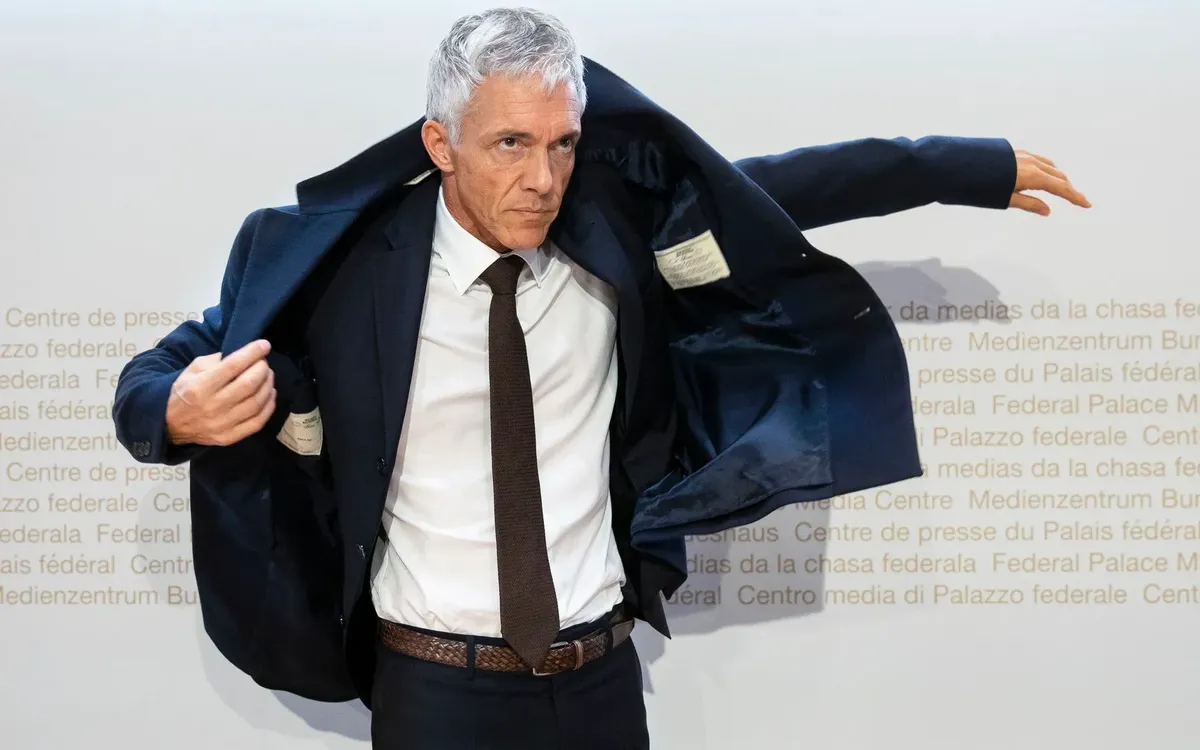
On May 20, in Switzerland, for the first time in the history of the country with a centuries -old parliamentary tradition, a hearing in the parliamentary judicial commission for impeachment announces the prosecutor of the Confederation (head of the prosecutor's office of the Swiss Confederation, an analogue of our Prosecutor General) Mikhail Lauber. Accusations can lead to early and shameful resignation if they are supported by parliament. Lauber can lose his position because of the unofficial contacts of his subordinate-“Expert in Russia” with the former deputy prospect of Russia Saak Karapetyan (who died in a plane crash) and the scandalously known lawyer Natalya Veselnitskaya, who was interrogated in connection with the possible intervention of Russia in the American elections.
Dear Readers
This Investigation Into How The Swiss Prosecutor's Office Tried to Block The Magnitsky Case Iso Publined in English

In the Swiss media, the “expert in Russia” of the Swiss Federal Prosecutor's Office appears only under the conventional name “Victor K.” due to the requirements of the Swiss law. In the media of other countries, his real name, according to our information, was also not called.
We first call him by name and publish his photo.
The Swiss are trying to find out: whether Lauber’s subordinate went to Russia in order to prepare for the aggressive interrogation of Andreas Gross, appointed by the Council of Europe as a speaker in the case of the deceased Russian lawyer Sergei Magnitsky, who had revealed the mechanics of money from the Russian budget. And was the gathering in Russia “counterarguments”, which are, in fact, the position of tormentors of Magnitsky, an official task or someone’s personal initiative? And at the same time - to understand why the criminal cases of former minister Elena Skrynnik, the son of the former general prosecutor Chaika and a complex of criminal cases associated with possible bribes to FIFA were collapsed in Switzerland.
However, the Swiss does not yet know that Lauber’s subordinate continued to travel to Russia and after he was expelled from law enforcement officers. The New Gazeta has exclusive information about the movements of the former expert of the Swiss prosecutor's office.
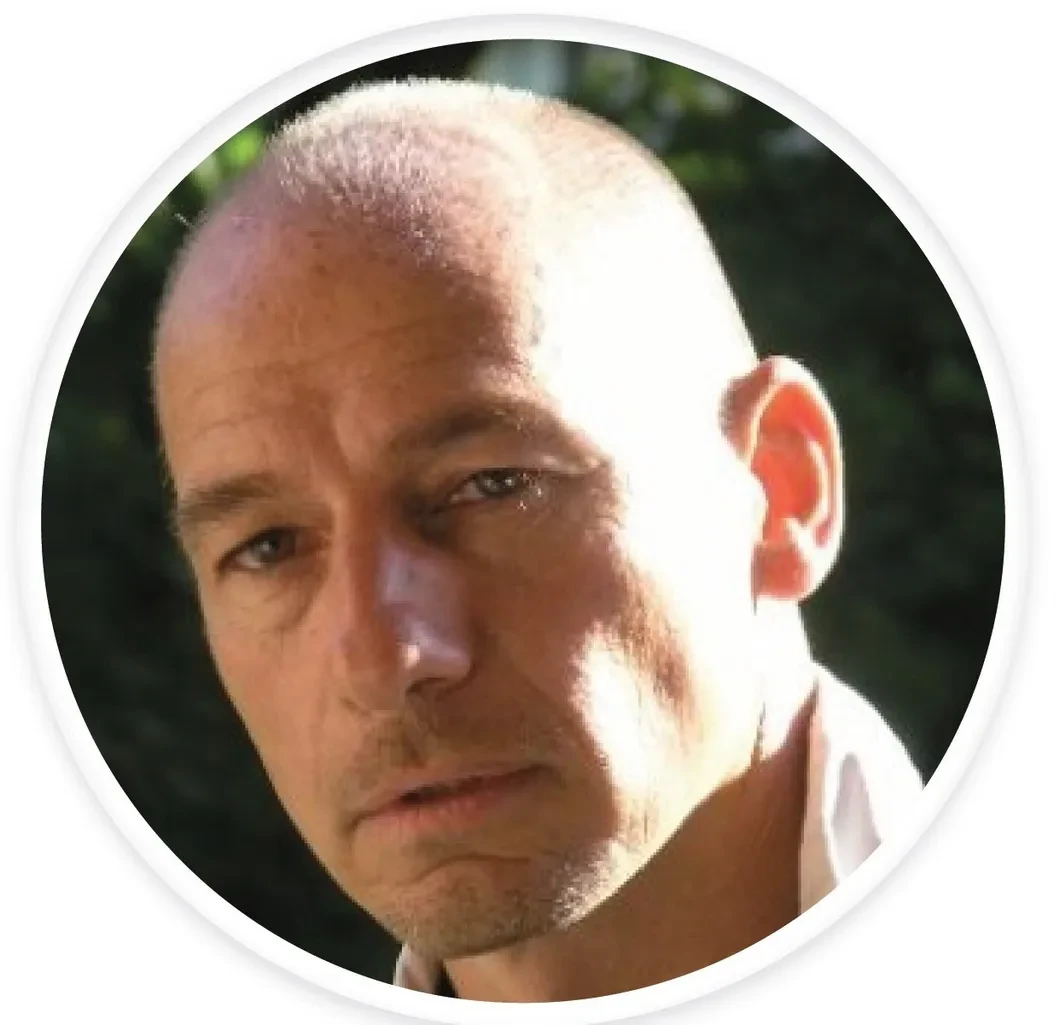
Philosopher-Police
Vincenz Schneell, Slavist and philosopher from the University of Bern, defended in 1991 the thesis "Prose of Tatyana Tolstoy and postmodern." Since the late 90s. He worked under the leadership of the future prosecutor of the Swiss Confederation of Lauber in the Federal Criminal Police. Further their paths formally dispersed: Lauber worked in the lawyer, then he was engaged in the fight against money laundering in Liechtenstein, since 2011 he was elected federal prosecutor of Switzerland.
Schneell remained to serve on a criminal investigation department. But I really wanted to work in the prosecutor's office. And the prosecutor’s office was needed - as a connoisseur of Russian realities.
The cases associated with our country were incurred in Switzerland in Switzerland, and the Swiss of their defendants called "three m" - "mafiosi, billionaires, ministers."
The prosecutor’s office, however, had no vacancies, and the expert in Russian affairs Schneell was seconded to this department from the police, having received the workplace, but not the position. When the “business trip” expired, the direct authorities of Schnelle were not interested in what he was busy, everyone knew that he was working with the leadership of the Federal Prosecutor's Office, engaged in especially important Russian affairs.
The prosecutors by that time realized that Schneell was more necessary for them unofficially, in particular, for security reasons, since he was involved in delicate affairs, including Magnitsky. The prosecutor’s office, in the case of any scandal or leak, could always crawl to the side delicately.
Therefore, police chiefs simply performed a formal function: they signed leave and business trips. In court it will subsequently find out that it seems that no one really knew who the formal chief of Schnelal. In Russia, he was presented as "Advisor to the Federal Prosecutor of Switzerland."
According to the testimony of prosecutors captured in the Swiss judicial protocols, Schneell was indispensable in issues of international legal assistance between Russia and Switzerland. Our countries are obliged to provide each other in virtue of international agreements. Skeptics in Switzerland, however, are noticed (including in court documents) that this help was usually unilaterally: Switzerland regularly provided investigations, while nothing significant came from Russia.
Schneell creatively and unusually approached the organization of international legal assistance entrusted to him. His leadership, as follows from the testimony in Swiss ships, ordered him to take into account the national and cultural characteristics of his counterparties. And he put the case in a new way. I tried to wean the Swiss from unacceptable for Russian things - for example, to pour strictly 100 ml of wine during a tasting (as he admitted publicly that
Almost burned out with shame, when the Swiss led the delegation of Russian prosecutors to the basement with wine and gave out wine strictly by the measurement).
The leadership of Schnelal emphasized in court in court that this was a common practice with all countries - so, the mysterious soul of the Spanish prosecutors was able to reveal only after the Swiss colleagues invited them to ride. And only German prosecutors were an exception - with this, and only with this country the rule worked: you send a fax to Berlin - and get an answer from there.
The work of an employee of the threat of Vincenz Schnelle was both dangerous and difficult: he met in Switzerland restaurants with Russian guests. The leadership of Shnelly insists that this practice was common and allowed to receive information in an informal setting. It was especially indispensable, when claimed, in the investigation of the case of money laundering, the abduction of which was investigated by the lawyer Magnitsky.
Meanwhile, the high -profile cases associated with the laundering of Russian money were not investigated, or even completely fell apart.
It was denied the initiation of the case against the son of the Prosecutor General of Chaika after the investigation of Novaya Gazeta and Navalny.
The statute of limitations in the case of the Minister Skrynnik allegedly about washing $ 70 million through Swiss banks - a couple of accomplices, escaped with small fines, the main people left unpunished.
But the most important thing: for many years, the case has not moved anywhere regarding those whom Magnitsky, who died in the Moscow pre -trial detention center, exposed to laundering in the Moscow Dylege, due to the fact that most of the money stolen from the Russian treasury passed through Switzerland.
As part of the prosecutor's delegations, Schneell frequented to Russia. In 2014, he, his direct chief Patrick Lamon and the head of the Swiss Federal Prosecutor's Office, the confederation prosecutor Michael Lauber visited the prosecutor's conference in Irkutsk - in the homeland of the then prosecutor General Yuri Chaika. The welcoming hosts invited the Swiss prosecutors to ride Baikal on the ship.
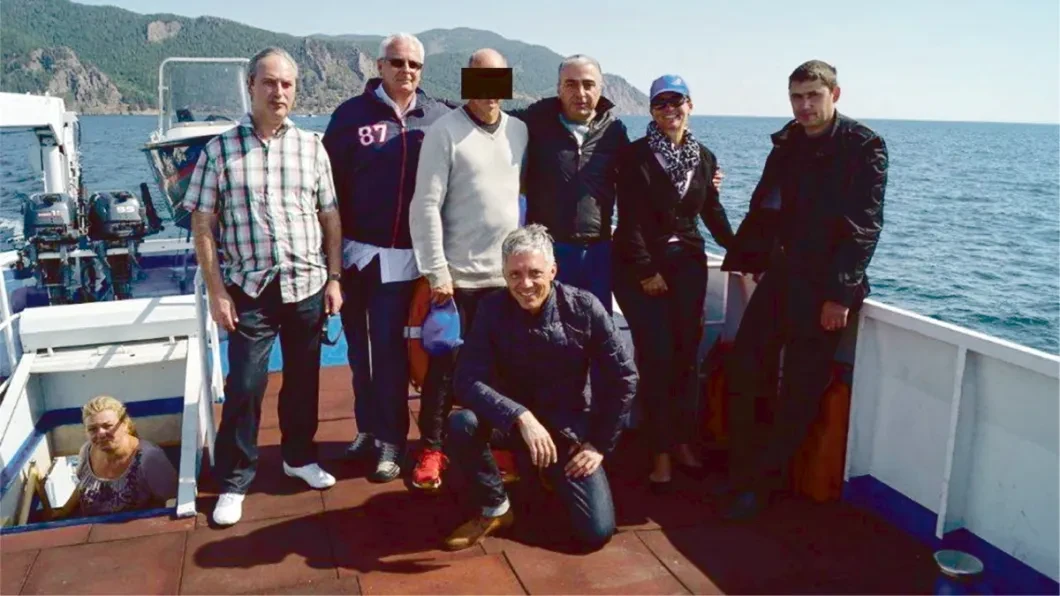
The trip led to a scandal in the Swiss media: a photo was published where the listed Swiss law enforcement officers were photographed with the head of the Main Directorate of International Legal Cooperation of the Prosecutor General’s Office Saak Karapetyan (thereby, which will then die in a plane crash during illegal hunting). The federal prosecutor managed to stand on one knee to fit into the frame, and
Swiss newspapers were full of headlines like "Lauber's knee -replacing in Russia."
It happened to the Swiss prosecutors and fly to Russia on an airplane of the Russian Prosecutor General’s Office after a meeting with a seagull at the forum in Davos in September 2015. Soon after, the New Gazeta and Navalny will publish a joint investigation about how the sons of the Prosecutor General invested money in Swiss real estate. And in 2016, the Swiss Prosecutor General’s Office will accept a decision to refuse to initiate a criminal case against the Seagull Jr.
It reached the anecdotic. In 2017, Lauber received such a huge service from Russian prosecutors as a gift that he was left for storage at the Swiss embassy and could not be taken out of there for several months.
In 2014 and 2015 Lamon, Schneell and an employee of the prosecutor's office Anna-Claude Shadegger went to negotiations with the Russian Prosecutor General’s Office to Moscow. Both times, Saak Karapetyan, responsible for interaction with foreign law enforcement services, invited them to restaurants and during a friendly feast he called to stay for the weekend and go hunting. Lamon has always refused under a plausible pretext. But Schneell agreed. Both times, hunting trips took place according to the same scenario: after leaving the rest of the Swiss to the airport on Friday night, Saak Karapetyan took “by car with a blue flashing light and siren on the outskirts of the city” (here the judge notices: “It is difficult in Moscow to leave the city in a reasonable time”), they transferred to other cars and rode to Yaroslavl region in Yaroslavl region. The hunting grounds belonging to the Armenian “oligarch”, a deputy of the regional Duma, whose name remained encrypted, but only Tigran Ghazaryan falls under this description.
Ghazaryan made his fortune working with billionaire Samvel Karapetyan (namesake Saak Karapetyan) and his group of Tashir companies. According to Schnelal, the "oligarch" supposedly belong to "state forests" in the Yaroslavl region.
According to Schnella in the courts, he asked permission from his boss - Lamon, and he advised him to go hunting to get potentially useful information. According to the testimony of Lamon, no one asked for any permission from him. In any case, both times Schneell traveled with Karapetyan to the Yaroslavl region, where he participated in the hunt for wild boars. According to Schnelal, he never loved the hunt and did not want to kill animals, so he deliberately shot past wild Russian pigs.
Schneell did not particularly hide his adventures from his colleagues and told Switzerland about these trips, in particular, on Monday glider in a threat.
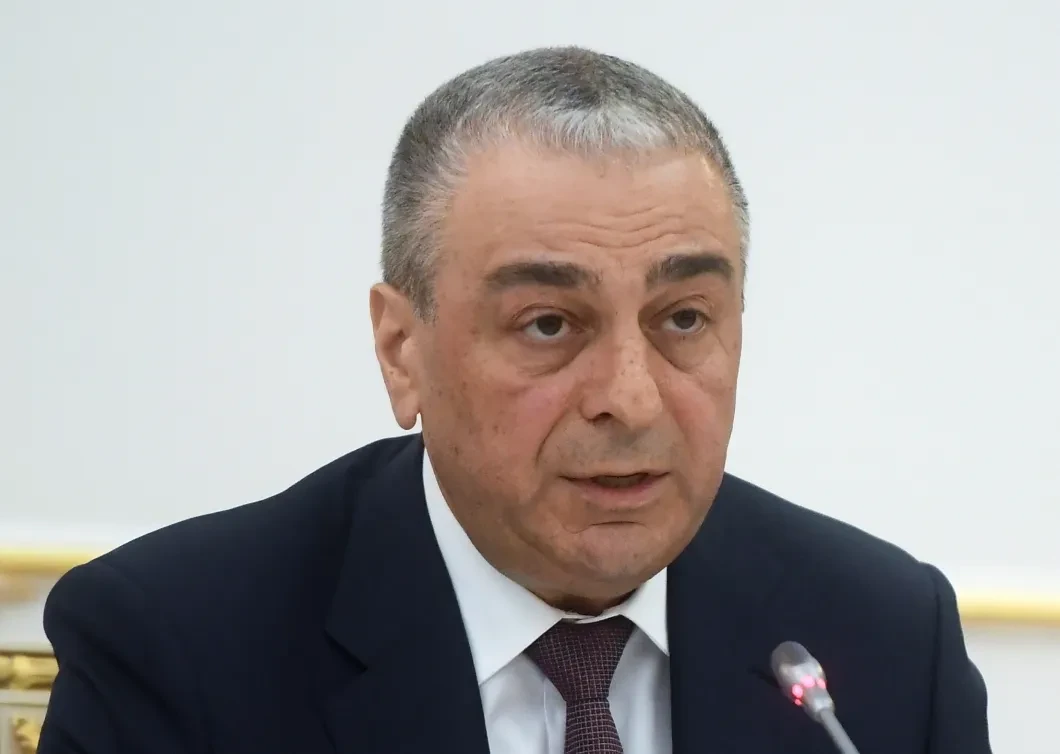
Lamon did not explain to the court how he explained when he returned to Switzerland the absence of one of the members of the delegation.
In 2016, Karapetyan, after his visit to Switzerland, suddenly invited Shnelly to Russia to hunt for a week. Schneell took a vacation and went to Russia. According to Shnelly, he understood Karapetyan so that they would again go to Yaroslavl lands to shoot wild boars, and he was very surprised when Karapetyan and his Yaroslavl Armenian friend did not take the Yaroslavl region, but put on a flight aircraft in Kamchatka. There, for a week, Schneell caught fish and “hunted”, including from a helicopter, - again, according to him, he tried not to get into the bear prepared for him, but since such a beast is dangerous, Russian prosecutors still shot (apparently).
Against the backdrop of a dead bear, Schneell was photographed, the photo was introduced to the materials of the Swiss court.
The Swiss court appreciated the market value of a trip to Kamchatka with the killing of a bear at 10,000 francs. The Swiss judge, describing the Kamchatka from the words of Schnelal, allowed himself to deviate from the boring stationery, and the remark fell into the verdict: "And the rivers are full of fish there."
Later, at the trial, Schneell will say that he went to Russia for hunting not to rest. According to him, he went to collect information that would help him attack the parliamentary representative Andreas Gross, who made a report on Magnitsky’s death on the instructions of the Council of Europe in 2013.
In November 2016, the Gross was summoned for interrogation to the Swiss prosecutor's office. Schneell interrogated him all day. At the same time, the already former deputy of the GRCS, as he explained to the press, tried to convey to Schnelal that some employees of the Russian General Prosecutor's Office are part of organized crime. The court explained to the court that a criminal case involved in the murder of Magnitsky had to be terminated for a long time, but for this it was necessary to “deprive the authority” of the Gross report and “disrupt the masks from it”.
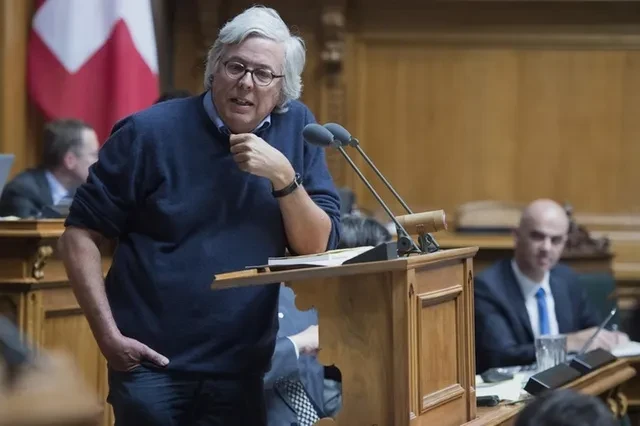
The chief prosecutor Lauber did not refute and did not confirm that the “tearing of masks” took place at his direct instruction. At the same time, both Lauber and Shnell confirm that they have always been in close professional relations.
At the end of 2016, on Christmas Eve, Schneell received a phone call from the Deputy Prosecutor of Russia Karapetyan. He urgently called him to Moscow for a confidential conversation. Schneell decided how he stated in court that the Prosecutor General’s Office finally received a certain document that the Swiss had long wanted, and that it was a question of documents that would not finally roll up the case of Skrynnik. The statute of limitations in this case expired in early 2017. The prosecutor Lenar Oksner, who was led by Skrynnik, several times before, told Schnelel that the Russians should know directly, why there was no response to requests for legal assistance in this case. And Shnell considered these issues as an instruction. But the formal chief of Schnelal under the police department Robert Cleman refused his business trip, referring to the fact that Shnell had a lot of overtime work and unused vacation.
And then Schneell, not consulting, as he claims, with anyone, buys a ticket to Moscow on December 27, 2016 at his own expense at a diplomatic passport. Before leaving, Schneell told Oksner that he would receive documents on Skrynnik in late December - early January, not explaining that he was going to go to Moscow at the weekend at his own expense. In Moscow, Schnella's accommodation is paid by our Prosecutor General’s Office (which is provided for by an international treaty for official delegations, but not for individuals).
Schneell meets with Karapetyan in anticipation of how he told the court, a valuable incriminating evidence on Skrynnik.
But Karapetyan explains: no, there will be no documents on Skrynnik - they allegedly decided so "upstairs." And instead of studying documents, Karapetyan leads him to meet with lawyer Natalya Veselnitskaya, who was then representing the interests of Magnitsky tormentors!
Schneell claims that this was a surprise for him.
Recall that the lawyer of the Anglo-American investor Bill Brider Sergey Magnitsky informed the Investigative Committee on the scheme for the departure of state-owned money, in which corrupt judges, tax authorities and Russian law enforcement officers participated. In total, from the budget of Russia, it was stolen and moved to foreign, including Swiss accounts, more than 230 million dollars. Tax authorities and law enforcement officers accustomed to theft of state money bought real estate in New York, Dubai and Montenegro. Participants in this scheme were not punished in Russia, but, on the contrary, received promotions and awards. Magnitsky was placed in prison and killed there. The only employee of the Prosecutor General’s Office who tried to figure out the death of Magnitsky was dismissed with a “wolf ticket”. Bill Brauder has achieved the adoption of acts of personal sanctions against Magnitsky tormentors.
The efforts of Bill Brauder in a number of jurisdictions were initiated by criminal cases against some characters from the Magnitsky case. So, the United States investigated the case against Denis Katskov, who invested money through Prevezon Holdings and bought real estate in New York. Natalia Veselnitskaya represented the interests of Katsy. But most Veselnitskaya became known after her meeting with her son and son -in -law Trump during the 2016 election campaign. Trump was interested in compromising evidence on his political opponents, Veselnitskaya as if promised him, but did not bring anything. However, she abandoned the fishing rod with a proposal to cancel the “Act of Magnitsky”. Apparently, after the neologisms of Krysha and Siloviki, which are firmly included in the English vocabular, as it seems, the word Razvodka is the next in line.
According to the testimony of Schnelle in the Swiss court, he discussed three criminal cases with Karapetyan, including the case of Magnitsky tormentors. During the meeting, the Swiss judge noticed sarcastically that usually international legal assistance is provided in more formal framework.
December 29, Schneell returns.
And on December 29, 2016, a letter from the Prosecutor General’s Office to Switzerland was dated, which reports on the insufficiency of the grounds for suspicions regarding the accomplices of Skrynnik, which, according to the Swiss resolution on the termination of the criminal case, helped her allegedly wash about 70 million dollars. The legal assistance request thereby refused. The necessary requirement for the corpus delicti in “laundering money” is their criminal origin. It was evident to establish such for the Swiss court only by introducing the testimony of Russian witnesses and Russian documents to it: Skrynnik received money in Russia, and in Switzerland she only legalized under the guise of transactions with (non -existent) real estate. Именно отказ российских правоохранителей допрашивать свидетелей, представлять документы и стал основанием для прекращения уголовного дела Скрынник.
По возвращении Шнелль устно докладывает о проведенных разговорах своему куратору из прокуратуры Ламону.
Полиция приходит в ярость, узнав о несанкционированной поездке по дипломатическому паспорту и прочих художествах.
Шнелль, как он сообщил на суде, был уверен, что в случае проблем с полицией он сможет решить вопрос на уровне Лаубера. Видимо, не решил. Полиция кантона Берн проводит обыск в офисе сотрудника федеральной уголовной полиции Шнелля и 8 февраля 2017 направляет заявление о преступлении в прокуратуру сразу по нескольким статьям:
превышение полномочий;
злоупотребление служебным положением;
нарушение служебной тайны;
bribe.
Прокуратуре приходится возбудить против Шнелля уголовное дело.
Его отстраняют от работы с 15 февраля 2017 г. и увольняют. Гражданский иск по восстановлению в должности он проиграл. Тем временем прокуроры расследовали дело и отказались от всех обвинений, оставив только одну статью:
- «Vorteilsannahme — недолжное получение материальных благ в связи со служебной деятельностью».
Это более слабая статья, чем наша российская «взятка»: по нашему законодательству взятка всегда бывает «за» что-то: конкретное действие, бездействие, общее покровительство по службе; статья, по которой осудили Винценца, предполагает в качестве объективной стороны преступления лишь получение каких-либо неучтенных средств помимо зарплаты в связи со служебной деятельностью безотносительно цели даятеля этих благ; смысл этого состава преступления понимается швейцарскими правоведами как «подготовка к взятке». По этой статье в обвинительном заключении были четыре эпизода: два с русскими кабанами, один с медведем и один с Весельницкой.
Прокуратура не сумела или не захотела доказывать, что Шнелль без должных полномочий вел переговоры от лица федеральной прокуратуры Швейцарии, что он выболтал русским важные секретные сведения.
Расследование вел прокурор Карло Булетти, который когда-то был соседом по офису Шнелля. Прокуратура выписала Шнеллю штраф в 20 тысяч франков.
Винценц мог бы согласиться с выписанным ему штрафом, и на этом бы все завершилось. Но он его оспорил в административном суде, равно как и свое увольнение, поэтому предписание о штрафе превратилось в обвинительное заключение и отправилось в уголовный суд. Свидетелями были вызваны Лаубер и Ламон.
На суде Шнелль пафосно заявлял, что действовал во имя интересов швейцарской правоохранительной системы. Помимо этого Шнелль, оправдываясь, в частности, заявлял, что, не будучи сотрудником федеральной прокуратуры, все равно не мог бы повлиять на ход расследования, поэтому чисто технически не мог получить взятку.
Лаубер и Ламон хвалили его наперебой как ценнейшего сотрудника. При этом Ламон демонстрировал смешные провалы в памяти, а отсутствие официальных отчетов Ламону о поездках Шнелля в Москву объяснялось его якобы «дизлексией», т.е. неумением читать. Также на процессе, который велся на немецком, Ламон, учившийся на юриста в двуязычном кантоне Фрайбург, вдруг забыл немецкий язык и потребовал себе переводчика с французского.
Ламон путался в показаниях: то он говорил, что узнал об охоте на медведей из газет, то — от швейцарской уголовной полиции.
В итоге Винценца приговорили к незначительному по швейцарским меркам штрафу около 9000 франков, да и то — условно, если он не совершит аналогичных преступлений в течение следующих двух лет (что заведомо будет выполнено, так как Винценц более не полицейский). Суд приговорил его только по одному эпизоду — с медведем. Свиней и Весельницкую судья не вменил Винценцу в вину и оправдал его по этим эпизодам.
Суд над Шнеллем привлек к себе внимание швейцарской публики. Покровитель Шнелля Лаубер уже прокалывался на приватных встречах в ресторанах с руководителем ФИФА Джанни Инфантино, в то время как шло масштабное расследование многомиллионного подкупа при организации чемпионата мира 2006 г. в Германии. Впоследствии уголовное дело в Федеральном уголовном суде развалилось из-за истечения срока давности. А сейчас Лаубер страдает амнезией по поводу тех встреч с Инфантино в ресторанах — не может вспомнить каких-то деталей разговоров и даже имен участников.
Теперь стали звучать обвинения в адрес уже всей Федеральной прокуратуры в том, что фактически она солидаризировалась с мучителями Магнитского. Дело по отмыванию денег в отношении последних, по всей видимости, имеет все шансы развалиться. С другой стороны, передача российской стороне конфиденциальных сведений, которая могла иметь место во время деятельности Шнелля, может работать на руку тем, кто хотел бы устроить в Москве «охоту на ведьм» в виде очередного шутовского процесса, имеющего целью не установить злодеев, а обелить их.
После увольнения Винценца «в Берн постучалась Москва»: у швейцарских правоохранителей запросили протоколы допросов коллег Магнитского, которые допрашивались в связи с обстоятельствами его смерти. Другие западные страны в аналогичных ситуациях ответили российским правоохранителям отказом в связи с тем, что никакое объективное расследование «дела Магнитского» невозможно в нынешней России по политическим причинам.
Сейчас политическое будущее главы прокуратуры Швейцарской Конфедерации — под большим вопросом. Согласно показаниям Ламона в суде, тот первоначально был «очень доволен» поездкой Шнелля, в ходе которой он не получил никаких документов, но зато поговорил с Весельницкой.
Было ли «срывание масок» с депутата Гросса исполнено Федеральной прокуратурой Швейцарии по заказу Кремля?
Одновременно с процессом импичмента происходит рассмотрение дела Шнелля во второй инстанции. Шнелль, уже после приговора первой инстанции, пытается полностью доказать свою невиновность, мотивируя поездки служебной необходимостью.
Но главной загадкой этой истории остаются поездки Шнелля в Москву после его отставки. На суде Шнелль постоянно заявлял, что он ездил с русскими на охоту, как на работу, т.е. в силу служебной необходимости, и если ему есть в чем каяться — то только в излишнем рвении услужить швейцарской юстиции, пусть и с нарушением формальной субординации. Обвинительное заключение по своему делу Шнелль охарактеризовал как «удар кинжалом в спину»: он столько сил потратил, столько нужной информации добыл — и вот, его жизнь разрушена.
Хорошо, но что он делал в Москве? Если у него больше не было права представлять интересы швейцарской прокуратуры?