
Translated material
Why is he sick, but we do not?
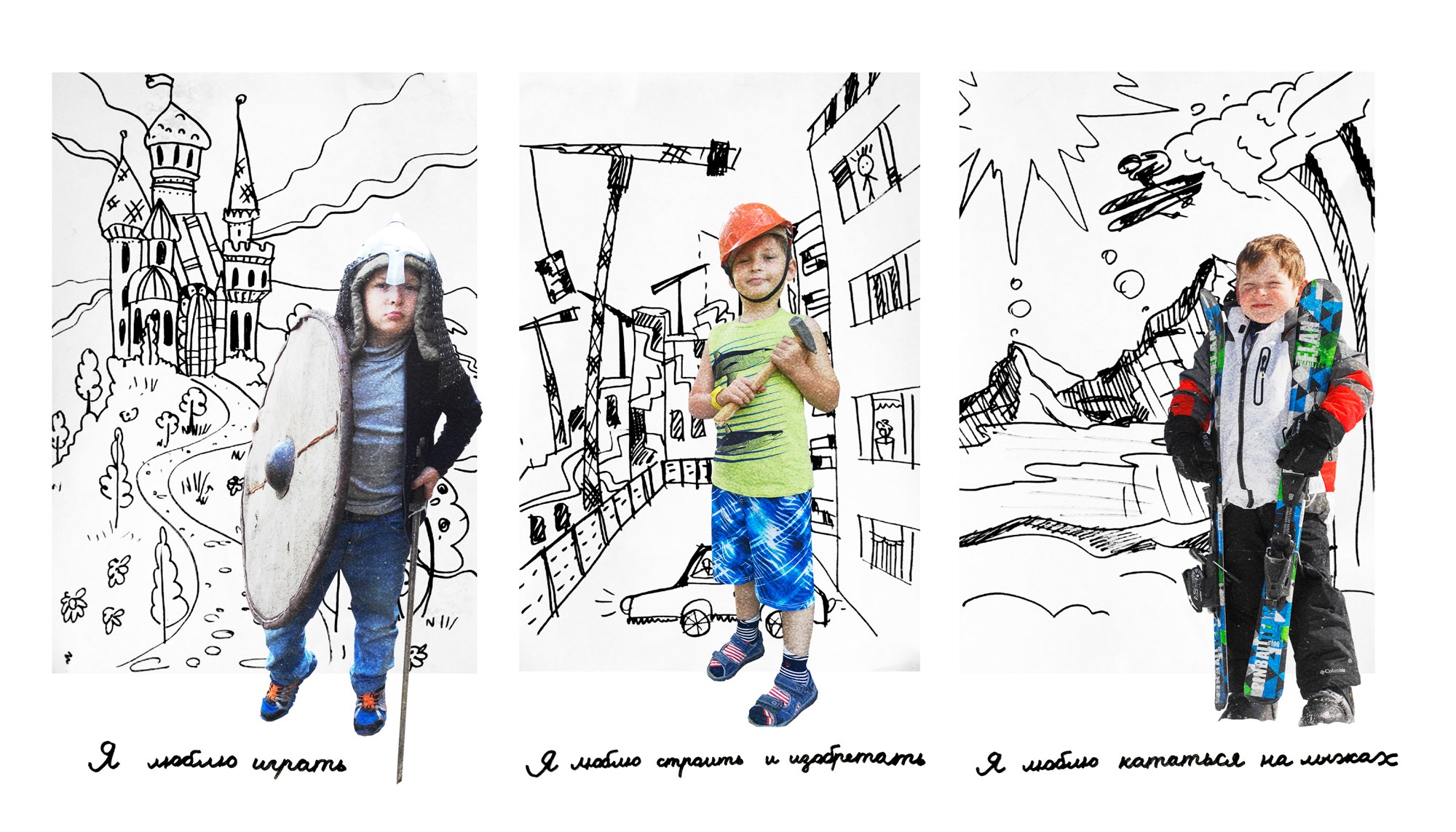
Danka studies on five, runs racing with a dog and fights on a chess field, but his health lasts only in medicines. No one knows where his illness came from and what awaits him ahead, and the genetic test is too expensive
We help analyzes for children with primary immunodeficiency collected 5 059 024 R required 5 028 960 r help- Why should I endure? -10-year-old Danka frowned.
“You have a very difficult illness, and injections are treatment, now you have to come to terms every month,” Lena persuaded either her son or herself.
- Why only me? Why neither you, nor dad, nor Ira and Sasha have this?
Not only mom and dad, but also doctors have no answer to this question. The fourth -grader Daniil has primary immunodeficiency (PID), that is, the lack of natural immunity. There are many variations of the disease, Dani has ovin, a common variable immune deficiency. “General” and “variable” mean that anyone can get sick at any time and in most cases the cause of the diagnosis remains unknown. To date, the best way to maintain the patient’s immunity is the monthly infusion of immunoglobulins. And this is most often for life.
"The three of them were kept"
Danka never developed relations with hospitals. He did not tolerate any treatment at all, but especially vaccinations. “Each trip to the doctor is a hysteria,” Elena admits, “every injection is torture. On the first injection, the three of us kept it so that it would not break out. I am silent, as he screamed. Therefore, when we realized that the infusion of immunoglobulin would have to be done every month, I called my son to a serious conversation. Of course, he was upset, but in the end he accepted. "
 Danya photo: Julia Skorobogatova for TD
Up to five years, parents managed to avoid hospitals: they limited the communication of their son, tried not to allow him to participate in mass events and classes, walked only in good weather (autumn-winter sat almost at home to reduce the risk of even the slightest infection, which was not ready for the human body with PID). And still in 2015, the baby was seriously ill. The usual bronchitis spilled over Dani in a week of temperature at 40, an ongoing cough, pallor to transparent and monstrous weakness.
“We thundered to the hospital, and then we were just diagnosed,” recalls Elena. - First, they put the acquired immunodeficiency, then they recognized the primary (that is, laid genetically), and wrote in the end “Ovin”. As the doctor honestly admitted, this is a “garbage dump of unspecified diagnoses”. They write when the problem with immunity is obvious, and the reasons are unknown. As a result, we got out, we even took blood for genetic analysis, but did not do it. After all, there are no state quotas for this. ”
"Blood is a problem"
The fourth-rush of the excitement Danka complains that because of quarantine and distance learning, “marks crawled down” (as much as three fours, just a nightmare), but with chess, lego-designing, drawing and gymnastics is still getting along. Perhaps, during the time in the country with his parents and younger Sasha’s younger sister, football skills will be a bit, but the faithful retriever is always ready to run with the young owner a marathon for a good sports uniform.
“We started the infusion of immunoglobulin last year,” says Elena, “and since then a new world has opened for Danka - the world of football with boys in the yard. I see how he likes everything. But still I am very restless. ”
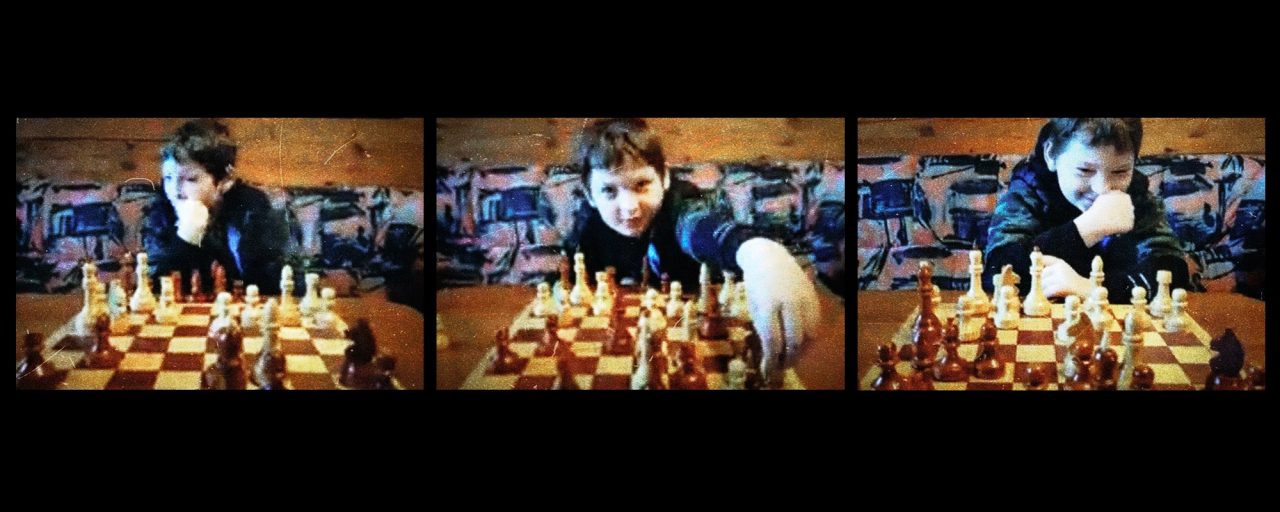 Danya plays with dad in chess photo: Julia Skorobogatova for TD
 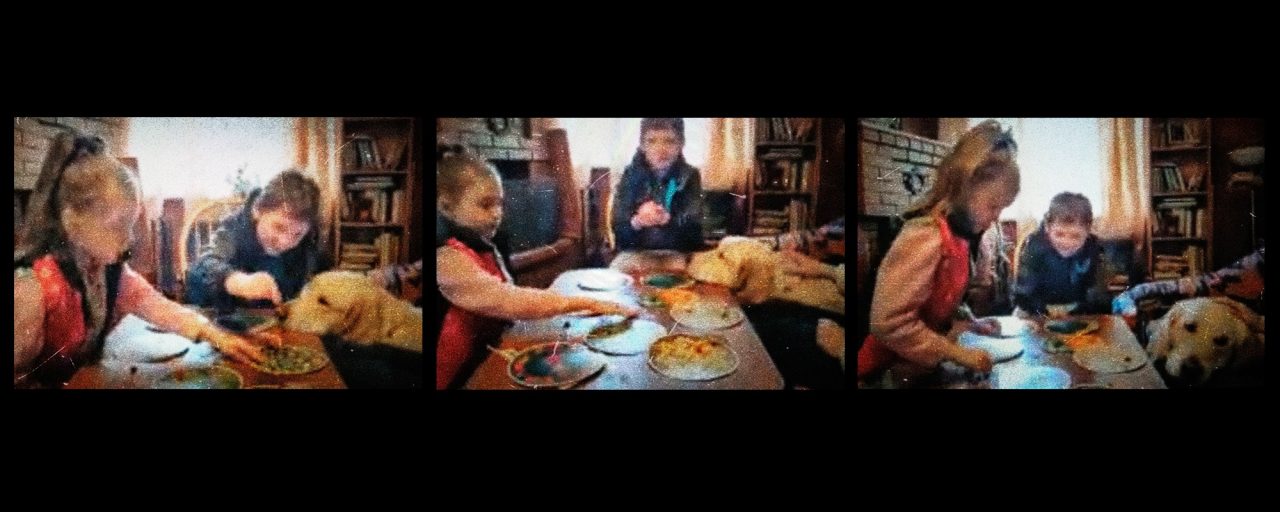 Danya and younger sister play a board game photo: Julia Skorobogatova for TD
Elena admits that she has an excellent student syndrome. She always did everything for five points. So it was accepted in the family of her parents. And now she also brings up her children. Overstated requirements in everything. And even realizing that due to an innate disease, some things are simply inaccessible to Danke (including because of the need to avoid most courses, circles, sports sections where you can catch the infection), Lena still demanded that he be in all the best. How is she, like a dad (candidate for master of sports in skiing), like a grandfather is also a lover of all types of alternative sports even at 75. Perhaps she argues, this deep desire to do everything better than all became one of the reasons why they had refused a serious drug intervention for so many years.
“It seemed to me that we can do ourselves,” says Elena. - We are strong, we will succeed. To protect, protect ... We were in Speransky and Rogachev: Inevitations are inevitable. But I stood to the last. Misha started a conversation, and I ... you know, so in a woman: well, let's think, let's not on the run, let's discuss it later. At heart I opposed it. Such a mother went to Dana an experienced. After all, the infusion of immunoglobulin is blood. Alien blood ( intravenous immunoglobulins are obtained from donated blood drugs - approx. TD) . And this is always a risk. With our lack of immunity. Blood is a problem. But the Dankins of the disease became worse, even the banal SARS proceeded in a severe way. Complications in the form of vitiligo (this is a rather frequent story with PID). And in the end I gave up. "
"I have to get sick"
Monthly injections are not cheap. Fortunately, immunoglobulin is included in the list of vital drugs and it can be obtained for free. But then a new problem suddenly arose: they decided to remove the disability assigned to Daniil, explaining this by the fact that the boy was not ill with tuberculosis. “We were told on the ITU:“ I had to get sick, ”Elena shrugs. “So the boy feels good,” they concluded on the commission. ”
Without disability, difficulties began with the receipt of the medicine.
The Sunflower Charity Fund came to the rescue, helping children with primary immunodeficiency and autoimmune diseases.
“The family was refused the issuance of the drug due to the lack of disability,” explains Maria Posadkova, head of the legal service of the fund. - However, for patients with PID, disability is not the only basis for preferential drug support. Unfortunately, they often forget about this and make a vicious binding of drugs for disability. We prepared an appeal to the hospital at the place of residence, explaining the rights of the patient. As a result, even with unidentified disability, the family was able to get a drug that is part of the List of the GUNLP . ”
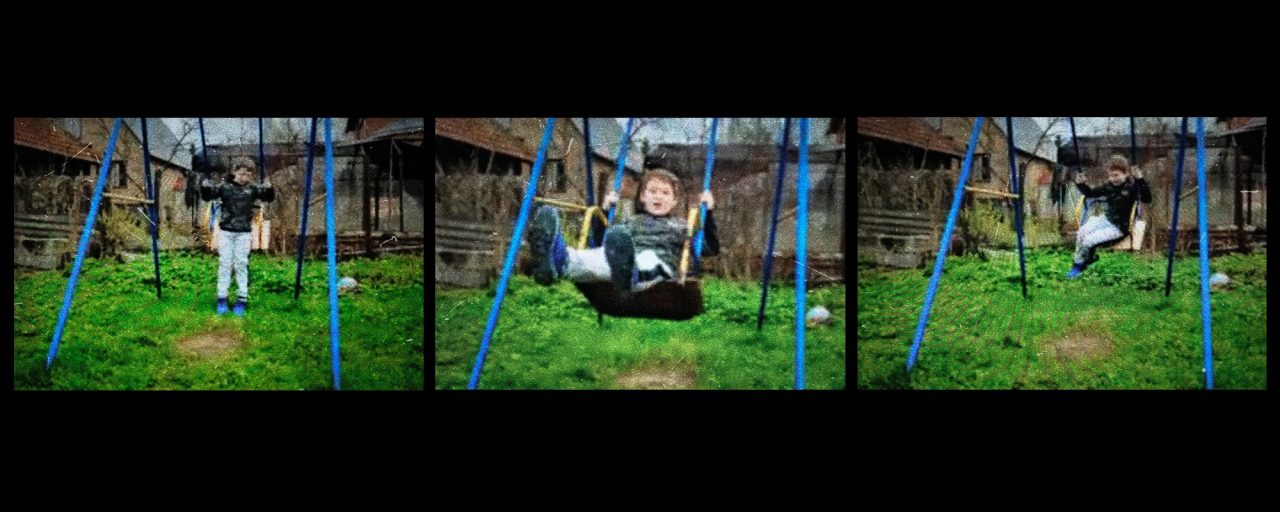 Danya photo: Julia Skorobogatova for TD
Elena is sure that “sunflower” is a real salvation for their family. After all, the fund provides not only legal support to children and adults with PID. One of the most important areas of the Sunflower is help in conducting genetic tests. These high -tech tests can cost both 10 thousand and 100 thousand rubles, depending on the condition of the patient, the course of the disease, the number included in the research program, etc. And just to make them for free there is no way.
“If our legal service can help with the receipt of drugs at the place of residence, then this is, in principle, with genetic analysis. Genetic analyzes are not included in the compulsory medical insurance, they do not have any benefits, that is, you have zero chances to achieve these services at the expense of the state budget, ”explains Tatyana Teslenko, head of the partnership programs of the Foundation.
“The situation with analyzes is very ambiguous. There is, for example, neonatal screening, which has already been entered into the compulsory medical insurance program, but the PID is not included there. In our opinion, the inclusion of neonatal screening for PID is necessary, because at present many patients are dying in infancy without having received a diagnosis or having received it posthumously. In addition, one of the areas of our activity is family planning, which includes prenatal diagnosis. The choriona villi fence itself (or amniocentesis) is included in the compulsory medical insurance program, however, the subsequent DNA diagnostics is not covered with it, and it turns out that for our patients, prenatal diagnostics is possible “half”, ”adds Maria.
"Get rid of addiction"
“For children with PID, genetic analysis is the only way to answer the question of where their illness comes from,” Tatyana explains, “which breakdown caused a genetic mutation, which is better to prescribe or how to adjust the treatment, how to plan children to further plan. The state today does not pay for research that could answer questions on which the life and health of your loved ones depend. This can only be done at the expense of the fund. Of course, we make proposals on the relevant amendments, we work tightly with representatives of the authorities and the state, but so far we are not observing significant movements. ”
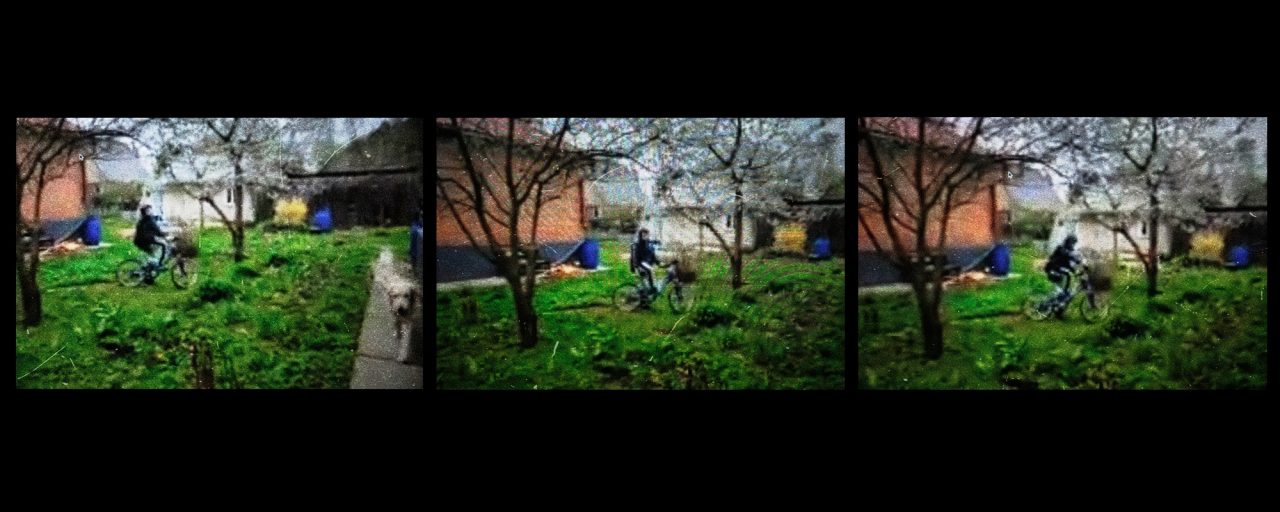 Danya loves to ride a bicycle photo: Julia Skorobogatova for TD
 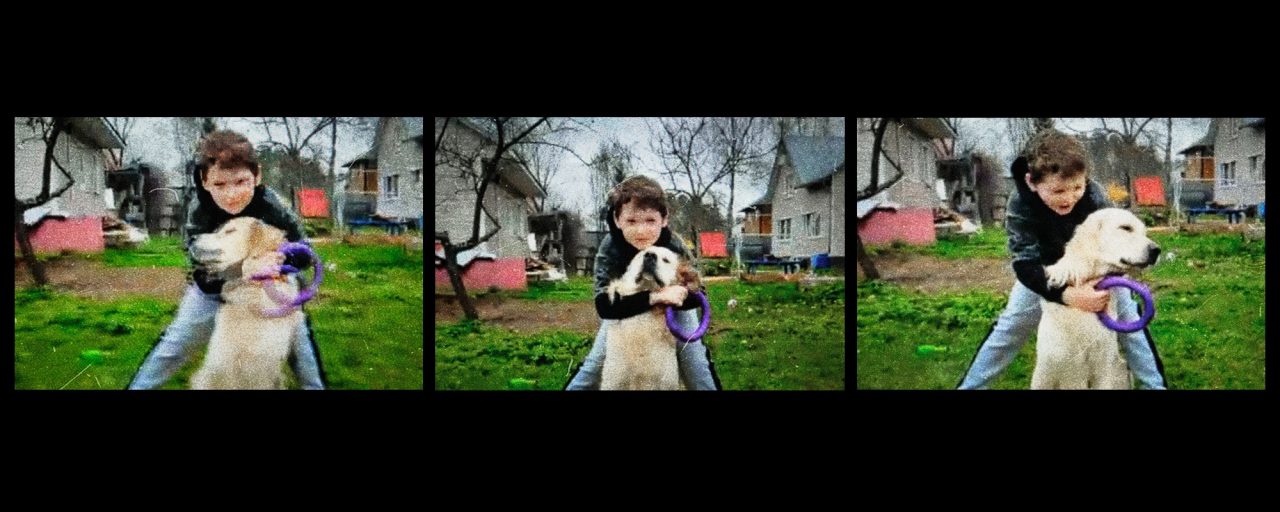 Dania with her dog photo: Julia Skorobogatova for TD
“In“ Sunflower ”we were told that high -tech genetic tests can answer the most important Danin the question: why he is sick, but we are all not,” says Lena’s mother. - We know that there are no real guarantees that it will become clear where the mutation came from in his genes. But in any case, this analysis is necessary for the correct tactics of treatment. For me, this is hope. I think that perhaps after the test we will be able to offer another treatment. That my son will not depend on medicines all his life. Let it not be alcohol, not drugs, but this is addiction. It hurts even to imagine: all my life, from year to year, every month - hated injections. You can come to terms with this, we almost managed, but if there is even the slightest chance to avoid this, I will grab for him for the sake of my son. ”
You can help raise funds for a genetic analysis of Dani Panarsky, as well as for dozens of guys with a similar diagnosis, without leaving home and without even leaving the computer now. Just subscribe to the regular donation in favor of the Sunflower charity fund, which gave hope to Elena and gives many more mothers and dads.
We talk about various funds that work and help in Moscow, but Moscow experience can be useful and used in other regions of the country.