
Translated material
Demidovs. Blood and iron
The story of one of the most famous and most cruel dynasties of the Urals
315 years ago, on June 4, 1705, Peter I issued a decree allowing Nikita Demidov to build new metallurgical plants in the Urals. The territory for centuries in advance became the All -Russian forge of weapons and the supplier of valuable fossils. And the line "Urals! The supporting edge of the state ”from the poem by Alexander Tvardovsky turned into the slogan of these places, securing the image of the country's resource-industrial base behind them. The name of the Demidov industrialists is immortalized everywhere in the Ural land, even the Yekaterinburg airport "Koltsovo" a year ago was named Akinfiya Demidov.
But does such a model of identity pull the Urals into the past, while maintaining the role of the eternal supplier of weapons and natural wealth?
Petrovsky oligarch
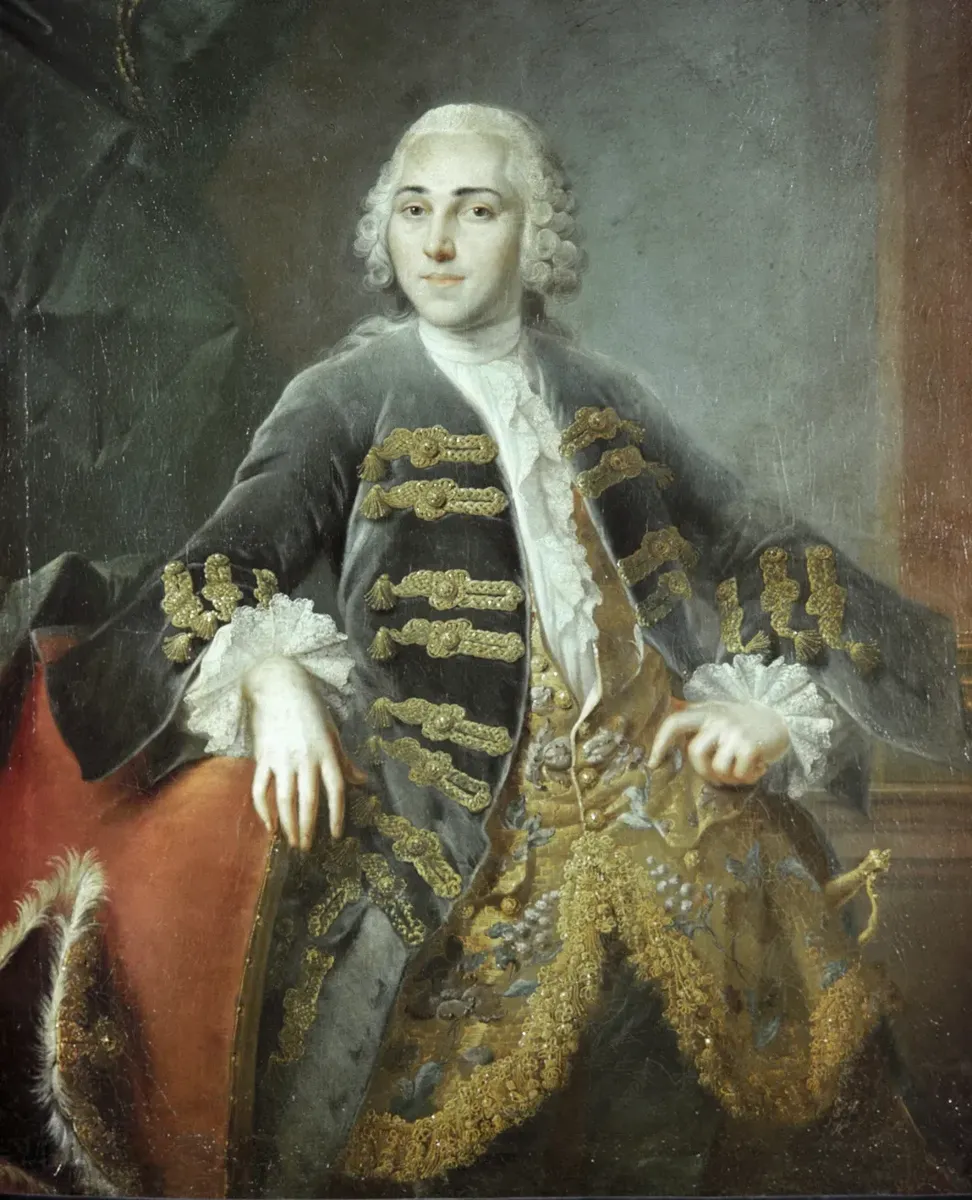
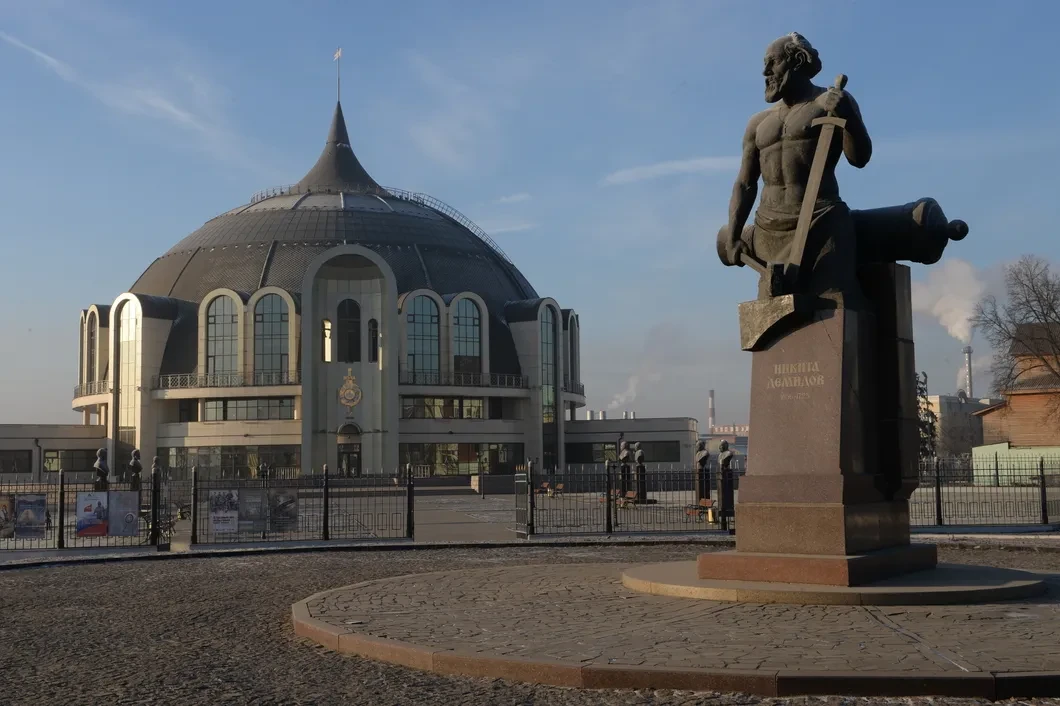
Tula gunsmith Nikita Demidovich Antofiev (in the future of Demidov) appeared in the Urals in 1702. This was preceded by a long story of his acquaintance with Peter I.
In 1696, the industrialist made six rifles for the king on a foreign model. At the same time, he improved their design. I received 100 rubles for this and several acres of land for ore mining. On the resulting land, Antufiev built a cast -iron plant and established the production of high -quality iron.
In 1700, the Northern War with Sweden began. Armory plants raised the prices of guns. Nikita Antufiev - on the contrary, reduced the price of to 1.8 rubles apiece. The tsarist throne began to purchase weapons and metal for artillery only at his factory. When, after the defeat near Narva, the king thought about the strengthening of the army and the development of metallurgy for military needs, Antufev had both weapons and metallurgical production.
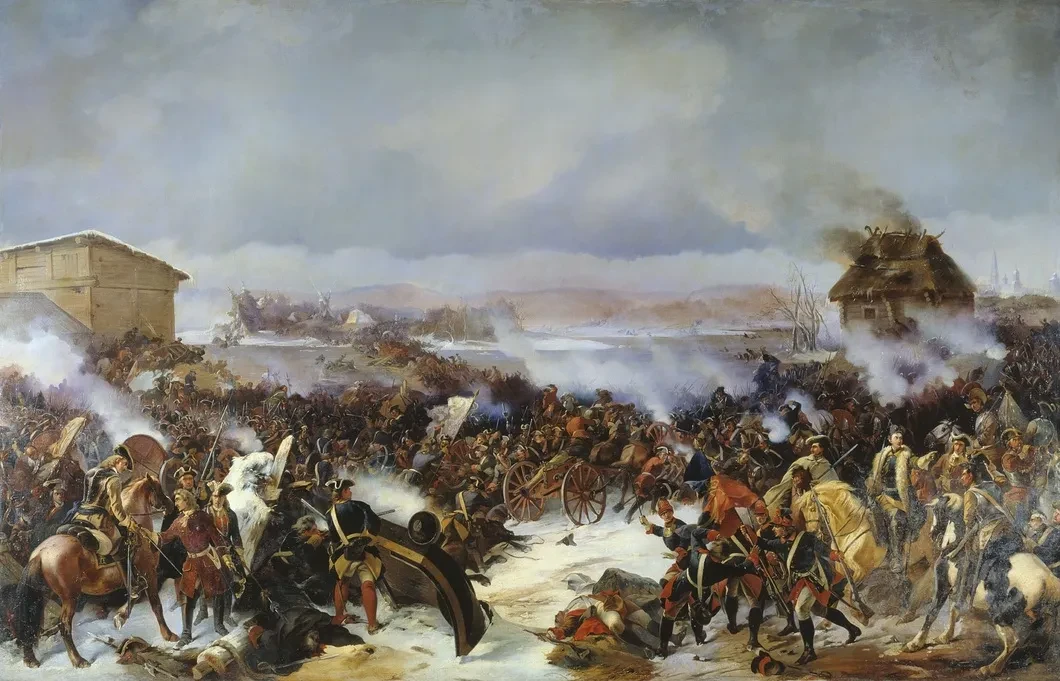
On March 4, 1702, Peter I issued a decree on the award of Nikita Antufiev of the official Verkhotursky iron plants on the Neiva River, behind the Ural Range. The industrialist was ordered to supply "military supplies, guns, mortars, bombs, fans and what is written above this." For his part, Antufiev assumed the condition to reduce products for products. He had to pay the treasury for these factories for five years.
In the same letter, Nikita was called Demidov.
The Tula gunsmith did not want to go to the Urals and sent the clerk first instead of himself. But for this they threatened him with opals and "ruin of passes without any mercy." The state set the task of Demidov: to expand the factory business in the Urals "as a multiplication of all iron, large and small weapons, so that it was always satisfied." And Nikita Demidov coped. From 1702 to 1706, 114 guns were manufactured at his factories. At the same time, Nikita set the price half as much as others. That actually earned the status of the associate of Peter I.
The result of such cooperation between the king and industrialist was the decree of Peter I of June 4, 1705, which allows Nikita Demidov to build new metallurgical plants in the Urals. So the Urals began to gain the glory of the "land of Demidov" and, more importantly, became the rear, where the victory in the Northern War, and then in other wars of the Russian Empire and the Soviet Union, was injected.
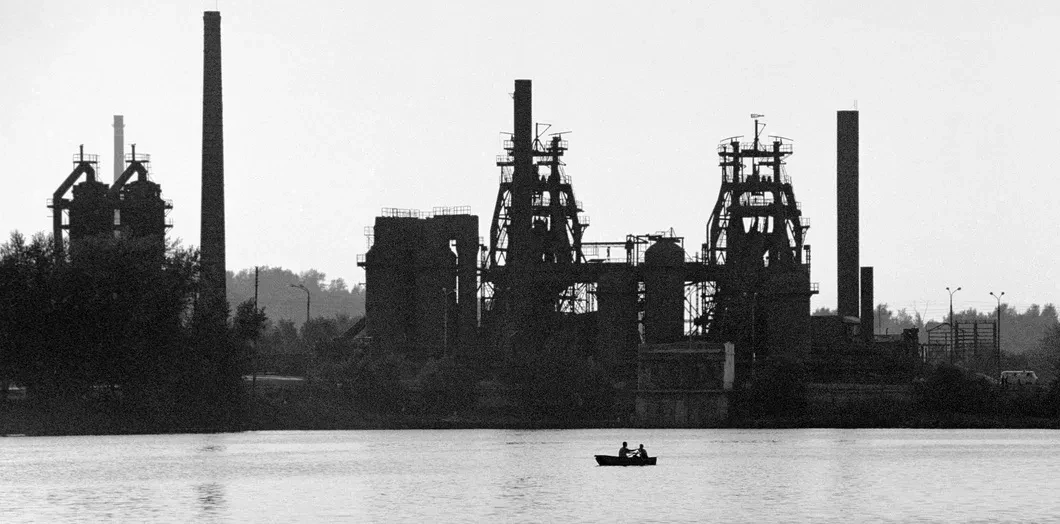
In the 1720s, Demidov owned eight of the twenty metallurgical plants of Russia. Five of them were built for one decade - from 1716 to 1725. Historians called it the "conquest of the Urals."
However, the "conquest" had another side.
"The kingdom of not stopped horrors"
The Demidov Model of Management is a super -exploration of a person. The Fortress peasants worked at Demidov’s factories - “attributed”. Due to the lack of workers, fugitive convicts and deserters were hired. They even took the ideological enemies of the state-the scholarships-old universes who fled to the Urals from the persecution. They almost did not receive money, but received protection from state persecution.
However, here the persecution was enough - not state -owned ones.
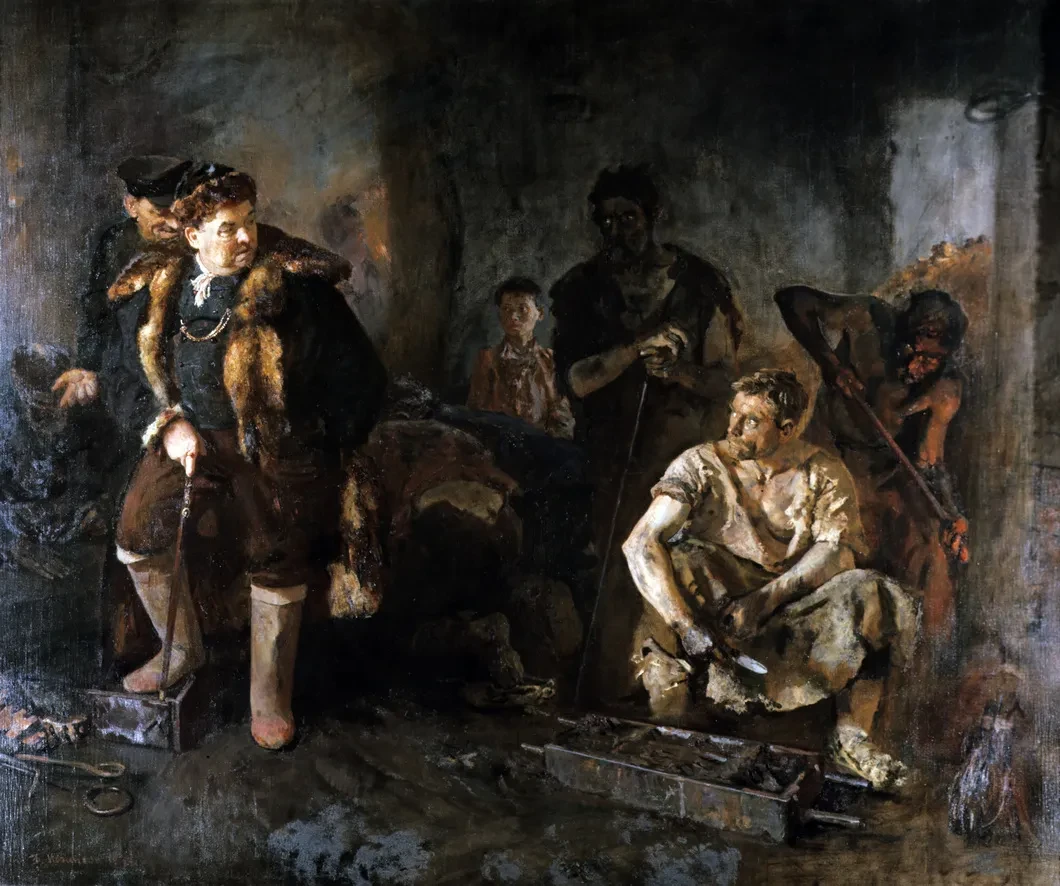
In 1704, a petition from the Urals with a complaint against Demidov came to St. Petersburg. The peasants asked to find a council for an industrialist. They were horrified as he dealt with the employee Maxim Simbirt and his offspring.
“He stuck his children on the dam to death and kept them in the glands for six weeks and stirred with hungry death,” the petition said, which remained without movement.
But for the king, the supply of weapons for the army was much more important. The Demidovs provided these supplies. Peter affectionately called Nikita "Demidych." The fate of the "work little people" interested him last.
In the next two centuries, this model has not changed much. The heir to Nikita Demidov Akinfiy introduced a hard labor regime at the factories. Any oversight, an attempt to argue with the authorities were punished by bodily tortures. Ural writer Dmitry Mamin-Sibiryak wrote at the end of the 19th century:
“At this time, the legends have been preserved in many Ural plants about how workers threw stone furnaces into the vent or drowned in ponds.”
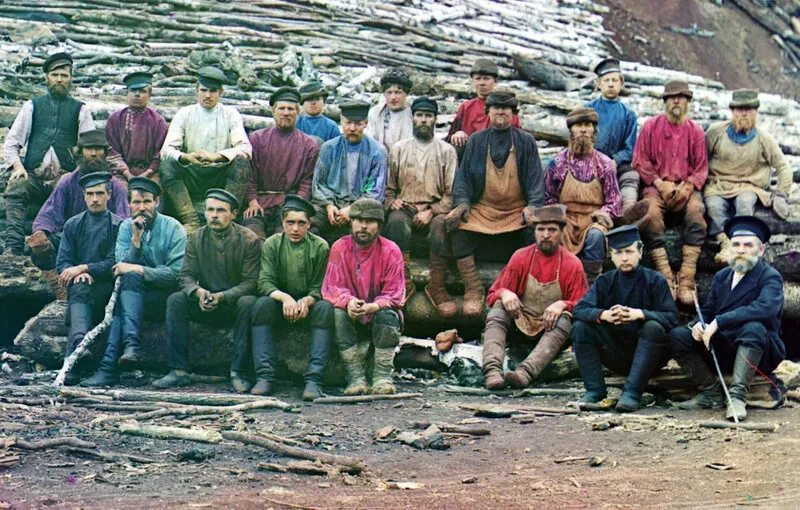
It was shocked by what was seen in the Ural Metallurgical Plants was Vasily Nemirovich-Danchenko, the brother of the famous theater director. In the essay "Kama and the Urals" he wrote:
“Every day, the whistle of Spitzrutnov, the rose, the cries of victims, the howls of their wives and children were heard in factories. It was some kind of kingdom of not stopped horrors. There was no back, not broken by rods; There was no person who would not crumble the hands of the authorities. "
Roading carbon fiber
A black spot on the Demidov dynasty - the execution of carbon fiber on April 15, 1841 at the factory in Revda. At that time, Maria Demidova owned the plant.
In the summer, carbon fibers stacked logs in huge heaps that were covered with earth on top. In the fall, heaps set fire to. Then they made sure that they did not burn, but smoldering. It turned out coal, which gave a temperature of 1000 degrees, on such an angle, the ore into cast iron was melted more efficiently.
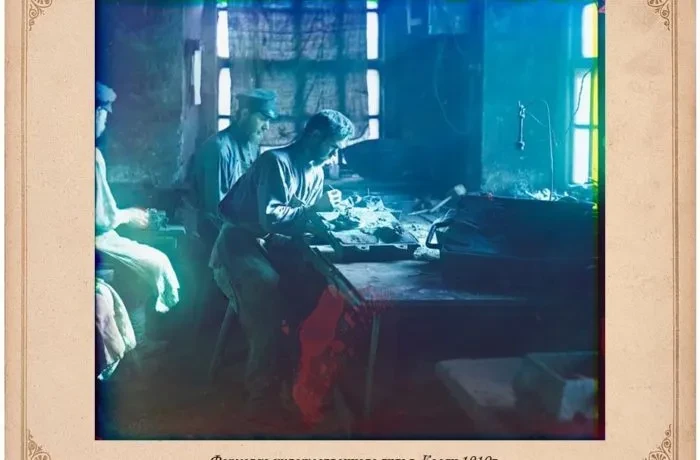
The conflict arose due to calculations. Carlegs were paid once a year in March-April. In 1839, 55% of the carbon fiber did not receive money. The following year, 95% of employees have not received a salary. At the same time, super -flowing work increased: the alloy of forests in the Revdinsky pond, the harvesting and carting of the hay to the factory stable, the delivery of ore to the factory, repairing bridges and roads.
The cruelty of the overseer, who poured workers for the “short -work”, “disobedience”, etc. added oil into the fire. The penalty magazine of the Revdinsky factory is full of marks about numerous punishments of carbon and artisans.
Many carbon fibers were constantly in debt at the factory office. During the year, the need more than once forced them to contact the factory stores-wrapps, and there was no strength to fulfill the norm. Therefore, during the calculation, a bonded debt was exhibited. Everyone was supposed to deliver 80–85 of coal boxes per year.
In 1841, the measure of the coal box in Revda was much larger than in other state -owned and private plants. In October 1840, the factory police officer Mikhail Zemlyanitsyn received a decree of the Ural Mining Board, which recommended the introduction of a single measures of a coal box in the amount of 22,400 cubic cubes. In Revda, the measure of the coal box at that time was 27,216 cubic tops. The decree was advisory. Nevertheless, Zavodnitsyn, having enlisted the consent of the owner of the plant, hid him from carbon fibers. But the rumor about him spread - unrest began, hundreds of people gathered at Zavodskoy Square. Maria Demidova turned to the army for help.
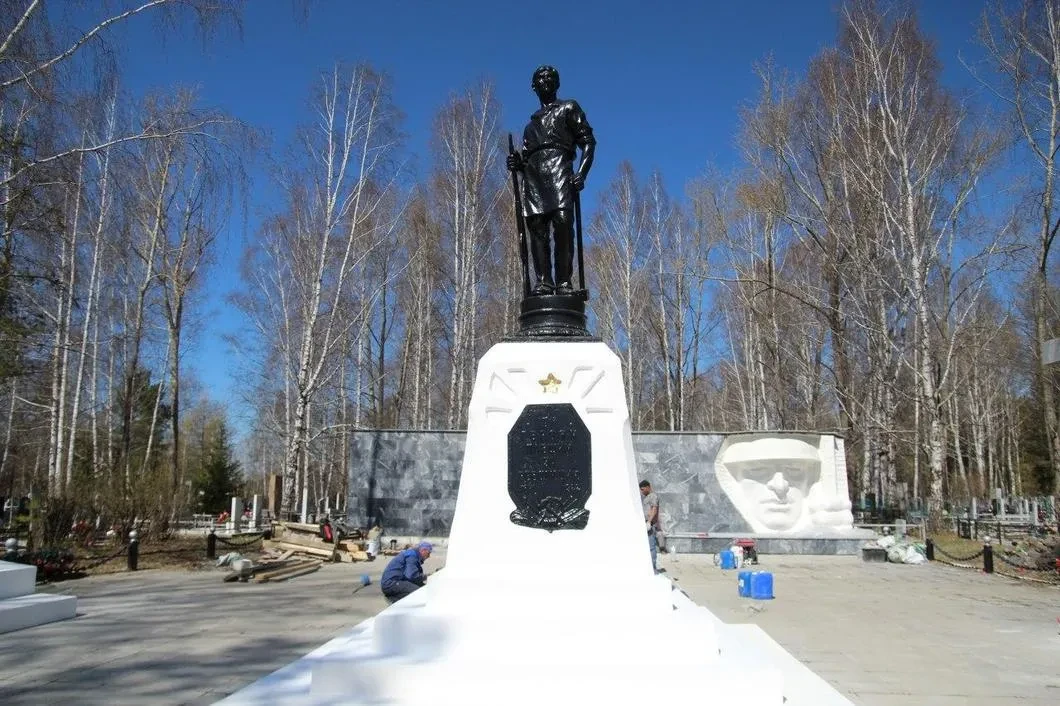
The result is a mass execution: 256 people were killed and wounded, the rest were punished with spitzeten. The dead were buried in a common grave far from the cemetery.
"Without stopping before direct lawlessness"
Nikita Demidov learned to do business at all costs in Tula. In his hometown, his interests faced the interests of Ivan Batashev. He also founded a metallurgical plant, next to Demidovsky.
“The Batashev plant was next to the neighbor’s factory above the river. The rise of Demidov Plotina, allowing him to increase the supply of water in the factory pond, inevitably led to the onset of this pond to the site of the Batashevsky factory, - writes historian Igor Yurkin in the book "Demidovs: A centenary of victories." - Batashev soon collided with the flooding of his working wheels, which slowed down the work of the enterprise as a whole, and especially the energy -intensive hammer. Batashev complained to the weapons office, she sent to the place of representatives who were supposed to determine whether it was possible to lower the dam of the Demidov plant so that "Batashev would not have damage to the factories and mowing." Demidov of the offices of the offices did not let the offices at his factory. ”
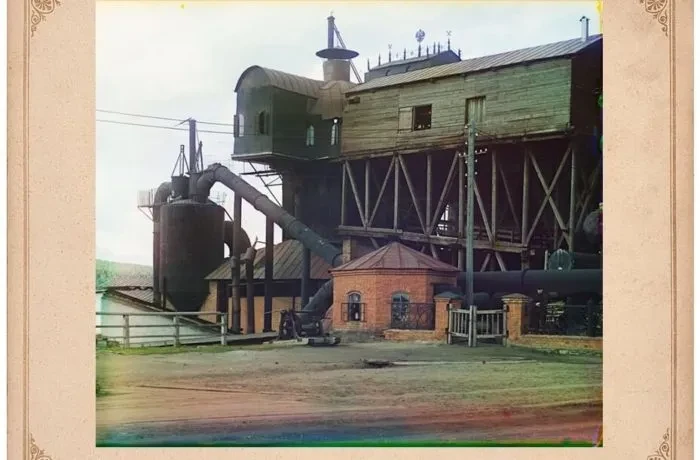
In 1719, Peter I created the Berg-College-the body on the inspection of the mining industry. In 1722, the head of the Ural industry Vasily Tatishchev began to control the deforestation, the choice of places for ore mining and began to levy taxes from the Ural industrialists. Demidov did not like this.
“Using their connections and money, the Demidovs achieved the Tatishchev to be withdrawn from the Urals,” writer Nikolai Mezenin notes. However, in response, Peter I ordered the investigation to begin.
He was headed by Major General George de Gennin. Demidov claimed that Tatishchev introduced restrictions on providing factories with bread, creating an outposts on the road, and charged a high fee from merchants. De Gennin found that the amount of the fee corresponded to the law. The entrepreneur also accused the head of the supervisory authority of taking a pier on his Chusovaya River. Major General found out that Demidov lied. It turned out that the pier is state. De Gennin presented the results of the investigation of Peter I. The court acquitted Tatishchev, and on Demidov imposed a fine of 30 thousand rubles for violating the procedure for filing a complaint.
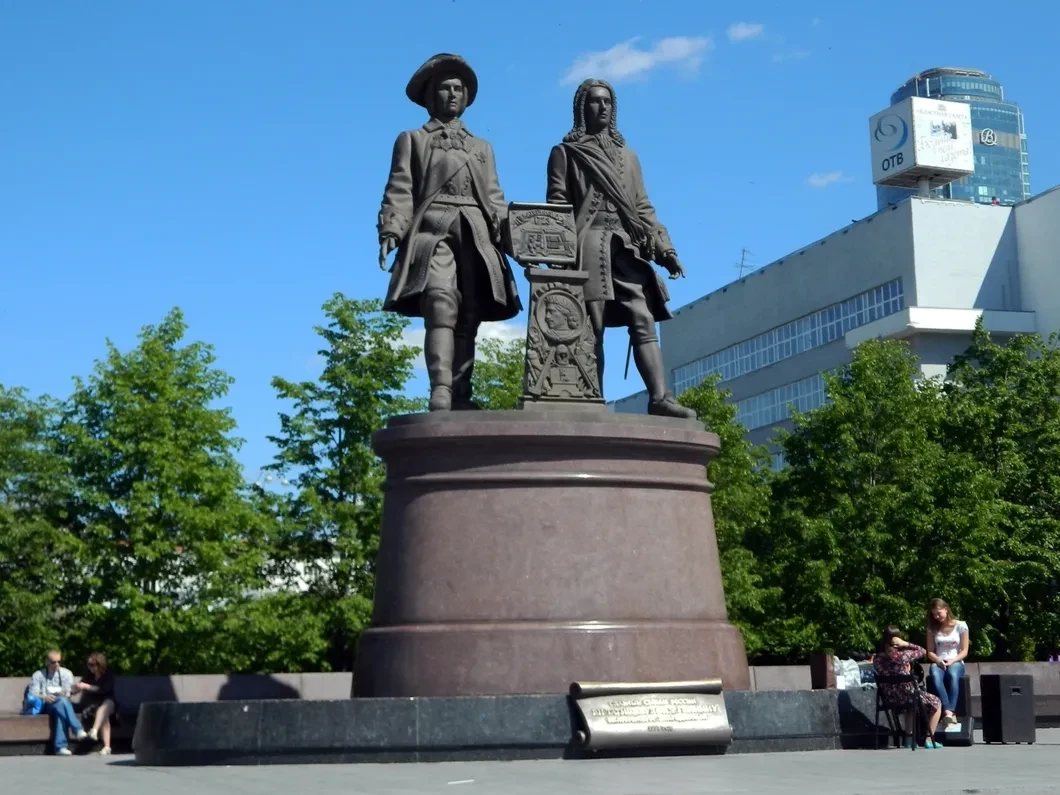
Do not stay on the edge of civilization
The approval of Russia as an empire, the Northern War, the entrepreneurial pressure of the Demidovs - all this made the Urals a “supporting edge of the state” for centuries. And the Demidovs themselves became the "brand" of the region.
But is it relevant now? And can the Urals have a different paradigm?
According to the leading researcher of the Institute of Archeology of the Ural Branch of the Russian Academy of Sciences and the author of the book on the Ural identity of the “social city of the Great Urals” Konstantin Bugrov, the Urals now remains the “supporting land”.
-The contribution of the Ural industry to the Russian economy and, in particular, the defense complex is still very large. I would describe the Urals as a post -industrial region with a pronounced industrial component, ”he says. - Of course, today this industry has changed a lot, it uses all the latest achievements of the digital world, but in its basis it is still ferrous and non -ferrous metallurgy, chemical industry, heavy engineering.
According to Bugrov, the paradigm of the “supporting edge” is relevant and because it reflects identity developed by centuries.
- We will draw an analogy: there is a long time neither the monarchy, nor the nobility, the palaces of the emperors have been turned into museums, however, the identity of St. Petersburg continues to rely on the story of how the city of two hundred years was the capital of the Russian Empire, the largest center for culture.
There were no imperial palaces in the Urals, but here - three hundred years of industrial development. In the XX century, a rich culture of the industrial region developed on this basis. This culture allowed the Urals, who had previously been on the periphery, to feel in the center of world history.
As for the Demidovs, in the opinion of the historian, the choice of this name for the Koltsovo airport is successful.
- The Demidovs are the "brand" of the region. Another thing is that we need names from other historical periods, the turn of the XIX - XX centuries, and especially from the 20th century - the Soviet period of the history of the Urals is still “impersonal”: almost any guide to Yekaterinburg shows this. The image of the industrial region is not just a given, but the good that we must master, ”says Konstantin Bugrov.
Candidate of Political Sciences, head of the Center for copyright excursions Dmitry Moskvin, on the contrary, is sure that the Sverdlovsk region is time to abandon the Soviet cliches - the “supporting edge of the state”, Demidov ...
- It is important to understand that the Urals is not three hundred years of industrial development and not five hundred years of Russian colonization. The Urals are a lot of thousand -year -old history, and the same industrial. From ancient times, people came to the Ural mountains for the production of stone, copper and iron. The Urals knows at least five thousand years. Many Russian settlements and places of mining are the same points that were previously mastered and lived by an ancient man.
At the same time, Moskvin emphasizes, the heritage of culture in the Urals is not inferior in brightness to popular stories of world history in Mesopotamia, India, and Latin America. But nothing is done to turn this cultural capital as the basis of the Ural identity. In order to understand something about the Ural ethnic diversity, morals, traditions, we must go ... to Tartu.
The National Museum of Estonia begins with the exposition of the Echo of the Urals, which reveals the uniqueness of the region, from where the ancestors of the Estonians went to the shores of the Baltic.
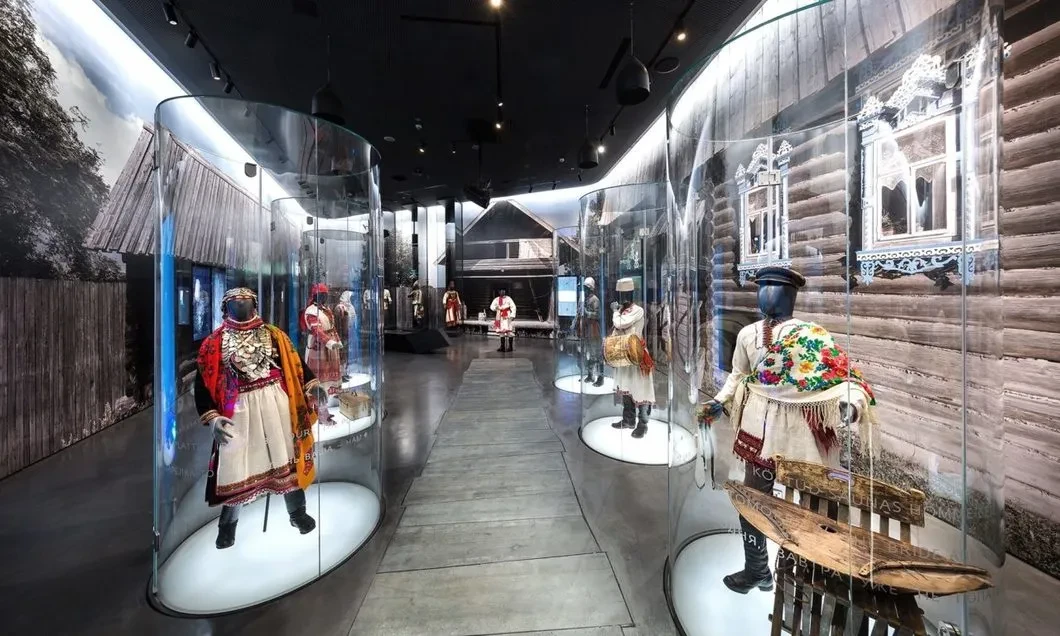
- Against the background of many thousands of history, all these Demidovs, Stroganovs and other breeders seem to be dwarfs. We do not even have an established mythology about them, few will remember at least one Demidov by name and will tell you even less what the representatives of this family did. But, apparently, officials argue as follows: since Peter I served, then let them serve us. And the design of the brand begins. But there is a much more impressive and breathtaking legacy of the Heritage of the Urals.
Evgeny Senishin - especially for "New"
The text uses the data and materials of the site Historyntagil.ru