
Translated material
In the hot shadow of the Molotov-Ribbentrop Pact
80 years ago, the USSR presented an ultimatum to the countries of the Baltic and Romania. A year later, the June deportation began. Pavel Polyan - about stripping new Soviet borders
Perimeters of border stripes
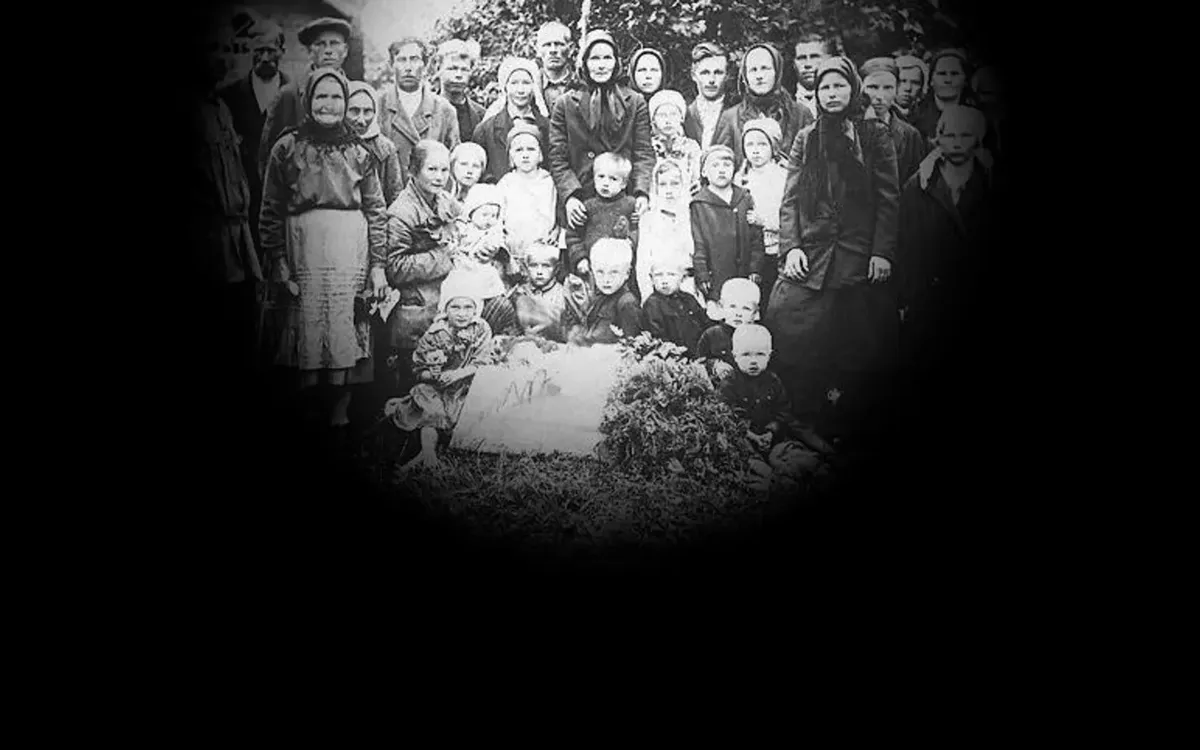
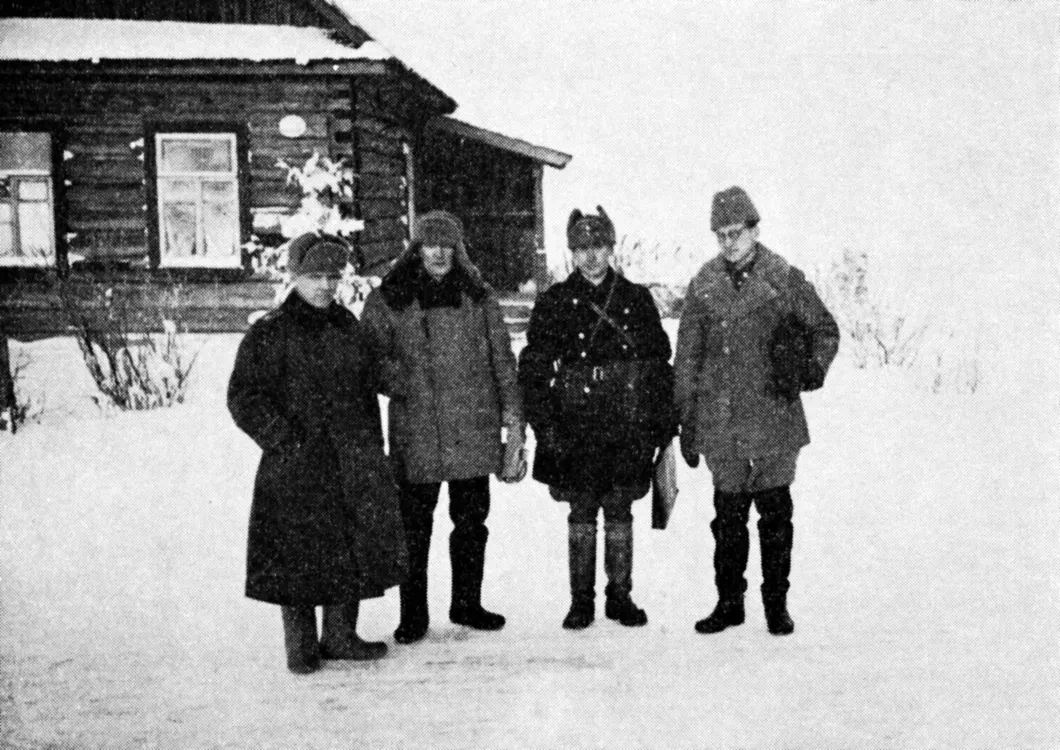
The pre -war Soviet deportations, in addition to the “kulak link”, can see the feature that almost all of them were carried out from the border territories. A certain geopolitical and geographical logic of these “laiders” is traced. They began in 1930, with the "dispossession" of the population of the most western borders of the USSR - in Ukraine and in Belarus. Over time, the “class” approach, in its significance, lost to the “ethnic”, and the step north made in 1935-the preparation of the northwestern border (in Karelia and the Leningrad Region) was already officially aimed at “protection” from a particular ethnic group-the Finnish-Inermanlanders.
In 1936, it was necessary to re -process the western border, cleansing it from Poles and Germans. The appeal in the summer of 1937 to the southern borders of the state, in the Transcaucasia and Central Asia, confirmed the indicated direction of the “stripping” movement - counterclockwise - around the perimeter of ground Soviet borders (in 1938, work in the south was continued). The latter came the series of the Far Eastern border of the USSR: the deportation of the Koreans (not only from the area of Vladivostok, but also from a number of other border regions) was an order of magnitude larger and geopolitically significant of any of the preceding operations.
The circle of consistent “sweeps” that began in Karelia actually closed in July 1939 by the deportation of “foreigner” from the Murmansk region, and then re -walked along the entire western perimeter of the changed borders of the USSR.
In the northwest
In the summer of 1940, the shadow of Molotov and Ribbentrop covered the smallest and most southern sectors of the European border of the USSR.
It should be emphasized: the new European border.
In itself, concentration in the western section of the border has survived, but deportation already covered, in addition to the central part of its Western perimeter, the territory of the former Poland and former Baltic countries, as well as Bessarabia and the Northern Bukovina.
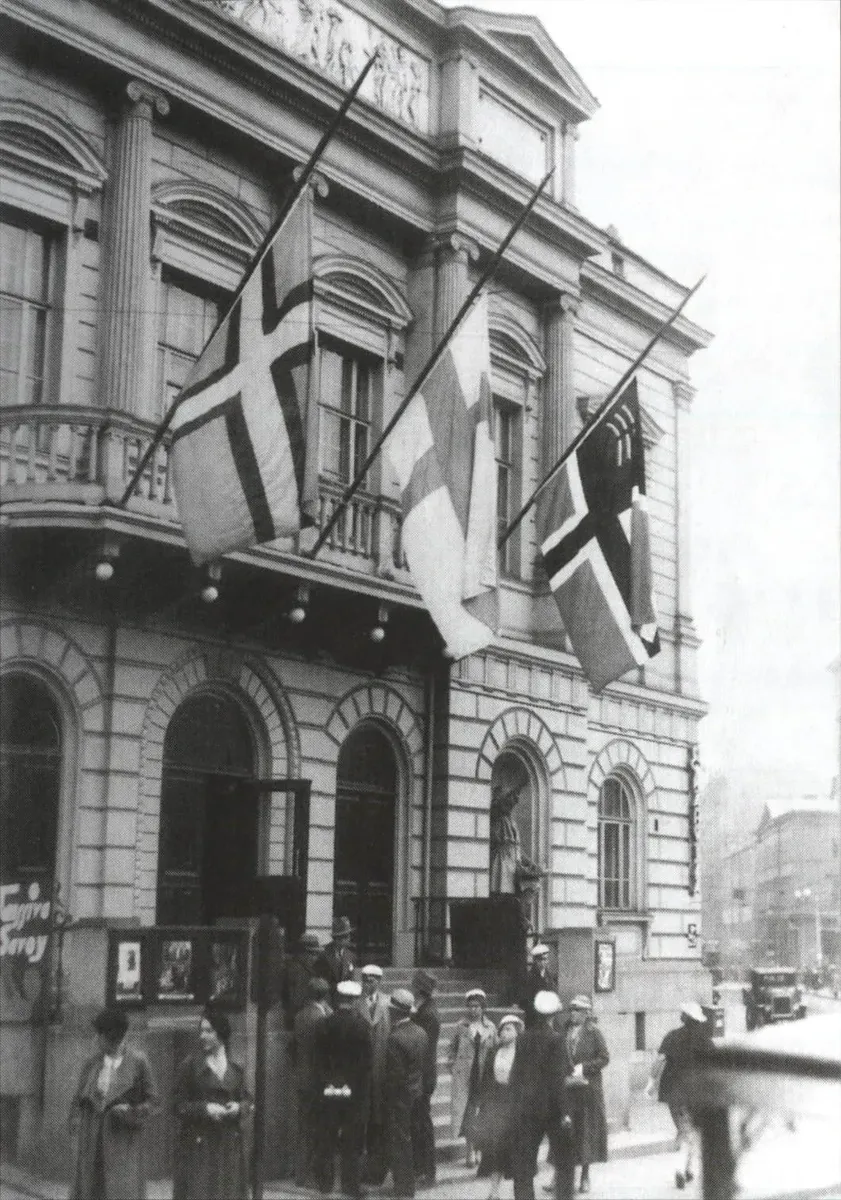
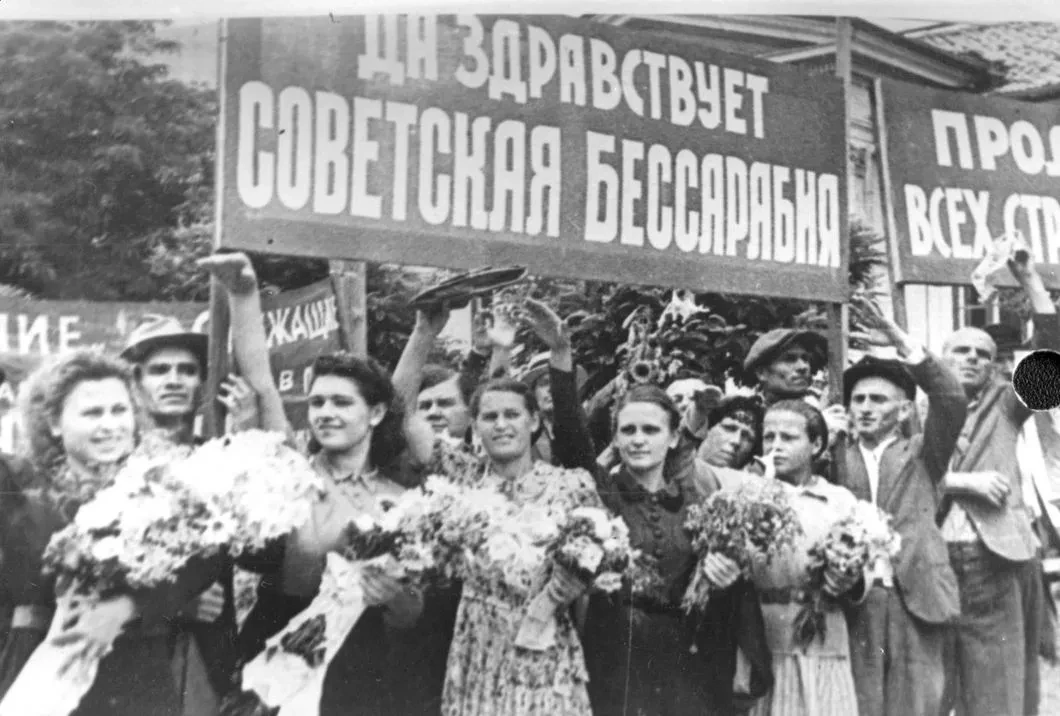
On June 14, 1940, the USSR presented an ultimatum to Lithuania, and on June 16 - Latvia and Estonia. The conditions of ultimatums were adopted by the governments of these countries, respectively, on June 15, 16 and 17. And already on June 17, 20 and 21 (and in the same sequence), pro -Soviet governments were created in them, headed by Yu. Perelkis, A. Kirchenstein and I. Vares; The Soviet representatives-commissars were, respectively, V. Dekanozov, A. Vyshinsky and A. Zhdanov.
On June 27-28, similar events occurred with Romania, with the only difference being that the government was not required from it, and only part of its territory was subjected to the annexation-Bessarabia and North Bukovina, and soon (August 2), Bessarabia was united from the Moldovan Autonomous Soviet Socialist Republic (Left-Bereier Moldova) into the Moldavian SSR-according to Karelo-Finsky script.
What is this script?
The fact is that Finland allowed itself a gross retreat from the Molotov-Ribbentrop Pact.
Refusing, unlike the Baltic countries, to sign a “pact about mutual assistance” with the fraternal USSR, it did not blame even the war with the USSR!
This “strange”, winter, exhaust and unequal war began on November 30, 1939 and continued all winter, until March 12, 1940, when the parties signed a peace treaty. The victory in it of the Soviet Union was little distinguishable from defeat, but, nevertheless, to the USSR, according to the contract, part of the Karelian Isthmus with Vyborg and Vyborg Gulf with the islands, the western and northern coast of Lake Ladoga (Priozersky), Souwarvi, a number of the Ostanian Gulf, as well as the fishing and middle, the territory of the eastern east, departed to the USSR. Mercyarvi with the city of Kuolaiarvi. Administratively, these territories were divided between the Leningrad and Murmansk regions and the Karelian Autonomous Soviet Socialist Republic, on the basis of which the Karelian-Finnish SSR was created and the units of the annexed territories ( 07/16/1956 the status of this autonomy was reduced, and it again became known as the Karelian Autonomous Soviet Socialist Republic. In the same 1956, part of the annexed territories was returned to Finland).
The Finns gave these lands deserted, moving their population deep into the country. In the territory occupied by the Red Army (in the areas of Survy, Salmy), only 2080 people were captured. civilian population immediately resettled to the rear areas of Karelia.
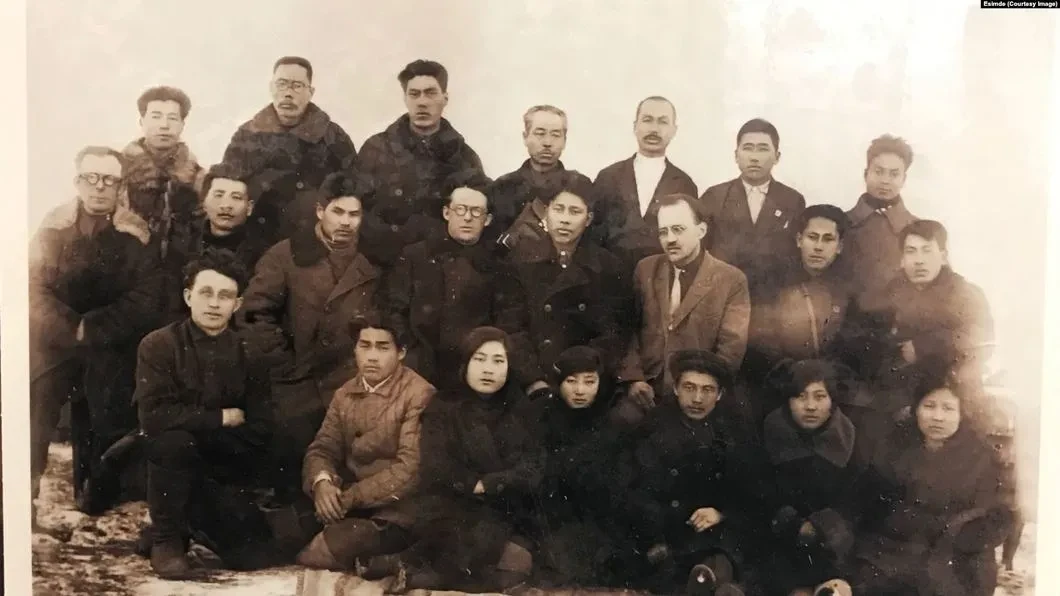
On June 23, 1940, Beria issued an order to relocate between July 5 and 10 from Murmansk and the Murmansk region of “ citizens of foreigners” , to which not only the Priblta or Scandinavians-Finns, Swedes and Norwegians were considered-but also the Chinese, Germans, Poles, Greeks, Koreans, etc. The first, in the amount of 2540 families, or 6.973 people, were relocated to the deserted Karelian-Finnish Autonomous Soviet Socialist Republic, and the second-675 families, or 1743 people, were sent much further: to Altai.
As for the Karelian-Finnish Autonomous Soviet Socialist Republic, of course, the maintenance of economic life (“collective farm construction”) in the annexed territories with such a small number of compensating population was decisively impossible, so that the state provided for this in 1941. 20 thousand families of collective farmers from other regions of the USSR, however, the implementation of this plan on a voluntary basis faced “refusal”, “reverse” and other reference ”and other difficulties.
Interestingly, the status of the contingent of “Inonationality from the Murmansk region” was generally similar to the status of Koreans, resettled in 1937. And those and others were not part of the category of "special contingent", the period of their deportation was nominally limited to 5 years, etc. The difference is noticeable when comparing the instructions for this contingent with similar instructions for Poles-ambassadors, dated almost six months earlier and personally corrected by Comrade Beria. They, of course, had a common prototype, but the specifics of the contingent left its obvious seal.
The attitude towards siegles is much more tough, even hostile: no one is warning about anything in advance, transportation is organized - and paid - not resettlement, and the NKVD, 500 kg of things allowed for transportation is allocated for the family - against 1000 kg from the Murmansk region from the Murmansk region.
But then he intervened in the People's Commissar: he lifted the total permissible weight of the property to the same 1000 kg, but he lifted the capacity of the car - from 25 to 30 people. And how it really was - this is another story, and asking about it is better not to deport, but deported.
In the west and in the southwest
The Sovietization of the annexed territories began, of course, immediately, but to the deportation "stripping" of new boundaries, the hands reached only a year later. The new - brief, but extremely powerful - a wave of deportations unfolded only at the end of May 1941, exactly - and only - a month before the start of the war that interrupted this process. At the same time, at first they walked along the still “unfinished” former Polish border, where a lot of real anxiety was no longer Polish, but by Ukrainian nationalists from the western regions of Ukraine and Belarus.
Authorized by the Decree of the Central Committee of the All-Union Communist Party of Bolsheviks and Council of Central Committee No. 1299-526SS “On the seizure of counter-revolutionary organizations in the western regions of the Ukrainian SSR” dated May 14, 1941, the Anti-Oune operation was carried out a week later on May 22. The resolution provided for the arrest and 20-year link to the settlement in the remote areas of the USSR of families of "participants in the counter-revolutionary Ukrainian and Polish nationalist organizations" (in June a similar operation was carried out in Western Belarus).
In the Baltic states and Moldova, it took extra time to organize deportations, and they began here a little later. However, here the preparation for them began, apparently, as well.
Thus, preparations for the Moldavian operation began on the earliest on May 7 - the day of entering the post of official initiator - the authorized Central Committee and the Council of People's Commissars of the Moldavian SSR S.A. Goglidze. He asked Stalin permission to evict a small, only 5 thousand people, the contingent of active counter-revolutionaries with families (activists of bourgeois parties, landowners, police and gendarmes, officers of the White, Tsarist and Romanian armies, large merchants, homeowners and prima, that is, volost elders).
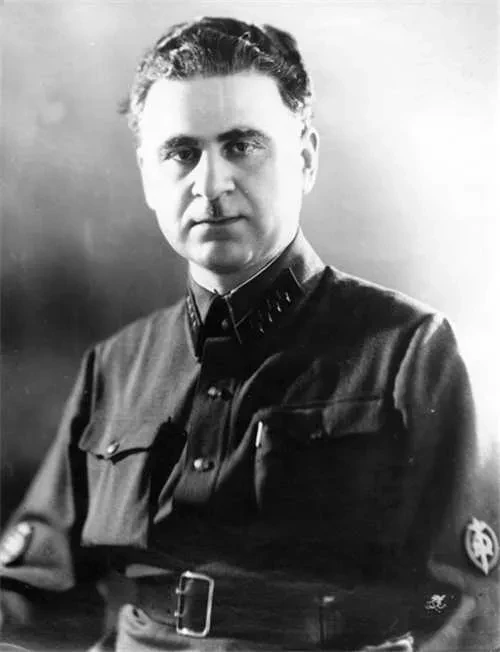
In mid-May 1941, Merkulov and Beria agreed with Stalin a draft resolution of the Council of People's Commissars and the Central Committee of the All-Union Communist Party of Bolsheviks “On Events for the Cleaning of the Lithuanian SSR from the anti-Soviet, criminal and socially hazardous element” (at the stage of coordination to the Lithuanian SSR, the Latvian and Estonian SSR were added). This time, there were “pogroming” former members of various nationalist parties and counter -revolutionary organizations, police officers, gendarmes, landowners, manufacturers, large officials, officers conducting anti -Soviet activities and used by foreign intelligence for espionage purposes, criminals, etc.
They were to be arrested before the “registration of decisions of the Special Meeting”, that is, before their subsequent conviction, to put in prisoner of war camps. As a rule, they were sent to camps for a period of 5 to 8 years with confiscation of property and the subsequent forced settlement for 20 years in remote areas of the USSR. The members of their families (except for criminals) (and it is not enough that the heads of families intended for arrest should be located here for some time. About their separation, usually taking place at the loading station or concentration station, to avoid excesses, were not reported in advance ), as well as family members of those who were sentenced to the highest degree of punishment or hid from justice and switched to justice and switched to justice and switched to justice and switched to justice and The illegal position (those are also added to the highly suspicious Germans who signed up for repatriation, but, in the end, refused to go to Germany).
As usual, a separate contingent made up registered prostitutes: they were sent to the northern regions of Kazakhstan for a period of 5 years.
The summarizing directive was called the “Plan of the NKVD measures for the transfer, resettle and employment of special concingents sent from the Lithuanian, Latvian, Estonian and Moldavian SSR” (dates from Maya). The plan provided for the arrest of about 30885 former manufacturers, landlords and members of bourgeois governments from the republics of the Baltic states and Moldova, as well as the deportation of 4,6557 members of their families. It was planned to deport the latter: from Lithuania-to the Komi Autonomous Soviet Socialist Republic, from Latvia to the Krasnoyarsk Territory, from Estonia to Altai Territory and the South Kazakhstan region, from Moldova (there were a majority in this case)-to Kazakhstan (Aktobe, Karaganda, Kustanai and Kzyl-Ordin region) and the Novosibirsk region.
Preparations for the operation were completed by the beginning of June 1941, and the directive of June 14, in fact, and Phariseisk only failed the line under the events already held.
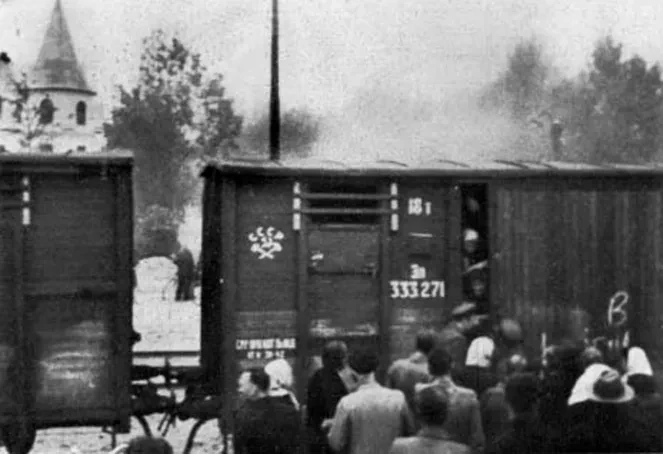
But the brief general “schedule” of the actual pre -war deportations of 1941. On May 22, “counter -revolutionaries and nationalists” were evicted from Western Ukraine (and, probably, from Western Belarus), on the night of June 12 to 13 - from Moldova, Chernivtsi and Izmail regions of the Ukrainian SSR, on June 14 - from Lithuania, Latvia and Estonia, and on the night of June 19 to 20 (!) - from Western Belarusian.
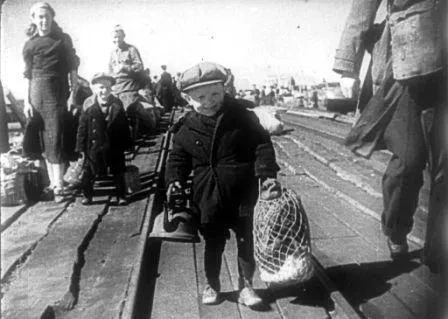
From Moldova and Chernivtsi and Izmail region. The Ukrainian SSR was relocated to the Kazakh Autonomous Soviet Socialist Republic, Komi Autonomous Soviet Socialist Republic, Krasnoyarsk Territory, Omsk and Novosibirsk Region. Not 5, but 19 (according to other sources - 22 and even more than 30) thousand people. In relation to Moldova, there are more detailed data. There, in particular, 8-8.5 thousand active Moldavian counter-revolutionaries were scheduled for arrest and relocation: 5 thousand were sent to the Kozelshchansky camp and 3 thousand to Putivlsky. Members of their families were expected to evict, mainly to Kazakhstan and Western Siberia: in the South Kazakhstan, Aktobe and Karaganda region. 11 thousand people were planned, in the Novosibirsk region. -10 thousand and in the Kustanai, Kzyl-Ordin and Omsk-another 6 thousand people. (The Kirov region was determined as a 6,000-strong reserve).
The operation was started at half a third of the night from June 12 to 13 (according to some reports-June 11), only 2 hours were given to the fees. Despite the surprise, much fewer people were actually arrested and sent than planned (in particular, as of mid -September 1941, out of 85.716, 22.848 people were sent during this last operation from Moldova). By the way, the real geography of the places of their introduction also differed from the planned: in Kazakhstan they were registered 9.954, in the Omsk and Novosibirsk region. - 6.085 and 5.787 people, Krasnoyarsk Territory (470 people) and Komi ASSR (352 people) were added.
From Lithuania (17.5 thousand people) were deported to the Novosibirsk Region, Kazakhstan and Komi Autonomous Soviet Socialist Republic, from Latvia (about 17 thousand people) - to the Krasnoyarsk Territory and the Novosibirsk Region, as well as to the Karaganda region. Kazakhstan, and from Estonia (about 6 thousand people) - to the Kirov and Novosibirsk region.
From Western Ukraine and Western Belarus, respectively, about 11 and 21 thousand people were evicted. (In the first case-in the South Kazakhstan region, to the Krasnoyarsk Territory, to the Omsk and Novosibirsk Region, in the second-to the Krasnoyarsk and Altai Territory and to the Novosibirsk Region).
Thus, the total number of deported from the new western regions of the USSR reached about 380-390 thousand people. The north of the European unit, the Urals, Western and Eastern Siberia, Kazakhstan and Uzbekistan became the regions of the Enforcement.
And here is the war itself
The "huge" Soviet deportation plans were probably not exhausted by this. But the war prevented them in its entirety. This time, after the Germans crossed the Bug at dawn on June 22 - the war is not only the second world, but already the Great Patriotic War. Other trains with deported even fell under German bombing!
And the fact that its beginning actually coincided with one of the routine operations to deport the deportation of citizens who did not cause confidence in the remote areas of the Great Fatherland is highly noteworthy.
The mountains were not far off on the preventive deportations of those who from now on not only did not cause confidence, but were on endless suspicion - for the Soviet Germans, first of all.