Translated material
June 21. How the USSR missed the war
Goebbels's diary, Stalin toasts, reports on the situation in the Red Army and declassified documents of the NKVD. To Putin's article in National Interest
I read the book of declassified documents of the NKVD. The chapter on hunger in the winter of 1940 (what do we know about him what we heard?) - memos of various kinds of bosses, protocols, and a transcript of meetings. There is a lack of bread, here are strikes, here women at the store beat the first secretary of the regional committee, here are the queues of one and a half kilometers. And here is the letter of Tsanawa (the People's Commissar of the Internal Affairs of Belarus, one of the participants in the murder of Mikhoels, he himself will also be shot, in 1953) Lavrenty Pavlovich Beria, not remarkable against the general background. Dry, "in akesk", without emotion. And so Tsanava writes that in the Brest region there were cases when the peasants illegally cross the border, buy food there, and here they are in vain in vain. And reports on the measures taken.
At first, the eye did not stay on anything. And then.
This is January 1940, this is the Brest region! Only three months ago both here and on the other side of the border was Poland. And in September, Hitler occupied the western part of it, while the east, as a result of the liberation campaign of the Red Army, reunited with the fraternal family of Soviet peoples. And here is the result, almost immediate. I hope nobody will occur to anyone to idealize the regime established in Poland by the Germans
But what had to be done here to run there for food?!
But in Brest, immediately after the reunion, the first thing they were erected by huge monuments to Stalin and Lenin, after a year and a half that struck the invaders.
When Guderian was here for the first time (and together with General Krivoshein took a joint parade), there were no these monuments.
"If Germany falls into a difficult position"
By 1940, the Ground Forces lost 48773 people, and 5616 people and the naval fleet-over 3 thousand people of the command staff. The main part of the leadership of the central departments of the People’s Commissariat of Defense and military districts, as well as 27 corps commanders, 96 divisions commanders, 184 commanders of the regiment, 11 commanders of the Air Force of districts and fleets, 12 commanders of aviation divisions, 4 commanders of the fleets, and 4 commanders of the fleet commanders, were subjected to repression.
Would all be so useless when “it all started”?
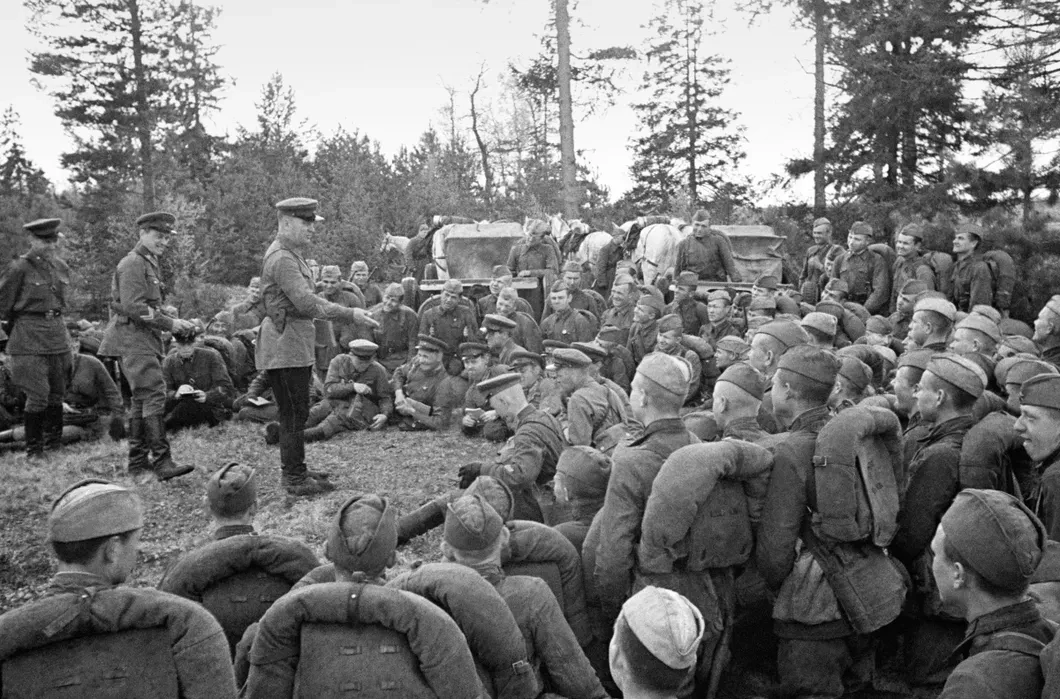
From 1938 to 1940, all commanders of the troops of the military districts were replaced, their deputies, assistants, chiefs of staff, chiefs of military military and services were updated by 90%, and the leading composition of corps departments and divisions was 80%. In most military districts, up to half of the officers had a command experience from 6 months to a year, and about 40% of the commanders of the middle level amounted to reserve commanders with insufficient military training.
A week before the Hitler invasion of the People's Commissar of State Security, Merkulov submitted to Stalin, Molotov and Beria a “note”, compiled on the basis of “conversations with the Berlin source and received by the agency”.
Historical document
Note by the People's Commissar of State Security of the USSR - Stalin, Molotov and Beria
“The main trouble of the USSR from a military point of view,” the note said, is the complete absence of capable officers. World history, perhaps, does not know another example of such a worthless leadership of military operations, which took place, for example, during the war of the Soviet Union with Finland. And if, nevertheless, the Soviet Union finally won, then there is no military merit in this. They just threw so much on every square kilometer that they broke everything, while the enemy had nothing to shoot at the end of the war. With Germany, such a maneuver is not applicable, there is enough to answer there. ”
And do not give a damn! With a mustache! It’s like with a little son I played and won, of course. Son: I was lucky, I did not have time for four strokes, I already came up with everything, but did not have time. And you set me a mat.
So Stalin "came up with everything." The tanks glued - horror. The planes of the same ... with the fuel, for them, it was, however, worse, not everyone had enough, with airfields, with pilots, with the prepared tankers, with those who command them all. By the way, judging by the “act” of the transfer of cases from the People's Commissar of Voroshilov to the People’s Commissar Tymoshenko, the most thing we had to do with the infantry. But this is all nonsense in lean oil, not the gods burn pots, they will learn if they want to live.
And one more important circumstance.
The two countries in Europe had a tremendous advantage over everyone else: they, without interrupting for a second, were preparing for the inevitable war. This is the USSR and Germany. Everything was subordinated only to this, under an endless cry about the world to which both powers strove with all their might. And yet. “But we will still get to the Ganges, / but we still die in battles. / So that my homeland is from Japan to England / shine, ”the author of the Brigantine, the romantic Pavel Kogan , expressed a general mood in rhyme, and it never occurred to anyone to think what you say, write. Because “from Japan to England” everyone is just waiting for a Red Army man with a full bag of all -human happiness to them. And he did not teach anything ideologists the Polish campaign of Tukhachevsky on the 20th year (“Give Warsaw! Give Berlin!”), Cumming up a disaster that did not have time “by four moves”, although “everything was invented” already.
Tukhachevsky, as you know, was shot even before the Great Patriotic War. Pavel Kogan heroically died on the "Malaya Earth", near Novorossiysk.
Hitler was more modest, he did not bother with the world revolution, he was a realist: at first - "Germany above all!" For a thousand next years. And all the rest - neighbors and not neighbors - do not have any importance, negligible small values.
For which he suffered.
How did we prepare for the inevitable, as we were told, to war. And why, by the way, inevitable? It began how good!
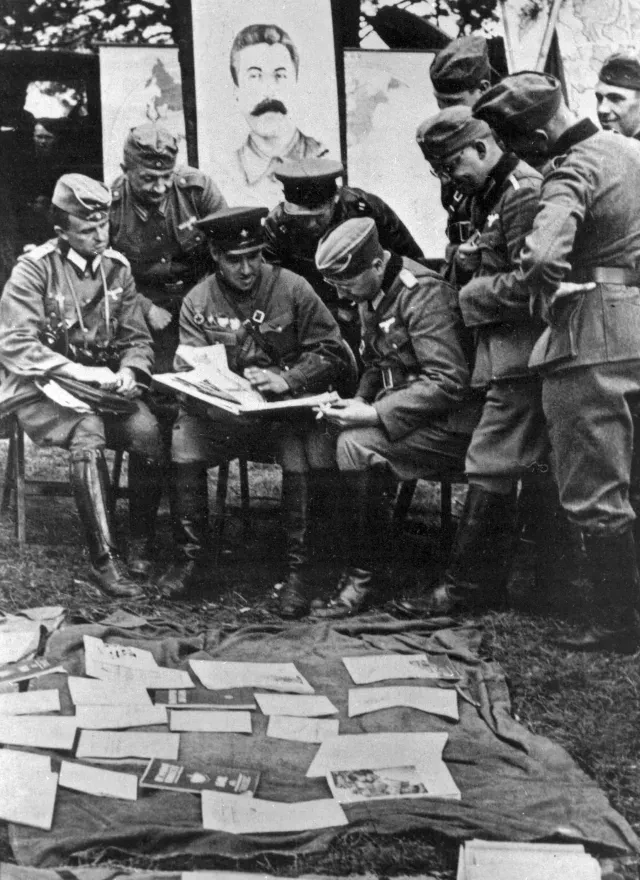
Historical document
From the German recording of Ribbentrop conversations with Stalin and Molotov on September 29, 1939
“As the minister continued, he was very glad to hear from the German military that the military program established by both parties (in Poland.- P. G.) was carried out in the spirit of good and friendly interaction. It was not easy for the German military leadership to tear the current troops from the enemy and force them to move in the opposite direction. In the area of the 8th German Army, this led the Poles even imagined that they turned the German troops to flight. Despite all these difficulties and, except for insignificant misunderstandings, the matter was quickly and unhindered. ”
That is, no “significant misunderstandings”, that is, did not arise when the victorious German troops were inferior to the areas occupied by them with the victorious Soviet. As in advance with each other and agreed.
And Stalin answered well:
“Mr. Stalin said that Mr. The Minister in cautiously hinted that under cooperation, Germany does not mean a certain military assistance and does not intend to draw the Soviet Union into the war. This is very tactful and well said. The fact that Germany currently does not need someone else's help and, possibly, in the future will not need someone else's help.
However, if, contrary to expectations, Germany will fall into a difficult position, then it may be sure that the Soviet people will come to the rescue and will not allow Germany to be strangled.
The Soviet Union is interested in strong Germany and will not allow Germany to be plunged to Earth ...
As for the attitude of the Soviet government to the English complex of issues, it (Stalin. - P.G. ) would like to notice that the Soviet government had never sympathies to England. It is only necessary to look into the works of Lenin and his students in order to understand that the Bolsheviks always scolded and hated England most of all, while in those days when there was no talk of cooperation with Germany. ”
And on the same day, at dinner in the Kremlin:
“Dinner was given in the neighboring halls of the Kremlin Palace and took place in a very relaxed and friendly atmosphere, which was especially improved after the owners proclaimed numerous, including very funny, toasts in honor of each of the guests present.
The first toast was addressed to Mr. to the Minister (Ribbentrop, that is.-P.G.). It contained a greeting “bringing good luck” to the guest, and it was completed by the proclamation of “Hurray!” In honor of Germany, her Fuhrer and his minister. ”
But, as they said, Stalin and Hitler never greeted his hand and did not even see. And with England (despite the absence of sympathy for her), he then fought to his shoulder to his shoulder against Hitler Germany, which "would not allow to be plunged to the ground."
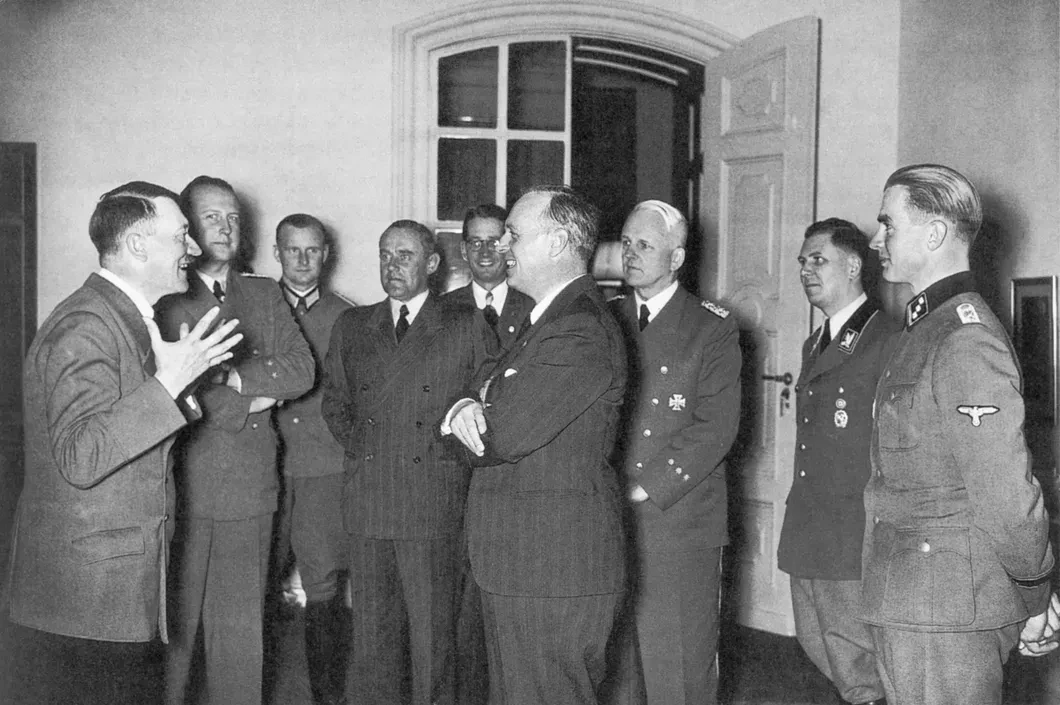
What does Dr. Goebbels think?
Joseph Paul Goebbels, unpruminably rendered a number of services to mankind, warned against a lot, warned a lot. Overwhelmed by incredible conceit, multiplied by monstrous complexes, he led for decades (wrote with his own hand, and then dictated) a detailed diary, and this diary, fortunately, was preserved. The narcissistic graphomaniac under the authorities, the Nazi Minister of Propaganda recorded all his actions, who visited his thoughts - unstable, verbally, vigorously, tiringly repeating. Almost everything has been preserved, in modern Germany it was published by a complete multi -volume, we have chosen volumes. Very instructive.
It is a pity, by the way, not a single Soviet leader comparable to Goebbels Rang left such documents. What is the reason? Was it not enough elementary literacy?
Or, on the contrary, there was enough wisdom to understand: any line written by him could be among the “irrefutable evidence” in the Chekist “business” at any moment? Or are stories embarrassed?
The “first people” of the Third Reich were much bolder, reckless or, unlike Soviet colleagues, in this regard, could not even assume what they risk. Ribbentrop, Rosenberg, Speer.
But I'm talking about Goebbels's diaries.
Turning through a seething stream, nevertheless, a modern reader will be able to catch individual amazing lines, sometimes even paragraphs, not just giving an idea of the author’s intellectual power and the wild picture of the world that has developed in his mind, but also clearly demonstrating, which, it turns out, depends on the life of a person, as a leading country is carried out by totalitarianism, which drives its Fuhrers, large and small.
Historical document
From the diaries of Joseph Goebbels on the eve of the attack on the USSR
December 23, 1940. Judges about wars are the destiny of history. And the people should not even guess that mistakes were made. Otherwise, he will lose faith in our business and in the end will not go to death for him.
December 27, 1940, Friday. There are no telegrams, no phone calls. How nice it is! And the passionate desire of the world, which we will not only dream of, but we will fight for it. It will be the most reliable.
January 7, 1941. Roosevelt sent an arrogant message to the Senate, directed against us, abounding in a lie and distortions of facts. We are as aggressors. Further help of England. Well, it will still be crushed. This democratic pig will go to everything to please Jewry. But he can’t achieve the goal.
April 7 . A large operation will occur later: it is thoroughly hidden against R., only a few are devoted to the essence of the matter ... Let them suggest any options, but not eastern.
A distracting operation is being prepared in the direction of England. And then with lightning speed, and forward. Ukraine is a good grave. Having strengthened there, we will hold out for a long time. The problems of the Balkans and the East thereby will be finally resolved.
Psychologically, such an enterprise promises some difficulties. Parallels with Napoleon, etc. But thanks to anti -Bolshevism, we all easily overcome this. And the problems of the Baltic states and Finland will also become clear. Then Russian peasants as an object of propaganda. There we will unfold with might and main. The main thing is to start. We have great victories. It is only necessary to observe calm and endurance. And prepare everything in the most thorough way.
May 5, 1941 . All Sunday passes under the sign of Fuhrer's speech. It was announced at 7 in the morning, and the whole world is waiting, holding his breath. We took care of the translation in a timely manner in order to immediately broadcast it to all countries ...
Reichstag: Great Day. The Führer is. A full report on a military campaign in the southeast, about its brilliant plans and their implementation. The greatest praise addressed to the Wehrmacht. Fierce attacks on Churchill and his amateurism. Not a word about the United States. Not a single mention of Moscow.
May 12, 1941 . The English and Russian newsreel, which we confiscated in Belgrade. In general, no competition with ours. Incredibly bad and absolute amateurism. I experienced a real sense of pride in our work in this area. In any case, we have nothing to fear Russians, both in the military field and in the field of propaganda.
May 27, 1941. Hipler showed me a film about American cultural life: terrible! This is not a country, but some kind of desert of civilization. And they intend to bring us a culture. It’s good that they are not able to do it. In general, our greatest act in the field of culture is to defeat democracy.
May 29, 1941. Summary from Estonia: there are chaos of the Bolsheviks. We will be met there like demigods!
May 30, 1941 . I read for a long time. Outside the window, a monotonous noise of warm rain is heard. The room is quiet and lonely. How difficult life is!
May 31, 1941. Summary from Latvia: Echoes of the Russian Hell. They just appeal: "Hitler, come!" This will be a true revival. And the unprecedented collapse of Bolshevism.
June 1, 1941. Moscow suddenly spoke of the new ethics of Bolshevism, the essence of which is in the defense of the Fatherland. This is something completely new. Nevertheless, this confirms that the Bolsheviks are in an extremely difficult position. Otherwise, they would not resort to such fake tonality.
June 6, 1941. Summary from Moscow: powerless humility to fate, partly an attempt to establish relations with us, but partially already noticeable military preparations. But no one believes in the possibility of serious resistance, in fact.
June 11, 1941. A documentary from China. War, war everywhere! When will the tormented humanity finally find peace?
June 16, 1941 . In the afternoon, the Fuhrer called me to the Reich Scan. I had to go through the back door so as not to attract attention. Wilhelmstrasse is constantly under the close attention of foreign journalists.
The Führer outlined in detail the situation: the attack on Russia will begin as soon as we complete the deployment of the troops. To do this, we need about one week.
This will be a grand offset of a hitherto unheated scale. Perhaps the story did not know a more grandiose. What happened to Napoleon will not happen again with us.
The concentration of Russians is extremely great on the border, and this is generally the best that can only happen. If they were dispersed into the depths of the country, then they would have a great danger. The breakthrough will be carried out in several directions. They will be swept away. The Führer expects to complete the campaign in 4 months, I suppose earlier. We have a triumphal procession that has no equal.
Cooperation with Russia, in fact, we covered our code of honor. Now we will cleanse this. I said this to the Fuhrer, and he completely agreed with me.
The Führer said: whether we are right or not, but we must win. This is justified both from a moral position, and from the point of view of necessity. And when we win, who will ask about how we achieved this.
Now our soldiers will present the opportunity to personally get to know the fatherland of workers and peasants. All of them will return with ardent opponents of Bolshevism. Europe will be delivered from this plague.
I drive through the park through the rear portal and then at high speed - around the city, past people walking in the rain. Happy people who do not know anything about our concerns and live only one day. We work and fight for them, taking on all the risk.
On June 20, 1941, Molotov expressed a desire to come to Berlin, but received a sharp refusal. He still naively counted on something. It was necessary before. "
"Others can worry"
March 24, 1941
From the recording of Stalin’s conversation with the Minister of Foreign Affairs of Japan Matsuoku, who was traveling to Berlin in Moscow
“As for the Anglo -Saxons, says Comrade Stalin, the Russians have never been their friends, and now, perhaps, they do not really want to be friends with them.
Matsuoka replies that he is deeply convinced that without the destruction of Anglo -Saxon ideology it will not be possible to create a new order, without being considered with minor interests.
In conclusion of the conversation, Comrade Stalin asks Matsuoku to convey to Ribbentrop.
Comrade Molotov joins this and also asks Matsuoku to convey to the ribbentrop. ”
April 19, 1941
From the report of the head of the permanent department
“The kitchen is lacking in stock:
KRAPAKOV - 2574 pcs.
Water buckets - 1802 pcs. ”
Not earlier than May 15, 1941
Note by the People's Commissar of Defense of the USSR and the head of the General Staff
“Given that Germany is currently holding its army with a mobilized, with laid -expanded rear, it has the opportunity to warn us in deployment and deliver a sudden blow. To prevent this [and defeat the German army],
I consider it necessary to give initiatives to the German command in any case, to replace the enemy in deployment and attack the German army
At the moment when she will be in the deployment stage and does not have time to organize the front and the interaction of the branches of the troops. ”
Everything, it turns out, was thought out (like a son in chess). But - did not have time. Хотя готовились вовсю.
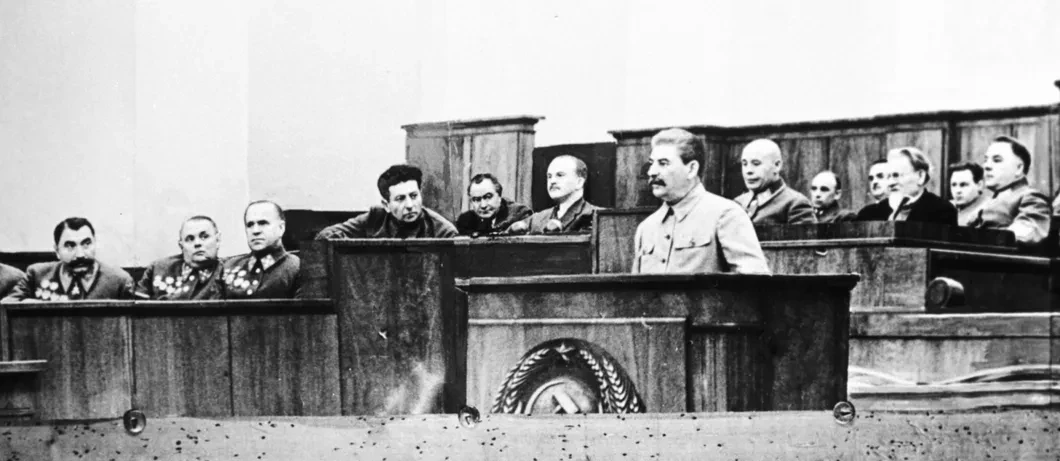
5 МАЯ 1941 Г.
Выступление Сталина перед выпускниками военных академий РККА в Кремле
Выступает генерал-майор танковых войск. Провозглашает тост за мирную сталинскую внешнюю политику.
Товарищ Сталин: «Разрешите внести поправку. Мирная политика обеспечивала мир нашей стране. Мирная политика дело хорошее. For the time being, we held a line for the defense - until we re -rack our army, we supplied the army with modern means of struggle. А теперь, когда мы нашу армию реконструировали, насытили техникой для современного боя, когда мы стали сильны — теперь надо перейти от обороны к наступлению. By the defense of our country, we are obliged to act in an offensive way. From defense, go to military policy of offensive actions. We need to rebuild our upbringing, our propaganda, agitation, our seal in the offensive spirit.
The Red Army is a modern army, and the modern army is an offensive army. ”
12 МАЯ 1941 Г.
Из беседы заместителя наркома иностранных дел СССР, посла СССР в Германии Деканозова с послом Германии в СССР Шуленбургом в Москве
«Во время завтрака, а затем и несколько раз в беседе после завтрака Хильгер и Шуленбург говорили, стараясь придать этому шутливую форму, о том, что Типпельскирх теперь у них очень возгордился. Посол распорядился послать свою визитную карточку и визитные карточки своих заместителей (Типпельскирха и Хильгера) т. Сталину в знак поздравления по поводу назначения т. Сталина Председателем СНК СССР. Однако ответную визитную карточку получил только Типпельскирх, и теперь он ходит с поднятым носом. Хильгер и Шуленбург объясняют себе неполучение ими визитных карточек задержкой, вызванной, вероятно, техническими причинами».
15 МАЯ 1941 Г.
Из меморандума МИД Германии о германо-советских экономических отношениях
«Положение с поставками советского сырья до сих пор представляет удовлетворительную картину. В апреле были произведены поставки следующих наиболее важных видов сырья:
зерна — 208 000 тонн;
нефти — 90 000 тонн;
хлопка — 8300 тонн;
цветных металлов — 6340 тонн меди, олова и никеля»
А В ЭТО ВРЕМЯ — 16 МАЯ 1941 Г.
Постановление ЦК ВКП(б) и СНК СССР «О мероприятиях по очистке Литовской, Латвийской и Эстонской ССР от антисоветского, уголовного и социально опасного элемента».
«Разрешить НКГБ и НКВД Литовской, Латвийской и Эстонской ССР арестовать и направить в ссылку на поселение в отдаленные районы Советского Союза сроком на 20 лет с конфискацией имущества следующие категории лиц (следует перечисление).
Разрешить НКВД Литовской, Латвийской и Эстонской ССР выслать в административном порядке в северные районы Казахстана сроком на 5 лет проституток, ранее зарегистрированных в бывших органах полиции Литвы, Латвии, Эстонии и ныне продолжающих заниматься проституцией.
Операцию по арестам и высылке в Литве, Латвии и Эстонии закончить в трехдневный срок».
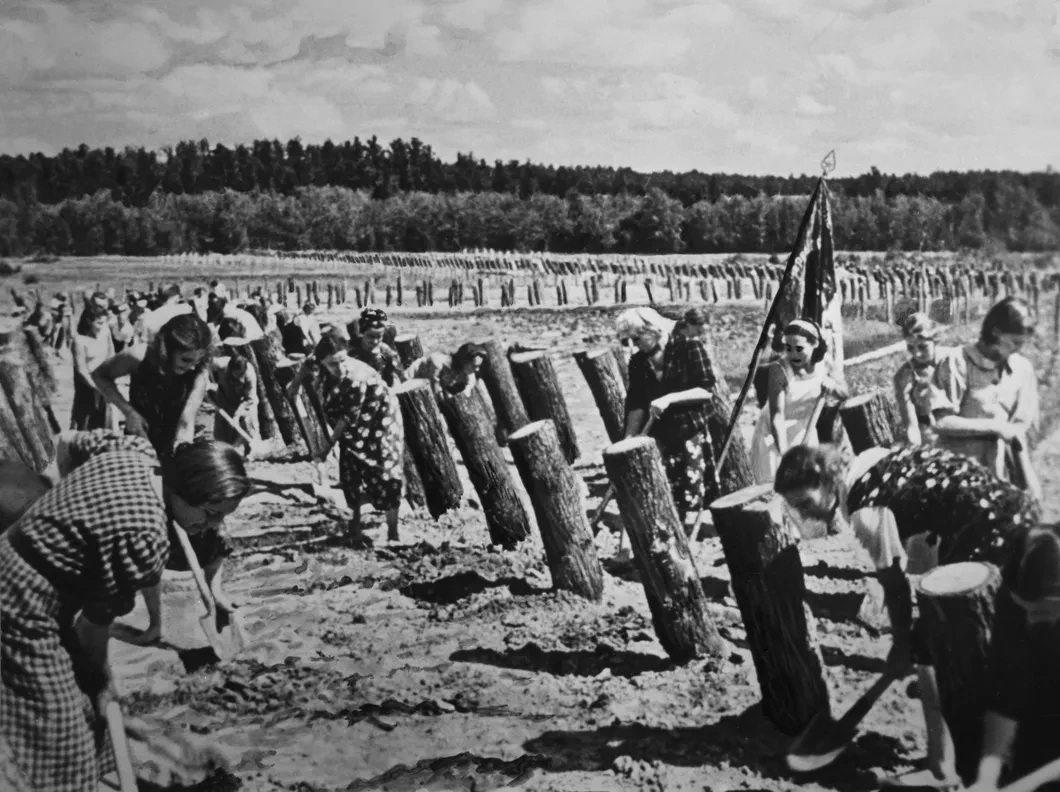
3 ИЮНЯ 1941 Г.
Выписка из решения Политбюро ЦК ВКП(б).
«Разрешить Наркомвнешторгу из особых запасов произвести поставку в Германию во исполнение договора:
меди — 6000 тонн;
никеля — 1500 тонн;
олова — 500 тонн;
молибдена — 500 тонн;
вольфрама — 500 тонн».
5 ИЮНЯ 1941 Г.
Из беседы заместителя наркома иностранных дел СССР Лозовского с послом США в СССР Штейнгардтом
«По мнению Штейнгардта, в ближайшие 12 месяцев, а некоторые считают, в ближайшие 2–3 недели, Советский Союз будет переживать величайший кризис. He is surprised that in such a difficult time the Soviet Union does not want to strengthen its relations with the United States. From the letters received, he gives the impression that Washington is now angry with the Soviet Union and believes that he takes an unfriendly position in relation to the United States. Люди, которые 6 месяцев тому назад дружественно относились к СССР, сейчас относятся враждебно».
Лозовский ему ответил:
“Mr. Ambassador said that some deputies want to speak in Congress against the USSR. We are not touched by this kind of performance. If there are deputies who want to arrange a noise and scandal in the congress, then let them make noise, this is their business. ”
12 ИЮНЯ 1941 Г.
Из сообщения НКВД СССР В ЦК ВКП(б) и СНК СССР о нарушениях государственной границы СССР с ноября 1940 г. по 10 июня 1941 г.
«За прошедшее после октября 1940 г. время, то есть по 10 июня 1941 г., со стороны Германии нарушили границу Союза ССР 185 самолетов. Особенно усилились нарушения нашей границы германскими самолетами за последние один — полтора месяца.
Только за май и 10 дней июня 1941 г. границу СССР нарушил 91 германский самолет».
13 ИЮНЯ 1941 Г.
Сообщение ТАСС
«Еще до приезда английского посла в СССР г-на Криппса в Лондон, особенно же после его приезда, в английской и вообще в иностранной печати стали муссироваться слухи о «близости войны между СССР и Германией».
Несмотря на очевидную бессмысленность этих слухов, ответственные круги в Москве все же сочли необходимым, ввиду упорного муссирования этих слухов, уполномочить ТАСС заявить, что эти слухи являются неуклюже состряпанной пропагандой враждебных СССР и Германии сил, заинтересованных в дальнейшем расширении и развязывании войны».
Немцы, надо сказать, этого заявления «не заметили» и никак на него не отреагировали.
14 ИЮНЯ 1941 Г.
Решение Политбюро ЦК ВКП(б)
« Разрешить Наркомвнешторгу Союза ССР:
Подтвердить заказы: а) бывшего Военного министерства Эстонии с фирмой «Крупп» на 9 шт. 105-мм полевых гаубиц и 2700 шт. выстрелов к ним; б) бывшего Военного министерства Латвии с фирмой «Шкода» на 36 шт. 105-мм полевых гаубиц и 20 000 шт. выстрелов к ним.
Произвести доплату за счет средств НКО Союза ССР по указанным в п. 1 заказам: фирме «Крупп» — 512 584 германских марок и фирме «Шкода» — ам. долларов 575 955, всего 4 139 452 рублей».
16 ИЮНЯ 1941 Г.
Из беседы первого заместителя наркома иностранных дел СССР Вышинского с временным поверенным в делах Великобритании в СССР Баггалеем
«Баггалей заметил, что в то время, когда Криппс прибыл в Лондон, туда же приезжали и другие лица, но в сообщении ТАСС упоминается только имя Криппса. Чем же это объяснить? Я ( Вышинский. — П. Г. ) ответил Баггалею, что сообщение ТАСС констатирует факты как они есть. Факты таковы, что после прибытия Криппса в Лондон английская пресса особенно стала муссировать слухи о предстоящем нападении Германии на СССР. Сообщение ТАСС характеризует поведение английской прессы до и после приезда Криппса в Лондон. Какие-либо претензии по этому вопросу, очевидно, надлежало бы адресовать к английским журналистам и редакторам газет, которые так усиленно стали муссировать слухи, опровергнутые ТАСС, особенно после приезда в Лондон Криппса.
Далее Баггалей заявил, что в сообщении ТАСС, как он представляет себе, имеется два основных положения: во-первых, в сообщении указывается, что между СССР и Германией никаких переговоров не было и, во-вторых, что нет никаких оснований для выражения беспокойства в связи с передвижениями германских войск.
На мой ( Вышинского . — П. Г. ) вопрос, кого Баггалей имеет в виду, говоря о выражении беспокойства, Баггалей ответил — СССР.
На это я ( Вышинский. — П. Г. ) ответил Баггалею, что, как видно из сообщения ТАСС,
для СССР нет никаких оснований проявлять какое-либо беспокойство. Беспокоиться могут другие».
А В ЭТО ВРЕМЯ — 19 ИЮНЯ 1941 Г.
Из докладной записки НКГБ Молдавской ССР в НКГБ СССР
«НКГБ МССР наметил к изъятию и аресту 5106 человек и выселению 14 469 членов их семей…
В целом операция прошла организованно, и изъятие антисоветского элемента проходило при наличии достаточных материалов, подтверждающих их антисоветскую деятельность».
19 ИЮНЯ 1941 Г.
Постановление СНК СССР И ЦК ВКП(б) «О маскирующей окраске самолетов, взлетно-посадочных полос, палаток и аэродромных сооружений»
«Обязать начальника ГУ ВВС т. Жигарева: а) к 20 июля 1941 года все имеющиеся в строю самолеты покрасить маскирующей краской, за исключением нижней поверхности, которую оставить с прежней окраской; б) к 20 июля 1941 года произвести маскировку взлетных полос; в) к 1 июля 1941 года произвести маскировку палаток; г) к 30 июля 1941 года произвести маскировку аэродромных сооружений.
Обязать Наркомхимпром (т. Денисова) обеспечить с 25 июня 1941 года сдачу красок для Наркомавиапрома в сроки, количествах и номенклатуре…»
Ни одного пункта этого постановления выполнить так и не удалось.
А В ЭТО ВРЕМЯ — 20 ИЮНЯ 1941 Г.
В ходе депортации, проведенной органами НКВД по западным областям Белорусской ССР, было вывезено 24 412 человек.
Чем же так провинились летчики?
Даже на фоне не прекращавшихся все тридцатые репрессий среди военных «дело летчиков» стоит особняком, отличаясь какой-то запредельной абсурдностью и необъяснимостью.
Первый арест произошел 18 мая 1941 года. Был арестован начальник Научно-испытательного полигона авиационного вооружения ВВС Красной Армии полковник Г. Шевченко.
Последний — перед самой войной, 19 июня 1941 года, — П. Алексеев, генерал-лейтенант авиации, начальник Главного управления авиационного снабжения РККА, затем — помощник начальника ВВС Приволжского округа.
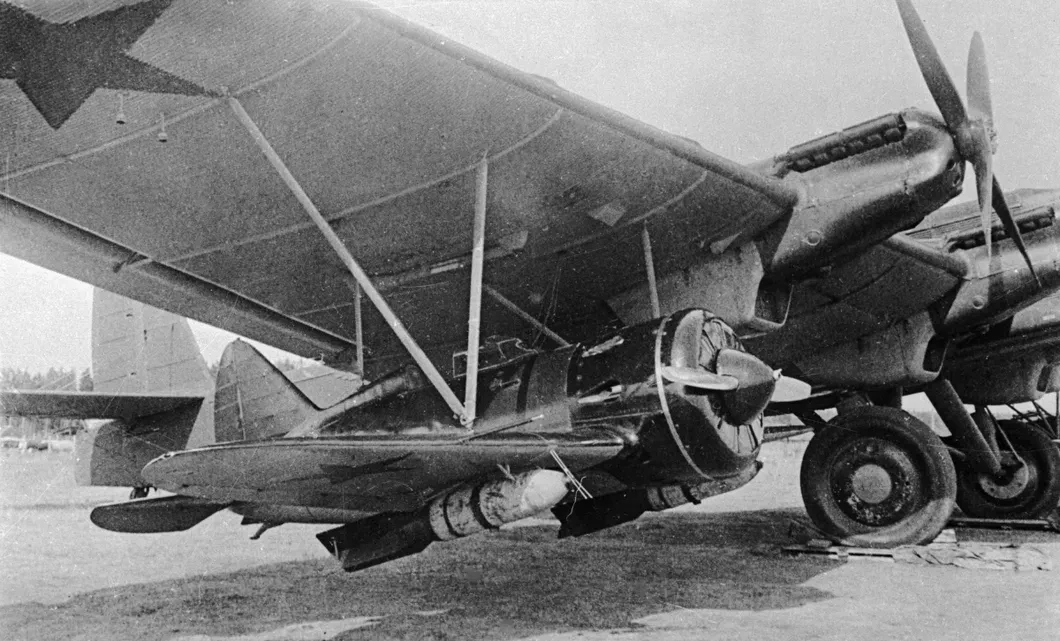
Всего за месяц были арестованы десять генералов, в том числе два бывших главкома ВВС, командующий силами ПВО (Г. Штерн), в том числе четыре Героя Советского Союза (среди них один дважды Герой — Яков Смушкевич). Плюс руководители авиационных НИИ, работники наркоматов.
Then the war began. Но в НКВД, похоже, этого не заметили.
24 июня 1941 года арестован П. Рычагов, генерал-лейтенант авиации. За боевые действия в Испании (40 сбитых самолетов противника) присвоено звание Героя Советского Союза. С июня 1940-го — заместитель, а с августа 1940 года — главком ВВС РККА.
26 июня 1941 года — А. Ионов, генерал-майор авиации, командующий ВВС Северо-Западного фронта (Прибалтийский ОВО).
27 июня 1941 года — П. Володин, генерал-майор авиации, кавалер орденов Ленина и ордена Красного Знамени. С 11 апреля 1941 года и по день ареста — начальник штаба ВВС РККА.
Историк Марк Солонин пишет: «На первый (и поспешный) взгляд аресты, произведенные после 22 июня, могли быть связаны с расследованием причин и поиском виновных в разгроме советской авиации, однако в материалах дела, приговорах и «обвинительной справке» Берии (от 29 января 1942 г.) события войны даже не упомянуты! Командиры ВВС западных округов (Ионов, Птухин, Таюрский, Ласкин) — в точности, как и авиационные генералы, арестованные до 22 июня, — «уличаются показаниями» расстрелянных в 1937–1938 годах Белова, Урицкого, Бергольца, Уборевича. Им вменяются в вину «участие в правотроцкистском заговоре» и даже «шпионаж» в пользу почти уже несуществующей Франции. Завербовались они в шпионы якобы кто в 1938-м, а кто (Птухин) так и в 1935 году».
Итоги большой работы, проведенной чекистами за неполных два месяца, грандиозны. Добавим к списку арестованных «троцкистов» заместителя наркома обороны, бывшего начальника Генштаба РККА (Мерецков), наркома вооружений (Ванников) и наркома боеприпасов (Сергеев).
Всех страшно пытали, били, добились (в полном смысле слова) диких признаний.
В три приема без суда расстреляли всех (за исключением догадавшихся написать письма Сталину Ванникова и Мерецкова; первый впоследствии стал трижды Героем Соцтруда, второй — маршалом Советского Союза; у него во время пыток был поврежден позвоночник, и Сталин, говорят, единственному, позволял ему докладывать сидя. Что считается свидетельством безмерной человечности вождя и внимательного отношения к подчиненным).
Все — реабилитированы.
Возникает естественный вопрос: являлись ли инициаторы и организаторы «дела» нездоровыми людьми, нуждавшимися в срочном лечении? Или внедренными шпионами? Или — просто маньяками?
Но становится понятным, почему не удалось провести в жизнь решение о маскировочной окраске боевых самолетов. Все были заняты.
Последние мгновения мира
21 июня выпускалась из балетного училища Майя Плисецкая, которая в этот день танцевала свой выпускной номер на сцене филиала Большого театра в Москве. В самом Большом шла опера «Царская невеста», в Художественном театре — «Три сестры», в Московском театре имени Вахтангова состоялась премьера лермонтовской драмы «Маскарад» с музыкой Хачатуряна, это был последний предвоенный спектакль театра.
В Минске («столице» Западного особого военного округа) гастролировал МХАТ. 21-го давали «Анну Каренину». В ложе — командующий округом генерал армии Герой Советского Союза Д. Павлов.
Потом его будут судить и расстреляют в качестве основного виновника катастрофы. Потом реабилитируют. Вина Павлова оказалась далеко не так велика.
15 АВГУСТА 1941 Г.
Из письма начальника 2-го отдела Разведуправления полковника Кузнецова заведующему отделом ЦК ВКП(б) Силину
«В конце апреля или в начале первой половины мая 1941 г., это в тот период, когда особенно усилились донесения от всей сети из заграницы о предстоящей войне Германии против СССР, я докладывал заместителю начальника Разведуправления Генштаба РККА генерал-майору танковых войск т. Панфилову поступивший материал по этому же вопросу.
При этом докладе т. Панфилов мне заявил о том, что нас дезинформируют,
и добавил, что вот только что несколько минут назад ему звонил т. Сталин и сказал, что «немцы нас хотят запугать, в настоящее время они против нас не выступят, они сами боятся СССР».
Страх свой они, как известно, пересилили.
В 13.00 (берлинское время) немецкие войска получили сигнал «Дортмунд», означающий, что наступление начнется 22 июня.
В ночь с 21 на 22 июня (после 24 часов) границу перешел житель с. Старый Бубель Бадзинский, сообщивший о том, что в 4.00 немецкие войска нападут на СССР.
А «на той стороне» генерал-полковник Гудериан проверял готовность передовых боевых частей: «Тщательное наблюдение за русскими убеждало меня в том, что они ничего не подозревают о наших намерениях. In the courtyard of the fortress of Brest, which was visible from our observation points, to the sounds of the orchestra, they carried out the divorce of guard. Береговые укрепления вдоль Западного Буга не были заняты русскими войсками».
Брестская крепость имела только одни ворота.
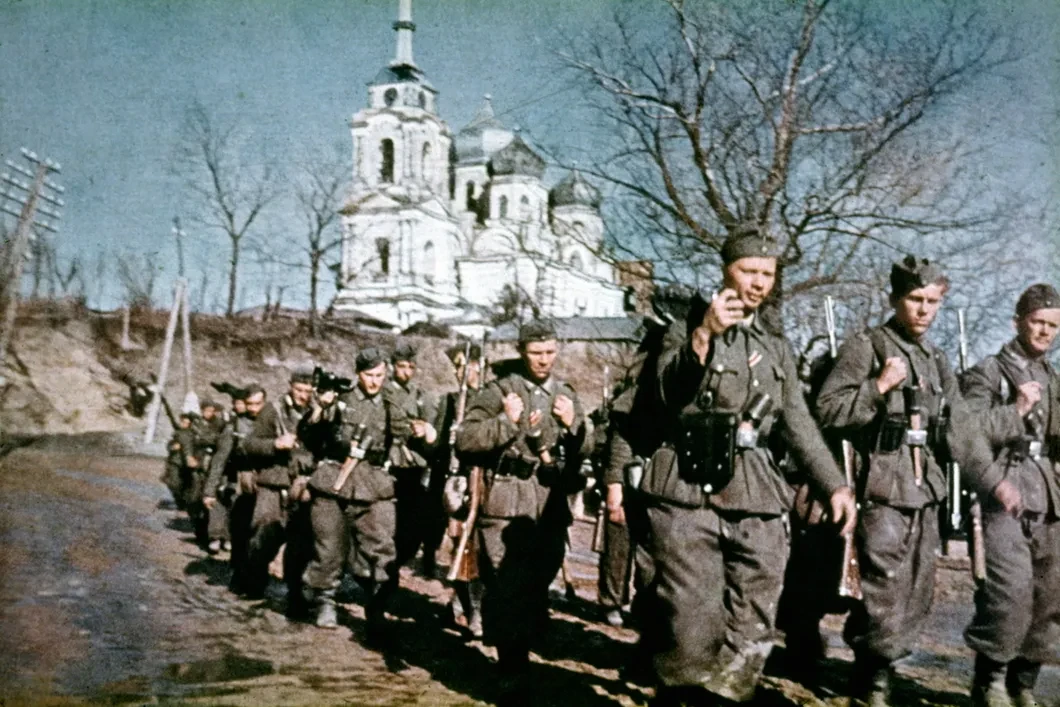
По воспоминаниям тогдашнего начальника штаба 4-й армии Л. Сандалова, «за неделю до начала войны командование 4-й армии и 28-го стрелкового корпуса предложило вывести 42-ю дивизию и 28-й стрелковый корпус в район Жабинки или на территорию Брестского артиллерийского полигона. However, the command of the Western Military District prevented this. Не была также поддержана идея об устройстве в стенах крепости двух-трех запасных выходов».
И крепость, с единственным узким выходом из нее, оказалась огромной ловушкой для тысяч красноармейцев.
22 ИЮНЯ 1941 Г.
Из дневника солдата Йозефа Арнрайтера
«Через железнодорожный мост ( из Бреста. — П. Г. ) проехал поезд с русскими товарами. Может быть, все-таки в последний момент еще договорятся? Но судьбой было предначертано другое. Под прикрытием темноты мы подкрались со всеми боеприпасами к Бугу и заняли исходные позиции.
Вокруг было спокойно, только лягушки квакали в болотах. There was a German and Russian double guard on the Big Railway Bridge. После полуночи к нам проехал последний грузовой эшелон.
В 3.15 это напряжение взорвал выстрел. Это был наш лейтенант, который выстрелил в русского часового и таким образом начал войну. Один русский часовой упал, а второй перепрыгнул через перила моста в воды Буга».
The war has begun!