
Translated material
Review, find and punish
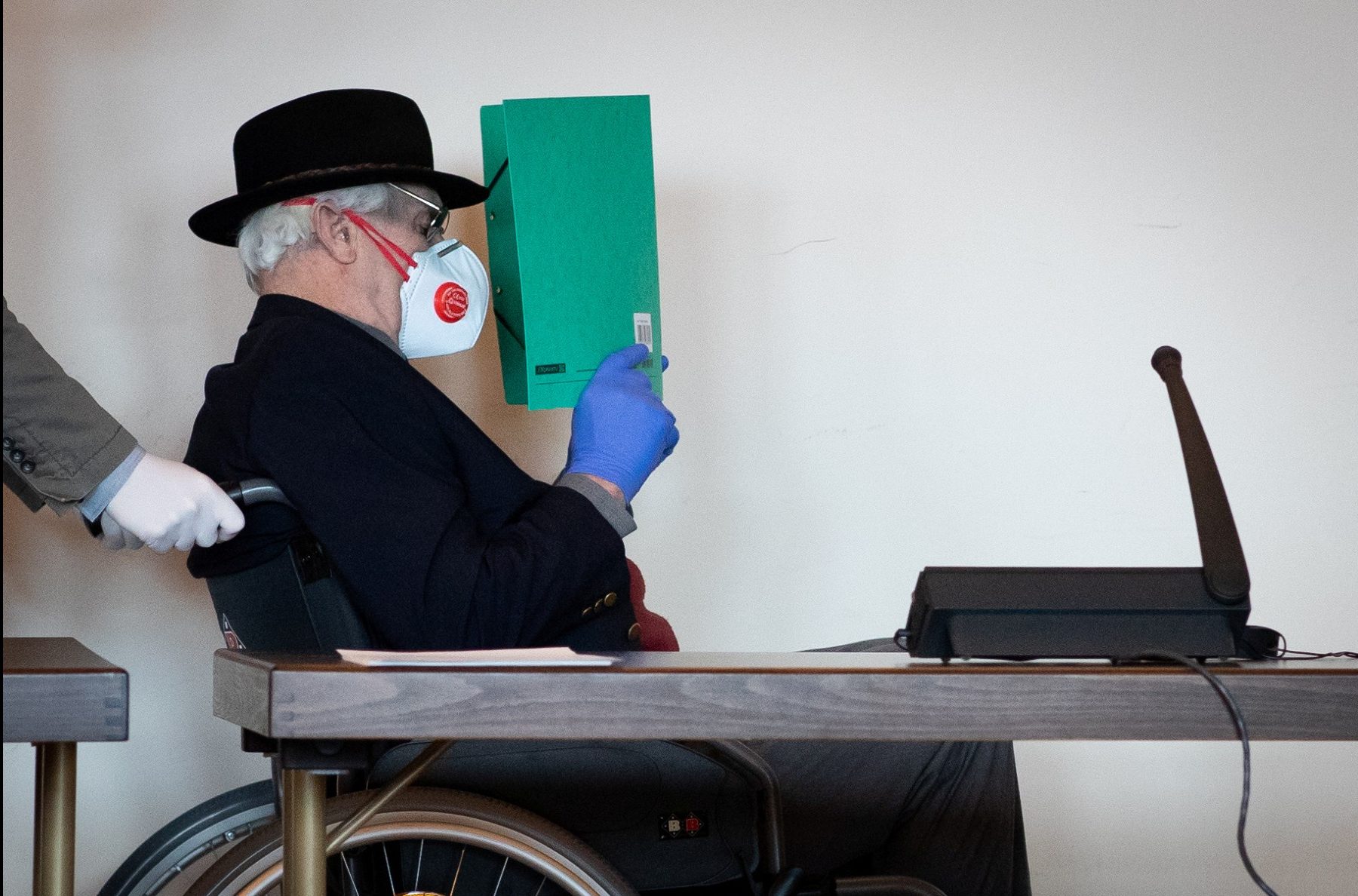
For 75 years now, “hunting” has been going on on those who avoided punishment for the Nazis' war crimes. How did it begin in different countries, how did the executioners and their accomplices hide from the court and why in Russia in recent years new criminal cases related to the events of the war years have begun?
Live to the court
Coronavirus caused the abolition of festivals and concerts, exhibitions and film screenings around the world. But his victims became the processes that are rooted in the distant past. In mid-April, the Canadian authorities said that due to the epidemic they would have to postpone the starting process of extradition from the country of the 96-year-old Helmouth Oberlander-which was very upset by the Russian Investigative Committee.
The story with the extradction of Oberlander has been stretching for almost 25 years, but it has begun before. In 1924, Helmut Oberlander was born in the Zaporizhzhya village of Molochansk - German colonists founded the village at the beginning of the 19th century, and before the First World War it was called Halbstadt. When the Germans came to the village during the Second World War, they reacted to the locals like all the other “Volksdouche”, they suggested serving Germany.
Helmut Oberlander was first a translator in the Wehrmacht, then probably served in the SD as part of Ainzatsi -group D and was engaged in the destruction of Jews and gypsies. He fought for the Reich on the Eastern Front, was wounded, and after the war he lurked in German Karlsruhe for 10 years. From there, he went to Canada, a council in an immigration statement about his classes during the war. In 1995, the deception was opened - and a long -term court began. Oberlander’s lawyers tried to present their client as an innocent participant in the Sonderkomanda, not involved in the destruction of tens of thousands of people.
In 2017, the Oberlander was deprived of Canadian citizenship. He lost both an appeal, and in December 2019 the prospect of deportation from the country to Germany loomed before him. Probably, this would not be the last point of purpose: in the long process, they also monitored in Russia. In early April, the Investigative Committee announced the initiation of a criminal case of murders of 30 thousand residents of the Rostov region in 1942. We are talking about many punitive shares of the SS-10A SS-10A probe during the occupation.
Helmut OberlanderOver the past year alone, several criminal cases have been instituted in Russia about the crimes of the Nazis during the Second World War. For example, on April 23, 2020, the SK, after studying the declassified FSB documents, opened a criminal case under an article for genocide, having studied archival materials in detail about the mass murders of the civilian population in Karelia during the Great Patriotic War. On April of April , the murder of more than 30 thousand inhabitants of the Rostov region was opened. Deputies demand to initiate a case of desecrating the graves of Soviet soldiers in Poland. Last year, cases were initiated about massacres in the Novgorod region, killing children in Yeysk, and the production of the Latvian legionnaire of the SS Visvaldis Latsis began .
But the search for the Nazis is not some kind of new technology, why, in Russia, so many have been talking about this recently?
The Nazis are among us
When the war in Europe only ended, the leaders of the victorious countries did not have illusions about the future of the Nazis. Many understood that the punishment would not be inevitable for everyone: it was impossible to judge a significant part of the country's population, divided into four zones of occupation.
In addition, many war criminals managed to hide or escape from Europe - mainly to countries from where they would not be given out, primarily in the dictatorships of Latin America. Someone fled to Spain or Portugal, where the Nazis Franco and Salazar were in power. It was in Portugal, say, the regent of Hungary and the ally of Hitler Miklosh Horty ended his days. And some went to the Middle Eastern countries, for example, to Syria: there is a donkey Alois Brunner, an assistant to Eichmann, responsible for deportation and death of 100 thousand Jews. In Syria, he helped to conceive the local special services and was an informal leader of other runaway Nazi criminals (according to rumors, Brunner lived already until 2010).
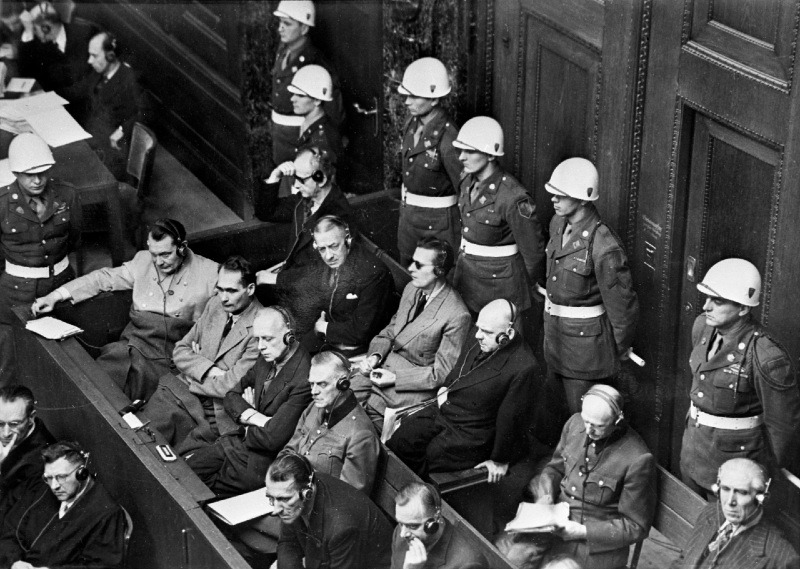 Nuremberg process, November 20, 1945 - October 1, 1946. On the bench of the defendants : Evgeny Chaldea/RIA Novosti
However, not everyone had to run. Some of the former Nazis were able to offer their services to the new authorities. This happened, for example, with Wilhelm Hettle, who was the head of intelligence and counterintelligence of the Third Reich in Central and Eastern Europe. Once in American captivity, Hittl began to draw attention to his anti-communist views-but he could offer something except the words: the network of agents in Eastern Europe and in the Balkans. It is not surprising that at first Hittl was involved in the Nuremberg process - but on it he was not as a defendant, but was present as an important witness of the accusation. His life was quite prosperous - he lived until 1999.
Hitttle's story is no exception. There were many former Nazis and collaborators who concealed the past in the post -war world. Among them was Kurt Waldheim (by the way, the head of the UN from 1971 to 1982, and then the Chancellor of Austria); Maurice Papon - during the war, he was a collaborator and contributed to the destruction of French Jews, and after the war he rose to the head of the French police; The adviser to the first post -war chancellor of Germany Adenauer was Hans Globe - a lawyer who at one time gave legislative registration of the Nuremberg racial laws; Theodor Oberlander, the political leader of the Nachtigal battalion, occupied various posts in the West German government until 1960.
The situation on the other side of the wall was not very different-the German National Democratic Party was created in the GDR, the purpose of which was to involve the NSDAP members in the official policy, which did not stain themselves with crimes, however, the former Nazis were enough in the party ruling in the country.
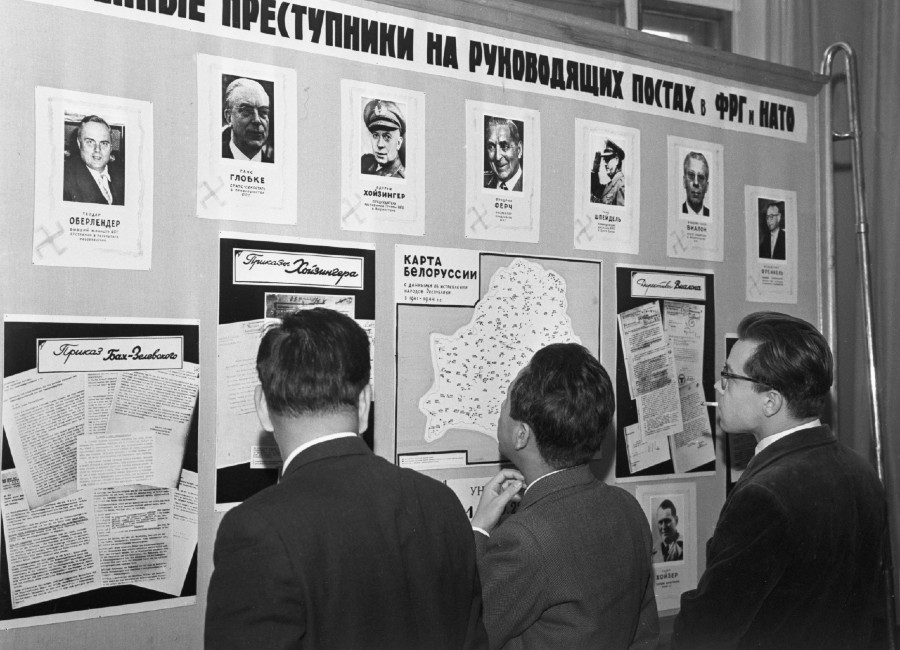 Materials of a press conference in the case of the twelve former SS men. Federal Republic of Germany, Koblenz, January 30, 1963 Photo: Alexander Konkov, Vladimir Savostyanov/TASS
It was simply impossible to punish and deprive the rights of all former Nazis, and politicians made a choice in favor of silence the past, despite the public condemnation of Nazism and war crimes. But in the first post -war years, a large number of trials over military criminals and collaborators really passed throughout Europe. Many of them, however, were released in amnesty in the next decade.
In a word, there was no secret to anyone in the post -war world that a huge number of Nazi criminals were left in the wild. But there were people who did not want to come to terms with this state of affairs.
Search for the Nazis: the Wesenthal Way
One of the most famous symbols of “hunting” for the Nazis is Simon Vizenthal. Before the war, he was a successful architect in Lviv; During the war, he miraculously survived in the camp, having lost many relatives and friends, and after the Americans liberated Mauthausen, he was full of desire to take revenge. Three weeks after the liberation of the Wizenthal, a list of 300 names of Nazi criminals and their accomplices - guards of camps, executioners, voluntary assistants was ready. The names of criminals, Wizenthal shared with the American counterintelligence.
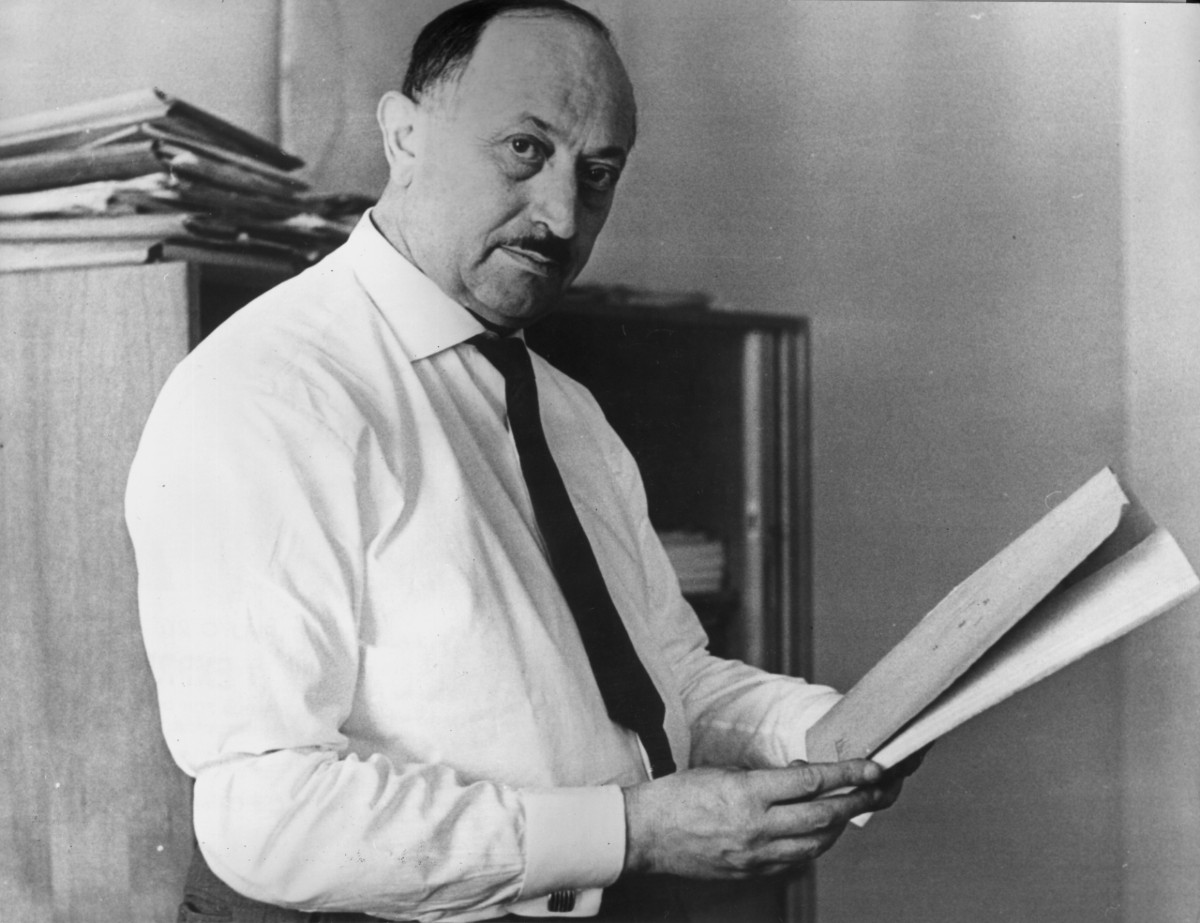 Simon Wizenthal in 1963 Photo: Express/Getty images/gettyimages.ru
For several years of work, the Wizenthal and his associates managed to collect a huge amount of information about war criminals. However, the situation in the world and Europe changed: the Americans saw the main threat no longer the Nazis, they focused on the confrontation of the Communists.
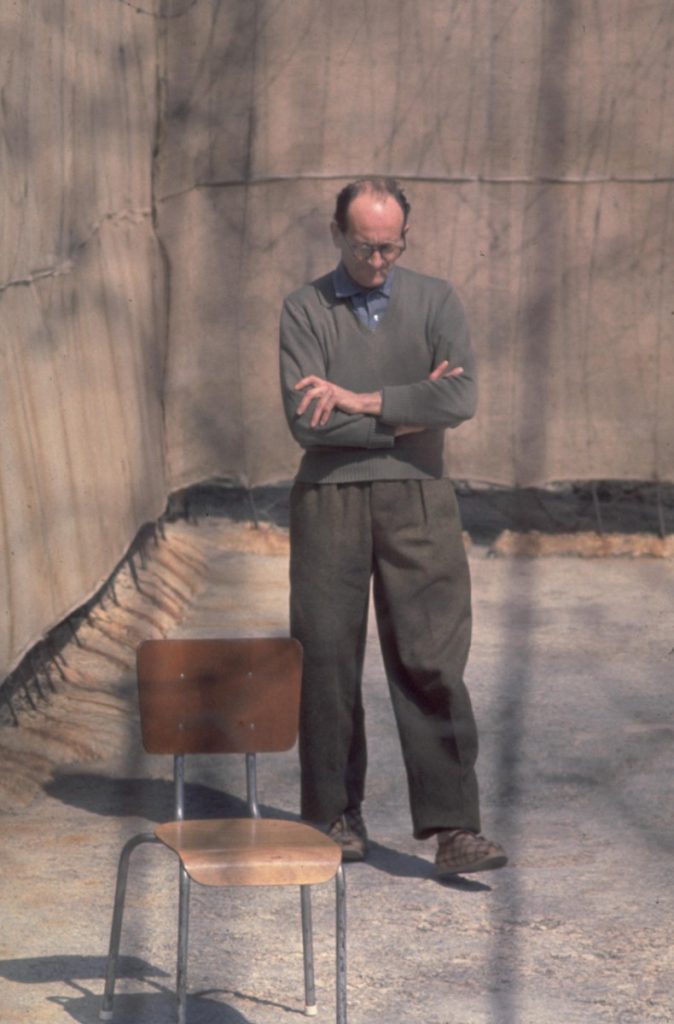 Adolf Eichmann in prison in Ramla, 1961 Photo: National Photo Collection of Israel
The most famous business of Wizenthal is “hunting” for Adolf Eichmann. Catching a person responsible for transporting and destroying millions of Jews was the main desire for screening. He was sure: Eichmann did not die in the turmoil of the last days of the war, but was able to escape. A long -term search for evidence and evidence was crowned with grandiose success. Mossad agents captured Eichmann in May 1960, according to fake documents they took him out of the country and delivered to Israel. Only then did the Prime Minister Ben-Gurion announced the capture of the Nazi criminal. After the sign process, Eichmann was hanged, and his ashes were scattered over the sea.
It was the Wizenthal gathered a detailed dossier to Franz Stanzh, who during the war years served as the commandant of Sobibor and Treblinka. In 1967, the gut, who lived in the Brazilian San Paulo, was arrested and issued to the German authorities-in Germany he was sentenced to life imprisonment. Wizenthal also found Hermin Braunsteiner - the Overage of the Maidaneca, who became famous for his cruelty. After the war, she was convicted of work in the concentration camp of Ravensbruk. She managed to sit only for part of the crimes, and then emigrate to the United States. But justice overtook her - in the end, Hermin was extradited to Germany, where she was convicted and sentenced to life imprisonment. In prison, she will get sick and suffer: complications due to diabetes will lead to the fact that Hermines will amputated, and in 1996 her state of health will become so bad that she will be released from prison. She died three years later.
Wizenthal had many other victories and achievements. But of course, not only he was engaged in the search for former Nazis, but also a few dozen activists around the world. For example, a couple of journalists Clarusfeld - Beata and Serge. Beata became famous for giving a public slap in the face of Chancellor Germany Kurt Kisinger, accusing him of concealing the Nazi past. Clarusfelds tracked down many Nazi criminals, the most famous of them was probably Klaus Barbier - a member of the SS, an executioner of French resistance.
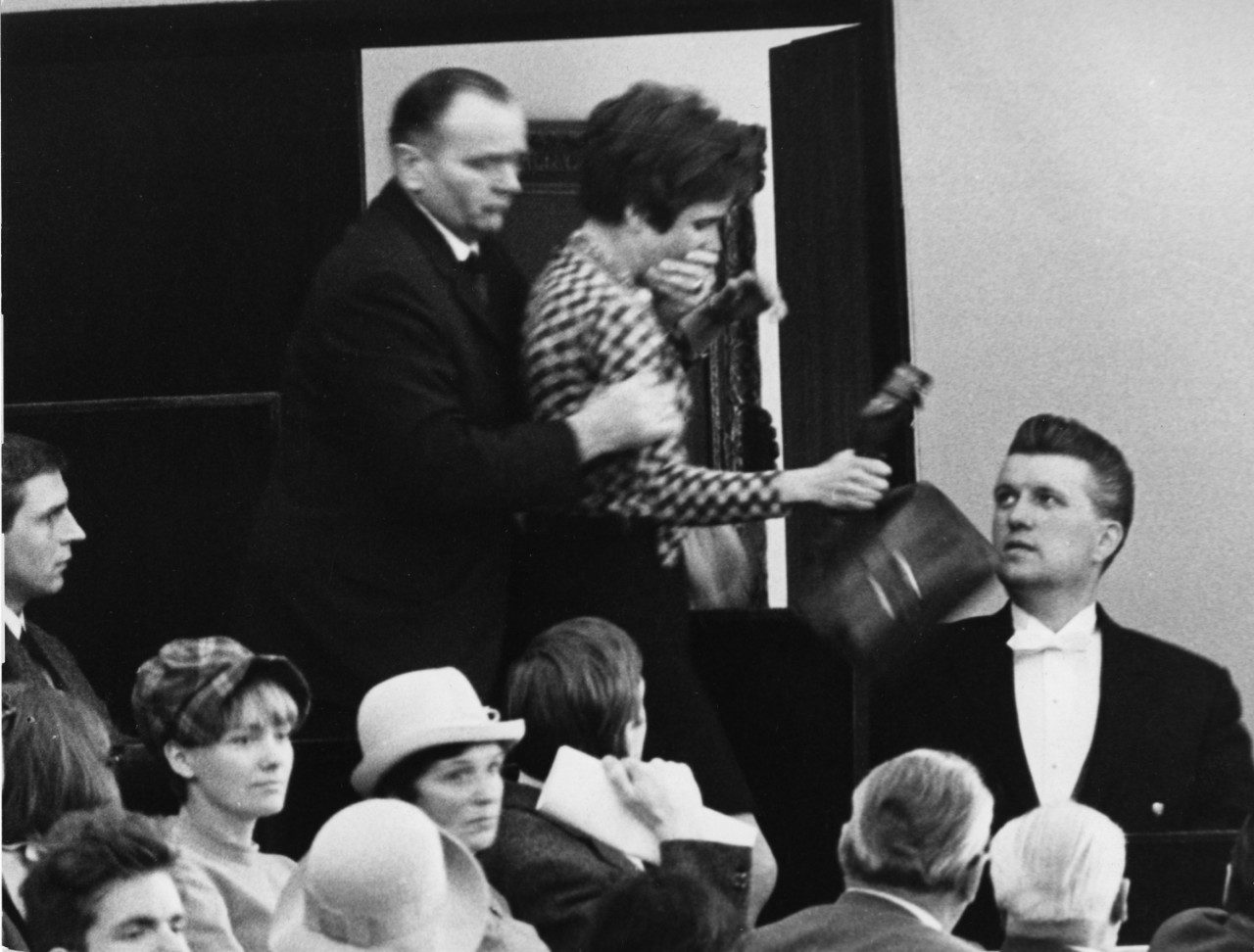 Beat Clarfeld is withdrawn from the Bundestag meeting after she shouted: “Nazi, resign!”, Trying to pay attention to the public to the Nazi past of the Chancellor of the Federal Republic of Higher of Chancellers Kurt Kizinger. Bonn, 1968 Photo: Heinrich Sanden/Ap/East News
They were engaged in searching, albeit reluctantly, and state bodies. In the USA, after the story of Hermina Braunsteiner, a special investigation office was created. Employees of this unit of the American Ministry of Justice are investigating the involvement of citizens of the country in war crimes and concealing the past. Since 1945, the main commission for crimes against the Polish nation has been working in Poland since 1945.
In Germany, where the government after the war tried in every possible way to muffle and shut up the problem of its past, in 1958 the Central Department for the investigation of the crimes of the National Socialists was created . It appeared under the pressure of the German public, shocked by the Ulm process of 1958: then the employees of the SD, SS, Gestapo and Lithuanian collaborators involved in the murder of 5.5 thousand Lithuanian Jews appeared before the court. Creating the department, the authorities hoped that it would be more nominal and exist only on paper. However, the investigators were stubborn.
They brilliantly prepared the Frankfurt process of 1963 - they tried the officers and guards of the Auschwitz concentration camp. The court was not easy: the judge was Fritz Bauer - a man who helped Vizental to look for Eichmann. The process thundered throughout Germany. The prisoners and victims appeared before the court, the details of how the Holocaust was carried out, documents appeared and discussed, the existence of which most residents of Germany had not previously suspected. Some defendants were released in the courtroom, others received from three to ten years in prison, and about half were sentenced to life imprisonment.
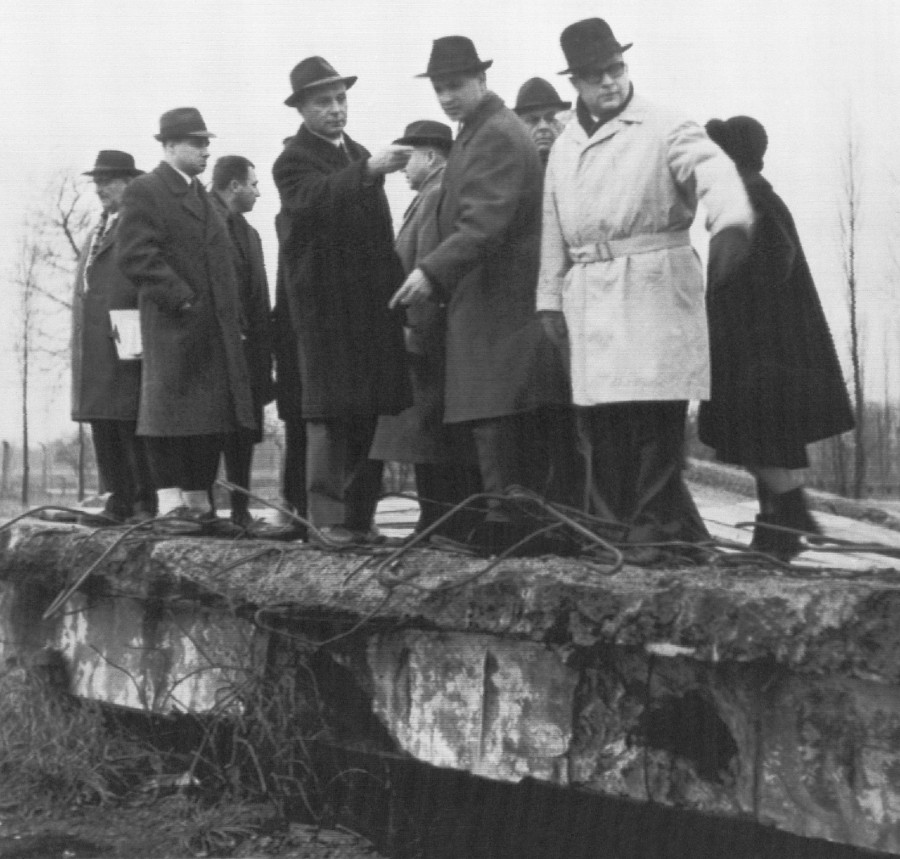 Members of the Frankfurt trials on the ruins of the gas chamber in Auschwitz, December 1964 Photo: AP/TASS
Blinding was not at all pleased with the West German Ministry of Justice. There is nothing surprising: in 2016 it became known that between 1949 and 1973 more than half of the German judges (90 out of 173) were in the past NSDAP members, and 34 people were altogether - attack aircraft. It is interesting that in 1957, the share of former members of the NSDAP among judges and leaders of the Ministry of Justice was higher than during the time of Nazi Germany - there were 77 percent of them.
In 1968, German legislation was again changed - now the punishment for complicity in crimes was reduced if the defendants “did not share motives” of the main criminals. This innovation, if not frozen the work of investigators for many years, then it complicated it significantly. In the next four decades, they heard a little about them - a small surge was observed in the zero years in connection with the court of "Ivan the Terrible" - John Demyanyuk.
Military crimes and military punishments in Russia
In the USSR, public processes over the Nazis and their accomplices began back in 1943 - shortly after the liberation of Kursk, Orel and Belgorod. In total, similar processes took place during the war and in the first years after it in 21 city. But the first court took place in Krasnodar. The city was liberated on February 12, 1943 - and immediately after that the NKVD began to search for accomplices of the Nazis; This task was considered one of the most important. In the Krasnodar process, which began on July 14, 1943, 13 Soviet citizens-accomplices of the Nazis, who took part in the mass executions as part of the same SS-10A SS-10A probe, of which the Investigative Committee accuses Helmut Oberlander.
The process was widely publicized: it was attended not only by Soviet journalists and writers (Alexei Tolstoy), but also by foreign - for example, BBC correspondent Alexander Vert. However, the stories of the witnesses who performed in the process sounded so phantasmagorically terribly terribly that both the Soviet and Western audience first did not fully believe in the veracity of the statements. Especially frightening was the story of the reprisal of small children in Yeysk: the Nazis simply took them out of town, many were shot, and others were buried alive.
Investigators tried to make not only ritual accusations against the leaders of Nazi Germany, but also the names and surnames of the direct leaders of terror in the south of Russia. So, for example, Colonel General Richard Ruoff was publicly named, commander of the 17th Army of the A Troops Group A, who, after the retreat of German troops near Krasnodar, was sent to the reserve (after the USSR, the USSR did not require Ruoff's extradition-and he calmly lived in Tubingen until 1967).
The process in Krasnodar did not drag out - the tribunal’s sentence was announced three days after the start of the court: the three were sentenced to 20 years in hard labor, the rest were publicly executed.
The process in Krasnodar was followed by others. In August, a court was held in Krasnodon, and then in Kharkov. Moreover, if the first two processes were tried by collaborators and accomplices, then at the trial that began in Kharkov in December 1943, along with Soviet citizens, the Germans became the first time. Otherwise, everything was almost like in the previous court; Perhaps, only the principle voiced publicly became new: the presence of an order does not exempt from responsibility for crimes, execution and murder. All four defendants on December 19, 1943 were hanged in the square in front of the central building of the market.
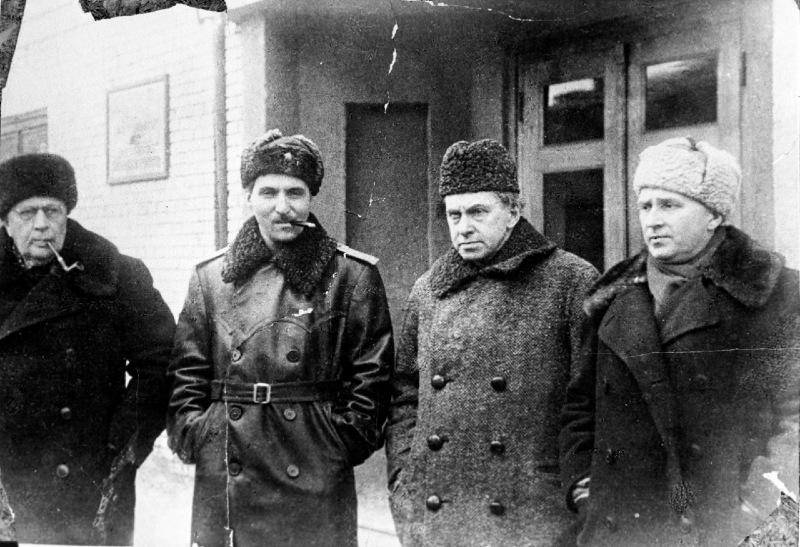 From left to right: writers Alexei Tolstoy, Konstantin Simonov, Ilya Ehrenburg, who represented the Soviet press at the process in Kharkov, and the head of the department of the Extraordinary State Commission for the establishment and investigation of the atrocities of the Nazi invaders Dmitry Kudryavtsev photo: RIA Novosti
After Kharkov, a break occurred in public processes until December 1945. In Leningrad, the main accused was Major General Henry Remlinger, the organizer of many punitive expeditions in the Pskov region. The sentenced were hanged before Christmas in 1946 - this was the last public execution in the history of the city. The same winter, the courts took place in Bryansk and Smolensk
In 1943-1949, 21 public processes over the Germans and their accomplices were held in different cities of the USSR; They executed, however, far from everyone - many were sent to hard labor. In addition, members of the Russian Liberation Army were in prisons and camps. The process over her leader, General Vlasov, was closed in order to avoid a public statement of anti -Soviet views. The camps were voluntary assistants to the invaders, captured soldiers and officers of the Wehrmacht, fighters of national liberation movements in the Baltic states and Ukraine, officers of the Japanese Kwantun Army, Japanese doctors who set cruel experiments on Soviet prisoners of war, Hungarian and Romanian war criminals.
10 years after the end of the war, the USSR recognized Germany, and Nikita Khrushchev agreed to fulfill the request of the Chancellor of Germany Conrad Adenauer, foreign prisoners of war in 1955-1956, was amnestied and released from the Soviet Union. In the same years, many collaborators were also amnestied - except for those who were involved in mass executions and war crimes.
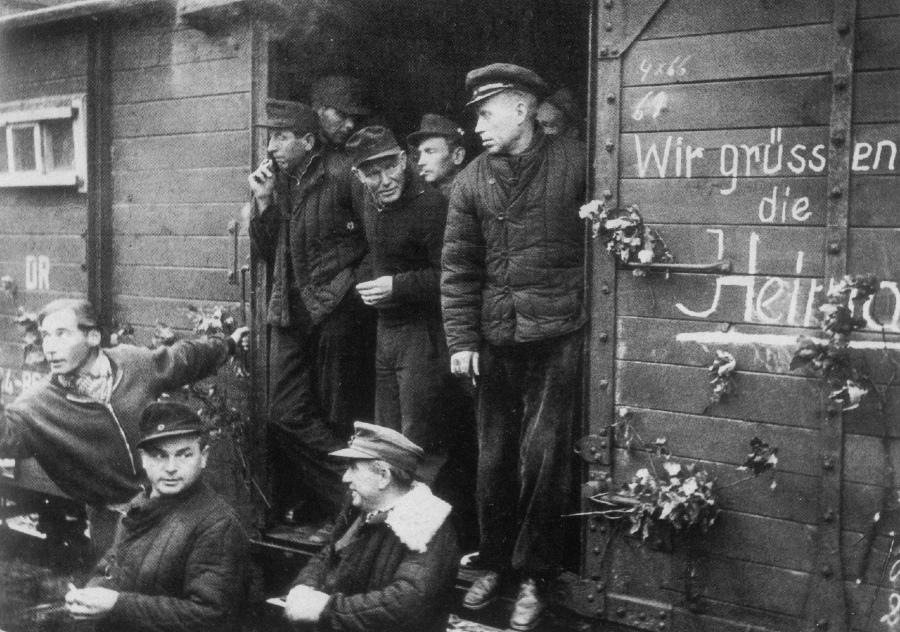 The Germans returning from Soviet captivity arrived at the Friedland border transit camp in 1955 : Reproduction/Valery Khristoforov/TASS
Soviet requests for extradition of persons suspected of war crimes in the USSR were rarely performed and most often ignored. Actually, the first war criminal, transferred in the USSR in the post -war period, is a native of Crimea Fedor Fedorenko. В Красной армии он был водителем и попал в немецкий плен в первые же недели войны. Там он довольно быстро изъявил желание сотрудничать с немцами. После обучения стал охранником в концлагере Треблинка, где и провел большую часть войны; в лагере он занимался также и подготовкой к массовым казням — вместе с 200 украинцами Федоренко раздевал и брил заключенных перед тем, как их отправляли в газовые камеры. В массовых казнях он тоже принимал участие.
Возвращаться в СССР Федоренко не собирался. В конце войны он был уже на территории Германии и четыре года жил в британской оккупационной зоне, сотрудничая с британцами. В 1949-м покинул Европу и эмигрировал в США, где старался жить максимально незаметно и тихо. Это ему до поры до времени удавалось — он менял места жительства. Однако его деяния времен войны не были забыты. Его имя звучало на процессах в Германии в 1960-х — тогда там судили охранников в Треблинке.
Согласно некоторым не вполне проверяемым историям, Федоренко то ли один, то ли даже несколько раз приезжал в Советский Союз после войны — навещал родной Крым. Считается, что после его визита в 1974 году им заинтересовался КГБ. В США медленно начал разворачиваться процесс над Федоренко. Первый суд в 1978 году он выиграл: говорил, что немцы выдавали ему незаряженную винтовку, к газовым камерам он не подходил и вообще сам боялся эсэсовцев не меньше, чем заключенные. По итогу процессов суд даже назвал Федоренко «жертвой нацизма» и оправдал по всем обвинениям.
Но в 1981 году дело начали рассматривать в Верховном суде США: спустя три года Федоренко лишили американского гражданства и экстрадировали в СССР. А еще через два года Крымский областной суд приговорил его к расстрелу — казнили Федоренко в 1987 году.
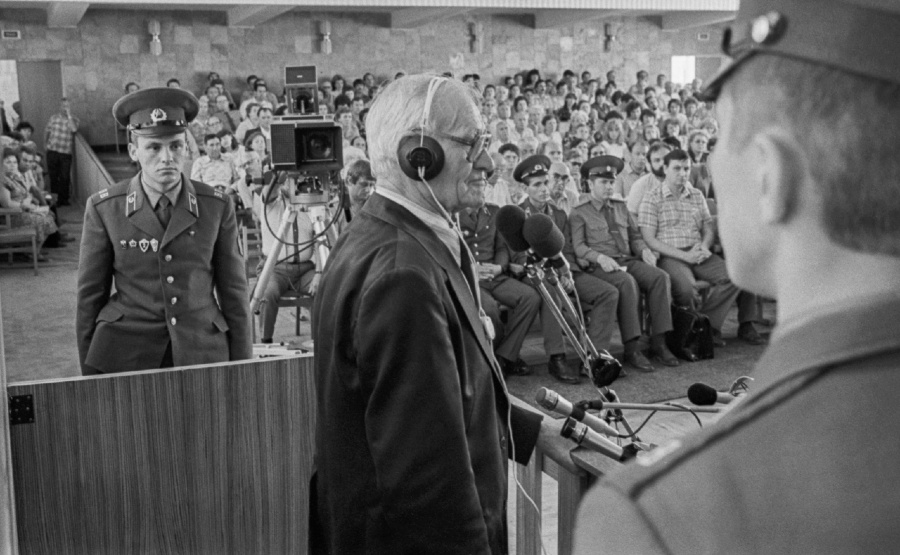 Военный преступник, принимавший участие в массовом уничтожении людей в фашистских концлагерях, Федор Федоренко в зале суда. Симферополь, 10 июня 1986 года Фото: Константин Дудченко/ТАСС
В Советском Союзе понимали, что шансы на получение преступников, сбежавших за границу, крайне малы. Но это никак не мешало искать пособников фашистов внутри страны — многие из них смогли спрятаться, скрыться или избежать наказания за самые свои грандиозные преступления. За 1960—1970-е годы в СССР прошло более 30 таких процессов — многие из них гремели на всю страну. Известна история Тоньки-пулеметчицы, пособницы фашистов, которую удалось найти только в конце 1970-х — суд приговорил ее к расстрелу.
А в 1985 году судили Григория Васюру — он был одним из участников уничтожения Хатыни, руководил штабом 118-го батальона шуцманшафта, а войну закончил во Франции. После войны он сидел в лагерях, но был амнистирован в 1955 году. В родном совхозе находился на хорошем счету и даже выступал перед школьниками как ветеран войны. А в руки КГБ попал по глупости: в 1985 году в СССР ветеранов войны награждали орденом Отечественной войны — в честь сорокалетия Победы. Васюра потребовал выдать ему орден — и это запустило цепочку разбирательств, в ходе которых выяснилось, чем же он занимался в годы войны. После большого и долгого процесса Васюру расстреляли в 1987 году.
С конца 1950-х и до середины 1970-х годов в Краснодаре состоялось еще четыре процесса , связанных с деятельностью зондеркоманды СС-10а: убийствами детей в Ейске и Мозыре, массовыми казнями в Таганроге и Новороссийске. Судили карателей и палачей — многие из них смогли после войны сменить имя, оформить поддельные документы и уехать подальше от южного города. Некоторые и вовсе покинули страну — в 1974 году, на последнем из трех процессов, судили еще одного помощника карателей — Цинаридзе, которого пришлось выманивать в Краснодар из Канады. Подобные процессы шли везде — в Калмыкии их в те же годы было шесть, и опять один из преступников был пойман в СССР после туристического визита. В Латвии в 1950-е прошло множество закрытых процессов; в Смоленске в 1960 году судили «полицаев», виновных в уничтожении гетто в небольшом городке Велиже — перед наступлением Красной армии они сожгли 2 тысячи евреев в свинарнике.
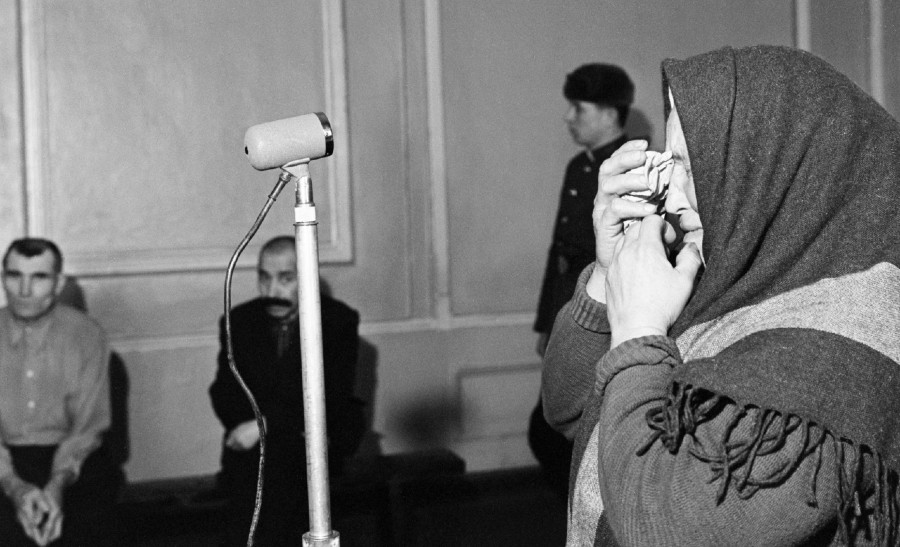 Выступление свидетеля на суде по делу пособников генерала А. Хойзингера, изменников Родины Г. Гуревича и Н. Иванова. На совести Гуревича сотни жизней советских граждан, расстрелы малолетних детей. На процессе выступили 39 свидетелей, в том числе чудом оставшиеся в живых жительницы деревень Починок и Бычково Белебелковского района Новгородской области. Новгород, 28 февраля 1962 года Фото: К.Богданов/ТАСС
По оценкам немецкого историка Тани Пентер , в 1943—1953 годах в СССР за пособничество оккупантам судили около 320 тысяч человек. При этом современные исследователи указывают , что национально-освободительные мотивы сотрудничества с нацистами были у коллаборантов далеко не всегда на первом месте, хотя те из них, что остался на Западе, стремились создать именно такое представление о причинах сотрудничества с немцами.
Постсоветские поиски нацистов
После распада Советского Союза ситуация начала меняться — события Второй мировой, которые, казалось, давно ушли в прошлое, стали возвращаться в публичное пространство — и, более того, становиться актуальными политически. В бывших советских республиках и странах соцблока началась переоценка итогов Второй мировой войны. В Латвии, несмотря на многочисленные протесты, стали отмечать День памяти латышских легионеров Латвии. В Эстонии такой же традицией стал ежегодный слет ветеранов войск СС — прежде всего 20-й гренадерской дивизии, которая в 1944 году сражалась с Красной армией под Нарвой. На Украине заговорили об ОУН — УПА, а память Степана Бандеры стала отмечаться ежегодным факельным шествием в день его рождения (в конце президентства Виктора Ющенко Бандера даже был признан героем Украины — но позднее это решение было оспорено и отменено).
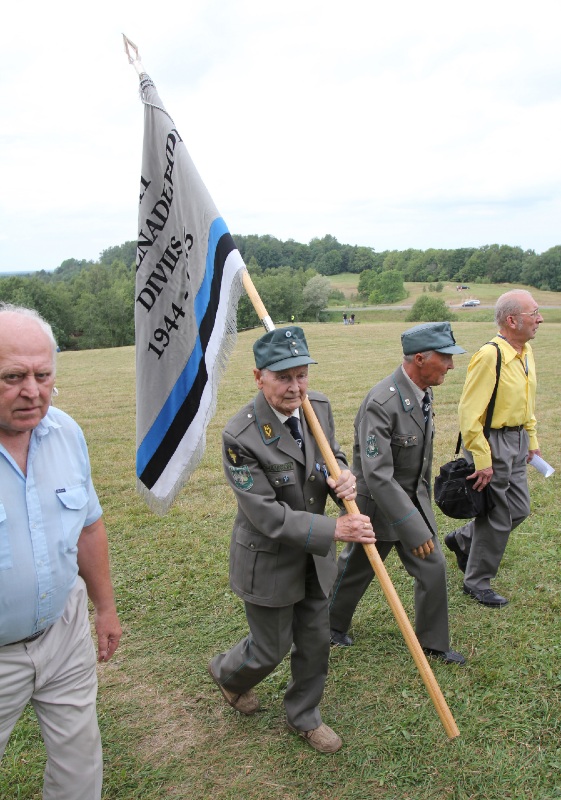 Ветераны 20-й гренадерской дивизии СС на высотах Синимяэ, где прошла встреча бывших эстонских легионеров. 2010 год Фото: Алексей Олисько/РИА Новости
В России же в 1990-е пошли совсем неожиданные перемены. С 1992 года по инициативе Генеральной прокуратуры начали реабилитировать немецких граждан, осужденных за военные преступления. Мало того, президент Ельцин просил ускорить темпы амнистирования. Депутат бундестага и крайне правый немецкий политик Альфред Дреггер (в прошлом член НСДАП) даже призывал Ельцина реабилитировать всех военнопленных вермахта, вне зависимости от их деяний.
В качестве жертв политических репрессий зачастую реабилитировали участников карательных акций против мирного населения, против партизан, преступников, уничтожавших деревни в Белоруссии и России. Реабилитация была приостановлена только в 1998 году решением Верховного суда — за семь лет было реабилитировано 13 тысяч человек. Впрочем, заявления о реабилитации поступают в Генеральную прокуратуру до сих пор — например, за девять месяцев 2014 года Генпрокуратура России получила 117 обращений (большая их часть удовлетворена не была), в том числе и заявление по поводу Ганса Пикенброка, главы отдела военной разведки Абвера. Верховный суд РФ реабилитировать его не стал — несмотря на то что в Германии (куда Пикенброк вернулся в 1955 году, после аденауэровской амнистии), он не был судим и вообще получал повышенную пенсию как ветеран войны.
А некоторые решения, принятые в 1990-е, потом пересматривали — например, в марте 2018 года прокуратура Свердловской области отменила решение о реабилитации эсэсовского военного преступника Германа Йозефа Бицингера. Это произошло по запросу историка Ивана Абатурова, который заметил процессуальные нарушения в заключении о реабилитации.
Но спустя уже несколько лет вопросы, связанные с войной, получили новый поворот. Еще в 1995 году президент Ельцин присвоил параду в День Победы статус ежегодного — в СССР его проводили в юбилейные годы. С начала нулевых стали нарастать конфликты по поводу оценки истории: резкий протест у российских политиков вызвали события на Украине и действия властей прибалтийских стран. После 2005 года, когда в России с особым размахом праздновалось 60-летие Победы, вопрос встал особенно остро.
 Митинг-пикет у посольства Эстонии против перезахоронения праха советских воинов, павших в боях за освобождение Таллина. Москва, 2007 год Фото: Владимир Федоренко/РИА Новости
А вскоре после этого в генпрокуратуру Литвы поступило заявлени е от пяти ветеранских националистических организаций, которые сообщили, что их оскорбили ветераны Красной армии — газетными статьями и телепередачами, выпущенными в преддверии юбилея Победы. В Эстонии с 2006 года разгорался скандал, связанный с памятником советскому солдату на Тынисмяги в Таллине: Бронзовый солдат и захоронение советских бойцов были местом сбора ветеранов Великой Отечественной войны в столице Эстонии.
В 2009 году в России по указу президента Медведева создали Комиссию по противодействию попыткам фальсификации истории в ущерб интересам России. Говорят, что этого добился лично Сергей Нарышкин, в те годы — глава администрации президента. На первом заседании комиссии он рассказал об истинных целях ее работы: Нарышкин заявил, что «ревизионисты» хотят добиться пересмотра геополитических итогов Второй мировой войны, чтобы отторгнуть у России территории, — а допустить этого нельзя. Особых успехов на ниве борьбы с ревизионистами комиссия, впрочем, не добилась.
В 2014 году в России ввели уголовную ответственность за реабилитацию нацизма. За последующие годы российская власть приложила много усилий , наказывая за мнение о войне, отличное от официального. Причем за семь лет до того в России обсуждали возможность ввода уголовного наказания за отрицание Холокоста, но эта идея не нашла существенной поддержки. А вот за реабилитацию нацизма стали судить и простых пользователей соцсетей, и историков — с 2014 по 2018 год было возбуждено около 100 уголовных дел.
Интересно, что и ситуация со сносом памятника за границей повторялась неоднократно в последующие годы (в Грузии и на Украине), а в апреле 2020 года Следственный комитет России возбудил уголовное дело по поводу сноса памятника маршалу Коневу в столице Чехии.
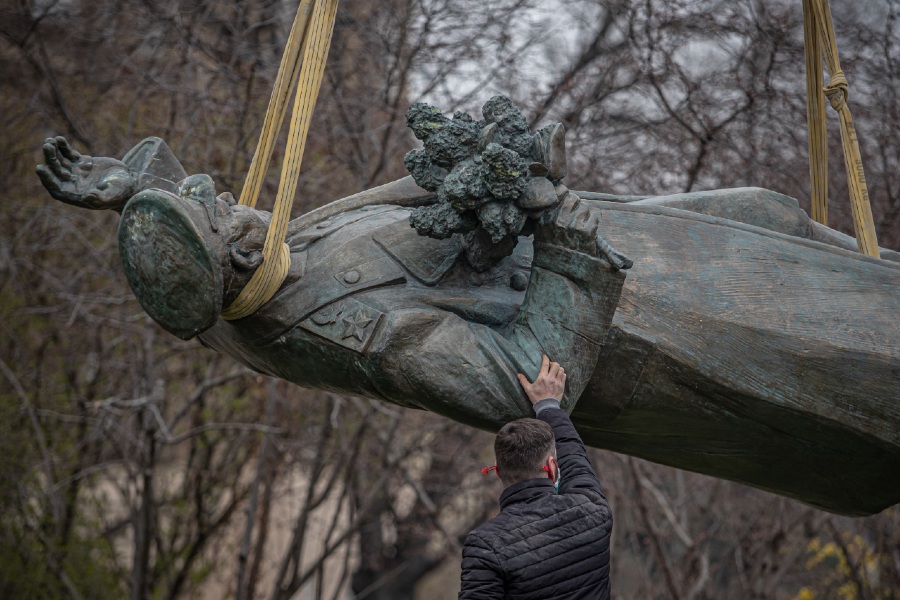 Памятник маршалу Советского Союза Ивану Коневу во время демонтажа на площади Интербригады в шестом районе Праги Фото: Martin Divisek/EPA/ТАСС
Но если возбуждение дел по поводу сноса памятника за границей имело аналоги в недавней российской истории, то запуск расследований о зверствах нацистов спустя 75 лет после окончания войны — это уже что-то новое. Инициаторами такого подхода стали участники поисковых организаций, сотрудничающие с Общероссийским народным фронтом (ОНФ).
19 марта 2019 года Елена Цунаева, сопредседательница Центрального штаба ОНФ, ответственный секретарь Поискового движения России и председатель комиссии Общественной палаты РФ по делам молодежи, развитию добровольчества и патриотическому воспитанию, объявила о старте проекта «Без срока давности» при поддержке Росмолодежи и Роспатриотцентра. По ее словам , проект «призван рассказать о военных преступлениях, о подвиге гражданского населения и увековечить память мирного населения, погибшего во время Великой Отечественной войны».
Елена Цунаева вошла в руководство ОНФ в 2018 году — после смерти Станислава Говорухина. Журналисты BBC тогда писали , что смена руководства прошла еще и в рамках замены володинских выдвиженцев теми, кто был близок к Сергею Кириенко, — и Цунаева якобы была одной из них. Во время президентских выборов 2018 года она была доверенным лицом Владимира Путина, а летом того же года вошла в руководство общественного движения «Бессмертный полк».
На 2019—2020 годы Цунаева планировала поисковые работы на местах гибели мирных жителей в 12 регионах России — а результаты исследований должны были быть переданы в следственные органы. В начале 2020 года были уже первые результаты — например, в марте Цунаева рассказывала в Карелии о планирующемся к изданию сборнике документов о преступлениях против мирных граждан.
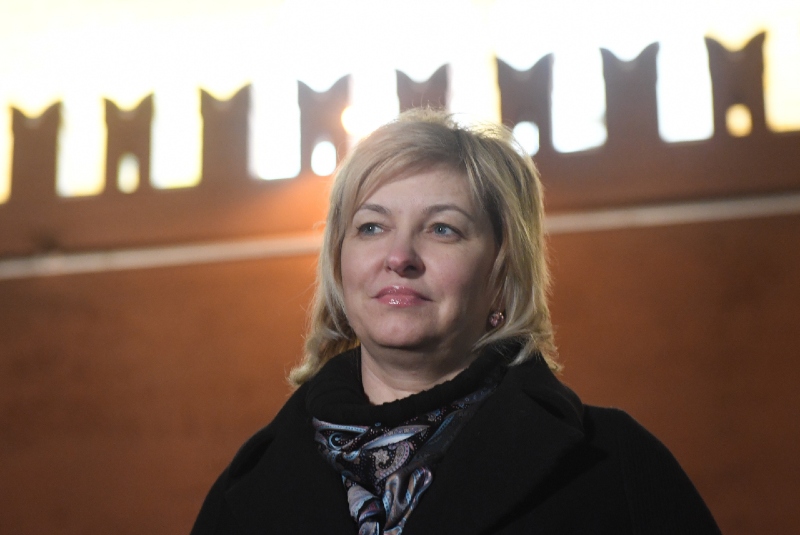 Сопредседательница центрального штаба Общероссийского народного фронта, ответственный секретарь Поискового движения России Елена Цунаева на торжественной церемонии профилактики газогорелочного устройства Вечного огня у Могилы Неизвестного Солдата в Александровском саду в Москве Фото: Илья Питалев/РИА Новости
Уголовное дело о массовых убийствах в Ейске также было возбуждено после сотрудничества СК и поисковиков, возглавляемых Цунаевой, — тогда она говорила , что «поисковики готовы присоединиться к работам на месте захоронения воспитанников детского дома, а возбуждение уголовного дела в отношении убийц детей-инвалидов в Ейске — это знак того, что имена исполнителей этого преступления не будут забыты, а их действиям дадут правовую оценку».
Неизвестно, сколько еще уголовных дел о преступлениях времен Великой Отечественной войны возбудит Следственный комитет в ближайшие месяцы и годы. Впрочем, если прочитать недавнюю статью в «Российской газете» депутата Госдумы Виктора Заварзина, то можно понять, что, вероятно, дел будет много: «В преддверии юбилея Победы одна их наших важнейших задач государств, в том числе их парламентов, нравственное и патриотическое воспитание молодежи на примерах героизма советского народа в годы Великой Отечественной войны, увековечение памяти Защитников Отечества, законодательное закрепление указанных задач. Надо бороться всеми доступными средствами против фальсификаторов исторической правды».
Вероятно, это означает, что, если Гельмуту Оберлендеру и удастся пережить эпидемию коронавируса, от российского правосудия он не уйдет.
The material uses links to publications of social networks Instagram and Facebook, as well as their names are mentioned. These web resources belong to Meta Platforms Inc. - It is recognized in Russia as an extremist organization and is prohibited.
The material uses links to publications of social networks Instagram and Facebook, as well as their names are mentioned. These web resources belong to Meta Platforms Inc. - It is recognized in Russia as an extremist organization and is prohibited.
военные преступления историческая память история