
Translated material
Dictator from the state farm II. How Alexander Lukashenko changed the constitution
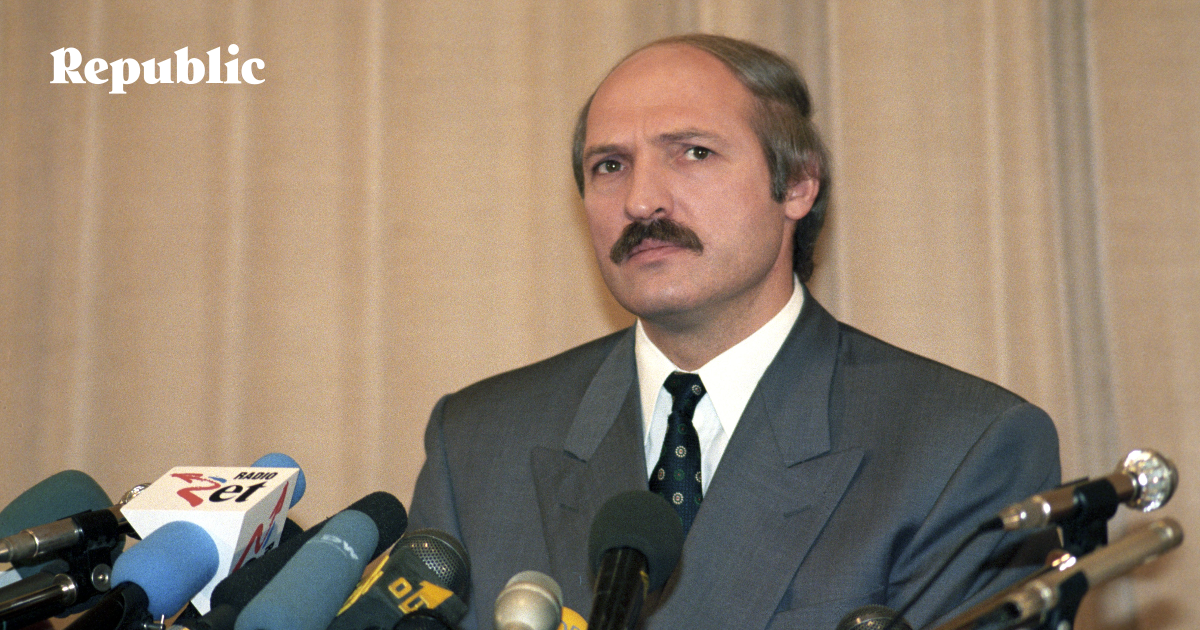
Changing the Constitution to expand powers or extend the power of the head of state - a phenomenon for the post -Soviet space is not new. Somewhere, as in Kazakhstan or Azerbaijan, local leaders managed to extend their power, and, for example, in Armenia, it all ended with the removal of the prime minister and the defeat of the ruling party. Vladimir Putin decided to radically change the constitution only 20 years after the start of the reign, but his Belarusian colleague Alexander Lukashenko began with this. And he faced a strong parliament and a constitutional court - problems that the Russian president does not have now.
At the beginning of the journey
Having defeated July 10, 1994 in the presidential election, Alexander Lukashenko launched the boiling activities: he took up the formation of the presidential administration, the establishment of control over media and distribution of posts. The new government, who was headed by Mikhail Chigir, set Lukashenko the task of combating inflation and ineffective management of state -owned enterprises.
In November, the president went on his first vacation in Sochi - it was at this time that the government was supposed to release prices for dairy products. Soon Lukashenko returned - and arranged on television a variety of the government, the Supreme Council, the National Bank, as well as parties, trade unions and the media, accused of "subversive activities". Many members of the Lukashenko team were shocked: only he should have looked good in the eyes of citizens - an infallible leader, and his officials could be scolded. The young president gradually concentrated power in his hands. Soon, many of his former associates resigned, including Deputy Prime Minister Viktor Gonchar and the curator of the media in the presidential administration Alexander Fedut.
Since the beginning of the reign, Lukashenko has encountered criticism in the Supreme Council. The main parliamentary opposition force was the National Democratic Belarusian Popular Front (BNF) Zeno Poznyak, who advocated active market reforms, turning integration with Russia and support for the Belarusian language. Lukashenko sought to put control of the local administrations under his control, which categorically did not suit the opposition. Already on November 10, BNF members at a press conference expressed an opinion on the need for impeachment of the president.
Subscribe to read the whole
Make a subscription Redefine.media to read Republic
Subscribe [you can pay for a Russian or foreign card. The subscription is extended automatically. You can unsubscribe at any time.]
Where are the money subscribers going