
Translated material
"We are not cattle, herd and cowards!"
What kind of music is protested in Belarus and the USA. Video

In Russia, recently, more and more often singing not in the squares, but in the auto -zats and police departments. This is not our fault, this is our trouble. It remains to watch free people sing and demand justice in other countries. And hope that our backs will also straighten.
USA
In America, such a tradition is to write songs in hot pursuit. Not abstract “boldly we will go into battle”, but the history of the country in songs. According to songs, you can restore the history of the working and trade union movement, the history of police arbitrariness and even criminal chronicle.
Each strike is a song. Each murder is a song. Thus, nothing is really forgotten and no one is forgotten.
For our artists and our listeners, this approach is unusual.
I recall that the “Mercedes 666” Neuza, written in hot pursuit of an accident with a fatal outcome, and the rest prefer to express metaphorically and sing about life as a whole, and not about specific things. “In the morning in the newspaper-in the evening in the bathe”-mockery, sarcasm, and meanwhile, this is how the classics of the American Folk Pit Sieger and Bob Dylan wrote in the 1960s, and their songs still live.
Their banner passed to the rappers. What are they singing about? About the tragedies that are happening right now. Black protest hip-hop-like a martyrologist, all consists of the names of martyrs and victims. This was written after the murder in Chicago, but this is after the murder in Los Angeles. Murders, murders, murders ... more convincing evidence that police officer and discrimination really exist, you can’t imagine.
Nwa Fuk da Police (Fuck Tha Police)
The most famous screamer of American protests: Fuck Da Police! No Justice - No Piece! Fucking cops! There is no justice - there will be no peace! -refers to the song of the California hip-hop gang NWA (Niggaz with Attitudes-“Black Guys on the concepts”).
The track was released in 1988, and the slogan itself appeared earlier, after the murder of the black Michael Griffith in New York. The same slogan was used during the 1992 Los Angeles rebellions, and in 1995, when Chicago police killed the Black Homeless, they supplemented it: “No Justice, No Peace, No Racist Police”. The lyrics of the song (why they remembered her now) resonates with the dream of the Black Population about the triumph of justice: at the end of the plot, the court pronounces the accusatory sentence of the cop.
Johnique Charles. Youbouto 'Loseyo (UR) Job
The song was born after the causeless detention of the singer at the exit from the night club in the small town of South Carolina. “Soon you will lose your job,” said the black American Jononica Charles Police, and literally the next day, thousands of protesters chanted her phrase, and the DJs posted dozens of remixes into the network.
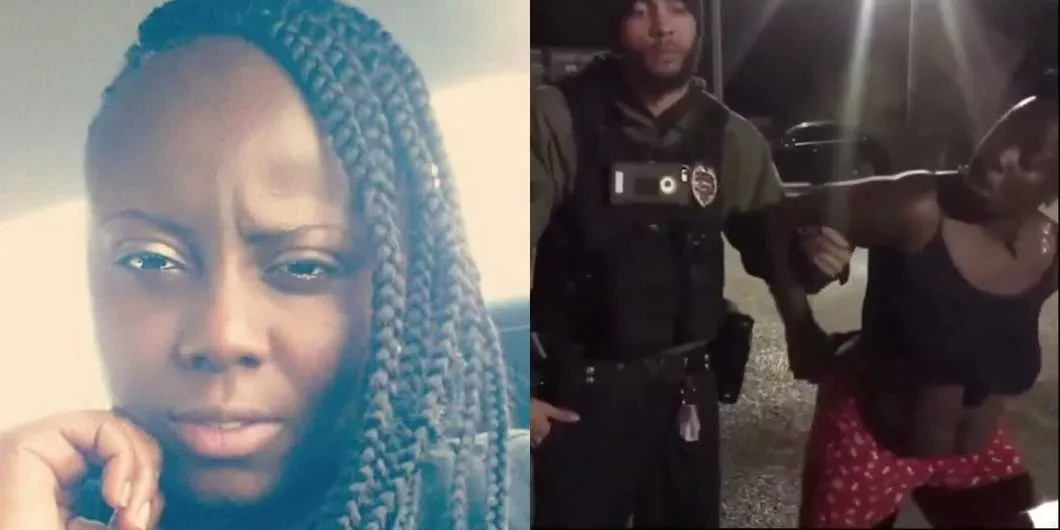
But there is a difference between “I will take you”, as they say, a cashier who crouched in a store, or a security guard who does not let into an office without a pass, and “you will soon lose your job”. In the first case, this is an appeal to force, in the second - to the law in which the Americans believe in the Bible.
Nina Simone. Missisippi Goddam
The hit of the Mississippi Damn Queen Soul Great Nina Simon wrote back in 1964. So she reacted to two events that occurred one after another: an explosion occurred in the Baptist Church in the Alabama, four black children died, and a black activist and human rights activist, a veteran of World War II, Evers, was killed in Mississippi. Simon was personally familiar with Martin Luther King, thereby, which I have a Dream, and so actively participated in the fight against discrimination that she was called "Martin Luther in a skirt."
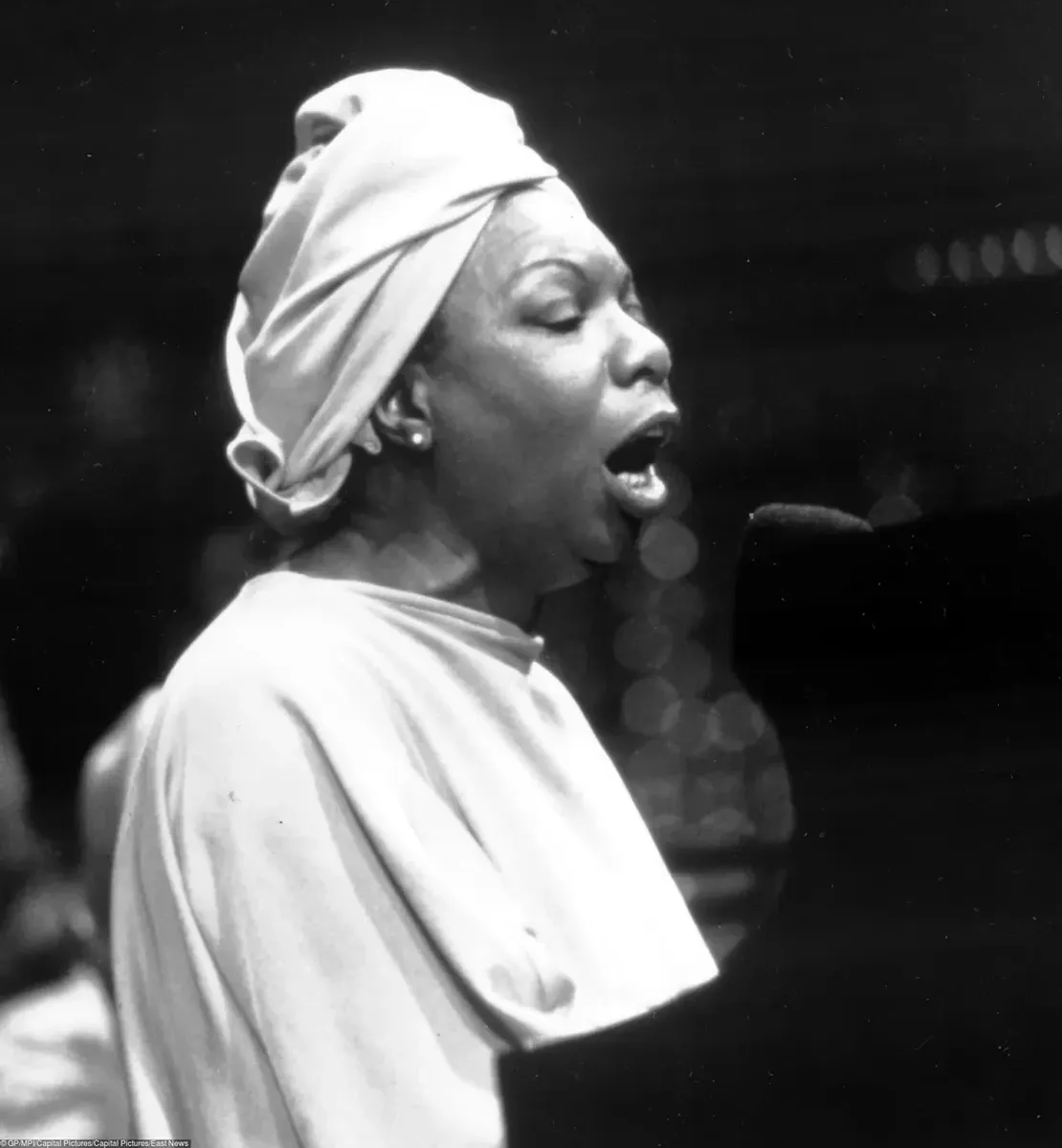
It is not surprising that after the murder of George Floyd, Missisippi Goddam sounded from the windows of Nizhny Manhattan and at the intersections of the rebellious Minneapolis.
Vic Mesna.16 Shots
“The police shoot children and remain free,” Mesna sings.
His “16 shots” were released four years ago, when the policeman Jason Van Dike fired 16 bullets in a teenager named Lacuan McDonald from close range. This story is described in the song. He says:
“All my meetings with the police are held according to the same scenario. I hear a shout: "Take your hands out of your pockets!" - What did I do? What law violated?
You constantly live with this, nothing changes. ”
My friend Cheze Winters, a musician from Los Angeles, tells how the police drove him on the floor for no reason: “Then they said:“ You were lucky that we are experienced people. There would be newcomers, they would have been shooting a long time ago ... ”And they were really lucky. They shot at people when they were just lying silently, and I said something else.” 16 shots can be heard at any time.
Belarus
Belarusian protests on the eve of Lukashenko’s election is not the first attempt to change the regime. The previous ones ended in rigid accelerations, beatings and landings. Now the situation is different, this is also seen in the songs.
Previously, the Belarusians scoffed through the irremovable old man and let go of his jokes, now they arrange massive song flash mobs and sing protest hymns.
The mood is completely different: do not suffer for freedom, but survive and win.
Interestingly, in the Belarusian protest top - Russian songs. This does not mean at all that there is no one, there is. The conclusion can be drawn by another: they do not experience any negativity in relation to Russia and the Russians for the most part. To the Kremlin and Putin - of course, but with Russian culture there is a strong connection that you can’t tear so easily, and no one really strives. And if you do not make efforts to this, as put in Ukraine, it will continue to be.
Before me is the announcement of a protest campaign from the opposition channel “Basta!”: “Friends, before the start of the flash mob of solidarity is 15 minutes. Clean pots and scoops, check the sound of the speakers, prepare musical instruments. Today at 19.00 we go out onto balconies for the eighth time, open the windows wide, smile at our neighbors, turn on "Changes!", "The walls collapse", "Leave!" And we applaud any other music, the rattles of the pots and sing in solidarity with doctors and fighters for freedom. We do it at least 2 minutes. "
Two of the listed songs by Russians, the third local. The pots are also local, Belarusian.
"Arkady Kotz." The walls will collapse
The main protest anthem Bolotnaya is almost the only protest song of those times that they are still singing. Schies and a square in Yekaterinburg recently defended it. True, in Russia it is now sung more often in autosaks than in the squares, but in Belarus it sounds now from every opposition iron, there is no more popular song.
There is another song “Kots”, which is directly related to Belarus - “Minds”, the version of the famous “Conduct”, recorded with the support of the Party of Belarusian Left “Fair World”. It would seem: where is Chile, protesting against Pinochet, and where is Belarus, protesting against Lukashenko. Different ends of the world, and indeed half a century has passed since then. Nevertheless, the problems are the same. And even the song is one.
"Movie". Changes!
Tsoevsky "Changes!" A long story in Belarusian protest. In 2011, it was under it that protests were held. People in different cities of the country opened hours in mobile phones at 20.00. The alarm clock played “We are waiting for change!”, It was a signal. But as soon as the phones began to call, the security forces began detention. After this "change!" I got into the list of songs that should not sound on Belarusian radio.
It does not sound, it sounds in other places: on the streets, from the windows, in cars on protest flash mobs of motorists.
This song ended in the last concert "Cinema" on June 24, 1990, exactly 30 years ago. And after a month and a half, Tsoi was gone. It is known that he did not love this song, believed that the public misunderstood it. Initially, after all, it was not at all about politics, but about deeply personal things. But so often it happens: the author has one in mind, but it comes out completely different.
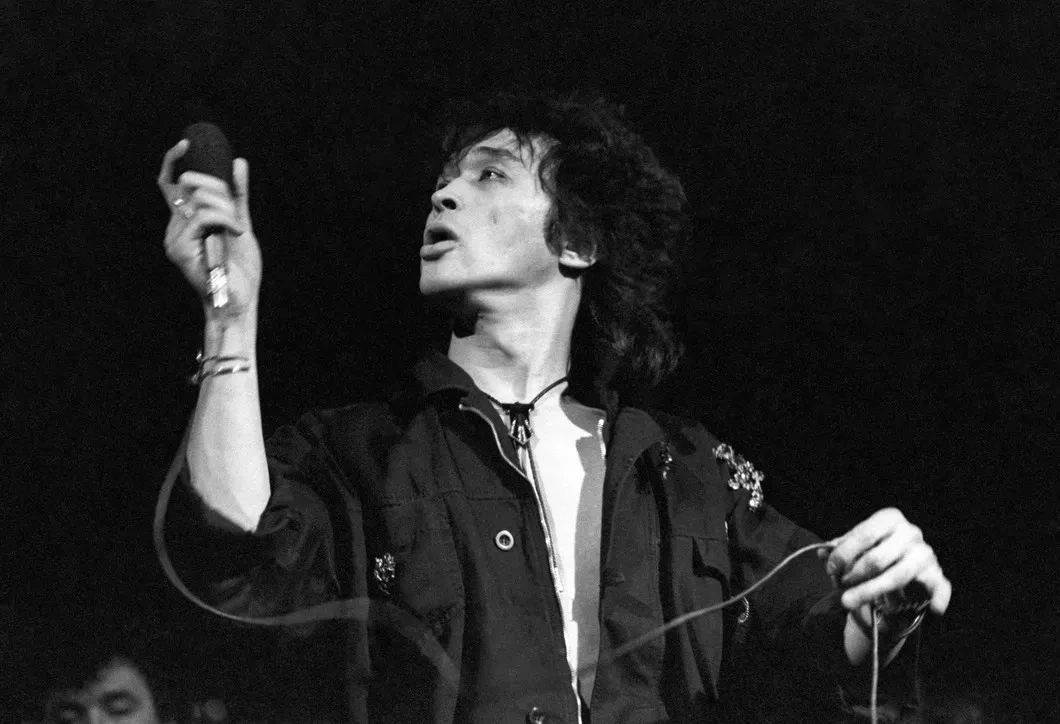
With no other song, perestroika was not associated more than with this. The political potential of "Changes!" - Like the best protest songs. In 2007, it was used in the Enharger of the Union of Right Forces. In 2008, it became the official hymn of the Solidarity movement. And at the end of 2013, the Ukrainian group S.K.A.Y. I recorded the version of “Changes!” Dedicated to the events on the Maidan: “Mi pragnemo Zmin! I will come to the serpent! ” The translation is not needed, in my opinion, and so everything is clear.
Tor Band. Leave!
A group of “patriotic alternative rock”, as they call themselves, playing “Honest Muzlo”. The face of the "revolution of consciousness."
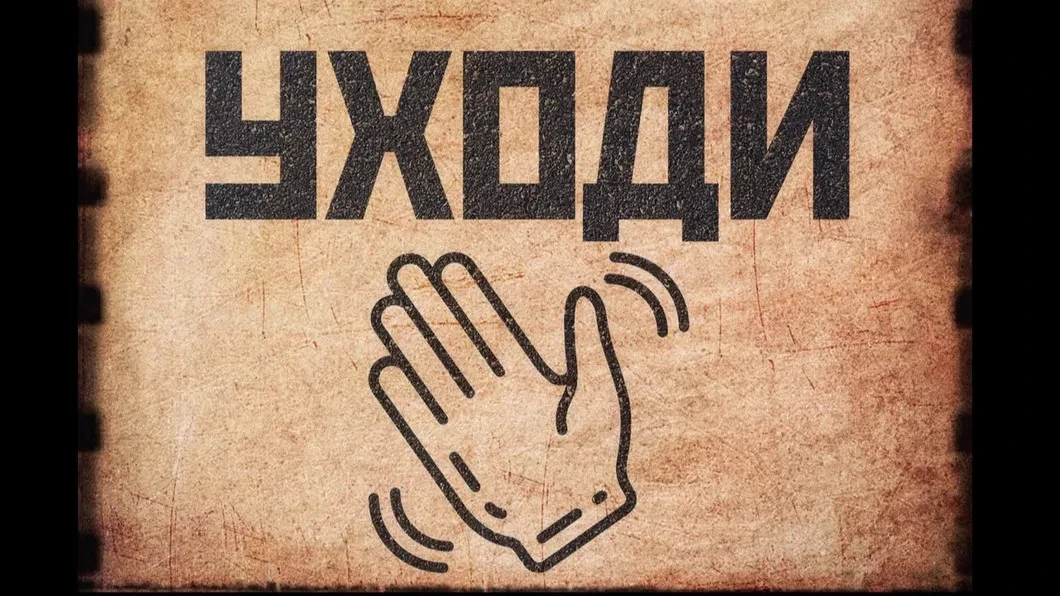
Originally from Rogachev, this is a small town in the Gomel region on the road from Mogilev to Zhlobin. Their two songs became the anthem of the current protest - "Go away!" And "we are not a people." In music, this is something like VIA of the 1980s mixed with rapp. The texts are as straightforward as possible, but, apparently, now it is necessary. “Go away!”: “We are tired of you, we do not believe your word. As you can’t understand: we want to live differently. ” “People”: “We are not cattle, herd and panties. We are a living people, we are Belarusians! ”
Yes, this, to put it mildly, is not BG or Shevchuk according to artistic criteria, but it is still a pity that we do not have such songs.
Liteesound. We are heroes
A completely unfamiliar phenomenon to us: pop stars are involved in protest. There were a lot of such people in Belarus. Apogee-a group representing the country at Eurovision in 2012, openly speaks of a violation of human rights and abuse of power. And then he writes the same song with which was in EV, in his native language and releases on Independence Day. In response - just like ours - the abolition of concerts and performances at festivals.
So that you understand: it was as if Sergei Lazarev sang about crooks and thieves, and Olga Buzova got into a picket on Petrovka.
"Lapis Trubetskoy." Warriors of Light
The song is firmly associated with the Maidan, which was supported by Sergey Mikhalok, although it was written earlier. Volunteers sang it to the ATO, Ukrainian sailors who were imprisoned in the Russian Federation, but opposed the opposition at Pushkinskaya during recent protests against zeroing.
Everyone wants to consider themselves warriors of light, warriors of good. Meanwhile, the song is Belarusian, although it was written in Russian. And the melody of Belarusian. But only now she had a Belarusian version. Very on time.
In Minsk now almost like in the song:
Bay drum - Pam.
Barricades, friends, noise.
Esradaraada. Vit must go out
The Ukrainian pop hit, which collected as many as 90 million views. It has nothing to do with politics, but it so coincided that one of the alternative Belarusian candidates Victor, Viktor Babariko, and he was put in the Belarusian KGB is called.
At the picket in support of Babariko and other activists (a picket line of five kilometers long), a song about Vitya sang in the face to police officers.
In our opinion, it would sound like this: “AT-Pu-shu! AT-Pu-shu! "