
Translated material
American cybercop
Trump for the first time publicly admitted that he authorized the attack on the "troll factory" in Russia
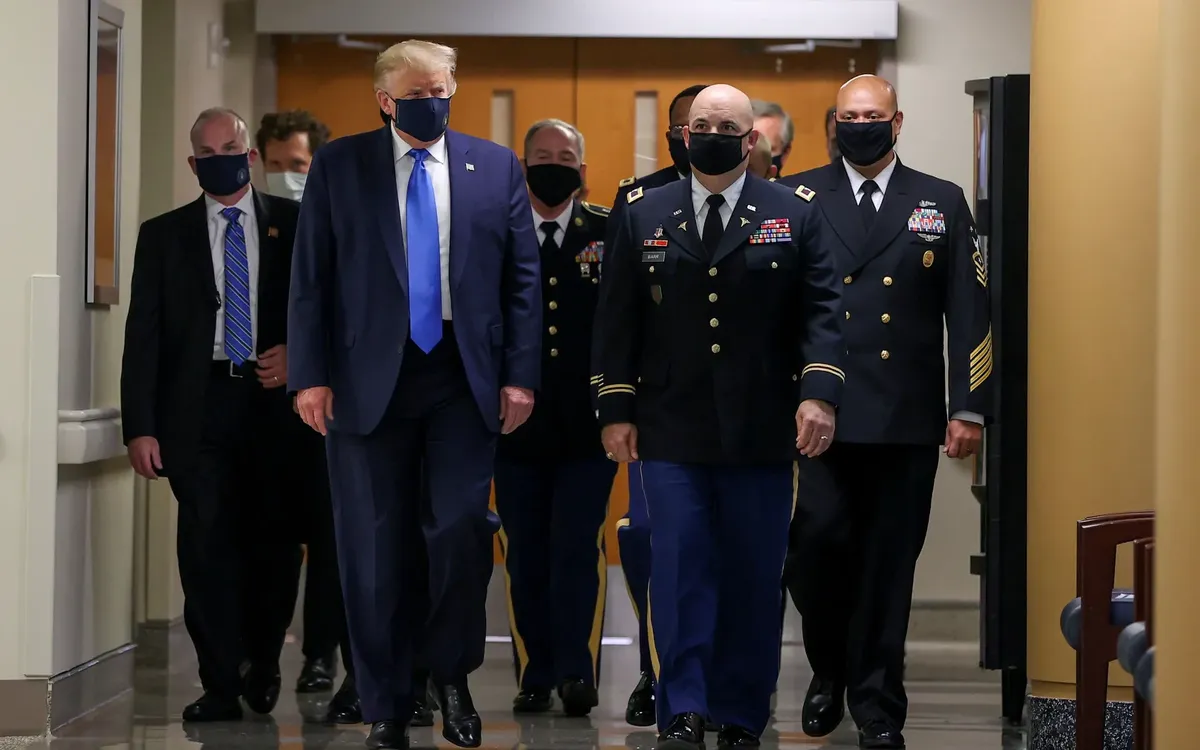
Trump recognized the fact of hacking the Russian Internet research agency in an exclusive interview with Washington Post. In February last year, the newspaper was the first to report to Kiberatak, referring to anonymous sources in the exploration and the US Department of Defense. At the time of publication, officials at the National Security Agency and the US Cybercom Cybernetic Command did not give any comments. It was Trump in 2017 who raised the status of Cybervsk to the level of the combined command.
Exclusive for critics
To this day, the White House and the Pentagon remained silent. Trump confirmed the fact of the cyber attack on the Russian agency, affirmatively answering the question of the Washington Post observer Mark Tissen. The president said that his predecessor Barack Obama was aware of the actions of Russian hackers in interfering in the American elections, but did nothing because he was sure that not Trump, but Hillary Clinton, would win them. In fact, the newspaper’s commentary, in October 2016, the Obama administration publicly accused Moscow of breaking the computers of the Nazinal Committee of the Democratic Party, and Obama directly raised the issue of Russian President Vladimir Putin. In December of the same year, President Obama imposed sanctions against Russia for interference in the elections.
Meanwhile, Trump said that, unlike Obama, he acted. “Listen, we stopped this,” the president said to the Washington Post newspaper, which he repeatedly accused of fake news and “witch hunt” in the past.
Despite the frankly hostile attitude, Trump gave the newspaper a great interview, answering all questions on all acute topics, including relations with Russia and Putin.
Trump’s recognition is very significant in the light of American intelligence statements that Russia is going to intervene in the upcoming presidential elections.
What was known about cyberataka
Cyberataka occurred on the voting day in the intermediate elections to the Congress on November 6, 2018, lasted several days and was extremely effective. According to the officials who spoke with Washington Post on the terms of anonymity, the cyber-in-law “brought down” the Internet “troll factories” and completely paralyzed the work of Russian hackers, “not allowing them to carry out a disinformation campaign, which is questioning the results of the elections.” The blocking was so discouraged for trolls that they complained to their system administrators about the inability to work.
According to the American Ministry of Justice, the “troll factory” back in 2014, and especially on the eve of the 2016 elections, sought to “undermine the political system of the United States”. “Trolls” imposed on the Americans who place materials on social networks and on the sites of public organizations in order to light conflicts on racial grounds and other sharp topics (for example, commenting on the right to carry personal firearms).
The agency, according to American prosecutors, is financed by Evgeny Prigozhin.
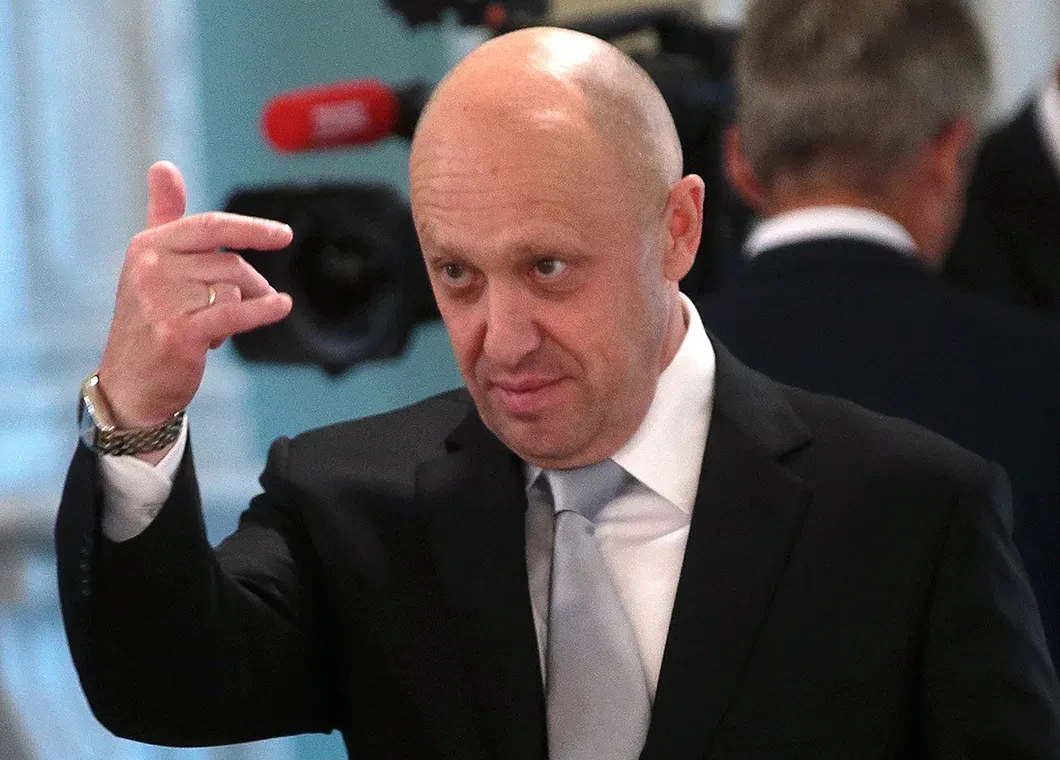
The Internet Research Agency and Concord Management and Consulting, which are managed by Prigozhin, were among the 16 Russian citizens and companies that were official accusations by the Commission of the Special Professor Robert Müller. Answering the Washington Post questions, Prigozhin said in a statement on Facebook: “I can’t comment on the work of the Internet research agency because I have nothing to do with it.” The company "Concord" also refused to comment, citing the ongoing trials in the United States, Washington Post writes.
One of the representatives of the Ministry of Defense was so commented on by the cyber -cubmer in the troll factory:
“Partly, our goal was to quit a small ball, create a little noise, and sow confusion. We showed (Russian) our capabilities and the fact that things will go in a new way. ”
“The fact that the 2018 elections were held without effective intervention of Russia was not accidental,” said Mike Rounds, Senator-Republican from South Dakota. According to him, if there were no efforts of Cybercom, America would have been waiting for "very serious cyber attacks."
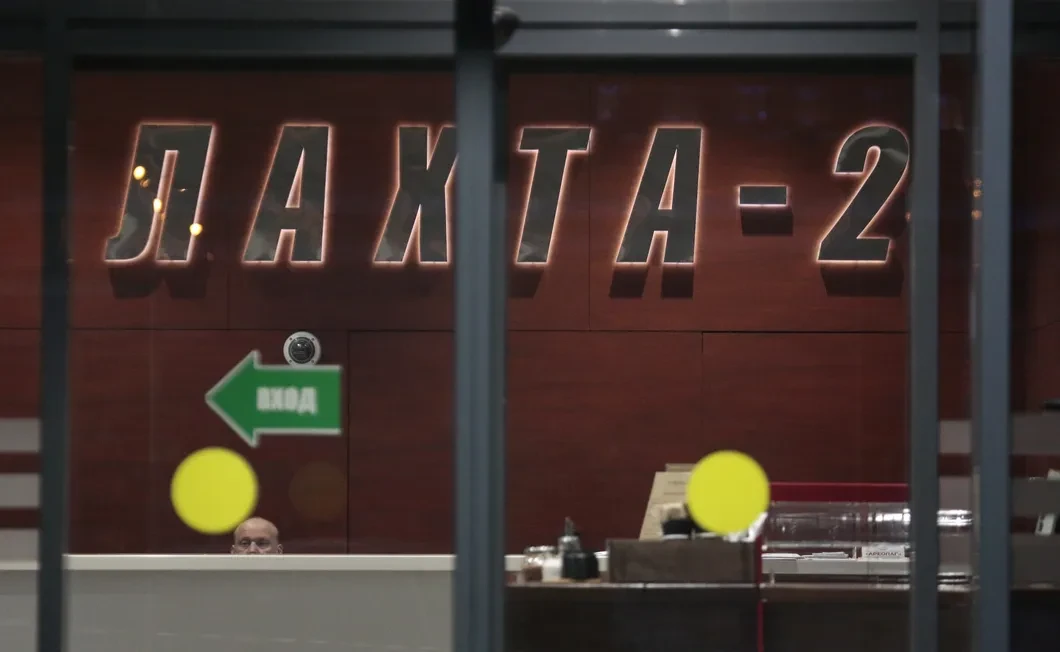
Another element of the campaign of the American cybercard, which was first announced by the New York Times, with reference to Pentagon officials, were the so-called “direct messages” to the “Prigozhinsky trolls”, as well as hackers working in Russian military intelligence. With the help of emails, pop-ups, text messages, US surveyors, starting in October 2018, informed the Russians that their real names and online addresses are known, and that "they should not interfere in the affairs of other countries." According to two officials of the Ministry of Defense, some employees of the Internet research agency were so shocked that they began an internal investigation to find out who organized a personal data leak.
In July 2018, the so -called “Russian Small Group” consisting of 75–80 people was created in the NSA, consisting of 75–80 people, it was headed by General Paul Okasone. The White House and the then head of the Pentagon Jim Mattis set the task of ensuring the safety of intermediate elections. As Okason said in an interview with the military publication Joint Force Quarterly,
We must act "outside our borders and outside our networks to understand what our opponents are doing."
Trump's order provided Cybercom with greater freedom to conduct offensive operations “below the level of armed conflict” - that is, actions that will not lead to the death of people and significant damage. The provisions of the “Law on Defense” (adopted by Congress in 2018) also cleared the path for secret cyber operations.
According to officials, in the recent past, Cybercom employees visited Montenegro, Macedonia and Ukraine in order to strengthen the network protection from the hostile actions of the cyber -standby. The Americans were able to get samples of viral programs that private contractors of the NSA found from hackers related to Russian military intelligence, Washington Post writes.
Trump paradox
As you know, after the first negotiations with Vladimir Putin in Helsinki in July 2018, Donald Trump publicly questioned the conclusions of American intelligence on Russia's intervention in the elections. Then, during the hearing in Congress, the Democrats accused the presidential administration of inability to prepare for the protection of the 2018 elections from the activities of hackers and trolls. “We had more than a year to gather forces and withstand the threat emanating from Russia to implement a strategy to prevent future attacks. But we still have no plan, ”said the senator from Virginia Mark Warner.
It turns out that Trump had a plan, according to the Washington Post interview. The president said that Cyberataka has become part of a wider policy of the confrontation of Russia around the world. “No one was tougher with Russia than me,” Trump said again. - I could give you 30 different examples.
I sent a huge amount of anti -tank weapons to Ukraine, gave them another military equipment, and Obama sent nothing. This is against Russia.
I made us an oil -producing country "number one" in the world - this is bad for Russia. "
The President recalled pressure on Germany to disrupt the construction of the North Stream-2 gas pipeline, so that the Germans "do not become even more dependent on Moscow." “Germany pays Russia billions of dollars, billions. And we must protect Germany from Russia, ”Trump is convinced. But the “biggest” step in the fight against Russia, according to him, was the restoration of the American army: “I restored our army. Now we have the latest armed forces, there have never been such. This is also not good for Russia. ”
The President also noted that he managed to convince NATO members to increase contributions to the “cashier” of the North Atlantic Alliance:
“I raised $ 140 billion from NATO countries, and within three years (amount) will increase to 400 billion. And what is NATO's goal? Russia".
And now - the main paradox. The US President said that although “every week we introduce new sanctions against Russia” ( another exaggeration - A.P. ), he and Vladimir Putin “maintain very good relations”. Two leaders "are trying to develop an agreement on nuclear weapons, which will become significant ... There is nothing more important that we can do (together)."
The Washington Post Observer asked Trump about the support of the Taliban* Russia (in the USA a scandal broke out around intelligence reports on supposedly generous awards for the murder of the American military in Afghanistan). Do I need to punish Moscow in this regard? Trump gave a common answer. “I think that the last thing Russia wants is to join Afghanistan ... They were there for a long time. The Soviet Union became Russia because of Afghanistan, because they were so much defeated there. ”
Washington
* Taliban recognized in the Russian Federation a terrorist organization.