
Translated material
Toxic harbor
There were no people left to invest in Russia in the world
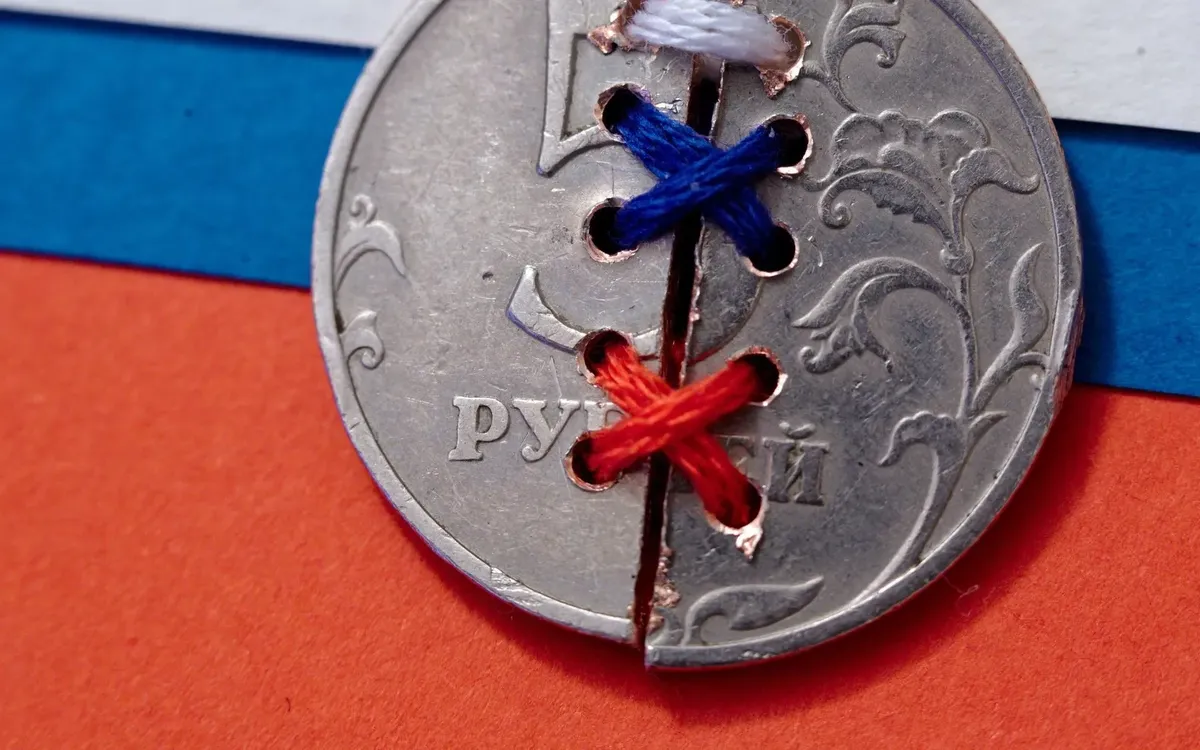
Despite the good opportunities to earn, modern Russia remains an attractive area for investment only for speculators of all stripes. The lack of guarantees of private property, power pressure on business and widespread corruption make Russian assets as toxic for foreign investors as possible.
The high and growing positions of Russia in the assessments of the World Bank of the Doing Business, according to which it is easier to conduct business with us than in the Netherlands or in Switzerland, are based on a standardized methodology, which does not reflect a real situation.
Last year’s data from the Platform Center and VTsIOM show that 71% of entrepreneurs consider the conditions for doing business in Russia unfavorable, and 51% - which in the future will only get worse.
It is not surprising that in such conditions, foreign investments fell to critical marks. For example, in the first quarter of this year, direct foreign investment (PIIs) in Russia turned out to be zero, and a similar situation is expected in the second quarter.
As a result, this year is an absolute anti -record for the volume of foreign investments over the past ten years.
It is noteworthy that coronavirus in the current situation is not so much the main factor of falling, but rather a catalyst for a consistent decrease in investment attractiveness.
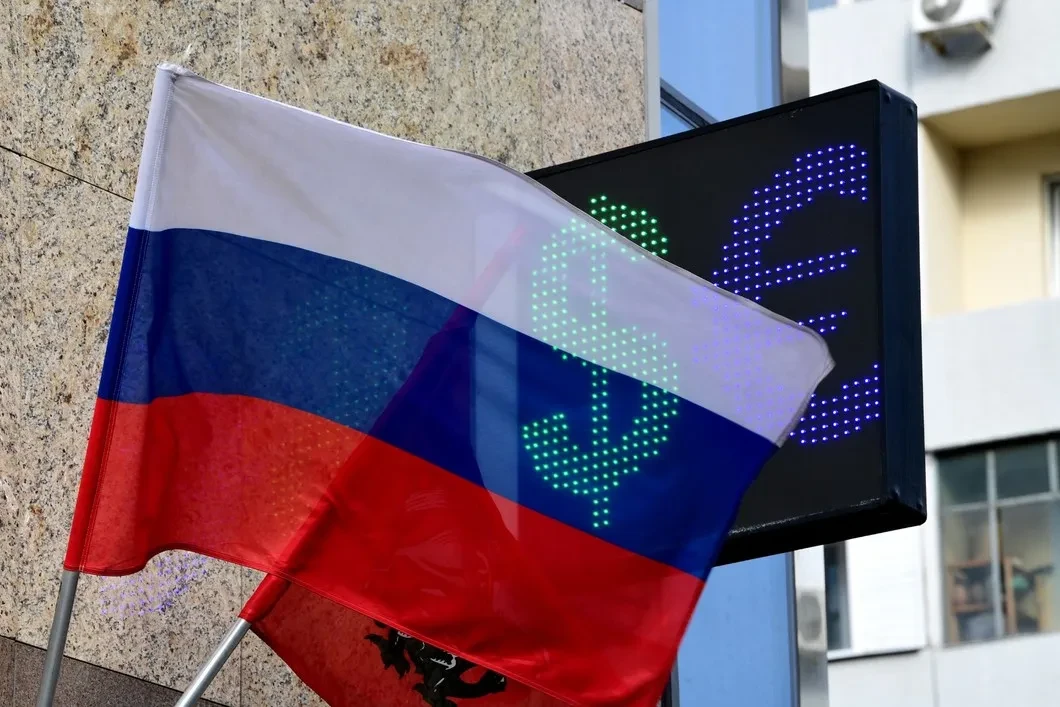
Forbidden risk and fear inadvertently turn out to be a defendant in a criminal case, as in the case of American financier Michael Kalvi, who worked in the country for more than 20 years and was able to attract billions of dollars, reduce the attractiveness of Russian assets. The lack of reforms and the triumph of state capitalism against the backdrop of the gradual sunset of the "oil era" make Russia a popular direction among speculators, and major transactions with the participation of international investors are local success of individual funds.
Patient foreigners
This was not always the case. Despite the ongoing monopolization of the economy in the early 2010s, Russia still remained a popular direction among foreign investors. For example, in 2011, the influx of PII amounted to $ 52 billion against $ 43 billion a year earlier.
At that time, it was customary to turn a blind eye among foreigners to many internal problems, and the presence of one of the world's largest resource bases and a highly educated population indicated a stable and long -term trajectory of the country's growth. Few then paid attention to the almost prophetic forecasts about the possible repetition of the “Scenario of the 70-80s”-the period of stagnation and lost decades of growth.
Protests in Bolotnaya Square in Moscow in 2011-2012 became a turning point.
Having grown up in a psychologically traumatic Soviet reality with distorted views on the world and, above all, on democratic procedures, liberal values and frightened by the events of the Arab Spring and overthrow of Middle Eastern dictators, the Russian authorities decided to radically rethink the existing development strategies.
The technocrats were being replaced by security forces gradually arrived, the priority of which was not so much growth, but the concentration of the political system, the vertical of power and the “counter -libal” alternative.
The liquidation of the Supreme Arbitration Court of 2014, the abolition of unwritten preferences for foreign investors of the 2000s as the internal and international consequences of the “Crimean spring” and the rapid increase in the number of arrests in economic crimes have repelled the desire to invest in Russia.
In 2013, according to Rosstat, the volume of foreign investment amounted to $ 170.18 billion, and, according to the UN Conference in Trade and Development (UNCTAD), PII to Russia for 2013 increased by 83%, to $ 94 billion, which allowed the country for the first time in history to take 3rd place in the group of leaders. Five years later, in 2018, according to the Central Bank, the volume of investment was reduced by almost 30 times with respect to 2013, and the total PII volume in the period 2014-2018 amounted to only 1.3% of GDP, which is the lowest indicator for 20 years.
Last year, the volume of foreign investment in Russia was still a little restored. So, according to the Central Bank, foreign investors invested more than $ 26.9 billion in Russian non -financial companies, which is 4.6 times more than a year earlier.
However, a significant part of these investments came from all kinds of offshores, which rather indicates the Russian origin of funds. The fact that, according to the EY study, the most in the Russian economy, in recent years, has invested, is also amazing in the current geopolitical realities, and the share of Chinese companies over 11 years has been only 3% of the total investment.
Only speculators survived
Over the past decade, Russia has experienced almost revolutionary upheavals in domestic and foreign policy, which have been directly reflected in foreign investments. The own destruction of the business climate, the lack of prerequisites for the reforms of the judicial system and the protection against arbitrariness distinguish two main paths for foreign investors.
The first is investment agreements, the guarantor of which are the highest echelons of power and business circles. The most striking example is the Russian direct investment fund (RDIP).
The organization, headed by Kirill Dmitriev, in recent years has become one of the few points of entering the Russian market. In 2019, the RDIP, together with foreign partners, invested 365 billion rubles in the economy. For example, the fund managed to attract Chinese investments in the "Children's World", conclude many agreements with the UAE and Saudi Arabia, German and Japanese companies.
The second is mainly speculators whose investments by definition cannot be considered investments. The risks of sanctions, rash political decisions, inconsistency and lack of effectively working institutions, as well as oil dependence, make the Russian market very attractive for speculators seeking to earn money on volatility.
Like all market participants who set the goal of making profit, speculative investments have always been and will be a characteristic part of the market economy, and the share of their presence correlates with the level of volatility.
I believe that a striking example that showed the level of speculative capital in our economy is a rapid depreciation of the ruble after the collapse of the OPEC+transaction.
So, the ruble in 2019 was a popular currency among non-resident investors who bought our currency for investment in OFZ.
This allowed the ruble to strengthen significantly over the past year and rapidly depreciate when speculators began to massively get out of Russian assets in the first half of this year.
If earlier foreign investments were perceived as an important element of economic growth, increasing the competitiveness, well -being of citizens and the country's international prestige, today they are seen as a threat that undermines stability.
A possible reason may also be a misunderstanding of the basic differences between investments and speculation, as, however, the differences between businessmen and crooks.