
Translated material
Without thinking for three
How the closure of bars in St. Petersburg will bury the city economy
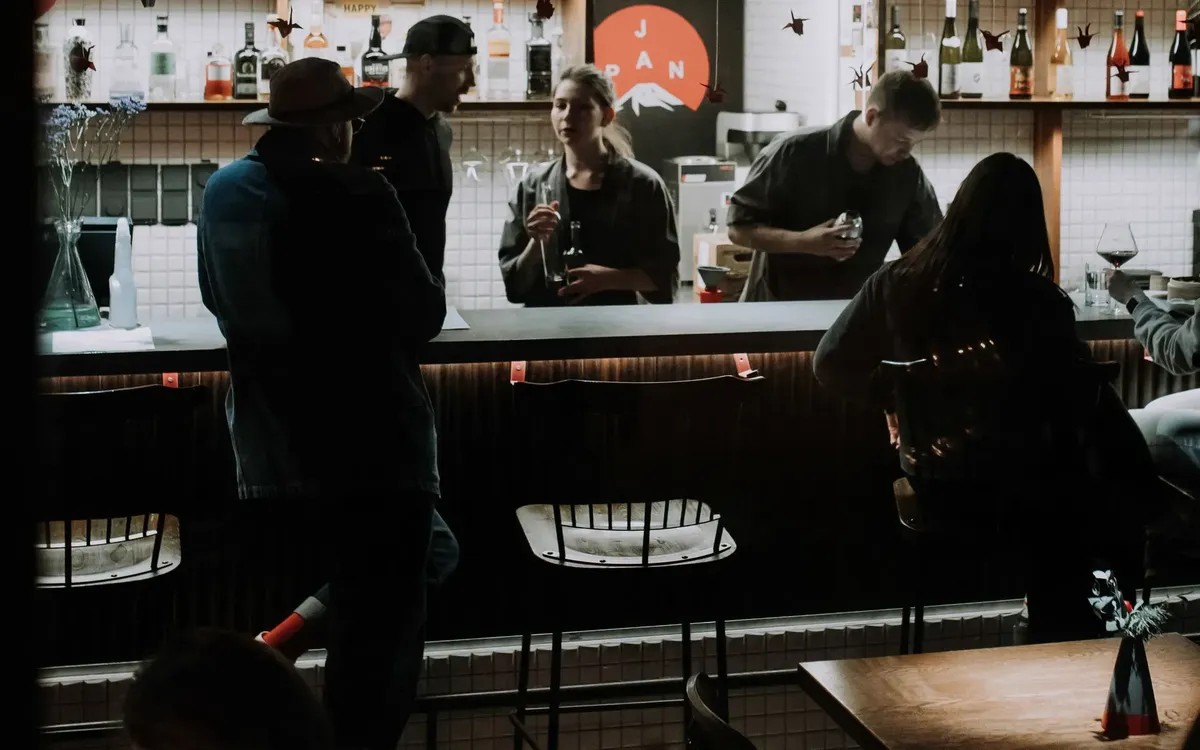
It seems that everything has already been written about the upcoming closure of small bars in the historical center of St. Petersburg.
Entrepreneurs talked about lost workplaces and under -paid taxes. Romance was lamented about the loss of an important element of the urban environment. Conspiracyologists joked that the bars are closing as possible centers of political activity (this is not madness: in the 17th century, the English king ordered the Coffeei in London so that they would not laugh at his wise decisions). Pragmatists pointed out that if the bosses undertook to fight the night trade in alcohol in round -the -clock stores on the outskirts of the city, then it was necessary to start with stores, but not with bars in the central areas. Moreover, the bars are much easier to control - they are all open, everything is in sight and concentrated in several places. If you really want to, you can check them at least every evening.
Secret Mission of City Bars
I can add from myself: “Bar Culture” in a modern metropolis solves a much more important problem than “alcohol in a rosel”, paying taxes and even the creation of jobs. In fact, all these low -format party establishments greatly help the economic development of agglomeration. They only do it at a deeper level than the one that the bosses are able to look at.
How does this work? There is a statistically reliable dependence that finances, science, technology, consulting and even the beloved by the IT authorities, the so -called “post -industrial industries”, develop better where the “street comfort” environment is highly developed.
It turns out that for the birth of new ideas and the creation of startups, bars and sawing are no less important than innopolis and technology parks.
The other day, Carphone Warehouse introduced a rating of 30 cities, ranked according to 10 criteria, relevant for freelancers (or, as they like to say, “self -employed workers”). The criteria are: employment level, monthly salary, locations for work, transport, Internet speed, monthly rent, healthcare, leisure, cost and quality of life.
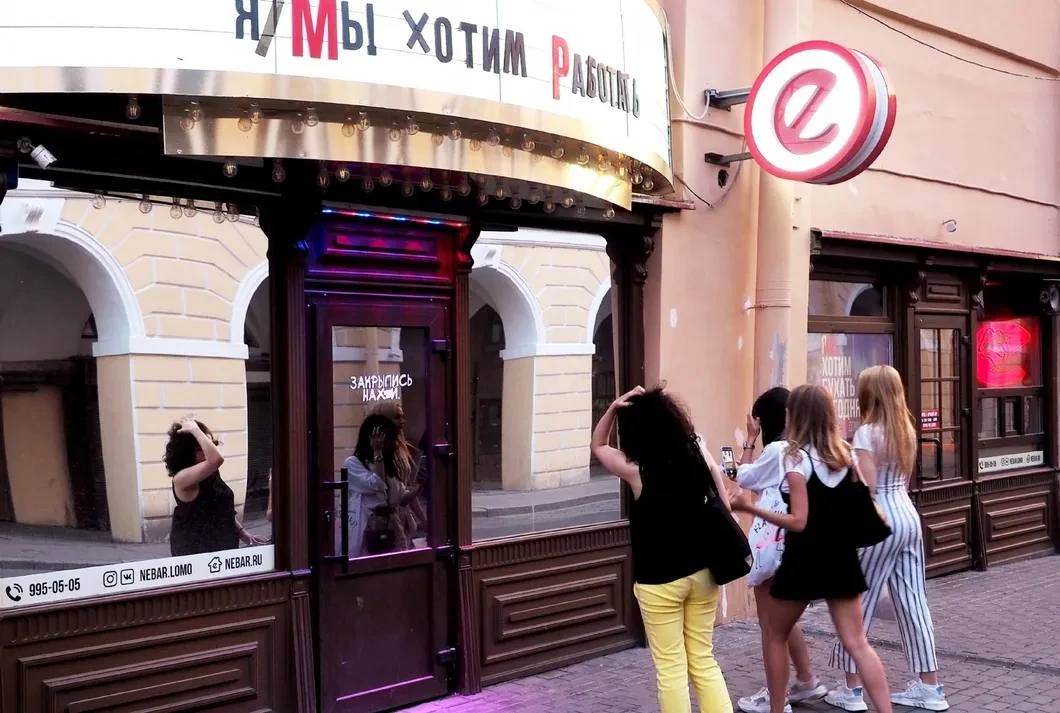
The only Russian city in this ranking of places attracting amateur creative personalities was St. Petersburg, which took 22nd place out of 30 (with a salary of 462 pounds, the cost of renting 385 pounds, “the quality of leisure” by 80 points out of 100 and “quality of life” 108 points from 191). The salary, of course, is so -so, but the leisure in St. Petersburg - at the level of Amsterdam, Toulouse and Montreal (the same 80 points).
Where it is easy and pleasant to hang out, creative people and people with money are more likely to get acquainted, agree faster, are friends and trust each other more.
Urbanists call this the creation of a communicative framework of trust between players in the new economy.
Friends will agree on the cocktail about the transaction faster than at the “Technological Forum of the Innovation Business”. If you remove this nutrient medium for communications today, then tomorrow you will decrease the number of promising business contacts, and the day after tomorrow the number of new projects will be reduced.
Mathematics proves the benefit of friendly drinking
Do not believe? Back in the late 1970s. Professor of the Massachusetts Institute of Technology (MIT) Thomas Allen studied the role of communication between engineers and scientists in the spread of industrial technologies. Allen considered communications the most important condition for the success of R&D believed that new ideas are more quickly born in an informal dialogue of smart people than during long workers' meetings. Then Allen proved that even a simple increase in the distance (up to 8 meters) between desktops in the design bureau can reduce the likelihood of a simple conversation between colleagues at least once a week (hello to the apologists of social distance).
And in 2017, MIT decided to check the theory of Professor Allen with mathematics - on the example of the Massachusetts Institute itself. Scientists analyzed data on the interaction of authors of more than 40,000 studies and 2300 patents issued and issued in 2004-2014 by 33 scientific units MIT.
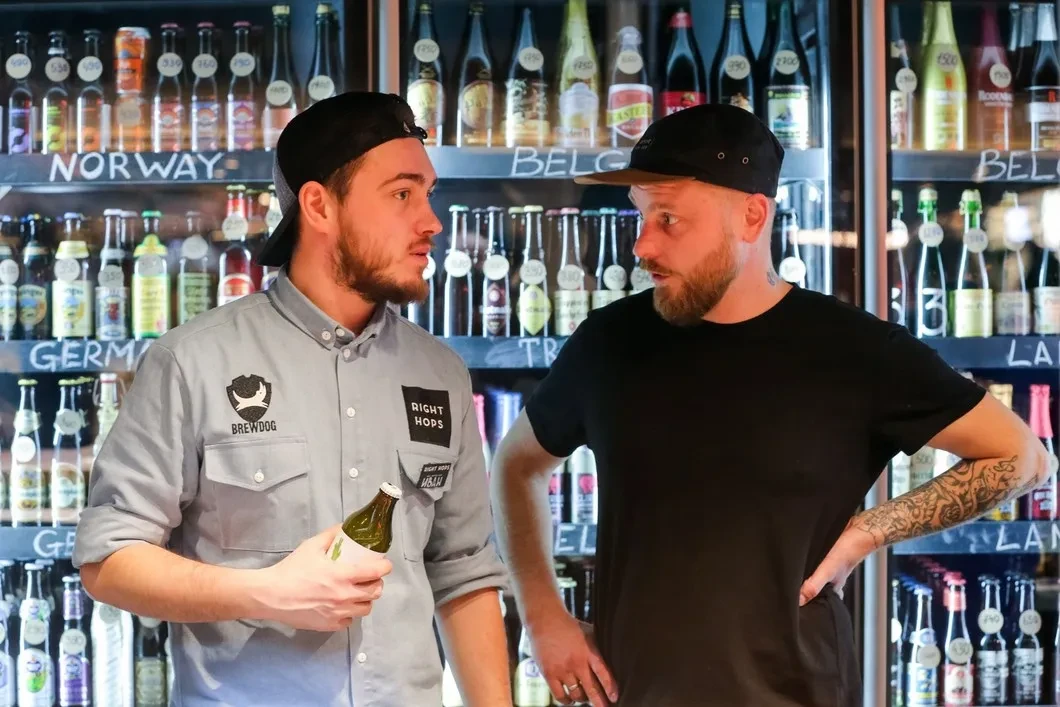
It turned out that the effectiveness of cooperation of the authors who had opportunities for spontaneous informal communication, three times higher than those who had to make any additional efforts for such communication. The distance, which critically broke the “informal communication”, turned out to be 400 meters - the distance between the neighboring buildings of the campus. And no miracles of information technology solve this problem - personal contact in a comfortable environment is more important.
Science does not like boredom
Effective communication and living thought do not arise on a schedule in accordance with the “Road Map of Innovation” and not in the “Covorking Technopats”, but there and then, where and when people are easy and pleasant to communicate. And if you want science and technology to develop in the city, you need to take care of the “restaurant streets” and “bar corners” as carefully as the “entrepreneurship centers” and “technological clusters”.
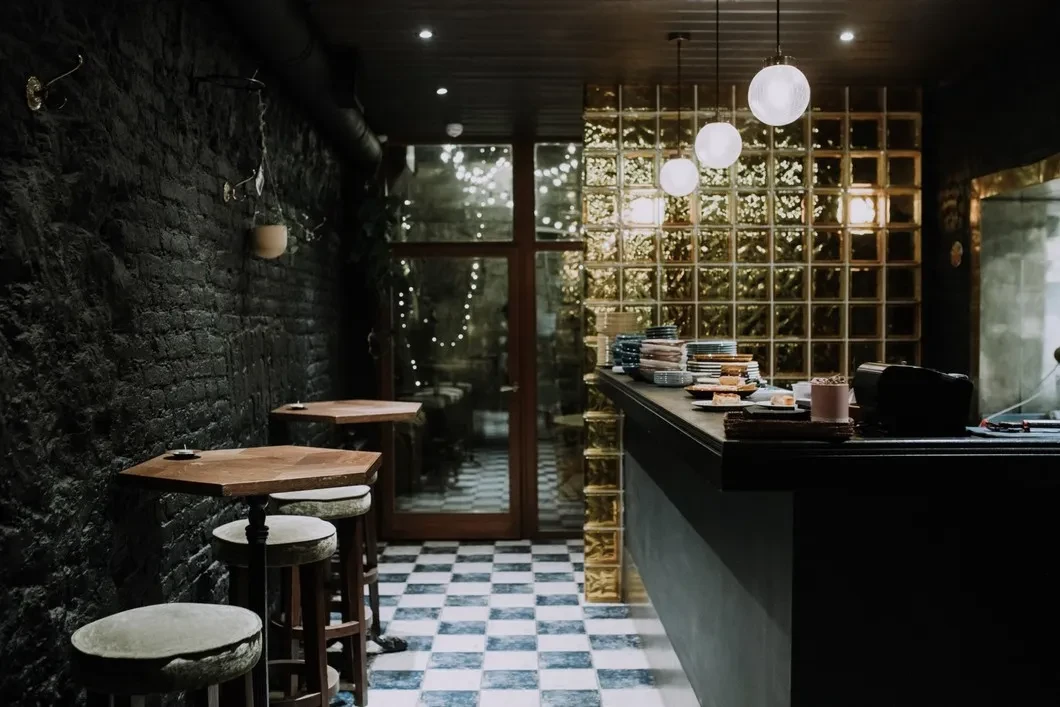
The “living city” with bars, clubs, entertainment and public spaces will be much more likely to come to technological and financial success than the “settlement” with its “working”, “residential” and “administrative” zones.
It seems that the authorities know all these arguments no worse than us. The worst of all (God forbid!), If the situation in which a person drinks and bite somewhere in the city center does not fit into the perfect picture of the world of an actual urban legislator.
They think like this: the “human one” should have a agreed route from work to the house and back with a minimum number of contacts.
Best of all - a marching march, but if it doesn’t work out - you can also a social bus. The employee has nothing to hang out on evening taverns, and even not at the place of registration.
In this logic in the catering system, only “half-closed” premium-restaurants for bosses, network canteen for everyone who still needs to eat outside the house, and as maximum beer halls (in compliance with the social distance) in shopping centers should remain. Well, as a folk luxury - coffee is a hollow in a paper cup, again on the road, on the run. At ten o’clock - a citywide chip, the metro closes, and everything freezes. In general, "Life in the factory goodness."
But such a life will quickly bother people. It remains to be hoped that such a life will quickly bother the chiefs themselves.