
Translated material
What is a coronary) of the heart?
From birth, it is necessary to monitor the health of the child, regularly visit a ditinologist. This is a doctor who has a multifunction approach to children's pediatrics and can find an individual approach to each small patient.
The children's pediatrician should be professional and attentive, understand the intricacies of the child's body and psyche. A comprehensive examination and diagnosis is proposed, including heart pathologies on modern diagnostic equipment.
What is a coronary) of the heart?
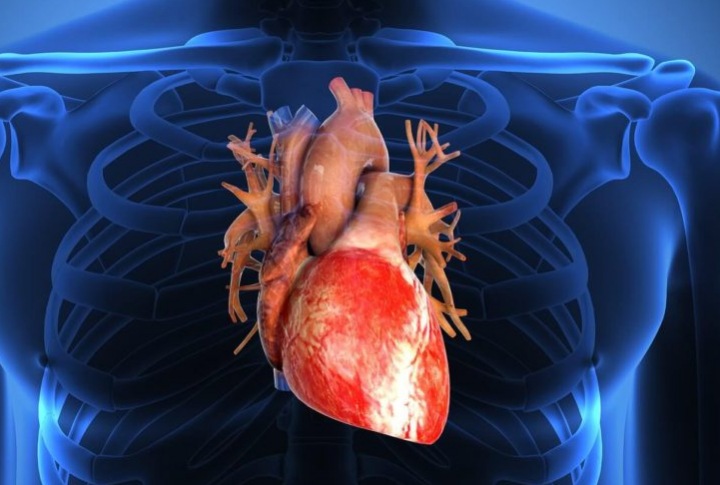
Coronarography is an X -ray study of lesions of coronary arteries. A contrast matter is introduced into the lumen of the coronary (coronary) arteries. After that, several x -rays are taken, on which heart pathologies and violations can be detected.
The duration of the procedure takes about half an hour, and the price of the service includes:
doctor's work;
consumables;
necessary medications.
The final price of the service can be more if additional local anesthesia is required on an outpatient basis, a temporary stay in the Clinic House, an anesthetist consultation.
Coronarography: indications and contraindications
Such a service as coronarography has no age restrictions and absolute contraindications. The main indications include coronary heart disease (coronary heart disease), postinfarct cardiosclerosis, angina pectoris, preparation for cardiac surgery, etc.
Before performing the procedure, do not eat food for several hours. For patients who contact the clinic in the first half of the day, do not have breakfast.
During the procedure in the afternoon, a light breakfast is allowed. Today it is one of the most effective and reliable types of examination to check the condition of the coronary arteries and vessels of the heart.
This is an invasive way of examination of the heart, which is carried out strictly under X -ray control. The cardiologist determines the indications for the procedure and may prescribe it in the following cases:
before planned operations;
symptoms of angina pectoris and coronary heart disease;
with acute heart pain;
Painful sensations in the chest for no reason.
This method of radiological examination is used in several cases. The first is the definition or refutation of the diagnosis of coronary heart disease. Secondly, the study will be required when it is necessary to choose the method of direct revascularization of the myocardium, as well as to evaluate effectiveness after treatment.
Due to the low percentage of possible complications, several non -invasive tests should be performed before the procedure: electrocardiography, echocardiography, ECG with acceptable physical exertion. Based on the results of coronarography, the specialist prescribes drug therapy and determines the need for surgical intervention.