
Translated material
"A strong ruble is not beneficial to the government"
Why did the dollar and euro jumped to the maximum from the beginning of quarantine: experts explain
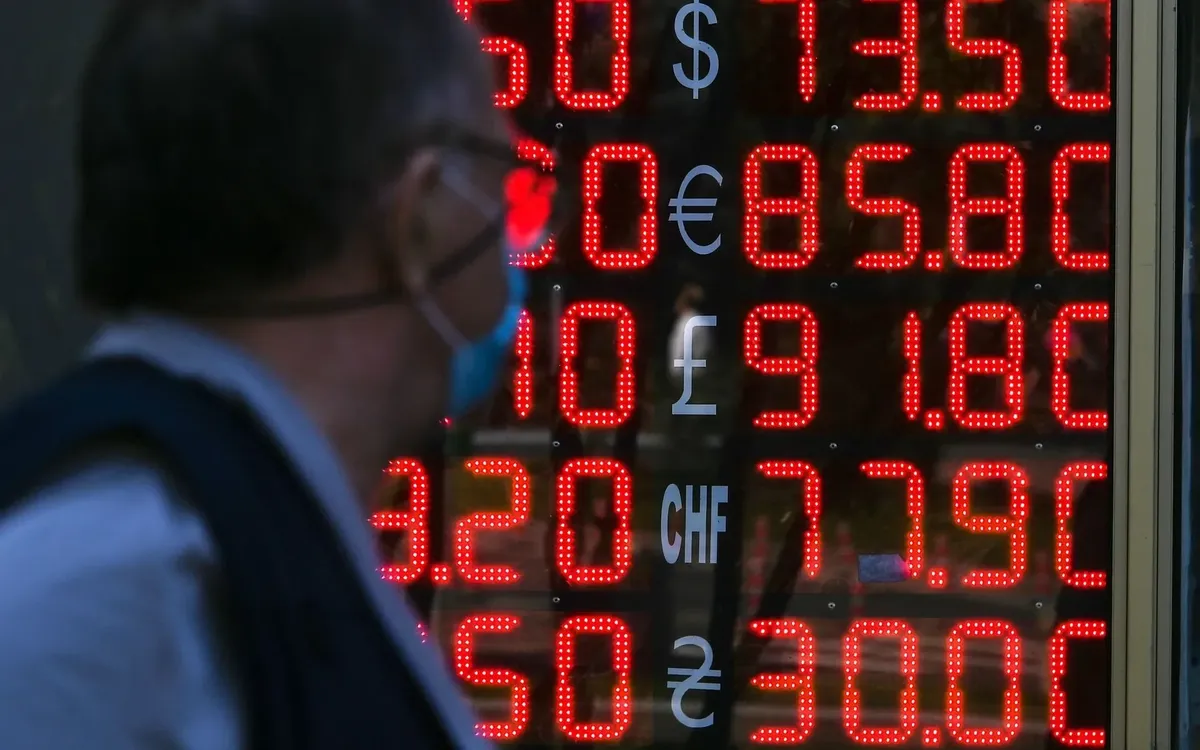
Over the past days, the ruble has significantly fell in price in relation to the dollar and the euro. The dollar exchange rate on the Moscow Exchange on Friday, July 31, for the first time after quarantine, exceeded the mark of 74.41 rubles, the euro rose to the end of March and amounted to 88 rubles. At the same time, oil quotes remain at a stable level: the price of Urals exceeds $ 43 per barrel.
The ruble exchange rate is weakening due to the fact that Russian companies pay dividends, says ACI Russia President Sergei Romanchuk. For example, the shareholders of Gazprom and Lukoil at the end of July received over $ 5.5 billion payments, a significant part of which was converted into currency.
Dividend payments this year already amounted to approximately 2.6 trillion rubles, but these are not final values. If Sberbank and VTB pay the expected amounts, then the combined amount of dividends will reach 3.1 trillion rubles against 2.8 trillion rubles last year, Vedomosti reports.
At the same time, the peak of dividend payments this year has already been passed, which means that the pressure on the ruble will weaken.
Importers who have resumed the supply of foreign goods to Russia in the wake of consumer demand restoration can influence the currency course, Raiffeisenbank analyst Denis Poruvai notes. In addition, on July 24, the government announced the resumption of international air traffic. Since August 1, Russia has been opening flights to Turkey, Great Britain and Tanzania, and from August 15 to Switzerland, so banks buy foreign currency for their customers.
Another reason for the negative dynamics of the ruble is the actions of the monetary authorities. The Central Bank on July 24 decided to temporarily stop selling the currency received from the purchase by the government of Sberbank shares at the expense from the National Welfare Fund.
This measure, according to experts, was due to the logic of the budget rule, but led to an increase in devaluation and inflation expectations and became one of the reasons for the weakening of the ruble.
Due to the budget deficit, according to the results of the second quarter, the government needs a weak ruble, says Denis Paruish:
“A strong ruble is unprofitable, our economy cannot pull it.
Now the course is simply returning to its normal value, at which export, imports, dividends and the sale of currency are balanced by the central bank. ”
The weakening of the ruble is beneficial to exporters and the budget, but for the entire processing industry this creates difficulties, the head of the Laboratory of Financial Research by the Gaidar Institute of Economic Policy, Alexei Vedev, does not agree.
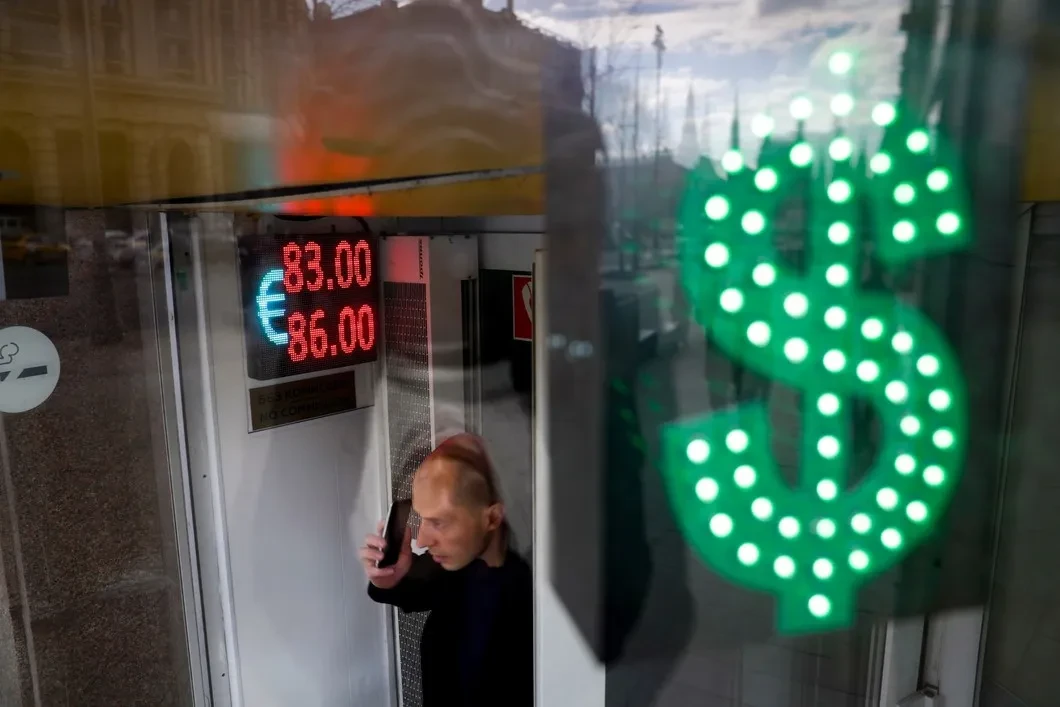
“It is not clear why to help exporters when oil prices are at a fairly comfortable level, and market participants almost do not expect oil to fall. The fall of the ruble on exchanges is counterproductive and destabilizes the situation in the economy. I would like to believe that the weakening of the ruble was not a conscious decision of the authorities. ” At the price of oil $ 40–45 per barrel, an equilibrium rate for the Russian economy is in the range of 68–71 rubles, the expert adds.
The main factor affecting the course in the coming months will remain coronavirus and the state of the world economy.
The second wave of pandemia can reduce the demand for transportation and oil prices. And in this case, the fall of the ruble exchange rate will not stop at a mark of 75 rubles per dollar.
Ksenia Kotchenko - especially for "New"