
Translated material
Travel to Mezen

The road to the north loopes, circles, trying to get a sink traveler, knock him down and confusing him. The farther to the north and east in Russia, the stronger the feeling of discomfort, displacement of the usual guidelines, will accept another, almost lost world.
The presence of cities and villages, very special worlds at the end of such roads is almost the main charm of the Russian space, and certainly its generic line. Such lands in Russia are very often - the territory of departure, the shooting area. Generations of Russian people went to the east and east-from the dashing power, the anti-antihrist king, shocks, persecution, and sometimes simply-from need and hunger. Perhaps that is why Pomors and other "old Russian northerners" are a special people, with a unique culture and domestic way. For these lands who did not know serfdom, but what is serfdom? - Where the distance to the nearest police station was often measured by hundreds of miles, the Soviet government, of course, passed by murder, and a sea, and smooth, but even it was unable to defeat spatial isolation.
Actually, from Arkhangelsk to the mezen of the land road, the whole twentieth century did not exist at all. By the 90s, a good winter road was laid. But twenty years ago, in a summer season, 200 km, which led through the watershed and swamps from Mezen to Pinega, left for about two weeks. Two times a week, corners flew from Arkhangelsk on Mezen. They are still flying, including to the far villages of the region. On large water, several ships came to navigation. Here, in fact, is all that the Mezensky Territory with the "large land" for many decades.
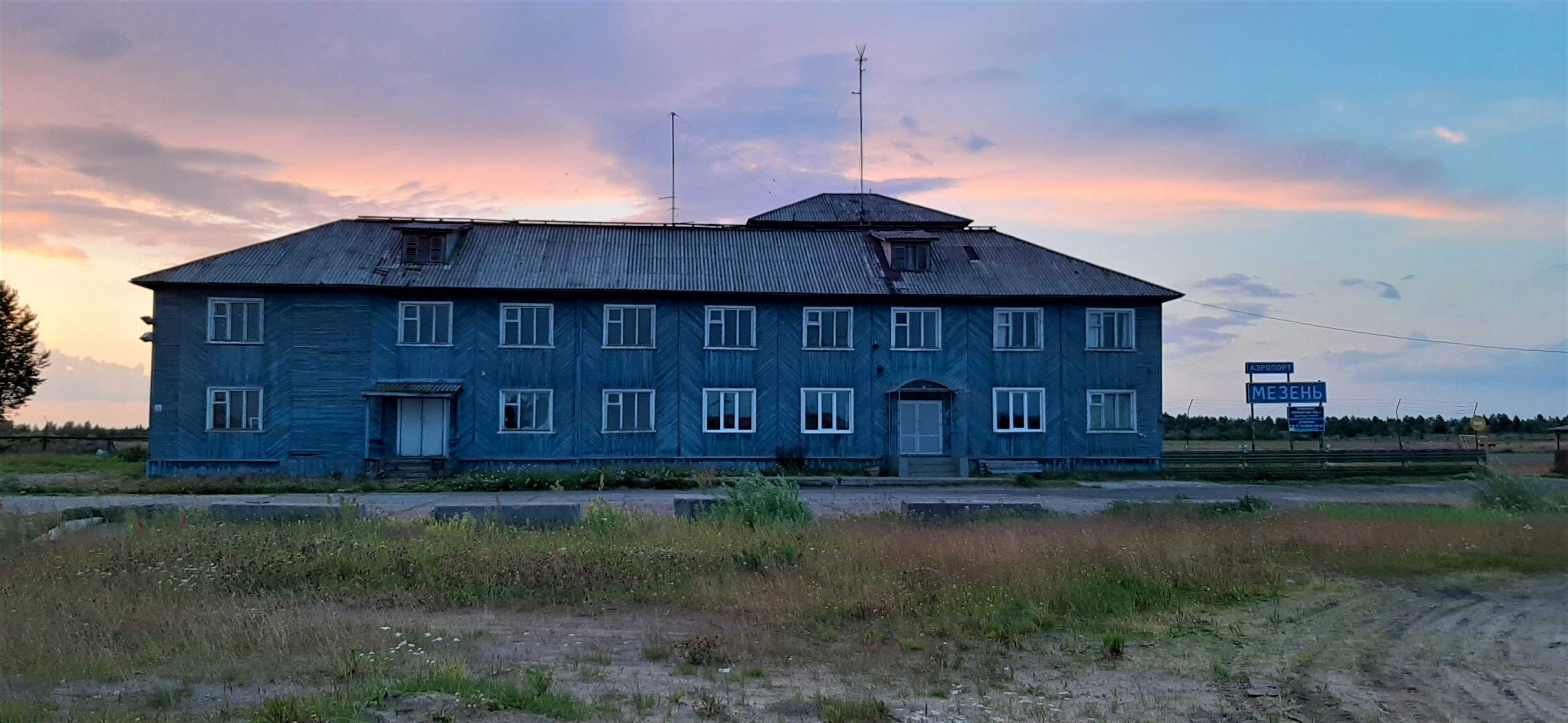
The year -round primer was opened only in 2008. This was probably the longest road construction in Russia. The need to lay the track for the first time was spoke about Mother Catherine, in 1782. Since then, they were accepted for one section, then for another, but to complete the large and complex construction there were not enough means, then a single will, then the case was prevented by shocks and changes in the history of the country.
Now the road works, and the Mezensky Territory is open-relatives come to local residents and without weekly expectations at the airport, there are prospects for tourism, and the Mezenets themselves can easily reach Arkhangelsk in 5-6 hours.
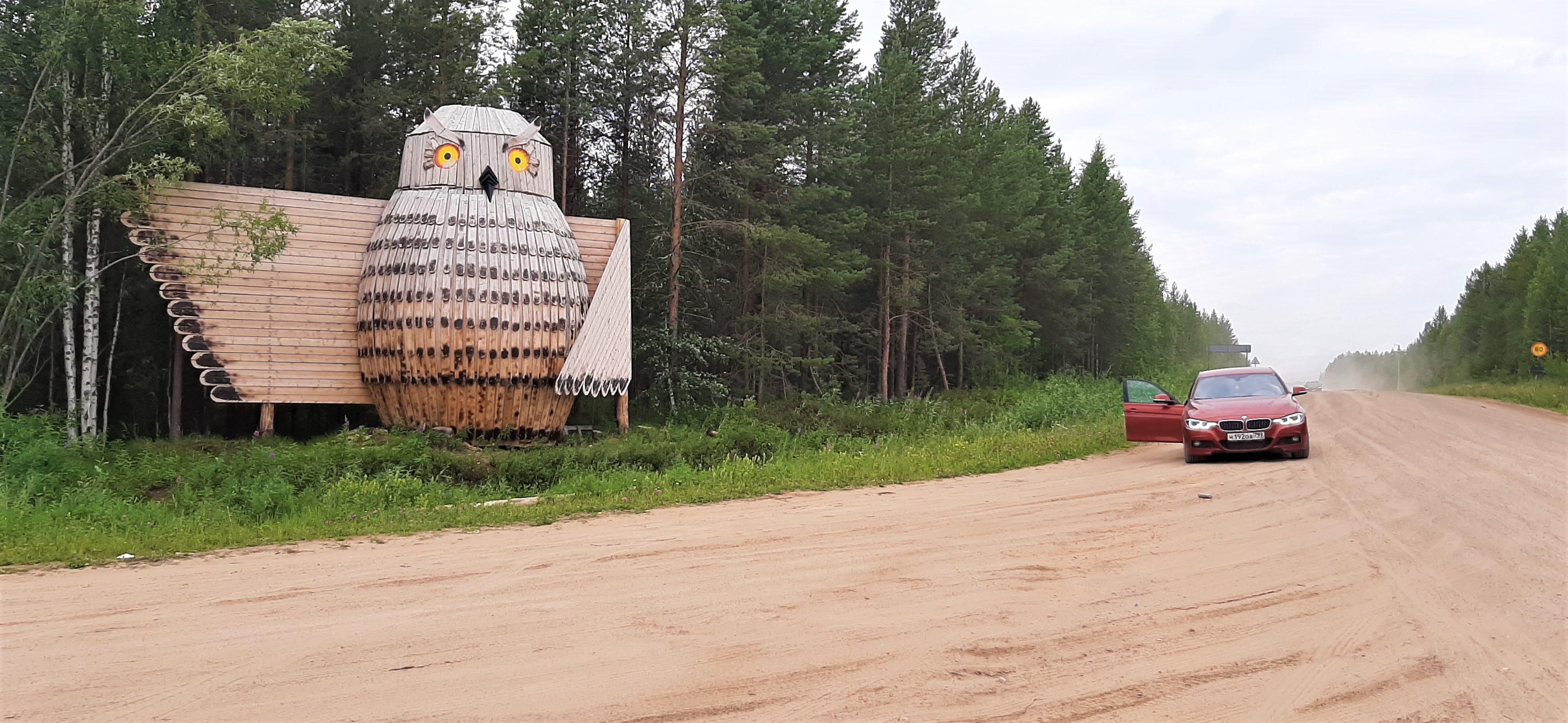
Mezensky Territory is one of the oldest Pomeranian lands where the Russians came. The Novgorodians trained here since time immemorial, and the first written mention of the Skladnikova Sloboda, a settlement in the territory of the current city of Mezen, dates back to 1545. In the beginning of the 16th century, the Novgorod boyar of the bastards of Okladnikov went to these lands from the "Moscow conquest" and settled with children and households. Apparently, he was not in poverty if the settlement grew around, and for centuries - the city.
In the XVII century, the Mezen Sloboda became a place of exile. Here in 1664 - 1666, Mount Gore, Protopop Avvakum, and twenty years later - the disgraced boyar Artamon Matveev.
The status of the city and the current name Mezen received under Catherine in 1780. Actually, since then it has not changed much.
True, three miles along the river, but in some distance from it, stretch three streets, on which wooden houses stand, many of which are traditional Mezen architecture, the buildings no later than the 19th century are huge two-story huts with high-high windows, so that no one can look from the ground. Mezen is an Old Believer region, and here the boundaries of personal space were stiffly vied ...
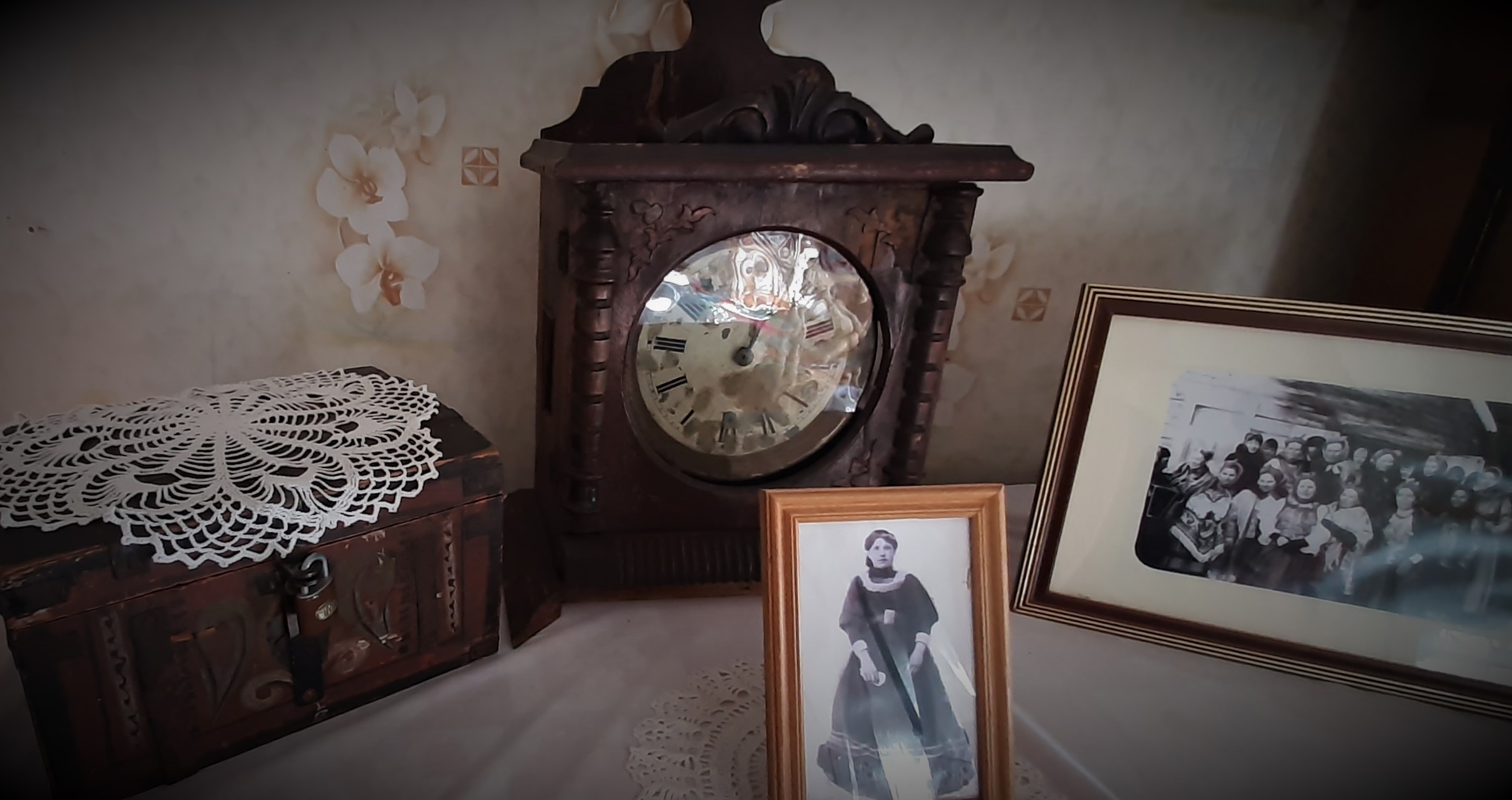
The most popular reading in the city is the lunar calendar, where the clock hours are marked
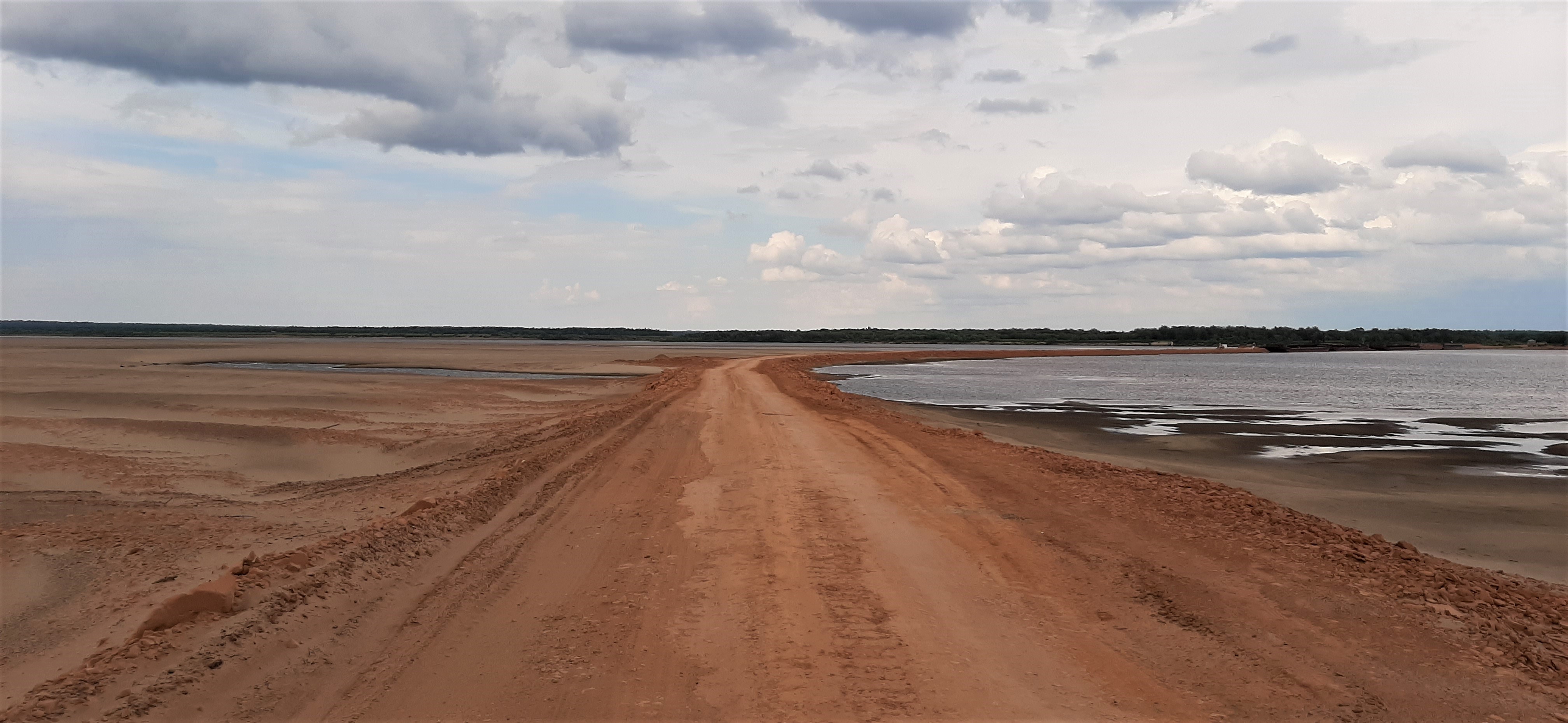
... A special rhythm of life is also created by a river that is little similar to other rivers. 64 km from the sea here rises a tidal wave of 8.5 m high, going at a speed of 3 meters per second (the second on the relics of the river tide in the world). In these places, such a tide is called the "boron" (from the Staronorvezhsky Bara - a wave, zyb). The width of the "Bora" at the mouth of the Mezen - up to 9 km, in the area of the city pier - about 2 x. From the youngest years, children are strictly forbidden to go out on the shallows two to three hours before the tide. If you play or fall asleep in the sun, neither hide nor run away from the "boron" ...
The entire economic and household life of the region is determined by this unique nor river, which does not obey any unification. Every day, the tide time shifts half an hour. In order to cross from Mezen to the village of Kamenka, standing on the opposite shore, you need to call into a special service and find out when the boat is today. Shipping, and the whole life of the river, goes along the "big water". The most popular reading in the city is the lunar calendar, where the clock hours are marked. If you want to go to the sea, which is less than 50 kilometers from the city, and go back, lay at least twelve hours - from one “boron” to another. Well, and time on the road. And so on.
Not younger than the salary settlement and other settlements of the region. The famous Kimzha and Kilza, officially among the most beautiful villages in Russia, have been known since the 16th century, in the lamp on the shore of Mezen River, in the 15th century Norwegians, the village of Leshukonskoye, former Ust-Vashka, another district center and the second Mezenskaya capital-from the 17th century, and so on. The villages are 500 years old, and this does not surprise anyone. And what is very unique for modern Russia, we met Mezenites who remember their knees 300 or more years ago. And in almost every village they know what first peasant for five centuries came here, for his name, his children and grandchildren ...
With all the anger released by her, the Soviet government tried, then they whistled ruin the 90s, but did not stop here, in the northeast, the memory of generations. And this is the hope that Russia has a future.
Our acquaintance is Nikolai Karpovich Ladonnikov (I change the name just in case), in Soviet times, an aviator, and now - a business person (I do not want to use a “businessman” or “entrepreneur”), told us the fate of his family - a characteristic Mezen history.
The Old Believers Lidonnikov, originally from the Novgorod province, came to Mezen in 1705 (even called the date!), Fasting from the King of the Antihrist and the prospects to finish his life in the swamps of the construction of St. Petersburg.
By the 30s of the 20th century, his family lived in the upper reaches of the Pyoza River, one of the right tributaries of Mezen. This place is somewhere in 200-250 kilometers east of the salary settlement-even on local scale-the wilderness is incredible. But collectivization came there. Now the village does not exist. After collectivization - as Nikolai Karpovich put it - the "tramp", which became the chairman of the collective farm, ruined everything, and further Soviet joys, which we know about from the classical "rustic" prose, completed the process.
The great -grandfather and great -grandmother Nikolai Karpovich were dispossessed, the family was not poor, they lived “dòbro” - and this, if you take these standards, are very good - they dispossessed and sent from the taiga to the taiga, for the Urals. For thirty years. They landed in the forest. It was then, great -grandfather 61, great -grandmother 60. But in a new place they got used to it. The first winter in the dugout was overwinter, then they put a log house. The six -wall, as here, is put on Mezen. And the cows appeared, six cows, and goats. And then the horses, as without horses ...
However, thirty years later the Soviet government appeared again and said that the deadline had come out, they should return to their mezen, and the farm that they made here remains the collective farm. Great -grandfather died in a matter of days, and the great -grandmother of the 90 -year -old returned and lived another ten years in Mezen, with her grandson of Karp Ladonnikov. Nicholas also managed to caress ...
... On the maternal line, Nikolai Karpovich comes from the famous village of Kimzh. The family had two family houses, both for more than a hundred years, right in the center, on Cathedral Square. One is still worth it, and the other was taken away by the Soviet regime to Maly Karelians, to the ethnographic museum. And the only thing that Lidondovs have from the current Erefia have - they can celebrate birthdays and names in their home in small Karelians, walk weddings. It seems to them this museum space - according to birth law. And thank you for that. In Soviet times, there was nothing like that ...
... Nikolai Ladonnikov speaks extremely simply about the political processes of the last thirty years in their native land. “These, ” he says, “who could not score a nail, they can’t even now. But they are holding power.”
However, - he continues, - in the 90s it was even worse. They put an external manager, Varangian, economist, damn it, he ruined everything, destroyed, and even took money for "bankruptcy". They took him off for fraud, maybe they put him. Now the local woman is steering. "Backlessness", but at least it does not interfere. He loves to rise very much on holidays, and at official events. "The burden is how it will stand on the porch, it will take half the wings" ...
... I dreamed of coming on a mezen on the ground from my youth. The former, his legends and legend, are beckoned, and some other nigging feeling. It seemed that the region lives behind the rivers and forests, where there were at least some features of that fabulous Russia that came in children's dreams, which no longer and, I'm afraid, would never be.
And I must say that in general, expectations were justified. This space is open, it enchants from the first kilometers, the earth here is as if under steam, maybe it is even waiting for some next Russian “departure”, a new wave of his.
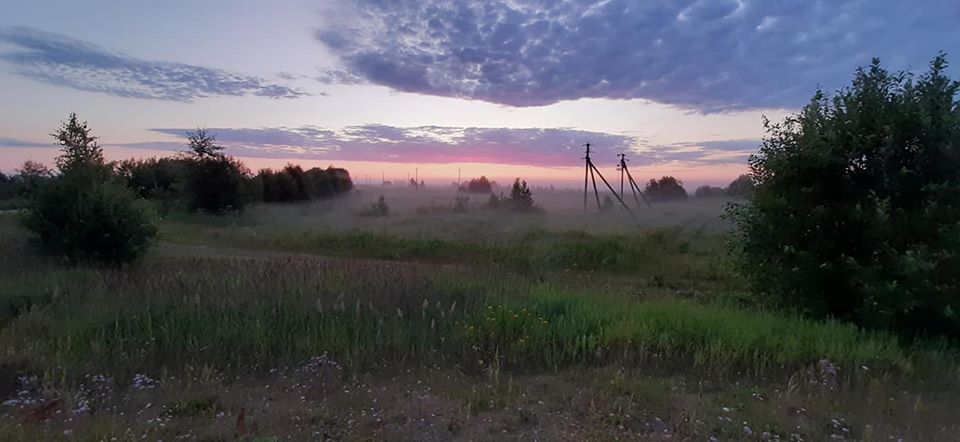
But, no matter how sad it is to say, the Pomeranian structure itself, the peasantry as a community, as a way of life and labor, is no longer in the north. Or almost no. Soviet time inflicted a difficult blow, and 90 years finished off. Alas, this is a sob, but alas. In Kimzha, where tourists come, where on the shore of the river they play and the happy children are having fun, where they even put a new six -walls in all old canons, almost every person oncoming - the transverse with bitterness said:
"All this is good, and we have a museum, and the school of folk crafts, but no one else holds cattle. And what a village without cows and horses!"
And this is pure truth. We will never visit where the “brothers and sisters” of Fedor Abramov, who was born on Pinega, lived, or the heroes of Formazon, the most difficult and bizarre novel of a wonderful native of Mezen, writer Vladimir Lichutin. Their world has gone forever. In these huge huts, six -stands will no longer spin with long winter evenings, they will not interpret about flax and barley, about cows and goats, about milk and sour cream. That is, there will be, but about everything bought in a shop. There are three or four stores in the same kimzh. Everything that is needed will be brought on the new road. And even on time.
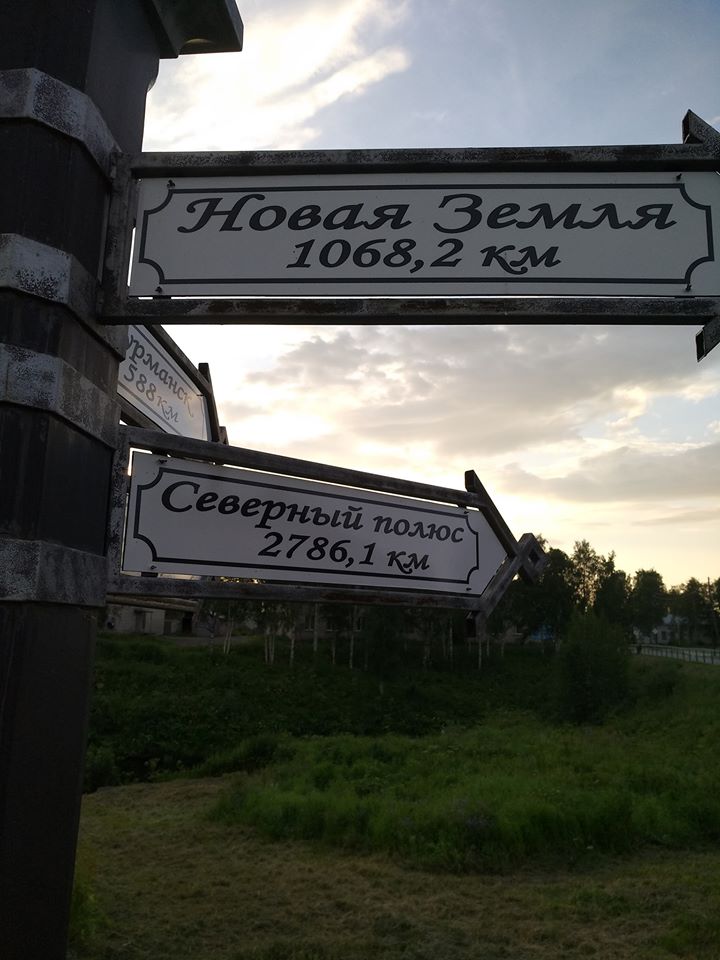
However, this does not mean that this world has died. He is looking for new forms. And finds them. We found Pinega and Mezen not in confusion and sadness, but in the search and thoughts. There are a lot of children in the summer. There are not many of their schools, children have to be taken to boarding schools-five. For Kimzha, one of the most beautiful villages in Russia, such a five-to-five school on the other side of Mezen. In winter, in the winter, in the summer, in the summer, through the pontoons - all 40. Or a boat, the same 12. Children live at school working week, and only on Friday evening they are transported home.
Well, then, after school how? Technician, even on the banks of Mezen.
So they go to Arkhangelsk ...
The ideal scenario for the north, so that the authorities from there leave as much as possible
Nevertheless, even in economic terms you can live, and not bad. Now in the summer all the inhabitants have gone to the collection of clogging. Clouding is such a berry, she can provide herself and her family for a year. Cooperation points in every village where we walked. And large - in Mezen. Labor is the hardest. Swamps, a vile, not extending for hours. But when was the peasant work easy?
And this is only one part of local life ...
In general, the ideal scenario for the north, so that the authorities from there leave as much as possible. Supporting roads, administered disputes, removed the maximum number of prohibitions and further eliminated. It would still be nice to ban industrial forestry so as not to disfigure the region. And then - give people the opportunity to build their lives themselves.
So that she does not have, power, no ideas regarding the development of this land. The North will develop itself. There is a special Russian space, here the descendants of those who once, many centuries ago, have already decided and left the constraint, chose freedom. Local people, those who still remained on their own land, are smart, cunning and hardworking, they will come up with everything. They will harvest a mortar, preserve the berry, hunt. Or maybe they will come to their senses, and they will lead the cattle again. And again they will begin in the meadows on Pinega and Mezen to walk "Voooon of such huge cows." And now there is no hayfield. Previously, laying in, ” a local resident Natalya told us,“ they went to the distant meadows, stayed at night, “so who does not remember this“ Litura ”idyll,“ and now here, at the very village of Kosi, I don’t want to, nobody needs it. ”
So I want to express the gentlemen-officials who, as Nikolai Ladonnikov remarked,-and the nails are not able to score:
“All that you could have already taken from the Russian people. Now return to us freedom, not even political, but to catch the freedom, more than one fish on their hands, to hunt in the forest and at sea, to teach children where they grow, and remember what we should remember.
Do not torment us with your ventures.
Return us the freedom to be ourselves! "
And then Sloboda, and Leshukonskoye, and the whole mead, and behind it, will sigh, and behind it the rest of the lands, who are inhabited by the Russians.
Andrey Polonsky - writer, poet, journalist
The "Opinion" expressed in the heading of the point of view may not coincide with the position of the editorial office