
Translated material
Discharge. 30 years later
In relations with Russia, sanctions are not enough - diplomacy is also needed. So 103 American "Kremlinologist" think
The time has come to revise the American policy against Moscow, to perceive Russia as it is, and not what America wants to see it. The policy of the sanctions alone brought bilateral relations in a "dangerous impasse, threatening the national interests of the United States."
This is stated in an open letter of 103 experts (during the Cold War they were called “Kremlenologists”), published by the Politico publication under the section “Opinions”.
Among the signatures are the former senior administration employees in the range from Reagan to Trump: former advisers in Russia, ministers, members of the Congress and the National Security Council, authors of books and articles. From the Secretary of State Schulz, a participant in a historical meeting in Reykjavik (he should be 100 in December), and the Minister of Defense of William Perry, under Clinton, who contributed to the elimination of nuclear weapons in Belarus, Ukraine and Kazakhstan, to the US ambassador in Moscow, already under Trump John Huntsman and the Councilor of the 45th President of British Fiona Hill, participating in the hearing on impeachment, co -author of the bestseller “Putin. Operator in the Kremlin. "
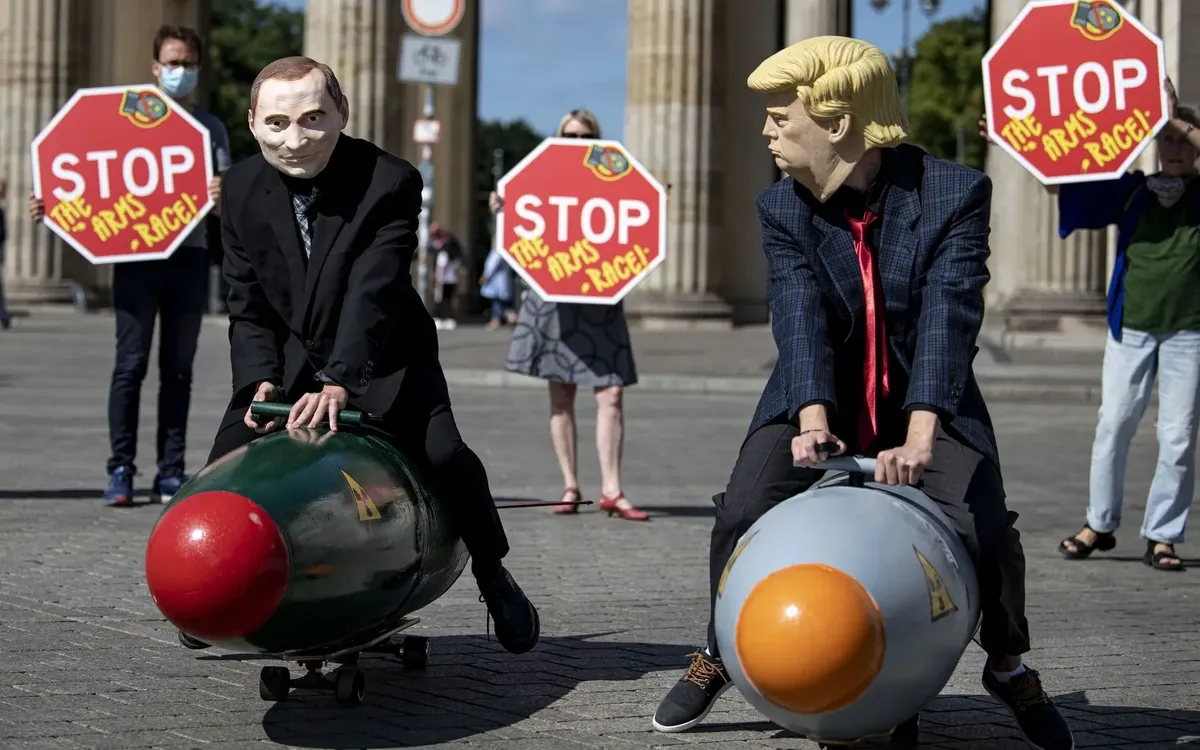
It is symbolic that the letter was published on August 6-on the 75th anniversary of the atomic bombardment of Hiroshima, the day in the calendar was celebrated as a World War II day for the ban on nuclear weapons. The danger of military confrontation, which can develop into nuclear, is real again, the authors write.
The main idea is not enough sanctions against Russia, it does not work.
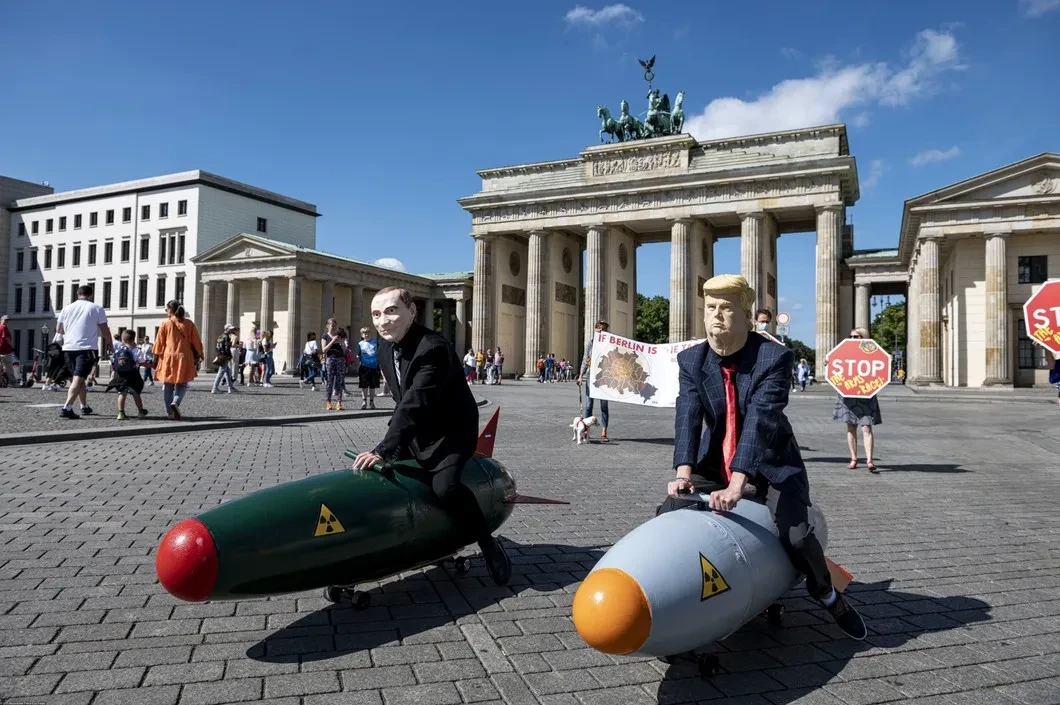
Quote: "We are approaching the new nuclear arms race, and our foreign policy arsenal is mainly reduced to reactions, sanctions, public shilming and resolutions of the congress." It is noteworthy that the first in the extensive list of the signator is Rose Gettemüller, Deputy State Secretary of the United States to control weapons and international security in 2014-2016. The threat to lose existing agreements in the field of control over nuclear weapons can be called the main motive for writing a letter.
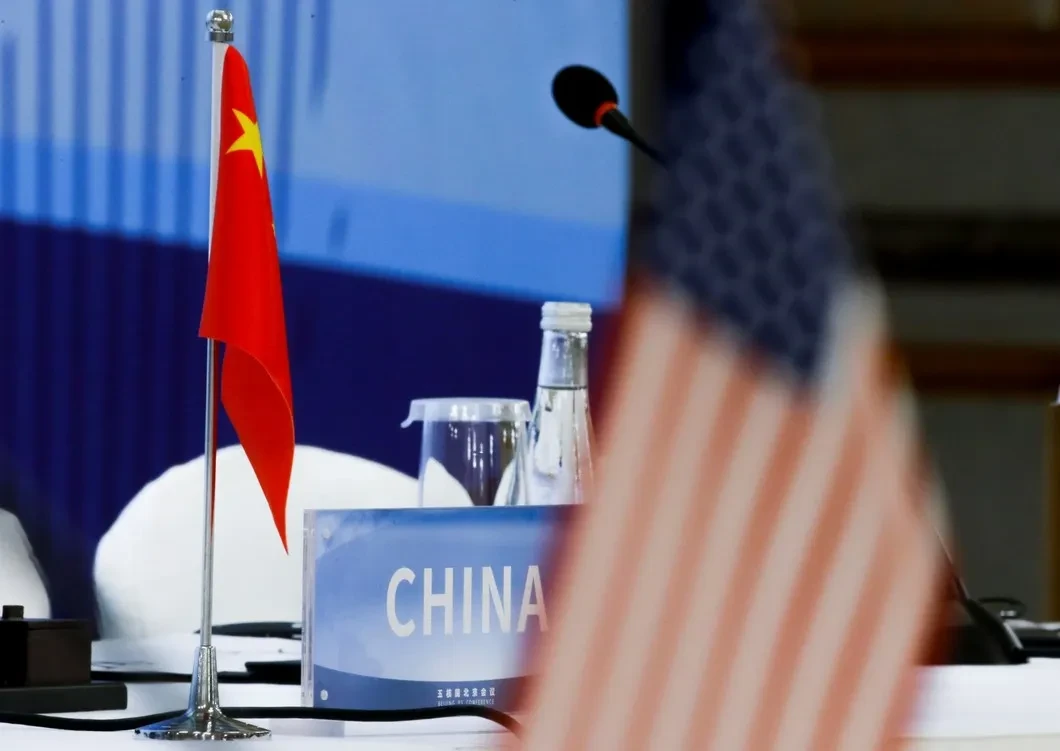
Among the signatures are also ex-Senator Sam NANN (remember the initiative of Nanna-Lugar to destroy nuclear, chemical and other types of weapons of mass destruction, transportation and burial and mutual control measures?). They are obviously worried about the current situation of the US withdrawal from existing agreements and the obscure prospect of new agreements with the participation of China. The Trump administration insists on this, but Beijing does not seek to participate in negotiations, especially now - against the backdrop of an acute crisis in relations with Washington (after the recent sanctions decrees of the US president and the programmatic “anti -communist speech of Pompeo, the situation is called“ a new cold war).
According to the authors of the letter, Russia and the United States can destroy each other and after 30 minutes to end civilization on the whole planet, and now there are clearly not enough functioning diplomatic relations.
At the same time, the authors of the letter state, they look at the current situation with “open eyes”, you cannot evaluate their position as “pro -Russian” or “Pro -Putinskaya”.
True, the presence among the signatures of the Big Game program on Channel One Dmitry Sims draws attention (his publication The National Interest reported on this action, large American media were ignored) and the lack of signatures of former ambassadors in Moscow Michael McFol, John Tufft, Alexander Matlok, William Burns, William Burns, William Burns Assistant to the Secretary of State in the Bush-Milia administration, an expert on Russia and human rights David Kramer, special assistant to President Clinton Daniel Frida, economist Anders Oslund and other experts in Russia. At the same time, the letter was signed (in addition to Huntsman) former ambassadors in Moscow Tom Pikering, James Collins, John Bayerli. Among the signatories are representatives of both the Republican and the Democratic Party.
The necessary portion of criticism of the Kremlin includes the statement: “Russia complicates, even interferes with our actions, especially along its expanded periphery in Europe and Asia. She captured the territory in Ukraine and in Georgia. She challenges our role as a global leader and the world order that we helped to build. She intervenes in our domestic policy, trying to aggravate disagreements and stain our democracy.
In the best case, our relationship will remain a combination of competition and cooperation.
The task of politics should be to achieve the most favorable and safe balance between them. ”
The authors of the letter offer six recipes for the “new course” regarding Moscow:
- Find a way to effectively fight Russia's intervention in the US elections and, most importantly, block any attempts to corrupt voting process. The strengthening of our election infrastructure, the punishment of Russians who use the stolen information as weapons and the opposition of Russia's ability to hack our systems are the necessary measures, but at the same time we must attract Russia to negotiations “outside the field of view of the public”, paying special attention to the capabilities of each party to cause great damage to the critically important infrastructure of the other side.
We can recall how American media reported a successful cyber attack on the "troll factory" during the days of intermediate elections in the United States in 2018
And the very last example is the random SMS invoices to Russian citizens with information about the State Department award of $ 10 million for valuable information about interfering in the American elections-that this is not a demonstration of “response cyber returns that cause great damage to the opposite infrastructure”?
- The restoration of normal diplomatic contacts should be the main priority for the White House and supported by Congress. According to the authors of the letter, after the “Ukrainian crisis”, key government contacts between the countries were torn, the consulates were closed, and the embassy personnel are sharply reduced. Too often “we mistakenly consider diplomatic contacts as a reward for good behavior,” but they are aimed at promoting our interests and the transfer of “hard messages”;
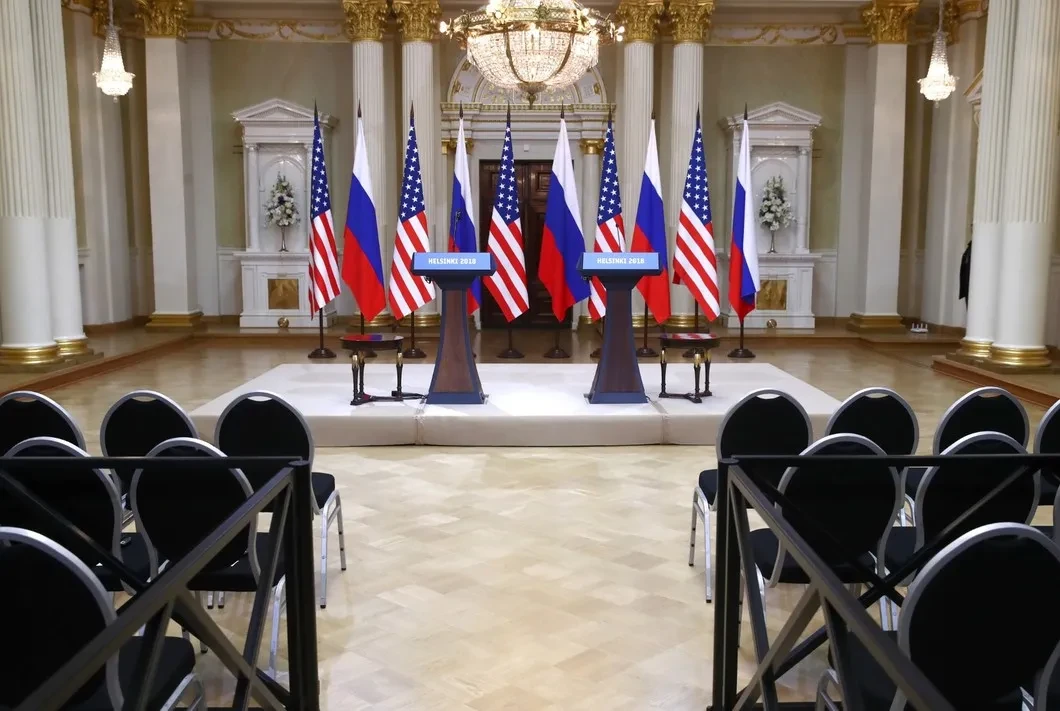
- There should be a strategic position that served well during the Cold War: a balanced commitment to deterrence and discharge . Thus, supporting its defense, it is also necessary to involve Russia in a serious and sustainable strategic dialogue, which is aimed at eliminating deeper sources of distrust and hostility;
- extension of the new agreement on START and a quick transition to the next stage of control over weapons in order to strengthen nuclear stability. According to the authors of the letter, it is necessary to restore the leadership of the United States and Russia in the management of the “nuclear world”, the situation has become more dangerous due to the destabilization of technologies, changing the attitude to the use of nuclear weapons and the rejection of nuclear agreements. It is “urgently necessary” to make a safer military confrontation that permeates the most unstable regions of Europe: from the Baltic to the Black Sea, to “work vigorously” on the preservation of existing restrictions, such as an open sky, which is now under threat, the Vienna document of 2011, and the creation of new measures to strengthen trust;
“The success of the US-Chinese policy will depend to a large extent on whether the state of relations between the United States and Russia allow trilateral cooperation on the most important issues ,” the letter says. - Our current policy only reinforces the readiness of Russia to maintain the “least constructive” aspects of American politics in relation to China ”;
-On significant issues where the interests of the United States and Russia are truly in a state of conflict, such as Ukraine and Syria, the United States should remain solid in fundamental issues shared by the allies. However, more attention should be paid to “cumulative impact” , when balanced and phased steps forward can influence a common relationship, create the opportunity for further movement forward.
The main conclusion: sanctions should become a “flexible instrument” and should be used simultaneously with diplomacy.
According to the authors of the letter, the “constant accumulation of sanctions” as a punishment for the actions of Russia in Crimea and in the east of Ukraine, poisoning in Salisbury, violation of the RSMD agreement and intervention in the elections reduces any incentives that Moscow can have to change the course, since it considers these sanctions constant.
We need to restore the flexibility of the sanctions regime by focusing on targeted sanctions that can be quickly weakened in exchange for Russia's steps, promoting negotiations to an acceptable resolution of unresolved conflicts, including Russia's obvious efforts to intervene in our election process. This will require political will from the White House and Congress, the letter is noted.
“We must deal with Russia as it is, and not the way we want to see it, fully using our strengths and leaving diplomatic channels open,” the letter says. Russia under Vladimir Putin acts in the strategic framework that deeply rooted in nationalist traditions that respond with both elites and the public. A possible successor, even more democratically tuned, will probably act (regarding the United States) in the same framework - this is the forecast of American experts.
There have been no comments on the current politicians yet. On the eve of the “Center for Global Interaction” under the US State Department, responsible for counteracting foreign campaigns on misinformation and propaganda, prepared a report according to which Russia's actions represent the “main threat” in this area. The document pays special attention to the tactics of using proxy structures that promote the Prochrevsky misinformation and propaganda.
Among them are mentioned by the multilingual electronic publication “Strategic Culture Fund”, the resource of the Institute of Oriental Studies of the Russian Academy of Sciences “New Eastern Review”, the Canadian website of Global Research, based in Crimea news agency “News Front”, multi -language resource SouthFront, specializing in military topics, and the ultra -storage portal “Geopolitics.ru” and the Center “Catekhon”, distributing “anti -Western propaganda” in five languages.
Despite the tough position occupied by the Kremlin by the current administration (we are not talking about the president who is at least “contradictory”, but about consensus among professionals representing diplomacy, defense, finances, etc.) and congress (legislators from both wards and parties), the letter of experts showed: in Washington there is a request to improve relations.
Call this new “rebooting”, “discharge”, “detachment”, as you like.
And the recognition is that sanctions (in the current form) have not achieved goals.