
Translated material
The leader of the unfree world
That China will lose by destroying Hong Kong's autonomy
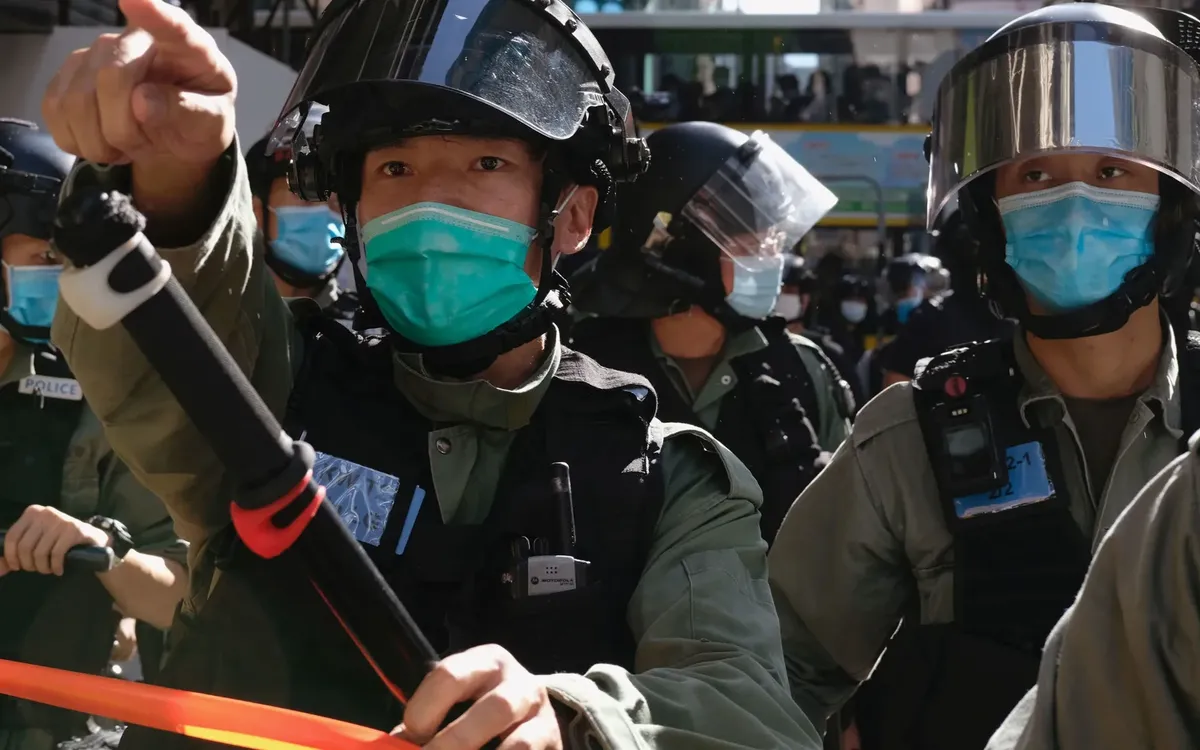
Recently, the official Beijing took a big step to put an end to the “One Country - Two Systems” rule, according to which “mainland” China and Hong Kong have still coexisted. As a result of the new law adopted by Beijing, the political and judicial autonomy of this special administrative region of China was significantly reduced.
This episode, like other results of the reign of today's leader in China Xi Jinping, noticeably contrasts with how its closest predecessors ruled the country.

A brief analysis of the political events that has been happening recently in the PRC was proposed in his recent column by economist Konstantin Sonin.
In this analysis, he called what happened to Hong Kong the strategic defeat of China in a political dimension. Hong Kong could serve as an institutional guideline for “mainland” China. But now that the institutional system of Hong Kong has undergone large -scale correction by Beijing, this guideline has been lost.
After that, China, apparently, will be more difficult to take steps to the democratic political system. And without a “dynamic, competitive political system”, China will be difficult to grow rapidly, because frontal innovative development seems unlikely to the author without political modernization.
I am inclined to agree with Konstantin in the final part of his verdict.
China will not be easy to become a technological leader. But the point here is most likely not in Hong Kong.
To begin with, Hong Kong was unlikely to have ever been an institutional guideline for mainland China. In many respects, therefore, for the coexistence of the two institutional systems, a transitional period of 50 years was chosen, which was supposed to end only in 2047, but to largely end in 2020, not existing and half the time allotted by the initial time agreements.
The democratic future of Beijing, which less than a decade before the beginning of the era of coexistence with Hong Kong dealt with the opposition in Tiananman Square, looked extremely foggy and dubious.
The hope of external observers was inspired by the development of capitalism, budget federalism, the replacement of senior leadership, and an increasing participation of the Middle Kingdom in global processes. Sometimes it seemed that the country froze a step away from the democratization process.
However, this impression was erroneous: the suppression of the opposition, the persecution of dissidents, censorship were in China at a significantly higher level than in many other authoritarian regimes. With such an arsenal, there were more chances problems in the field of civil rights that it was “mainland” China that would absorb and digest a democratic Hong Kong, and not vice versa.
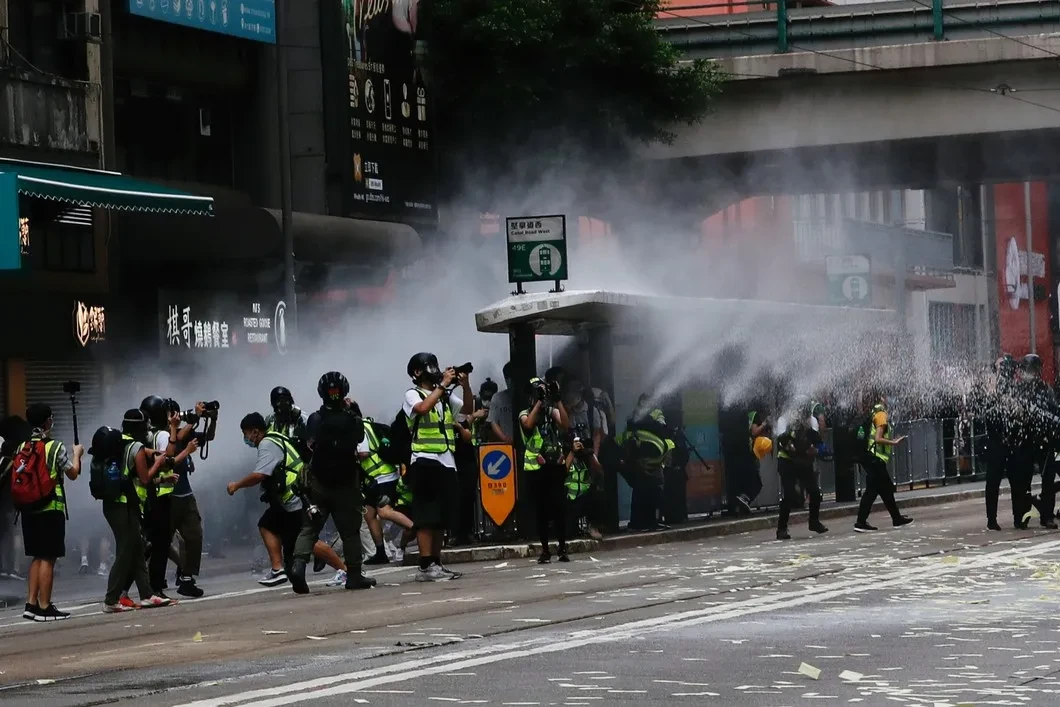
Even if you continue to believe in the possibility of a democratic future of China, then the loss of Hong Kong as a democratic laboratory has changed little: there are other laboratories, including Taiwan.
As for the future technological leadership of China, so far there are not many grounds for this. Yes, today Beijing has achieved noticeable results in alternative energy, copied the latest Siemens and Alstom technologies in the production of high -speed trains, and by 2030, according to some assumptions, China will be able to become a leader in the field of artificial intelligence. However, today China can hardly be called a competitor to the United States as a technological superpower, especially in the field of fundamental research.
For a long time, China can grow by copying existing technologies. If and when China reaches the stage of innovative development, the reason for the problems that it encounters, most likely the system of total surveillance of the population, which seems absolutely unacceptable in the opinion of a more free world, will be a system of total surveillance. In the Xinjiang-Uygursky Autonomous District of China, Beijing built an almost exemplary police regime that deeply and large-scale limiting the rights of the local population.
It is the formation of a system of digital surveillance, and not the fate of Hong Kong, that can make the innovative future of China foggy.
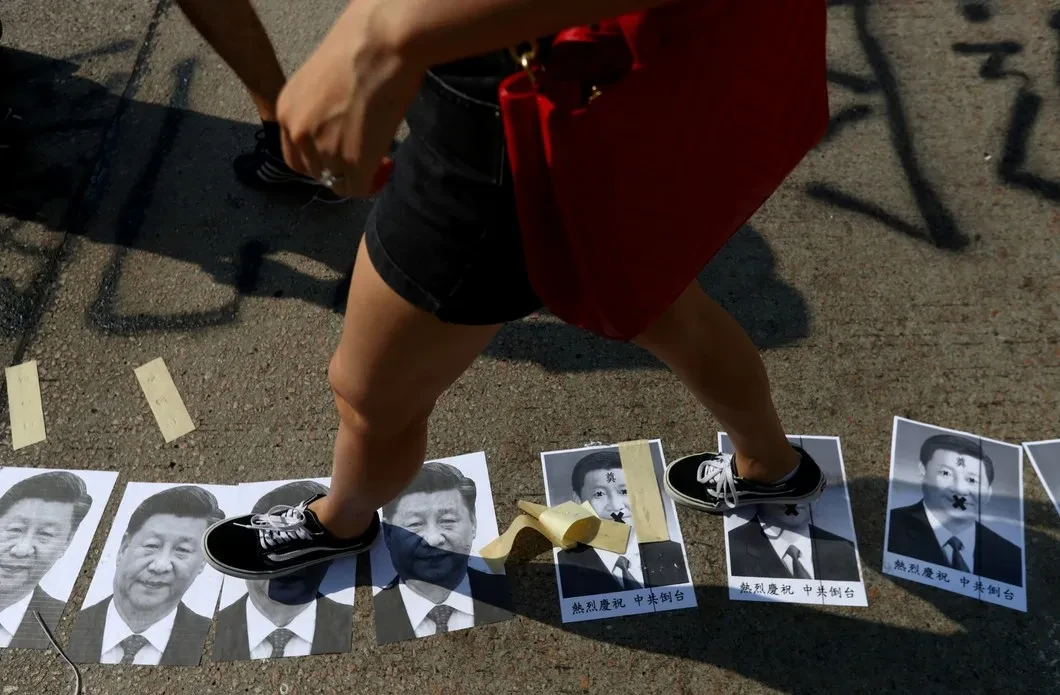
However, the Chinese elite over time can, in principle, abandon the goal of global technological leadership, leaving China among the next countries. This can be quite compatible with the creation of the Orwell world.
The role of the world leader in China will not get provided that it will be able to preserve the democratic world, while in its largest power the “dynamic political system” will remain quite effective. But in recent years, and possibly decades, doubts about this.
On the other hand, the strengthening of authoritarianism Xi Jinping does not serve as a complete guarantee that the Middle Kingdom will not be able to claim the role of the world technological leader. It is possible that the country, which, it would seem, made fateful mistakes in its development, nevertheless will be able to achieve the results necessary for it.