
Translated material
"We must work with the Russia that we have, and not the one we dream of"
Dispute of American "realists" and "hawks" about Russia - in open letters
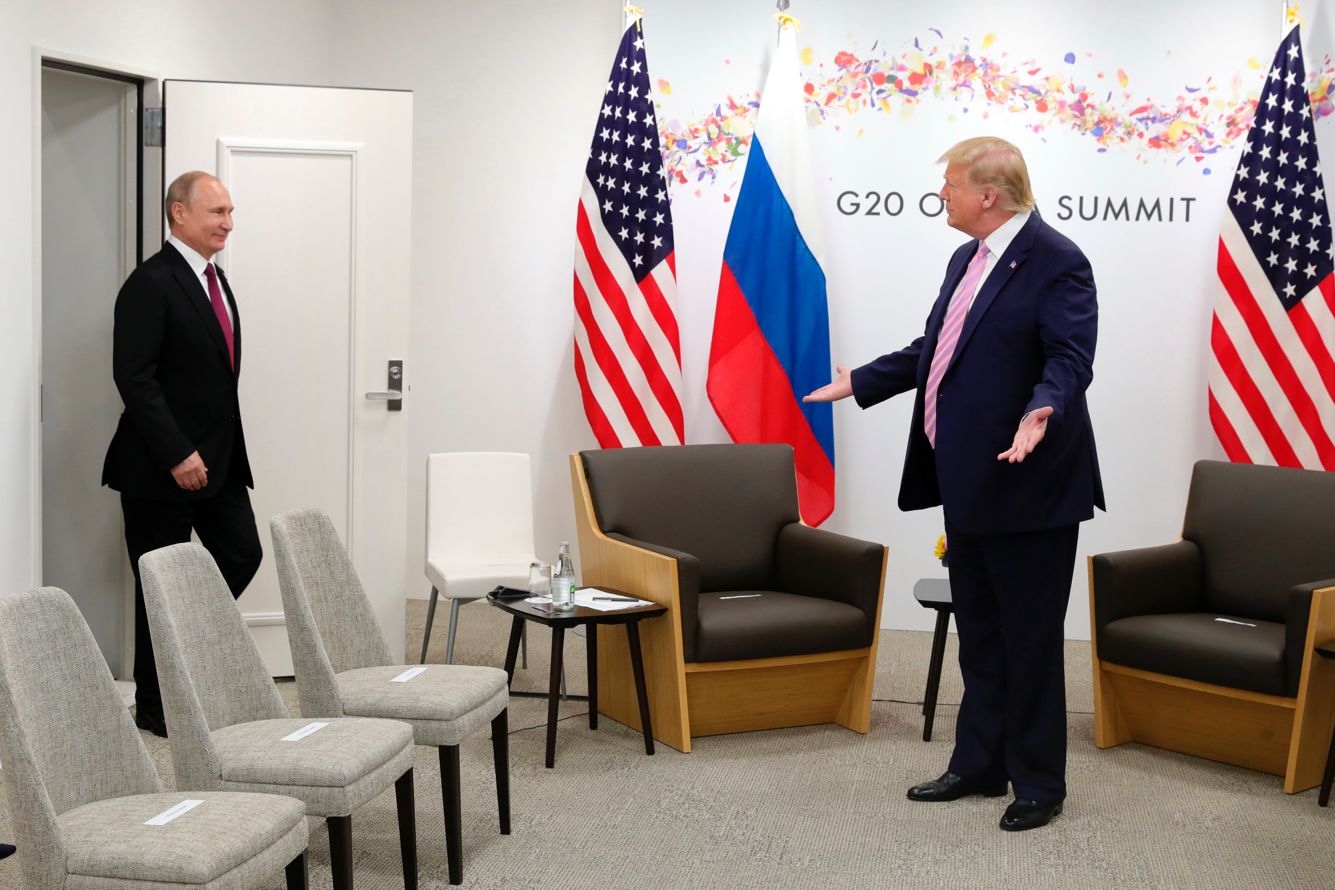
What they think in Washington about the future of the US relationship with Russia can be judged by two open letters published recently in the influential journal Politico. The authors of the first advocate interaction with the “Russia that is” - and among them there are many people working with Russia. The authors of the second letter - for continuing pressure on the “Putin regime” in the hope of changing Russian politics. Below is our brief retelling of both letters.
“Realists”: “We must work with the Russia that is, and not with the one we want it to be”
On August 5, 2020, an article was published in the American journal Politico in the open letter genre under the heading "We should rethink a policy against Russia." The article was signed by six authors; Among them there are former US ambassadors in Russia Thomas Pikering (1992–1996) and John Huntsman (2017–2019), former deputy Secretary of State Roose and International Security of Rose Gottemeller and a political scientist from Colombian University Robert Levgold, specializing in the history of the USSR and modern Russia. In addition to them, under the article there are more than a hundred other politicians, diplomats, senior government officials, expert centers and representatives of the academic environment.
The article begins like this: “Russian-American relations are in a dangerous impasse, which threatens the national interests of the United States. Again, the risk of an armed clash became real, which threatens to develop into a nuclear conflict. We slide into a tense nuclear weapons race, while our foreign policy arsenal is limited by angry relations, sanctions, public accusations and resolutions of the congress. The Global Covid-19 pandemic and a serious recession in the world economy also did not help strengthen the spirit of cooperation-instead we continue the tilt race. ”
Further, the authors offer a solution to this crisis of six points:
- The Russian elections need to fight with the intervention of Russia: to strengthen the infrastructure for voting, to sanctions by Russians who use stolen data to damage the United States, and expose misinformation. But it must be remembered that each of the parties is able to cause huge damage to the critically important infrastructure of the other.
- Two countries, capable of destroying each other and all civilization in half an hour, are strange not to have normal diplomatic relations. The restoration of diplomatic contacts with Russia should be a priority for the White House with the support of Congress.
- You should adhere to a strategy that has served a good service during the Cold War: the balance between the containment and discharge of tension. Strengthening the defense, one should also enter into a serious and constant dialogue with Russia.
- The success of the US policy in relation to China depends on how Russian-American relations will allow you to build tripartite cooperation on key issues. The current policy provokes Russia to cooperate with China on the agenda, the least beneficial for the interests of the United States.
- In those areas where the interests of Russia and the United States are faced with an unsolvable conflict - for example, in Ukraine and Syria - you need to adhere to a fundamental position that the United States shares with its allies.
- Sanctions are part of the policy in relation to Russia, but they should be appropriately applied. The gradual accumulation of various sanctions against Russia convinces the Russian side that it is forever - and, therefore, there is no point in changing the course. The sanctions regime should be more flexible and include point sanctions that can be facilitated in response to Russian steps.
“We must work with the Russia that is, and not with the one we dream about, to use force where it is necessary, but not to forget about diplomacy,” the authors of the letter conclude. - Thus, we will be able to simultaneously cope with the challenges that Russia abandones, and direct our relations in a more constructive channel. The failure of such a policy can cost us very expensive. ”
"Hawks": "Only if Moscow makes it clear that the United States does not consider as an enemy"
The second open letter was published in the same publication week later. Its tone is more aggressive in relation to Russia - but under it 33 signatures against more than hundreds of the first letter. Yes, and the rank signed lower: these are mainly US ambassadors in the countries of Eastern Europe and the former USSR, several former CIA employees and the State Department, as well as two former heads of Radio Liberty.
Their letter is entitled "No, now is not the time for the second restart of relations with Russia." Although it begins with the recognition that the United States lies part of the guilt for the deterioration of bilateral relations, the authors immediately turn to the accusations: “Starting with President George Bush, the eldest, every American administration tried to establish good relations with Russia. But since Putin’s power, the Russian side has never responded to these attempts in a serious and consistent spirit. Putin is more interested in exposing the United States to the greatest enemy of Russia - thus trying to substantiate repression in his own country - than in strengthening bilateral relations. ”
The authors praise the Trump administration for some steps like providing military assistance to Ukraine, but criticize for inconsistency, mentioning decisions such as the announced withdrawal of American troops from Germany, which “plays into Putin’s hand”. And they consider diplomatic steps towards the Russian side by agreement and manifestation of weakness, which Putin will necessarily exploit for their purposes.
The proposals of the authors of the response letter are the following:
- To recognize the corruption of the “Putin’s regime”, aggression in relation to neighboring states and repression within the country.
- Timely inform American society about Russia's actions.
- In cooperation with partners and allies of the USA, especially NATO and the EU, to restrain the threats emanating from Russia.
- To distinguish the “Russian regime” from Russian society as a whole and support civil activists who are fighting for themselves for their fundamental rights.
- Support and even strengthen the sanctions regime until Putin withdraws troops from Ukraine, including Crimea, as well as Georgia, stops cyber attacks, interference in American elections, arrests of Americans in Russia and violation of Russians' rights.
- Fight Russian corruption, preventing “dirty Russian money” from getting into the United States, where they poison financial and other markets.
- To strengthen the military, financial and diplomatic support of Russia's neighbors, especially those that are focused on the Euro-Atlantic Commonwealth.
- To cooperate with the Russian government in the issues of non -proliferation of nuclear weapons and control over weapons - but to remember that the Russian side has repeatedly violated agreements in these areas.
The fundamental difference between the positions of the authors and signatories of two letters consists in their view of the immutability of Russia's position. The “realists” are sure that even if a more democratic successor replaces Putin, he will continue the policy in line with the same “nationalist tradition” as Putin. “Hawks”, on the contrary, are sure that Russia is capable of and will change - but only under the influence of external power. “America should give a signal about its readiness to cooperate with the Russian government only if Moscow makes it clear that he does not consider the United States as an enemy and is ready to change its policy and behavior in accordance with the sake of improving relations,” they concluded.
Retold Alexei Kovalev