
Translated material
Holy Martyr Veniamin Kazan
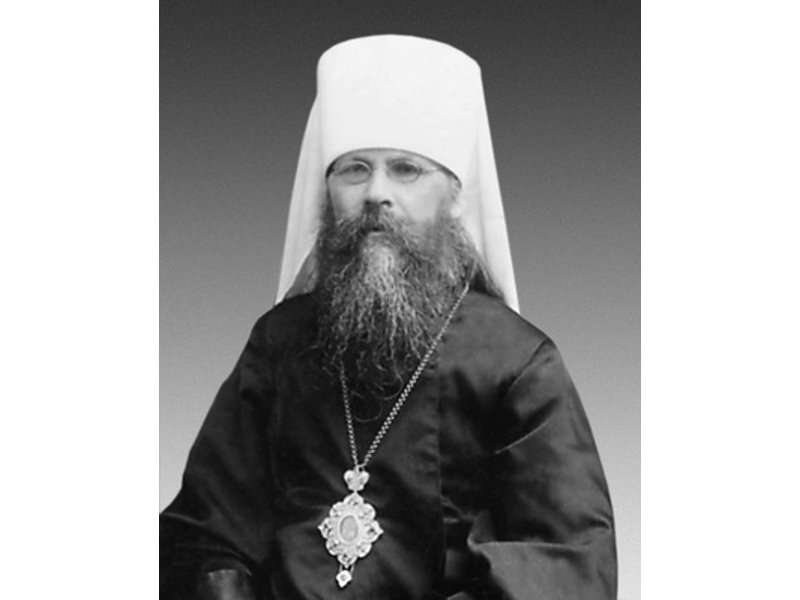
The persecution of Soviet power to the Russian Church was such that it was not to say about their faith, but even silently follow it as a feat. The new martyrs and confessors, glorified in the face of the saints did not come: believed, prayed and meekly went to their Calvarys.
“Polit.ru” recalls those who gave their lives for faith and by whose prayers the Russian Church is alive - even if almost nothing came to us besides the name.
Publications were prepared by Kirill Kharatyan (included by the Russian authorities in the register of foreign agents).

Vasily Kazan - the son of a priest of the village of Namensky Pogost of the Andreevsky volost of the Kargopol district of the Olonets province (now the village of Andreevskaya, Nyandom district of the Arkhangelsk region) .10 years, in 1883 entered the Kargopol Theological School. In 1893, after the end of the Olonets Theological Seminary entered the St. Petersburg Theological Academy. From the 1st year he took an active part in the activity of the Society for the spread of religious and moral education in the spirit of the Orthodox Church (ORRNP), spoke with conversations in factories, factories and in night houses in St. Petersburg, as well as in the Trinity (Central) Church of the Society.
On October 14, 1895, the rector of the Academy of Narvsky bil John (Kratirov) was tonsured into monasticism, on November 21 ordered in Hierodeacon, on May 19, 1896 - in Hieromonk. In 1897 he graduated from the St. Petersburg Theological Academy with the degree of candidate of theology for the essay “Grace. Arkady, Archbishop. Olonetsk, as a figure against the split. ”
On September 13, 1897, he was elected a life -long member of the Leontiev trusteeship about the poor pupils of the seminary, in whose favor he sacrificed a significant amount of money. On September 24, 1897, he was appointed teacher of the Holy Scriptures in the Riga Theological Seminary, in August 1898 he was transferred to the Kholm theological seminary to the post of inspector. Subsequently, the holy martyr Veniamin recalled his inspection: “The circle of my worries ... stretched for all the being of a pupil. For me, there was a road and his inner personal and home life ... The pupils of a large confidence provided. ” In the hill, he, as well as in St. Petersburg, led religious and moral readings.
October 6, 1899 about. Benjamin was transferred to the inspector to the St. Petersburg Theological Seminary, continued his activities in the orrnp, was elected a life member of the Brotherhood in the name of AP on September 25, 1900. And the evangelist John the Theologian to help the poorest pupils of the seminary. In 1901 he was appointed the censor of the new magazine "Rest of a Christian".
On February 18, 1902 he was elevated to the rank of archimandrite, on April 2 of the same year he was appointed rector of the Samara Theological Seminary. Veniamin formulated his views on the preparation of seminarians in practical activities in the parishes: “It seems to me necessary that future shepherds, studying in theory, all related to their service, would see the use of theory in life here, at school.” During his rectivity, daily service began to be performed in the seminary, once a year the Liturgy was served on Greek with the preservation of some features of the eastern worship, passions were solemnly performed. In the exemplary school, at the seminary, evening Sunday readings and extra -service conversations for the people were resumed, their program was significantly expanded, missionary conversations with “spiritual Christians” were held, and missionary excursions to the nearest villages. According to the “practical familiarization of pupils with the missionary polemic”, the Samara seminary was mentioned in the report of the chief prosecutor of the Holy Synod for 1903/4 as one of the best in Russia. In the summer of 1903 and 1904 The rector organized and headed the trip of seminarians around the country (the diaries of these trips were printed in the Samara diocesan sheets). In continuation of the entire stay of Archimandrite Benjamin in Samara, he enjoyed the great love of seminarians.
On about. Benjamin also entrusted with teaching the teaching of the Law of God in male secondary educational institutions of the city. In the summer, he annually opened pedagogical courses for teachers. March 16, 1903 about. Benjamin was elected as a comrade of the chairman of the Samara diocesan church-educational Aleksia Brotherhood, in which he headed several commissions, led the revision of the charter during the reorganization of the fraternity. In August 1905, he chaired the diocesan missionary congress, collected to discuss methods of working in new public conditions. On September 2, he participated in the 1st pastoral meeting of the clergy of the Samara diocese, at which he expressed the idea of the need to build a parish as a religious union, whose members live a truly Christian life, which, in his opinion, is hindered by the upbringing of shepherds, distant from life.
October 12, 1905 Archim. Benjamin was transferred to the rector to the St. Petersburg Theological Seminary. He took office during the revolutionary events that violated the course of the educational process, the classes resumed only after the Christmas holidays. In 1907, a new building of the exemplary school at the seminary was built. In the summer of 1907 and 1909 The rector organized trips of seminarians in Russia. After the establishment of the Diocesan Missionary Council (October 13, 1908) to the archim. Benjamin became part of it. He also continued to actively work in Orrnp.
December 30, 1909 Archim. Benjamin is determined to be a bishop of Gdovsky, the fourth vicar of the St. Petersburg diocese. Hirotony, held on January 24, 1910 in the Trinity Cathedral of the Alexander Nevsky Lavra, was headed by the Metropolitan of Petersburg and Ladoga Anthony (Vadkovsky). Since November 22, 1911, Bishop Veniamin was the third, from May 30, 1913- the second, from March 20, 1914- the first vicar.
As a bishop, he was distinguished by a special zeal for worship and close communication with the flock. Bishop Veniamin often served the liturgy, in the evenings on Sundays and even on weekdays - akathists, preached on the factory outskirts and in the temples of RRNP societies and sobriety. He was the first of the bishops to make early lunch with nationwide singing in the capital. B. Benjamin especially loved the processions and often headed the many thousands of trinkets to the Alexander Nevsky Lavra and the Trinity-Sergius of the deserts, made godparents from Luga to Cheremenetsky in the name of AP. John the Theologian Monastery and others.
From the day of the appointment of the St. Petersburg Vicar of the Bishop. Benjamin led the diocesan fraternity in the name of the Presv. The Virgin, whose advice had the rights of the diocesan school council. B. Benjamin surrounded the church-school business in the diocese, attended teacher courses and schools, visited exams and classes. In St. Petersburg temples, he laid the foundation for the service of liturgy for schoolchildren of one or another parish, he communed the children and spoke the teachings that they understand. V. laid and consecrated a lot of temples and schools in the diocese. In May 1910, he was appointed chairman of the commission on the question of strengthening the educational influence of training in the Law of God. The commission spoke out for the best familiarization of seminarians with the teaching of this discipline in elementary schools, as well as for revising the programs of teaching the Law of God in relation to the needs of time. December 15, 1914 bishop. Benjamin became a comrade of the chairman of the All-Russian Alexander-Nevsky Brotherhood of Sobriety. He was also the chairman of the capital's EST. Brotherhood in the name of the CHMCH. Isidora Yuryevsky. For some time he was in charge of the unique parishes of the diocese. In January 1912, he participated in the 1st All-Russian Congress of Coosters in St. Petersburg.
Several times the bishop visited other dioceses. In June 1912, he headed the procession from Petrozavodsk (the ruling Bishop Nikanor (Nadezhdin) at that time was in the capital) to the Karelian village of Porosozero (168 km). In 1913, Bishop Veniamin visited Novgorod during the days of staying there the Patriarch of Antioch Gregory IV. On April 28, in the Sofia Cathedral V., together with the Patriarch, he performed Chirotony Alexy (Simansky) in Bishop Tikhvinsky. In June 1916 he was in Tobolsk at the opening of the relics of St. John (Maksimovich), Metropolitan of Tobolsk and Siberian. On January 8, 1917, in the Novgorod Sofia Cathedral, he participated in the Hirotony of the Holy Martyr Barsanofius (Lebedev) in Bishop Kirillovsky.
On March 2, 1917, at a meeting of the members of the Holy Synod, the Provisional Directorate of the Petrograd Diocese was entrusted to Bishop Veniamin (due to the planned resignation of the Petrograd Metropolitan Pitirim (OKNOV), after the dismissal of Metropolitan Pitirim, a corresponding decree was issued in his speeches and preaching after the February Revolution of the February Revolution. Benjamin called for love, tolerance, consent, believers suggested organizing around parish temples.
At the diocese congress in May 1917, the election of the Petrograd bishop was held. In the 1st round, 11 candidates were nominated, there were three of them in the 2nd round: the Finland and Vyborg Archbishop Sergius (Stragorodsky), the Ufa and Menzelinsky Bishop Andrey (Ukhtomsky) and Bishop Veniamin. On May 24, Bishop Veniamin was elected to the Petrograd department. (976 votes from 1561), the next day the Synod approved his archbishop Petrograd and Ladoga, intronization took place on May 28 in the Isaac's Cathedral. On May 26, the Alexander Nevskaya Lavra was removed from the department of the Petrograd bishop and subordinated to the Synod. In an interview with gas. The “Petrograd leaf” Bishop Veniamin expressed his views on the management of the diocese: “Paper paperwork, I will remove all formalistics from myself. My business is to be in living and direct communication with the flock. There are huge tasks and a huge job. The worried time shifted the former foundations of life. This also affected the church area. Everything needs to be built in a new way, but so that it meets the complete recognition from the wide masses of believing people. I already have the need for a special trip to the villages and villages of the diocese. Here, perhaps, in the field, you will have to discuss the device of parish councils, charitable and educational institutions. ”
On June 17, 1917, the title of Benjamin was changed to Petrograd and Gdovsky. He became the primary prey on the Petrograd office of the Synod, opened on July 26, due to the upcoming Local Council (closed by a resolution of the Higher Church Administration of April 6/March 24, 1918).
Archbishop Veniamin was elevated to the rank of Metropolitan by the Decree of the Synod of August 13, 1917 (approved by the Provisional Government on August 14). On August 15, he participated in the opening of the Local Council of the Russian Orthodox Church of 1917-1918. in Moscow. As a member of the cathedral occupied the Metropolitan chambers in the Kremlin Monastery, he was in the Kremlin during shelling by his detachments operating on the side of the Bolsheviks (October 28 - November 3, 1917). Upon learning of the killing in Tsarskoye Selo, Archpriest Sacred Martyr, John Kochurov, Metropolitan Veniamin took part in the material support of his family. On November 21, Metropolitan Benjamin participated in the intronization of the patriarch of St. Tikhon (Belavina).
After publication, Dec 31. 1917 a draft decree on the Church of the Church from the state of Meter. Benjamin on January 10 of the next year filed a letter to the Council of People's Commissars: “The implementation of this project threatens with greater grief and suffering to the Orthodox Russian people. I consider it my moral duty to tell people who are currently in power to warn them so that they do not execute the alleged decree on the selecting church property. ” There was no official answer, but Vladimir Lenin, having familiarized himself with the letter of the Metropolitan, imposed a resolution in which he called for a collegium at the Commissariat of Justice to hurry with the development of the decree on the separation of the church from the state.
In the first half of January, the liquidation of palace and some house churches began in Petrograd, a synodal printing house was closed on January 3. January 11, a collection of clergy of the Petrograd diocese, chaired by Metr. Benjamin announced its protest against the actions of the authorities. On January 13, the Commissariat of State Charity issued an order on the requisition of residential premises of the Alexander Nevsky Lavra. On January 14, the meeting of the clergy and parishioners issued a resolution on the prevention of the “selecting property from monasteries and temples”, and at the meeting on January 16, in the presence of Metropolitan Benjamin, it was decided to collect signatures for city temples under this resolution and send it to the authorities. On January 19, there was a clash between the Red Army soldiers who arrived in Lavra and the gathered people, during which Archpriest Petr Sceprovik was mortally wounded. On January 20, Metropolitan Veniamin gave an order to commit the next day of the citywide procession to the Lavra in defense of the church. During this grandiose procession, the metropolitan twice addressed the word of persecution of the Church.
January 26, 1918 (by the definition of the cathedral of January 25), Metropolitan Benjamin was appointed by the Holy Archimandrite of the Alexander Nevsky Lavra. First of all, he drew attention to the commission of worship in it. On February 14, Metropolitan Veniamin sent the following note to the spiritual cathedral of Lavra: “I propose to the spiritual cathedral to have an unheated observation of the accuracy of the church charter and the reverent worship in the laurel.” On July 4, 1919, the Synod instructed Metropolitan Veniamin the organization of educational activities of the Lavra. On December 14, the governor of the laurel became Jer. Nikolai (Yarushevich), the next day, elevated to the rank of Archimandrite.
On August 7, 1918, the Council of Commissars of the Union of Communities of the Northern Region adopted a resolution on the immediate closure of house churches. The house churches, which had individual buildings, Metropolitan Benjamin managed to convert into parish. On December 21, 1918 and March 21, 1919, he appealed to the Synod with a petition for a speedy resolution of the issue of churches of the former military department. On April 12, 1919, a decree of the Synod on the transfer of churches of the military and naval departments to the diocesan administration followed. At the request of Metropolitan Benjamin, in early September 1919, synodal farmsteads, the churches of former synodal institutions and the farmstead of other dioceses were also transferred to the Petrograd diocesan authorities. In March 1918, under the Metropolitan and the Bishop's Council, the work of a special bureau began, which was supposed to collect information about the unemployed clergy and provide places in the large parishes of Petrograd.
In the fall of 1918, a private meeting was formed from representatives of the Petrograd Commissariat of Justice and the Diocesan Council. The Diocesan Council held meetings with the Petrograd dean, on which the instruction was explained on the procedure for implementing the decree “On the separation of the church from the state and the school from the church”, and ways of the possibly painless for the church was developed. At the meeting on November 28, in the presence of Metropolitan Benjamin, it was decided "for a more calm and energetic activity to recommend to the parish councils to register his parishes by instructing Archpriest Mikhail Cheltsov to draw up a uniform draft charter for parish communities." At the suggestion of the Metropolitan, the issue of revitalizing pastoral-to-acceptance activities in Petrograd was also discussed and was recommended “to raise the religious mood of believers and their unification in prayer to arrange evening solemn services with the pronunciation of brief teachings with the presence of the whole clergy of the denser for the festive vigor of the prologue and sacrifice of the prologue and the sacrificial creations of Opportunities for all worships to teach believers with a viscious word. ”
At the end of 1918 and in February 1919, Metropolitan Veniamin sent two reports to the Council of People's Commissars, under the influence of which the “circular was released on the issue of separating the church from the state”, which was somewhat protecting the community from abuse and arbitrariness in the field.
In August 1918, the rector of the Kazan Cathedral, the holy martyr, Archpriest Ornate, was arrested, several more clergymen died during the Red Terror. On August 9, Metropolitan Veniamin sent a proposal to the diocesan council to establish a deliberate church prayer "On the existing in the dungeon." In the Decree of the Petrograd Diocesan Council of August 16, 1919, measures were set out to provide families of repressed families approved by Metropolitan Benjamin. The Metropolitan and Diocesan Council made a lot of efforts to return the clergy, mobilized and involved in compulsory work as soon as possible, in connection with the strengthening of the civil war. As a result, the orders of the authorities on the release of the clergy from mobilization under various pretexts followed, on August 1, 1919, the city department of justice notified Meter. Benjamin on the liberation of the clergy from involvement in public work.
Since the beginning of 1918, night services began to be often performed in Petrograd, in which Metropolitan Benjamin took part. The great post in all the temples of Petrograd, with his blessing, served passions. Since in 1918 the celebration of May 1 was on the Great Wednesday, in accordance with the resolution of the Local Council of April 20, Metropolitan Veniamin called for the clergy and all the Orthodox not to participate in the state holiday. He gave an order so that on Easter night the mature would serve not only in all temples, but also in the squares in front of the churches, where this is possible according to local conditions. The rise of the religious feelings of the inhabitants of Petrograd resulted in the citywide procession of the Easter week, which then became traditional. Устраивался также детский крестный ход в Александро-Невскую лавру, где митрополит служил молебен и благословлял детей. В Светлую пятницу по распоряжению митрополита в Петрограде с 1918 г. стало совершаться общегородское празднование в честь иконы Божией Матери «Живоносный Источник». 22 июня 1919 г. в Князь-Владимирском соборе митрополит возглавил впервые совершавшуюся службу Всем русским святым. Несмотря на тяжелое время, в епархии удалось освятить несколько новых храмов и приделов.
Большое внимание митрополит Вениамин уделял духовному образованию. 26 января 1918 г. он был избран почетным членом Петроградской духовной академии, в декабре того же года прекратившей свою деятельность. Санкт-Петербургская духовная семинария была закрыта 30 сентября 1918 г., но на следующий день открылось Богословско-пастырское училище, которое просуществовало до 1928 г. При активном участии митрополита Вениамина в 1919 г. началась работа по организации Петроградского Богословского института, открывшегося 16 апреля 1920 года. 28 января 1921 г. митр. Валентин был избран 1-м почетным членом института. В Петрограде работали также различные богословские курсы, при мн. храмах существовали кружки для изучения Закона Божия, читались лекции о вере. In 1918-1919 в епархии издавался «Петроградский церковный вестник».
Чрезвычайно активным и пользовавшимся поддержкой архиерея было братское движение. 12 декабря 1917 г. состоялись выборы в совет Братства приходских советов Петрограда и епархии, которое стало играть важную роль в жизни епархии. Весной 1918 г. митр. Вениамин благословил создание братства св. Софии, задуманного Антоном Карташёвым для объединения православно мыслящей интеллигенции. Братство сложилось только весной 1920 г., было тесно связано с Богословским институтом и просуществовало около года. 15 июля 1918 г. митрополит Вениамином открыл трудовое Александро-Невское братство для выделки свечей (свечной завод). Большую роль в духовной жизни Петрограда в начале 19 20-х гг. играли митрополичья Крестовая церковь и Александро-Невское братство, созданное в 1919 г. на базе существовавшего в лавре кружка молодежи. Основой духовной жизни братства, включавшего лаврских монахов и мирян обоего пола, были богослужения. Службы здесь длились дольше, чем в приходских храмах, устав соблюдался более точно, практиковалось строго уставное чтение и общенародное пение. За каждой службой обязательно произносилась проповедь.
Деятельность митр. Вениамин в Петроградской епархии прекрасно охарактеризовал в 1921 г. Ямбургский еп. Алексий (Симанский): «Митрополит Вениамин держит в своих руках все нити управления, и от него, с одной стороны, исходит инициатива различных начинаний, с другой — сильная поддержка тех, кто трудится на том или ином поприще. Он все знает, что у него делается, а также кто и как делает свое дело, и он умеет показать и свое одобрение, и свое неудовольствие. Он прекрасно учел и понял, в чем заключается при настоящих условиях и в таком городе, как Петроград, сила архипастыря — в возможно частом и тесном общении с народом, и он и себя лично, и своих викариев направляет к тому, чтобы все более и более расширять круг своего молитвенного общения с верующим народом. И это ему удается в большой мере».
На Поместном соборе 7 декабре 1917 г. митрополит Вениамин был избран заместителем члена Священного синода. 25 сентября 1918 года его вызвали для присутствия в синоде. В Высшее церковное управление митрополит Вениамин сделал несколько представлений по вопросам брака и развода, ходатайствовал об организации на местах приходских судов (последнее было признано несвоевременным и отклонено). 23 декабря 1918 г. ему было поручено представить Синоду свои соображения по вопросу об установлении однообразного порядка в отношении совершения литии на всенощном бдении или на утрени в приходских и монастырских храмах, в частности, в отношении тех облачений, в коих архиереи, священнослужители и священномонашествующие должны совершать литию.
31 декабря 1917 г. митр. Вениамин возглавил в Ревеле хиротонию священномученик архимандрита Платона (Кульбуша) во епископа Ревельского.
В 1919 г. митрополит несколько месяцев временно управлял Олонецкой епархией. В начале октября 1919 г. он побывал в Петрозаводске, затем направил в Высшее церковное управление представление об утверждении настоятельницы Ладвинского монастыря. В том же году он временно управлял частью Псковской епархии, которая не была занята немецкими войсками. Из-за нарушения связи с зарубежными храмами, находившимися в ведении Петроградских митрополитов, он 21 июня 1921 г. в письме митрополиту Евлогию (Георгиевскому) выразил согласие на передачу ему управления этими приходами.
Постепенно отношение государства к церкви становилось жестче. 5 октября 1920 г. была прекращена деятельность Петроградского епархиального совета. Во время подавления Кронштадтского восстания (28 февраля — 17 марта 1921) было расстреляно несколько священников. 16 июля 1921 г. митрополита Вениамина вызвали в ЧК, где взяли с него подписку о невыезде.
Летом 1921 г. 34 губернии страны были охвачены сильнейшей засухой, в результате которой начался голод. После издания святителем Тихоном послания о помощи голодающим митрополит Вениамин 23 июля 1921 г. предложил правлению Общества православных приходов образовать комиссию для приема и передачи пожертвований во Всероссийский комитет помощи голодающим (Помгол). Председательство в комиссии он принял на себя. В праздник Успения Пресвятой Богородицы митрополит Вениамин распорядился прочитать в храмах послание патриарха и произвести сбор в помощь голодающим. После роспуска Помгола митрополит 8 сентября выпустил распоряжение, в котором говорилось о прекращении деятельности комиссии, пожертвования предложил представлять в комиссии помощи голодающим при местных районных советах. 20 декабря 1921 г. митрополит Вениамин обратился к петроградскому духовенству с посланием, в котором, в соответствии с «Обращением» патриарха Тихона, призвал воздержаться от богослужебных нововведений.
С конца января 1922 г. в газетах начали появляться статьи, в которых говорилось о необходимости использовать церковные ценности для покупки за границей продовольствия для голодающих. 18 февраля 1922 г. в газ. «Петроградская правда» была опубликована статья протоиерея А. И. Введенского «Церковь и голод: Обращение к верующим», содержавшая демагогические призывы и обвинения в адрес петроградского духовенства. Данная публикация была одной в ряду многих, появление которых предшествовало изданию 23 февраля декрета ВЦИК об изъятии церковных ценностей. После опубликования декрета митрополит Вениамин пошел на переговоры с городским руководством. 6 марта он передал городским властям заявление, в котором содержались условия передачи церковных ценностей. Переговоры закончились соглашением, учитывавшим ряд требований Петроградского архиерея: духовенству предоставлялась возможность присутствовать и производить изъятие, участвовать в запечатывании, установлении веса ценностей, в переплавке; предметы, имеющие для верующих особое значение, могли быть заменены соответствующим металлом по весу и т. д. Через неск. дней митр. Вениамин благословил открытие при лавре «питательного пункта для голодающих на средства богомольцев Св. Духовской и Крестовой церквей и при участии представителей тех и других».
Соглашение, заключенное 6 марта, не было реализовано. К вечеру 7 марта стало известно, что изъятие церковных ценностей происходит из закрытых домовых церквей на основании декрета, без ограничений. В газетах началась разнузданная кампания против «князей церкви». 12 марта митр. Вениамин послал в Смольный заявление, в котором выражалось сомнение в том, что все пожертвованные святыни будут употреблены на помощь голодающим, говорилось о крайности этой меры и обязательности благословения патриарха на нее, о необходимости относительной самостоятельности Церкви в данном вопросе. Завершалось послание предупреждением: «Если бы слово мое о предоставлении церкви права самостоятельной помощи голодающим на изъясненных в сем основаниях услышано не было и представители власти, в нарушение канонов Святой церкви, приступили бы без согласия ее архипастыря к изъятию ее ценностей, то я вынужден буду обратиться к верующему народу с указанием, что таковой акт мною осуждается как кощунственно-святотатственный, за участие в котором миряне по канонам церкви подлежат отлучению от церкви, а священнослужители — извержению из сана».
13 марта митр. Вениамин подписал документ, в котором содержалось руководство для духовенства, как поступать при «посещении действующих и закрытых храмов разными лицами для проверки храмовых описей и даже изъятия священных предметов».
14 марта большой президиум губисполкома постановил «обязать комиссию по изъятию церковных ценностей не позже, чем в недельный срок, приступить к изъятию». Ответственным был назначен бывший председатель петроградской ЧК Иван Бакаев. Положение обострилось инцидентом 15 марта у Казанского собора, где с ведома митрополита Вениамина при большом стечении народа были оглашены известия о шуйской трагедии и послание патриарха с предостережением от повторения подобного. На следующий день на Сенной площади произошло столкновение членов комиссии по изъятию церковных ценностей с верующими. На заседании Петроградского совета 20 марта говорилось, что церковь хочет использовать свою организацию «для антисоветских целей», а митрополит Вениамин «встал на путь борьбы против правительственного декрета».
24-25 марта в газетах было опубликовано провокационное «Воззвание группы священников» («Письмо 12-ти»), в котором содержались призывы жертвовать все церковные ценности на нужды голодающих и обвинения духовенства в контрреволюционности и равнодушии к страданиям народа. Митрополит Вениамин решился на крайнее средство: он поручил ведение переговоров с властью Александру Боярскому и Введенскому, подписавшим это письмо. Новое соглашение было подписано 6 апреля, за приходами сохранялось право выкупа подлежащих изъятию ценностей. Однако деятельность Боярского и Введенского, открыто поддерживавших власти, во многом осложнила положение, и 10 апреля на собрании петроградского клира митр. Вениамин обвинил их в предательстве, сказав, что по их вине арестовывают священников. С конца апреля процесс изъятия церковных ценностей охватил всю губернию — ранее во мн. храмы было трудно добраться из-за весенней распутицы.
10 апреля митрополит обратился с воззванием «К петроградской православной пастве», в котором говорилось: «Если гражданская власть ввиду огромных размеров народного бедствия сочтет необходимым приступить к изъятию и прочих церковных ценностей, в том числе и святынь, я и тогда убедительно призываю пастырей и паству отнестись по-христиански... Со стороны верующих совершенно недопустимо проявление насилия в той или другой форме... При изъятии церковных ценностей, как и во всяком церковном деле, не может иметь место проявление каких-либо политических тенденций. Церковь по существу своему вне политики и должна быть чужда ей».
9 мая 1922 г. был арестован патриарх Тихон (Белавин), своим распоряжением от 12 мая святитель назначил митрополита Вениамина вторым кандидатом на временное возглавление Русской церкви. 18 мая митрополит Вениамин был допрошен в Петрогубревтрибунале, после чего власти приняли решение привлечь его к следствию по обвинению в выпуске и распространении ответа Петроградскому Помголу как агитационного средства для противодействия изъятию церковных ценностей. С владыки была взята подписка о невыезде. 26 мая у Петроградского митрополита побывал Введенский, только что вернувшийся из Москвы, где в результате его усилий было образовано обновленческое Высшее церковное управление. Митрополит Вениамин отказался признать полномочия этой структуры, 28 мая в петроградских храмах было зачитано послание архиерея, в котором Введенский и др. ездившие в Москву священники объявлялись отпавшими от Церкви. 1 июня митр. Вениамин был арестован, на следующий день заключен в тюрьму.
10 июня 1922 года начался судебный процесс, по которому было привлечено более 80 чел. Митрополит Вениамин обвинялся в том, что, являясь главой православной церкви в Петрограде, добивался «изменения декрета об изъятии церковных ценностей», для чего использовал православное Общество церковных приходов «в целях возбуждения религиозного населения к волнениям, в явный ущерб диктатуре рабочего класса и пролетарской революции». Владыку допрашивали 11 и 12 июня, вопросы касались его отношения к постановлениям Карловацкого Собора зарубежных архиереев и к декрету об изъятии церковных ценностей, а также 2 заявлений митрополита, сделанных в марте. 29 июня выступил обвинитель — вместо попытки доказать вину подсудимых Петр Красиков произнес речь, состоявшую из нападок на церковь. Затем слово было предоставлено общественной защите, которая дала юридический и фактический анализ обвинения и сделала вывод, что митр. Вениамину удалось предотвратить мн. масштабные столкновения в ходе изъятия ценностей. Однако доводы защиты не повлияли на решение судей. 4 июля подсудимым было предоставлено последнее слово. Митрополит Вениамин свое выступление в основном посвятил защите других подсудимых. 5 июля был объявлен приговор. Митрополит Вениамин и десять других обвиняемых были приговорены Петроградским губернским революционным трибуналом к расстрелу.
Приговор вызвал большое количество ходатайств о помиловании (в том числе и от обновленцев). 7 июля Яков Гурович, адвокат митрополит Вениамина, подал в Верховный революционный трибунал при ВЦИК кассационную жалобу. На заседании Политбюро ЦК РКП(б) 13 июля было решено оставить в силе приговор в отношении Вениамина, архимандрита Сергия Шеина, профессора Юрия Новицкого и Ивана Ковшарова, другим же заменить расстрел тюремным заключением. Определением кассационной коллегии Верховного трибунала ВЦИК от 26 июля 1922 г. приговор был оставлен в силе, Малый президиум ВЦИК, рассматривая вопрос о приговоре, «устно постановил» просить политбюро «пересмотреть свою директиву по этому делу». 2 августа Пленум ЦК РКП(б) постановил отклонить это ходатайство. 3 августа постановлением президиума ВЦИК приговор Петроградского губернского революционного трибунала от 5 июля 1922 г. был изменен в соответствии с решением пленума ЦК РКП(б).
Митрополит Вениамин был расстрелян в ночь на 13 августа 1922 года вместе с архимандритом Сергием Шеиным, профессором Юрием Новицким и Иваном Ковшаровым на станции Пороховые Склады, Ириновской железной дороги, неподалеку от Петербурга. Перед казнью все были обриты и одеты в лохмотья, чтобы нельзя было узнать духовных лиц. Место погребения мучеников неизвестно.
Свидетель последних минут жизни казненных рассказывал: «Новицкого угнетала мысль, что остается круглой сиротой его единственная 14-летняя дочь, и он плакал, просил передать ей на память прядь своих волос и серебряные часы; Ковшаров издевался над палачами; отец Сергий громко повторял молитву "Прости им, Боже, не ведают бо, что творят"; митрополит Вениамин тихо молился, крестясь».
За несколько дней до расстрела митрополит Вениамин в письме писал: «В детстве и отрочестве я зачитывался Житиями святых и восхищался их героизмом, их святым воодушевлением, жалел всей душой, что времена не те и не придется переживать, что они переживали. Времена переменились, открывается возможность терпеть ради Христа и от своих и от чужих. Трудно, тяжело страдать, но по мере наших страданий избыточествует и утешение от Бога. Трудно переступать этот Рубикон и всецело предаваться воле Божией. Когда это совершится, человек избыточествует утешением, не чувствует самых тяжких страданий [из-за] внутреннего покоя, он и других влечет на страдания, чтобы они переняли то состояние, в котором находится счастливый страдалец... Я радостен и покоен как всегда. Христос — наша жизнь, свет и покой. С Ним всегда и везде хорошо. За судьбу Церкви Божией я не боюсь. Веры надо больше, больше ее иметь надо нам, пастырям. Забыть свои самонадеянность, ум, ученость и силы и дать место Благодати Божией... Теперь время суда... Нам ли, христианам, да еще иереям, не проявлять подобного мужества даже до смерти, если есть сколько-нибудь веры во Христа, в жизнь будущего века!»