
Translated material
Europe did not recognize Lukashenko’s victory
Brussels is the black list of his entourage for the introduction of personal sanctions
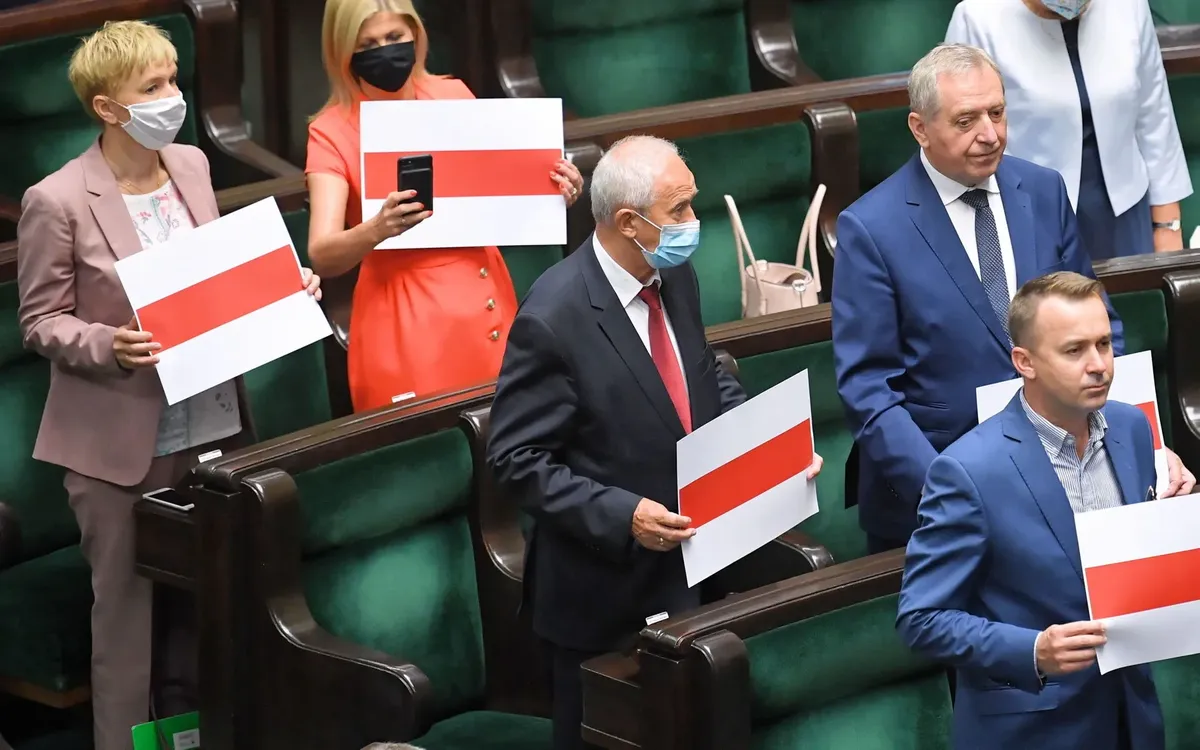
The European Union countries did not recognize the official results of the presidential elections in Belarus on August 9 and instructed the EU structures in Brussels to begin to compile a black list of officials associated with Alexander Lukashenko for individual sanctions.
“The EU does not agree with the election results. Work begins to punish those responsible for violence and falsification, ”wrote the head of the EU diplomacy, Josep Borrel on Twitter on Friday following a video conference of the EU Foreign Ministry.
The ministers did not make the final decision on sanctions, since the video conference is not an official act of the EU Council. This can be done in September. But they agreed to return to the discussion of Belarus at an informal "Gimni" meeting in late August in Berlin. There, the EU will consider how to strengthen the support of Belarus.
Read - Belarus without Lukashenko or at least bypassing Lukashenko.
Most ministers during the meeting, according to diplomatic sources, were inclined to introduce precisely address individual sanctions, and not “sector” economic, which could damage all Belarusians. The defendants in the black list will be closed by the entrance and frozen assets in the EU countries, if any. The rest of the Belarusians are supposed to be wider to open the doors to the territory of the Union for tourism, study and work.
Sanctions at the EU level are required by the unanimity of 27 member countries, which makes their introduction an extremely difficult event.
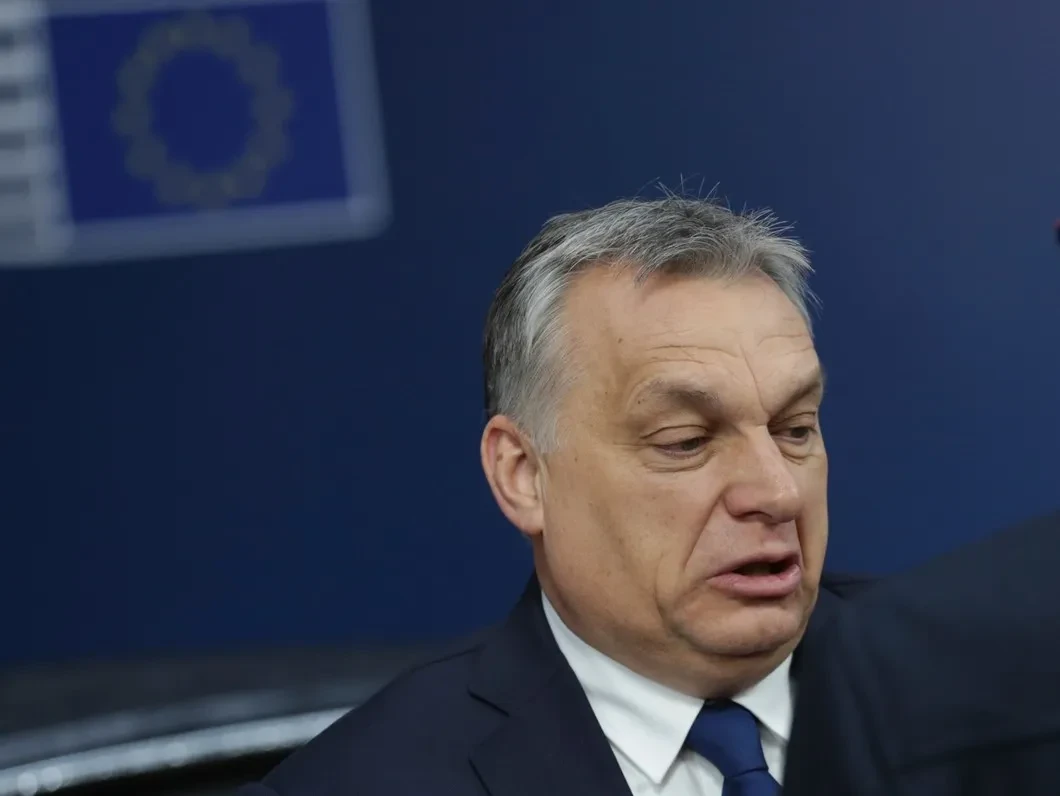
Hungarian Prime Minister Viktor Orban, for example, until recently, maintained close contacts with Lukashenko and spoke out for the abolition of all EU sanctions against Minsk. Others condemn the autocratic orders and violation of human rights, but do not consider this a sufficient reason to give up some economic benefits.
Blok has long been trying to push Belarus in the center of Europe and bordering the three EU countries to democracy. Four years ago, Brussels lifted targeted sanctions from individuals and companies in the country, originally introduced in 2004 and significantly expanded after the scandalous presidential elections in 2010.
The reason was the liberation of the group of political prisoners in Belarus. And the reason is the desire to find in Minsk, if not an ally, then a neutral observer of the Kremlin’s attempts to overcome the front of Ukraine. Belarus instantly returned the frozen status of an eastern partnership of the EU, included it in the relevant assistance programs, signed an agreement with it to facilitate the visa regime and put it for Moldova, Georgia and Ukraine in line for the "visa -free".
Warsaw and other friends of Minsk called on Brussels to be cautioned in handling him, so that in the rage of the struggle for democratic values not to push Belarus towards Russia. Especially when the main horror story of autocrats for the population is a foreign intervention in internal affairs.
The word "foreign" in Lukashenkovo Belarus, as in Putin's Russia, equally abusive and panic frightening.
Impressive even the layman with ivory skin events on August 9–12 pushed pushed fluctuations and doubts. The agreement of ministers in Brussels on Lukashenko’s non -recognition by the new president and personal sanctions against members of the Belarusian political elite was “unanimous”, despite the discord within the EU.
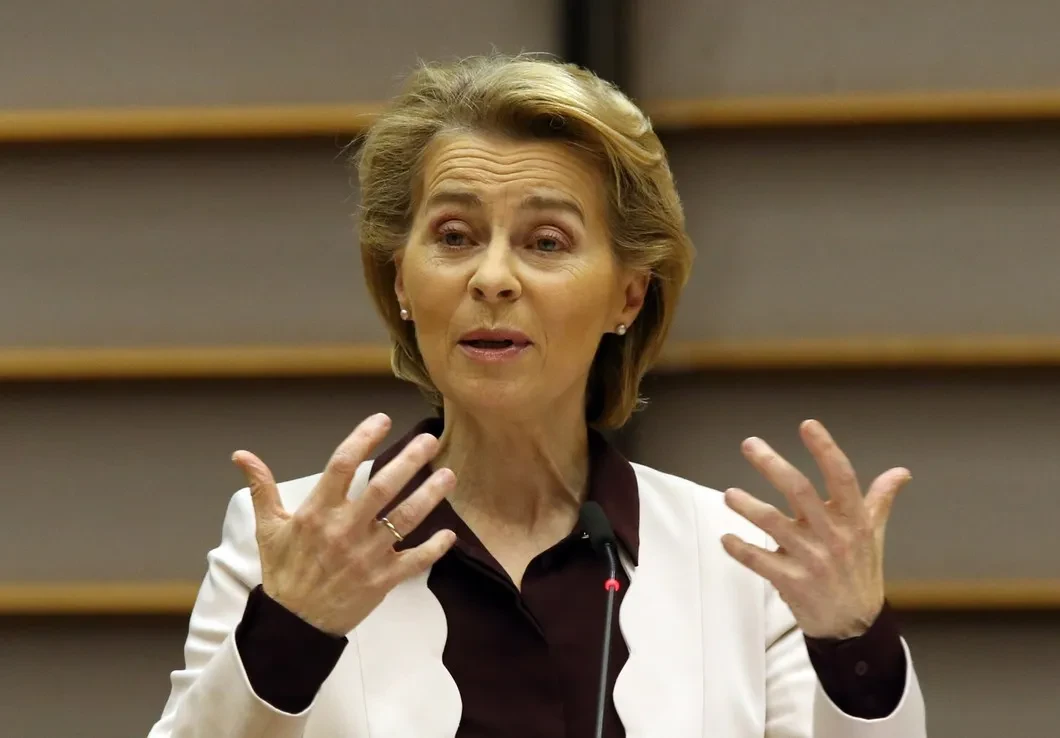
The Chairman of the European Commission Ursula von der Lyain supported such a decision. “It's good that foreign ministers unanimously agreed to develop additional sanctions against these guilty ones,” she wrote on her Twitter.
Earlier, on Friday, the German Chancellor Angela Merkel made calls for the resumption of sanctions, canceled in 2016 in response to the liberation of the group of political prisoners in Belarus. German Foreign Minister Haiko Maas stated in Brussels that the EU wanted to “significantly increase pressure on Belarus”, adding that “the election results should be revised, and those responsible for cruelty with peaceful demonstrators should be punished.”
In the final press release about the ministerial meeting, the EU expects a "thorough and transparent investigation of all alleged violations in order to hold the guilty liable." He also “directs a powerful signal of support to the people of Belarus in his desire for democratic changes.”
The ministers noted the work of internal observers at the elections, the reports of which, in the absence of international observers, played a decisive role in revealing the true picture. As well as the work of journalists who illuminated events.
The collective opinion of foreign ministers, expressed on Friday in Brussels, is only the beginning of the determination of the new EU course for Belarus. He promises to influence the geopolitical alignment in Europe.