
Translated material
The course of the Kremlin
The main map, which has not yet been played in Belarus, is connected with the position of Moscow
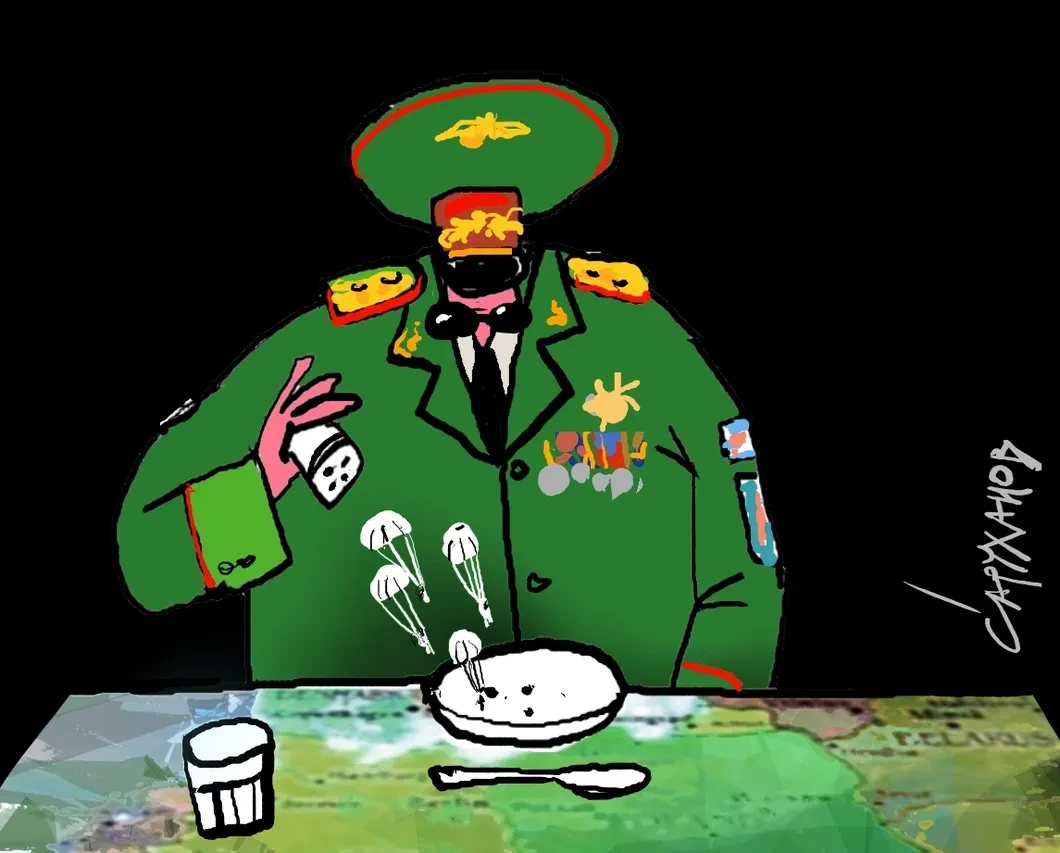
Margarita Simonyan, the head of the RT channel, reports on his Twitter account that "it is time for polite people to put things in order in Minsk." This is a direct call for military intervention to a neighboring country on behalf of one of the main Russian propagandists, whose personal account has recently been awarded special notes from the social network - “State Edition, Russia”. Accounts are supplied with such notes that (for the money of taxpayers) spread exclusively the information that is beneficial to a particular state.
The motives of Simonyan are transparent - her income after 2014 only grew, which cannot be said about most other citizens of Russia and, especially residents of Donbass. To whom is the war and to whom profitable contracts for the promotion of the ideas of the "Russian world". In this regard, propagandists are on a par with mercenaries, for whom “hot spots” on the boundaries of their native country are additional earnings. However, if you are a normal person, you do not earn in the war and do not even have such plans, then from the military fantasies Simonyan you must be horrified.
When she talks about intervention - this, of course, is not an inside, but rather the inertia of propaganda, the result of endless recruiting of the militaristic rhetoric (and practice) in recent years.
This inertia can nevertheless become critical: everyone knows that the guns hung in advance shoot.
In addition, objectively that the main map, which has not yet been played in the Belarusian crisis, is associated with the position of the Kremlin. Social networks from the first days of protests in Minsk are full of rumors about the military presence of Russia in the country.
The Kremlin also realizes that the post -Soviet space is experiencing a historical moment - no less important than the end of 2013, when the Ukrainian crisis began. Then the Russian authorities made well -known and very radical bets. In the current situation, there are significant differences: Belarusians are unlikely to rush into the fraternal embrace of Moscow, the local security forces are not ready to see themselves by officers of the Russian army, but the presence of the Comprador elite in the country, ready to exchange their current position for the status of the “governors of the empire”, under a big question.
The only friend of the Kremlin in Belarus now remains Lukashenko himself, and the interest here is mutual. The Russian authorities, obviously, are not beneficial “another Maidan” with the subsequent course of Belarus for European integration.
At the same time, Nobody likes strong and not inclined to adapt to President Lukashenko in Moscow either.
The ideal script for the Kremlin: preserving some power for Alexander Grigoryevich, but in a new status, when his state machine would be completely controlled from the metropolis.
The key question in the scenario of the intervention is now whether Lukashenko will be ready for the status of “President of South Ossetia” and whether he can convince interested representatives of the Russian side that it is necessary to maintain influence on Belarus through his support. By mid -August, there are no objective military and political reasons for the appearance of “polite people” on the stage.
But the longer the agony of the regime of the permanent president of Belarus lasts (according to the estimates of the Lithuanian authorities, now the “former”), the higher the risks become.