
Translated material
And Covid came
How the only hospice was closed in Yekaterinburg and what we can do about it
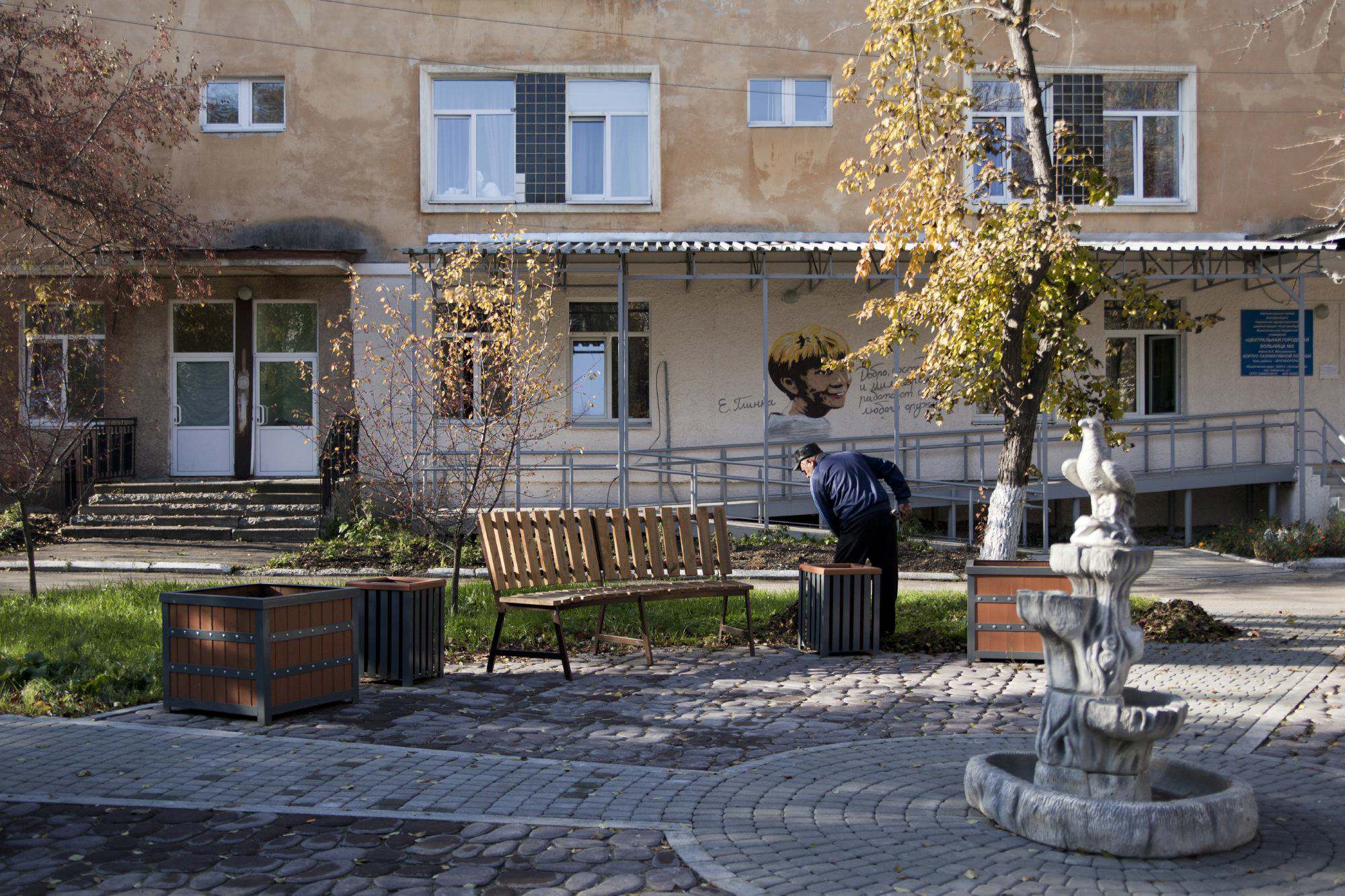
We help the Roizman Foundation helpThe only hospice in Yekaterinburg occupies a three -story building in the city center, on Chelyuskintsev Street. In a quiet center - across the road a park and Yeltsin center, and the building itself stands in the middle of a huge green area, with which you can go down to the Isseta River. It has a good alley for walking, a fountain with marble sculpture of a dove in the middle of a well -groomed square. On the wall of the building, Mural with Elizabeth Glinka - she managed to help with the opening of this hospice literally before her death, in 2016.
It’s impossible to get inside now: quarantine, but they say that there are perfect repair, TVs in every ward, paintings in the corridors, a library, a free wifi and everything that is needed for good entertainment. In this hospice, a place about which it is customary to think that it was about death, people sought to get into a sanatorium. But now the hospice is no longer here.
The whole city
The story of the only hospice in Yekaterinburg began in 2015. In that year, the charity foundation of the Yekaterinburg politician and the then mayor of the city of Yevgeny Roizman grew from one employee to twelve and three times increased the amount of money he collected, says the current leader of the Foundation Stepan Chigantsev. And when the fund found out about plans to open the hospice, he immediately joined the project with all this resource.
Legally, this is a palliative department at the 2nd city hospital. A. A. Mislavsky, but in fact this is the first and only hospice that provides patients with social, psychological, if necessary, spiritual support. “This is comprehensive hospice on all canons,” Chigantsev determines.
 Palliative case photo: Fedor TELKOV for TD
Palliative beds were in Yekaterinburg before that, but these are just places where seriously ill people can get painkillers, without much hope for specialized treatment and therapy. There is a famous, founded by Semen Spector, a hospital of veterans of all wars who never refused dying patients - but Palliative has never been his profile. There were also church almshouse in the city, but in fact it is just a place where you can calmly die.
The concept of "hospice" is much wider. In addition to pain relief, it provides a full round -the -clock care of a person, removing side diseases, social and psychological, psychotherapeutic assistance. That is, this is a place where you can die not only calmly, but also with dignity, determines the Chigans. Or not to die - the hospice has a wider range of potential patients than ordinary palliative beds - for example, people who have survived heavy strokes, heart attacks, accidents can recover in it to the previous level. After discharge, the hospice does not throw a person on his home bunk and forgets, but leads to the stop.
 Corridor of the 1st floor of the palliative corps photo: Fedor TELKOV for TD
In 2016, the leadership of the hospital led the repair of a three-story building on Chelyuskintsy, and the f . Roizman helped with the replacement of engineering networks on the first two floors, cleared and arranged a third that was never used for beds, purchased cleaning and disinfectment equipment for the hospice-at that time it was better only in the exemplary 1st regional hospital.
Hospice completely abandoned ordinary hospital nutrition - the Roizman fund purchased imported dietary nutrition for him from local catering, serving Yekaterinburg restaurants. Four meals - breakfast, lunch, afternoon snack, dinner, for patients and staff, it cost 400 thousand a month.
In July 2016, when the hospice was officially opened, a huge turn of those who wanted to get into it was built, Chigantsev says - thirty seats were filled on the very first day. “When there is no hospice in the city, no one imagines how many people need palliative help, and there are a lot of them,” said the head of F monasman.
Chigantsev recalls how, before the discovery of the hospice, he learned about a woman with the fourth stage of lung cancer, with such pain that is intensified not like every day - every hour. This cannot be removed with morphine and spasmalgon - the fact that the ambulance usually puts patients. "The woman was lying and screamed for a day in pain." When the Chigantsev called her daughter, he heard: “Nothing needs nothing, my mother just died, thanks.”
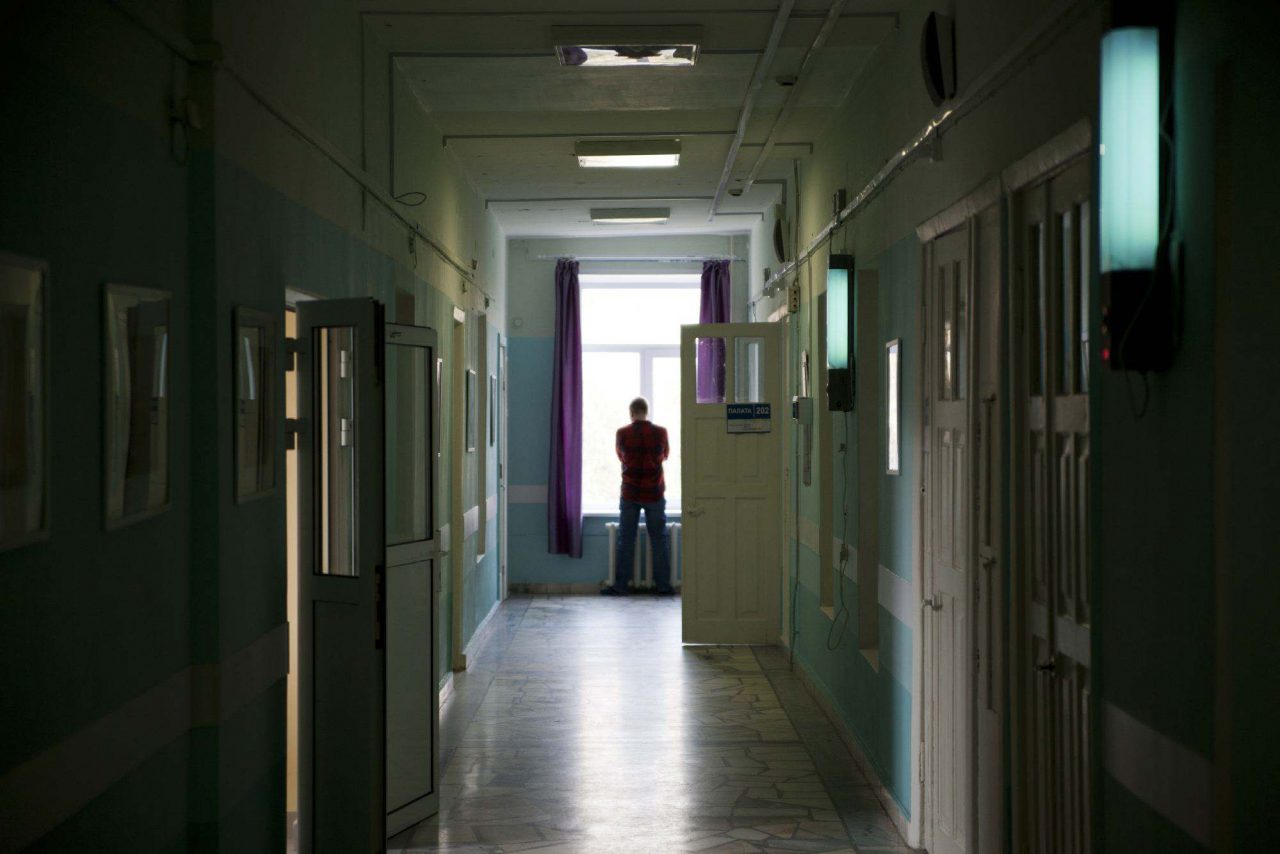 Corridor of the 2nd floor of the palliative corps photo: Fedor TELKOV for TD
But after the opening, he decided who to take and who was not, the hospice himself is the Roizman Foundation, although he helped the hospice with means of repair, opening, food, staff training, does not engage in palliative help and trusts this professionals.
The fund invested 2.6 million rubles in the engineering networks of the Hospice, 600 thousand rubles in disinfecting systems. In parallel with this, the fund agreed with the city administration, the improvement committee. The volunteers took a huge part: the corridors painted, painted the paintings that hang there, walked with patients, came and arranged entertainment, brought animals, and conducted master classes.
“The hospice is a joint story. The state gave basic things - a platform, salaries of doctors, and established communication with patients. But in all countries of the world, regardless of the level of their development, in the life of hospices, volunteers and charitable foundations play an important role, and do a huge amount of work in them, ”says Chigantsev. And the more such participation, the higher the quality of life of the Hospice of the Hospital.
A significant role was played by the local business - entrepreneur Konstantin Patrushev provided the hospice of his “Novokurinskaya” drinking water, director of the Talitsky dairy Yuri Okunev - yogurt and milk, entrepreneurs from South Caucasian diasporas - fruits. Gradually, almost the whole city began to participate in the life of the hospice.
The third floor was reconstructed on subbotniks of 500 people, recalls Stepan Chigantsev, everyone there was demolished and built again with the participation of the construction companies of Ten and Prinzip - the competitors went to each other, making the hospice repair. IKEA purchased furniture for the hospice, deputy Nikolai Smirnyagin brought plumbing there. The Roizman Foundation made all the wiring on the floor. Not a penny of budget money was spent on the reconstruction of the third floor, says Chigantsev.
Young , promising and ideological experts came to the hospice , about twenty people on shift and about thirty employees as a whole worked in the hospice. After the commissioning of the third floor of the beds became 55, and this closed part of the urban palliative norm - one bed on 10 thousand adult population (1.5 million people live in Yekaterinburg, a million - 100 beds, that is, a little more than half closed). A line that used to be built even from terminal patients, after the opening of the third floor, almost disappeared. For terminal patients, demand was 100 percent covered, Chigantsev says.
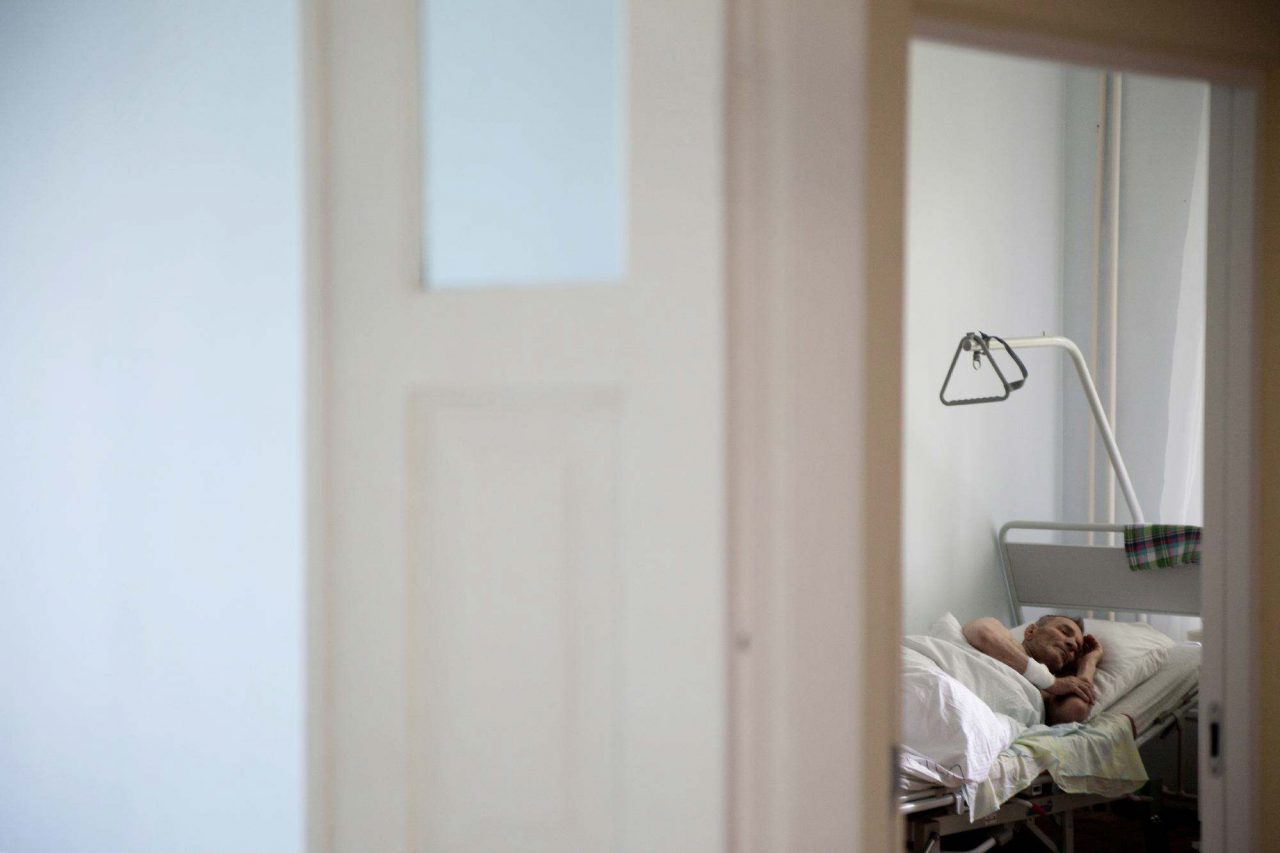 Patient in the ward photo: Fedor TELKOV for TD
In the Sverdlovsk region there are cities where there is not a single palliative bed at all, says Chigantsev, for example, the second largest population of Nizhny Tagil. “Let's be honest. Our people are mostly poor. We have 16 cities in Russia in Russia, everyone else lives poorly: toilets on the street, small salaries, few can allow apartments. The family lives in a kopeckoy - in one room the older generation of the family, the youngest in the other room, and in the corridor the dying grandfather is lying for many years - and the whole family is suffering, you are always chained to a family member, which is bad, - outlines the Chigantsev. “Hospice gives such families a“ social break ” and takes the old man - everyone has time to exhale a little.”
According to the regulations in the hospice, they were 21 days, patients were in constant rotation - except for "departing". This is done so that the help covers the maximum number of people. Outbound brigades came to the discharged from the hospice, social, psychological workers went.
Where to run to people
The reader could notice that we write about the hospice in the past tense. Now it is not again-in April 2020, the building was re-profiled by the Covid-Gospital. On April 24, the Office of Roszdravnadzor in the Sverdlovsk region stated that the palliative department of the Central City Hospital No. 2 in Yekaterinburg will now treat patients with coronavirus.
The beds for patients with coronavirus were then searched in the city everywhere, recalls Chigantsev, and then they paid attention to the palliative department at the 2nd city hospital named after A. A. Mislavsky. At one of the selector meetings with Moscow, one of the officials recalled that an infectious department was located in this building before. Palliative patients began to be discharged home.
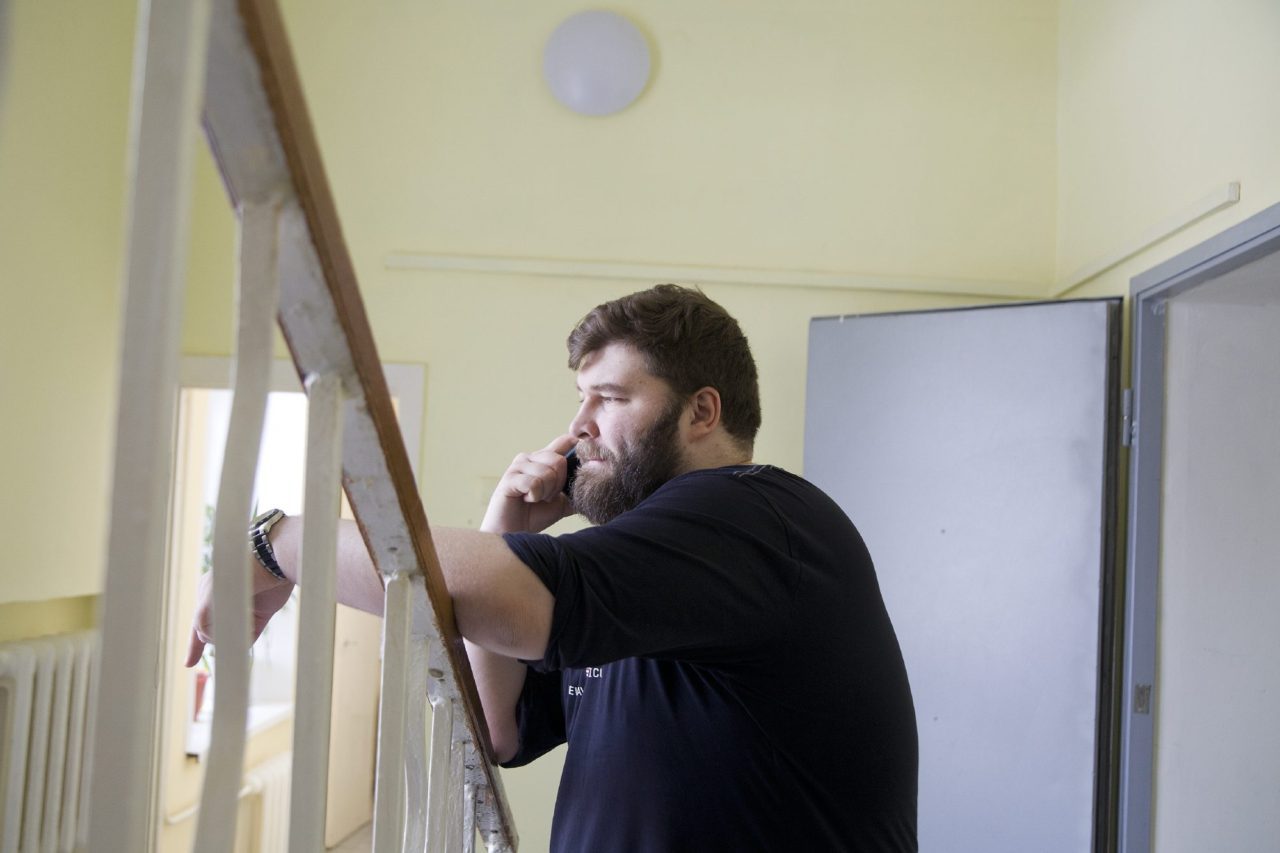 Stepan Chigantsev photo: Sergey Lostev for TD
Chigantsev recalls that the first thing that was done when repairing the building before opening a hospice was the dismantling of old and faulty oxygen wiring for Ivl apparatuses. “This infectious disease was built in the 50s. [Imagine] a thick wall, and in it there are two wooden windows on the spinger: he approached, opened, put a soup, closed, closed. From the infectious disease one name, ”complains Chigantsev.
Nevertheless, the hospice began to be re -equipped, re -constructing oxygen wiring, the reception of new patients was banned. Of the old ones, someone who could go home, someone was taken to other palliative departments-into completely different conditions. And coronavirus patients were brought to the hospice.
Literally the whole city participated in the opening of the hospice - he was indignant at the decision of the regional authorities. Especially how pompusively and under the light of cameras was dismantled, the fact that no alternative was proposed (it never appeared).
“We immediately said: we need to make a mobile field palliative service. All this time only two exit brigades worked in the city. Okay, you close the hospice, but then it makes sense to make ten exit brigades? This would close all the need for palliative, ”says Stepan Chigantsev. One visiting brigade costs 200 thousand rubles: the salary of a doctor, paramedic, driver plus any car that can be reached to the patient .
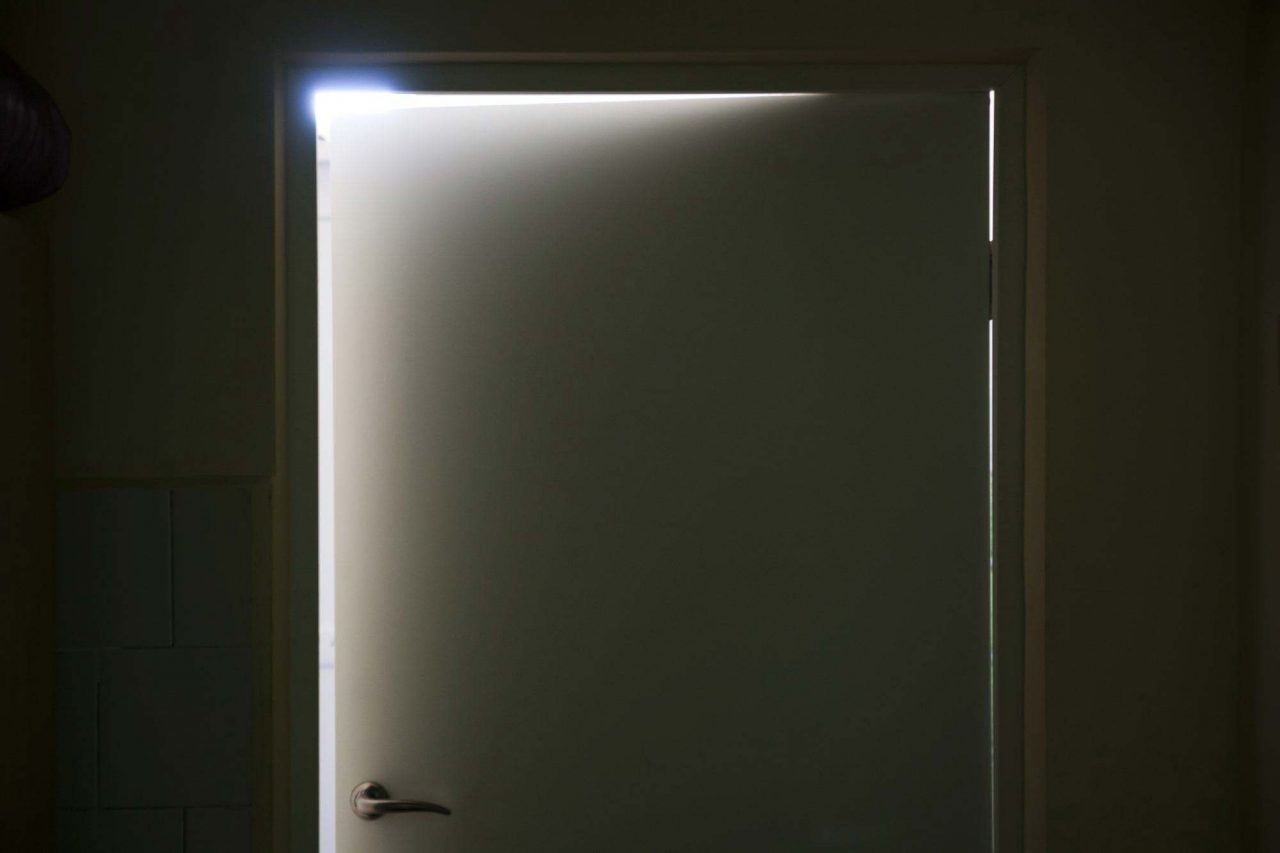 Palliative case, door to the ward photo: Fedor TELKOV for TD
“For the budget, 2 million rubles are mere pennies, 24 million per year, provided that this takes off a huge need for palliative assistance,” Chigantsev says. - And so they came in April and closed what they opened with a huge number of NPOs, funds, volunteers, and commercial companies. “We think it's better.” Okay, count, but where to run, what to do? "
Now the hospice is on quarantine and on August 24 will begin to take palliative patients again. But-in a combined mode with a covid-collar, until the last patient is discharged. At the same time, the staff remained the same - palliative doctors switched to work with coronavirus.
The line of palliative patients was again lined up, like three years ago. But what will happen with the hypothetical second wave of the pandemic and whether the hospice building will be taken again is unknown.
It is difficult to call in such conditions to help the hospice financially: it may seem like a contribution of money to the unknown, given how fragile its existence in the form of a hospice is fragile. But each ruble of support at the same time reduces this fragility. The hospice is a common thing, and the more depositors in it, the more difficult it will be to close or change. Please support his quick rebirth.