
Translated material
Jihad's tablet
Who flooded Europe with drugs that terrorists used before the battle?
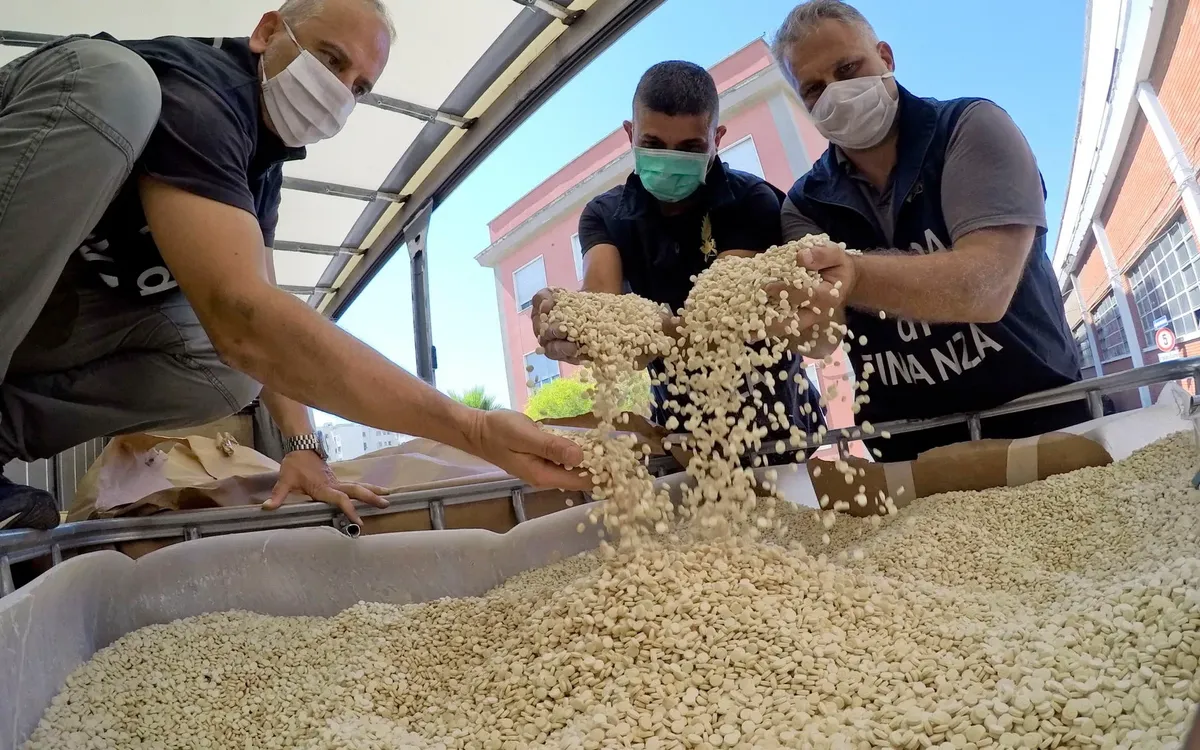
On Tuesday, the Romanian authorities announced the seizure of 751 kilograms (or more than 4 million tablets) of the captagon, the drug amphetamine, hidden on the ship, which was moored in the Black Sea port of Constanta on August 30. The ship, which arrived from Syrian Latakia, also transported 1.5 tons of hash, which was also confiscated by Romanian police officers. The market value of the seized drugs is estimated at 80 million euros.
The captagon, originally designed for medical use, is extremely common in the Middle East. Due to the fact that it was often used by fighters of ISIS banned in Russia,
The captor gained fame as the "drug of the jihad."
Earlier, in early July, the Naples police seized 84 million captagon tablets in the Salerno port. The tablets were hidden among industrial goods in containers, the police estimated their value in the amount of about one billion euros. The cargo, which was removed at the port of Salerno, also arrived from the Syrian port of Latakia.
The Italian police described this operation as "the largest confiscation of amphetamines ever carried out by the police around the world."
Two weeks later, also in the port of Salerno, the police arrested another container, it turned out to be 2800 kg of hash and more than a million captagon tablets. And this container was sent from the Syrian port of Latakia.
European law enforcement officers are seriously concerned about the influx of a new Middle Eastern drug.
The Italian police said that the seized drugs most likely belonged to ISIS. The version, to put it mildly, is dubious, and that's why.
On the Syria coastline are two main port points. Large port of Tartus and relatively small lantakia.
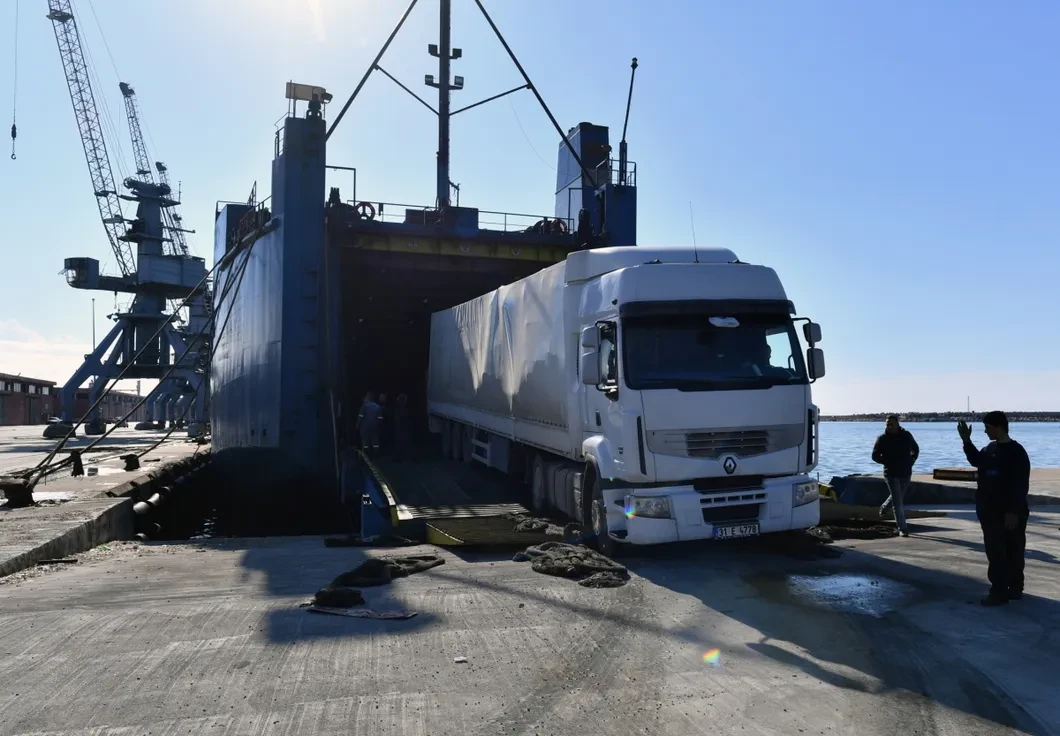
Tartus in 2017 was rented by Russia for 49 years. Having concluded a deal, the Russian Federation declared that she plans to make a port “the center of efforts to restore the destroyed economy of the country”.
“The Russian side intends to improve the work of the old port and build a new trading port,” said Yuri Borisov, Deputy Prime Minister of Russia. “The total investment in the next four years is estimated at $ 500 million.”
In addition, Tartus is the only Russian naval base on the Mediterranean Sea.
The port of Latakia is 85.7 km northeast of the port of Tartus.
Latakia, from where the deadly cargoes went to Europe, is under the control of Iran, in particular, the Corps of the Guardians of the Islamic Revolution and Hezbollah.
It is obvious that Russia and Iran - the declared allies of Assad - have several different approaches to understanding this allies.
Italy, obviously, trying to avoid diplomatic and, not excluded, military confrontation in the Mediterranean, hints that the seized drugs belong to the ISIS terrorist organization. It remains unclear who, in this case, were sent from the port of Latakia?