
Translated material
The SeaClear system will clean the sea bottom of the garbage
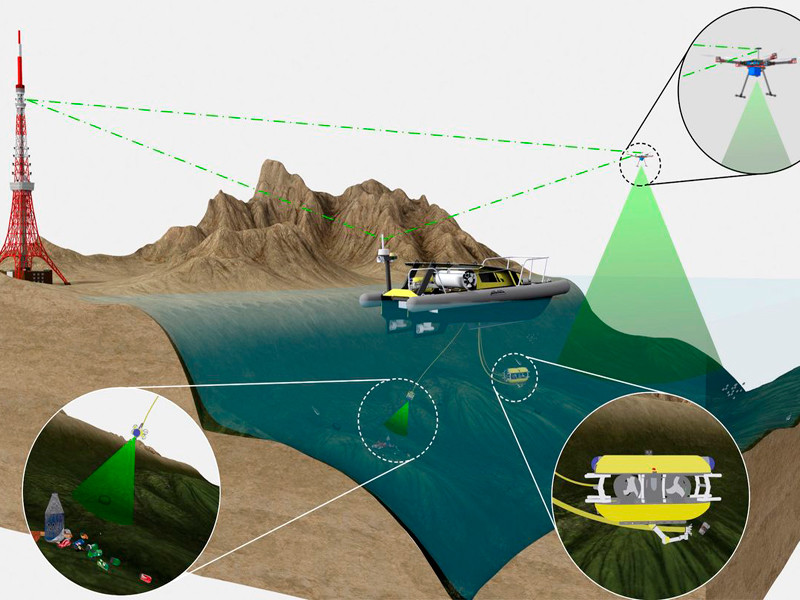
The European project SeaClear has presented the system of the same name, designed to collect garbage from the sea.
According to N+1 , the base system consists of four robotic devices: air drone, unmanned ship and two underwater remote controls. The air drone and the first underwater apparatus are designed to search for garbage on the surface of the water and at a depth. If such garbage is detected, a second apparatus can be sent to a given area that can capture and absorb garbage, recognizing it among corals and algae using machine vision. The ship is intended for supplying power to the underwater devices and processing the data they transmit.
#Oceannews :
- Paul Millard ???????? (@Seyshepherdpaul) September 5, 2020
'SeaClear Project Aims to Robo-Garbage-Pick The Ocean Floor'> @newatlas <Plans Call for the Basic System to Consist of Four Robotic Vehikeles: an Aerial Drone, Two Underwater Remote-Operated Vehicles .. ▼ https://t.co/hemtgrm9dm
. #garbagepatch #oceanpollution pic.twitter.com/uw3llqmdfy
In the spring of this year, the system was tested in the port of German Hamburg and near the coast of the Croatian Dubrovnik. Now they plan to deploy it on the coasts, where a significant part of the garbage coming with river runoff accumulates.
Recall that several years ago, two Australian surfers, preoccupied with the problem of pollution of the oceans, created a device for collecting garbage from the surface of the water. The unit called Seabin is a bucket with a pump and a removable bag for collecting plastic, paper, gasoline or detergents. This bucket is proposed to be fixed on pontoons or wave cutters at the surface of the water in the area of berths, ports and in other places of accumulation of sea garbage. The pump, which works due to solar energy, sucks water along with the garbage contained in it, which accumulates in the bag.
In 2016, the non-profit organization Rise (Robots in Service of the Environment) began the development of an underwater robot intended for the destruction of lover-zibr, threatening the coastal ecosystems of the southeastern coast of the United States and the Caribbean Sea. Self-zebra shelves live in the Pacific Ocean and are an invasive look (a species that spread as a result of a person who threatens a biological diversity) for the Atlantic. The shelves, which initially ended up in coastal waters in the mid-80s of the last century, are predators and actively destroy other fish that do not perceive the shells as a threat. At the same time, larger local predators practically do not eat covers, since they do not consider their prey.